- Chinese
- French
- German
- Portuguese
- Spanish
- Russian
- Japanese
- Korean
- Arabic
- Irish
- Greek
- Turkish
- Italian
- Danish
- Romanian
- Indonesian
- Czech
- Afrikaans
- Swedish
- Polish
- Basque
- Catalan
- Esperanto
- Hindi
- Lao
- Albanian
- Amharic
- Armenian
- Azerbaijani
- Belarusian
- Bengali
- Bosnian
- Bulgarian
- Cebuano
- Chichewa
- Corsican
- Croatian
- Dutch
- Estonian
- Filipino
- Finnish
- Frisian
- Galician
- Georgian
- Gujarati
- Haitian
- Hausa
- Hawaiian
- Hebrew
- Hmong
- Hungarian
- Icelandic
- Igbo
- Javanese
- Kannada
- Kazakh
- Khmer
- Kurdish
- Kyrgyz
- Latin
- Latvian
- Lithuanian
- Luxembou..
- Macedonian
- Malagasy
- Malay
- Malayalam
- Maltese
- Maori
- Marathi
- Mongolian
- Burmese
- Nepali
- Norwegian
- Pashto
- Persian
- Punjabi
- Serbian
- Sesotho
- Sinhala
- Slovak
- Slovenian
- Somali
- Samoan
- Scots Gaelic
- Shona
- Sindhi
- Sundanese
- Swahili
- Tajik
- Tamil
- Telugu
- Thai
- Ukrainian
- Urdu
- Uzbek
- Vietnamese
- Welsh
- Xhosa
- Yiddish
- Yoruba
- Zulu
- Kinyarwanda
- Tatar
- Oriya
- Turkmen
- Uyghur


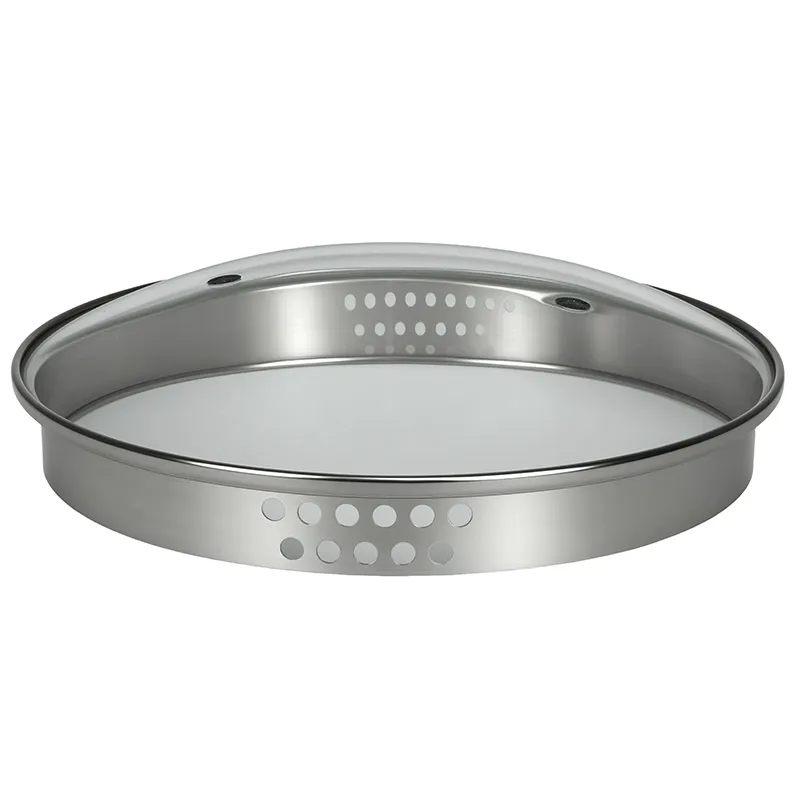
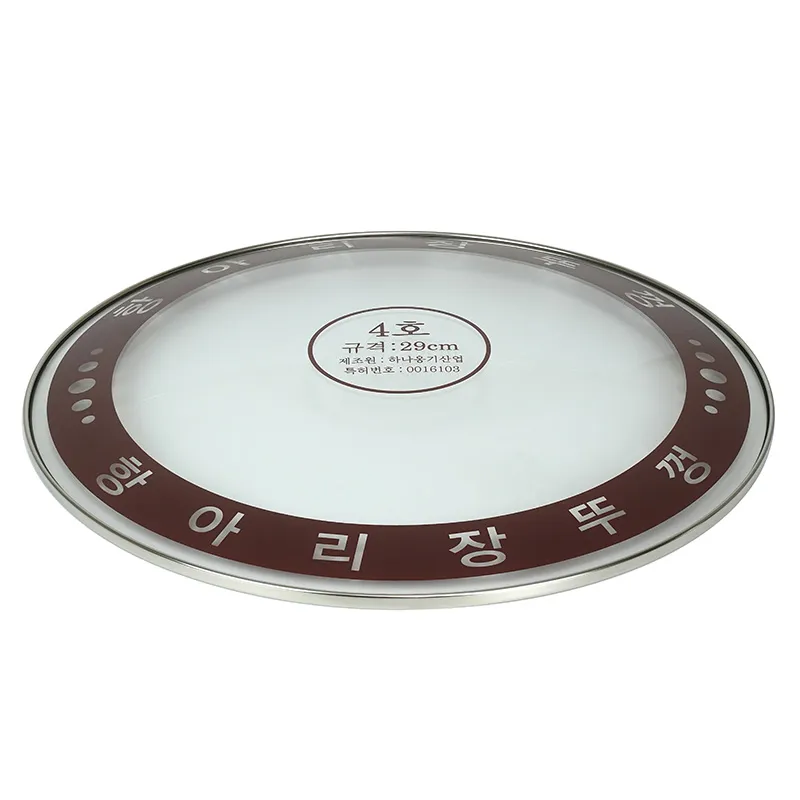
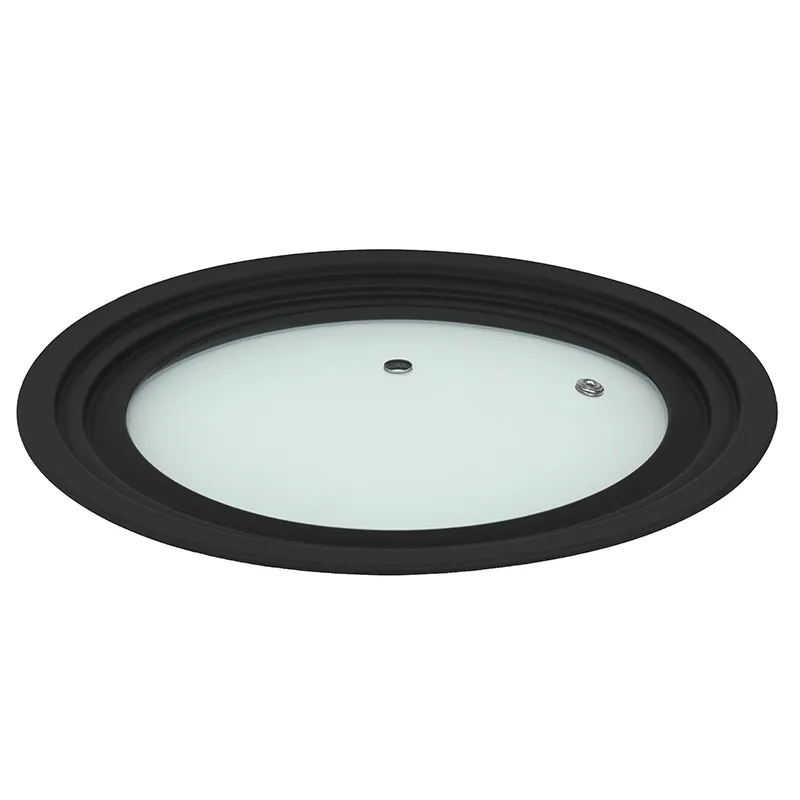
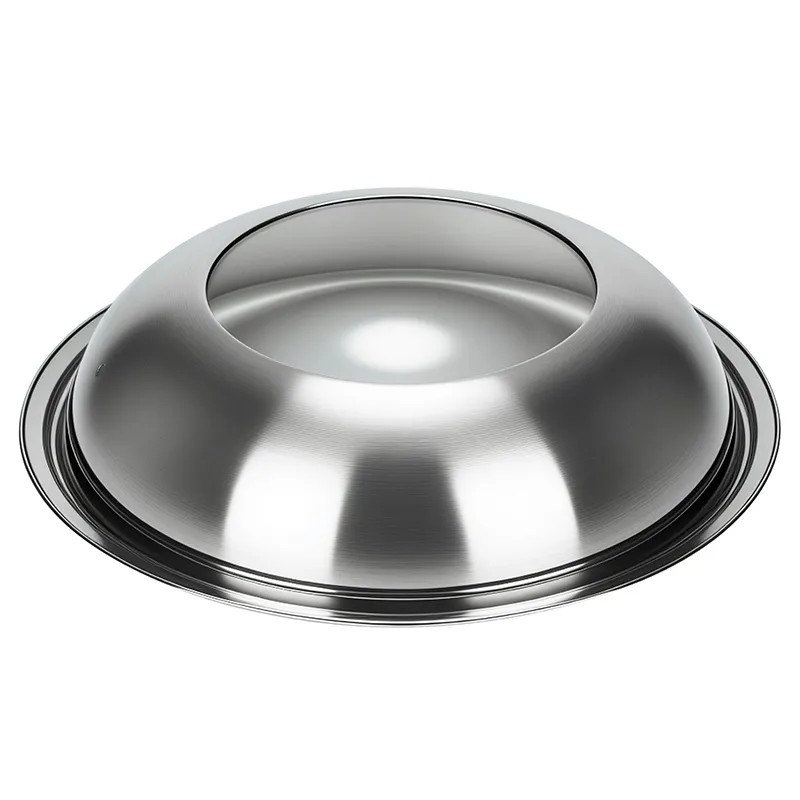
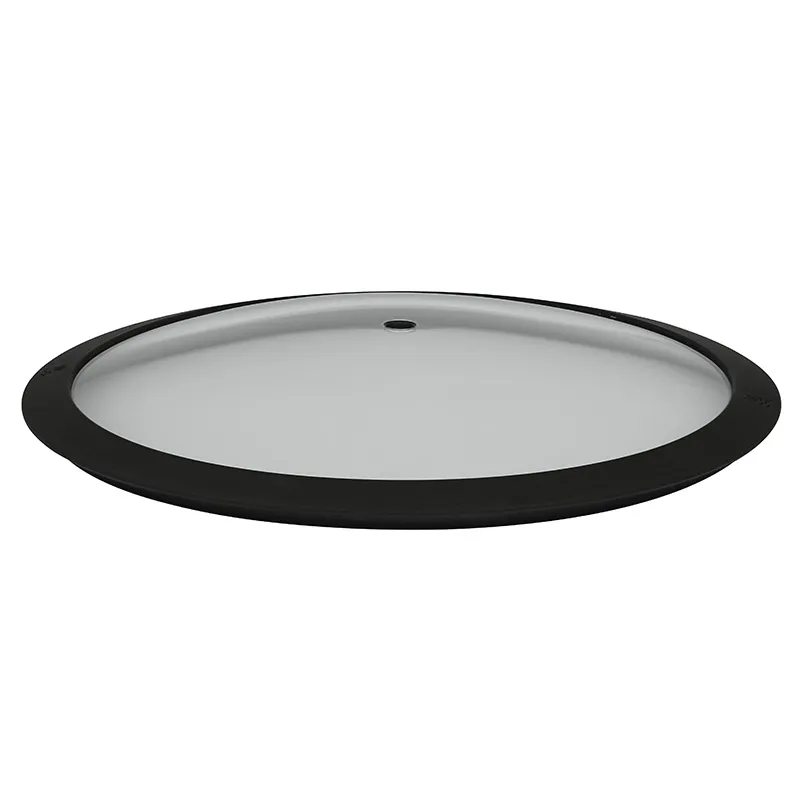
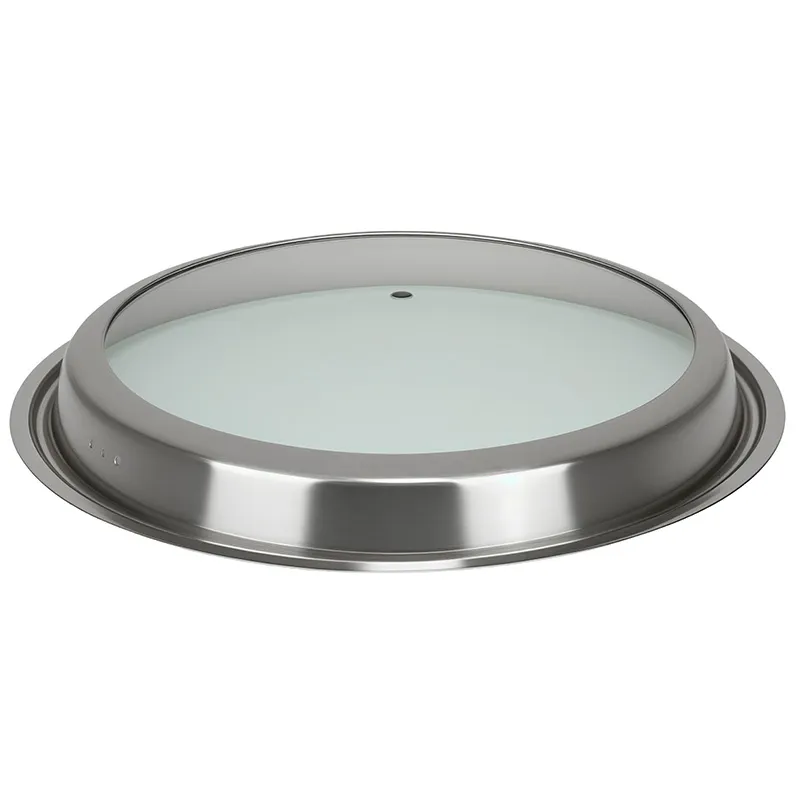
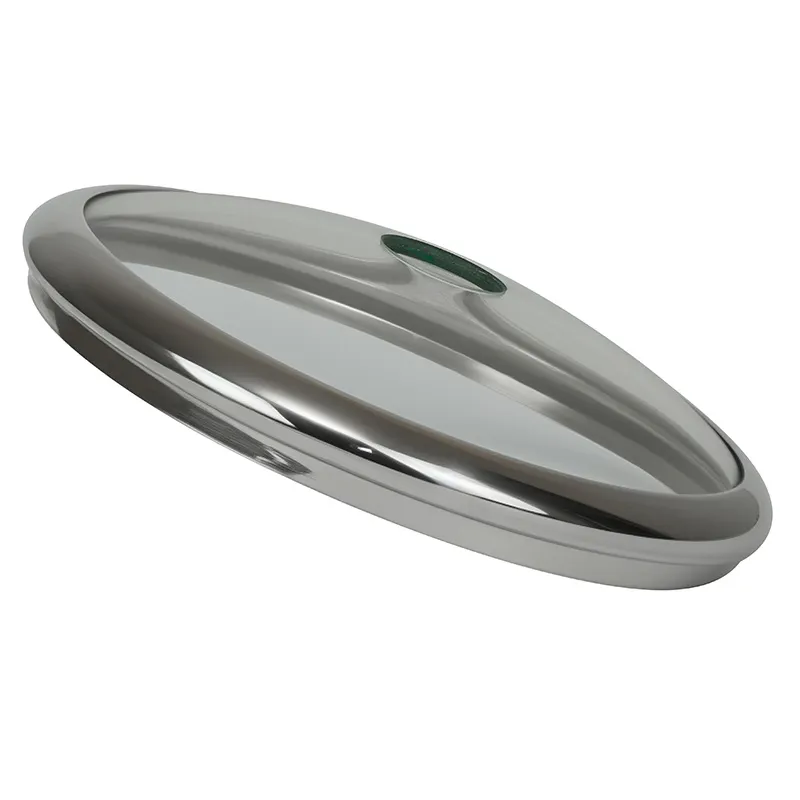
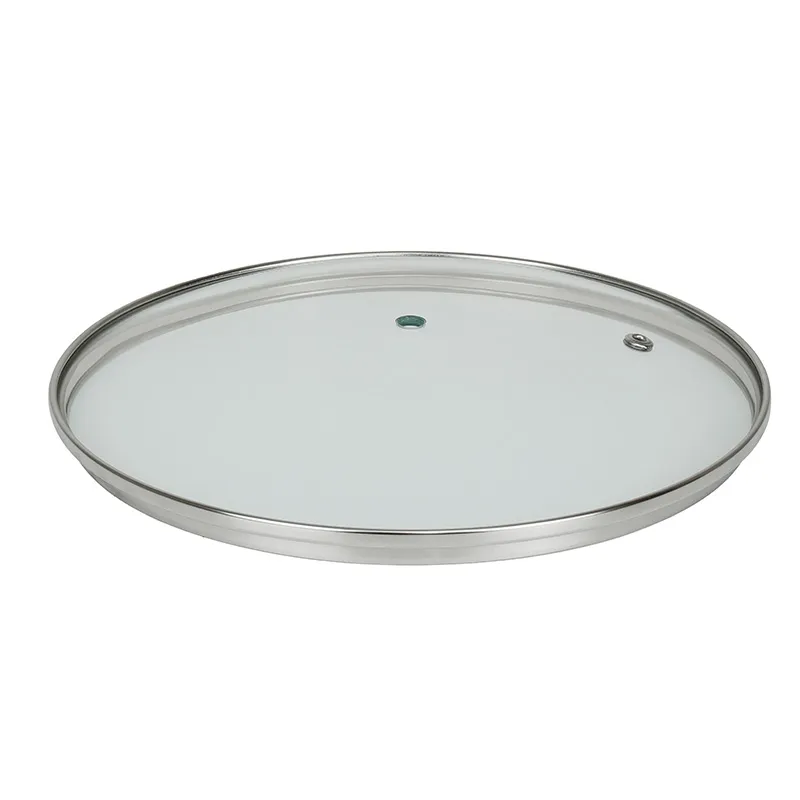
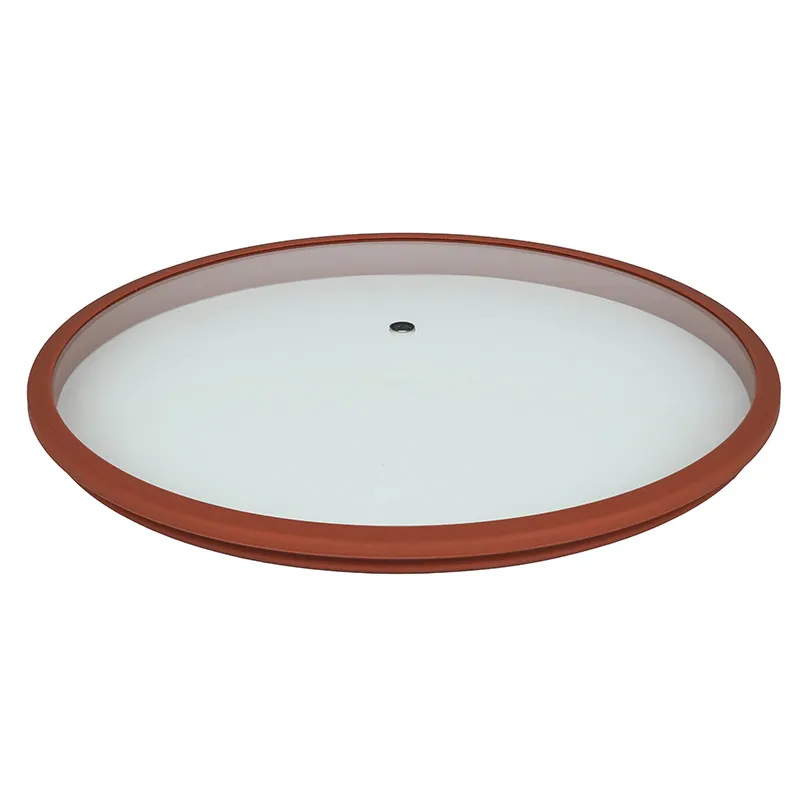
le creuset with glass lid
When most people think of Le Creuset, that iconic, heavy, enameled cast iron with the signature colored finish comes to mind. The glass lid versions, however, often get sidelined in the conversation. There's a common misconception that they're a lesser product, maybe a compromise. Having sourced and tested cookware components for years, I can tell you that's not the case. It's a different tool for a different set of jobs, and frankly, for certain cooking styles, it's superior. The key is understanding what you're really getting, and that starts with the lid itself.
The Practicality of Seeing Through
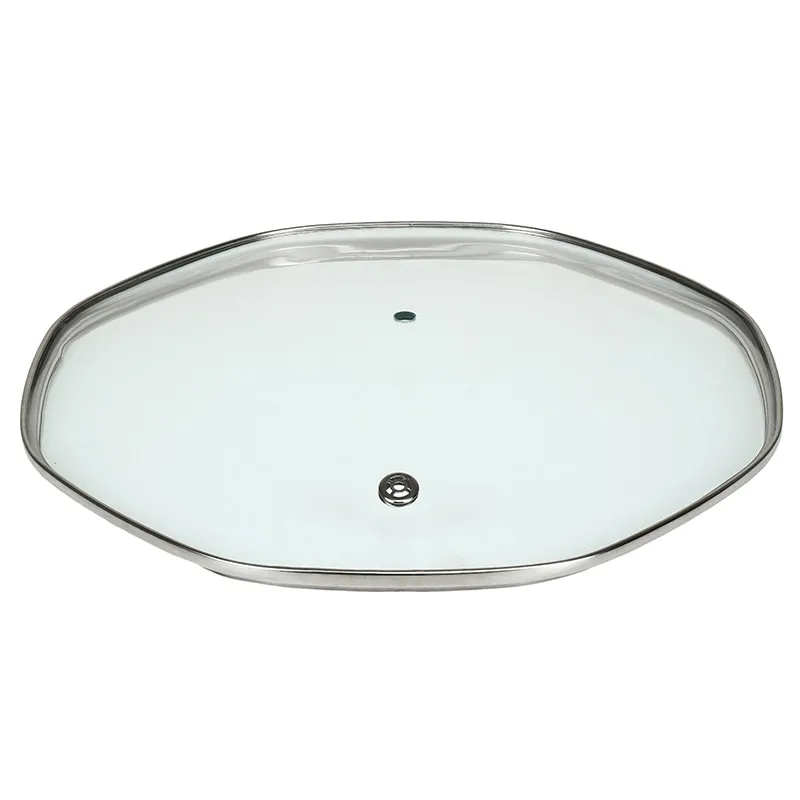
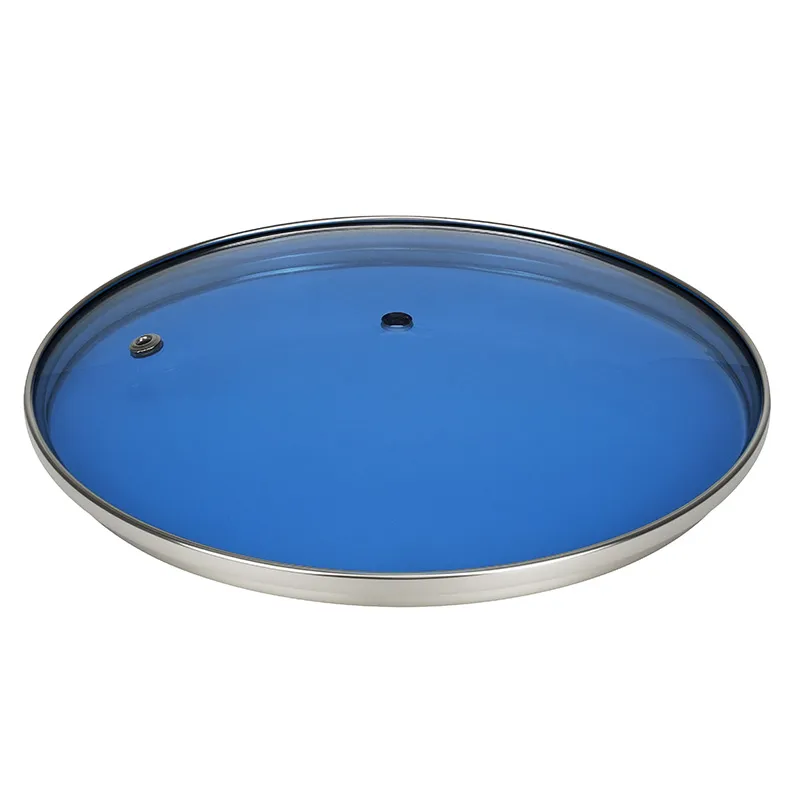
Let's be honest, the classic cast iron lid is beautiful, but it's a guesswork game. You're lifting it constantly to check on a braise, releasing heat and steam every time. The primary advantage of a Le Creuset with glass lid is visual monitoring. For slow-simmered sauces, delicate reductions, or even just cooking rice, being able to see the bubble size and liquid level without disturbing the process is a game-changer. It prevents over-reduction and scorching. I've found it particularly invaluable for dishes where the sauce consistency is critical in the final 10 minutes.
There's a weight difference, too. The overall pot is lighter, which matters for those of us who aren't just heaving a Dutch oven from stove to oven, but are moving it around the stovetop, swirling a pan sauce or adjusting heat zones. The glass lid doesn't seal with the same hermetic, heavy pressure as the cast iron one, which can actually be beneficial for recipes where you want a slight evaporation, not a complete seal.
I recall a client, a small-batch jam maker, who specifically switched to these for her small-batch fruit reductions. The visual clarity allowed her to catch the exact set point without constant stirring and thermometer checks. That's a professional application that highlights its utility beyond just a lighter option.
Quality and Sourcing: The Lid is the Story
This is where the industry knowledge comes in. The performance and safety of a glass lid hinge entirely on the quality of the tempered glass and its fit. A poorly made lid won't sit flat, won't distribute heat evenly across its surface (leading to potential thermal shock and cracking), and the handle might not withstand repeated oven cycles.
Many major brands, including Le Creuset, source these components from specialized manufacturers. The specs for thermal shock resistance, edge finishing, and dimensional tolerance are extremely high. I've visited factories that produce these, and the difference between a high-end lid and a cheap one is stark—in the annealing process, the quality control for inclusions or stress points, and the precision of the grinding on the rim.
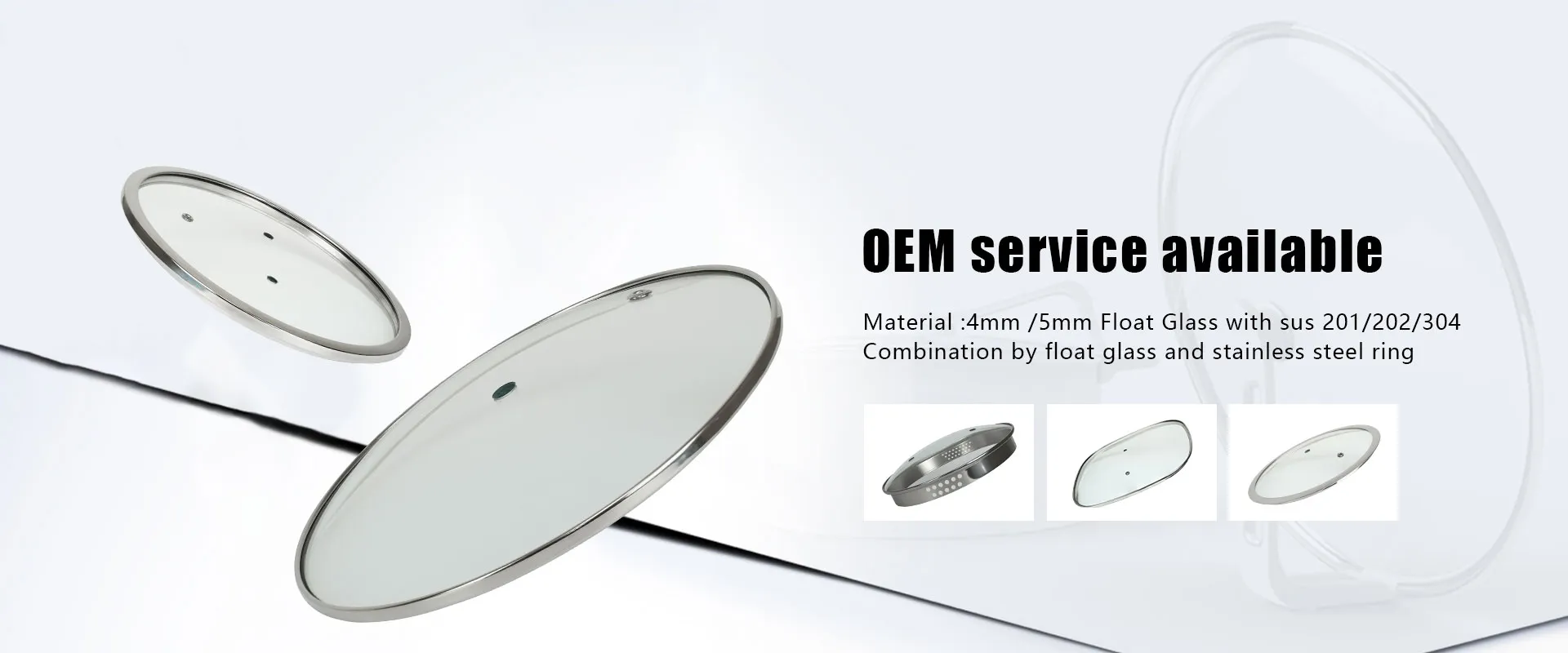
For instance, a company like EUR-ASIA COOKWARE CO.,LTD, which you can find at https://www.glass-lid.com, exemplifies this specialization. They're not a consumer brand; they're a producer focused specifically on glass lids and kitchen glass. Their entire operation, from their production base in China's Shandong province to exporting over 90% of their output to markets like Germany, Italy, and Japan, is built on manufacturing these components to meet rigorous international standards. When you see a well-fitting, clear, durable glass lid on a premium pot, it often comes from a dedicated OEM supplier with this level of focus.
Common Pitfalls and What to Look For
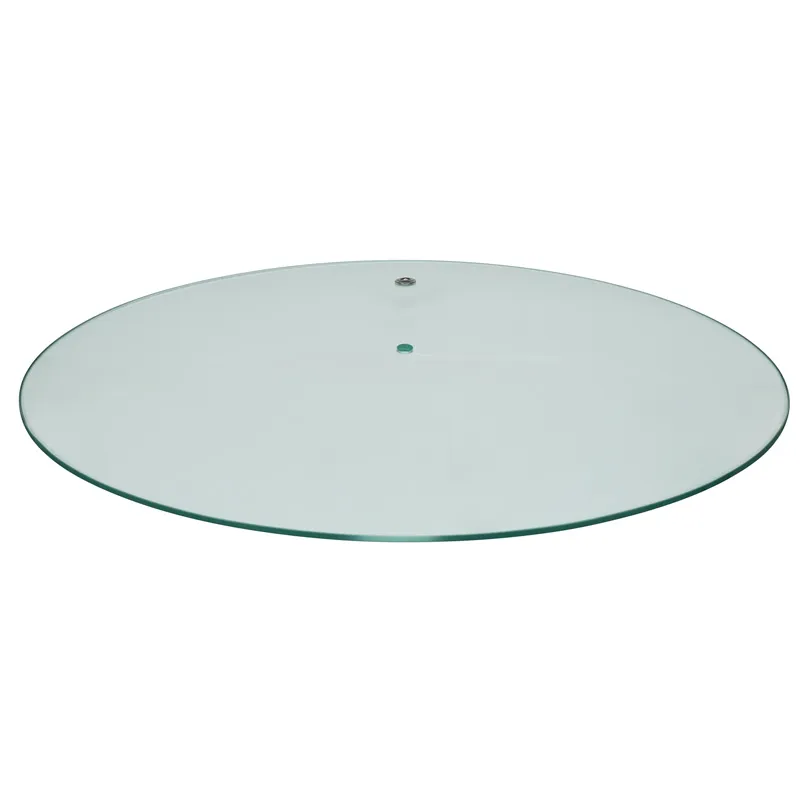
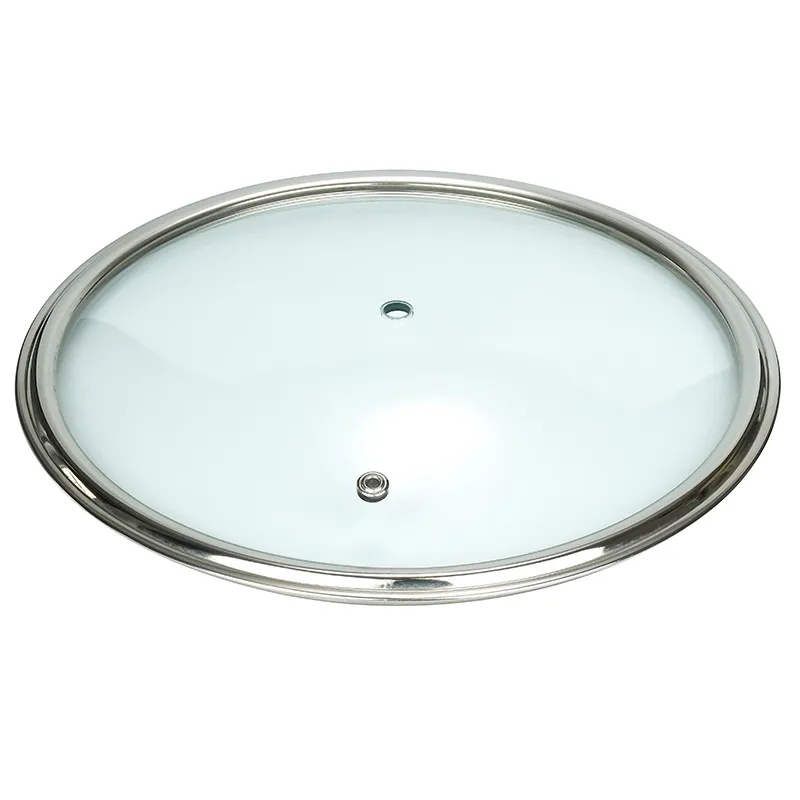
Not all glass lids are created equal, even on a good pot. The first thing I check is the rim. It should be smoothly ground, not sharp, and have a consistent, faintly frosted appearance from sandblasting. This ensures a proper seal and prevents chipping. A mirror-polished edge is a red flag—it's more prone to damage.
The handle is critical. It must be oven-safe to the same temperature as the pot body, and securely attached with a robust metal bracket and screw, not just adhesive. I've seen failures here—handles loosening after a few high-heat oven uses. The best designs have a metal reinforcement that spreads the stress.
Thermal shock is the silent killer. A good lid should handle going from a cold counter onto a hot, simmering pot. But the real test is the reverse: taking a hot lid off and setting it on a cold, wet surface. That's where cheap glass spiders or outright cracks. A quality tempered lid from a specialist like EUR-ASIA COOKWARE CO.,LTD is engineered to withstand these differentials, which is why they supply to markets with strict safety regulations.
Application vs. Tradition
So, do you choose the classic or the glass-lidded version? It's not about better or worse; it's about function. The traditional cast iron Dutch oven with its heavy lid is unbeatable for deep, long braises where you want maximum moisture retention and heat mass—think a 4-hour beef bourguignon. The weight of the lid itself helps press down on ingredients.
The Le Creuset with glass lid, often found in their Everyday Pan or Signature Skillet lines, is your go-to for sauté-to-simmer dishes. Think of a chicken piccata where you deglaze and reduce a pan sauce, or a shallow braise of vegetables. You need to see what's happening. It's also mentally easier—you're not working blind.
I made the mistake early on of using a glass-lidded pot for a long, slow-cooked bean dish. The constant, low heat was fine, but the slight evaporation over hours meant the liquid level dropped faster than I anticipated, and I nearly dried it out. My fault—I used the wrong tool. That experience cemented the distinction for me.
The Niche of Replacement and Compatibility
This leads to another practical point: replacement lids. It's a common headache. A lid breaks, and the original cast iron one is expensive or discontinued. Sourcing a compatible, high-quality glass lid can be a brilliant solution. The key is exact diameter measurement (inner rim to inner rim) and understanding the handle clearance on your stovetop.
Specialized producers are the backbone here. A company with the capacity to produce 15 million pieces annually, like EUR-ASIA COOKWARE CO.,LTD, operates at a scale that supports this aftermarket and OEM need. Their specialization in tempered glass for kitchenware means they have the engineering data on thermal expansion and safety standards that a generic glass shop won't. If you're in the trade, finding a reliable partner for compatible lids is half the battle won.
It's not just about selling a lid; it's about providing a component that performs safely under real kitchen conditions. That requires a deep material science understanding, which is why the production process—from tempering ovens to stress testing—is so capital and knowledge-intensive. When their product description notes a focus on low, medium, and high-level household glass, that hierarchy speaks directly to the performance grade and safety testing behind each piece.
Final Thoughts: Embracing the Specific
In the end, the Le Creuset with glass lid shouldn't be seen as a lite version. It's a precision instrument for a specific type of cooking. Its value is in transparency—both literal and figurative. It tells you what's happening in the pan, and its quality tells you a lot about the supply chain behind a cookware brand.
The next time you consider one, look past the brand name on the pot and pay close attention to the lid itself. Check its finish, its fit, the robustness of the handle assembly. That component likely came from a focused industrial operation, a place that thinks about nothing but glass and heat all day. And that specialization is what makes it work. It turns a potential compromise into a dedicated, highly useful piece of kit that earns its keep in a busy kitchen, professional or home.
Related Products
Related Products