- Chinese
- French
- German
- Portuguese
- Spanish
- Russian
- Japanese
- Korean
- Arabic
- Irish
- Greek
- Turkish
- Italian
- Danish
- Romanian
- Indonesian
- Czech
- Afrikaans
- Swedish
- Polish
- Basque
- Catalan
- Esperanto
- Hindi
- Lao
- Albanian
- Amharic
- Armenian
- Azerbaijani
- Belarusian
- Bengali
- Bosnian
- Bulgarian
- Cebuano
- Chichewa
- Corsican
- Croatian
- Dutch
- Estonian
- Filipino
- Finnish
- Frisian
- Galician
- Georgian
- Gujarati
- Haitian
- Hausa
- Hawaiian
- Hebrew
- Hmong
- Hungarian
- Icelandic
- Igbo
- Javanese
- Kannada
- Kazakh
- Khmer
- Kurdish
- Kyrgyz
- Latin
- Latvian
- Lithuanian
- Luxembou..
- Macedonian
- Malagasy
- Malay
- Malayalam
- Maltese
- Maori
- Marathi
- Mongolian
- Burmese
- Nepali
- Norwegian
- Pashto
- Persian
- Punjabi
- Serbian
- Sesotho
- Sinhala
- Slovak
- Slovenian
- Somali
- Samoan
- Scots Gaelic
- Shona
- Sindhi
- Sundanese
- Swahili
- Tajik
- Tamil
- Telugu
- Thai
- Ukrainian
- Urdu
- Uzbek
- Vietnamese
- Welsh
- Xhosa
- Yiddish
- Yoruba
- Zulu
- Kinyarwanda
- Tatar
- Oriya
- Turkmen
- Uyghur


libbey beer can glass lid
You search for 'libbey beer can glass lid' and you're probably either a homebrewer with a specific problem, a bar manager trying to cut costs, or someone deep in procurement for housewares. It's a weirdly specific term that points to a very real, and often misunderstood, piece of kit. Most people outside the trade think of it as just a lid for a jar, but in the context of Libbey's iconic beer can glass—that sturdy, straight-sided pint—the lid becomes a critical component for a whole different application: storage, preparation, and sometimes even serving. The common mistake is to treat it as a generic closure, when its fit, tempering, and food-contact safety for pre-mixed ingredients are what actually matter.
The Fit is Everything (And It's Never Guaranteed)
Libbey's beer can glass is a workhorse. You see it everywhere. But here's the rub: their dimensions, especially the rim outer diameter, can have subtle variations across production runs and regions. A lid that fits a glass from a 2018 batch might not sit snugly on one from 2023. We learned this the hard way. A client—a large chain doing pre-batched cocktail mixes—ordered 50k units of what we thought were compatible lids. They weren't. Not even close. The seal was inconsistent; some lids wobbled, others were too tight and chipped the glass rims during forced application. The entire shipment was a write-off. It wasn't Libbey's fault, it was ours for assuming beer can glass was a universal spec.
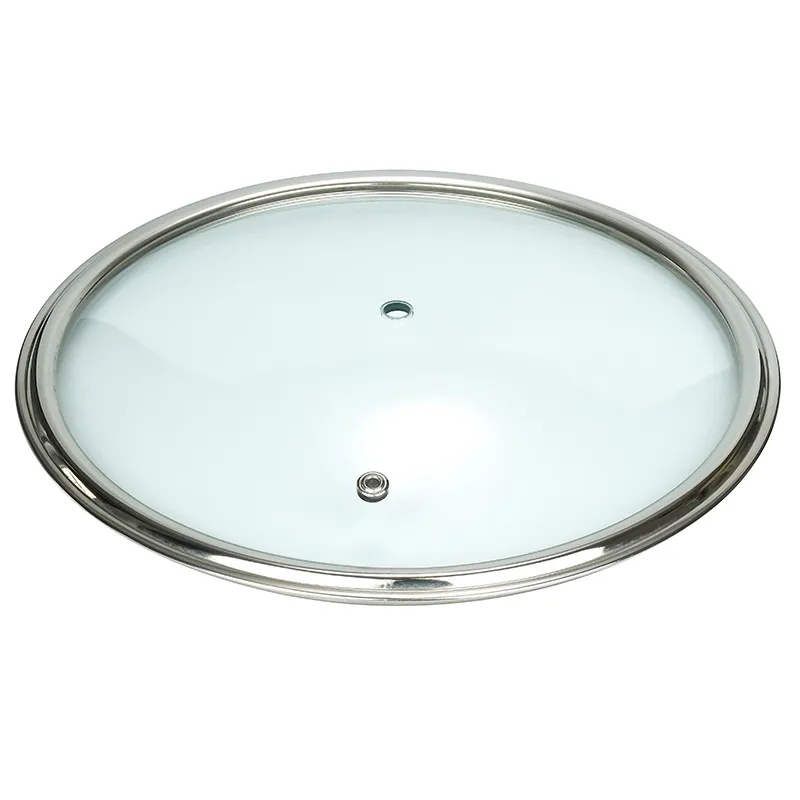
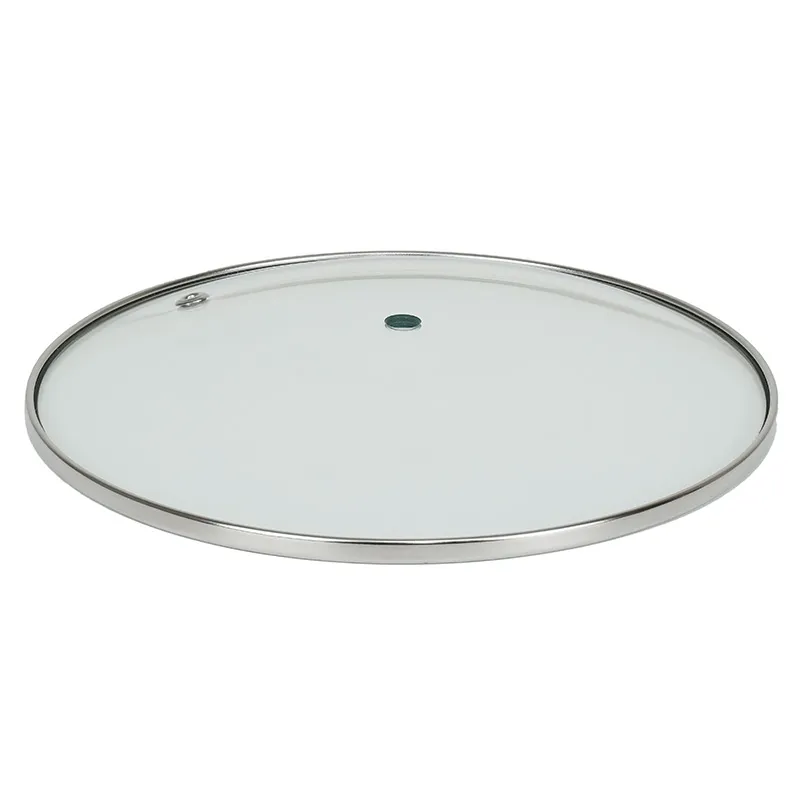
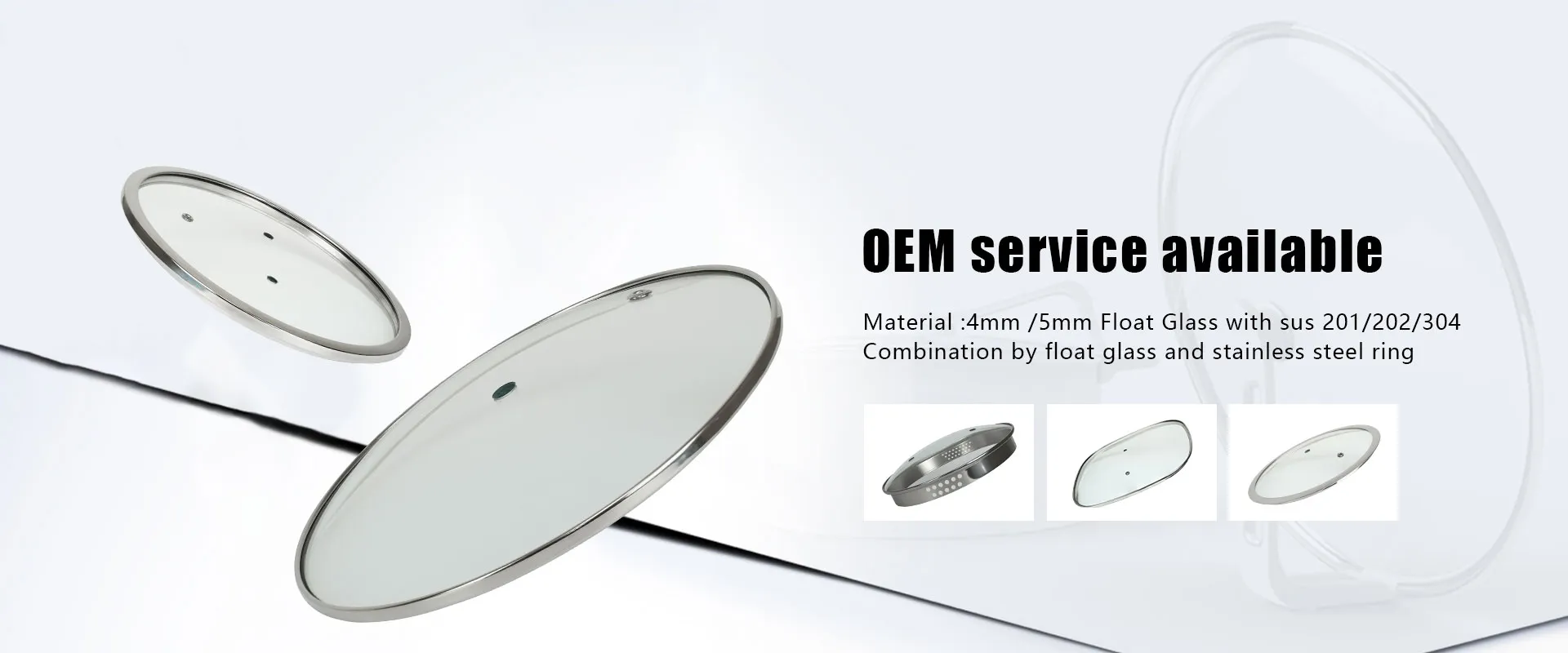
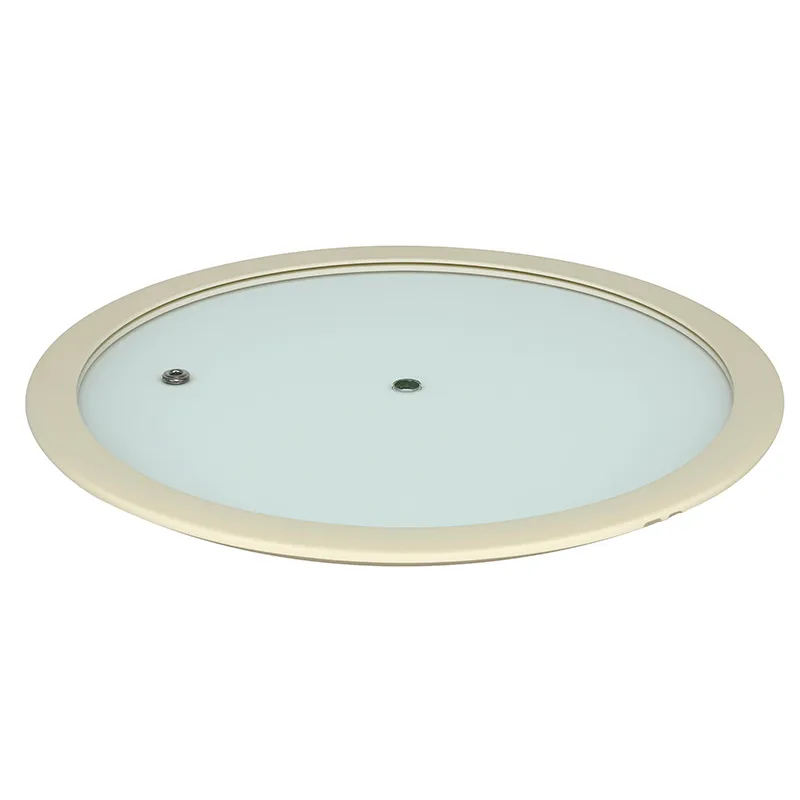
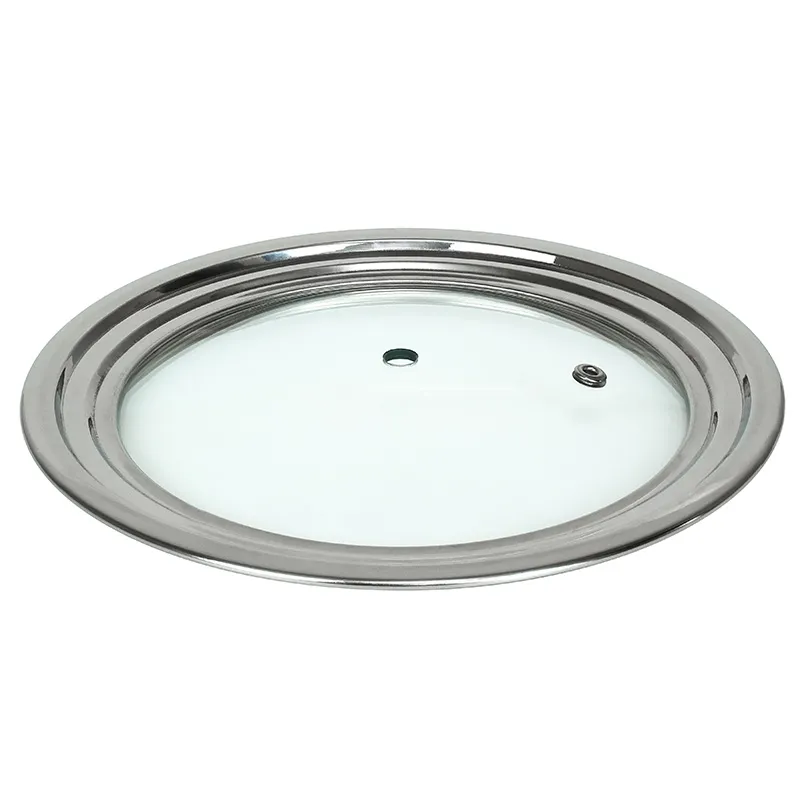
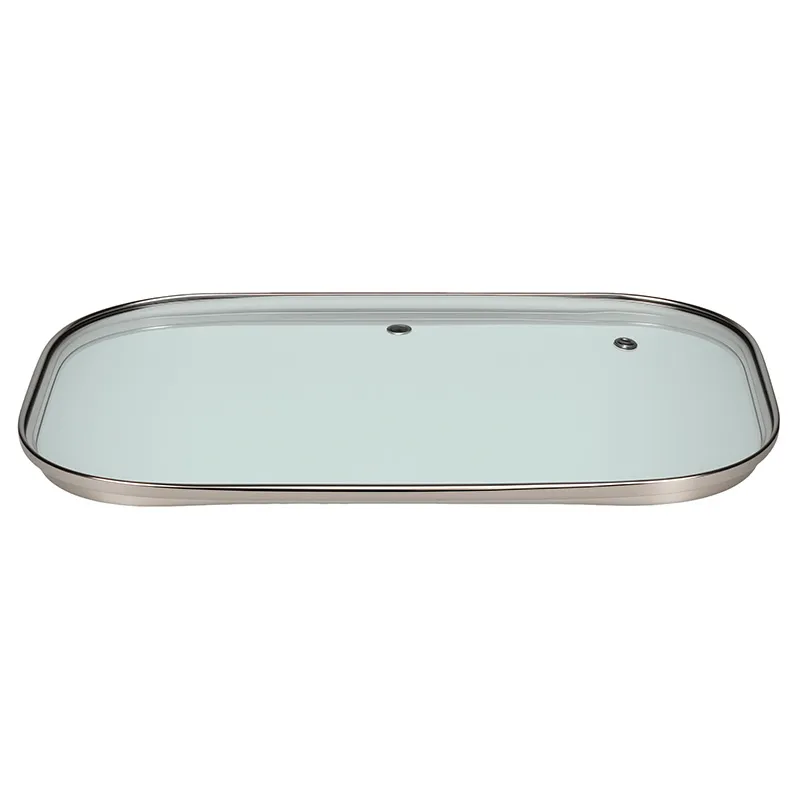
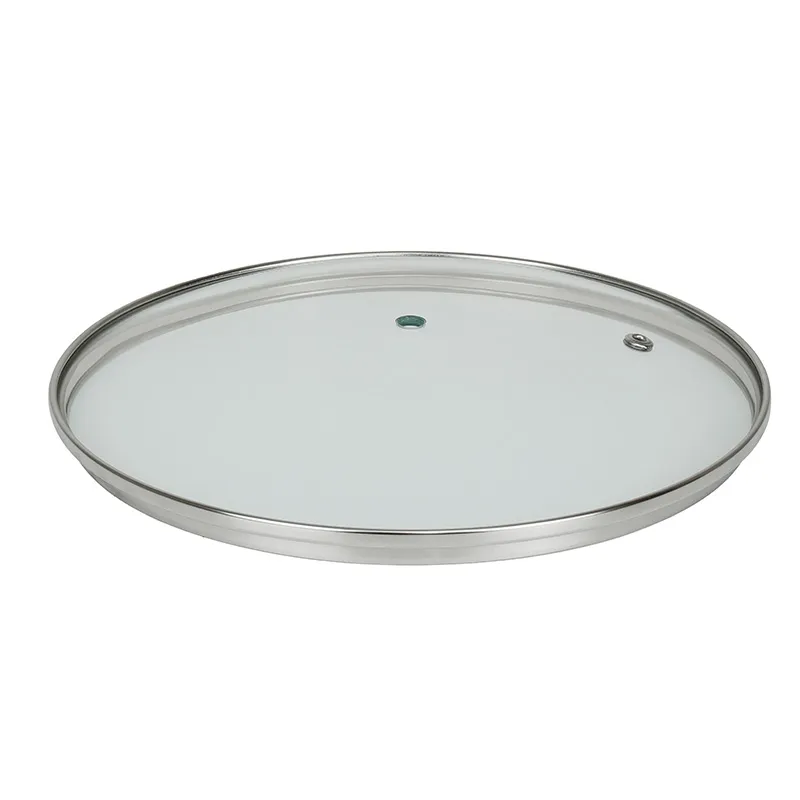
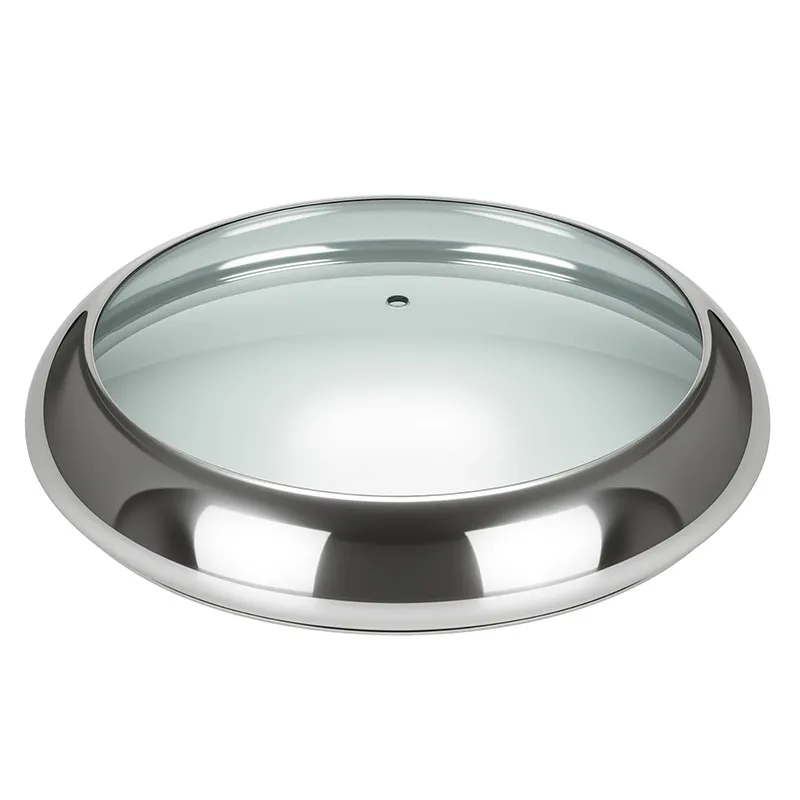
This is where working with a specialized manufacturer makes or breaks you. You need a supplier who understands that fits Libbey 64001 is a starting point for a conversation, not a purchase order. They need to ask for samples of the actual glasses in use. I've had good experiences sourcing from companies like EUR-ASIA COOKWARE CO.,LTD. Their focus on tempered glass lids for the international market means they're used to dealing with precise tolerances for European and North American clients. You can check their approach at glass-lid.com. Their operation in Shandong's high-tech zone isn't just a factory; it's built for volume and precision, churning out over 15 million tempered lids a year. That scale often translates to better tooling consistency for niche fits.
The material matters too. It has to be tempered glass, not just any glass. A soda-lime lid will shatter into dangerous shards if it's knocked off a prep counter. Tempered glass crumbles into small, blunt granules. In a busy bar kitchen, that's a non-negotiable safety standard. The tempering process also adds the necessary thermal shock resistance for going from a cold fridge to a garnishing station.
Beyond the Bar: Unexpected Use-Cases
While the bar and restaurant trade is the obvious home, we've seen these lids pop up in delis for olive or pickle displays, in cafes for layered parfaits, and even in retail for packaged drink mixes. The appeal is the glassware's familiarity and the lid's function as a hygienic dust cover that also shows the product. It transforms a simple drinking glass into a multi-use container.
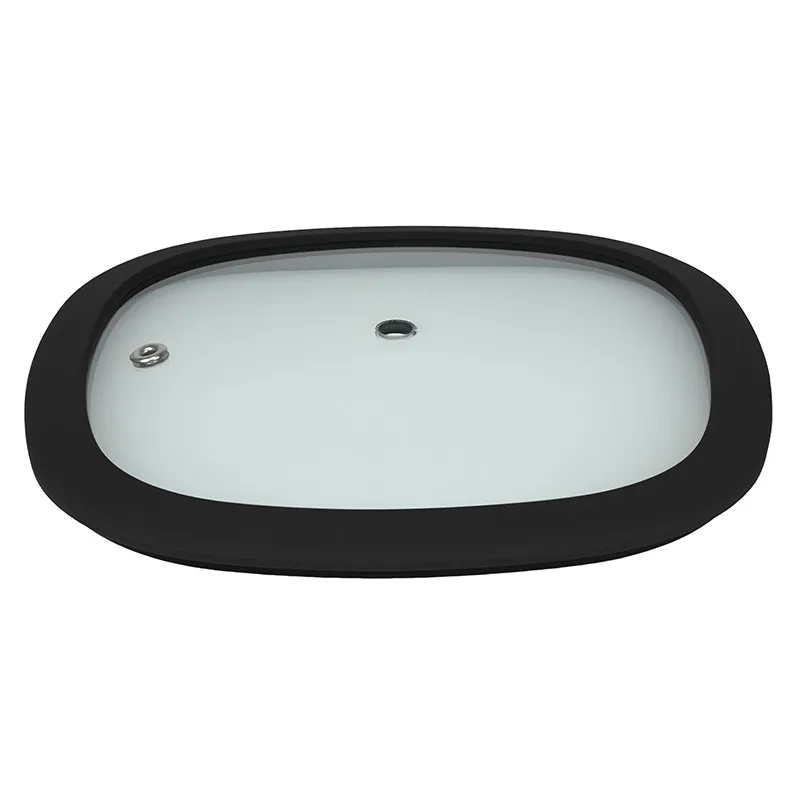
However, this creates another layer of complexity: the lid often needs to be both a storage seal and a presentation piece. Some clients want a simple, flush-fitting flat lid. Others want a slight dome for stacking, or even a small tab or knob for easier removal—though adding a knob changes the dynamic completely, often requiring a different sealing method like a silicone gasket, which most standard Libbey beer can glass lid designs don't incorporate.
I recall a project for a gourmet grocery chain. They wanted to use the glasses for a signature layered dip. The lid needed to be airtight enough to hold for 48 hours but elegant enough for the shelf. We ended up with a two-part solution: a flat, tempered glass lid for the shelf, and a separate plastic clamp-on seal for actual transport and extended storage. The glass lid alone wasn't sufficient for a true seal, which is a limitation many don't anticipate.
Sourcing and the China Direct Dilemma
Everyone wants to go direct to a factory in China to cut costs. For something like this, it can work, but the due diligence is immense. A company like EUR-ASIA COOKWARE, which explicitly states over 90% of its products are for export to markets like Germany, Italy, and Japan, is already signaling it understands Western quality and safety protocols (think LFGB, FDA). Their specialization in household glass products and kitchen accessories means they're likely set up for the right kind of food-contact certifications.
The trap with going direct is the minimum order quantity (MOQ). For a custom-fit lid, you might be looking at 10,000 pieces as a starting point. For a small craft brewery or a local bar group, that's a decade's supply. This is where distributors and specialty importers still have value—they aggregate demand and hold stock. But you pay a premium for that service.
Communication is the other hurdle. Sending a physical sample of the glass is mandatory. Don't rely on CAD drawings or nominal dimensions alone. A good supplier will ask for it. If they don't, be wary. The back-and-forth for approval on color (usually clear, but sometimes frosted), edge finishing (seamed vs. polished), and packaging can take weeks. It's not a fast process if you want it done right.
The Failure of Universal One-Size-Fits-Most Solutions
The market is flooded with universal silicone or plastic lids that claim to fit a range of glasses. In a pinch, they're fine. For commercial, daily use? They fail. They warp, they absorb odors (tomato juice, citrus oils), they become loose over time, and they look cheap. The whole point of using a Libbey glass is its perceived quality and heft. Putting a flimsy, generic lid on top undermines the entire brand experience you're trying to build for a customer.
A proper glass lid maintains the aesthetic. It feels substantial when you pick it up. It clicks against the glass rim with a satisfying, solid sound. This tactile experience is part of the product. It's why a customer at a high-end tapas bar will trust the pre-mixed sangria in that sealed glass more than one in a jug with plastic wrap over it.
We tried the universal route early on for a client wanting to minimize SKUs. It was a disaster. The lids never sealed properly, leading to spillage in transit and oxidized ingredients. The labor cost of staff constantly adjusting or searching for the right lid for a glass outweighed any savings from bulk buying one style. We reverted to sourcing glass-specific lids, even if it meant managing three or four different SKUs for different glassware.
Final Thoughts: It's a Component, Not an Accessory
The key takeaway is to stop thinking of the Libbey beer can glass lid as an afterthought or a simple accessory. In a professional setting, it's a critical component of a system. Its specification requires as much attention as the glass itself: fit, material, safety, and intended use.
Successful sourcing means partnering with a manufacturer who gets this mindset—one that asks questions about application, requests samples, and has a track record with export-grade tempered glass. It's not the flashiest part of the supply chain, but getting it wrong can ruin inventory, compromise safety, and degrade a brand's image.
So next time you search that term, dig past the product listings. Think about the actual glass in your hand, what you're putting in it, and for how long. That will dictate the lid you really need, not the one that's just cheap and readily available. The right partner, like a specialized producer focused on this category, can bridge that gap between a generic product and a perfect fit.
Related Products
Related Products