
- Chinese
- French
- German
- Portuguese
- Spanish
- Russian
- Japanese
- Korean
- Arabic
- Irish
- Greek
- Turkish
- Italian
- Danish
- Romanian
- Indonesian
- Czech
- Afrikaans
- Swedish
- Polish
- Basque
- Catalan
- Esperanto
- Hindi
- Lao
- Albanian
- Amharic
- Armenian
- Azerbaijani
- Belarusian
- Bengali
- Bosnian
- Bulgarian
- Cebuano
- Chichewa
- Corsican
- Croatian
- Dutch
- Estonian
- Filipino
- Finnish
- Frisian
- Galician
- Georgian
- Gujarati
- Haitian
- Hausa
- Hawaiian
- Hebrew
- Hmong
- Hungarian
- Icelandic
- Igbo
- Javanese
- Kannada
- Kazakh
- Khmer
- Kurdish
- Kyrgyz
- Latin
- Latvian
- Lithuanian
- Luxembou..
- Macedonian
- Malagasy
- Malay
- Malayalam
- Maltese
- Maori
- Marathi
- Mongolian
- Burmese
- Nepali
- Norwegian
- Pashto
- Persian
- Punjabi
- Serbian
- Sesotho
- Sinhala
- Slovak
- Slovenian
- Somali
- Samoan
- Scots Gaelic
- Shona
- Sindhi
- Sundanese
- Swahili
- Tajik
- Tamil
- Telugu
- Thai
- Ukrainian
- Urdu
- Uzbek
- Vietnamese
- Welsh
- Xhosa
- Yiddish
- Yoruba
- Zulu
- Kinyarwanda
- Tatar
- Oriya
- Turkmen
- Uyghur

libbey can glass with lid
When you hear 'Libbey can glass with lid', most people just think of a basic, lidded jar for iced coffee. That's the common pitfall. In reality, it's a specific product category with nuances in sealing, thermal shock resistance, and material compatibility that separate a good bulk buy from a problematic one. I've seen too many orders where the lid fit was just a millimeter off, leading to leaks and unhappy end-users. It's never just a glass with a lid.
The Core Specs Most Catalogs Miss
The term itself points to Libbey, a major player, but it's become a generic search term for that style. The key is the tempered glass body. It's not just about strength; it's about withstanding the thermal shift from a hot wash to a cold fridge without cracking. A supplier cutting corners on the tempering process will have a failure rate that shows up months later, usually after you've paid the invoice.
Then there's the lid. The assumption is it's all plastic. But the good ones, the ones that don't impart a taste or warp after 50 dishwasher cycles, are often made with specific grades of PP or Tritan. The sealing ring is another beast—is it a separate silicone gasket or a molded-in lip? The former seals better but is easier to lose; the latter is cheaper to assemble but can fail if the molding isn't perfect.
I recall a shipment from a new vendor a few years back. The glasses were fine, but the lids had a slight convex warp. They'd 'pop' when pressed, breaking the seal. It wasn't visible on inspection, only showed when filled and shaken. We lost that client, a regional coffee chain. The lesson was to test lids separately, under pressure, not just snap them on once.
Sourcing and the Manufacturing Reality
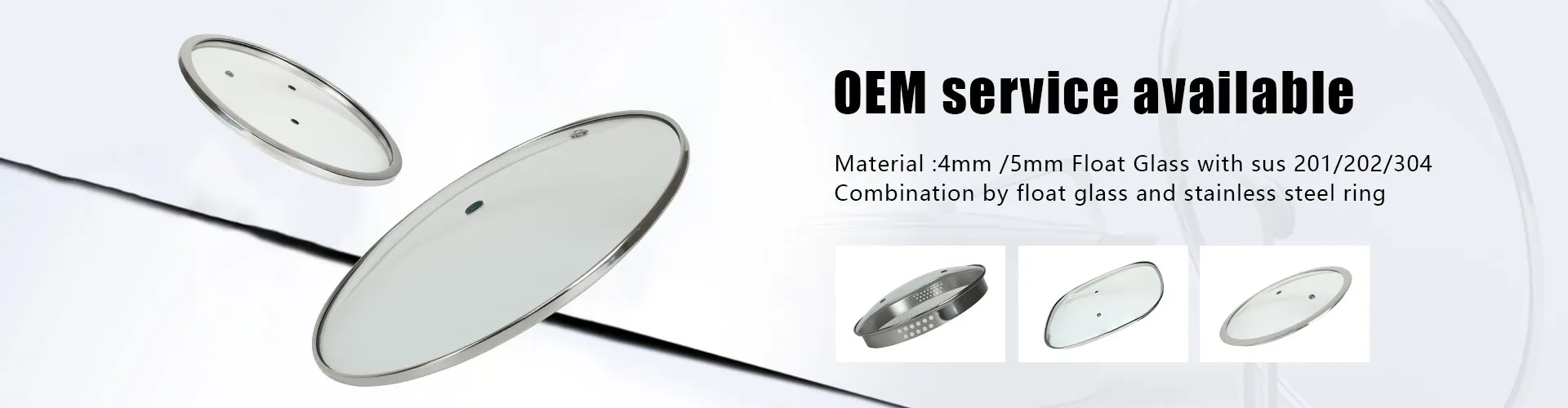
This is where you move from specs to the factory floor. For consistent volume, you often look to specialized manufacturers, not just general glassware traders. A company like EUR-ASIA COOKWARE CO.,LTD exemplifies this focus. Their entire operation, as noted on their site glass-lid.com, is built around tempered glass lid and related products. That specialization matters. A factory dedicating over 15 million pieces annually to lids and glass products has the molds, the tempering lines, and the quality control for that specific component dialed in.
Their export footprint—Germany, Russia, Japan, etc.—is a practical data point. It means their products are consistently passing the stricter chemical migration and safety standards required in those markets. You don't keep those clients with subpar sealing or glass that chips easily. It's a more reliable signal than any supplier's claim.
The pitfall here is assuming all capacity is equal. A 20,000㎡ facility sounds good, but the question is how much of that is for automated lid production versus warehousing. For can glass types, the high output suggests they're running automated press-and-temper lines for the bodies, which is what you want for uniformity. The risk with smaller shops is hand-finishing that introduces variance.
The Application-Driven Design Choices
It's called a can glass, but its use dictates the design details. For cold brew takeaway, the lid needs a secure sip-hole plug. For pantry storage (think for nuts, candy), a wider mouth and a lid that seals airtight is critical. For a restaurant serving smoothies, the lid might need to accommodate a large-diameter straw. These aren't afterthoughts; they require different tooling.
I worked with a client who wanted a glass with lid for a layered dessert parfait. The glass needed straight, clear sides for presentation, but the lid had to be completely flat for stacking. We sourced a stock glass from one place and lids from another—bad idea. The thread patterns were incompatible. Ended up going to a single-source manufacturer, similar to the integrated production EUR-ASIA COOKWARE describes, to get the thread profile matched from the start. It added weeks to the timeline.
The thickness of the glass at the rim is another subtle point. Too thick, and the lid doesn't seat cleanly; too thin, and it chips during capping on an automated line. It's a balance between visual heft and mechanical function that only becomes apparent in production runs.
Logistics and the Fragility Factor
This is where profit gets chipped away, literally. Tempered glass is strong, but the rim and the base are vulnerable points. Packaging for a lidded unit is different than for a standalone glass. The lid must be secured to prevent it from rattling and acting like a little hammer against the glass rim during transit. Good suppliers ship them nested, often with a foam disc separator.
I've had containers arrive where the glasses were fine, but the lids, packed loose in a separate box, had scratched each other, making them look used. The fix was insisting on pre-assembly or better compartmentalization. A producer with a high export volume typically has this down to a science, as damage claims eat into their margin too. Their household glass products line living alongside kitchen accessories suggests they understand the bundled shipping needs.
Weight is the other silent cost. A 16-oz can glass with a thick plastic lid is deceptively heavy in quantity. That affects shipping costs significantly. Sometimes, redesigning a lid to be slightly lighter, while maintaining rigidity, can save thousands on a full container load. It's a conversation worth having during sampling.
Final Thoughts on Value Beyond Price
Chasing the lowest per-unit cost on a Libbey can glass with lid equivalent is a trap. The real cost is in the failure rate, the customer complaints, and the replacement logistics. The value is in a supplier that controls the process from glass melting (or at least tempering) to lid molding, like the integrated setup you see with specialized firms. It reduces variables.
The product seems simple, but its success hinges on a dozen tiny tolerances—the glass's OD, the lid's ID, the thread pitch, the seal compression. When it's right, it's invisible. When it's wrong, it's all anyone notices. The goal isn't to find the cheapest, but the most consistently capable, where the specs on paper match the pallet that lands at your dock, time after time. That's what turns a generic item into a reliable SKU.
Related Products
Related Products
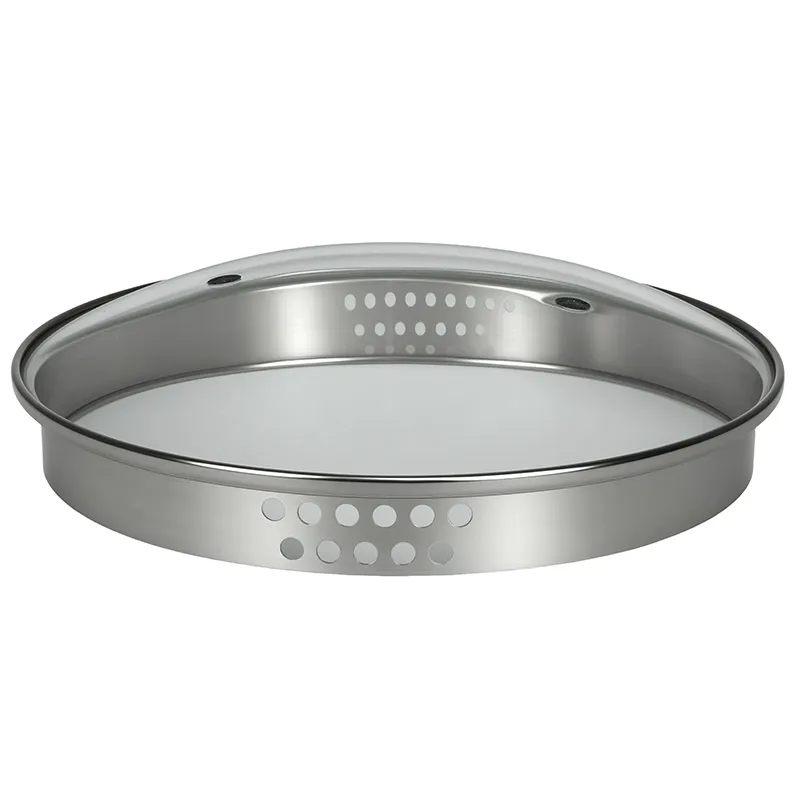
Best Selling Products
Best Selling Products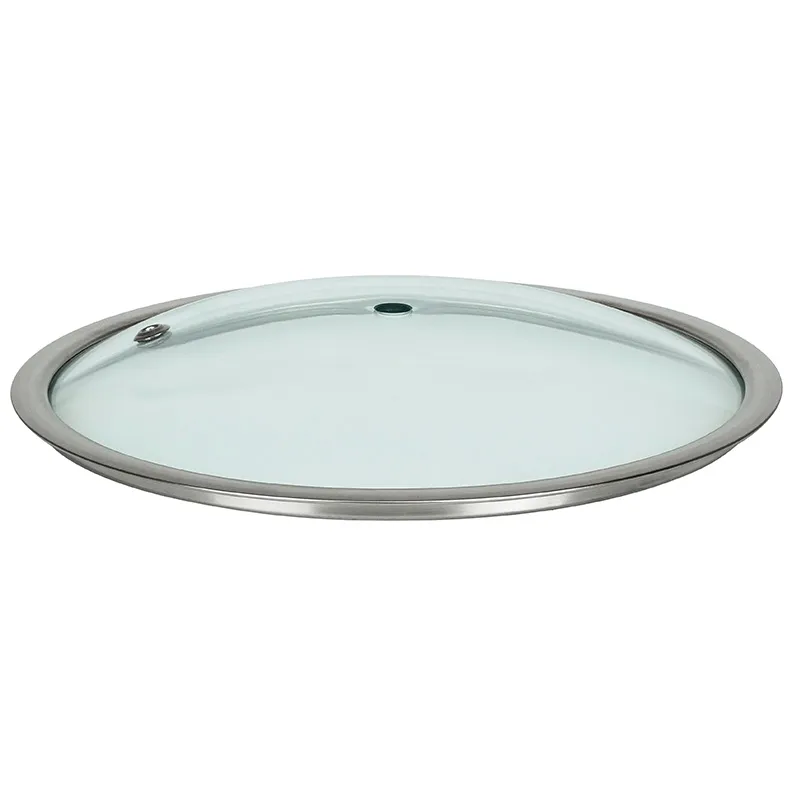
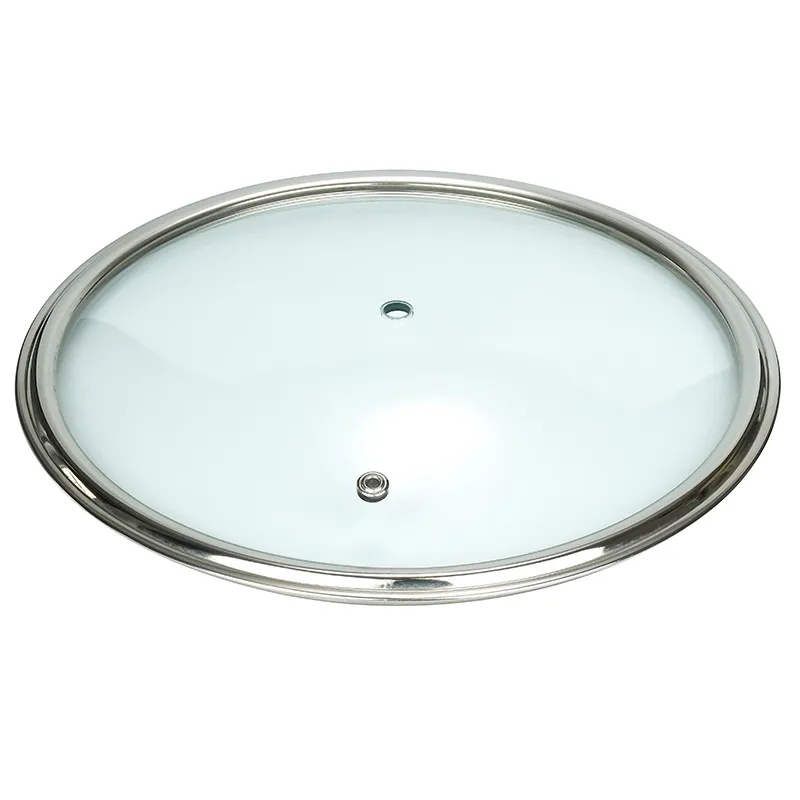
Related Search
Related Search- tall glass jar with lid
- ikea glass jar with cork lid
- beer can glass with lid and straw wholesale
- 13 inch glass lid for frying pan
- beer can glass with lid and straw
- 1 gallon glass jar with airtight lid
- sedona stainless steel 6.5 qt multipurpose pan with glass lid
- tempered glass cover with handle
- round tempered glass lid
- flat silicone glass lid


