- Chinese
- French
- German
- Portuguese
- Spanish
- Russian
- Japanese
- Korean
- Arabic
- Irish
- Greek
- Turkish
- Italian
- Danish
- Romanian
- Indonesian
- Czech
- Afrikaans
- Swedish
- Polish
- Basque
- Catalan
- Esperanto
- Hindi
- Lao
- Albanian
- Amharic
- Armenian
- Azerbaijani
- Belarusian
- Bengali
- Bosnian
- Bulgarian
- Cebuano
- Chichewa
- Corsican
- Croatian
- Dutch
- Estonian
- Filipino
- Finnish
- Frisian
- Galician
- Georgian
- Gujarati
- Haitian
- Hausa
- Hawaiian
- Hebrew
- Hmong
- Hungarian
- Icelandic
- Igbo
- Javanese
- Kannada
- Kazakh
- Khmer
- Kurdish
- Kyrgyz
- Latin
- Latvian
- Lithuanian
- Luxembou..
- Macedonian
- Malagasy
- Malay
- Malayalam
- Maltese
- Maori
- Marathi
- Mongolian
- Burmese
- Nepali
- Norwegian
- Pashto
- Persian
- Punjabi
- Serbian
- Sesotho
- Sinhala
- Slovak
- Slovenian
- Somali
- Samoan
- Scots Gaelic
- Shona
- Sindhi
- Sundanese
- Swahili
- Tajik
- Tamil
- Telugu
- Thai
- Ukrainian
- Urdu
- Uzbek
- Vietnamese
- Welsh
- Xhosa
- Yiddish
- Yoruba
- Zulu
- Kinyarwanda
- Tatar
- Oriya
- Turkmen
- Uyghur


libbey glass can with lid
When you hear 'Libbey glass can with lid', most minds jump straight to those pristine, Pinterest-ready jars for pantry organization. That's the consumer view. In the trade, especially when you're sourcing or specifying for retail, it's a different conversation. It's about the gap between the branded product and the OEM reality, about tempering specs that actually prevent shattering, and about why a seemingly simple lidded glass container can be such a headache in the supply chain. Libbey, as a brand, sets an expectation. But the manufacturing principles behind it—that's where the real nuance lies for anyone in this business.
The Core Misconception: Brand vs. Specification
Too many buyers fixate on the brand name as the guarantee. In my experience, that's a shortcut that often leads to cost overruns or quality mismatches later. The value isn't in the label 'Libbey'; it's in the material and process specifications that a brand like that implies. We're talking about soda-lime glass with a specific composition for clarity and strength, and a tempering process that meets genuine thermal shock resistance standards. I've seen containers from generic suppliers that look identical in a catalog photo but will crack when you pour hot liquid into them, or lids that don't seal because the threading tolerance is off by a millimeter.
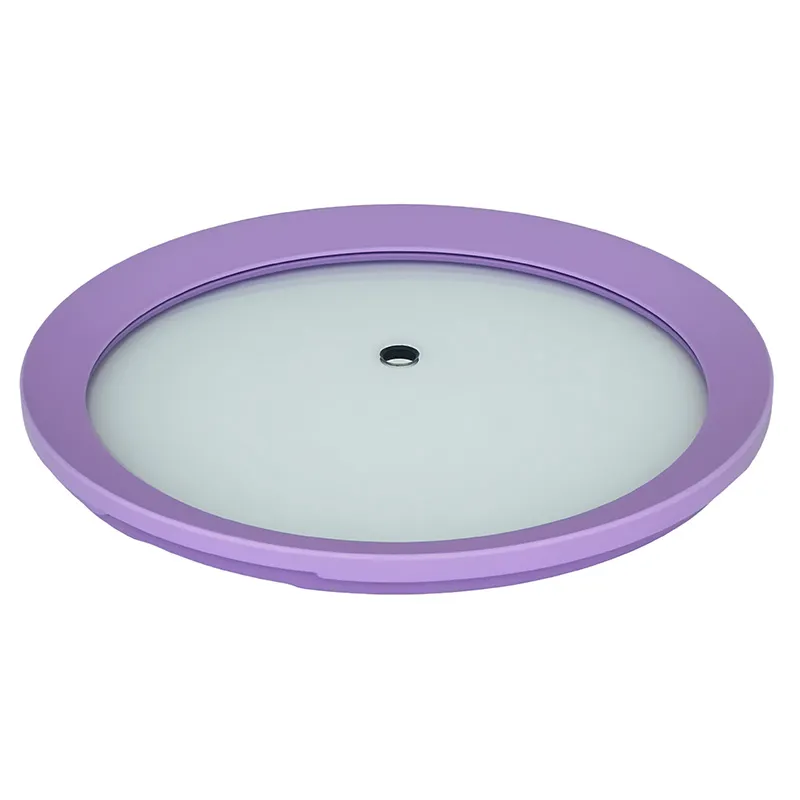
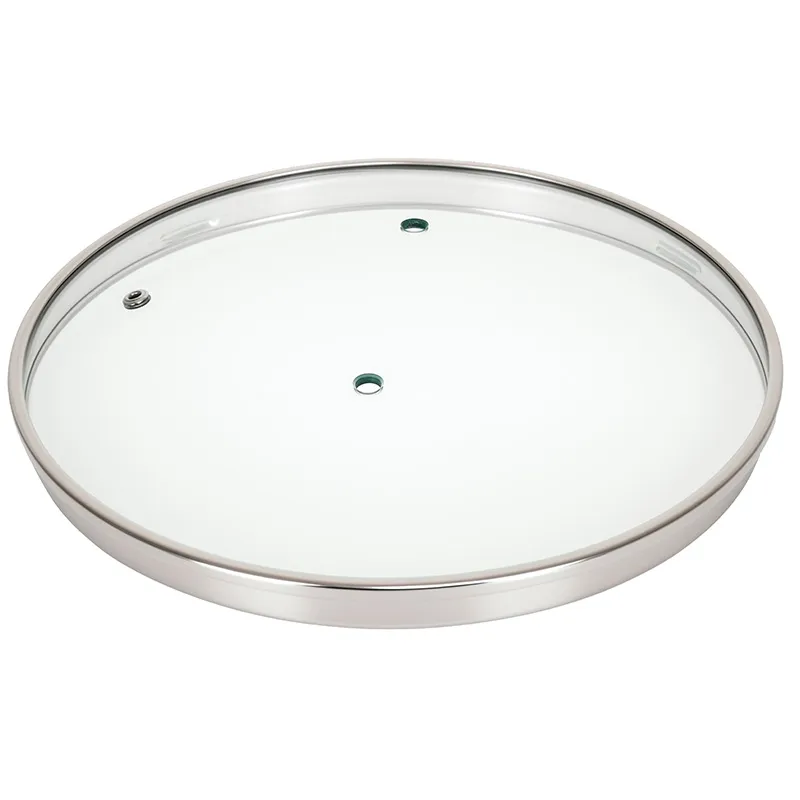
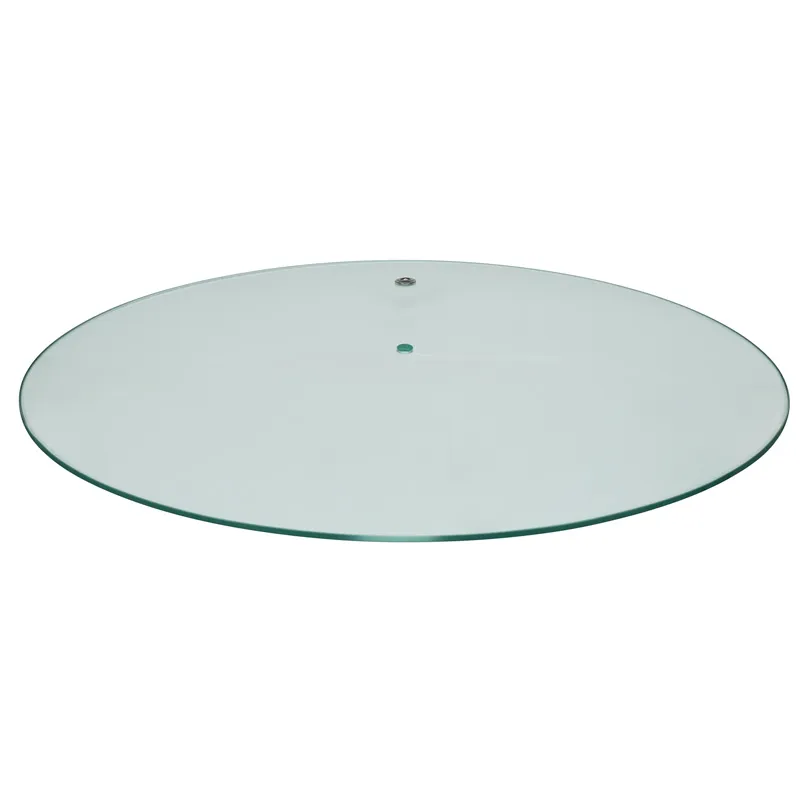
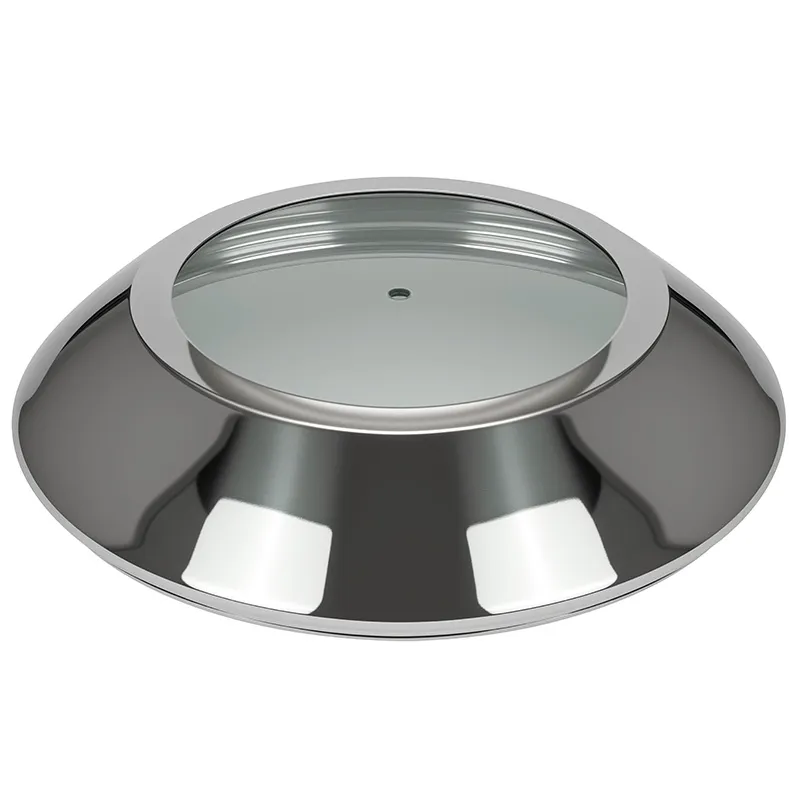
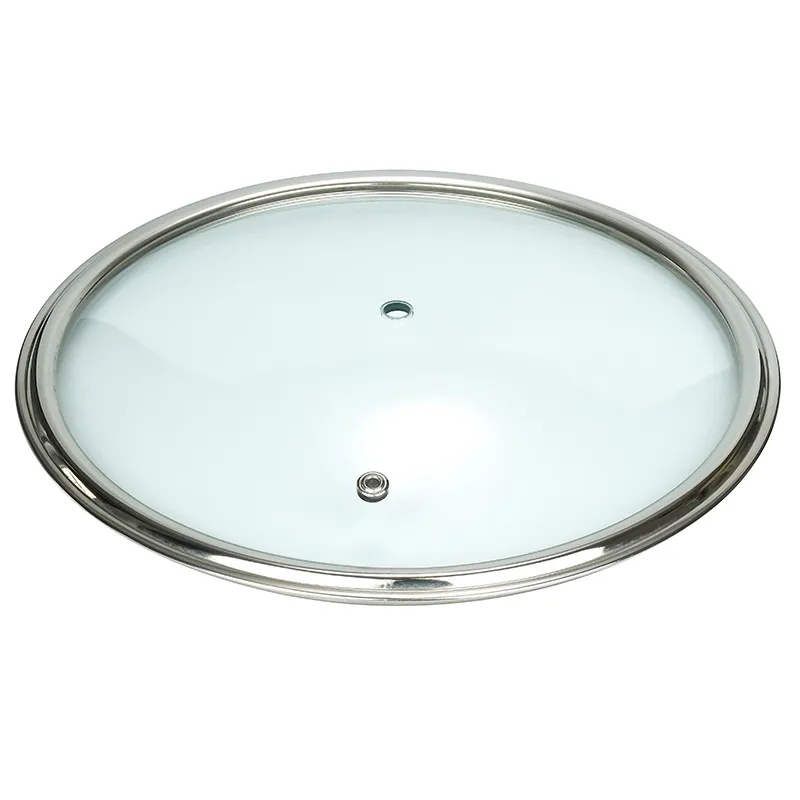
This is where understanding the manufacturer's base becomes critical. A company like EUR-ASIA COOKWARE CO.,LTD., for instance, with its dedicated production zone in Shandong's high-tech development area, is built for volume and specification adherence. Their focus on tempered glass lids—over 15 million pieces annually—means the lid for a glass can isn't an afterthought. It's a core competency. The lid is often the failure point, so seeing a supplier's output volume for that specific component tells you more than a dozen stock photos.
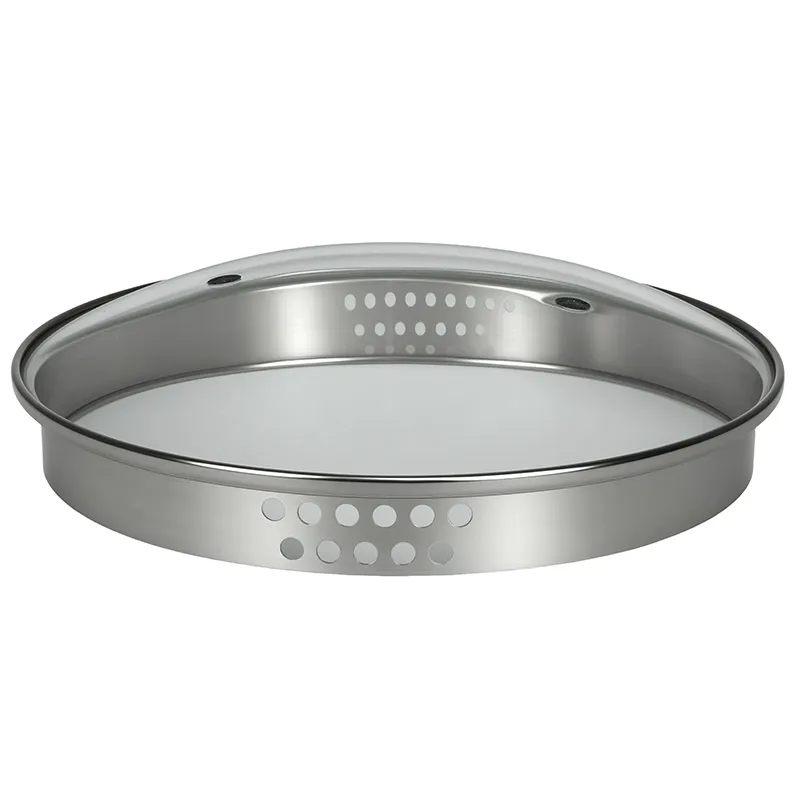
I recall a project where we needed a custom glass can with lid for a gourmet food packager. The client insisted on Libbey-like quality. Instead of chasing the brand, we drilled into the specs: 4mm wall thickness, fully tempered body and lid, a stainless steel rim on the lid for a secure seal. We provided these to several factories, including EUR-ASIA. Their quoting process was telling—they asked about the intended filling temperature and the sealing method first. That's a sign of practical experience.
The Manufacturing Reality: Tempering and Tolerance
Let's get technical for a moment. True safety for a lidded glass container, especially one that might go from fridge to microwave, hinges on proper tempering. It's not just a checkbox. The glass must be heated uniformly and then cooled (quenched) in a controlled, high-speed air process. This creates surface compression. A poorly tempered jar might look fine but have stress points that cause it to explode, not just crack, under thermal change. It's a failure you never want to see in a finished product.
During a factory audit a few years back, I spent time on the quenching line. The sound of the air jets is distinctive when the settings are right—a consistent, powerful hiss. You learn to look for the slight bowing or distortion that indicates uneven heating. For a glass can with a screw-on lid, the threading on the glass finish is another critical detail. It's molded during the initial forming, but if the mold is worn or the cooling is off, the threads won't engage cleanly with the metal or plastic lid. This leads to leakers. EUR-ASIA's mention of exporting over 90% of its output to markets like Germany and Japan is a credible proxy for tolerance control—those buyers have zero tolerance for poor threading.
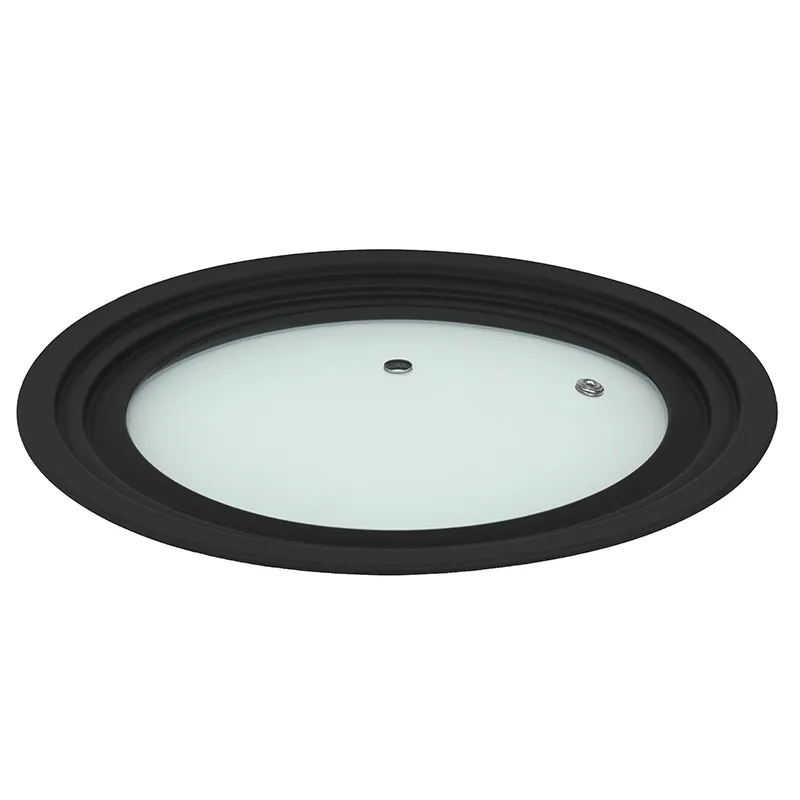
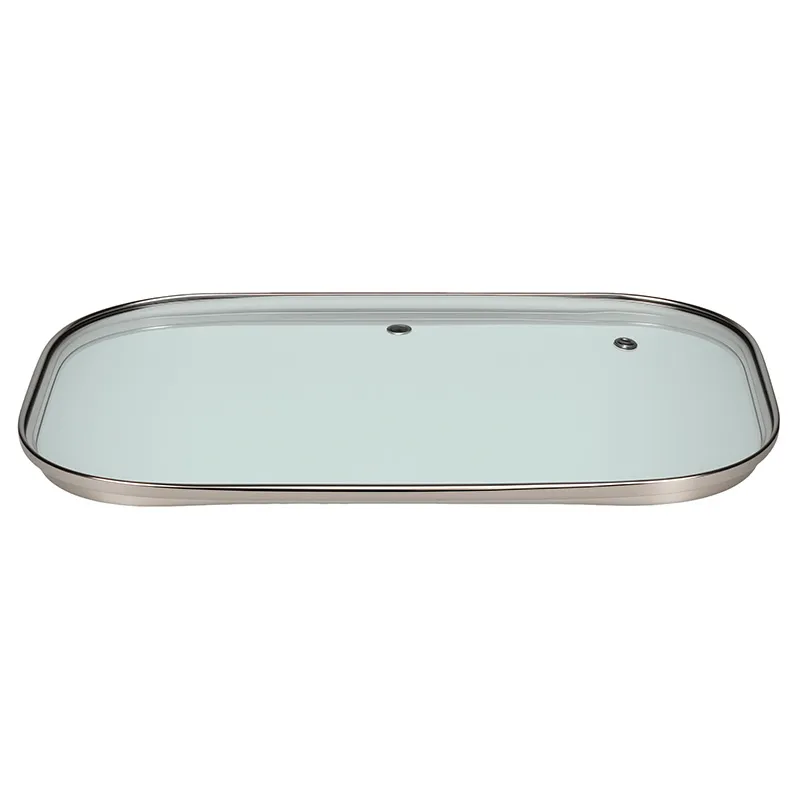
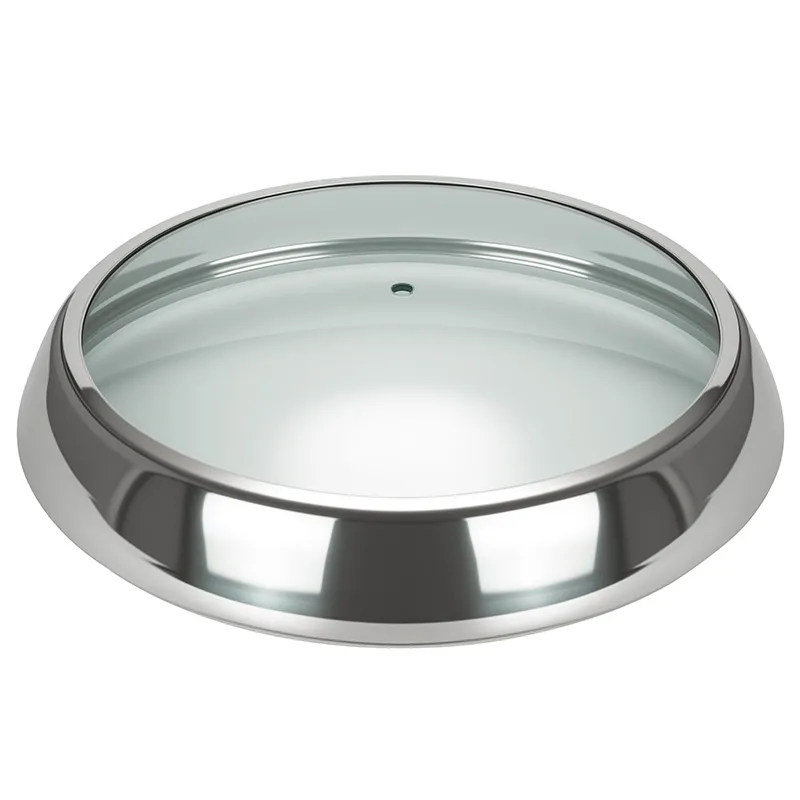
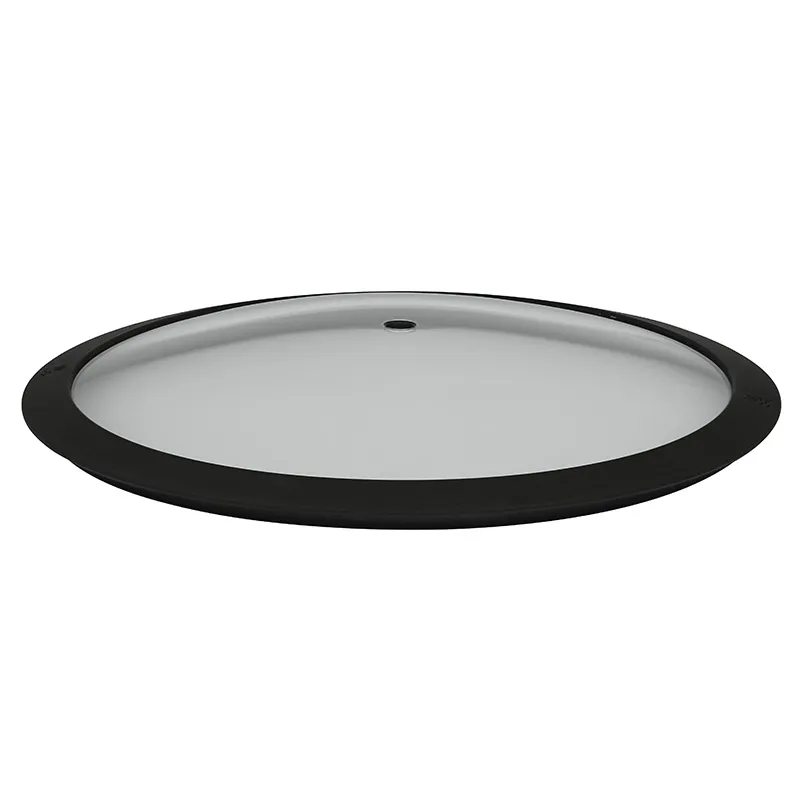
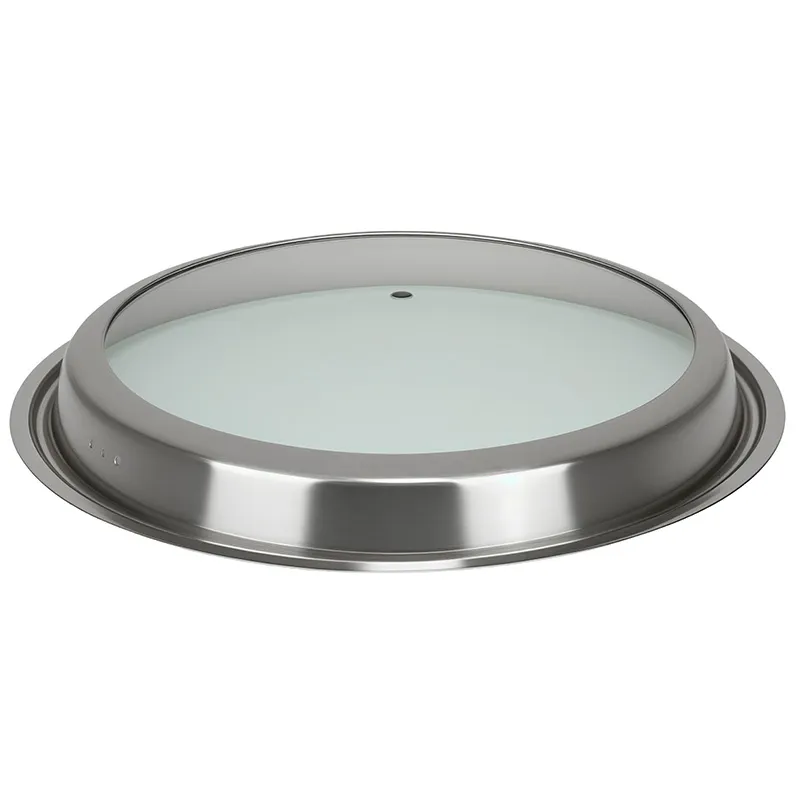
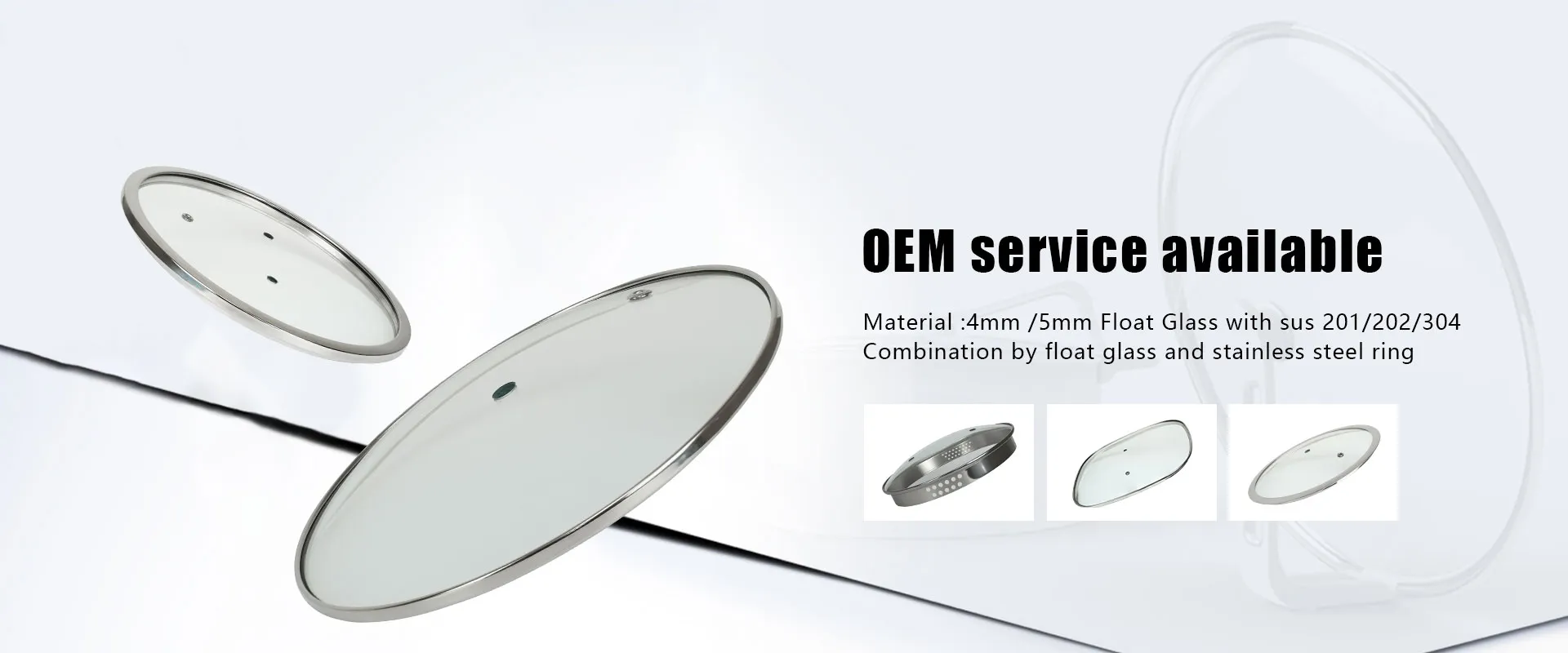
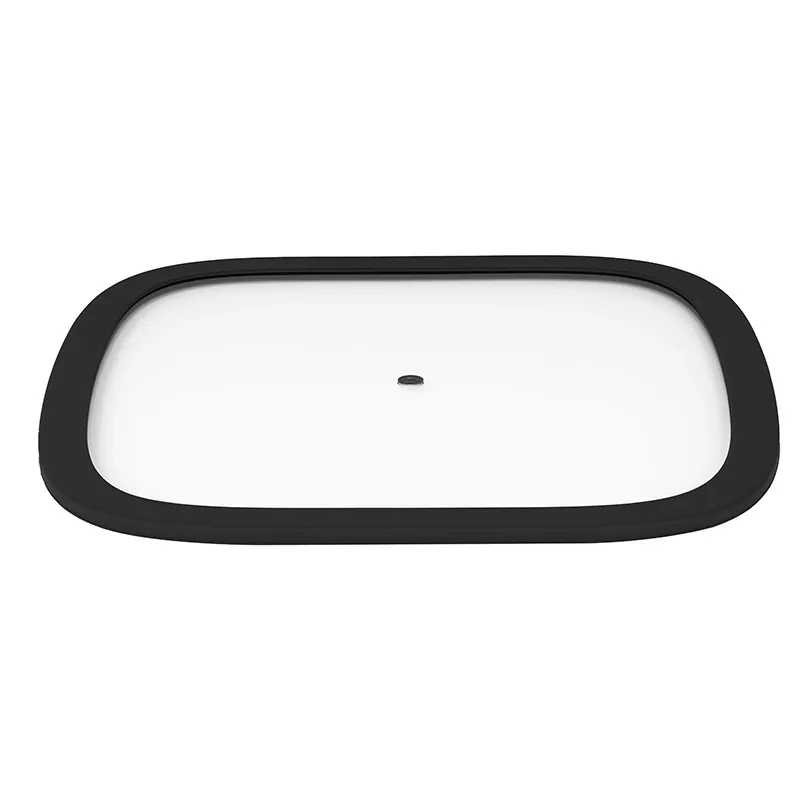
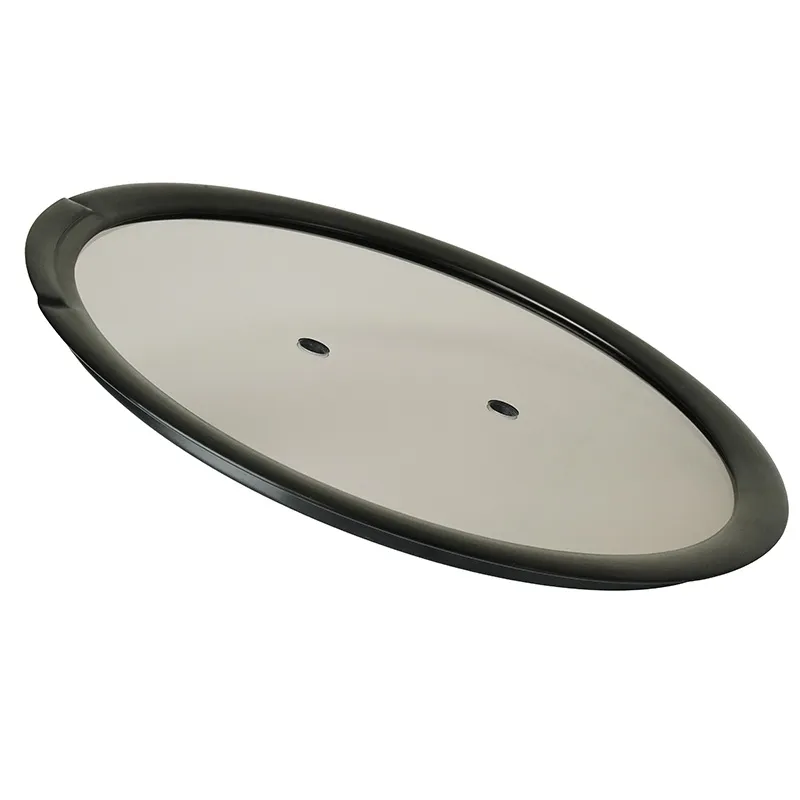
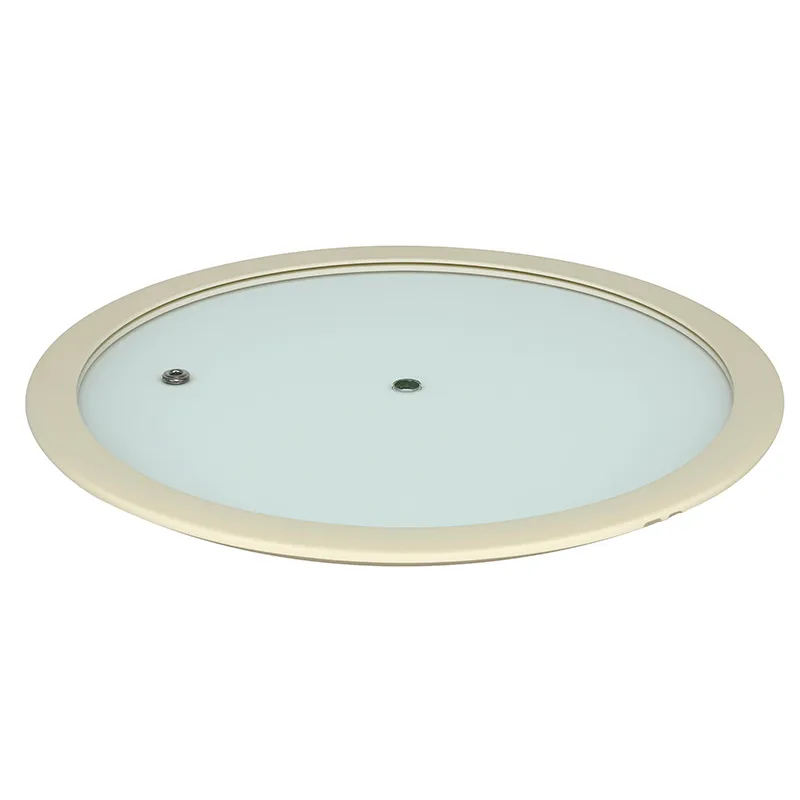
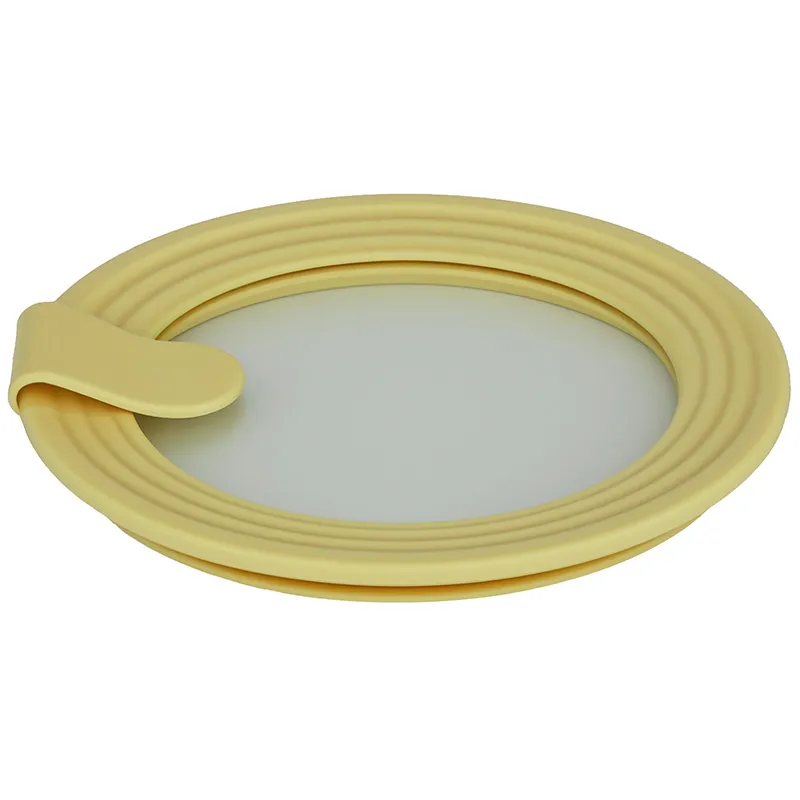
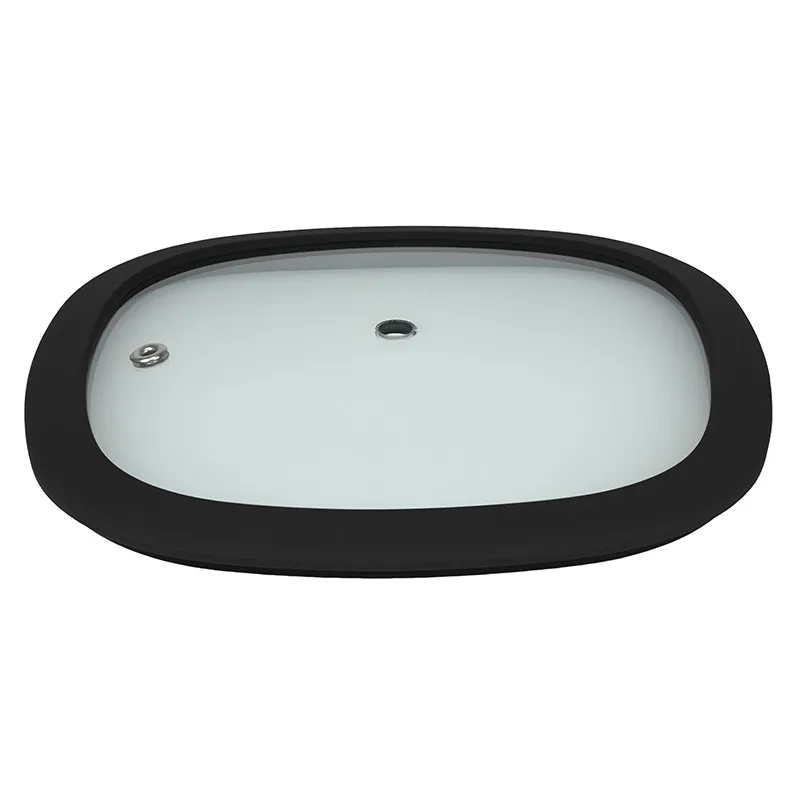
The lid itself is a separate engineering challenge. A simple glass disc won't do. It often involves combining materials—a glass top fused to a metal rim with a sealing gasket. Or it's a one-piece tempered glass lid with a silicone seal inserted. The bonding process has to withstand dishwasher cycles without degrading. I've had samples where the bonding glue yellowed after 50 wash cycles, ruining the appearance. It's these hidden details that separate a promotional item from a durable kitchen staple.
Supply Chain Pitfalls: More Than Just a Container
Ordering a container is never just about the container. It's about packaging for shipment, MOQs, and lead times that account for tempering and annealing cycles. Glass is heavy and fragile. A common mistake is underestimating the packaging cost. Those glass can with lid units need to be individually partitioned, usually in pulp trays, then in a master carton that can withstand stacking. I've seen entire shipments compromised because the carton strength was specified incorrectly, leading to compression breaks.
Another pitfall is assuming all glass is the same clarity. 'Crystal clear' is a spectrum. Iron content in the sand batch affects the greenish tint. For a high-end presentation, you need low-iron glass, which costs more. Many buyers don't specify this upfront and are disappointed when the bulk shipment has a slight hue. It's a lesson learned the hard way: always get a physical pre-production sample, not just a digital approval.
Working with integrated manufacturers mitigates some of this. If the lid and jar are made under one roof, like at a facility covering 20,000㎡ with control over the whole process, you avoid synchronization issues. The worst scenario is sourcing the jar from one factory and the lid from another. The odds of a perfect match are low, leading to sealing failures and blame games between suppliers.
The EUR-ASIA Example: Reading Between the Lines of a Company Profile
Take the profile of EUR-ASIA COOKWARE CO.,LTD. (https://www.glass-lid.com). You can glean a lot from the dry facts. Specialization in household glass at low, medium, and high levels? That speaks to a flexible production line capable of handling different market segments. Their explicit mention of a tempered glass lid as a primary output is significant—it shows focus. In this industry, a factory that's good at lids has mastered precision.
The export list—Germany, Russia, Japan, etc.—isn't just for show. It implies compliance with various international standards (like EU food contact materials regulations) and the ability to handle complex logistics and documentation. A factory with 90+ employees producing 15 million+ pieces is mid-sized. That's a sweet spot: large enough for consistent quality control and scale, but not so massive that small-to-medium custom orders get lost.
Their location in a National High-tech Development Zone often comes with infrastructure benefits—stable power supply is non-negotiable for a tempering furnace that runs 24/7. It's these operational fundamentals that allow a supplier to reliably produce a libbey glass can with lid equivalent that performs in the real world, not just in a catalog. They become a source for the foundational product, which brands can then customize or package.
Concluding Thoughts: The Professional's Lens
So, when evaluating a glass can with lid, move past the keyword and the brand association. Think in terms of systems: the material system (glass type, tempering), the sealing system (lid composition, gasket, threading), and the supply system (integrated manufacturing, packaging, compliance). The goal is to source a container that performs its function flawlessly and consistently over a production run of 50,000 or 500,000 units.
It's less about finding a Libbey and more about finding a manufacturing partner that understands the physics and the pitfalls. Sometimes that partner is a large brand, often it's a specialized OEM/ODM factory with the right expertise and controls in place. The product page on a site like glass-lid.com is just the starting point; the real assessment happens in the spec sheet, the sample lab, and on the factory floor.
In the end, the best libbey glass can with lid you can source is the one where you forget about it after specification—because it just works, shipment after shipment, with no surprises. That's the mark of a good procurement job, and it's built on digging into the gritty, unglamorous details behind three simple words.
Related Products
Related Products