- Chinese
- French
- German
- Portuguese
- Spanish
- Russian
- Japanese
- Korean
- Arabic
- Irish
- Greek
- Turkish
- Italian
- Danish
- Romanian
- Indonesian
- Czech
- Afrikaans
- Swedish
- Polish
- Basque
- Catalan
- Esperanto
- Hindi
- Lao
- Albanian
- Amharic
- Armenian
- Azerbaijani
- Belarusian
- Bengali
- Bosnian
- Bulgarian
- Cebuano
- Chichewa
- Corsican
- Croatian
- Dutch
- Estonian
- Filipino
- Finnish
- Frisian
- Galician
- Georgian
- Gujarati
- Haitian
- Hausa
- Hawaiian
- Hebrew
- Hmong
- Hungarian
- Icelandic
- Igbo
- Javanese
- Kannada
- Kazakh
- Khmer
- Kurdish
- Kyrgyz
- Latin
- Latvian
- Lithuanian
- Luxembou..
- Macedonian
- Malagasy
- Malay
- Malayalam
- Maltese
- Maori
- Marathi
- Mongolian
- Burmese
- Nepali
- Norwegian
- Pashto
- Persian
- Punjabi
- Serbian
- Sesotho
- Sinhala
- Slovak
- Slovenian
- Somali
- Samoan
- Scots Gaelic
- Shona
- Sindhi
- Sundanese
- Swahili
- Tajik
- Tamil
- Telugu
- Thai
- Ukrainian
- Urdu
- Uzbek
- Vietnamese
- Welsh
- Xhosa
- Yiddish
- Yoruba
- Zulu
- Kinyarwanda
- Tatar
- Oriya
- Turkmen
- Uyghur

libbey glass can with lid wholesale
When you hear 'Libbey glass can with lid wholesale', the immediate thought for many is just sourcing a generic storage jar. That's where the first misconception lies. In the wholesale game, especially for a branded product line like Libbey's, it's rarely about just the item itself. It's about understanding the specific product codes, the MOQs that make sense for your clientele, and the often-overlooked logistics of shipping glass. A lot of newcomers dive in thinking it's a simple bulk purchase, only to get tripped up by pallet configuration requirements or the lead time variances between stocked items and production runs. I've seen it happen.
The Core Product: More Than Just a Jar
Let's talk about the product itself. Libbey's glass canisters with lids, think lines like the 'Heritage' or 'Crisa' collections, are a staple for a reason. The appeal in wholesale isn't just the brand recognition—though that's huge for retailers—but the consistency. The glass can with lid from a major manufacturer like this typically has standardized dimensions and threading. This matters immensely for businesses that also source aftermarket accessories, like bamboo scoops or custom vinyl labels. The inconsistency you sometimes get with unbranded or white-label products can kill that synergy.
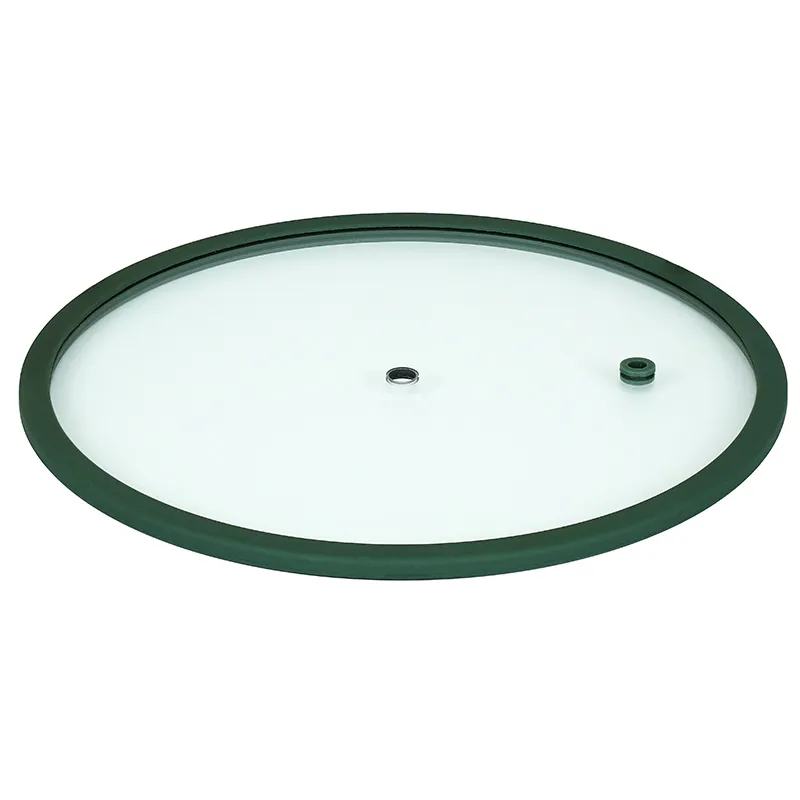
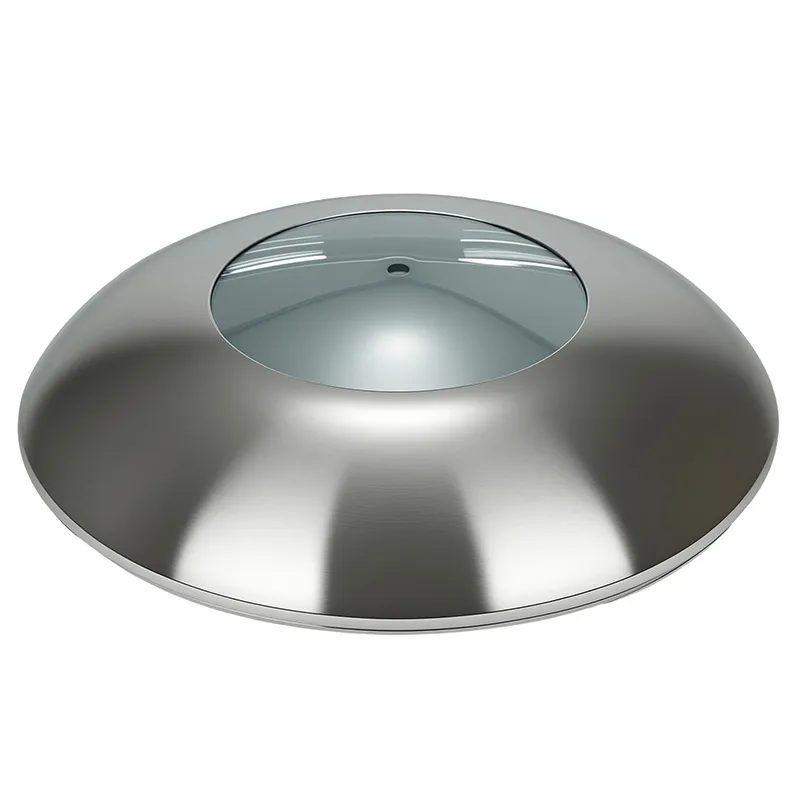
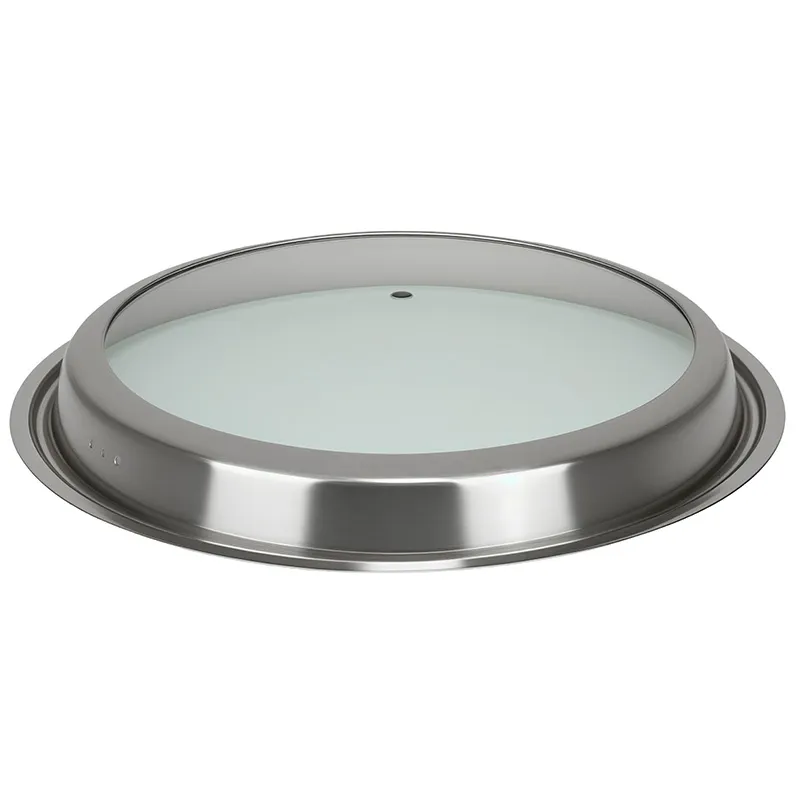
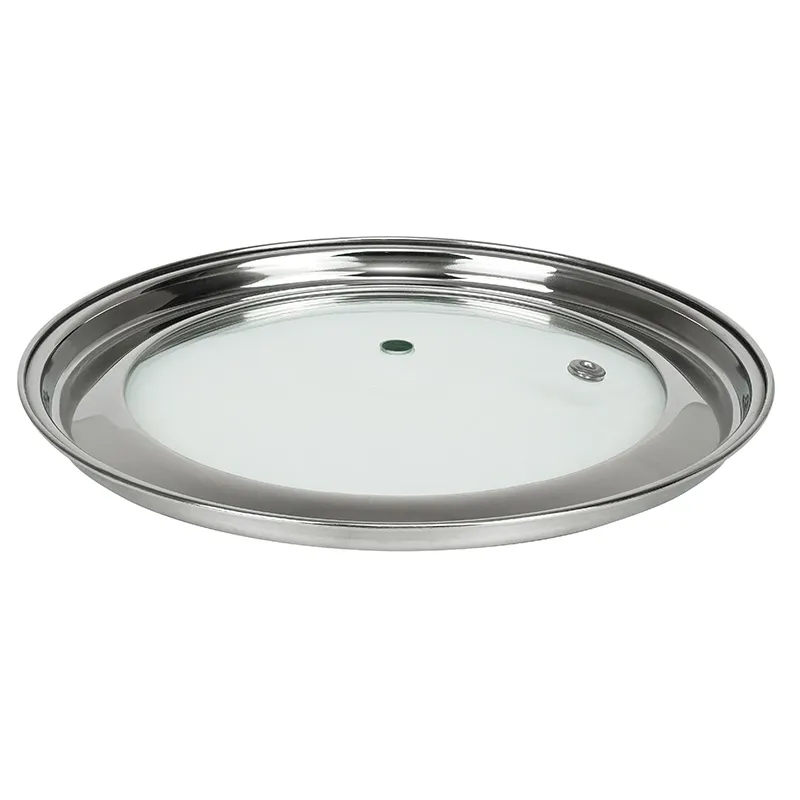
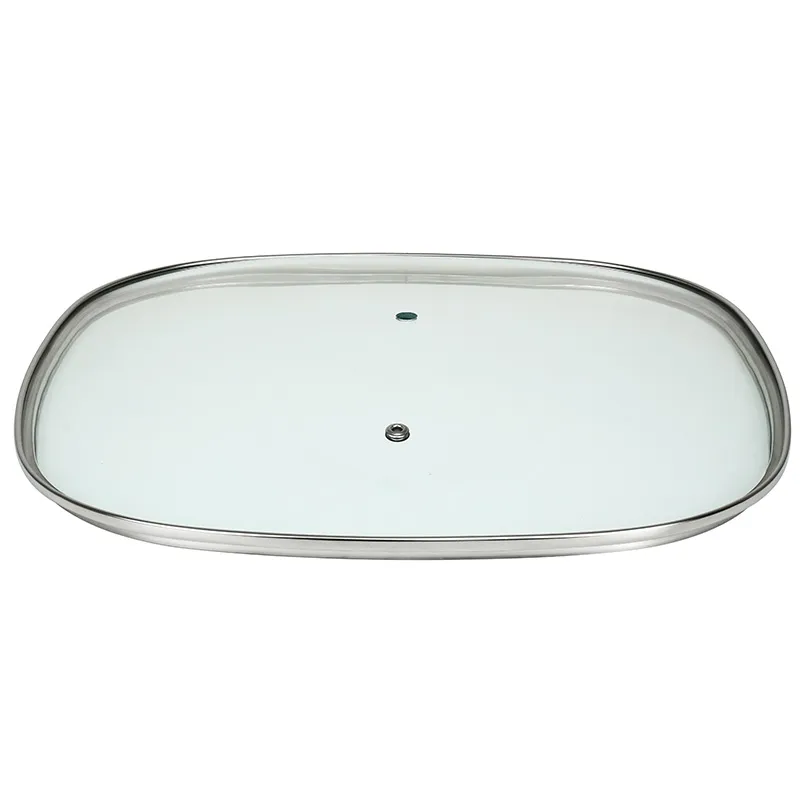
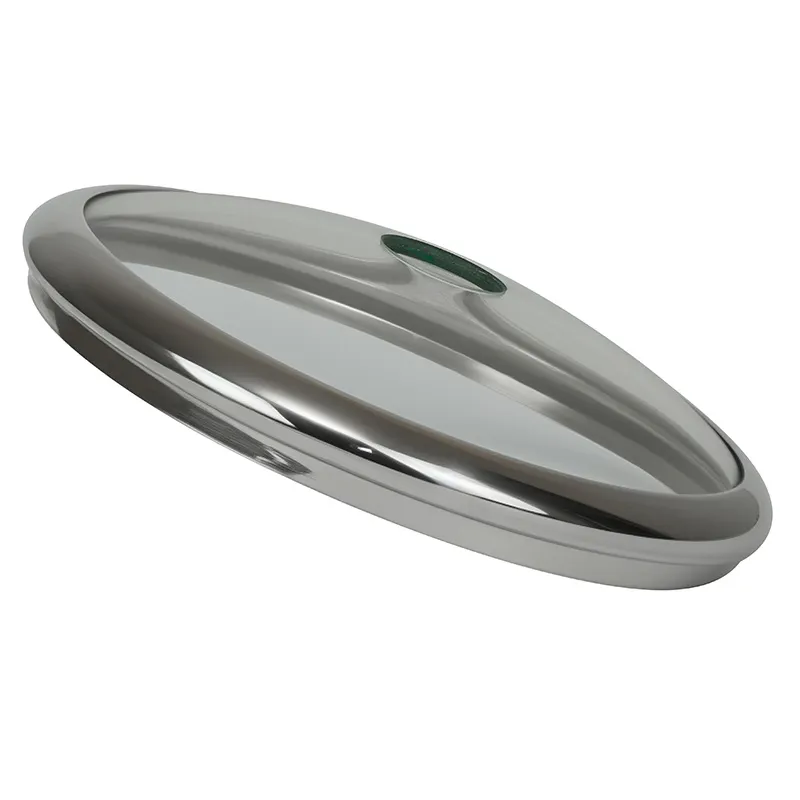
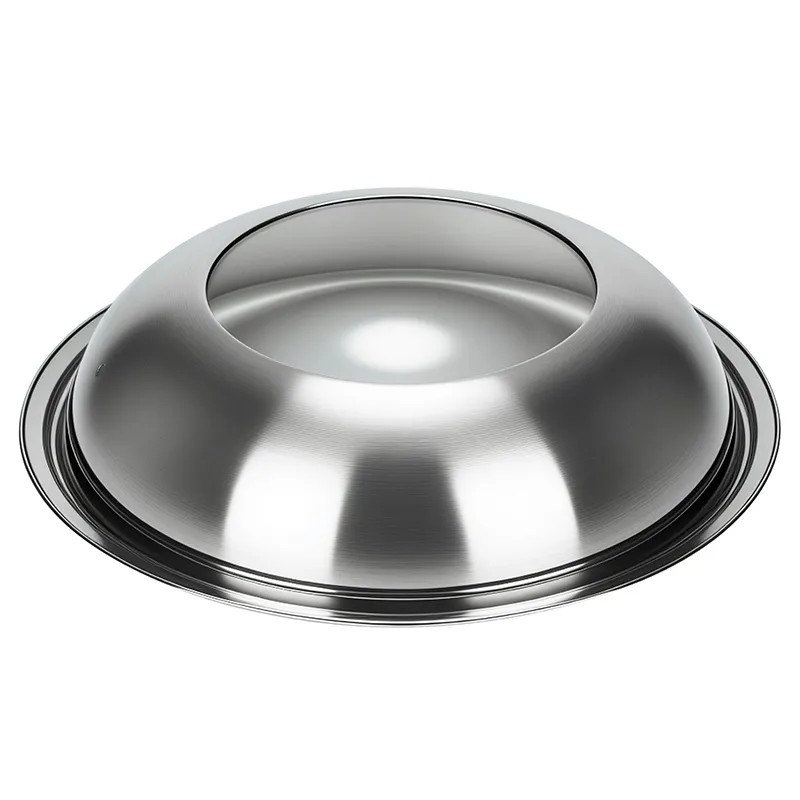
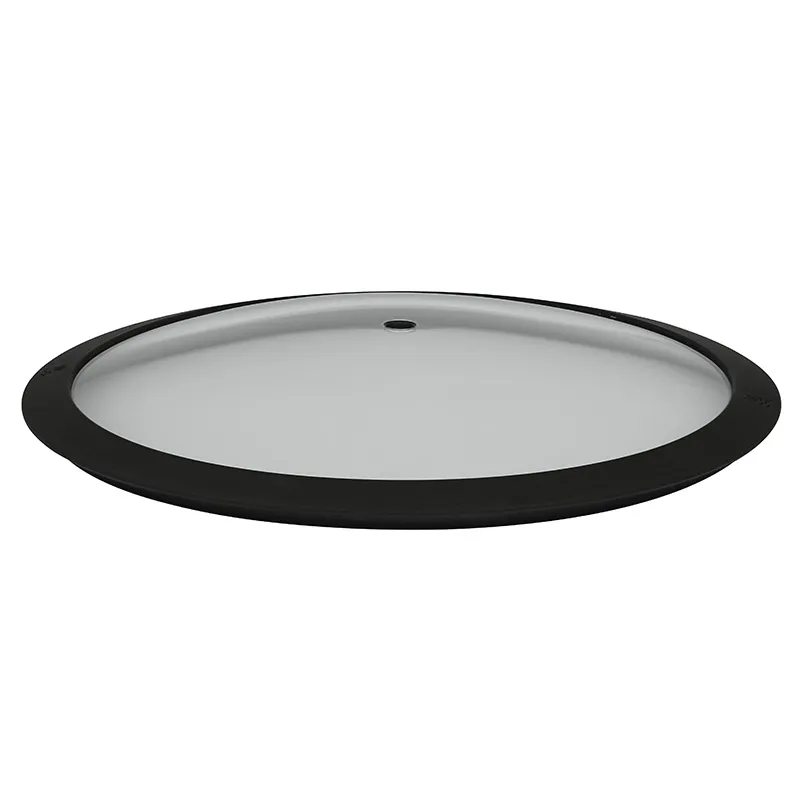
From a wholesale perspective, the lid is where half the battle is won or lost. Is it a plastic lid, a stainless steel one, or a glass lid with a clamp? Each type caters to a different market segment and price point. The plastic-lidded versions are volume movers for general retail, but the premium feel of a stainless steel lid or the classic look of a glass clamp lid commands a different wholesale strategy and customer. You're not just buying jars; you're buying into a specific user experience.
I recall a project where we sourced several thousand units of a specific Libbey model for a gourmet food chain. The initial samples were perfect, but the first production batch had a slight variance in the lid's silicone seal tension. It wasn't a defect per Libbey's broad tolerances, but it made the 'pop' sound on opening inconsistent. The client, focused on a uniform unboxing experience for their customers, noticed immediately. We had to work through a partial replacement. It drilled home that in wholesale, especially at scale, the minutiae of seal consistency, lid fit, and even the clarity of the glass (free of striations or greenish tint) become critical talking points and potential pain points.
Sourcing and the Manufacturer Relationship
Direct sourcing from Libbey or their major distributors is one route, but it often comes with high minimums that are prohibitive for smaller wholesalers. This is where partnering with a specialized manufacturer that produces compatible or similar lines becomes a practical reality. It's not about copying, but about filling a niche in the wholesale ecosystem for reliable, quality-focused production.
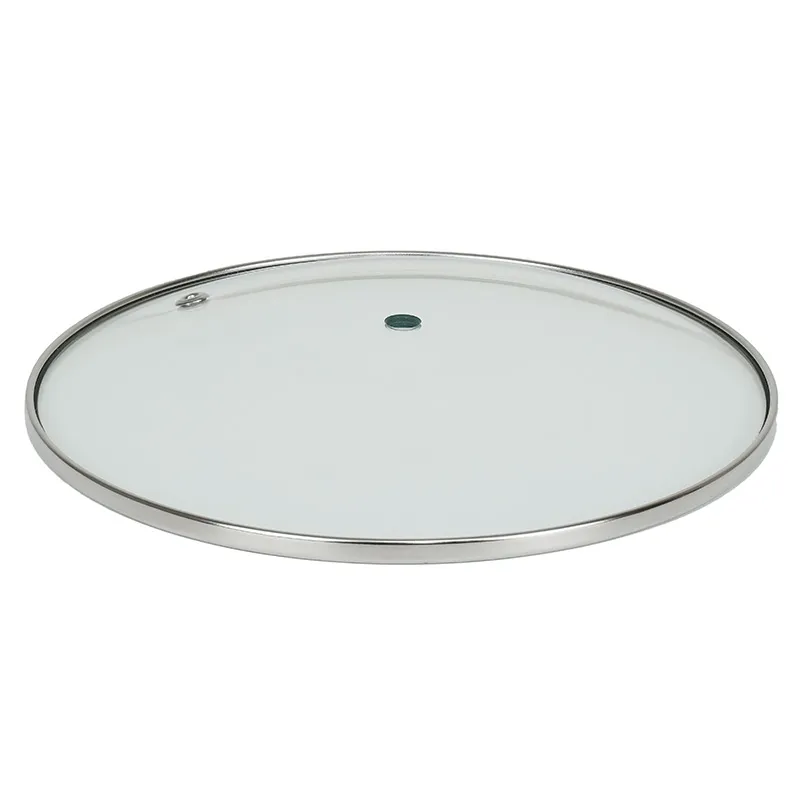
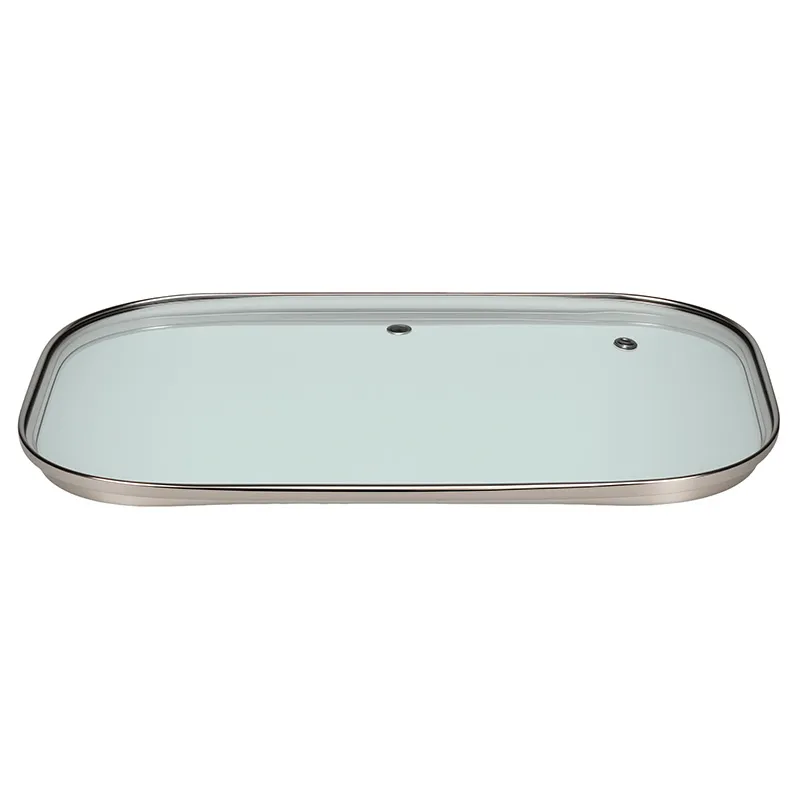
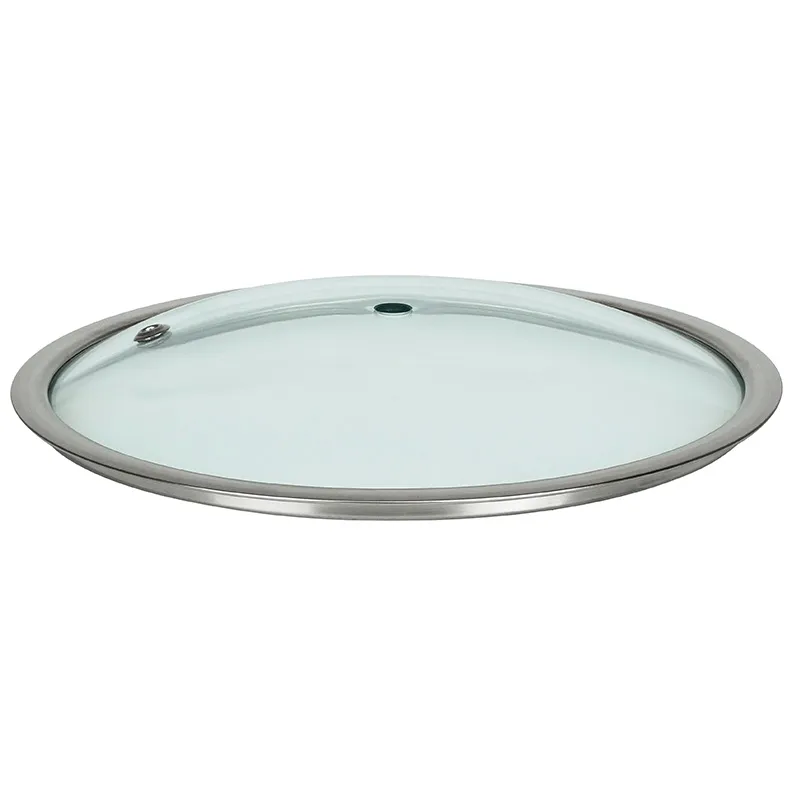
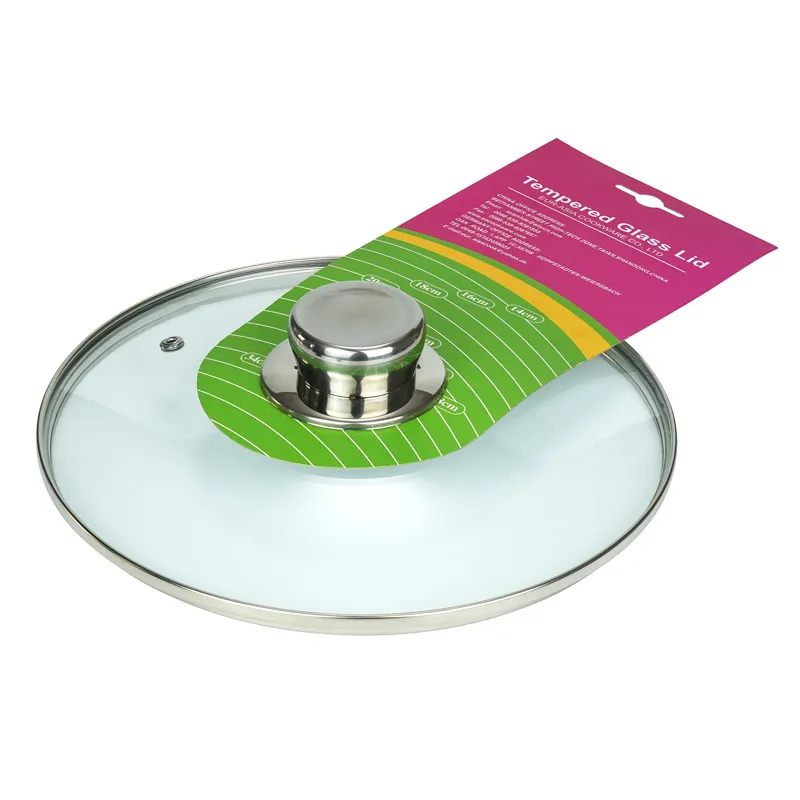
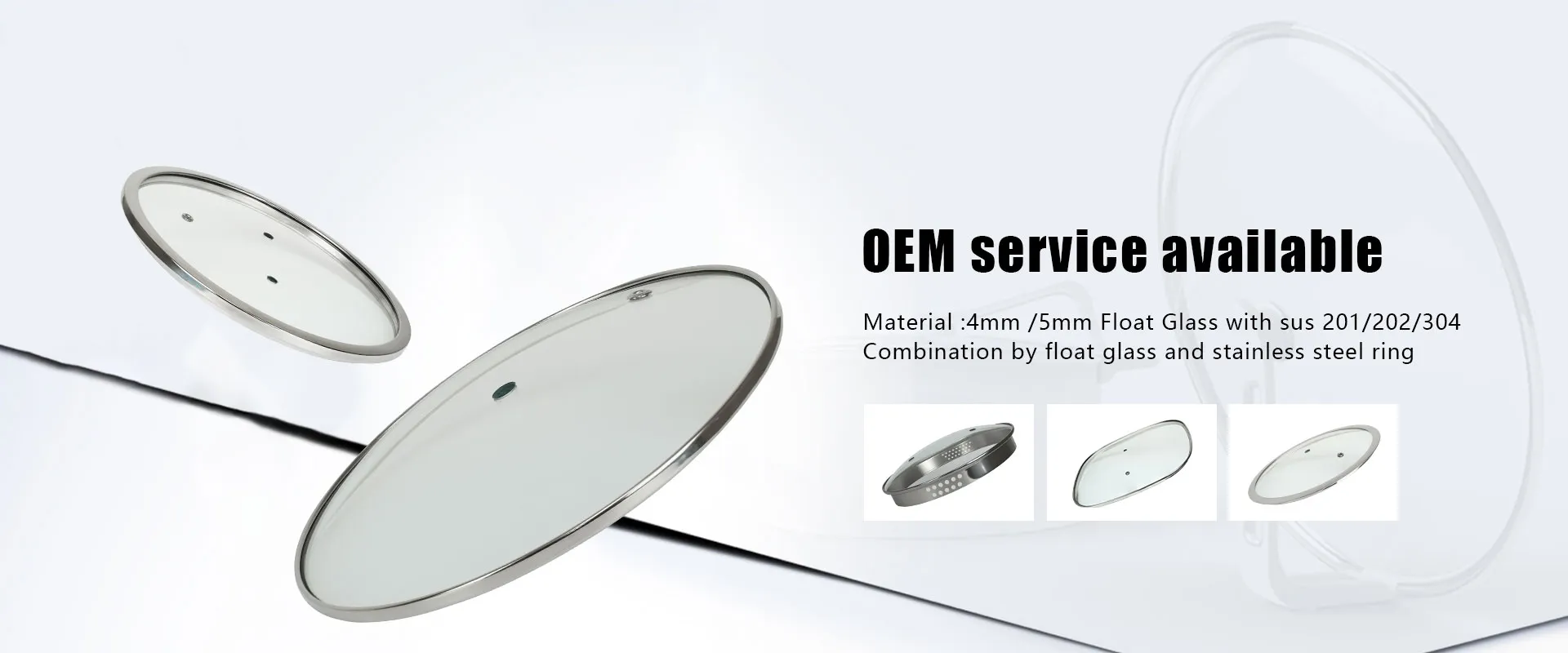
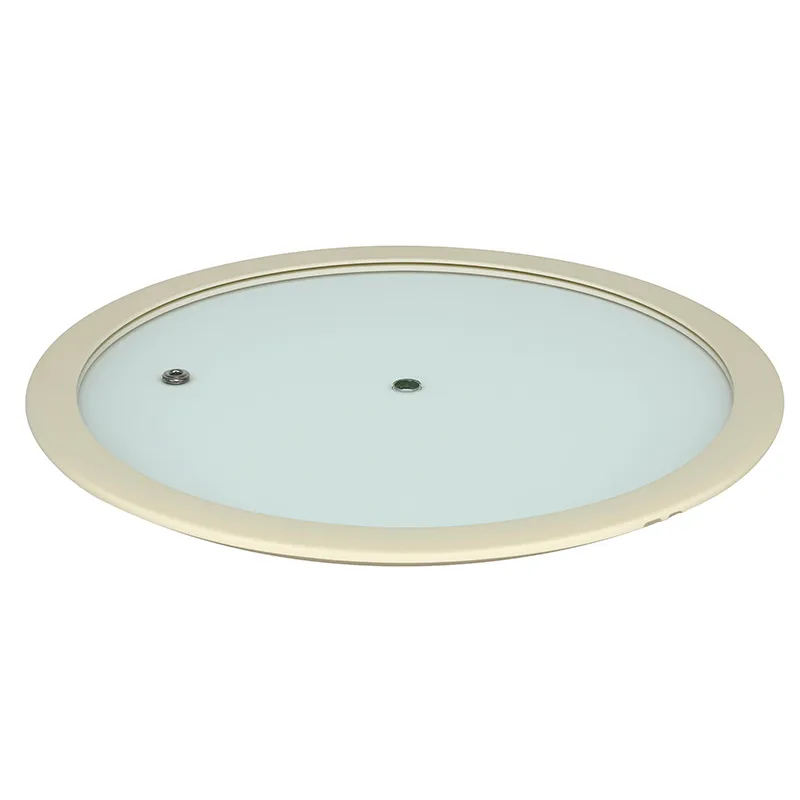
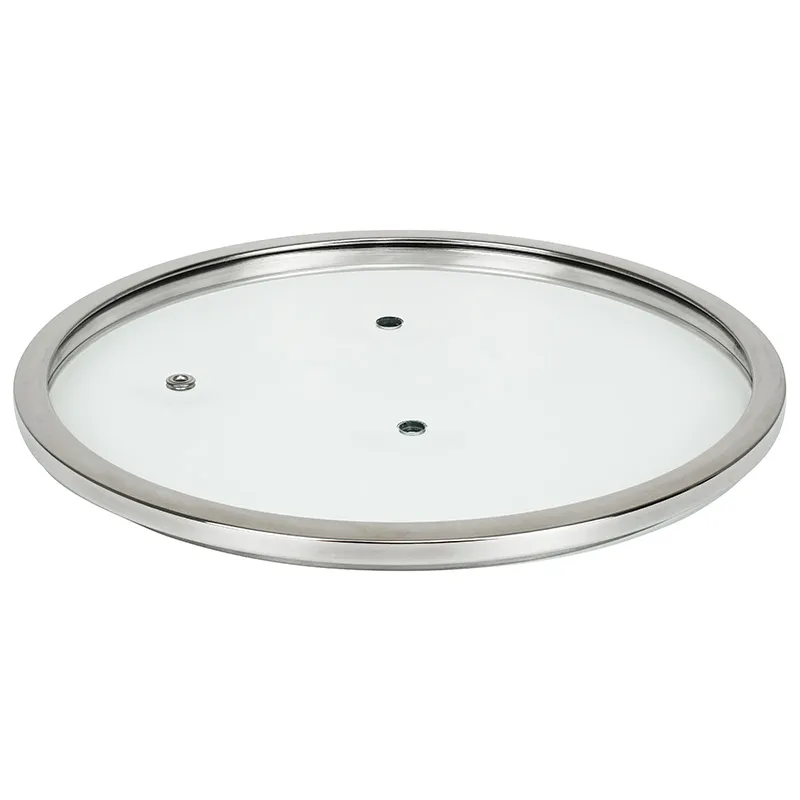
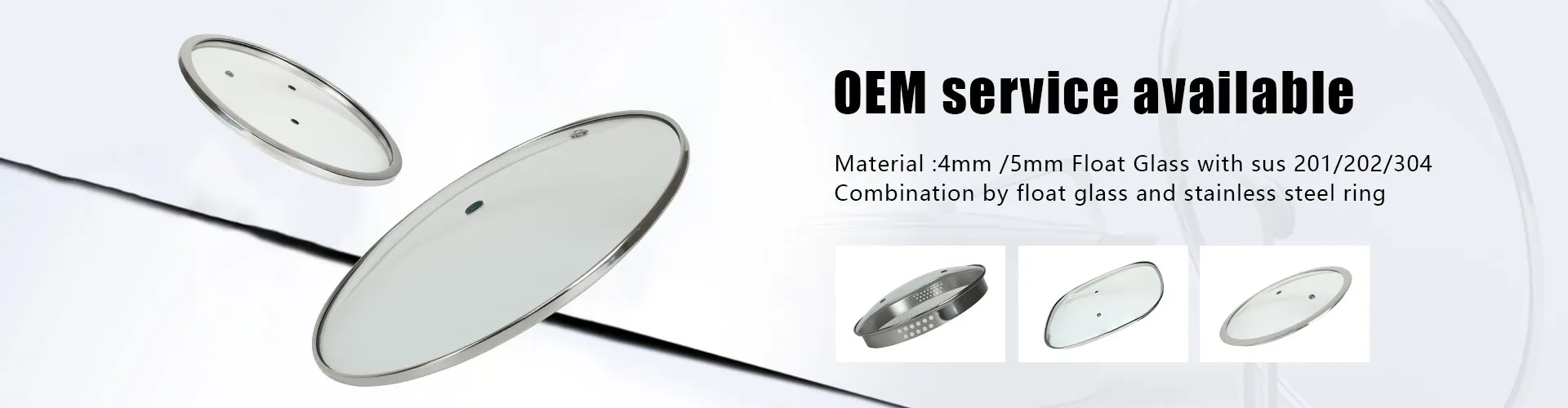
Take a company like EUR-ASIA COOKWARE CO.,LTD. You can find them at https://www.glass-lid.com. Their focus, as stated, is on household glass products, and crucially, they highlight tempered glass lids and related items. For a wholesaler looking at the glass can with lid category, a manufacturer with this specialization is interesting. Their production base in Shandong, a major glassware region in China, and an annual output in the millions of pieces, suggests a capacity for large wholesale orders. The fact that over 90% of their products are exported to markets like Germany, Italy, and Japan is a strong, real-world indicator of their ability to meet international quality and safety standards—a non-negotiable for any serious wholesaler.
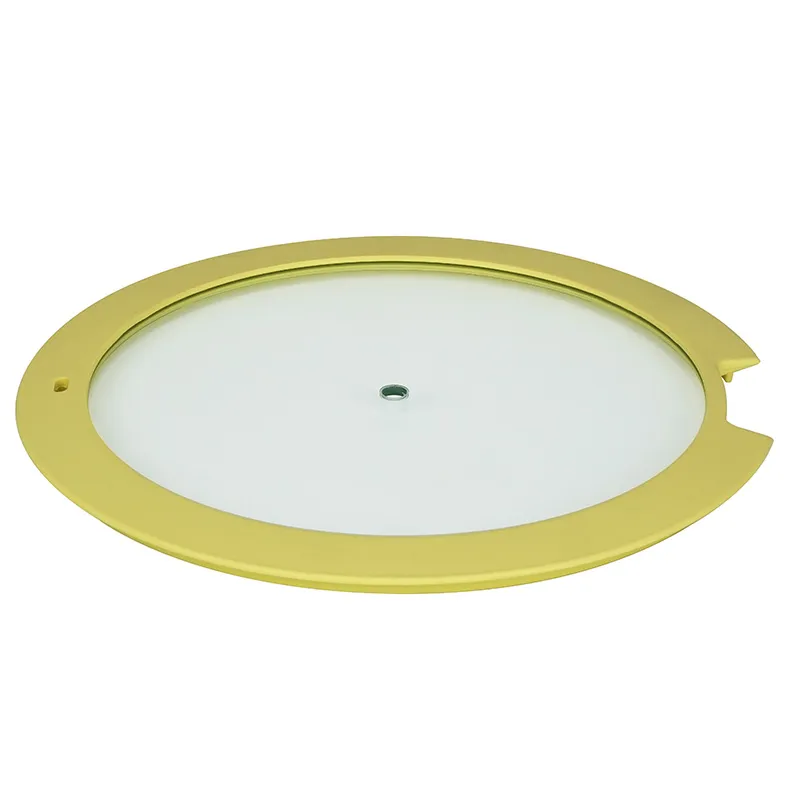
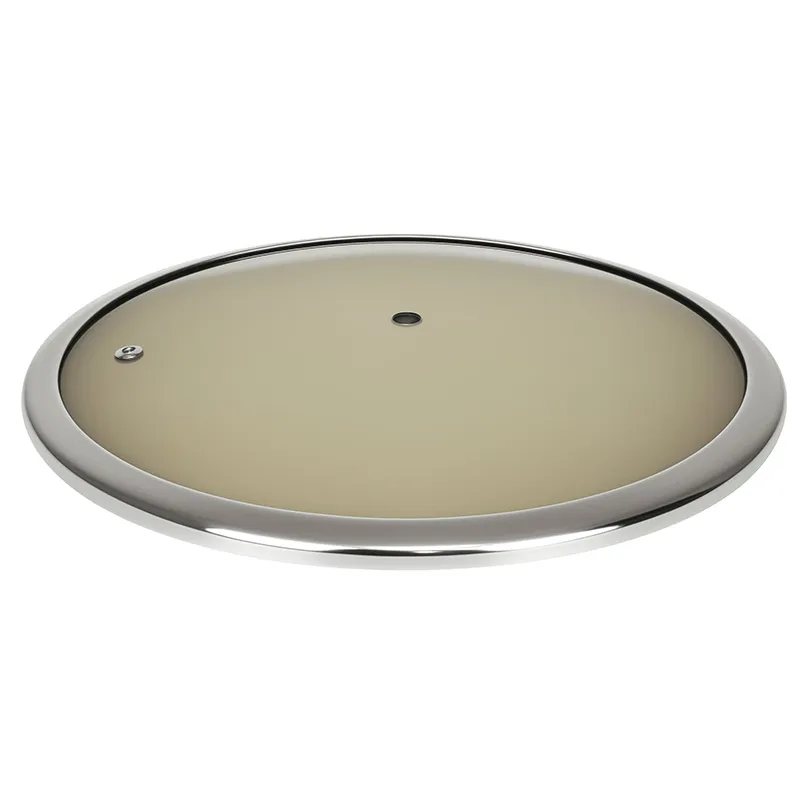
Engaging with such a manufacturer shifts the conversation. Instead of just placing an order from a catalog, you're discussing customization potentials: can the glass thickness be adjusted? Are there options for lid color or finish? What's the feasibility of private labeling? This is the deeper layer of wholesale. It moves from procurement to development. I've worked with similar factories, and the successful partnerships always involved clear, repeated communication about specifications and multiple rounds of sample approvals before committing to a full container load.
Logistics: The Unsexy Make-or-Break
No discussion on wholesale is complete without grumbling about logistics. Glass is heavy and fragile. The cost of shipping a 40-foot container of Libbey glass jars or equivalent products can sometimes rival the product cost itself, especially in the current freight climate. Your Incoterms choice (FOB vs. CIF, etc.) becomes a major financial decision.
Packaging inside the carton is another detail. Are the jars individually partitioned? How many layers per carton? How many cartons on a pallet? A manufacturer's standard packing might be 12 pieces per carton, but if your retail clients prefer a 6-pack display box, you need to negotiate that at the source. I learned this the hard way early on, receiving pallets of glass where the internal packing was insufficient, leading to a 3% breakage rate upon arrival—a massive loss on thin-margin goods. Now, a pre-shipment inspection that includes a shake test of the packed carton is mandatory in our contracts.
Then there's lid packaging. Often, lids are packed separately in bags within the jar or in a separate compartment. Ensuring this is done consistently to prevent scratches during transit is a small but vital quality control point. A scratched lid, even on a perfect jar, means a unsellable unit.
Market Positioning and Wholesale Strategy
Who are you selling to? This dictates everything. Are you supplying to boutique home goods stores, large supermarket chains, corporate gift suppliers, or online FBA sellers? Each has different needs. The boutique wants unique, photogenic items, perhaps with a matte finish or an unusual shape. The supermarket needs volume, competitive pricing, and compliance with all retail safety labeling. The corporate gift sector might want small MOQs but with custom etching.
Your wholesale strategy for a glass can with lid product line must be flexible. You might stock the core Libbey bestsellers for quick turnaround, while simultaneously developing a custom line with a manufacturer like EUR-ASIA COOKWARE for clients wanting a proprietary product. Their expertise in tempered glass, as mentioned in their intro, is a key differentiator for safety and durability—a strong selling point.
Pricing is another minefield. You can't just take the FOB price and add a markup. You have to bake in freight, insurance, port fees, inland transportation, duty (which varies wildly by country—glassware into the EU is different from into the US), and a buffer for operational hiccups. The final landed cost per unit determines your viable wholesale price. Many fail by pricing too low initially, not accounting for all these layers, and then find themselves squeezed on later orders.
Final Thoughts: Building a Sustainable Pipeline
Ultimately, success in Libbey glass can with lid wholesale or any similar line isn't about a one-off container deal. It's about building a reliable supply pipeline. This means cultivating a relationship with your source, whether it's a brand distributor or a dedicated manufacturer. It means having contingency plans for when shipping lines are congested or when a particular model is suddenly backordered for 16 weeks.
It also means staying informed. Material costs for soda-lime glass fluctuate. Fuel surcharges change. Safety regulations get updated. A good wholesaler is part logistics expert, part market analyst, and part quality assurance manager. The product—the glass jar with its lid—is just the tangible center of a much larger, more complex operation.
Looking at a company profile like EUR-ASIA COOKWARE's, with its clear export focus and production scale, it represents a node in that global supply web. For a wholesaler, the evaluation isn't just about their website, but about their responsiveness to inquiries, the detail in their quotations, and the transparency of their production process. That's the real work behind the simple search term. It's less about finding a product and more about forging a link in a chain that you trust to hold under pressure.
Related Products
Related Products