- Chinese
- French
- German
- Portuguese
- Spanish
- Russian
- Japanese
- Korean
- Arabic
- Irish
- Greek
- Turkish
- Italian
- Danish
- Romanian
- Indonesian
- Czech
- Afrikaans
- Swedish
- Polish
- Basque
- Catalan
- Esperanto
- Hindi
- Lao
- Albanian
- Amharic
- Armenian
- Azerbaijani
- Belarusian
- Bengali
- Bosnian
- Bulgarian
- Cebuano
- Chichewa
- Corsican
- Croatian
- Dutch
- Estonian
- Filipino
- Finnish
- Frisian
- Galician
- Georgian
- Gujarati
- Haitian
- Hausa
- Hawaiian
- Hebrew
- Hmong
- Hungarian
- Icelandic
- Igbo
- Javanese
- Kannada
- Kazakh
- Khmer
- Kurdish
- Kyrgyz
- Latin
- Latvian
- Lithuanian
- Luxembou..
- Macedonian
- Malagasy
- Malay
- Malayalam
- Maltese
- Maori
- Marathi
- Mongolian
- Burmese
- Nepali
- Norwegian
- Pashto
- Persian
- Punjabi
- Serbian
- Sesotho
- Sinhala
- Slovak
- Slovenian
- Somali
- Samoan
- Scots Gaelic
- Shona
- Sindhi
- Sundanese
- Swahili
- Tajik
- Tamil
- Telugu
- Thai
- Ukrainian
- Urdu
- Uzbek
- Vietnamese
- Welsh
- Xhosa
- Yiddish
- Yoruba
- Zulu
- Kinyarwanda
- Tatar
- Oriya
- Turkmen
- Uyghur


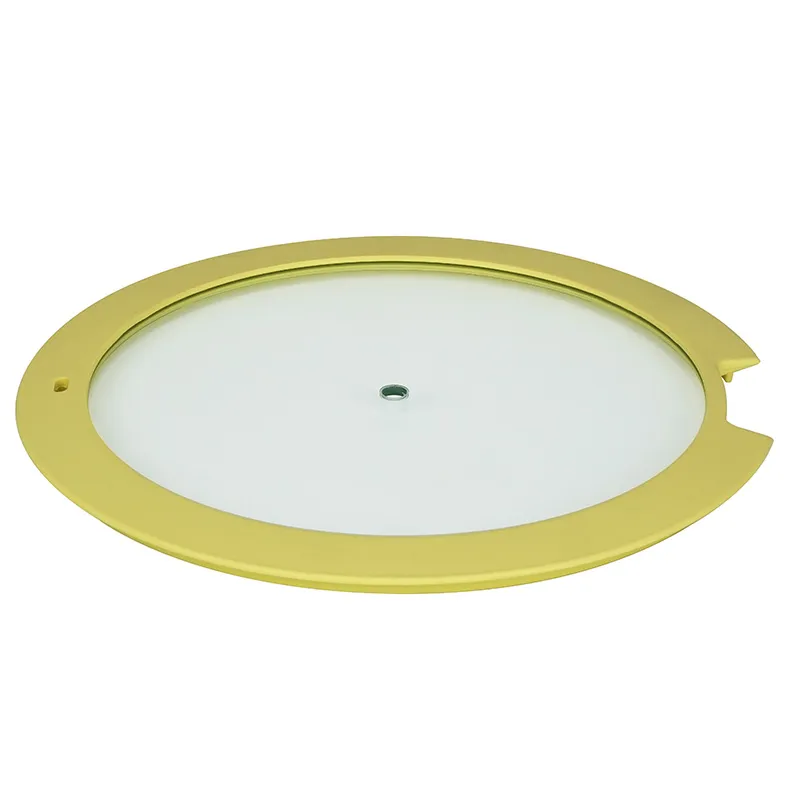
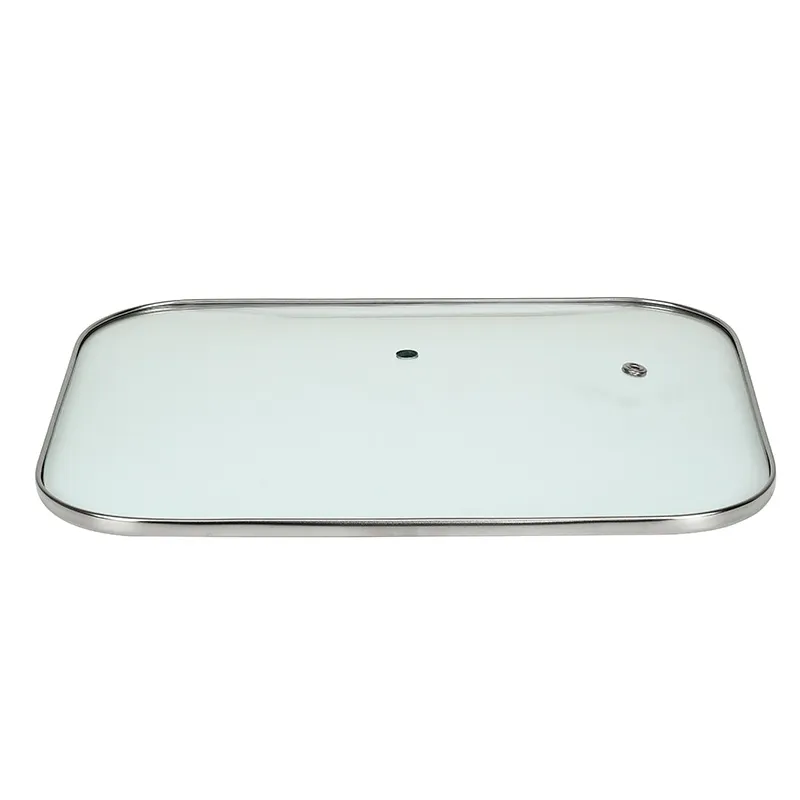
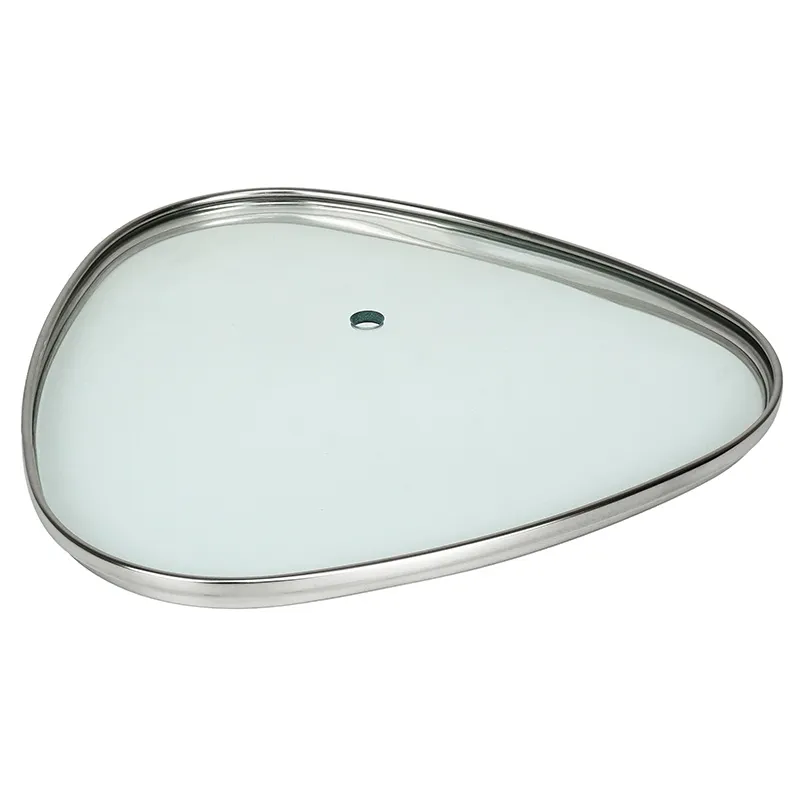
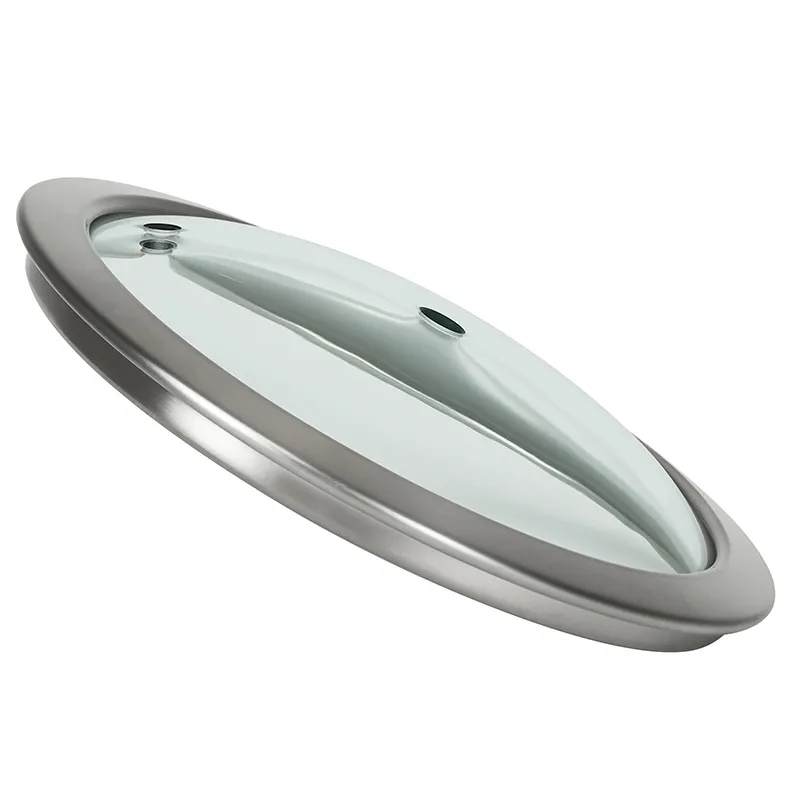
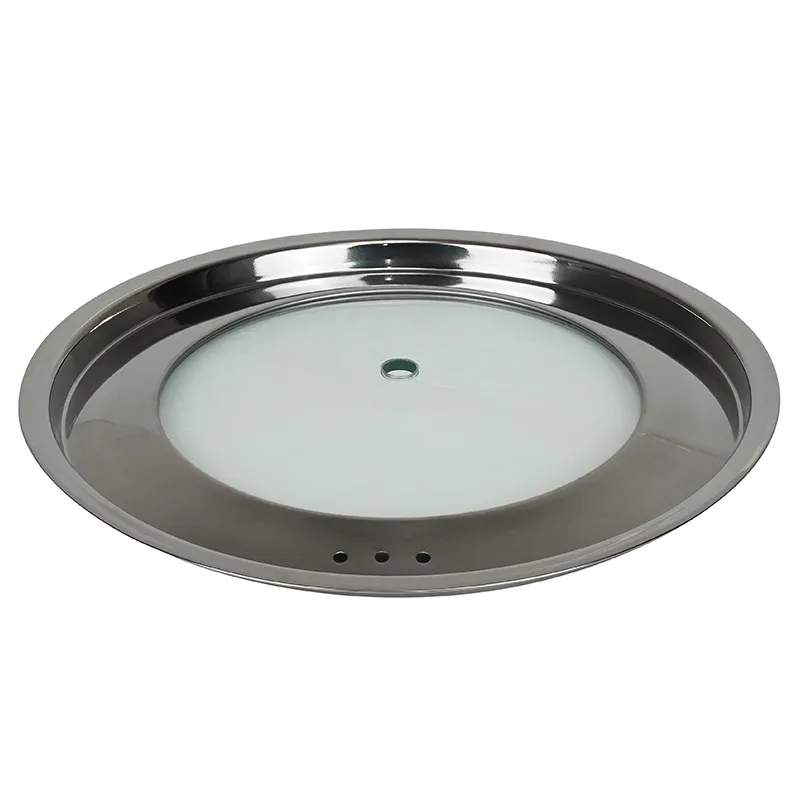
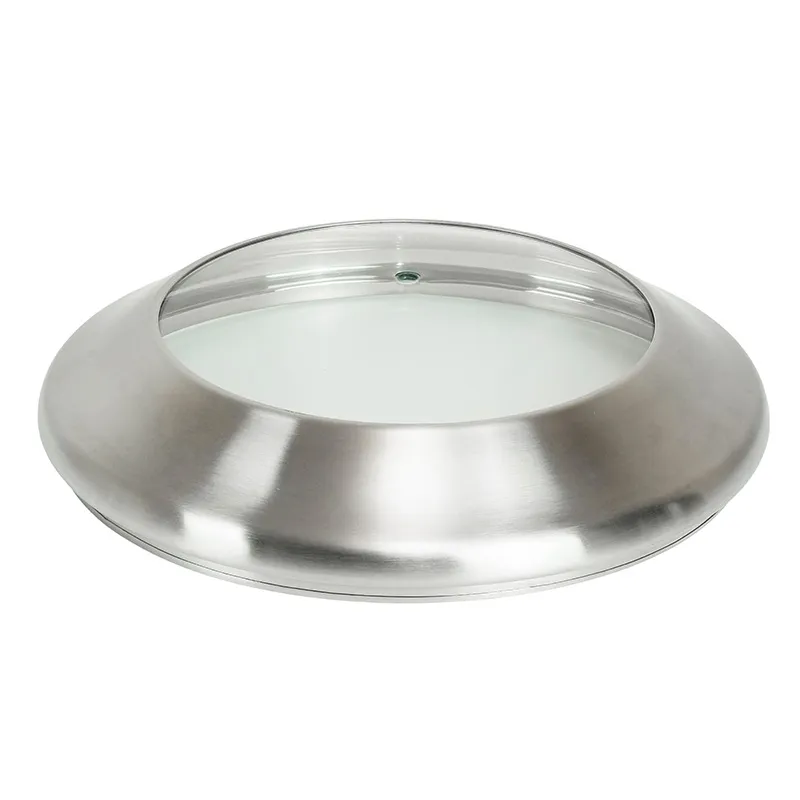
lid glass
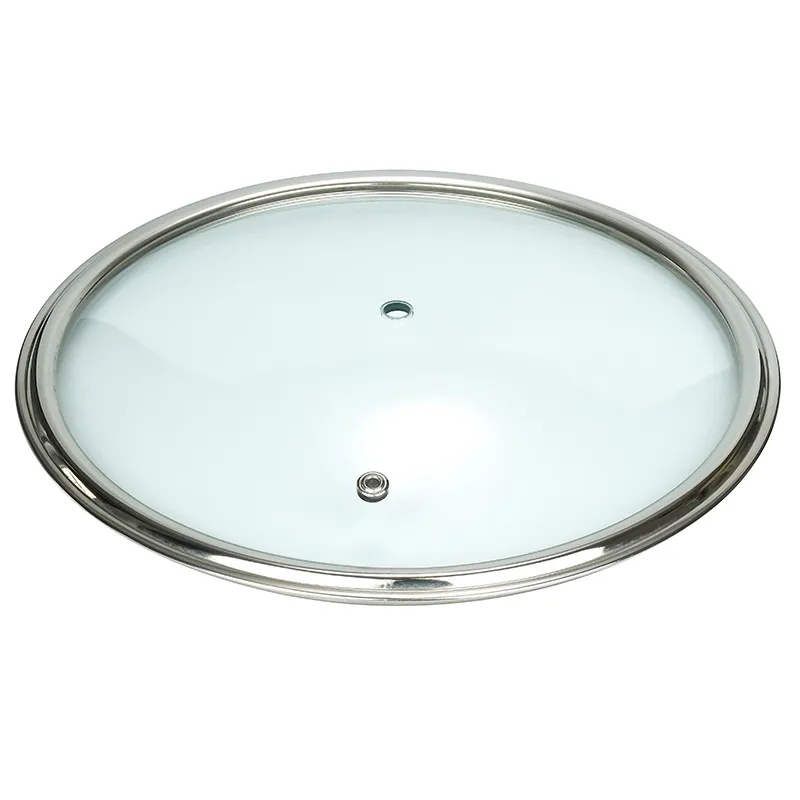
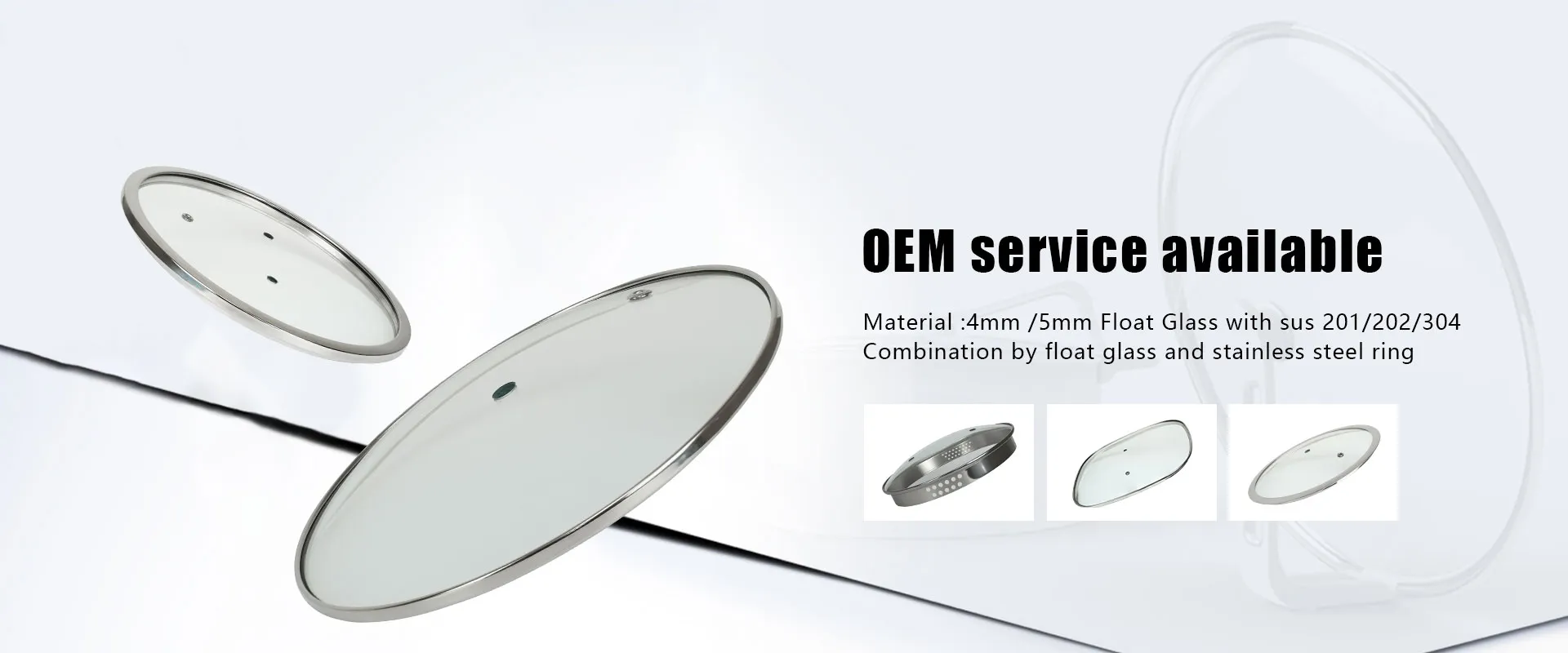
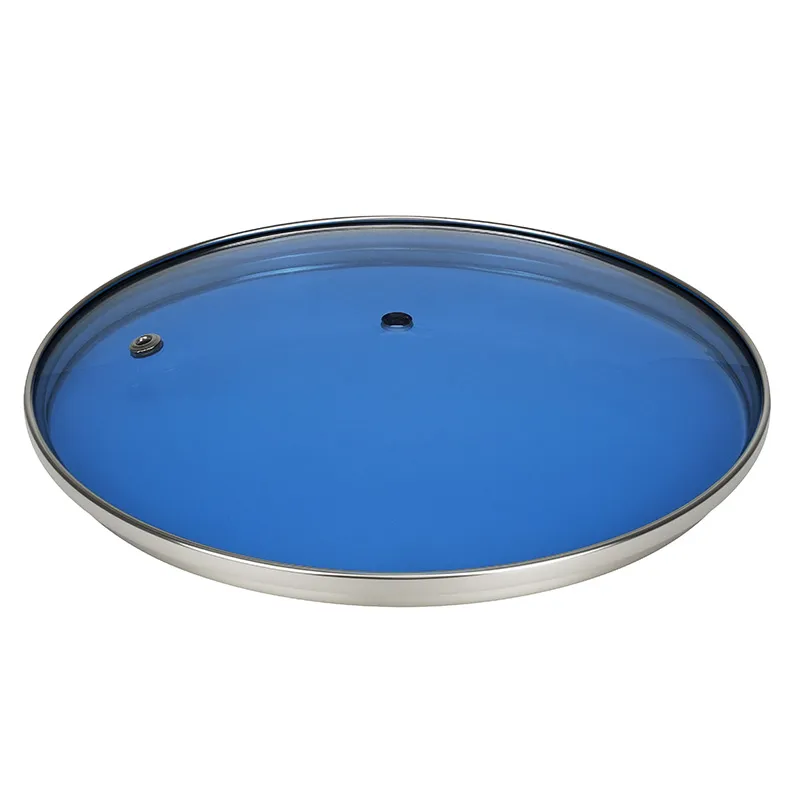
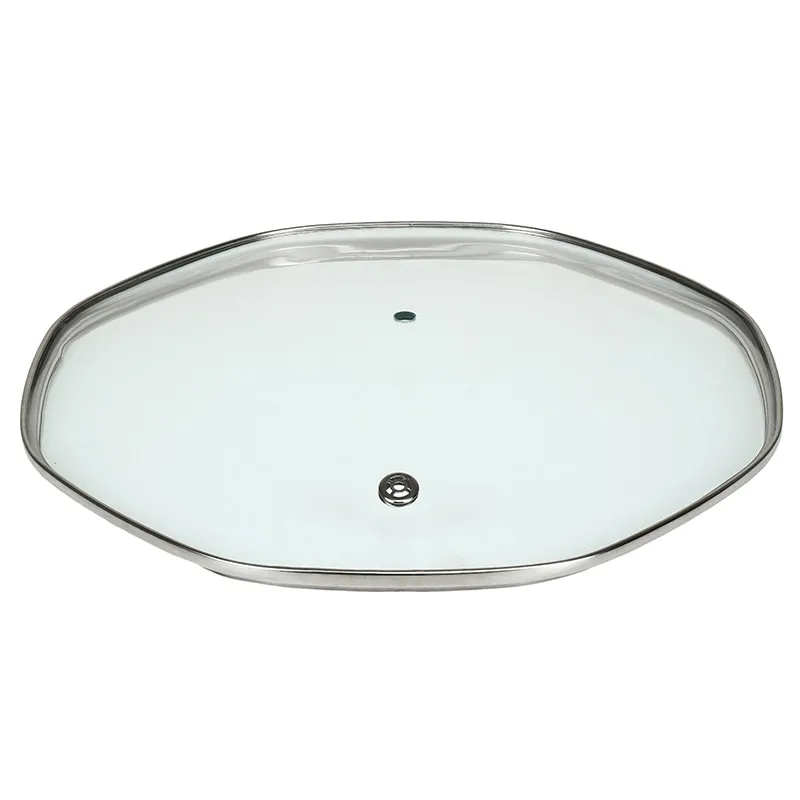
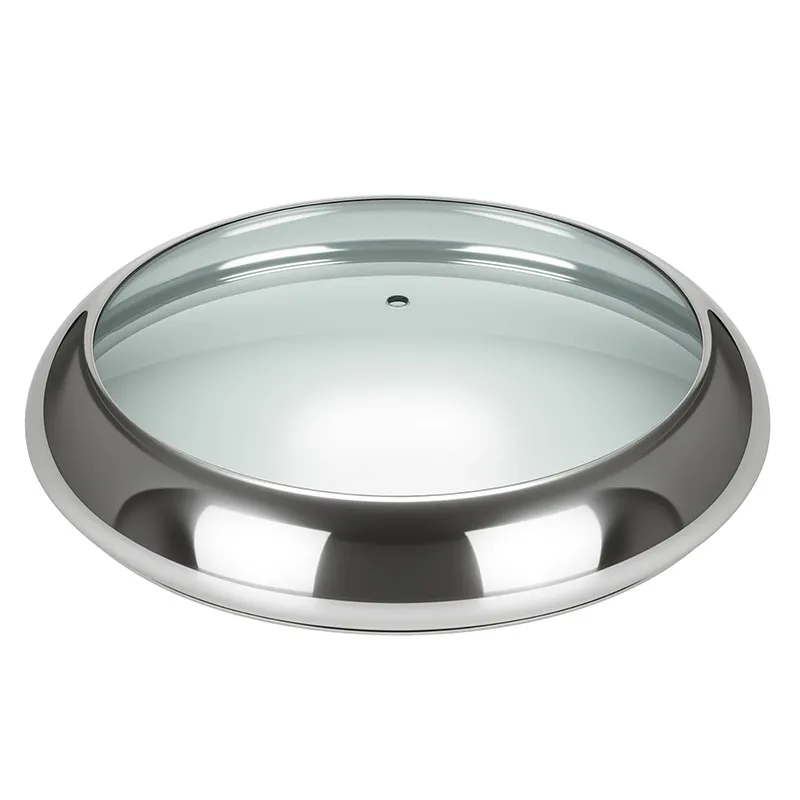
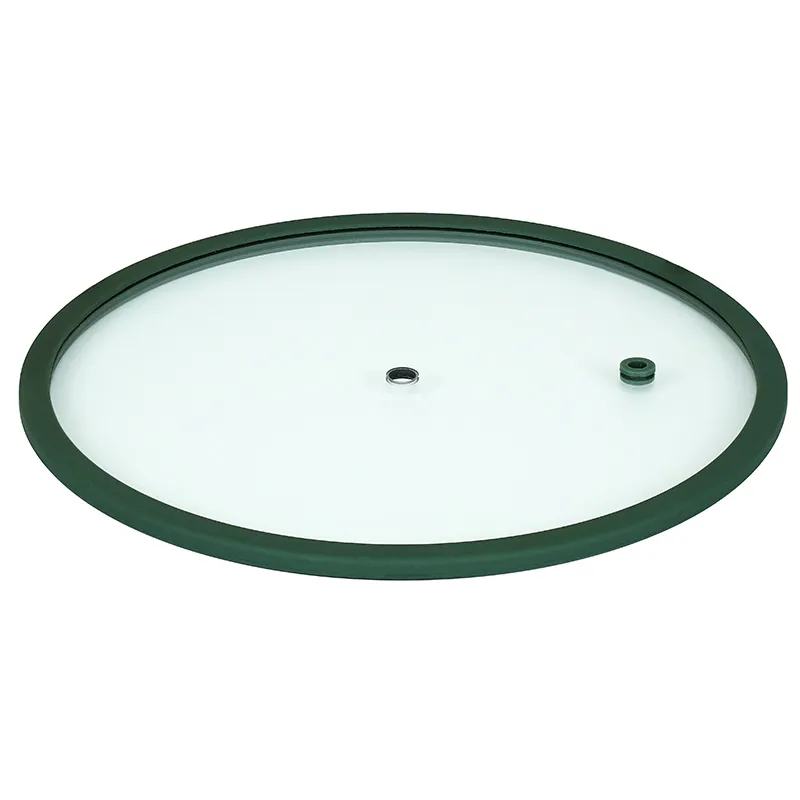
When you hear 'lid glass', most think it's just a piece of tempered glass slapped on a pot. That's the first misconception. In reality, specifying the right lid glass involves a nuanced understanding of thermal shock resistance, edgework precision, and the often-overlooked ergonomics of the handle or knob attachment. It's a component, not an afterthought.
The Core Specs Everyone Glosses Over
It starts with the glass itself. Tempering is a given, but the cycle matters. I've seen batches where the stress pattern was uneven because the oven cycle was rushed for a big order. The lids didn't fail immediately, but after a few dozen thermal cycles from a hot stove to a cold granite countertop, you'd get spontaneous fractures. Not a clean break, but a spiderweb that ruins a meal and trust. The target is a minimum thermal shock resistance delta of 220°C. Hitting that consistently is where the real manufacturing discipline comes in.
Then there's the edge. A ground and polished edge isn't just for safety; it's for seal. A rough, chipped edge from poor finishing won't sit flush, letting out steam and throwing off cooking times. We learned this the hard way with an early run for a European client. The lids passed our basic inspection, but the client's quality team flagged a 0.5mm variance in the edge roll-off. It seemed trivial, but it caused a slight wobble. We had to rework 20,000 units. Painful, but it drilled into us that the edge is a functional surface.
The handle or knob is its own engineering puzzle. It's not just glued on. For a reliable bond that survives dishwasher punishment and direct flame (for those all-metal knobs on glass), the preparation of the glass surface before assembly is critical. The bonding area needs a specific surface energy. I recall a supplier switch on the epoxy adhesive that led to a wave of handles detaching after six months of use. The failure was delayed, which is the worst kind. Root cause? The new adhesive had a slightly different thermal expansion coefficient than the glass. A mismatch of just a few percentage points.
Sourcing and the Reality of Scale
This is where companies with real infrastructure separate themselves. Look at EUR-ASIA COOKWARE CO.,LTD. (https://www.glass-lid.com). Their focus isn't just on making glass lids; it's on producing over 15 million pieces annually. That scale dictates a certain level of process control. When you're exporting 90% of your output to markets like Germany and Japan, where retailers have brutal QC standards, you can't wing it. Their specialization in low-to-high tier household glass means they've likely seen every possible spec sheet quirk and failure mode.
Their location in Taian's High-tech Development Zone isn't incidental. It speaks to an operation that's likely integrated, controlling the process from glass cutting to tempering to packaging. That integration is key for managing the two biggest enemies of lid glass: contamination during handling (which creates weak points) and inconsistent annealing. A fragmented supply chain, where cutting is done in one factory and tempering in another, introduces too many variables.
Why does this matter to a buyer? Consistency. If you're a cookware brand sourcing 50,000 lids for a new skillet line, you need every single lid to have the same clarity, the same 'clink' sound when tapped, the same exact fit. A facility with 15,000㎡ of building space dedicated to this suggests they have dedicated lines, not makeshift setups. That's the baseline for reliable volume.
Fit and Function: The User's Touchpoint
All the technical specs are useless if the lid doesn't function intuitively. The 'dome' or height is critical. Too flat, and it boils over with certain foods. Too domed, and it becomes awkward to store. I've worked with chefs who specifically request a certain internal volume for their braising pans. It's a cooking tool, not just a cover.
The other aspect is the seal. Most glass lids for home use aren't airtight, nor should they be. But there's a sweet spot. A well-designed lid will have a slight condensation channel on the underside to direct moisture back into the pot. I've seen designs where this channel was too shallow or non-existent, leading to water dripping off the lid's edge and onto the stovetop—a minor but annoying design flaw.
Then there's the visual function. Clarity. The glass must be pristine, not wavy or green-tinted. The cook needs to see the simmer, the bubble size, the color change without lifting the lid and losing heat. This comes down to glass quality and the tempering process again. Inexpensive, low-iron glass is now the standard for high-end lines because it removes that greenish hue, offering a truer view.
Failures and Field Lessons
You learn more from a failure than a perfect run. We once had a complaint about lids shattering during a dry-heat cooking method (like searing a steak and then covering it to finish). The lids were rated for the temperature, so what happened? Investigation found users were pre-heating the empty lid on the pan. Glass is a poor conductor. Direct, localized flame on an empty lid glass creates intense, uneven stress that the tempering can't compensate for. The solution wasn't to change the glass, but to change the user manual and add a small icon warning against pre-heating an empty lid. Sometimes the fix is communicative, not technical.
Another common issue is the gradual 'fogging' or etching of the glass surface after years in a commercial dishwasher. This is often a chemical attack from aggressive detergent salts interacting with the glass surface at high temperatures. It's not a defect per se, but it highlights that not all tempered glass is created equal. The surface chemistry of the glass can be tuned for better durability, but it adds cost. It's a trade-off the specifier needs to be aware of based on the end-use environment.
These aren't theoretical problems. They're the kind of post-mortems that happen in factories like EUR-ASIA's quality lab. With 90+ employees and a focus on export, their entire business hinges on anticipating these edge cases for different markets. A lid destined for a Brazilian kitchen might face different usage patterns than one in Denmark. The good manufacturers build that feedback loop from their import partners into their design tweaks.
The Unseen: Logistics and Packaging
This is the part nobody talks about until it's a disaster. Shipping 15 million glass lids a year is a logistics nightmare. The packaging must protect against not just drops, but constant vibration. We once lost a full container to 'container resonance' during a long sea voyage. The vibration frequency matched a harmonic of the stacked lids, causing micro-fractures that only became visible weeks later in retail. The packaging had to be completely redesigned with different corrugation and spacing.
Furthermore, the packaging itself must be efficient. Glass is heavy. Air space is money. A design that nests lids perfectly, with minimal protective material but maximum cushioning, is an art form. It directly impacts the landed cost. A company with the volume of EUR-ASIA COOKWARE likely has this down to a science, because inefficiency at that scale would erase their margins.
In the end, a lid glass is a deceptively simple product. Its success lies in a hundred tiny details done right, from the molecular structure of the tempered pane to the cardboard box it ships in. It's a bridge between the engineering of materials and the art of cooking. When it's perfect, you never notice it. When it's wrong, it ruins everything. And getting it right, consistently, at scale, is what separates a commodity supplier from a real specialist.
Related Products
Related Products