- Chinese
- French
- German
- Portuguese
- Spanish
- Russian
- Japanese
- Korean
- Arabic
- Irish
- Greek
- Turkish
- Italian
- Danish
- Romanian
- Indonesian
- Czech
- Afrikaans
- Swedish
- Polish
- Basque
- Catalan
- Esperanto
- Hindi
- Lao
- Albanian
- Amharic
- Armenian
- Azerbaijani
- Belarusian
- Bengali
- Bosnian
- Bulgarian
- Cebuano
- Chichewa
- Corsican
- Croatian
- Dutch
- Estonian
- Filipino
- Finnish
- Frisian
- Galician
- Georgian
- Gujarati
- Haitian
- Hausa
- Hawaiian
- Hebrew
- Hmong
- Hungarian
- Icelandic
- Igbo
- Javanese
- Kannada
- Kazakh
- Khmer
- Kurdish
- Kyrgyz
- Latin
- Latvian
- Lithuanian
- Luxembou..
- Macedonian
- Malagasy
- Malay
- Malayalam
- Maltese
- Maori
- Marathi
- Mongolian
- Burmese
- Nepali
- Norwegian
- Pashto
- Persian
- Punjabi
- Serbian
- Sesotho
- Sinhala
- Slovak
- Slovenian
- Somali
- Samoan
- Scots Gaelic
- Shona
- Sindhi
- Sundanese
- Swahili
- Tajik
- Tamil
- Telugu
- Thai
- Ukrainian
- Urdu
- Uzbek
- Vietnamese
- Welsh
- Xhosa
- Yiddish
- Yoruba
- Zulu
- Kinyarwanda
- Tatar
- Oriya
- Turkmen
- Uyghur


lid manufacturer
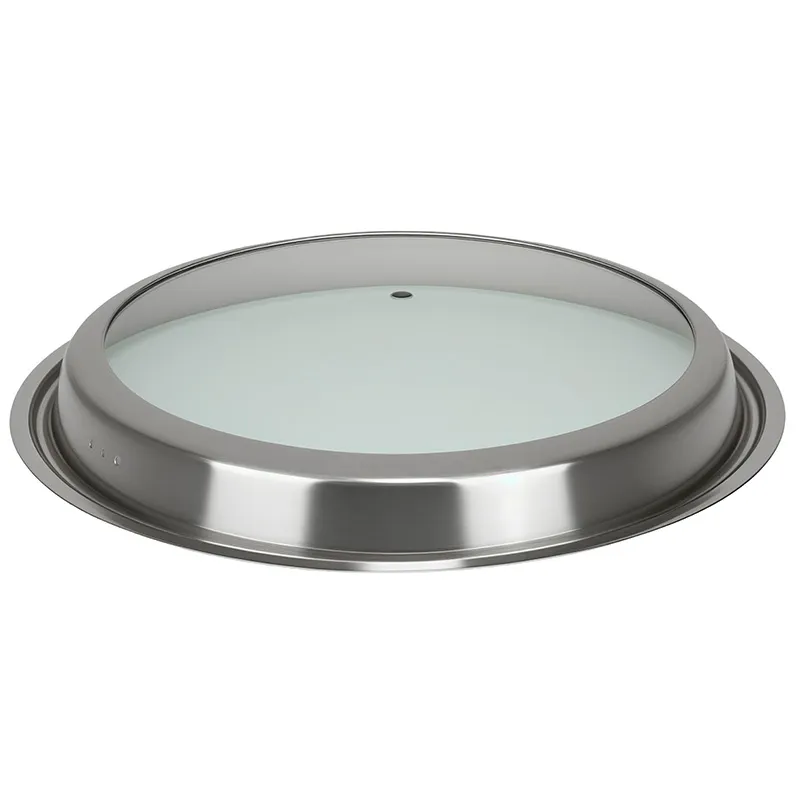
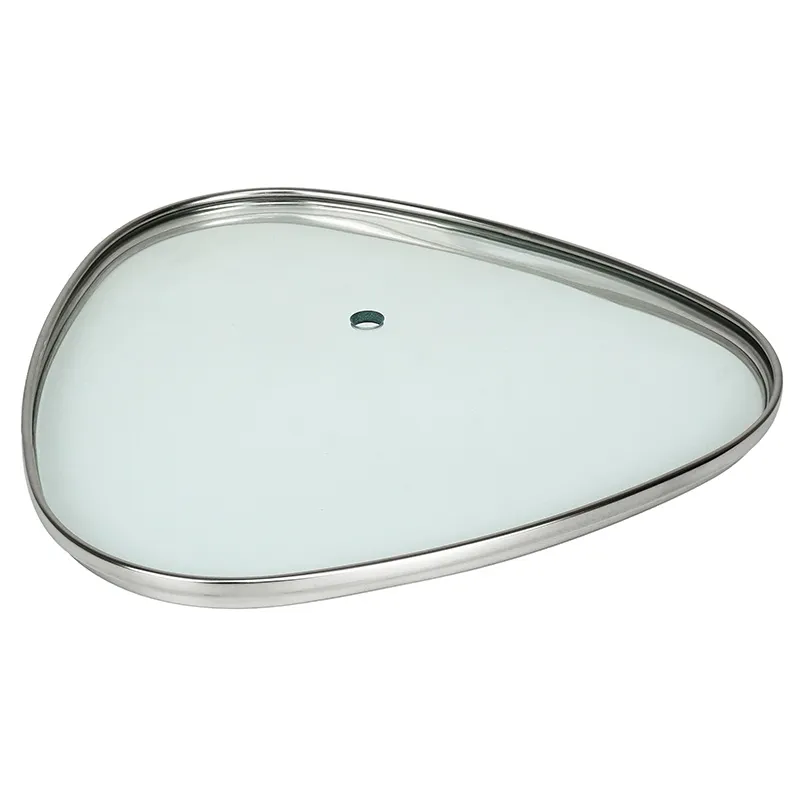
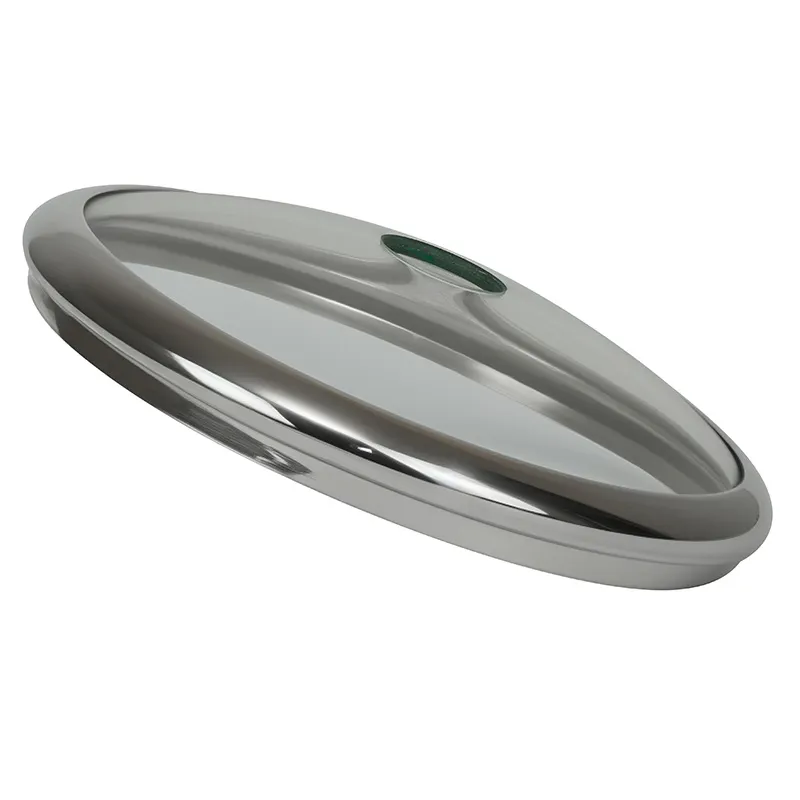
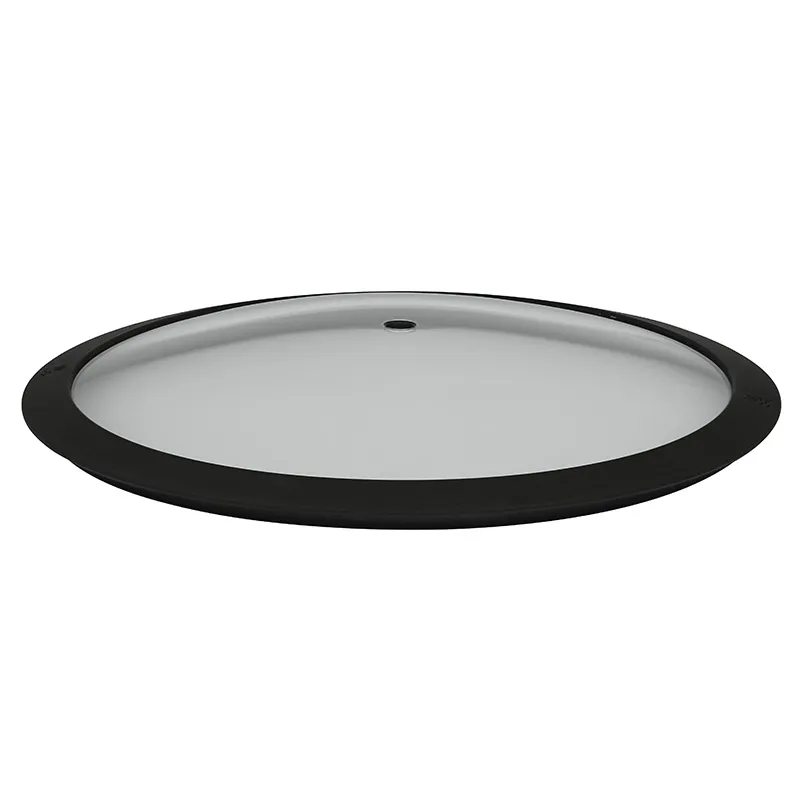
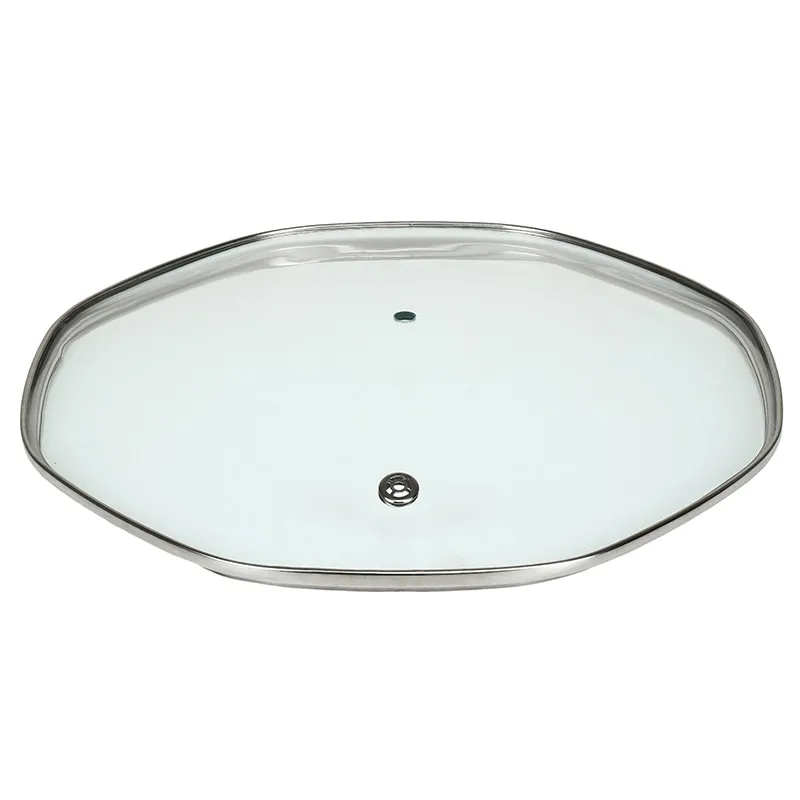
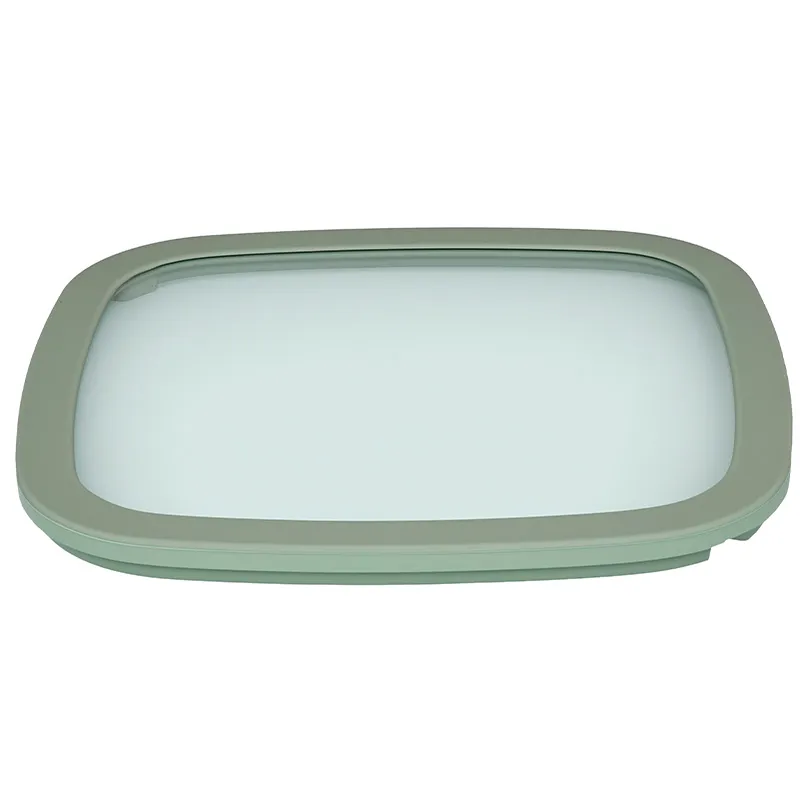
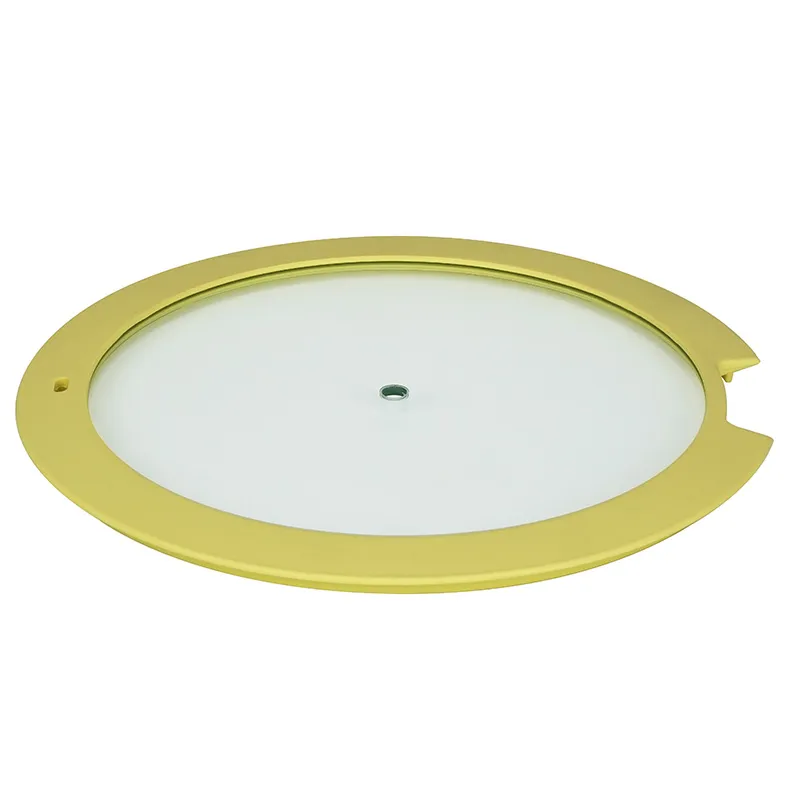
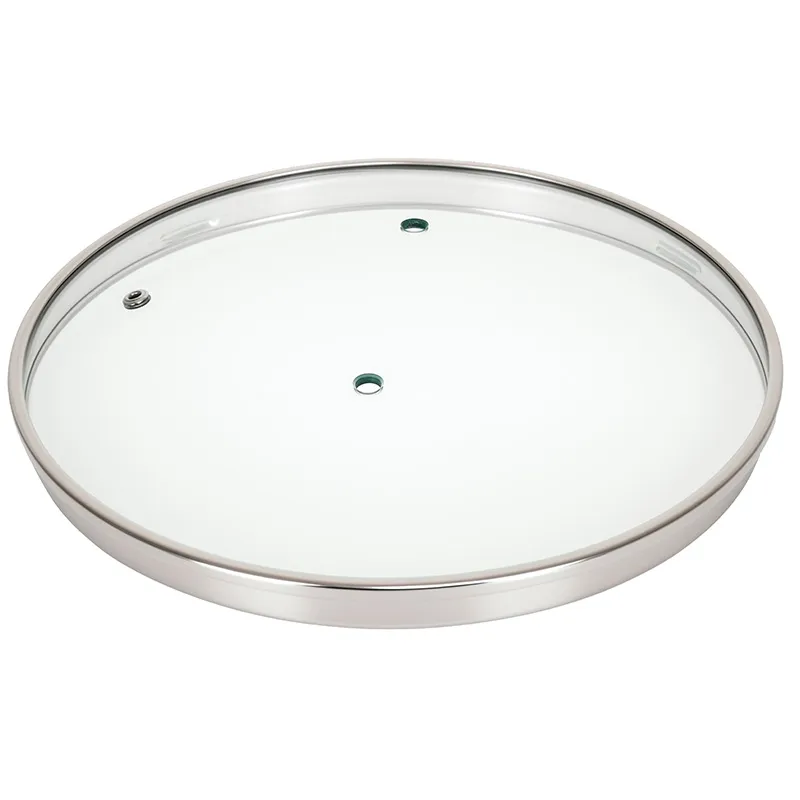
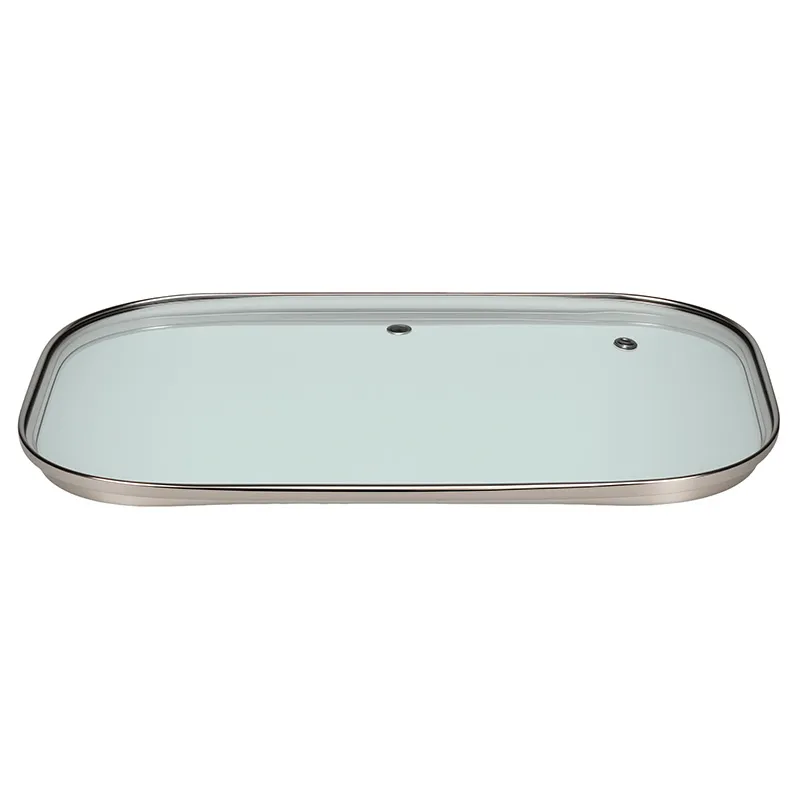
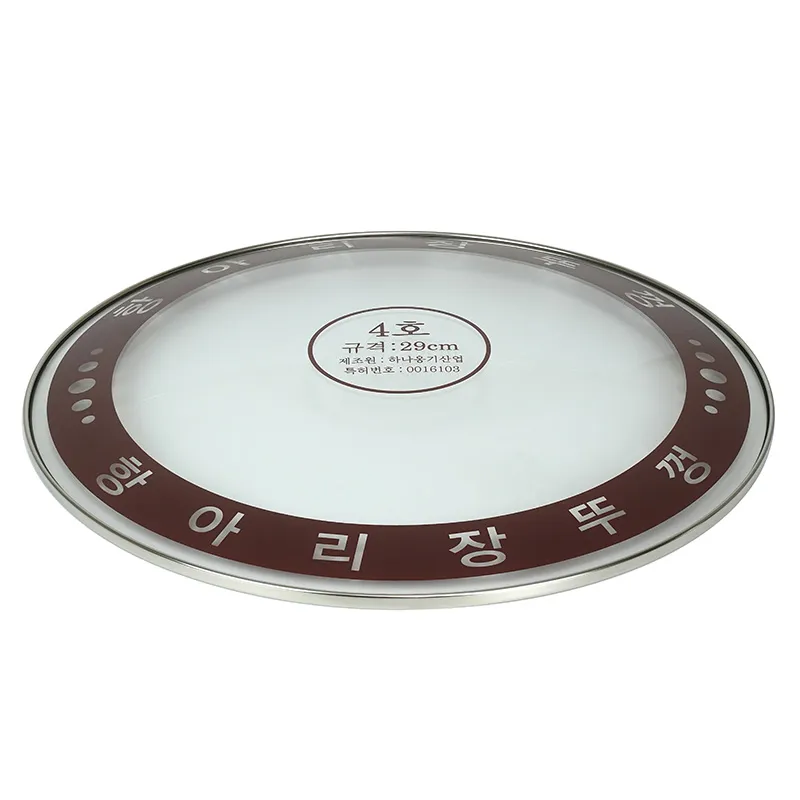
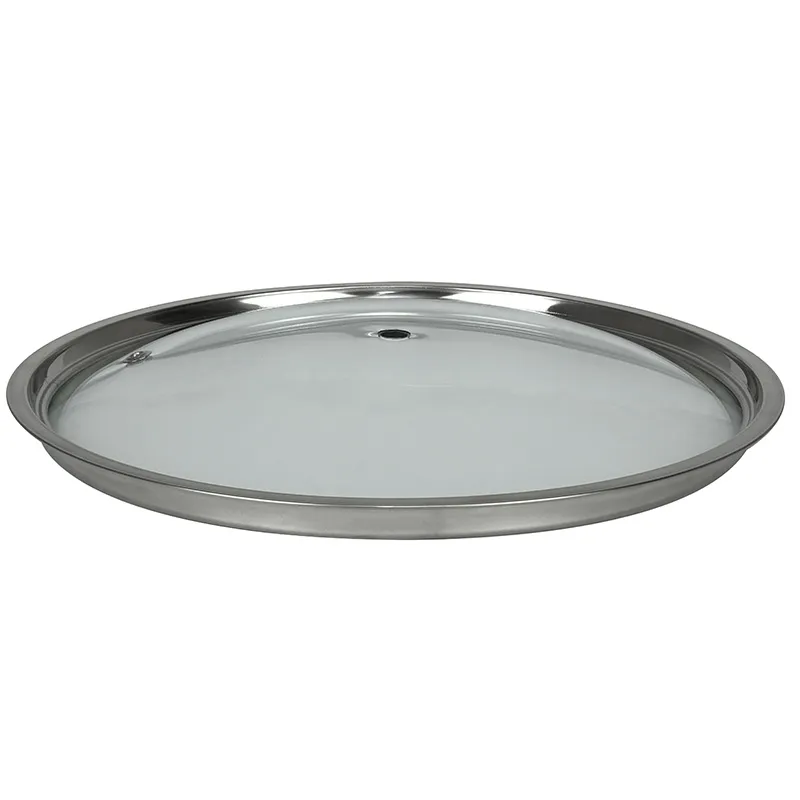
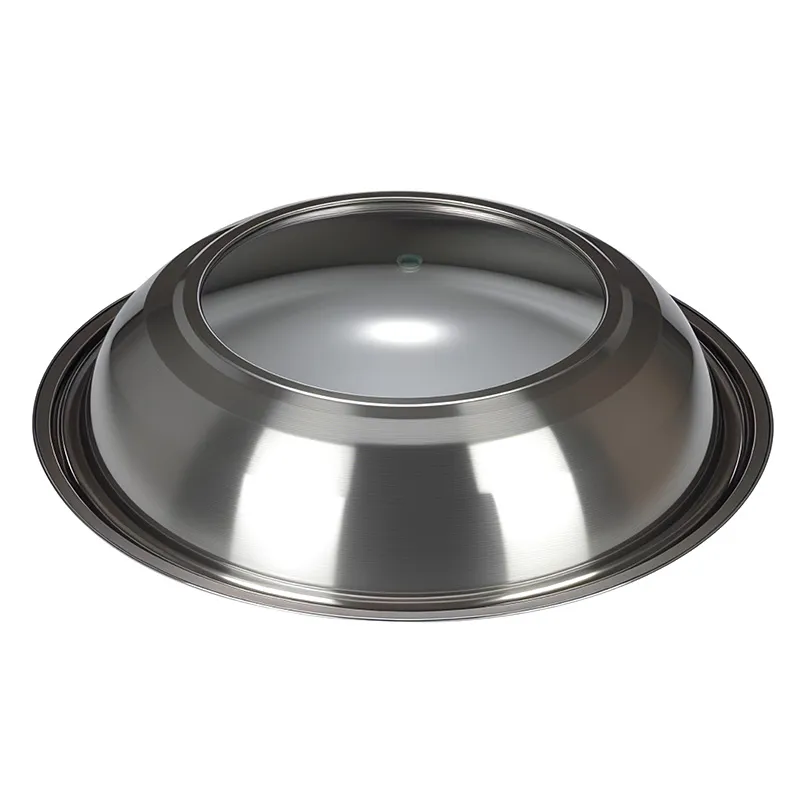
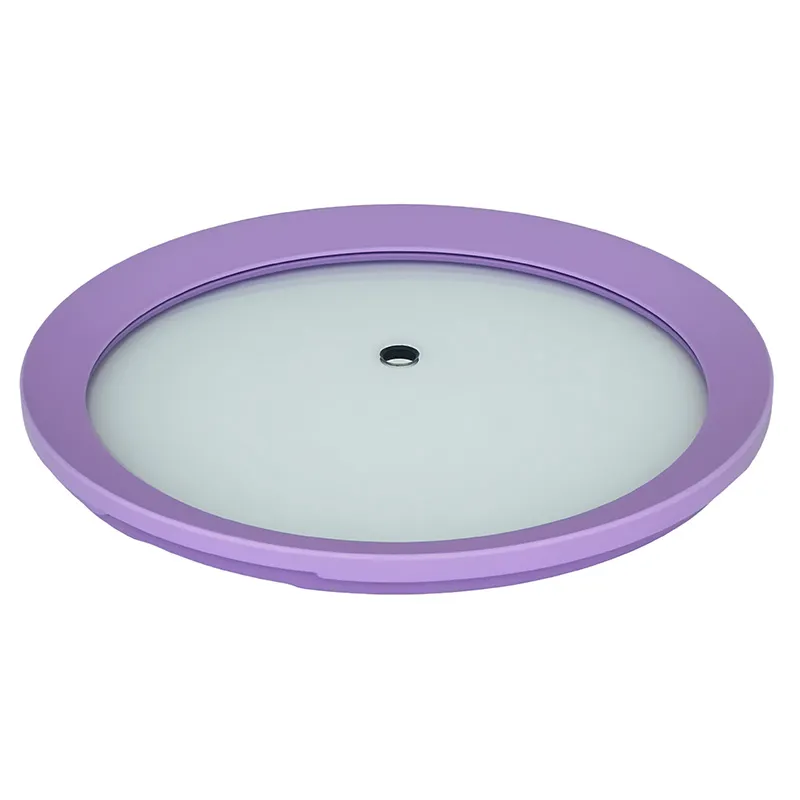
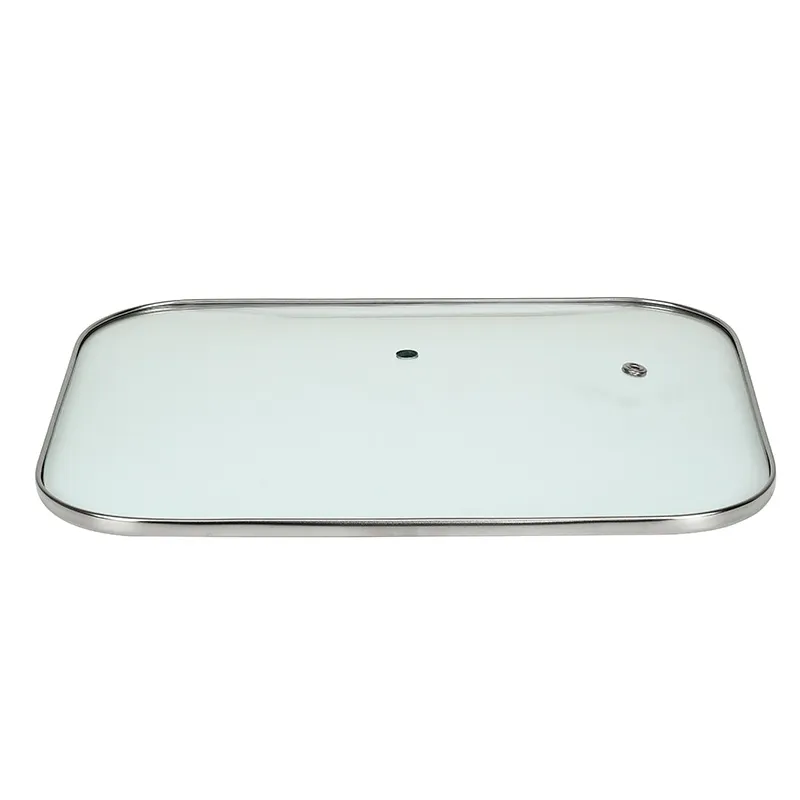
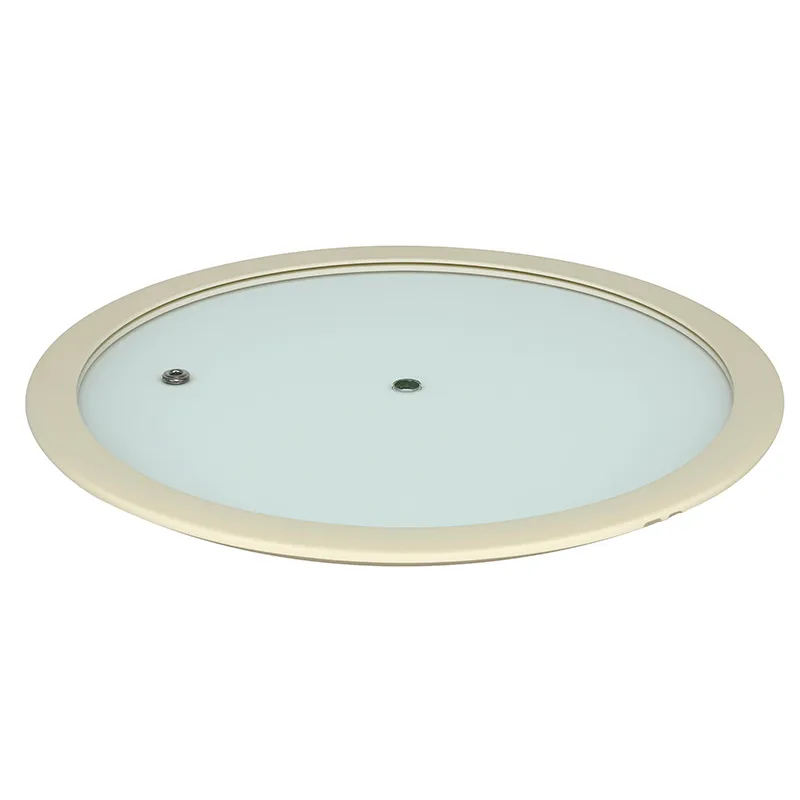
When you hear 'lid manufacturer,' most minds jump to the big stamped metal operations. That's the common picture. But in the cookware world, especially on the premium end, the game changes entirely when you talk about glass lid production. It's a different beast—less about brute force stamping and more about managing fragility, clarity, and thermal shock from the get-go. A lot of buyers think it's just about cutting a circle of glass and adding a handle. If only it were that simple. The real challenge isn't just making it; it's making it survive a kitchen, a dishwasher, and the inevitable drop onto a hard tile floor, repeatedly, without failing or clouding up. That's where the specialization kicks in.
The Core Misconception: It's Just a Lid
I've sat through countless meetings where procurement teams treat a glass lid as a commodity item, a simple component to cap a pot. They'll focus on price per unit and minimum order quantities, completely glossing over the engineering that prevents that lid from shattering when placed on a boiling pot or from warping the seal over time. The handle isn't just glued on; its attachment system—often a stainless steel clamp or a high-temp resin bracket—has to withstand thermal cycling and torque. I remember a project years back where we sourced what looked like a perfectly fine lid from a general glassware factory. They passed all the initial inspections, but within six months in the field, we had a 15% return rate due to handle detachment. The factory had used an adhesive rated for 120°C, not considering the localized heat at the handle's base could spike much higher. That was a costly lesson in specificity.
This is why companies that truly specialize, like EUR-ASIA COOKWARE CO.,LTD, carve out a niche. Visiting a facility like theirs, which you can get a sense of from their portal at glass-lid.com, shifts your perspective. They're not just a glass company dabbling in lids; their entire production base in Taian is geared toward this specific product ecosystem. When over 90% of your output is exported to markets like Germany and Japan, known for brutal quality standards, your processes can't be generic. You're building for B2B partners whose brands hinge on that lid not failing.
The specialization shows in the details they mention—tempered glass, an annual output in the millions. Tempering is non-negotiable for safety, but the quality of the tempering process dictates everything. Poorly tempered glass can have quench marks or internal stresses that cause spontaneous breakage, or it might not handle the sudden cold of a kitchen sink after being on a hot pan. It's a step you can't cheap out on, and a true lid manufacturer invests in the ovens and quenching systems to control this perfectly.
Material and Process: Where the Devil Lives
Let's talk about the glass itself. Borosilicate is often thrown around as a buzzword, but for many high-volume kitchen lids, clear tempered soda-lime glass is the workhorse. It's about achieving the right balance of clarity, weight, and cost. The clarity matters more than people think—a hazy lid is a deal-breaker for the consumer. It makes the cook feel disconnected from the food. Achieving optical clarity in tempered glass, consistently, batch after batch, is a sign of a mature manufacturer. It speaks to raw material quality, furnace conditions, and polishing processes before the glass even goes into the tempering furnace.
The forming process is another critical juncture. For domed lids, the glass must be sag-bent or pressed into shape at just the right temperature. Too hot, and it distorts; too cool, and you get stress fractures. I've seen production lines where the settings for a 24cm lid versus a 28cm lid require completely different thermal profiles. It's not a set-and-forget operation. The team at EUR-ASIA mentions a building area of 15,000 ㎡—that scale suggests dedicated lines and staging areas, which allows for this kind of tailored process management rather than a one-size-fits-all approach on a single line.
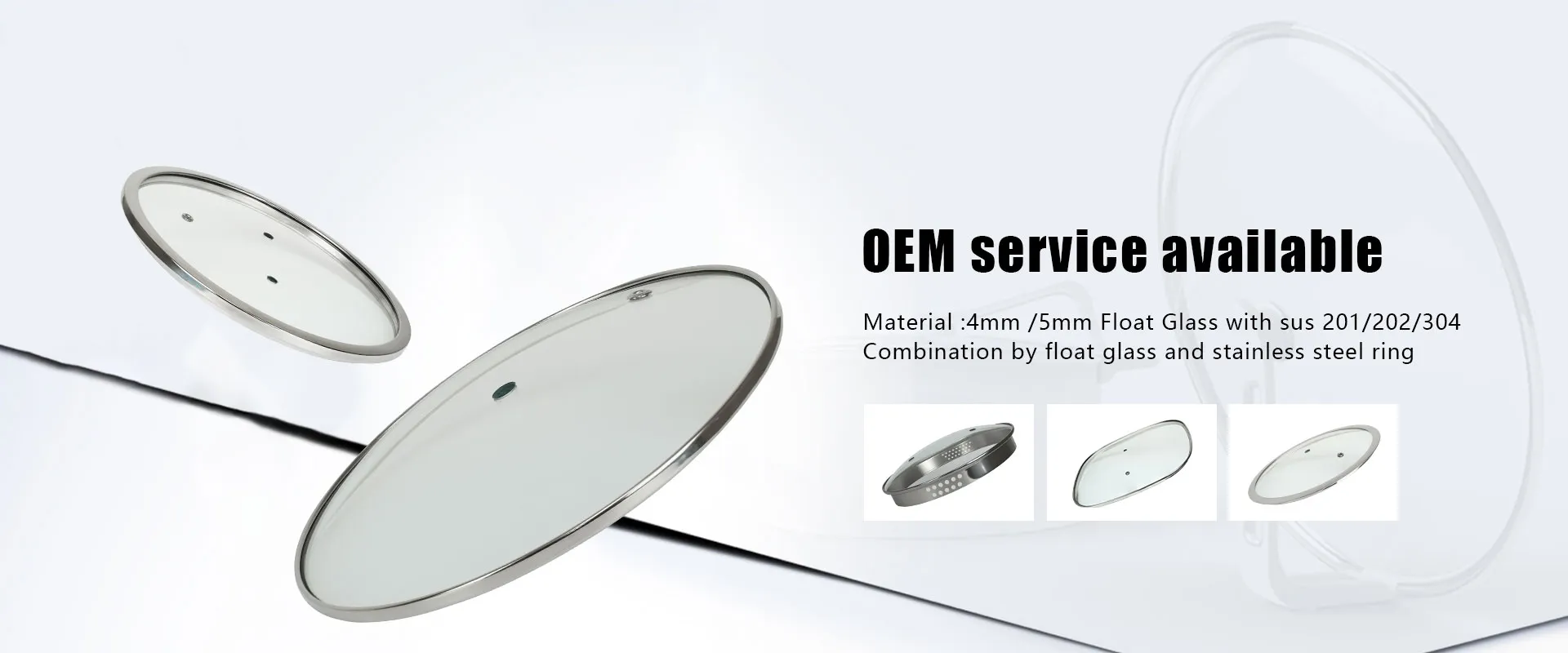
Then there's the edge work. The perimeter of a glass lid is its Achilles' heel. It needs to be smoothly ground and often fire-polished to eliminate micro-cracks that can become fracture points. A sharp or rough edge isn't just a user hazard; it can chip against the pot rim, creating glass fragments. This finishing step is labor and time-intensive, often one of the reasons per-unit costs add up. But skipping it is a fast track to product returns and brand damage.
The Export Reality: Compliance is a Minefield
Supplying to the global market, as EUR-ASIA's profile indicates with exports to Europe and Asia, isn't just about shipping boxes. It's a maze of compliance. A lid for the German market might need to pass specific LFGB or GS certification tests for food contact and safety, requiring precise documentation on material composition. For the U.S., it's FDA standards. Each regulation might dictate the type of pigments used in painted rims (lead-free, cadmium-free), the composition of the silicone seal around the edge, or the emissions from the handle adhesive during heating.
I recall a shipment to Poland held up at customs because the testing lab report, while valid, wasn't from an EU-notified body recognized by that particular border agent. We had to air-freight samples to a lab in Hamburg for retesting, costing us weeks and killing the profitability of that entire container. A seasoned manufacturer has these protocols baked in. They have long-standing relationships with certified labs and understand the paperwork dance required for each destination. Their website being a primary contact point suggests they're geared for these direct, detail-oriented B2B inquiries.
This export focus also forces a higher standard on packaging. Glass lids can't just be thrown in a carton. They need individual slots, often with foam or corrugated dividers, and the master carton must be designed to withstand humidity and crushing during sea freight. Poor packaging leads to in-transit breakage, and nobody wins in that scenario—the buyer faces stock shortages, and the manufacturer eats the cost of replacements. It's a silent but critical part of the operational expertise.
Scaling Without Sacrificing: The 15 Million Piece Challenge
An annual output of 15 million pieces, as noted in their intro, is a staggering number. It speaks to volume, but the real question is: at what quality consistency? Scaling glass production is notoriously tricky. Consistency in raw material batches becomes paramount. One subpar batch of silica sand can introduce impurities that affect tempering. The production line machinery, like cutting tables and tempering furnaces, requires relentless preventive maintenance. A misaligned cutting head can ruin hundreds of lids before it's caught.
Managing a workforce of more than 90 employees in this context means having skilled technicians who can read the glass, not just machine operators. They need to identify the slight hue change that suggests a furnace temperature drift or the sound difference when a cutting wheel is going dull. This human element is what often separates a good lid manufacturer from a great one. Automation handles the bulk, but human oversight catches the anomalies that machines miss.
This scale also allows for meaningful R&D. With a stable high-volume base, a company can experiment with new handle ergonomics, improved steam vent designs, or even hybrid lids (glass with stainless steel rims) without bringing the entire production to a halt. It's this capacity for incremental innovation that keeps a supplier relevant to brands that are themselves trying to differentiate on the retail shelf.
Final Thoughts: The Partnership Mindset
So, what does this all mean for someone sourcing lids? It means looking beyond the price sheet. A true specialist manufacturer acts as a partner. They'll ask about your pot's diameter tolerances, the typical use case (stovetop, oven, storage), and your target retail price point. They should be able to advise on handle material options—whether a phenolic resin, stainless steel, or a newer thermoplastic offers the best balance for your needs.
Companies like EUR-ASIA COOKWARE, with their clear focus on the glass lid segment across low, medium, and high tiers, embody this. Their existence in a dedicated high-tech zone isn't incidental; it's strategic for supply chain and logistics. When you engage with a manufacturer at this level, you're not just buying a component; you're buying their accumulated problem-solving experience—the failed adhesives, the optimized tempering curves, the compliant sealing materials. That's the intangible value. The lid itself is just the visible part.
In the end, the best lid is the one you never have to think about. It fits, it seals, it cleans easily, and it lasts for years. That simplicity for the end-user is the result of immense complexity and specialization behind the scenes. And that's what separates a real lid manufacturer from just a factory that happens to make lids.
Related Products
Related Products