- Chinese
- French
- German
- Portuguese
- Spanish
- Russian
- Japanese
- Korean
- Arabic
- Irish
- Greek
- Turkish
- Italian
- Danish
- Romanian
- Indonesian
- Czech
- Afrikaans
- Swedish
- Polish
- Basque
- Catalan
- Esperanto
- Hindi
- Lao
- Albanian
- Amharic
- Armenian
- Azerbaijani
- Belarusian
- Bengali
- Bosnian
- Bulgarian
- Cebuano
- Chichewa
- Corsican
- Croatian
- Dutch
- Estonian
- Filipino
- Finnish
- Frisian
- Galician
- Georgian
- Gujarati
- Haitian
- Hausa
- Hawaiian
- Hebrew
- Hmong
- Hungarian
- Icelandic
- Igbo
- Javanese
- Kannada
- Kazakh
- Khmer
- Kurdish
- Kyrgyz
- Latin
- Latvian
- Lithuanian
- Luxembou..
- Macedonian
- Malagasy
- Malay
- Malayalam
- Maltese
- Maori
- Marathi
- Mongolian
- Burmese
- Nepali
- Norwegian
- Pashto
- Persian
- Punjabi
- Serbian
- Sesotho
- Sinhala
- Slovak
- Slovenian
- Somali
- Samoan
- Scots Gaelic
- Shona
- Sindhi
- Sundanese
- Swahili
- Tajik
- Tamil
- Telugu
- Thai
- Ukrainian
- Urdu
- Uzbek
- Vietnamese
- Welsh
- Xhosa
- Yiddish
- Yoruba
- Zulu
- Kinyarwanda
- Tatar
- Oriya
- Turkmen
- Uyghur


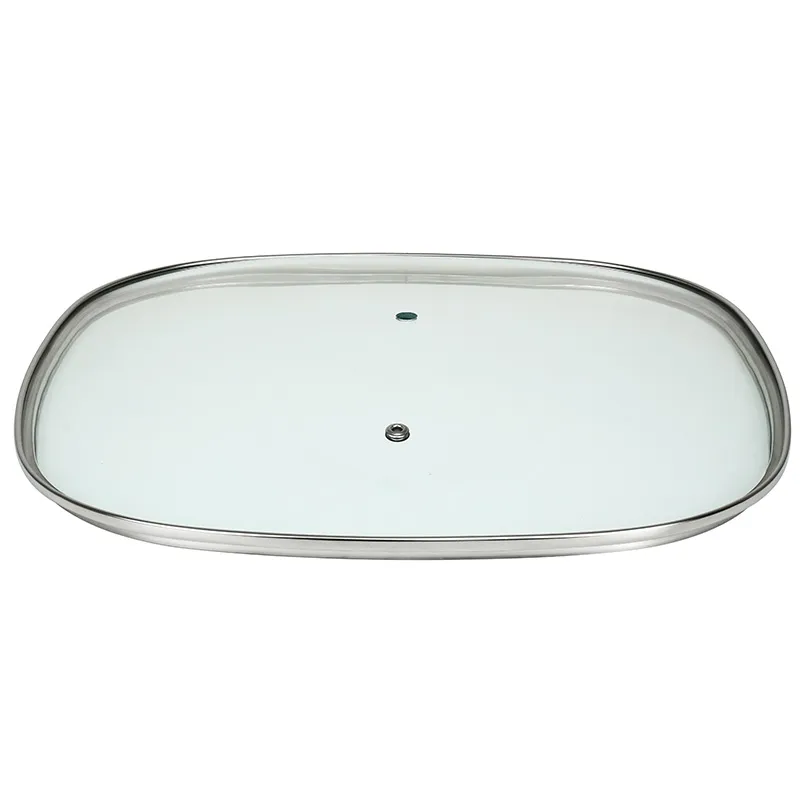
lid manufacturer from China
When you hear 'lid manufacturer from China,' the immediate image might be a vast, faceless factory churning out generic metal pot lids. That's the common pitfall. In reality, the specialization is deep, and for something as deceptively simple as a glass lid, the landscape is fragmented between low-cost commodity players and highly technical suppliers. The difference isn't just price; it's about understanding material stress points, tempering consistency, and hinge system tolerances that prevent shattering during a rapid temperature change. Many importers learn this the hard way after a container arrives with lids that either don't sit flush or develop micro-cracks after a few dishwasher cycles. My own early misstep was assuming all tempered glass was equal, leading to a costly recall from a retailer who had specific thermal shock resistance requirements not met by a supplier cutting corners on the annealing process.
The Core of Specialization: It's Not Just Glass
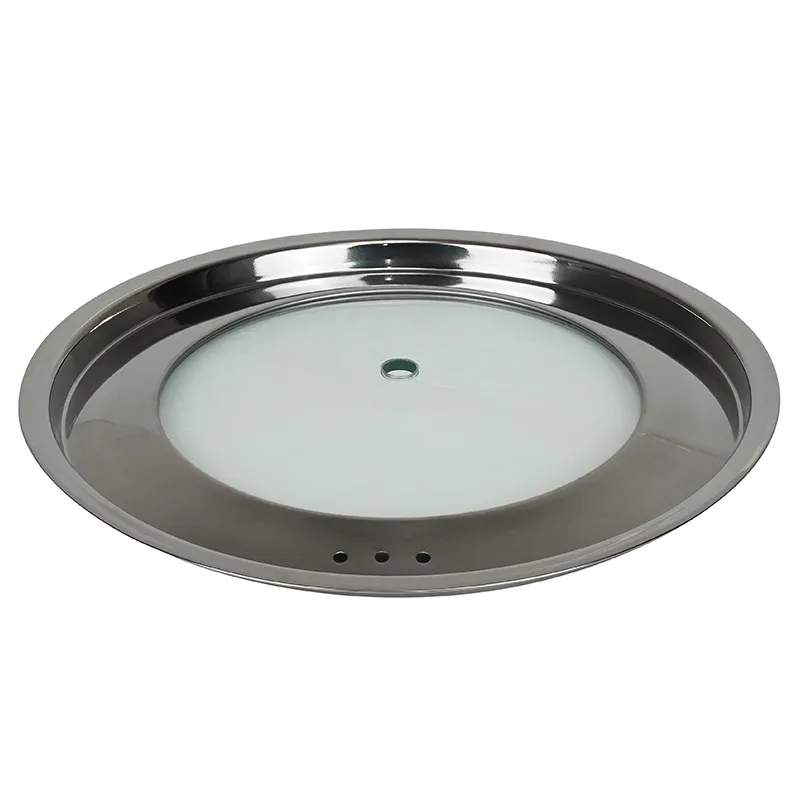
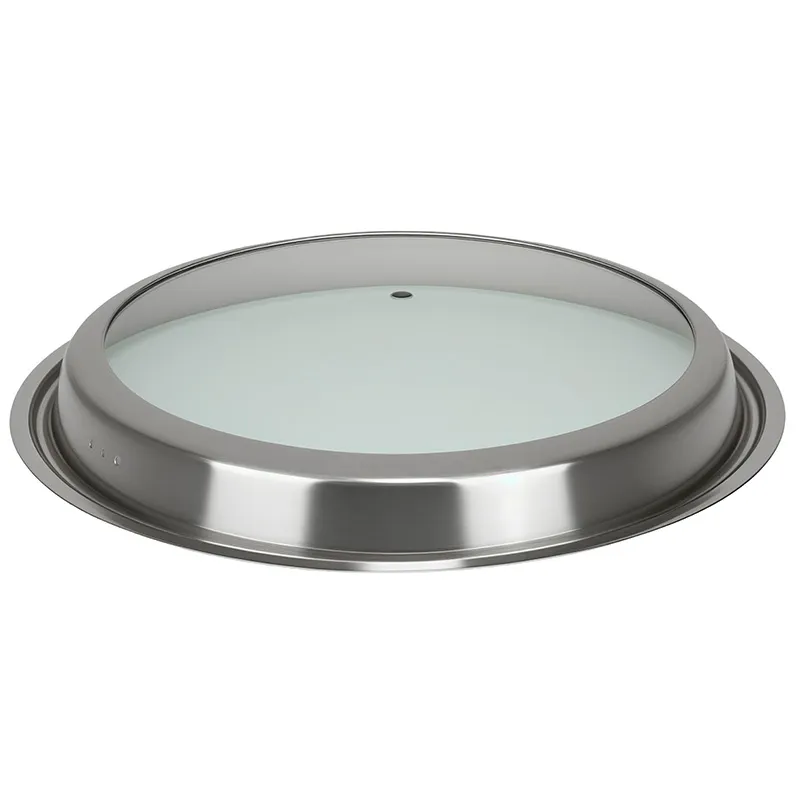
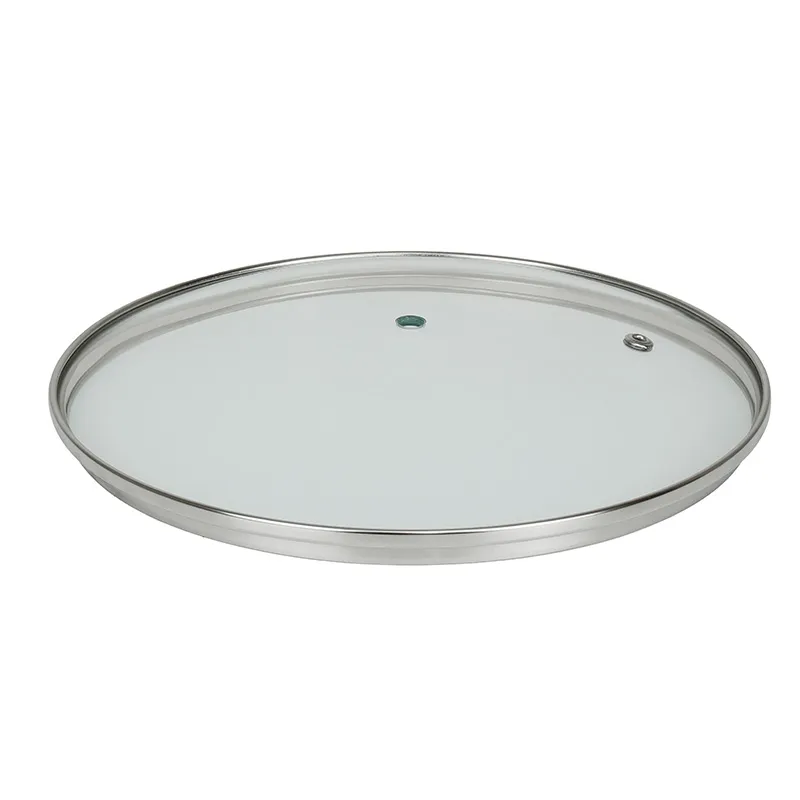
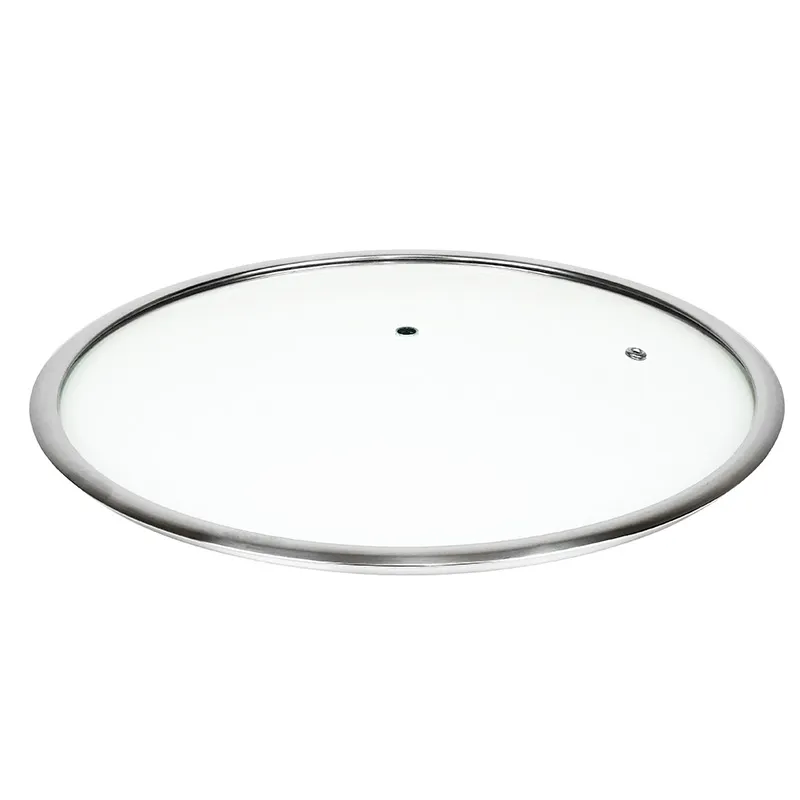
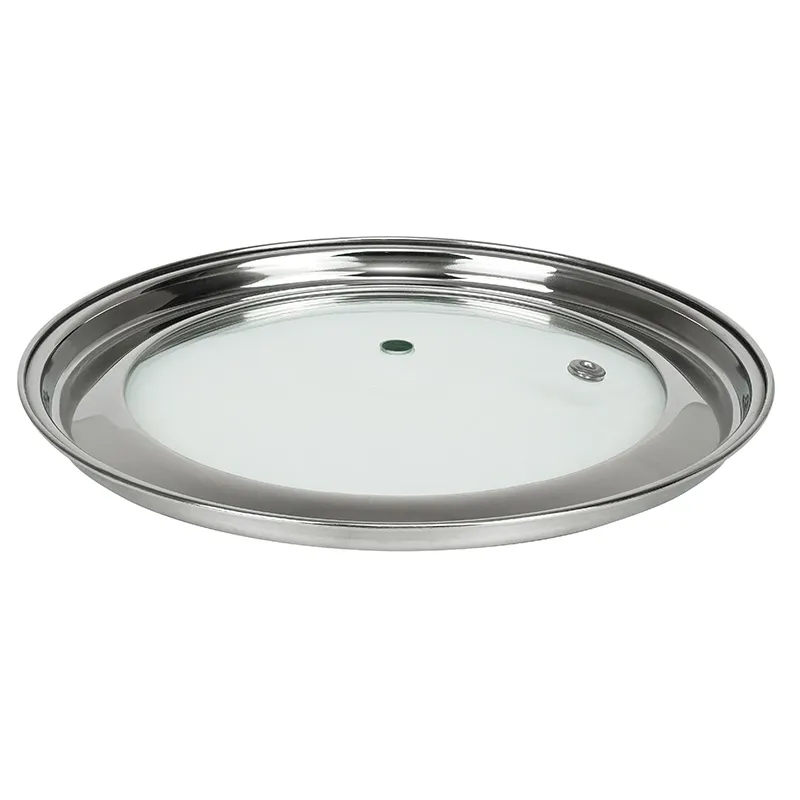
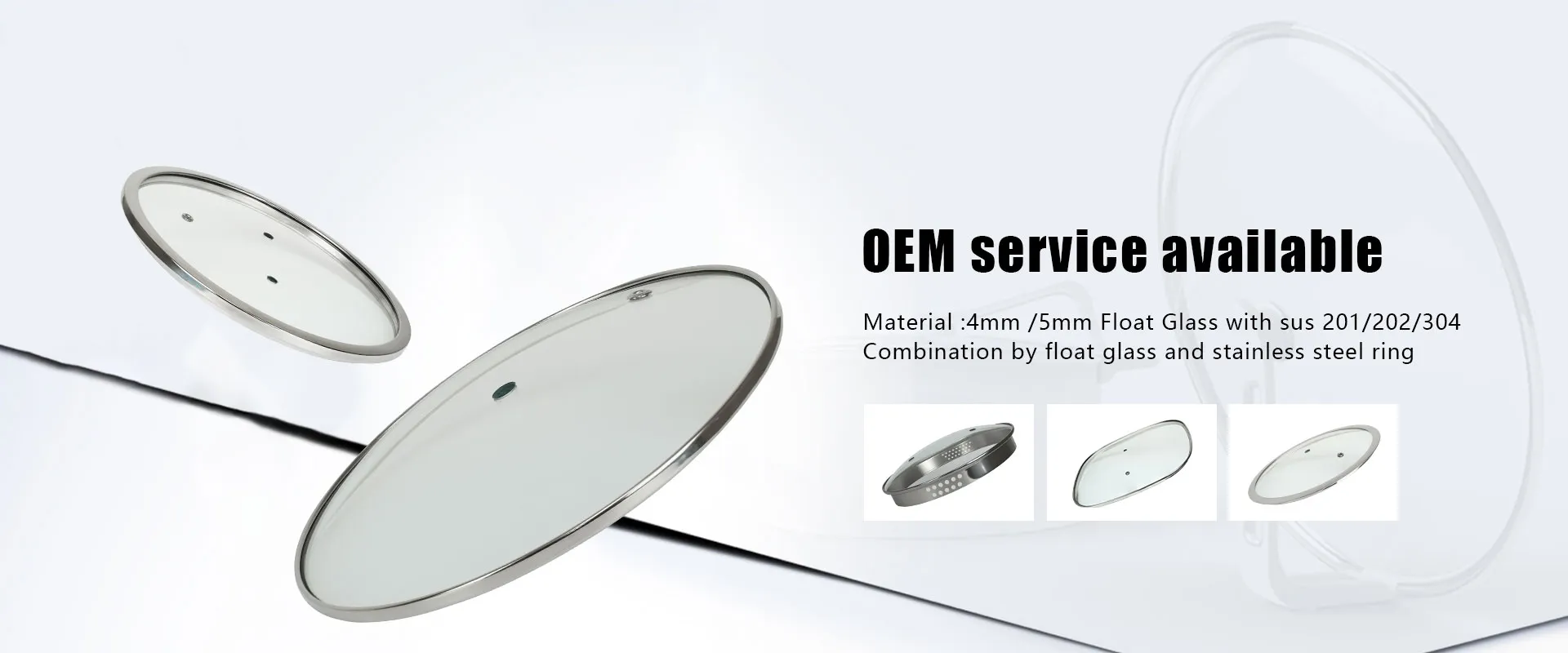
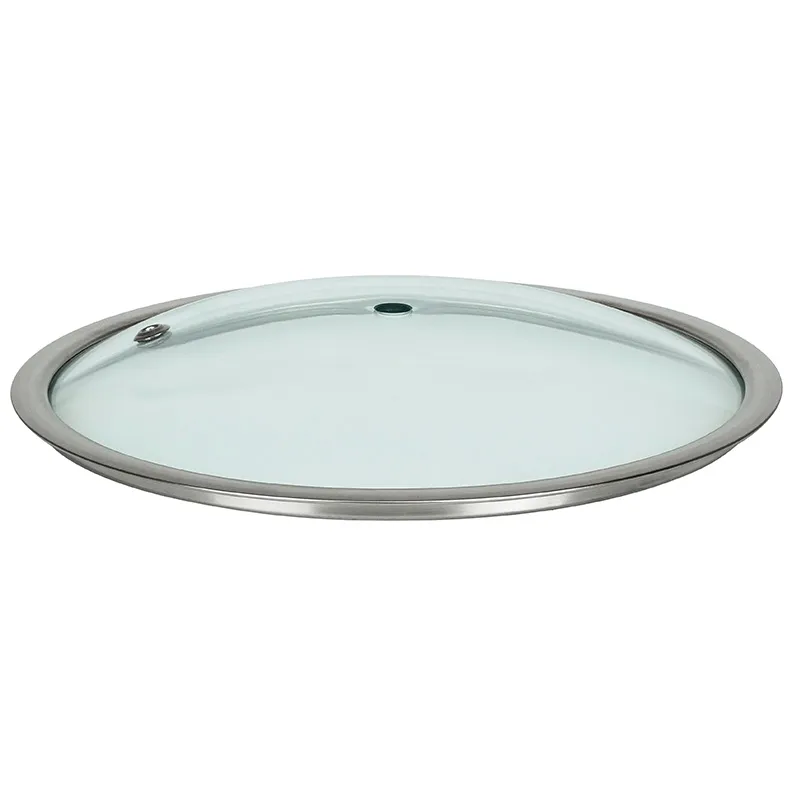
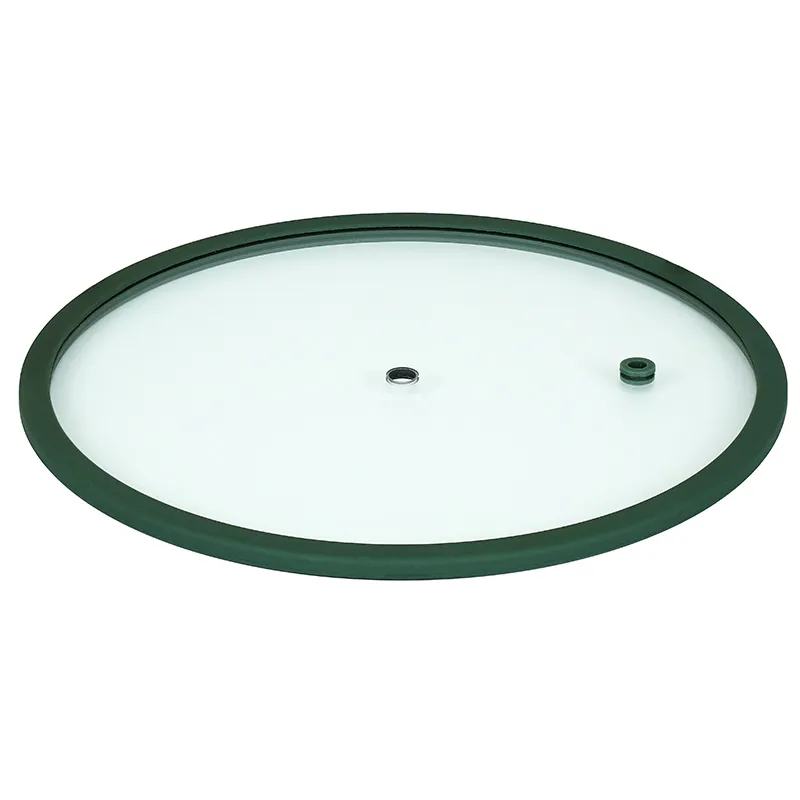
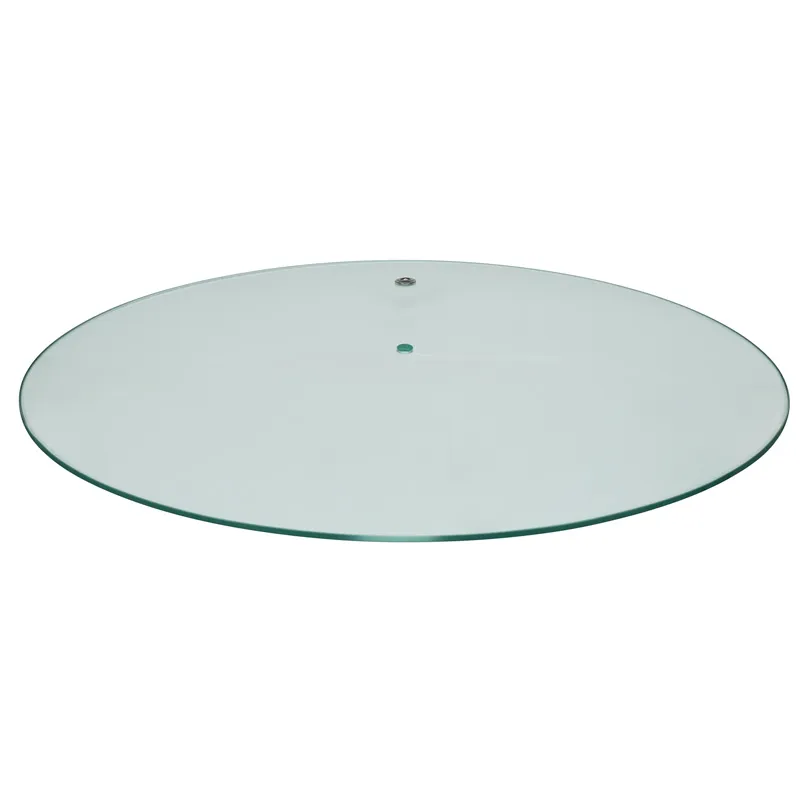
Finding a true specialist is the first filter. You don't want a general glassware factory that also makes ashtrays deciding to run a batch of lids. You need a facility where the production line, from glass cutting to edging to tempering, is calibrated for the specific geometry and stress profiles of lids. The radius of a curved handle knob, for instance, affects how heat distributes during tempering. A manufacturer like EUR-ASIA COOKWARE CO.,LTD exemplifies this focus. Their entire operation, as noted on their portal glass-lid.com, is built around household glass products, with a significant portion dedicated to tempered glass lid output. An annual capacity of 15 million pieces signals a scale that usually correlates with process standardization, which is critical for consistency across large orders.
Their location in Shandong's National High-tech Development Zone is also telling. It's not just about tax benefits; being in such a zone often means better infrastructure, access to a more skilled labor pool for quality control, and a regulatory environment that pushes for higher operational standards. This contrasts sharply with smaller workshops in less developed industrial clusters, where quality can vary wildly between batches. I've visited both types. The difference in ambient factory cleanliness and the presence of actual QA stations with calibrated testing equipment (like impact testers for tempered glass) is night and day.
The product mix they mention—low, medium, high level—is a realistic self-assessment you don't always see. It acknowledges the market segmentation. A high-level lid isn't just about thicker glass; it involves superior edge finishing (often a polished edge versus a simply seamed one), more precise hole drilling for knobs or vents, and sometimes proprietary coatings for easier cleaning. Their export footprint, spanning Europe and Asia, suggests they've had to adapt to diverse market regulations, like EU's food contact material compliance, which is a good proxy for a certain baseline of material safety and documentation.
Beyond the Spec Sheet: The Realities of Production and QC
Specifications on paper are one thing. The manufacturing reality is another. A key lesson is to never take the tempered claim at face value. The tempering process, which gives the glass its strength, is where most quality failures originate. If the heating is uneven or the quenching (rapid cooling) is inconsistent, you get areas of weakness. I once worked with a lid manufacturer from China who provided perfect samples, but the production run had a 5% failure rate in our drop tests. The root cause? They had increased oven throughput to meet our deadline, compromising the heating cycle time. It took a site visit and insisting on witnessing a full batch tempering cycle to realign the process.
This is where a manufacturer's internal QC culture matters. Do they do 100% inspection, or just spot checks? For glass lids, inspecting for bubbles, inclusions, and edge chips is visual, but checking tempering quality requires destructive testing on a statistical sample from each batch—are they actually breaking samples and measuring the fragment size? EUR-ASIA's scale (90+ employees) implies dedicated QC roles, which is a positive sign. A factory of that size can't run on final inspection alone; quality has to be built into each step.
Another gritty detail is packaging. How lids are packed for the long sea voyage is crucial. They must be separated to prevent contact scratching. I've seen containers where poor interleaving with cheap, dusty paper caused fine scratches across every lid, rendering them B-grade. A good manufacturer will have a validated packaging solution, often with custom foam or plastic spacers, and will conduct vibration tests to simulate shipping. It's a small detail that becomes a massive cost if overlooked.
The Communication Hurdle: Navigating Samples and Modifications
Initial communication is often smooth. The challenge begins with sampling and engineering change requests. A common scenario: you want to modify a standard lid design to fit a specific cookware line. You send CAD drawings. The factory confirms. The first sample arrives, and the diameter is off by 0.5mm, making it unusable. Was it a measurement error, a tooling mistake, or a misunderstanding on tolerance standards (e.g., +/-1mm vs. +/-0.3mm)?
This is where a manufacturer's engineering capability is tested. Can they properly interpret technical drawings? Do they have the tooling flexibility to make small adjustments without exorbitant charges? For a company focused on lids, like the one we're discussing, they likely have a library of existing molds and patterns. Modifying an existing mold is far easier and cheaper than creating a new one from scratch. Their product range suggests this adaptability. When discussing a new project, always ask for a DMF (Drawings, Mold, and Fee) breakdown to understand the cost drivers.
Lead time is another friction point. 30 days might mean 30 production days, excluding Chinese holidays, mold creation time, and shipping to port. For tempered glass, the production itself is fast; the bottleneck is often in the ancillary components. If the lid has a stainless steel rim or a plastic knob, you're now dependent on their sub-supplier's schedule. A vertically integrated factory has more control here. From the description of EUR-ASIA, they seem to focus on the glass component itself. It's wise to clarify early on what they manufacture in-house versus source externally.
Cost Structure: Understanding What You're Paying For
The allure of a low unit price from a lid manufacturer from China is strong, but the true cost is layered. The base glass material cost fluctuates with soda-ash prices. Tempering is energy-intensive, so electricity costs in the region matter. Shandong has relatively stable industrial power rates. Then there's labor for handling, inspection, and packaging. A factory with 15,000 sq.m. of building area has significant overhead.
The export percentage (over 90% for EUR-ASIA) is a double-edged sword. It means they are experienced with export procedures, documentation, and likely have forwarders they work with regularly. This smooths the logistics process. However, it also means their pricing is attuned to the international market, not the rock-bottom domestic one. You're paying for that export-ready competency. For a buyer, this is often worth it to avoid the hidden costs of managing export logistics yourself or dealing with a manufacturer unfamiliar with fumigation certificates or bill of lading requirements.
Payment terms are a direct reflection of a manufacturer's financial health and their perception of risk. New relationships often start with 30% deposit, 70% before shipment. Established relationships can move to more favorable terms. A factory with a solid export history and physical assets (like a 20,000 sq.m. production base) is generally more financially stable and may be slightly more flexible, though terms in China are still predominantly conservative.
Final Thoughts: Building a Sustainable Supply Chain
Sourcing isn't a one-time transaction. It's about building a channel that delivers consistent quality on time, year after year. The initial order is just the audition. The real test is how the manufacturer handles a minor crisis—a delayed raw material shipment, a power outage, a quality deviation in the middle of a run. Do they communicate proactively, or go silent? My most reliable partnership today is with a lid supplier who once called me at midnight their time to explain a potential two-day delay due to a typhoon, already presenting a revised production schedule.
For a product like a tempered glass lid, where failure can lead to safety issues and brand damage, the choice of manufacturer is a risk management decision. It's not about finding the absolute cheapest source; it's about finding the most predictably competent one. A manufacturer with a clear specialization, transparent operational scale like EUR-ASIA COOKWARE, and a long list of export markets has already passed several filters. They've likely survived the shakeout of competing purely on price and have invested in the machinery and processes needed to meet varied international standards.
The next step is always validation. That means a detailed audit, either in person or via a trusted third party, focusing on the production floor and QC lab. It means rigorous pre-shipment inspections, not just for the first order but randomly for subsequent ones. It means treating the relationship as a collaboration, where clear communication of expectations and regular feedback loops are established. The goal is to move from being just another buyer to being a valued partner, which in turn incentivizes the factory to prioritize your orders and uphold their quality when production pressures mount. That's how you turn the generic search term 'lid manufacturer from China' into a specific, reliable, and profitable supply line.
Related Products
Related Products