- Chinese
- French
- German
- Portuguese
- Spanish
- Russian
- Japanese
- Korean
- Arabic
- Irish
- Greek
- Turkish
- Italian
- Danish
- Romanian
- Indonesian
- Czech
- Afrikaans
- Swedish
- Polish
- Basque
- Catalan
- Esperanto
- Hindi
- Lao
- Albanian
- Amharic
- Armenian
- Azerbaijani
- Belarusian
- Bengali
- Bosnian
- Bulgarian
- Cebuano
- Chichewa
- Corsican
- Croatian
- Dutch
- Estonian
- Filipino
- Finnish
- Frisian
- Galician
- Georgian
- Gujarati
- Haitian
- Hausa
- Hawaiian
- Hebrew
- Hmong
- Hungarian
- Icelandic
- Igbo
- Javanese
- Kannada
- Kazakh
- Khmer
- Kurdish
- Kyrgyz
- Latin
- Latvian
- Lithuanian
- Luxembou..
- Macedonian
- Malagasy
- Malay
- Malayalam
- Maltese
- Maori
- Marathi
- Mongolian
- Burmese
- Nepali
- Norwegian
- Pashto
- Persian
- Punjabi
- Serbian
- Sesotho
- Sinhala
- Slovak
- Slovenian
- Somali
- Samoan
- Scots Gaelic
- Shona
- Sindhi
- Sundanese
- Swahili
- Tajik
- Tamil
- Telugu
- Thai
- Ukrainian
- Urdu
- Uzbek
- Vietnamese
- Welsh
- Xhosa
- Yiddish
- Yoruba
- Zulu
- Kinyarwanda
- Tatar
- Oriya
- Turkmen
- Uyghur


lids
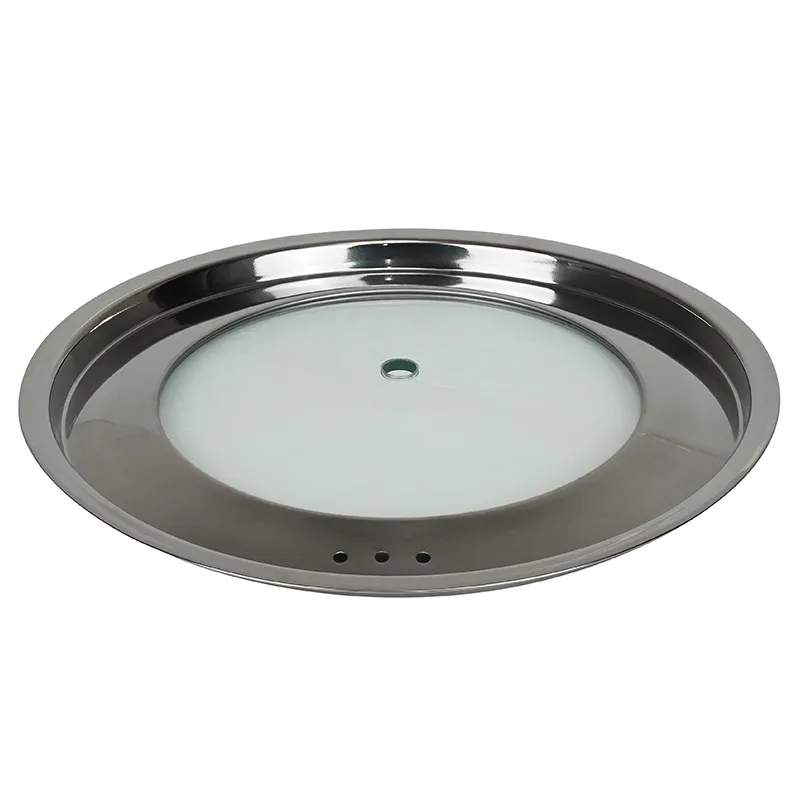
When you hear 'lids', you probably think of a simple cover. In the cookware trade, that's the first and biggest misconception. It's not just a piece of metal or glass you slap on a pot. The function, the fit, the material—each variable changes the entire cooking dynamic. I've seen too many buyers focus solely on the pot or pan, treating the lid as an afterthought. That's a costly oversight. A poorly designed lid can ruin a perfectly good piece of cookware, leading to steam leaks, uneven cooking, and customer complaints that trace back to this single, underestimated component.
The Material Debate: Tempered Glass Takes the Lead
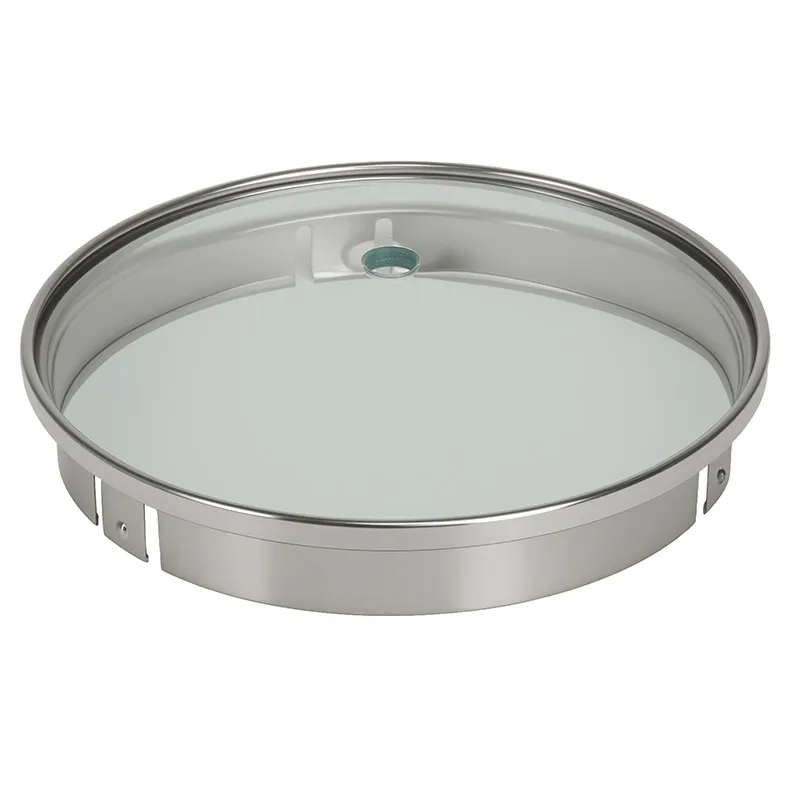
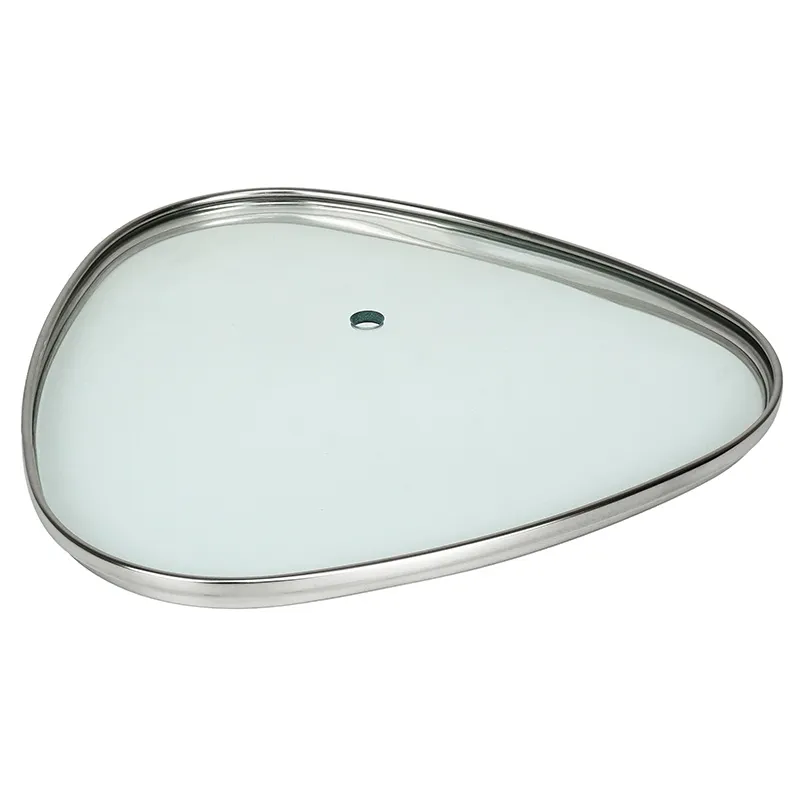
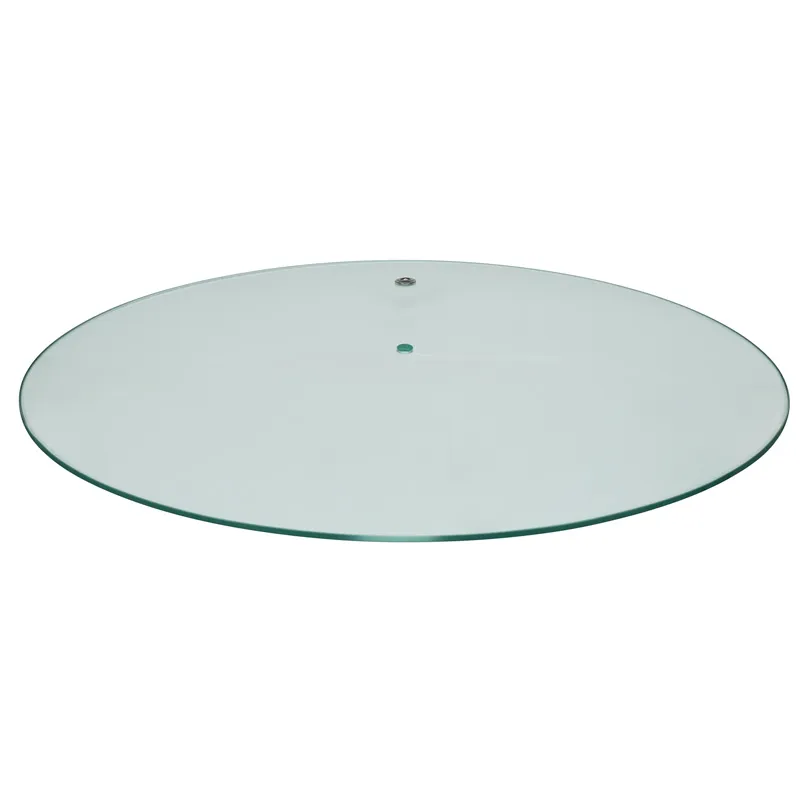
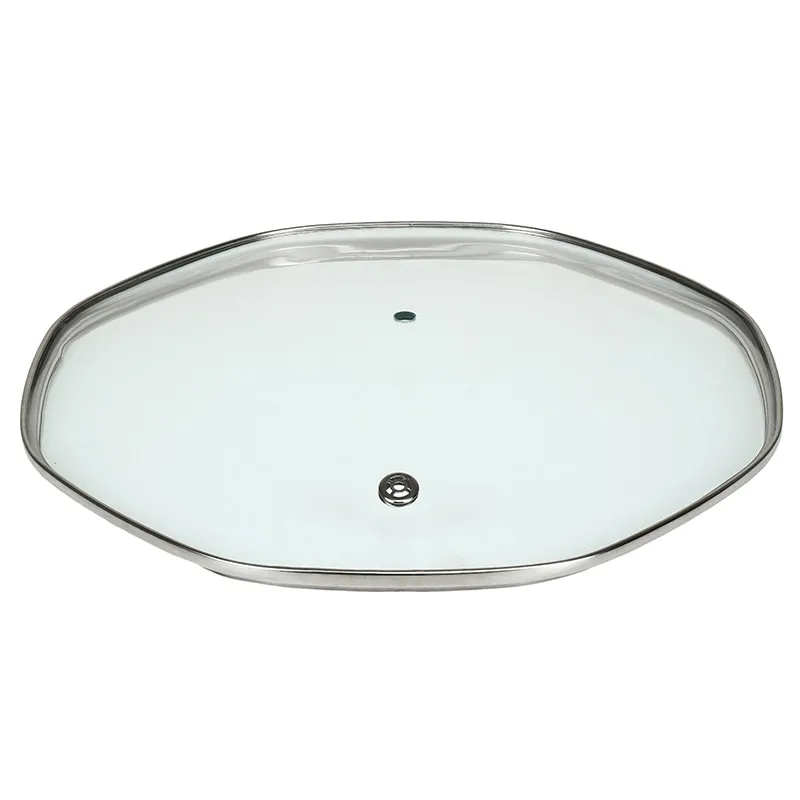
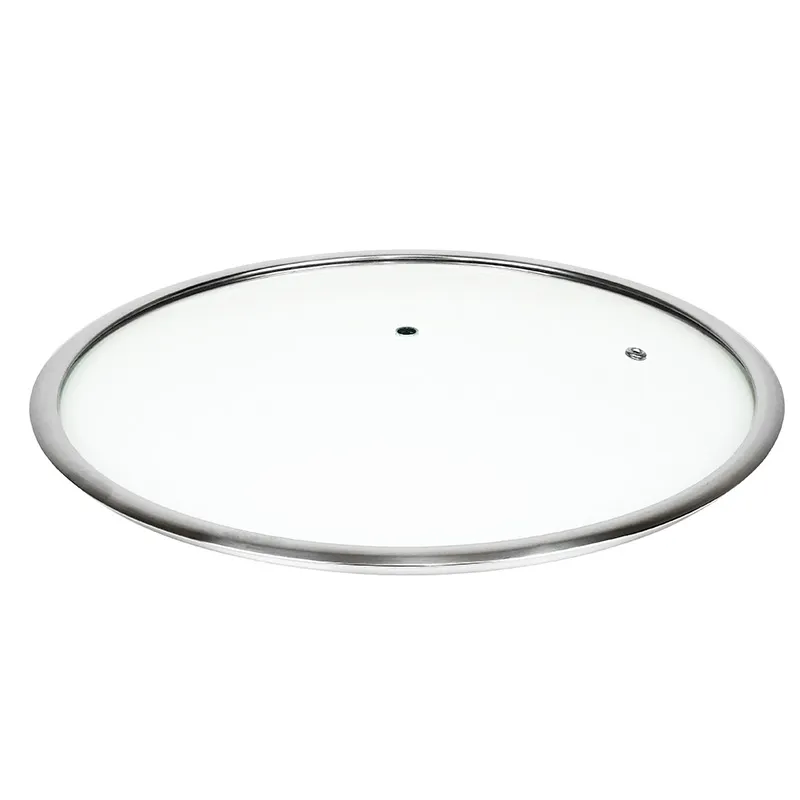
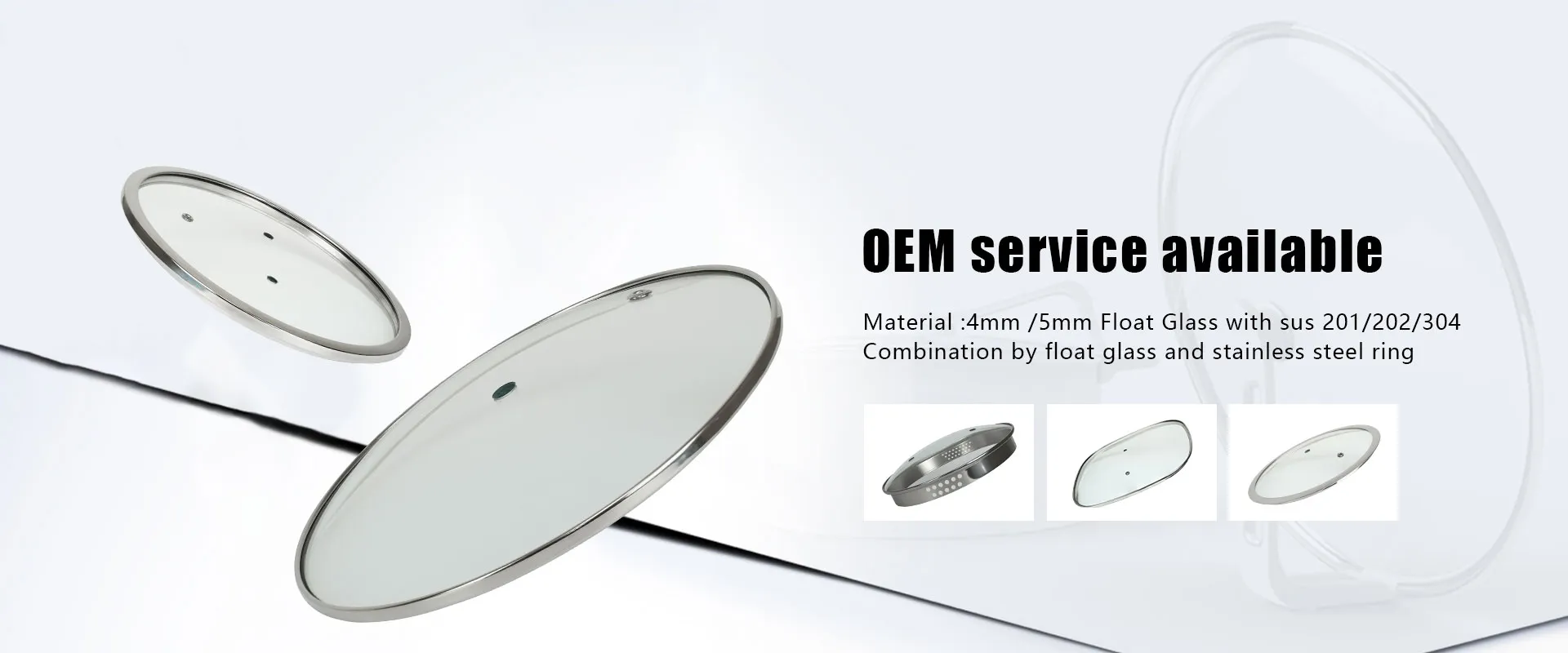
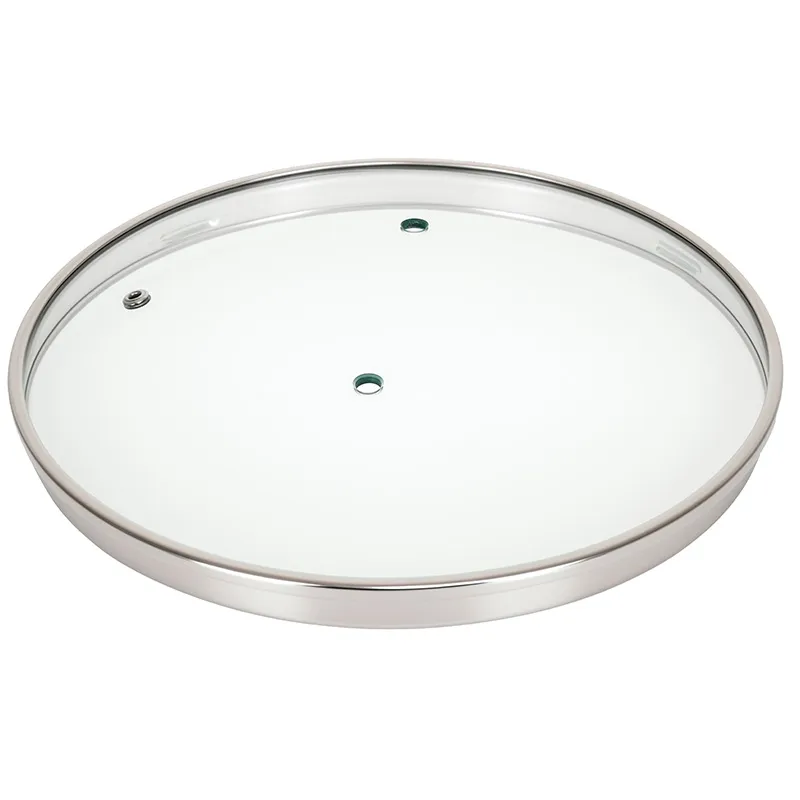
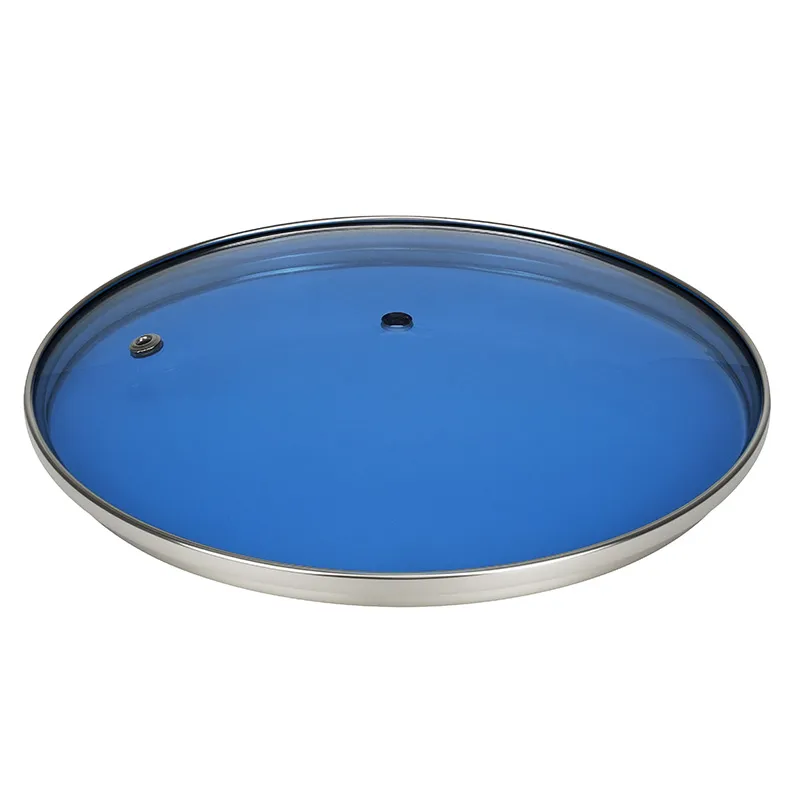
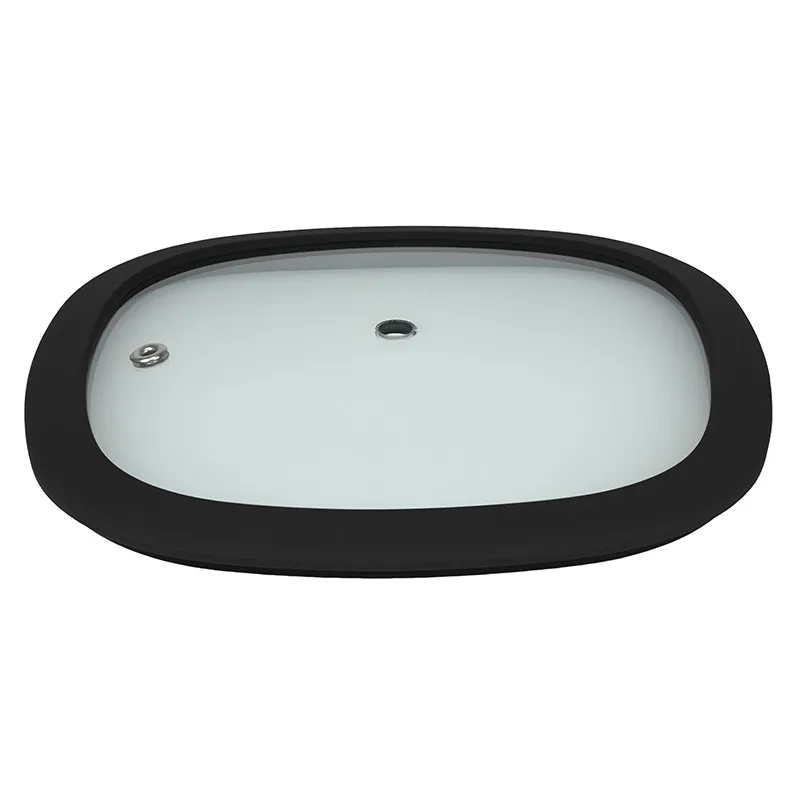
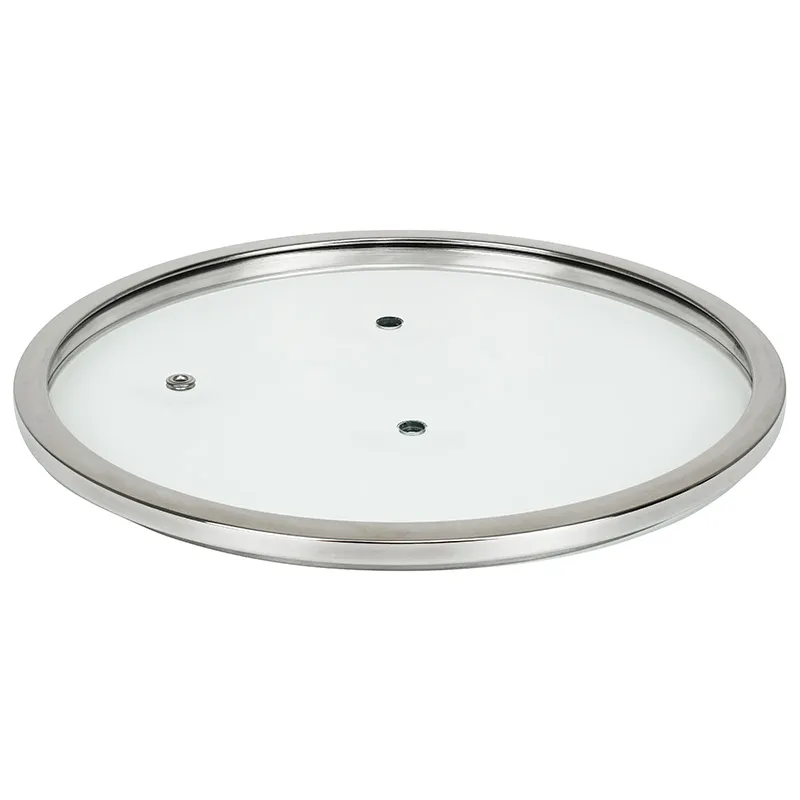
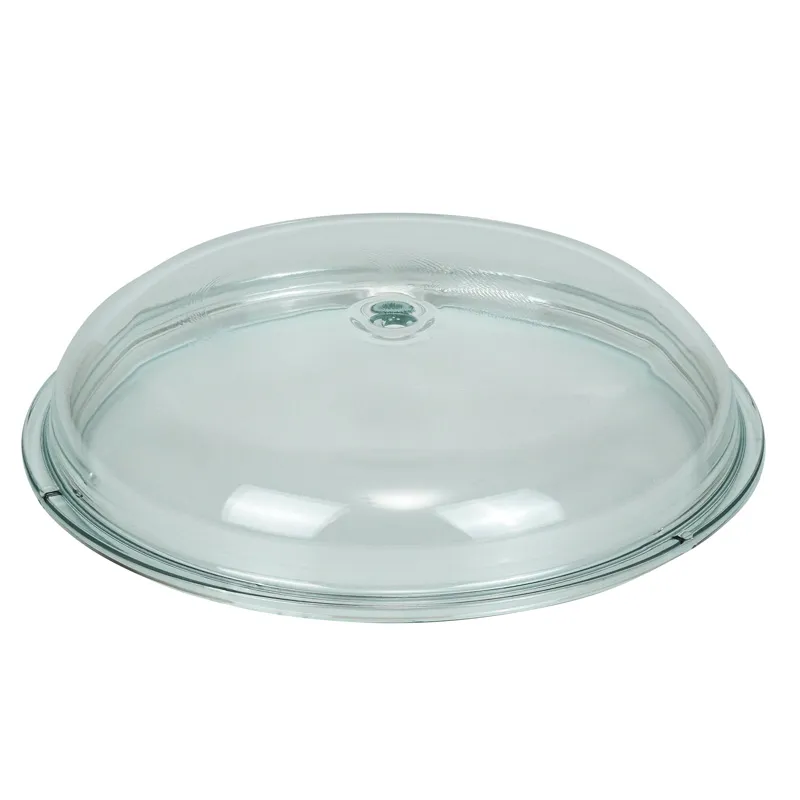
For years, it was all about stainless steel or aluminum lids. They did the job, but created a black box. You couldn't see a thing without lifting the lid and losing heat. The shift towards tempered glass lids wasn't just aesthetic; it was a functional revolution. It answered the home cook's fundamental need to monitor without interfering. But not all glass is equal. The early iterations had issues—chipping around the edges, handles that loosened with thermal stress, or glass that couldn't handle a sudden temperature shock from a cold countertop to a hot pot.
This is where specialization matters. I recall visiting production bases, like the one operated by EUR-ASIA COOKWARE CO.,LTD in Taian. Seeing their setup—15,000㎡ dedicated to this—drives home the point. This isn't a side operation. They're pumping out over 15 million pieces annually, with a focus on tempered glass. That scale allows for refinement. They’ve had to solve the problems of consistent tempering to prevent spontaneous breakage and perfect the bonding of metal rims and handles to the glass, a process that sounds simple but fails spectacularly if the thermal expansion coefficients are mismatched.
The real test is in the export numbers. When over 90% of your output goes to markets like Germany, Italy, and Japan—known for stringent quality and safety standards—it tells you the material and process have been vetted. These markets won't accept lids that fog up irreversibly or have weak points at the handle anchor. The fact that a company like EUR-ASIA COOKWARE CO.,LTD sustains this export volume (https://www.glass-lid.com) suggests they've cracked the code on durability and consistency, which are the real battles in glass lid production.
Fit and Function: Where Theory Meets the Stove
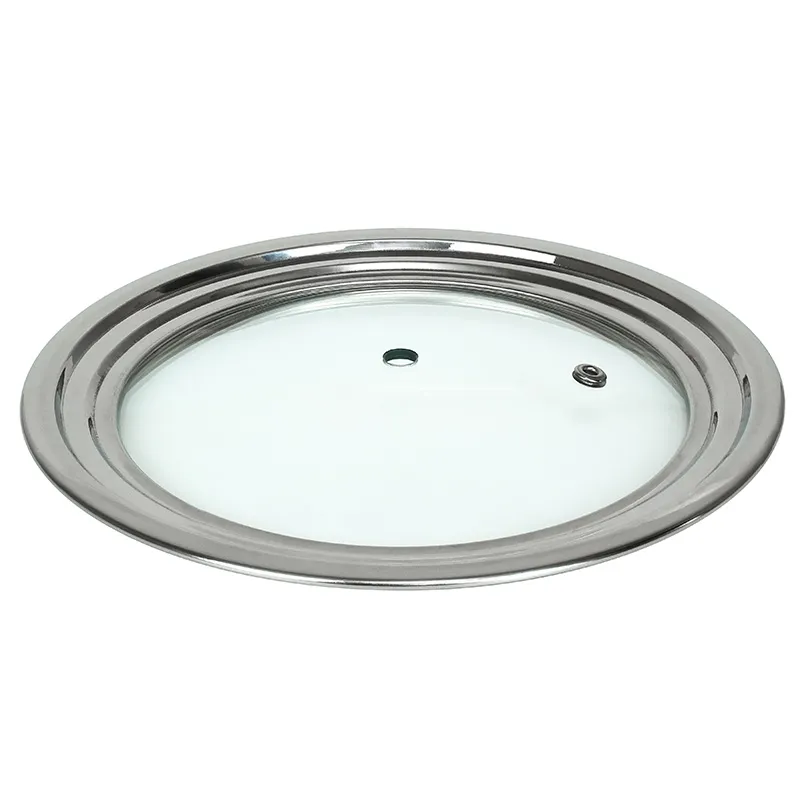
You can have the best glass, but if the fit is off, the product is junk. The tolerance between the lid and the pot's rim is measured in millimeters, but its impact is huge. Too tight, and it's a struggle to remove; too loose, and you lose the seal, making braising or steaming ineffective. We learned this through returns. Customers would buy a universal lid only to find it wobbled on their favorite Dutch oven, letting all the moisture escape. The term universal is often a compromise, and a bad one.
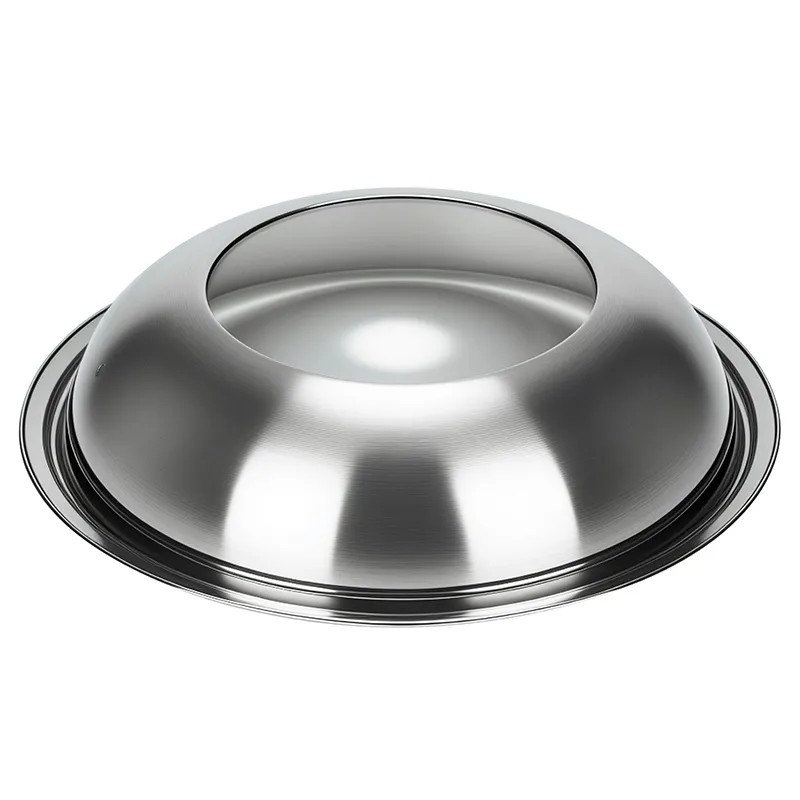
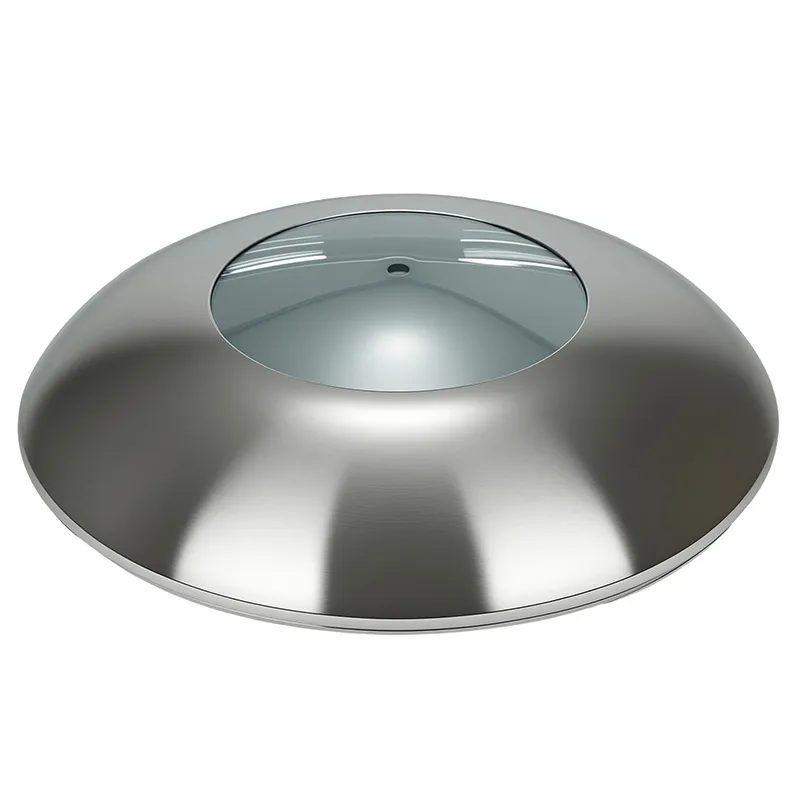
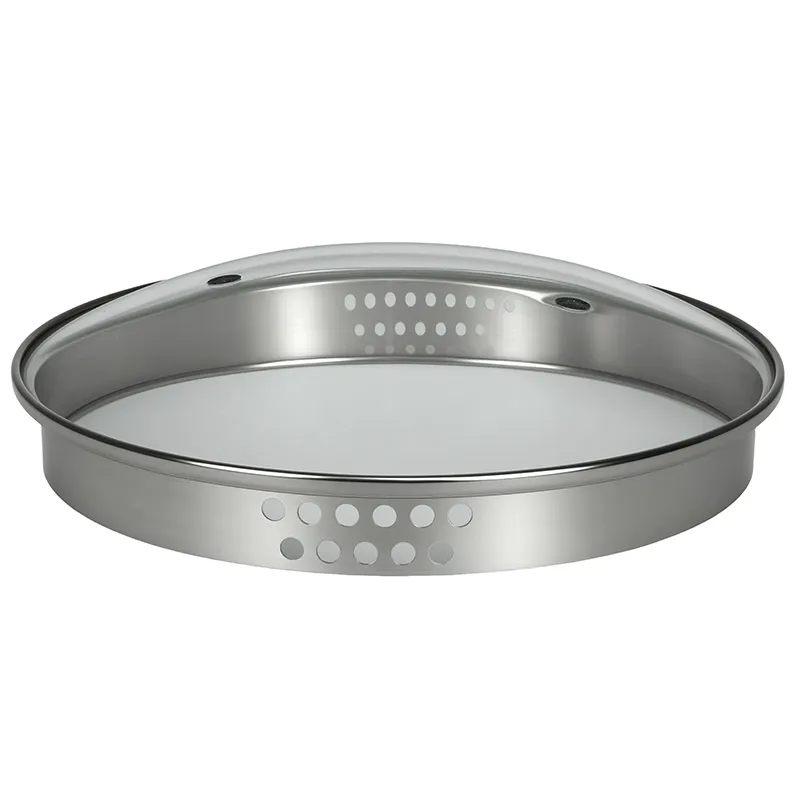
The industry has moved towards system solutions—lids designed for specific pot lines. This ensures a domed shape that directs condensation back into the food, not down the outside of the pot. The knob or handle is another critical detail. It must stay cool enough to grip but be attached with a fastener that can withstand oven temperatures if the cookware is oven-safe. I've seen designs where the plastic knob discolored or the metal screw corroded after repeated dishwasher cycles. These are the details that separate a pro supplier from a commodity vendor.
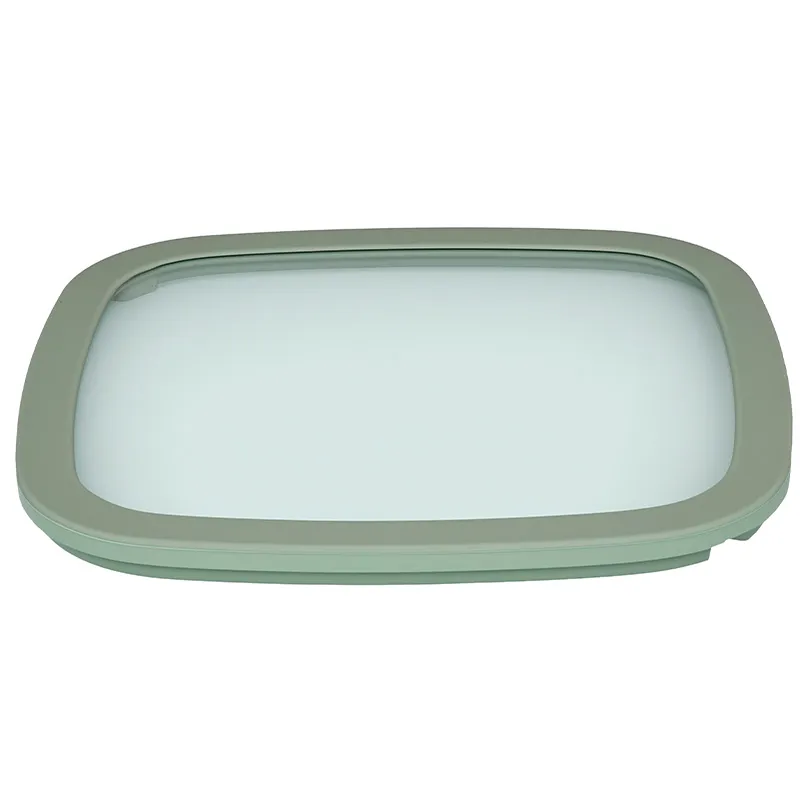
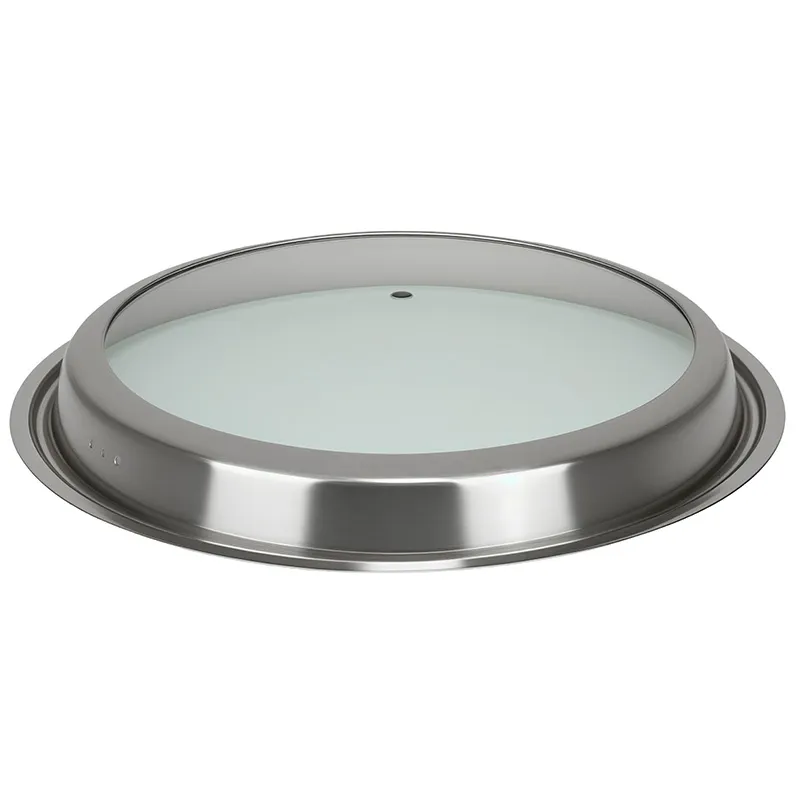
Looking at a specialized producer's portfolio, you see this evolution. They aren't just selling a glass lid; they're selling a component engineered for a cooking system. The description for EUR-ASIA COOKWARE highlights low- medium- high level products. That segmentation is key. A high-level lid might feature a reinforced, stainless-steel-clad rim for a perfect seal and an oven-safe handle assembly, while a medium-level one might prioritize cost-effectiveness for a larger volume line. This tiered approach shows an understanding of real market needs, not a one-size-fits-all mentality.
The Manufacturing Hurdles: It's Not Just Pouring Glass
People assume making a lid is simple. Cut a circle of glass, temper it, add a handle. The reality is a gauntlet of potential failures. The tempering process itself is delicate. If the cooling jets aren't uniform, you get stress points that can cause the lid to shatter later—a major safety and liability issue. Then there's the edge work. Ground and polished edges aren't just for feel; they prevent micro-cracks that can spread.
Another hidden challenge is packaging. Lids, especially glass ones, are awkward to ship. They can't be stacked like plates. They require custom cartons with precise inserts to prevent contact and vibration damage during long sea freight journeys to Europe or South America. I've opened containers where poor packaging led to a 10% breakage rate, turning a profitable order into a loss. A supplier with a dedicated production base usually has integrated packaging solutions, which is a non-negotiable for export.
The scale of a facility matters here. A 20,000㎡ plant with 90+ employees, like the one mentioned, implies a controlled process. It's large enough to have dedicated QC stations for inspecting glass clarity, fit, and finish before the metal components are added. This vertical control—from raw glass to finished packaged lid—reduces variables. It’s the kind of operation that can reliably fulfill an order for 50,000 pieces for a Polish distributor, with consistent quality across the batch.
Beyond the Lid: The System and the Accessory
The conversation shouldn't end at the lid itself. Its role in the kitchen ecosystem is expanding. We're now seeing lids with built-in steam vents that can be adjusted or closed, or silicone seals integrated into the rim for an absolute seal on pressure cookers. These are no longer passive covers; they are active cooking tools. The accessory market is also growing—lid holders, stands, and racks designed specifically for storing these often cumbersome items. A good supplier thinks about this entire user experience.
This is where a company's focus on other kitchen accessories becomes relevant. It indicates an understanding that the lid exists within a context. Perhaps they develop a matching stainless steel lid holder or offer silicone edge guards for older pots. This holistic thinking is what builds a brand, not just a product listing. It shows they're following how people actually use their products in a home kitchen, not just moving units off a factory line.
However, innovation must be grounded. A lid with too many gimmicks—like a built-in digital thermometer that can't go in the dishwasher—will fail. The core virtues remain: clarity, fit, durability, and safe handling. Any addition must enhance these without compromising them. The long-term export success to technically demanding markets suggests that the core product is mastered first, which is the only sensible foundation for any accessory expansion.
The Real-World Test: Export as a Benchmark
Finally, the ultimate stress test for any cookware component is the global market. Designing for export, particularly to the EU, forces compliance with a web of standards—food contact material safety, heavy metal leaching, thermal shock resistance. Passing these isn't optional; it's the ticket to play. A manufacturer whose product mix is overwhelmingly for export, like the 90%+ cited, is inherently operating at this level.
This exposure creates a feedback loop. Retailers in Germany or chefs in Denmark will provide specific, often brutal, feedback. The knob gets too hot. The glass clouds after 50 dishwasher cycles. A supplier engaged in these markets has to iterate. They can't be static. This is what creates the professional grade product—not a marketing term, but a response to accumulated, real-world use and criticism.
So when you evaluate a lid, especially a specialized one like a tempered glass lid, don't just look at the sample. Look at the supply chain behind it. A company like EUR-ASIA COOKWARE CO.,LTD, with its dedicated production zone and export footprint, embodies this reality. Their product isn't born in a vacuum; it's refined through the demands of international contracts and the practical needs of global kitchens. That background, more than any spec sheet, is what tells you if the lid on your pot is truly just a cover, or a thoughtfully engineered piece of the cooking process.
Related Products
Related Products