- Chinese
- French
- German
- Portuguese
- Spanish
- Russian
- Japanese
- Korean
- Arabic
- Irish
- Greek
- Turkish
- Italian
- Danish
- Romanian
- Indonesian
- Czech
- Afrikaans
- Swedish
- Polish
- Basque
- Catalan
- Esperanto
- Hindi
- Lao
- Albanian
- Amharic
- Armenian
- Azerbaijani
- Belarusian
- Bengali
- Bosnian
- Bulgarian
- Cebuano
- Chichewa
- Corsican
- Croatian
- Dutch
- Estonian
- Filipino
- Finnish
- Frisian
- Galician
- Georgian
- Gujarati
- Haitian
- Hausa
- Hawaiian
- Hebrew
- Hmong
- Hungarian
- Icelandic
- Igbo
- Javanese
- Kannada
- Kazakh
- Khmer
- Kurdish
- Kyrgyz
- Latin
- Latvian
- Lithuanian
- Luxembou..
- Macedonian
- Malagasy
- Malay
- Malayalam
- Maltese
- Maori
- Marathi
- Mongolian
- Burmese
- Nepali
- Norwegian
- Pashto
- Persian
- Punjabi
- Serbian
- Sesotho
- Sinhala
- Slovak
- Slovenian
- Somali
- Samoan
- Scots Gaelic
- Shona
- Sindhi
- Sundanese
- Swahili
- Tajik
- Tamil
- Telugu
- Thai
- Ukrainian
- Urdu
- Uzbek
- Vietnamese
- Welsh
- Xhosa
- Yiddish
- Yoruba
- Zulu
- Kinyarwanda
- Tatar
- Oriya
- Turkmen
- Uyghur


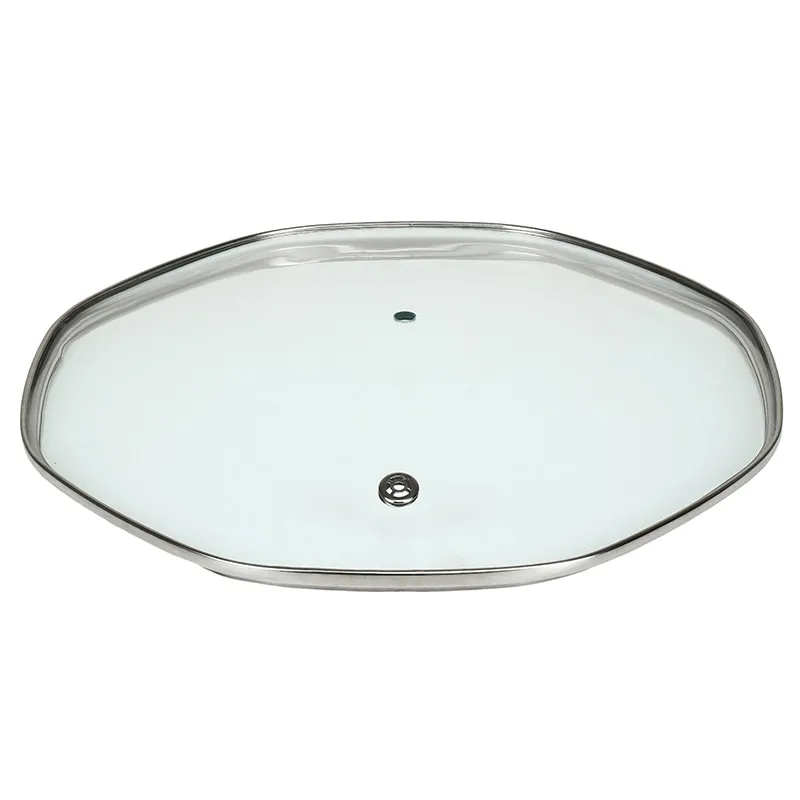
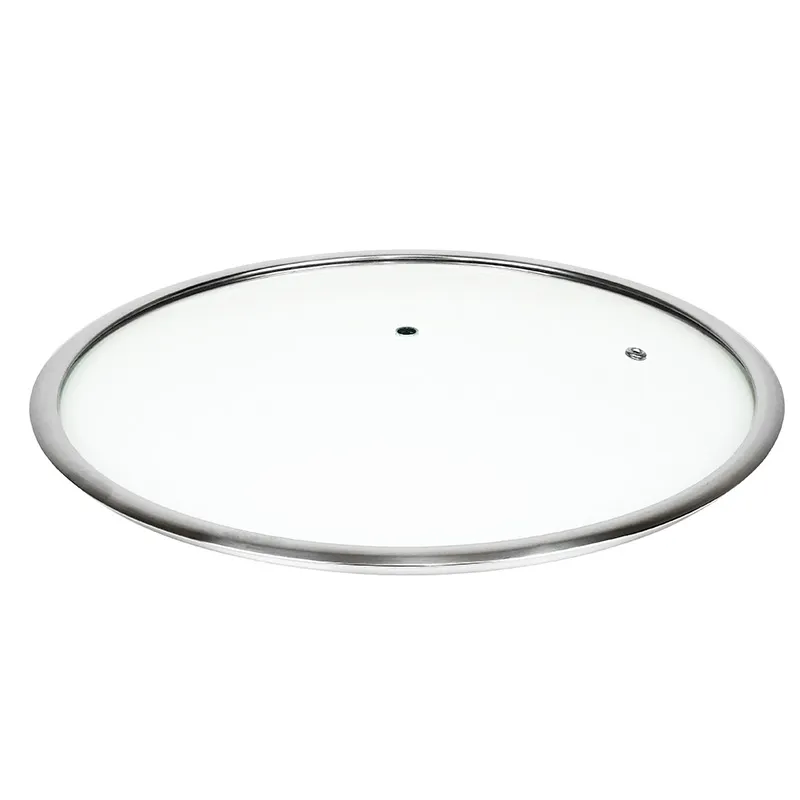
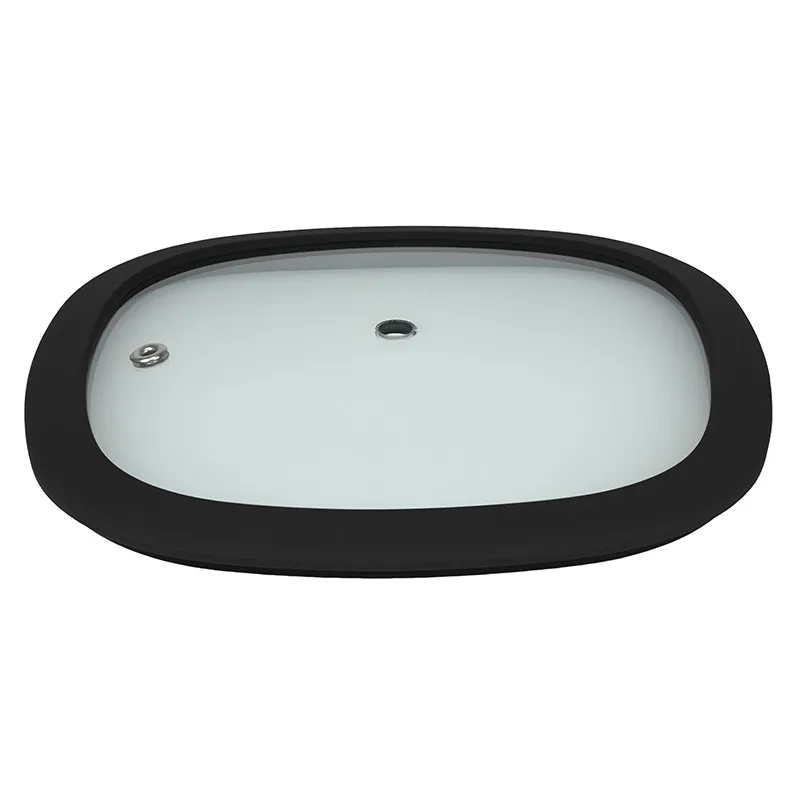
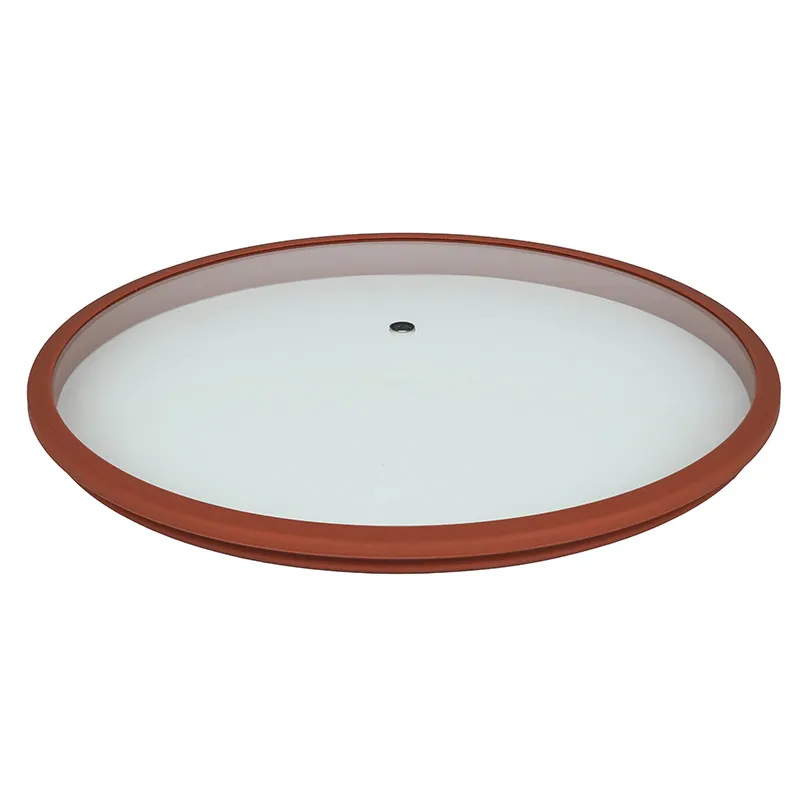
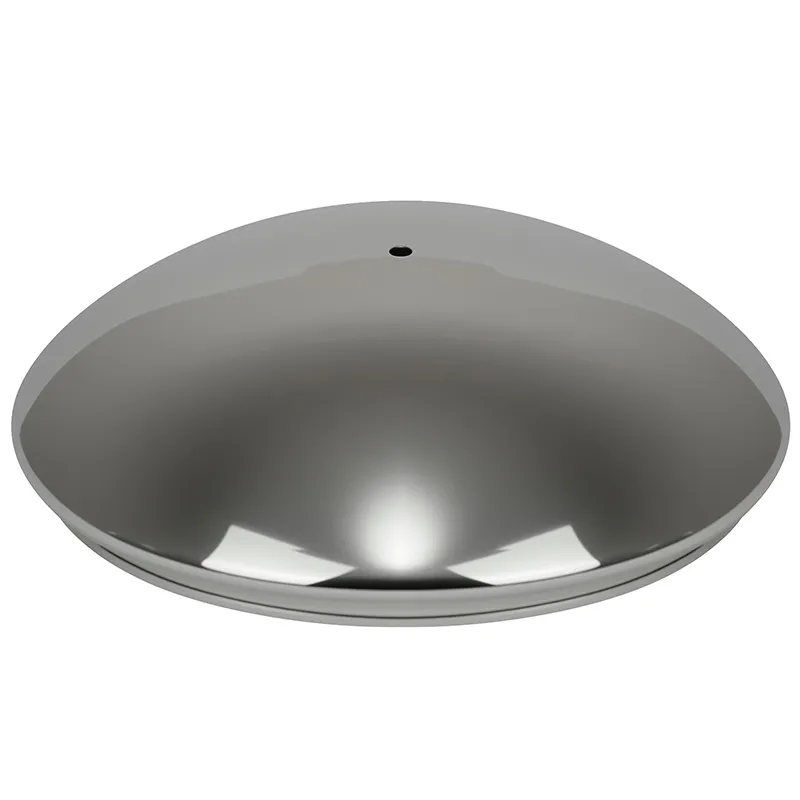
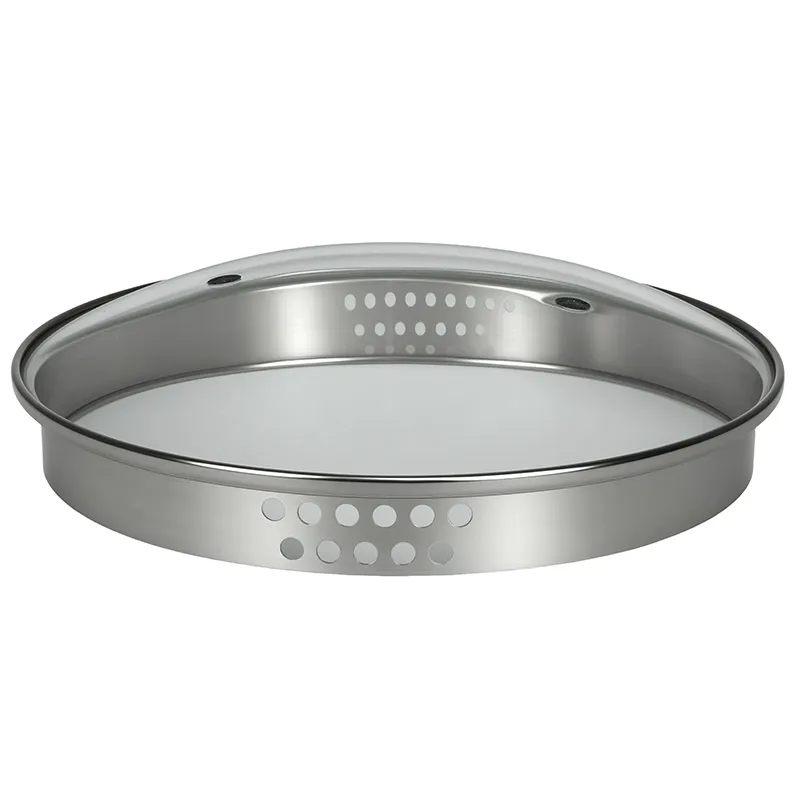
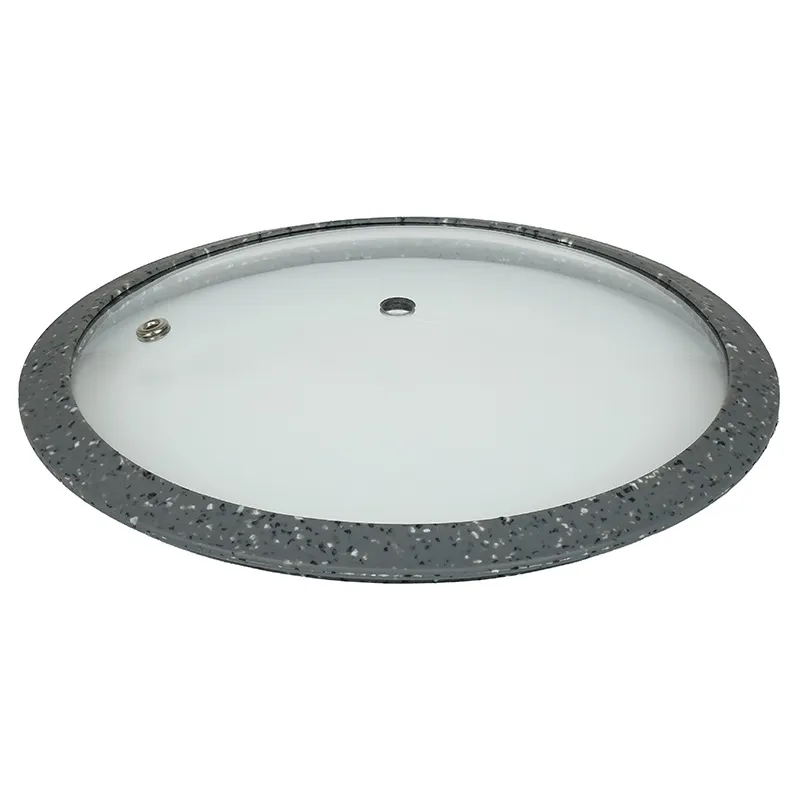
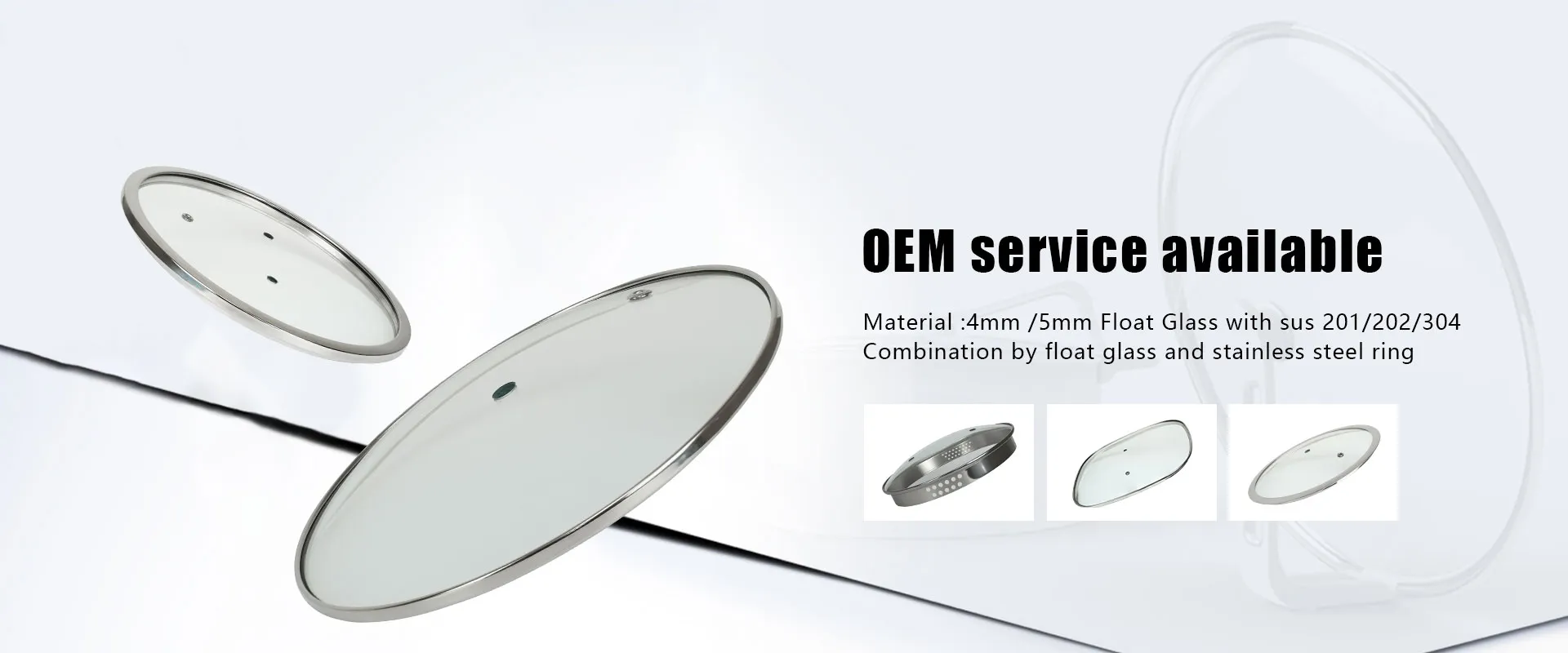
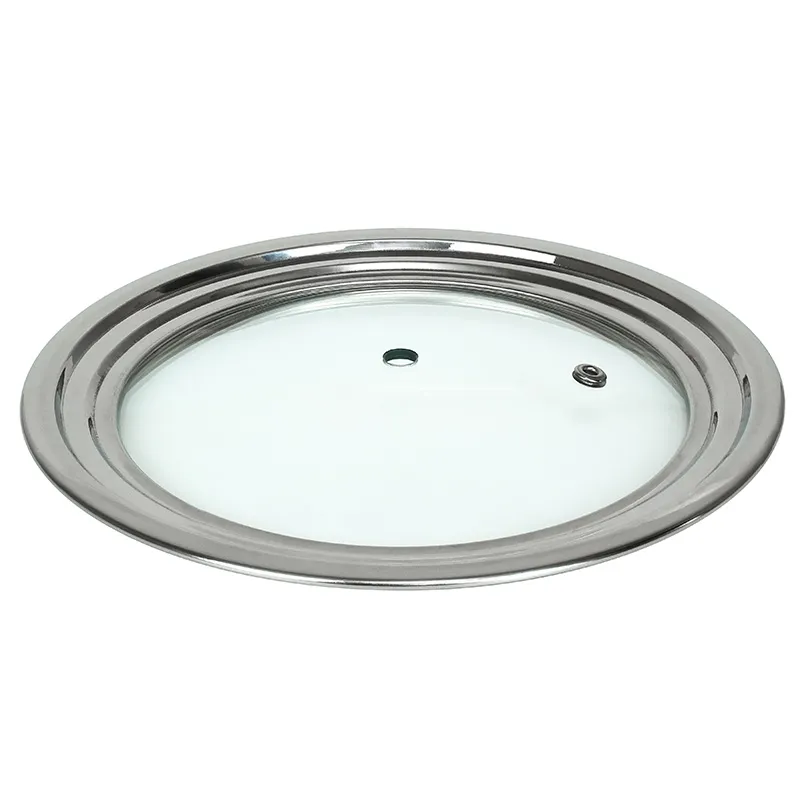
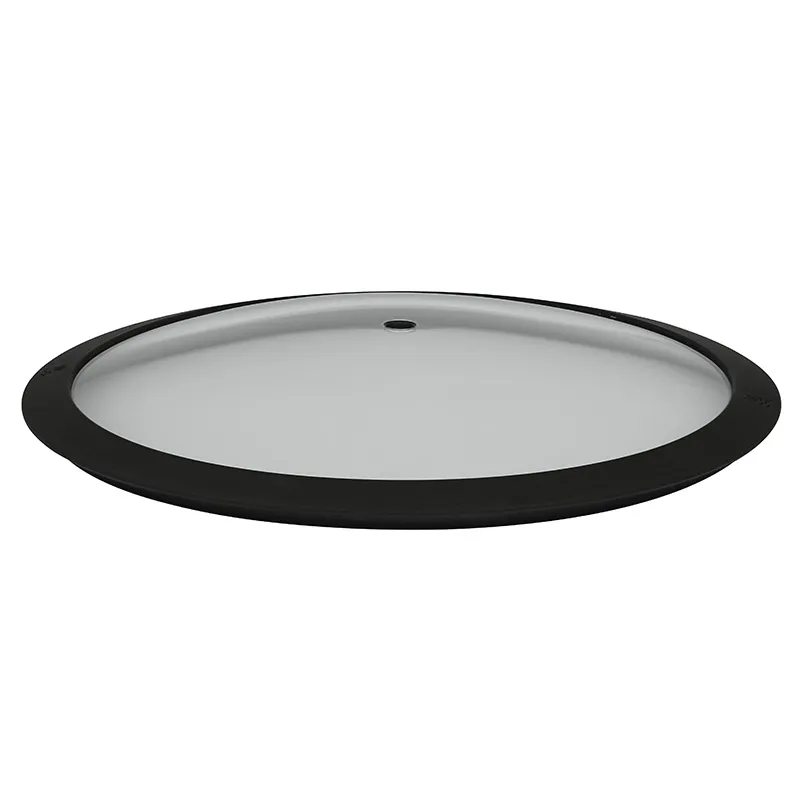
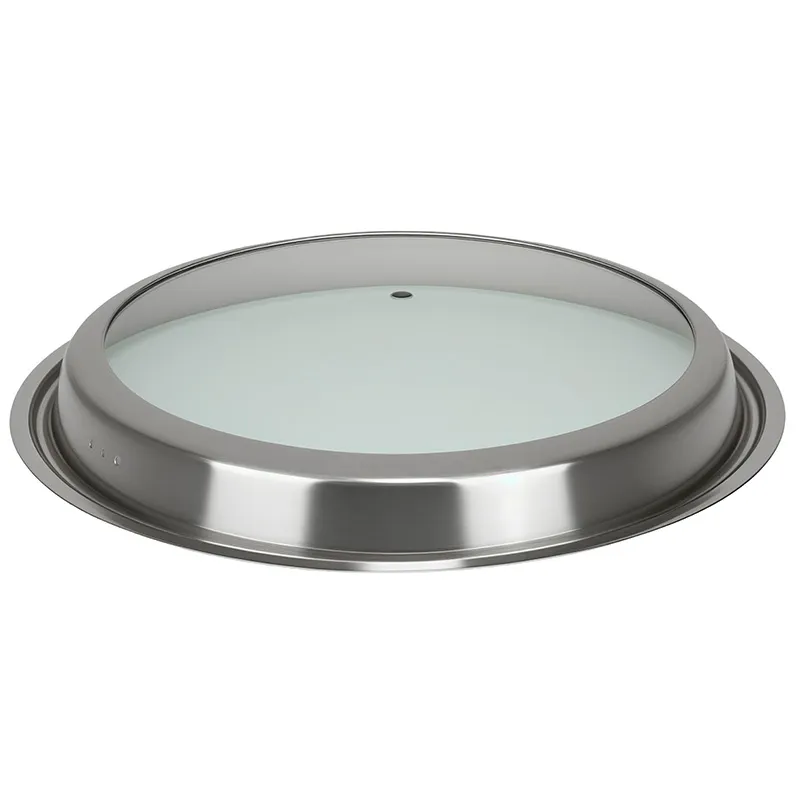
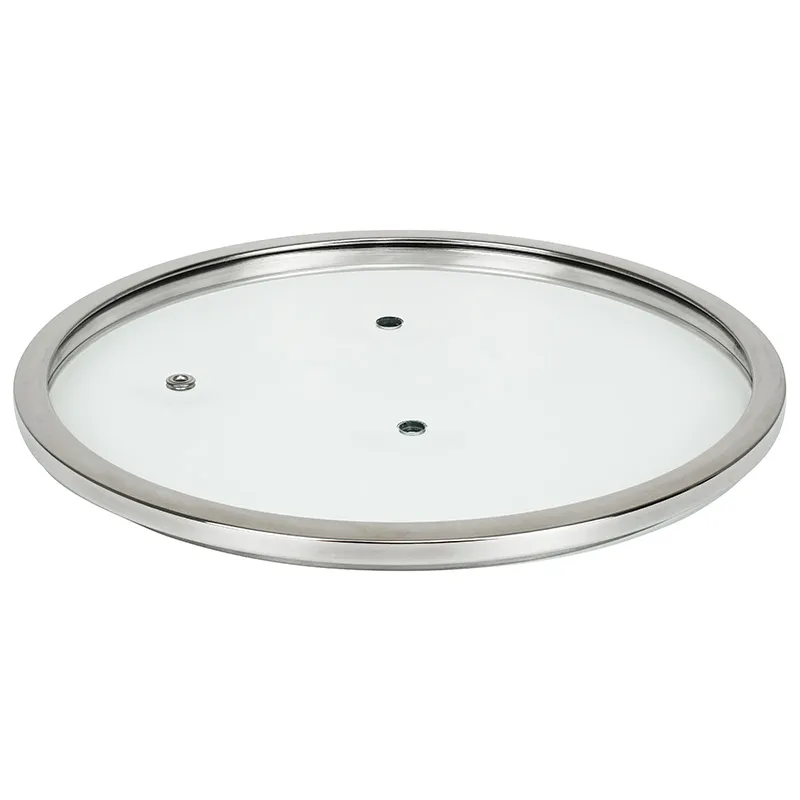
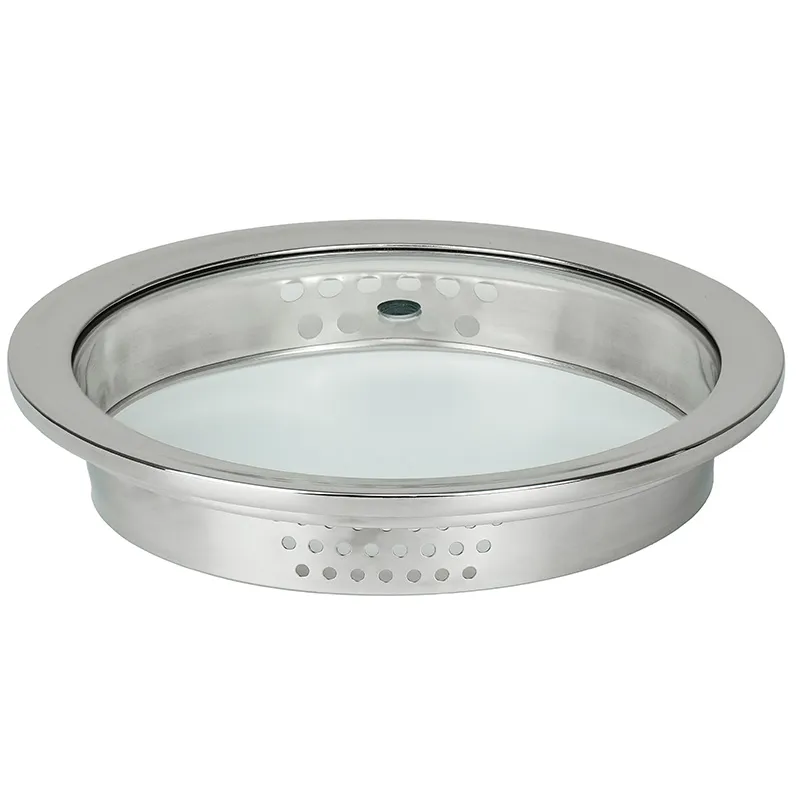
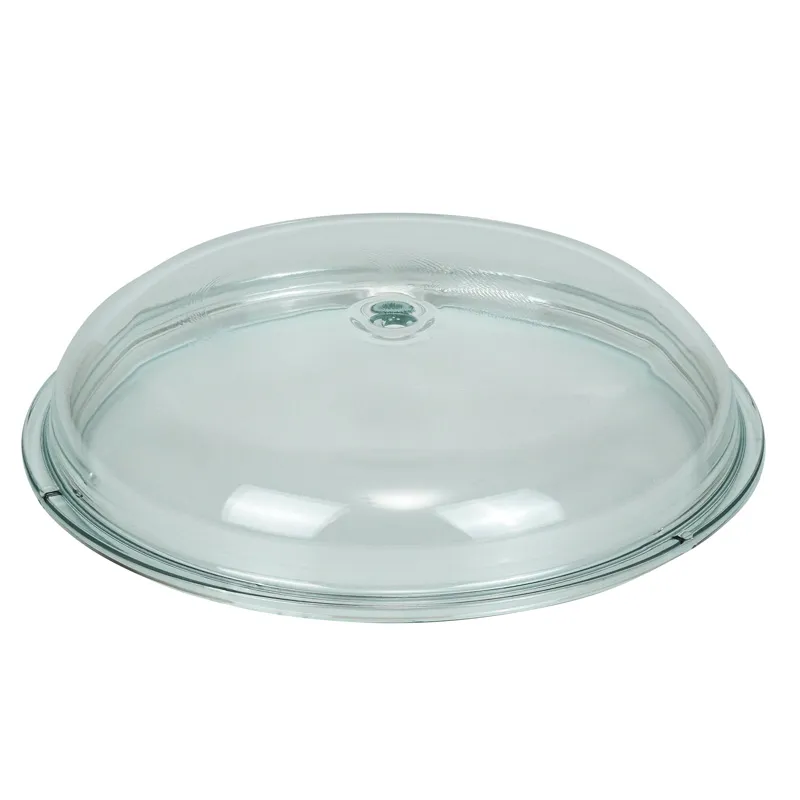
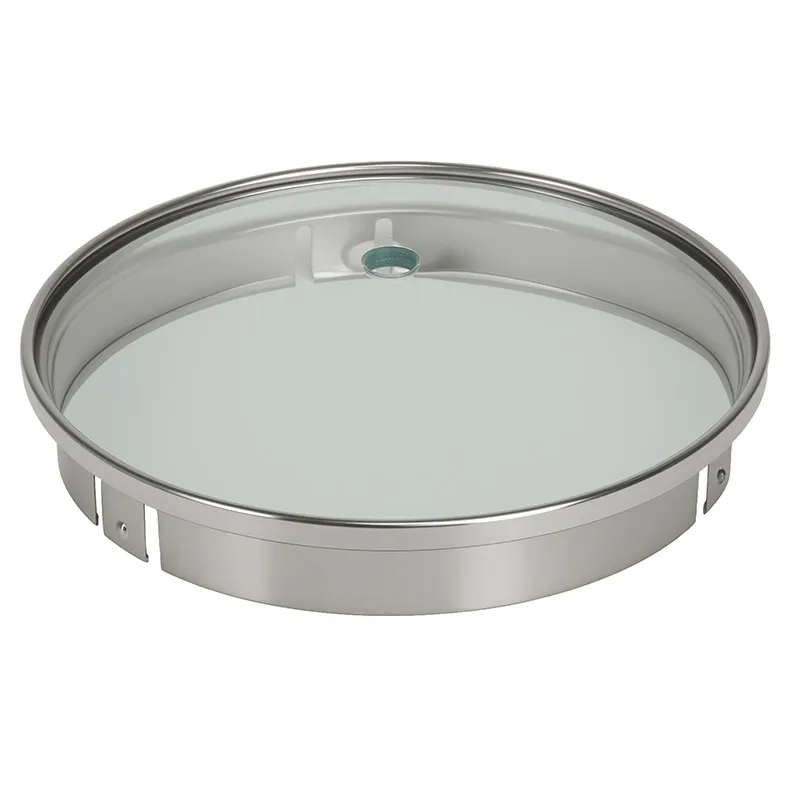
lodge glass lid
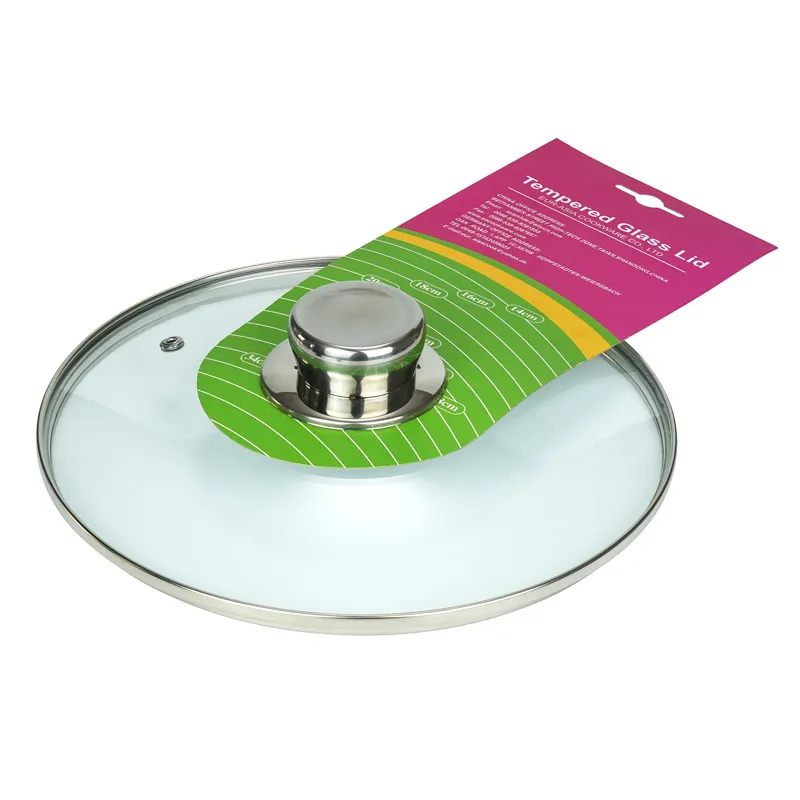
When most people, even some buyers in the trade, hear 'lodge glass lid', they think it's just a simple piece of tempered glass cut to fit a cast iron pot. That's the first mistake. The reality is, it's a component where thermal dynamics, safety margins, and user ergonomics intersect in deceptively simple ways. I've seen too many designs fail not because the glass wasn't strong, but because the understanding of its application was weak.
The Core Misconception: Strength vs. Thermal Shock
Everyone obsesses over the tempering strength—can it survive a drop? Sure, a properly tempered lid from a reputable source can. But the real killer is thermal shock. A lodge glass lid sits on a heavy cast iron pot that gets incredibly hot, often unevenly. If you pour cold water on it or place it on a cold surface straight from the stove, that's where you see catastrophic failure. The stress isn't from impact, but from rapid, uneven temperature change across the glass plane.
I recall a batch from a supplier a few years back—the glass passed every drop test, but we had a 15% failure rate in the field from customers simply moving a hot lid to a granite countertop. The problem wasn't the base tempering level; it was the heating curve during the tempering process itself. It wasn't optimized for the specific thermal mass transfer of a Lodge-style cast iron cookware. The glass needs to be heated and cooled in the furnace with a profile that anticipates this real-world use, not just meets a generic industrial standard.
This is where a manufacturer's experience shows. A company like EUR-ASIA COOKWARE CO.,LTD, which specializes in these products and exports globally, likely has their furnace profiles dialed in for different markets. European stovetops versus American gas ranges can create different heat distribution patterns. Their specialization in producing over 15 million pieces annually of various tempered glass lids suggests they've had to solve these nuanced problems at scale.
The Devil in the Details: Fit, Finish, and the Steam Vent
Another point that's easy to overlook is the fit. It's not just about diameter. Cast iron pots, especially well-used ones, can warp slightly. The lid needs a slight tolerance, but not so much that steam escapes uncontrollably from the sides, defeating its purpose. The bevel on the edge of the glass is critical—too sharp and it chips during handling; too rounded and it doesn't sit flush.
The handle is its own saga. The knob attached to the glass lid must be bonded with an adhesive that can withstand repeated cycles of heat and cooling without loosening. I've tested lids where the knob itself stayed firm, but the metal base of the knob bonded to the glass created a different thermal expansion rate, leading to micro-fractures over time. The best solutions often use a high-temperature silicone or a specific epoxy with a flexible component, allowing for a bit of movement.
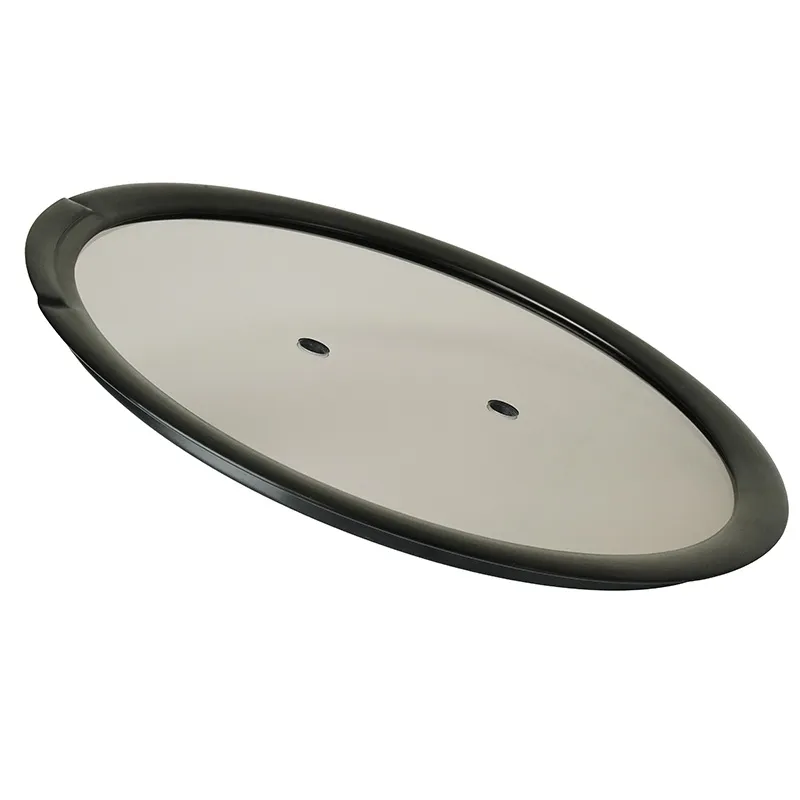
Then there's the steam vent hole. If it's present, its placement and polish are vital. A poorly finished hole edge is a focal point for stress, a prime spot for a crack to initiate. I remember evaluating samples where the lid was perfect, but the vent hole had microscopic chips from the drilling process. Under a loupe, they looked like tiny stars waiting to propagate. A quality manufacturer will polish this hole after drilling, a step that adds cost but prevents field failures.
Material Sourcing and the Clarity Trade-off
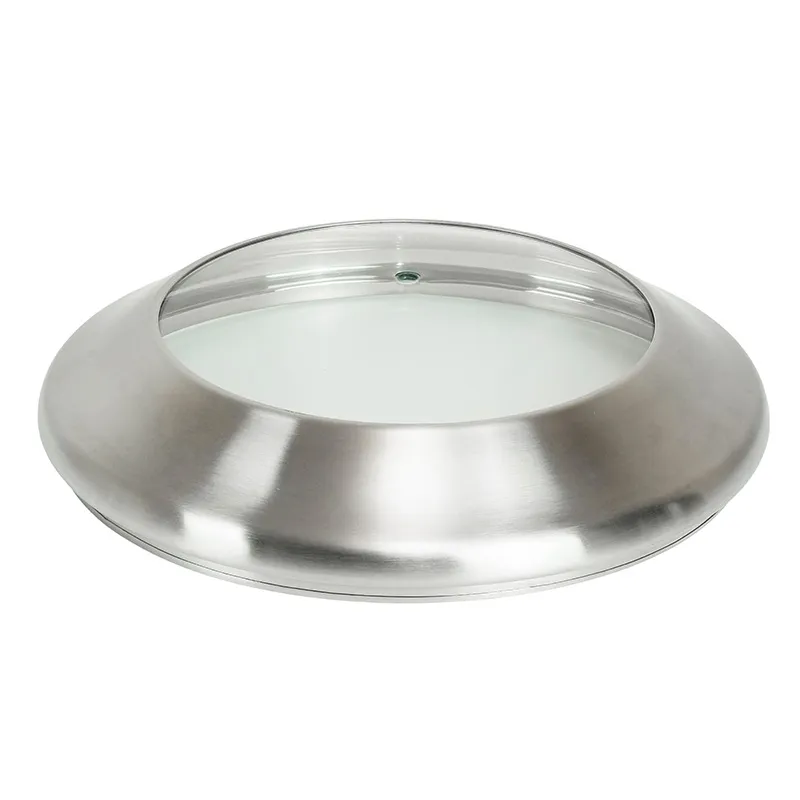
We talk about tempered glass, but the raw material—the clear float glass—varies. Higher iron content gives a slight greenish tint on the edges, especially noticeable on thicker lids. For a premium look, you want low-iron glass, which is more expensive. Most mass-market lodge glass lid products accept the slight green tint because the cost jump is significant, and functionally, it makes no difference. But for high-end lines, it's a specification point.
The thickness is another judgement call. 4mm is common, but for larger lids (say, over 30cm), you might go to 5mm for perceived sturdiness and to prevent sagging at high temperatures. However, thicker glass changes the thermal shock resistance profile again. It's a balancing act. The production base of EUR-ASIA COOKWARE, with its 20,000㎡ facility, likely runs multiple lines for different thicknesses and diameters, which allows for this kind of product segmentation.
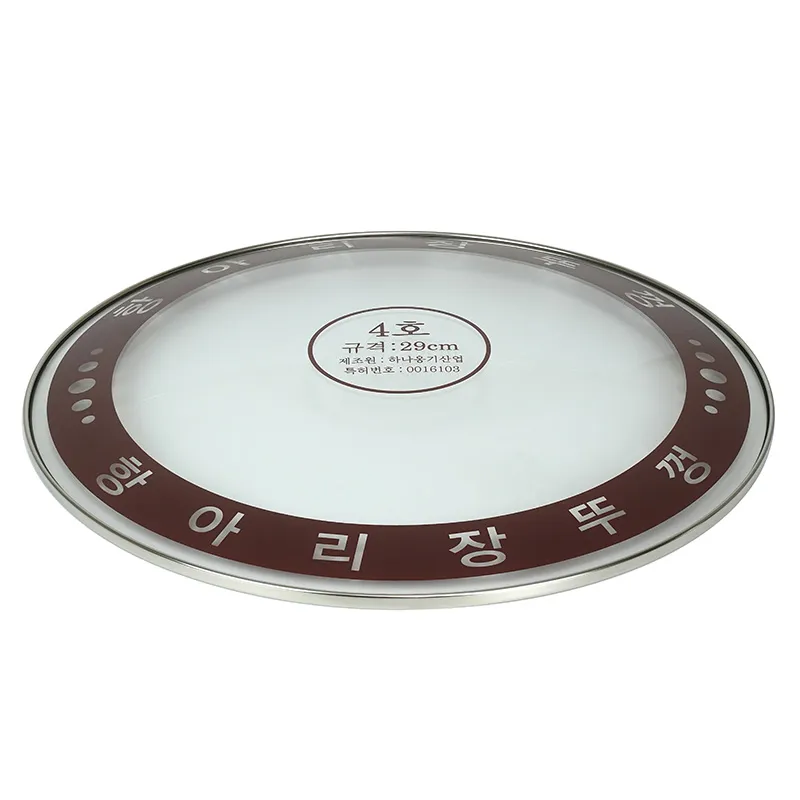
Their export focus to markets like Germany, Japan, and Switzerland is telling. These are regions with stringent safety standards and discerning consumers. A lid that passes muster there has usually been through rigorous testing for things like lead and cadmium release from any printed markings, overall stability, and repeated thermal cycling. It's a good proxy for quality.
Real-World Failures and the Learning Curve
Early on, I made the error of prioritizing a super-tight fit. We sourced lids that fit the pots like a glove. They looked fantastic. Then came the complaints: lids getting stuck. Why? Condensation and vacuum effect. As the pot cools, a seal can form. A slight imperfection or a tighter fit can make the lid nearly impossible to remove without prying, which is dangerous. We learned to specify a very slight, deliberate gap—almost imperceptible but enough to break a vacuum.
Another lesson was about packaging. Tempered glass is strong but vulnerable at the edges. Inadequate foam cushioning that allowed the lid to shift during shipping resulted in chips. Not full breaks, just small chips on the rim. But that's enough to reject the entire unit. A good supplier understands that packaging for a glass lid is part of the product specification. The fact that EUR-ASIA COOKWARE exports over 90% of its products implies they've mastered the logistics and packaging to get fragile goods across continents intact.
There's also the issue of compatibility claims. Not all Lodge-compatible lids fit all Lodge pots, especially across different generations and lines. We started providing detailed dimension sheets, not just fits 10-inch skillet. We listed the exact inner diameter, outer diameter, and recommended pot model numbers. This transparency cut down returns dramatically.
Looking at the Supplier Ecosystem
When you drill down into the supply chain for these components, you find specialists. A company focused on lodge glass lid and other kitchen glassware, like the one mentioned, isn't just a glass cutter. They are managing a process that includes glass sourcing, precision cutting, edge grinding, tempering, quality inspection (often involving polarized lenses to check stress patterns), and sometimes assembly. Their annual output of 15 million pieces signals a highly optimized, likely automated process for the core steps, with manual checks at critical points.
Their location in Shandong's High-tech Development Zone in China is relevant. This region has a dense cluster of glass and cookware manufacturing, meaning access to skilled labor, material logistics, and ancillary services. For a buyer, this specialization is key. You're not buying from a general glass factory; you're buying from a kitchenware component specialist. The distinction matters for consistency and problem-solving.
In the end, a successful lodge glass lid is one you never think about. It does its job—allowing you to monitor your cooking, retaining heat and moisture, and handling the abuse of a kitchen—quietly and reliably. Getting to that point is a journey of understanding physics, material science, and real human use. It's the opposite of a commodity. The good suppliers, the ones that last and supply major markets, get this. They've moved beyond just making a round piece of glass to engineering a solution for a specific, demanding environment. That's what you're really paying for.
Related Products
Related Products