- Chinese
- French
- German
- Portuguese
- Spanish
- Russian
- Japanese
- Korean
- Arabic
- Irish
- Greek
- Turkish
- Italian
- Danish
- Romanian
- Indonesian
- Czech
- Afrikaans
- Swedish
- Polish
- Basque
- Catalan
- Esperanto
- Hindi
- Lao
- Albanian
- Amharic
- Armenian
- Azerbaijani
- Belarusian
- Bengali
- Bosnian
- Bulgarian
- Cebuano
- Chichewa
- Corsican
- Croatian
- Dutch
- Estonian
- Filipino
- Finnish
- Frisian
- Galician
- Georgian
- Gujarati
- Haitian
- Hausa
- Hawaiian
- Hebrew
- Hmong
- Hungarian
- Icelandic
- Igbo
- Javanese
- Kannada
- Kazakh
- Khmer
- Kurdish
- Kyrgyz
- Latin
- Latvian
- Lithuanian
- Luxembou..
- Macedonian
- Malagasy
- Malay
- Malayalam
- Maltese
- Maori
- Marathi
- Mongolian
- Burmese
- Nepali
- Norwegian
- Pashto
- Persian
- Punjabi
- Serbian
- Sesotho
- Sinhala
- Slovak
- Slovenian
- Somali
- Samoan
- Scots Gaelic
- Shona
- Sindhi
- Sundanese
- Swahili
- Tajik
- Tamil
- Telugu
- Thai
- Ukrainian
- Urdu
- Uzbek
- Vietnamese
- Welsh
- Xhosa
- Yiddish
- Yoruba
- Zulu
- Kinyarwanda
- Tatar
- Oriya
- Turkmen
- Uyghur


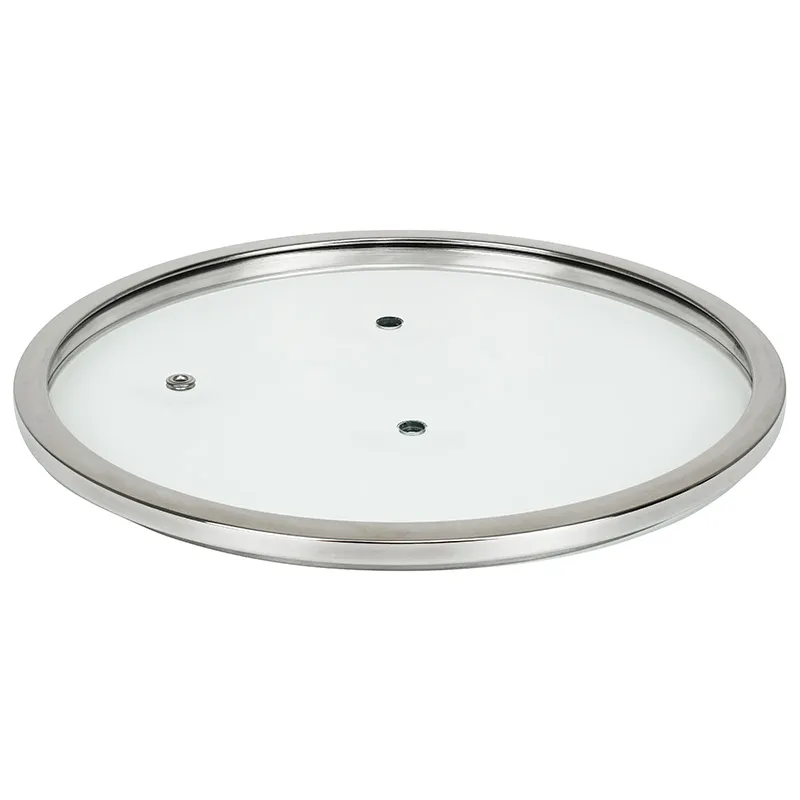
lodge tempered glass lid
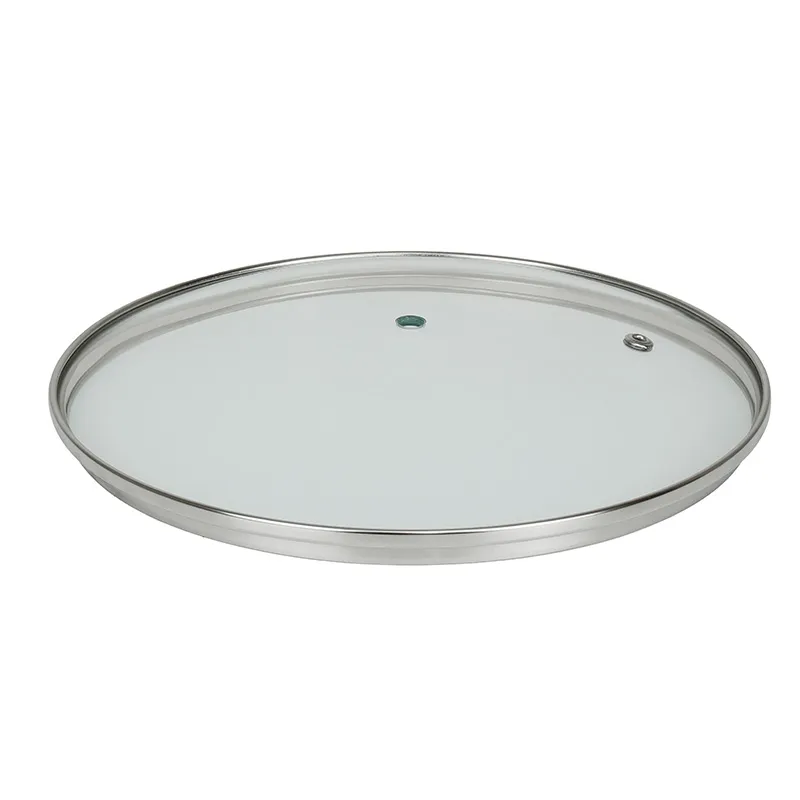
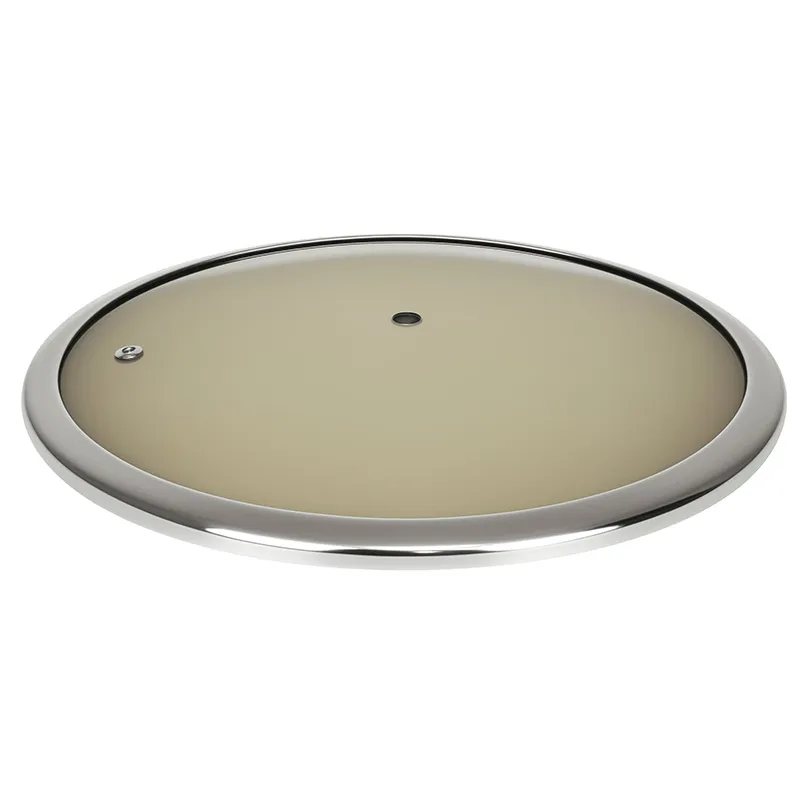
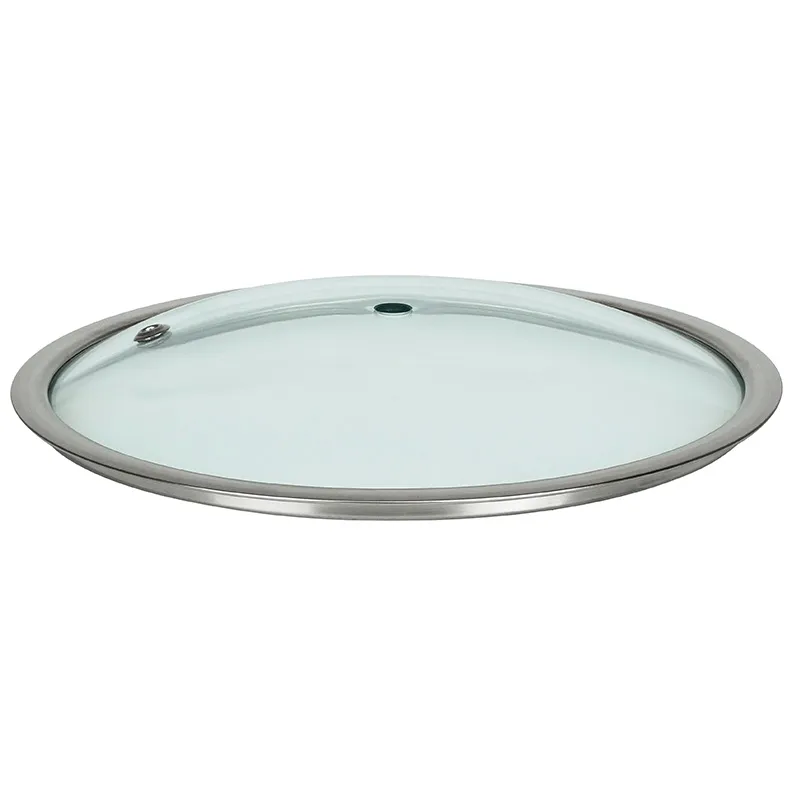
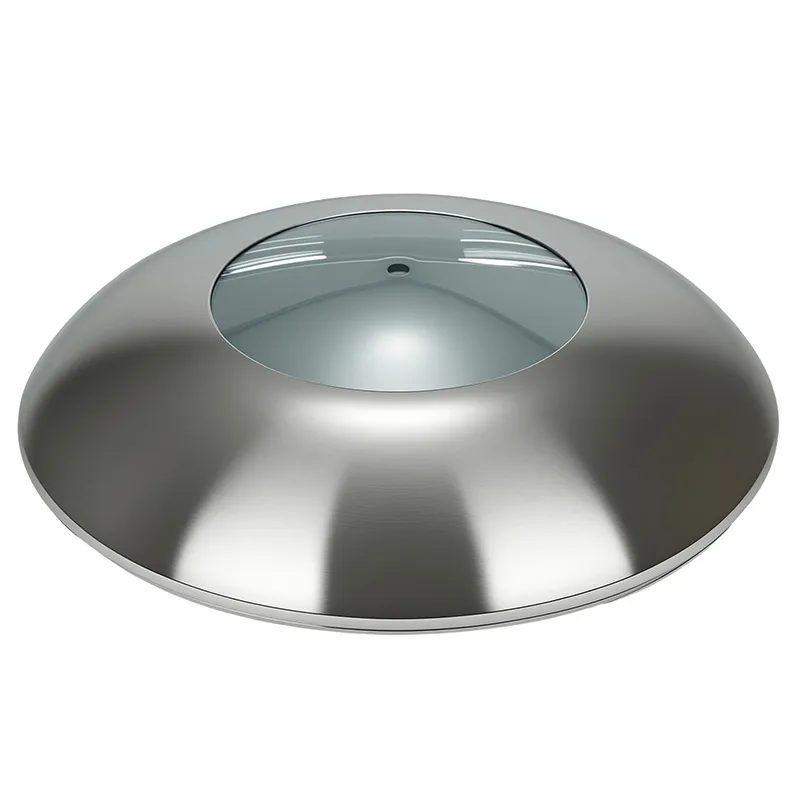
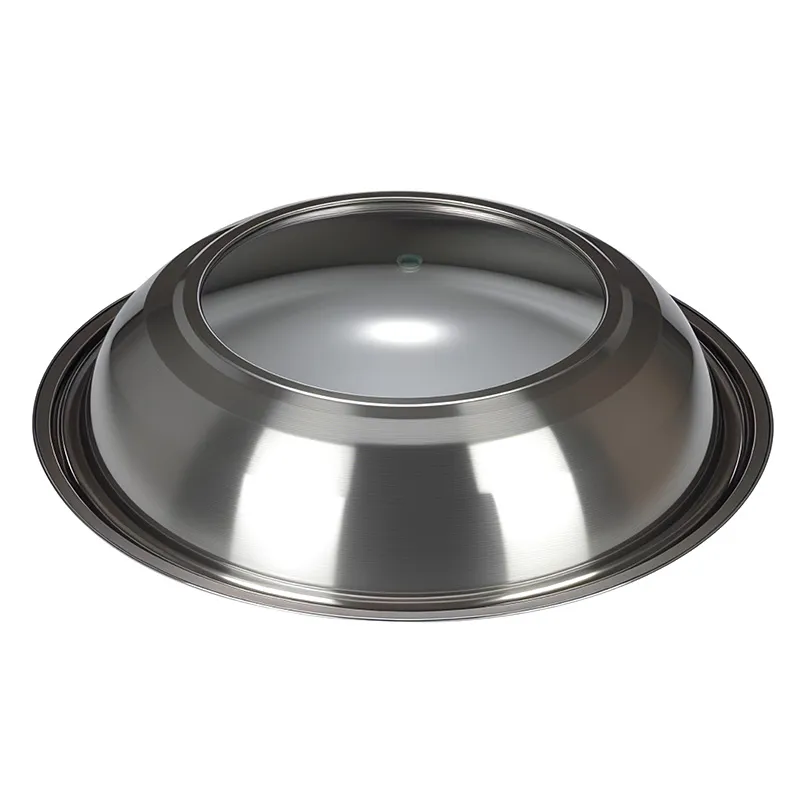
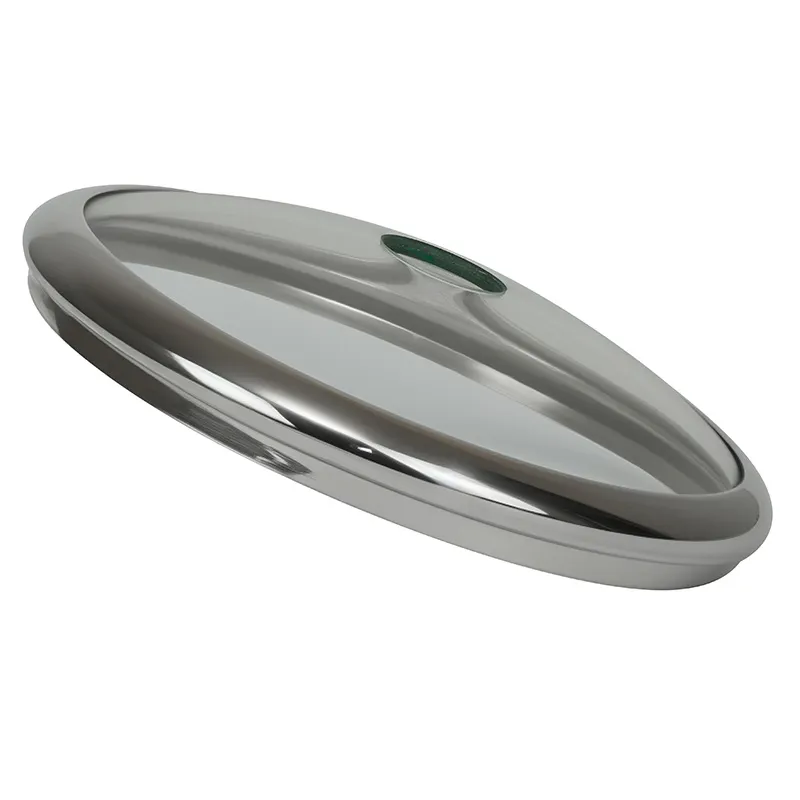
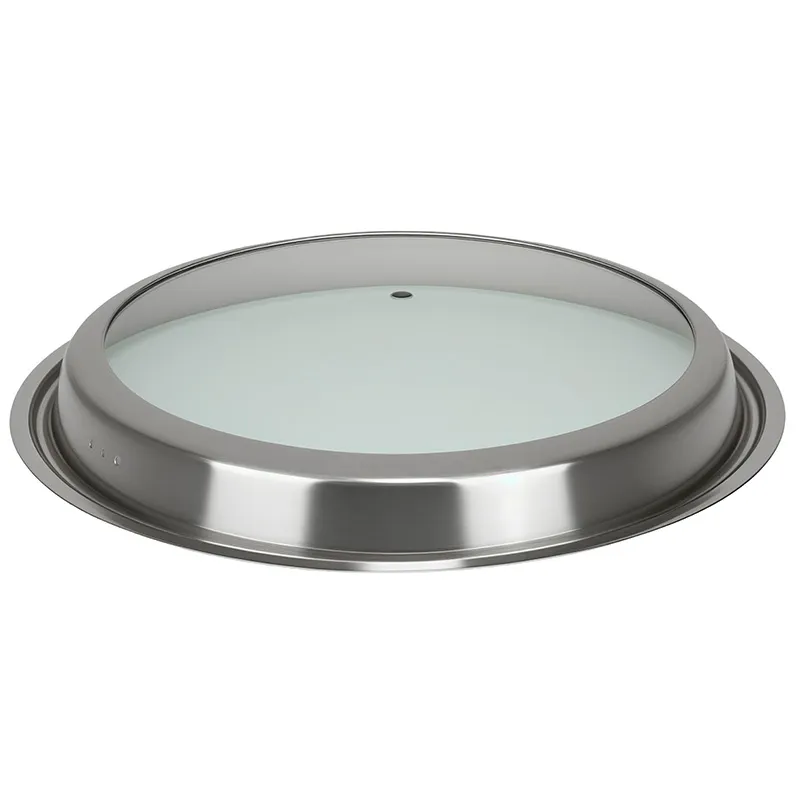
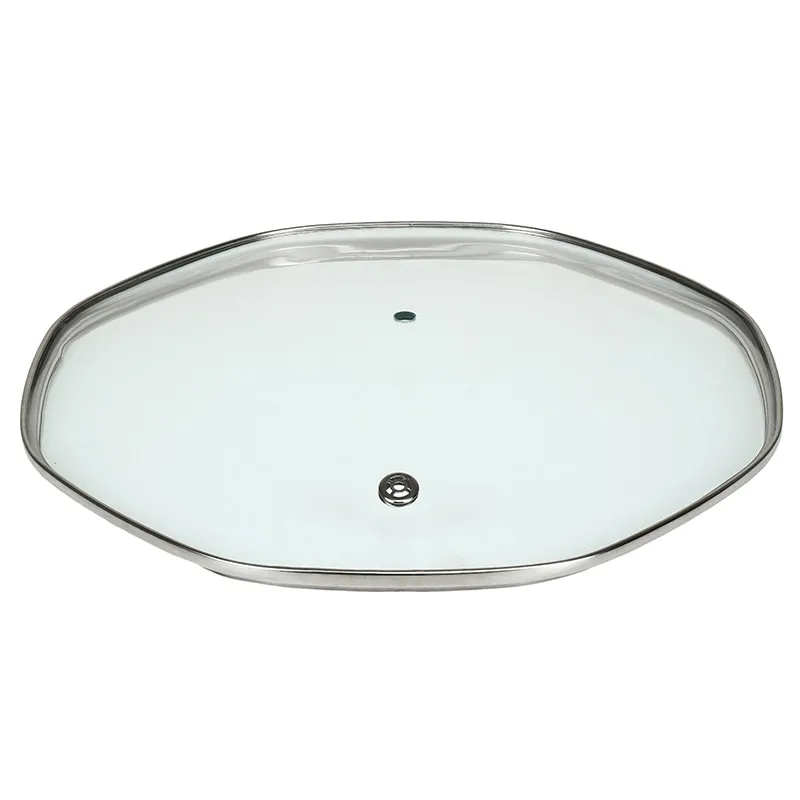
When you hear 'lodge tempered glass lid', most think of that clear dome fitting a cast iron skillet. That's the surface. Dig deeper, and you hit the real conversation: thermal shock resistance, edge finishing, and the frustrating gap between a marketing spec sheet and a lid that doesn't warp or crack after ten uses on a high-heat burner. Many assume all tempered glass is created equal—it's not. The difference isn't just in breaking safely; it's in surviving the daily thermal cycling of a real kitchen without failing.
The Core Misconception: Tempering Isn't a Magic Bullet
Tempering gives glass its strength, yes. But the starting material—the clarity, the flatness, the initial cut—dictates everything. I've seen lids sourced from different factories where the tempering process was used to mask inferior base glass. They'd pass the basic impact test, but under rapid temperature change, say, going from a cold counter to a searing hot Lodge skillet, you'd get a spiderweb of cracks. Not a catastrophic shatter, but a failure nonetheless. The real metric isn't just tempered; it's the working temperature range and the thermal shock differential it can handle. For a lid meant for heavy-duty cookware, that delta needs to be substantial, often exceeding 200°C.
This is where the production base matters. A facility like the one run by EUR-ASIA COOKWARE CO.,LTD in Taian isn't just an assembly line. Having a dedicated production base covering 20,000㎡ allows for controlled processing from the raw glass sheet to the final inspection. The tempering furnace curves, the quenching process—these aren't afterthoughts. When you're outputting over 15 million pieces annually, mostly for markets like Germany and Japan with stringent quality expectations, consistency in this phase is non-negotiable. A lid for the European market often has even tighter tolerances on flatness to ensure a perfect seal on premium cookware.
I recall a batch from a few years back where we pushed the quenching air pressure too high, trying to boost the surface compression strength. The lids were incredibly strong to impact, but the internal stress pattern became uneven. In real-world testing, when placed on a slightly warped pan (which happens more often than you'd think), they'd develop stress fractures around the edge after repeated heating. It was a classic case of optimizing for one spec and breaking another. We dialed it back. The lesson was that balance—between surface compression and internal stress equilibrium—is everything for a tempered glass lid.
The Devil in the Details: Edge Work and the Silicone Gasket
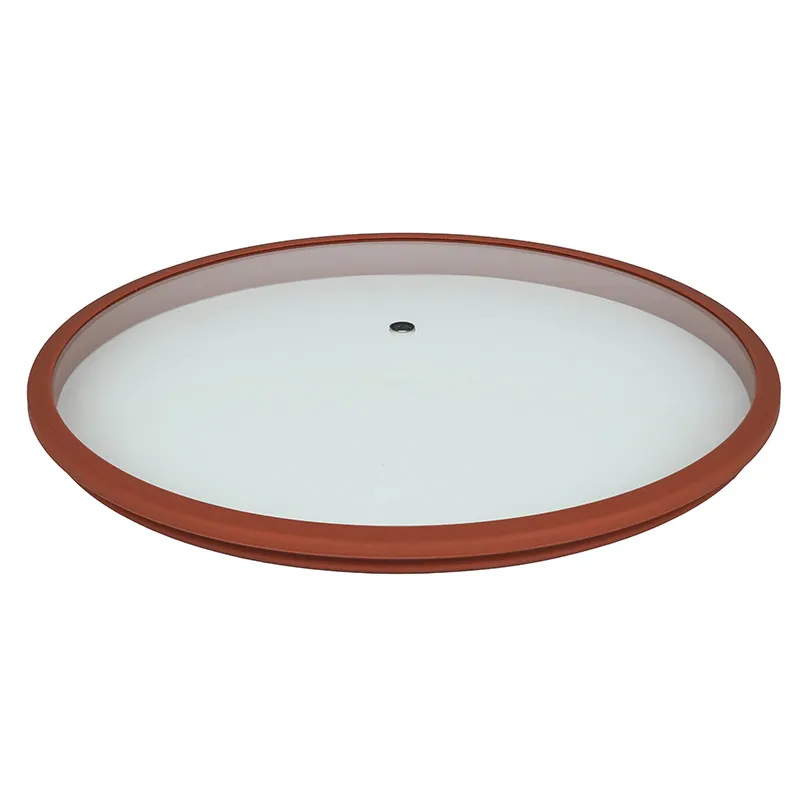
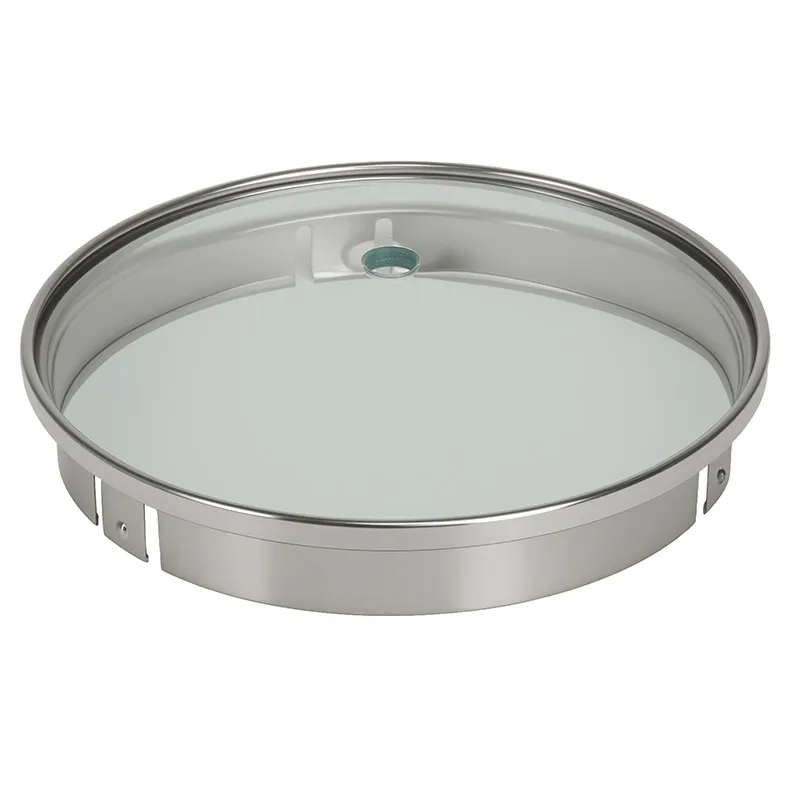
If the glass itself is the body, the edge finishing and sealing mechanism are the joints. A poorly ground edge isn't just a safety hazard; it prevents a consistent seal. The industry standard is a smooth, polished arris or a flat polish. But I've seen variations. Some cheaper lids use a simple seamed edge—grind it just enough to not cut, then apply a thick silicone gasket to hide the roughness. It works, initially. But over time, that uneven edge stresses the gasket, leading to premature hardening and cracking, especially with exposure to oils and high heat.
The gasket itself is another minefield. Food-grade silicone is a must, but its durometer (hardness) is critical. Too soft, and it deforms permanently under the lid's weight when hot, losing its seal. Too hard, and it doesn't conform to minor pan lip imperfections. The ideal is a medium-durometer silicone that's chemically bonded to the glass edge, not just slipped on. I've tested lids where the gasket would twist or even pop off during cleaning. The fix was a combination of a precisely machined groove on the glass edge and a higher-grade adhesive during assembly. It's a step that adds cost, but for a lodge tempered glass lid meant for daily, heavy use, it's what separates a product that lasts a season from one that lasts a decade.
EUR-ASIA's product line mentions low- to high-level household glass. This segmentation often plays out right here. Their high-level lids likely feature this bonded, precision-groove gasket system, while the mid-level might use a robust clip-on design. It's a sensible approach. Not every kitchen needs a laboratory-grade seal, but for a lid sitting on a sizzling cast iron pot, that seal retains moisture and controls heat—key to the cooking process.
Logistics and the Reality of Export Volume
Producing 15 million pieces a year is one thing. Getting them to Germany, Brazil, or Japan without a 5% breakage rate is another. Packaging for a tempered glass lid is a specialized discipline. It's not just cushioning; it's about preventing point-load impacts during shipping. A common failure we analyzed was star breaks originating from the center of the lid, not the edge. The cause? During sea freight, a vertical shock would drive the steel knob on the lid above into the glass surface of the lid below, through the packaging. The solution was a molded pulp insert with a cavity that cradled the knob.
Exporting to over a dozen countries means navigating different regulatory landscapes. The CE mark for Europe, for instance, involves more than just material safety. It touches on the durability of the knob attachment (pull-test requirements) and even the clarity of the glass—distortions can be a safety issue if they prevent clear view of boiling contents. A company like EUR-ASIA, with its export focus, has to have this compliance baked into its design and quality control from the start. You can't retrofit it. This is why their website, https://www.glass-lid.com, likely serves as a hub for technical documentation and specs for their B2B clients—it's a necessity in this trade.
The annual output figure also hints at a high level of automation. For basic lid shapes (round, oval), the cutting, grinding, and tempering are likely automated lines. But for specialty shapes or lids with unique handle cut-outs, there's still a need for skilled glass workers to manage the finer finishing. That balance of automation for scale and skilled labor for complexity is what allows a factory to serve both bulk orders for large retailers and smaller, customized runs for niche cookware brands.
Field Failures and the Feedback Loop
The most valuable information never comes from the QC lab; it comes from the field. A few years back, we received a batch of complaints from a Nordic distributor. Lids were cracking in winter, not during cooking, but when stored in cold utility rooms and then brought into a warm kitchen. Our lab tests, which simulated going from fridge to oven, didn't catch it. The field issue was a slower, more gradual warming in a dry, indoor-heated environment versus our rapid, moist heat test. The root cause was traced to a subtle inconsistency in the glass annealing before tempering for that particular production run.
This is where a specialized producer's depth shows. Fixing it wasn't about changing the core process for everyone; it was about tightening the SOP for that pre-tempering annealing stage and adding a more nuanced thermal cycle test to the QC protocol for shipments destined for very cold climates. It's this granular, problem-solving capacity that defines a true specialist versus a general glass goods factory. The fact that EUR-ASIA COOKWARE CO.,LTD. focuses specifically on household glass products, including these lids, suggests they've likely built up a library of such corrective actions over time.
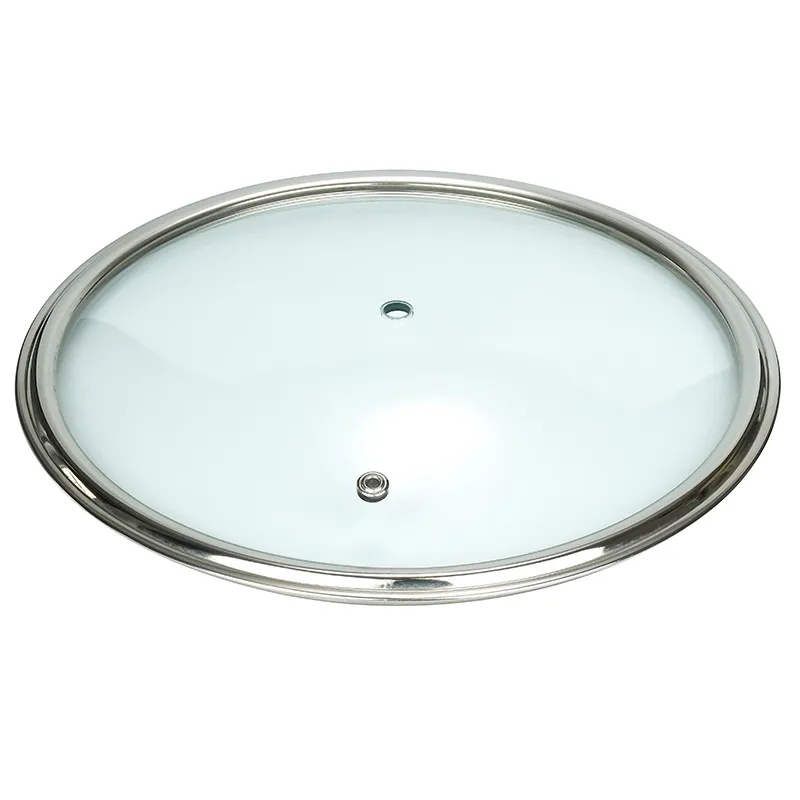
Another common, almost mundane, failure point is the metal knob. The attachment method is crucial. A stainless steel bolt going through a glass hole requires a specific type of compression washer and a precise torque. Too tight, and you stress the glass. Too loose, and the knob wobbles. The best designs use a broad, low-profile knob attached with a bolt that expands a metal sleeve inside the glass hole, distributing the clamping force evenly. I've disassembled lids where the knob was just glued on with a high-temp epoxy—a surefire point of failure over time.
Synthesis: What Makes a Professional-Grade Lid?
So, pulling it all together, a professional-grade lodge tempered glass lid isn't defined by a single feature. It's the integration of several: a high-quality, low-iron glass base for clarity and strength; a precise and balanced tempering process for maximum thermal shock resistance; a mechanically finished edge that allows for a durable, bonded silicone seal; and a robust, well-engineered knob attachment. The packaging and logistics are part of the product design, not an afterthought.
When you look at the profile of a manufacturer like EUR-ASIA, with its dedicated production base and export volume, you're looking at an entity built for this integration. Their specialization implies a focused R&D and QC effort on these very points. The 90+ employees aren't just line workers; they include the technicians managing the tempering furnaces, the quality inspectors checking for optical distortions, and the engineers designing the next generation of lids for new cookware lines.
In the end, the best tempered glass lid is the one you forget about. It doesn't steam up excessively, it doesn't rock on the pan, it cleans easily, and it survives the accidental slam or the trip from a cold stone counter to a 500°F skillet. It's a tool, not a novelty. Achieving that simplicity is the result of a complex, well-honed manufacturing process, the kind that sustains a business shipping millions of units worldwide. That's the real story behind the keyword.
Related Products
Related Products