- Chinese
- French
- German
- Portuguese
- Spanish
- Russian
- Japanese
- Korean
- Arabic
- Irish
- Greek
- Turkish
- Italian
- Danish
- Romanian
- Indonesian
- Czech
- Afrikaans
- Swedish
- Polish
- Basque
- Catalan
- Esperanto
- Hindi
- Lao
- Albanian
- Amharic
- Armenian
- Azerbaijani
- Belarusian
- Bengali
- Bosnian
- Bulgarian
- Cebuano
- Chichewa
- Corsican
- Croatian
- Dutch
- Estonian
- Filipino
- Finnish
- Frisian
- Galician
- Georgian
- Gujarati
- Haitian
- Hausa
- Hawaiian
- Hebrew
- Hmong
- Hungarian
- Icelandic
- Igbo
- Javanese
- Kannada
- Kazakh
- Khmer
- Kurdish
- Kyrgyz
- Latin
- Latvian
- Lithuanian
- Luxembou..
- Macedonian
- Malagasy
- Malay
- Malayalam
- Maltese
- Maori
- Marathi
- Mongolian
- Burmese
- Nepali
- Norwegian
- Pashto
- Persian
- Punjabi
- Serbian
- Sesotho
- Sinhala
- Slovak
- Slovenian
- Somali
- Samoan
- Scots Gaelic
- Shona
- Sindhi
- Sundanese
- Swahili
- Tajik
- Tamil
- Telugu
- Thai
- Ukrainian
- Urdu
- Uzbek
- Vietnamese
- Welsh
- Xhosa
- Yiddish
- Yoruba
- Zulu
- Kinyarwanda
- Tatar
- Oriya
- Turkmen
- Uyghur


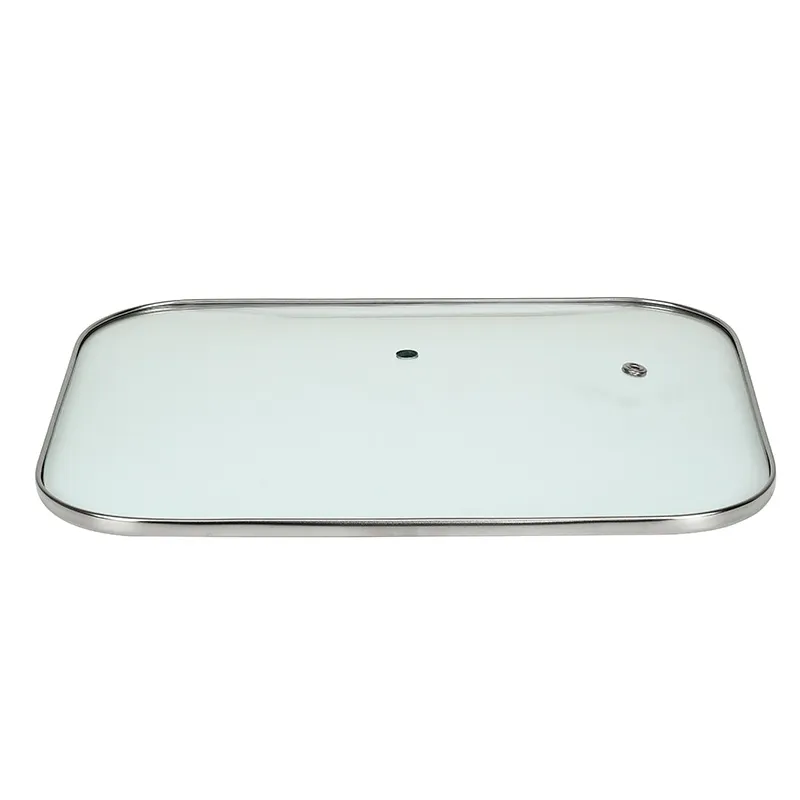
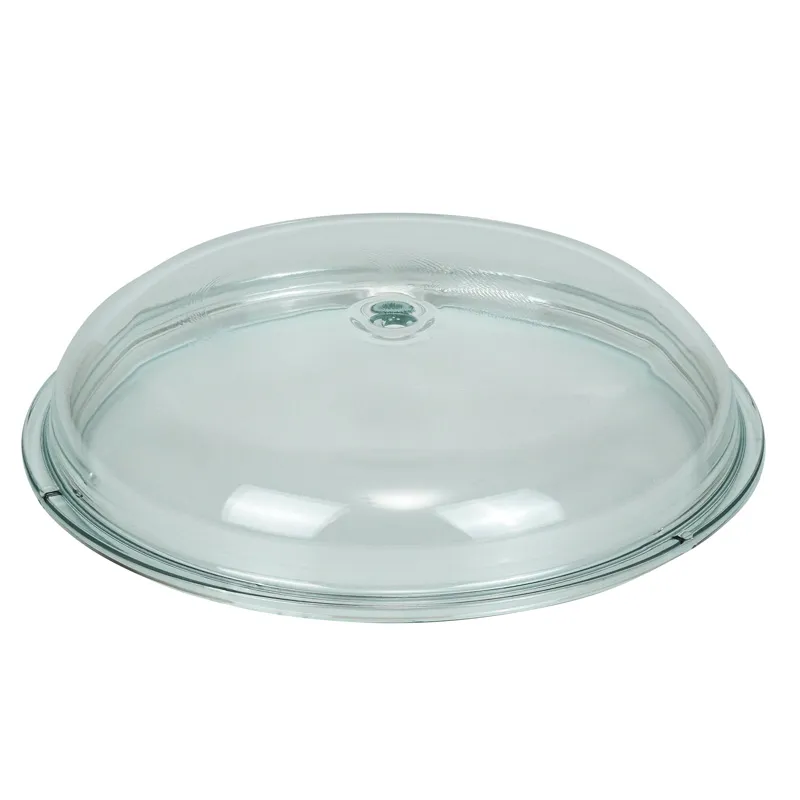
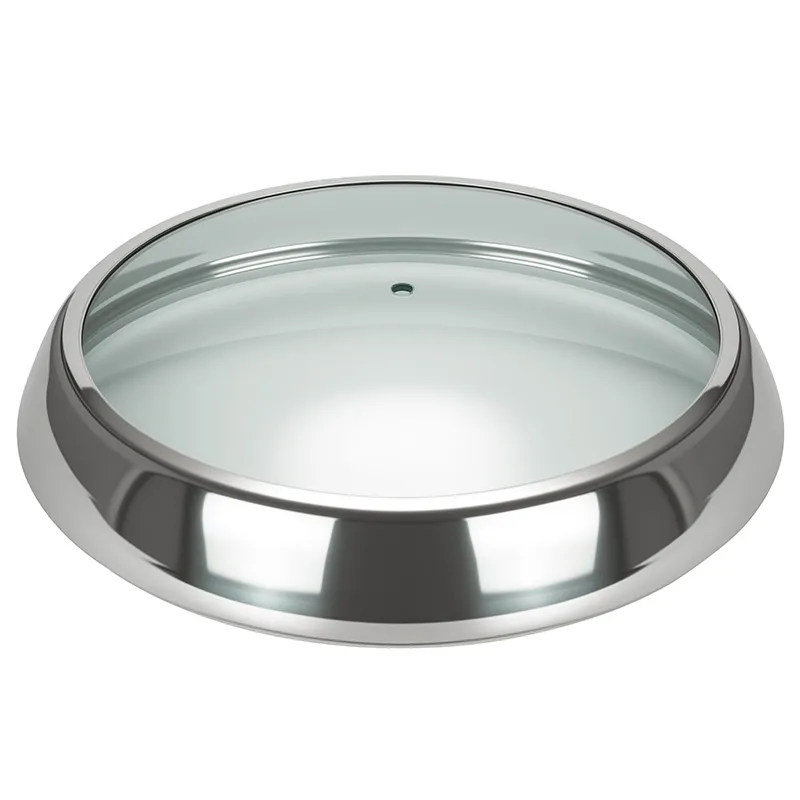
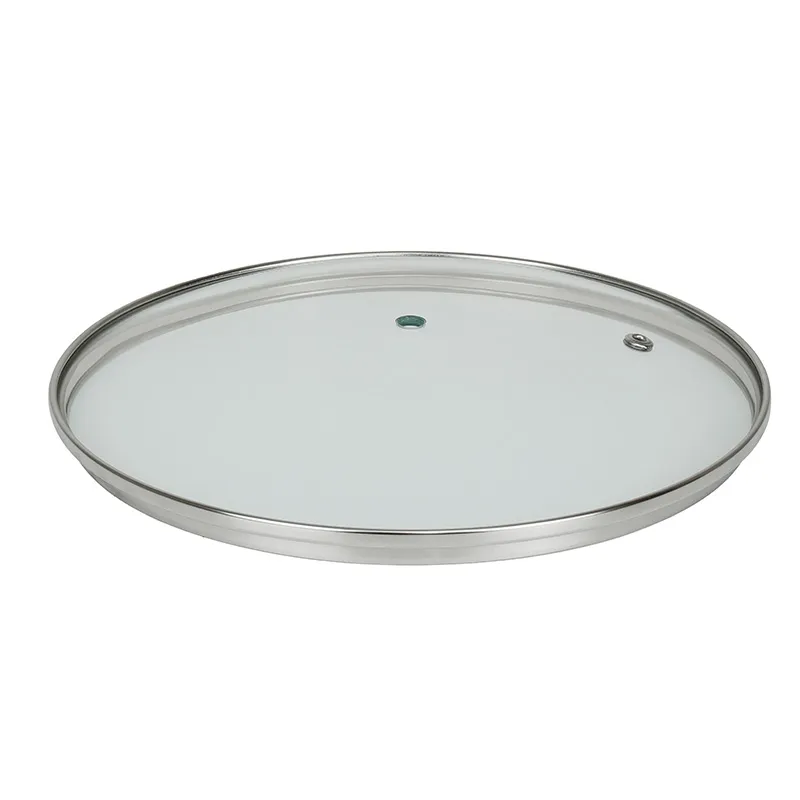
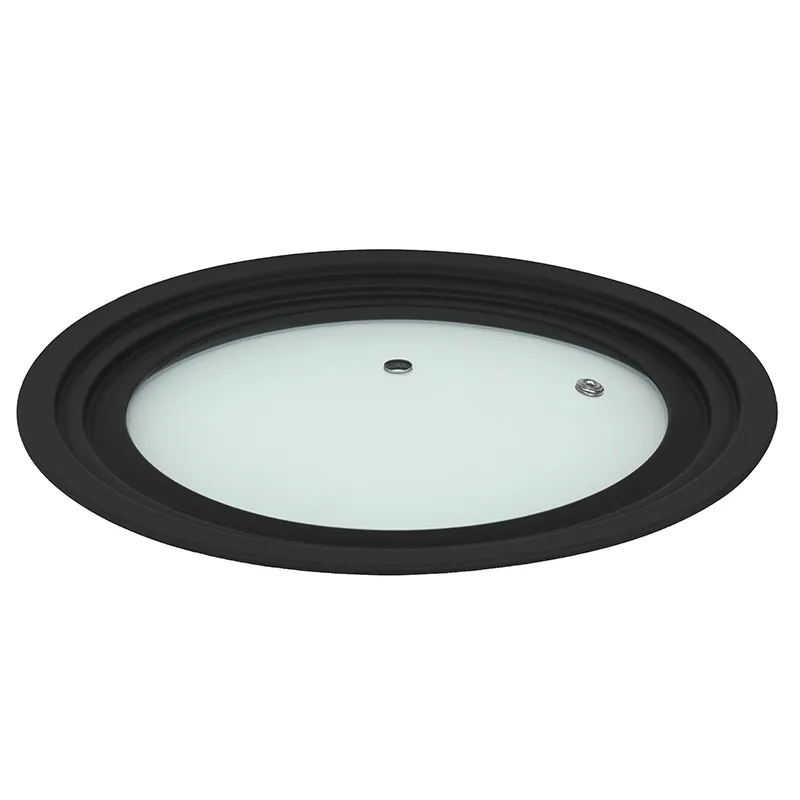
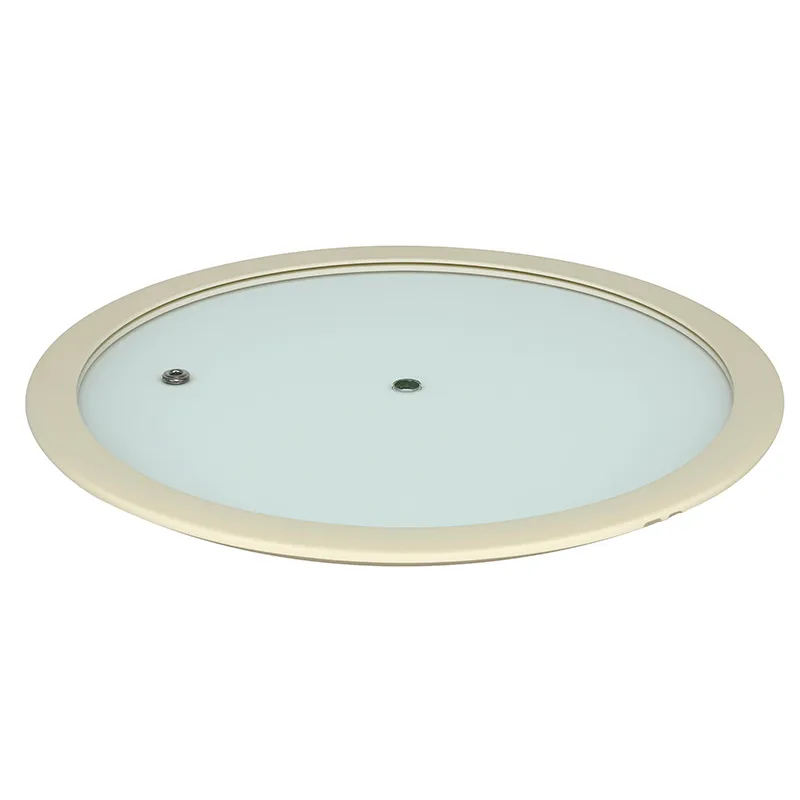
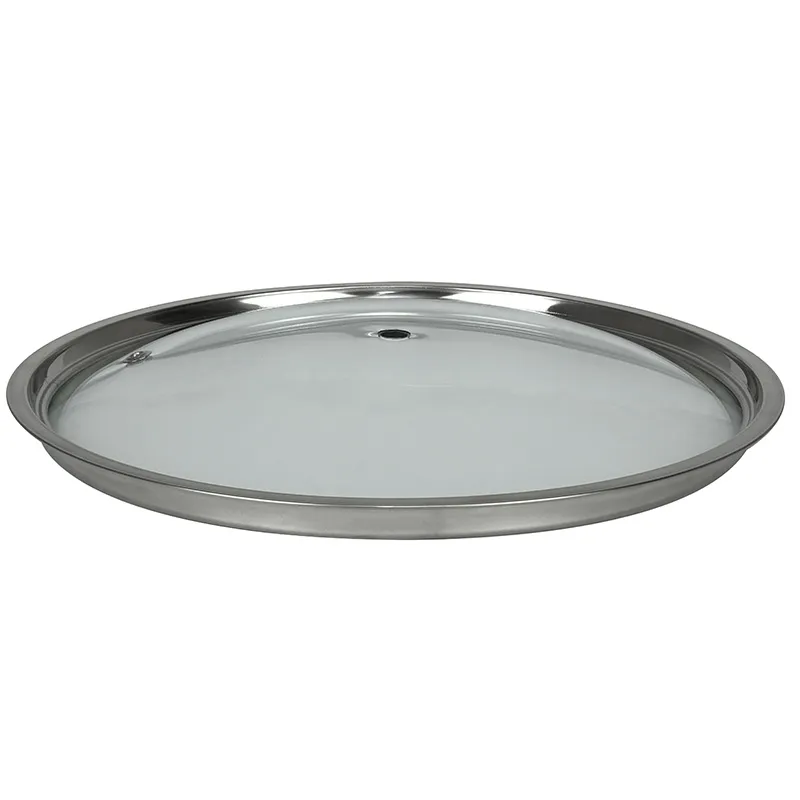
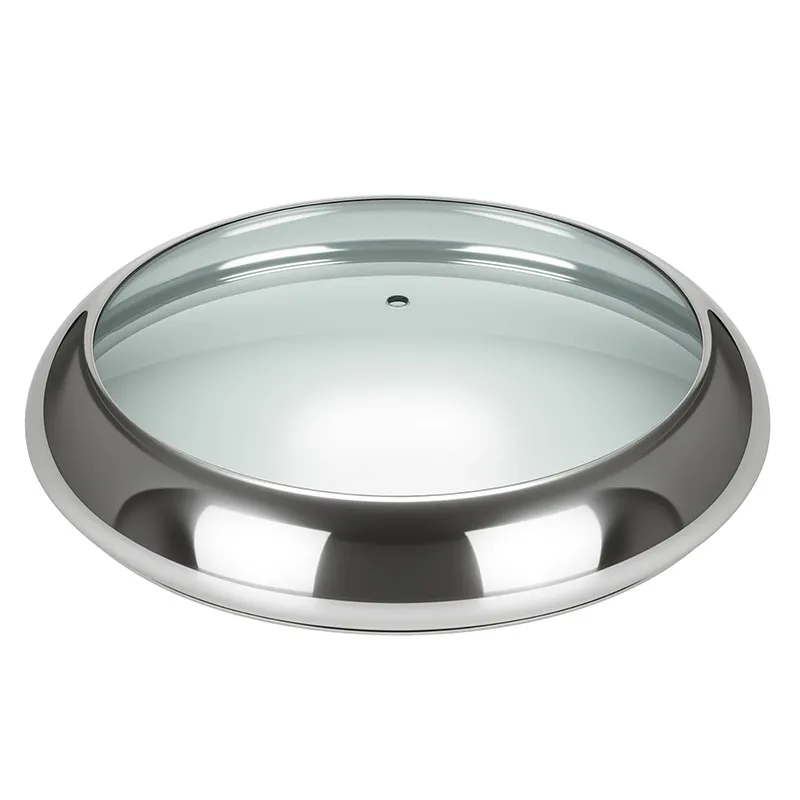
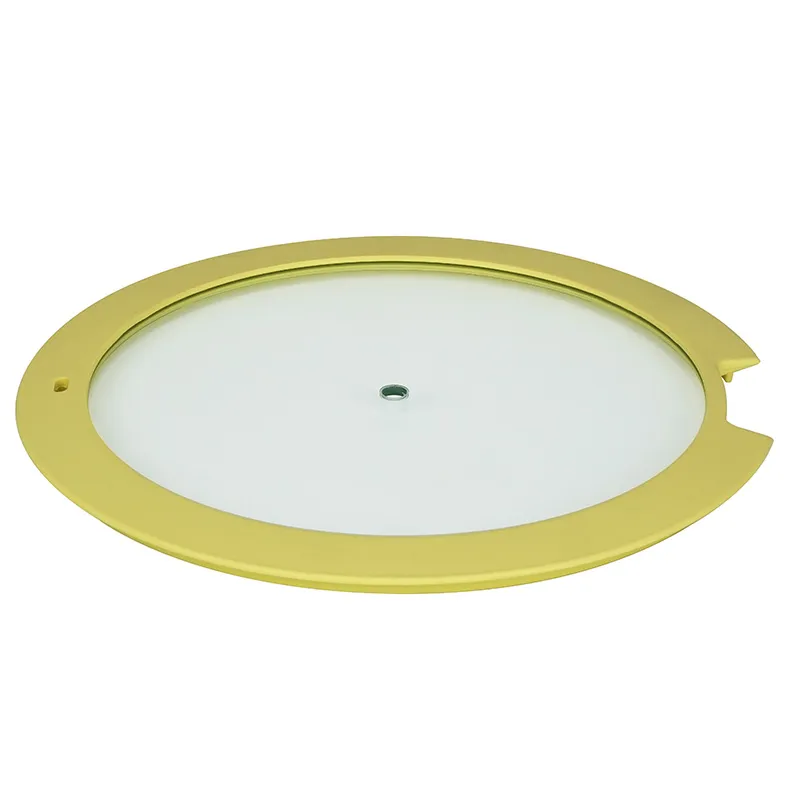
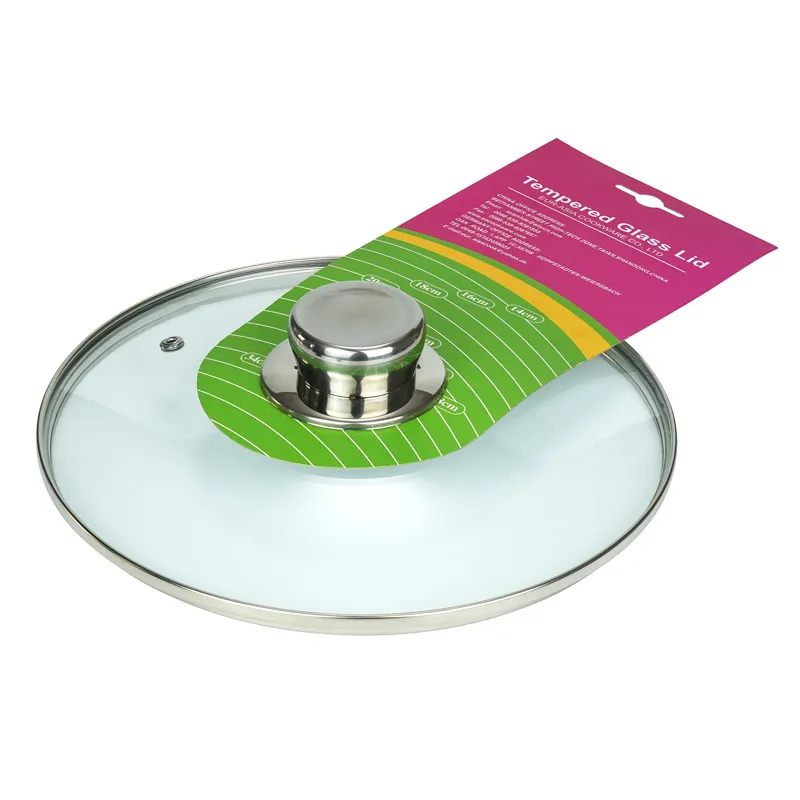
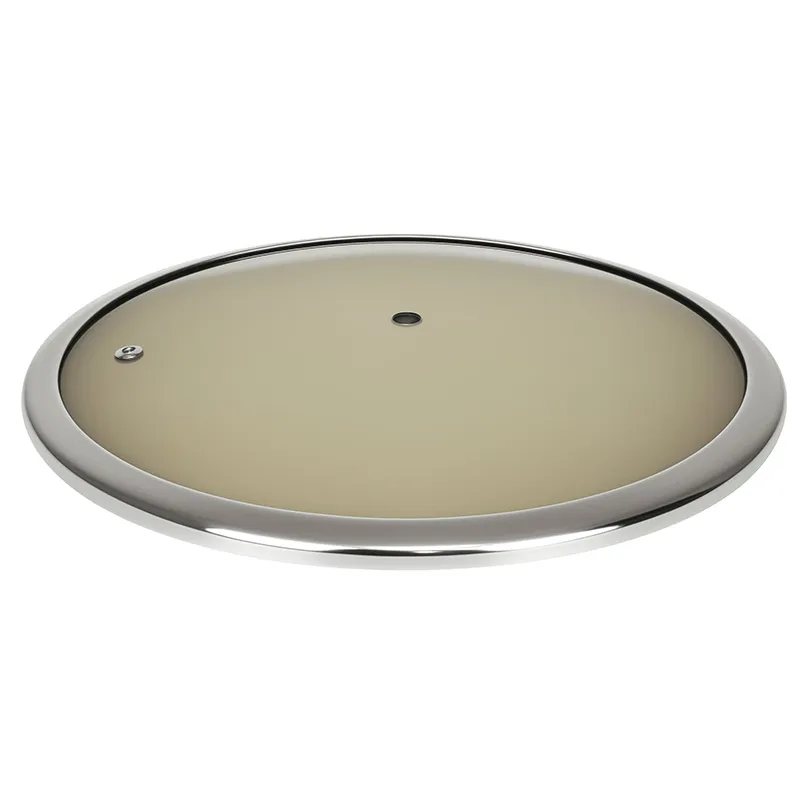
lodge tempered glass lid 12 inch
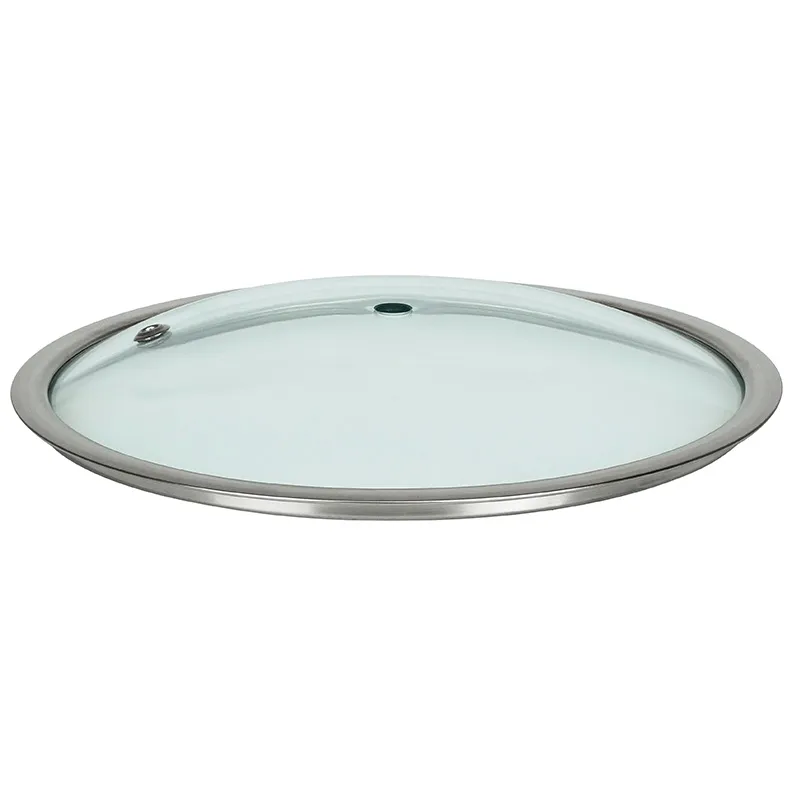
When you see 'lodge tempered glass lid 12 inch' in a product listing, it's easy to think it's just a simple cover. The reality, especially when sourcing or specifying for commercial clients, is far more nuanced. Many assume any 12-inch tempered glass lid will fit a Lodge 12-inch skillet, but that's the first pitfall. Lodge's classic cast iron has a distinct rim profile and outer diameter that doesn't always align with generic '12-inch' measurements. I've seen warehouses full of lids that technically measured 12 inches but sat awkwardly or had dangerous overhang on the actual cookware. The keyword here implies a specific fit, not just a dimension.
The Fit and Function Dilemma
Getting the fit right is half the battle. A proper lodge tempered glass lid should sit flush on the skillet's rim, not on the cooking surface. The curvature of the glass, often overlooked, is critical. A perfectly flat lid will rock on the rounded rim of a well-seasoned Lodge. We learned this through trial and error. Early samples from a new mold had a near-flat bottom profile. They looked fine on the bench but wobbled on the pan, breaking the steam seal. The fix wasn't in the diameter, but in engineering a subtle, consistent concave curve to match the pan's crown.
Then there's the handle. It needs to withstand thermal shock from a 400-degree lid while being cool enough to grip. Silicone is the standard, but its bonding to the glass is a common failure point. Cheap epoxy fails after a few dozen dishwasher cycles. We moved to a high-temp silicone grommet that's mechanically locked, not just glued. It's a small detail that separates a product that gets returned from one that lasts years.
I recall a batch for a European distributor where the handles started deforming. The issue? The client requested a specific, vibrant orange silicone. The pigment used in that color batch couldn't handle the sustained high heat, becoming tacky. We had to revert to a more heat-stable pigment blend, sacrificing the exact Pantone shade for functionality. That's the kind of real-world compromise spec sheets never mention.
Tempering: The Make or Break Process
Tempering is what makes it safe, but not all tempered glass is equal. For a 12 inch glass lid, the quench process—blasting the hot glass with air—has to be perfectly even. A weak spot, and you get a lid that shatters unpredictably, not into the small, dull cubes it's supposed to. I've visited factories where the quench nozzles were misaligned, creating stress patterns you could see under polarized lenses. Those lids would pass a basic impact test but were time bombs.
The source of the glass itself matters. Soda-lime is standard, but the iron content affects clarity. Low-iron glass, like what you see in high-end fireplace doors, gives a crystal-clear view of your braise, but it costs significantly more. For most commercial tempered glass lid production, standard clear soda-lime is the workhorse. The trick is ensuring the raw glass has minimal bubbles or seeds, which become stress concentrators during tempering.
One failed audit at a potential supplier sticks with me. Their tempering line looked good, but they were cutting corners on annealing time before the glass went into the furnace. The result was internal stress that the tempering couldn't rectify. We dropped a test lid from waist height onto a wooden floor—it didn't just break, it exploded violently. That's when you learn to audit the process, not just the certificate.
Sourcing and the Reality of Production
This is where a company like EUR-ASIA COOKWARE CO.,LTD. comes into the picture for many buyers. You find them at trade shows or through B2B platforms like their site, glass-lid.com. Their specialization in low to high-end household glass, with an annual output in the millions, indicates scale and focus. For a volume buyer, that's reassuring. A factory with a 20,000㎡ base dedicated to glass products, as their intro states, likely has dedicated lines for lids, which improves consistency.
Their export footprint—over 90% to markets like Germany, Italy, Japan—is a tacit quality signal. Those markets have stringent import standards for glassware, especially concerning lead/cadmium release and thermal shock resistance. If they're consistently supplying there, their baseline quality controls are probably solid. It doesn't mean every lid is perfect, but the failure rate should be within commercial tolerances.
However, working with any large-scale producer requires clear specifications. Sending them a physical Lodge skillet is non-negotiable. You can't just email a CAD drawing. The lid needs to be prototyped and tested on the actual pan, checking for steam venting, handle clearance, and that all-important rim contact. EUR-ASIA COOKWARE's production scale suggests they're set up for this kind of OEM/ODM work, but the onus is on the specifier to be precise.
Logistics and the Unseen Costs
A lodge 12 inch lid isn't heavy, but it's fragile and bulky. Packaging is its own science. Those cardboard dividers and die-cut foam inserts aren't just for show; they're calculated to survive drop tests from pallet height. I've had a container arrive where the packaging was under-specified. The result was a 12% breakage rate, turning the profit on the entire shipment to dust. The packaging cost per unit needs to be baked into the FOB price from the start.
Another hidden factor is finish. The edge of the glass, where it's been cut and seamed, can be sharp. A fully polished edge feels premium but adds cost. A seamed and fire-polished edge is standard for most commercial-grade lids. You run your finger around the rim—it should be smooth, not gritty or sharp. It's a simple QC check that catches a surprising number of sub-par batches.
The End-User Perspective
Finally, why does this specific product exist? A cast iron purist might scoff, preferring a bare iron lid. But a tempered glass lid for lodge skillet solves a real problem: visibility. You can monitor a slow-cooked stew or a delicate sauce without lifting the lid and losing heat and moisture. It's a hybrid tool, marrying the heat retention of cast iron with the control of modern glass cookware.
The 12-inch size is key because it covers Lodge's most popular skillet sizes—the 10.25-inch and 12-inch models themselves. A well-designed lid will fit both reasonably well due to the outer rim dimensions. That versatility is a huge selling point at retail.
In the end, a good Lodge tempered glass lid feels unremarkable. It fits snugly, clears the handle, withstands the oven, and provides a clear window into the cook. That simplicity is the result of a hundred small, correct decisions in material sourcing, engineering, and manufacturing—decisions that are invisible until one of them goes wrong.
Related Products
Related Products