- Chinese
- French
- German
- Portuguese
- Spanish
- Russian
- Japanese
- Korean
- Arabic
- Irish
- Greek
- Turkish
- Italian
- Danish
- Romanian
- Indonesian
- Czech
- Afrikaans
- Swedish
- Polish
- Basque
- Catalan
- Esperanto
- Hindi
- Lao
- Albanian
- Amharic
- Armenian
- Azerbaijani
- Belarusian
- Bengali
- Bosnian
- Bulgarian
- Cebuano
- Chichewa
- Corsican
- Croatian
- Dutch
- Estonian
- Filipino
- Finnish
- Frisian
- Galician
- Georgian
- Gujarati
- Haitian
- Hausa
- Hawaiian
- Hebrew
- Hmong
- Hungarian
- Icelandic
- Igbo
- Javanese
- Kannada
- Kazakh
- Khmer
- Kurdish
- Kyrgyz
- Latin
- Latvian
- Lithuanian
- Luxembou..
- Macedonian
- Malagasy
- Malay
- Malayalam
- Maltese
- Maori
- Marathi
- Mongolian
- Burmese
- Nepali
- Norwegian
- Pashto
- Persian
- Punjabi
- Serbian
- Sesotho
- Sinhala
- Slovak
- Slovenian
- Somali
- Samoan
- Scots Gaelic
- Shona
- Sindhi
- Sundanese
- Swahili
- Tajik
- Tamil
- Telugu
- Thai
- Ukrainian
- Urdu
- Uzbek
- Vietnamese
- Welsh
- Xhosa
- Yiddish
- Yoruba
- Zulu
- Kinyarwanda
- Tatar
- Oriya
- Turkmen
- Uyghur

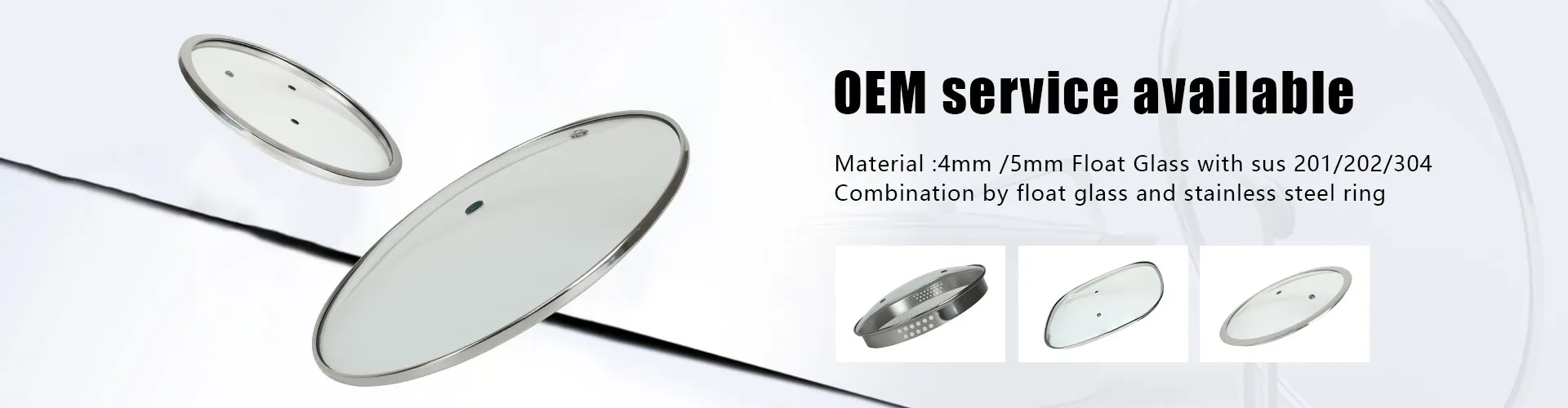
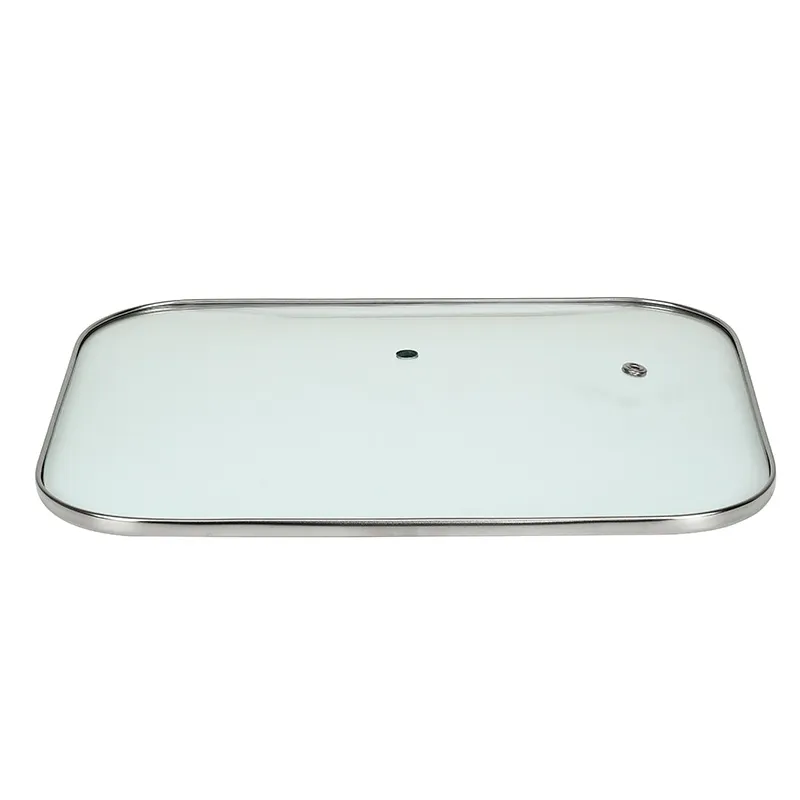
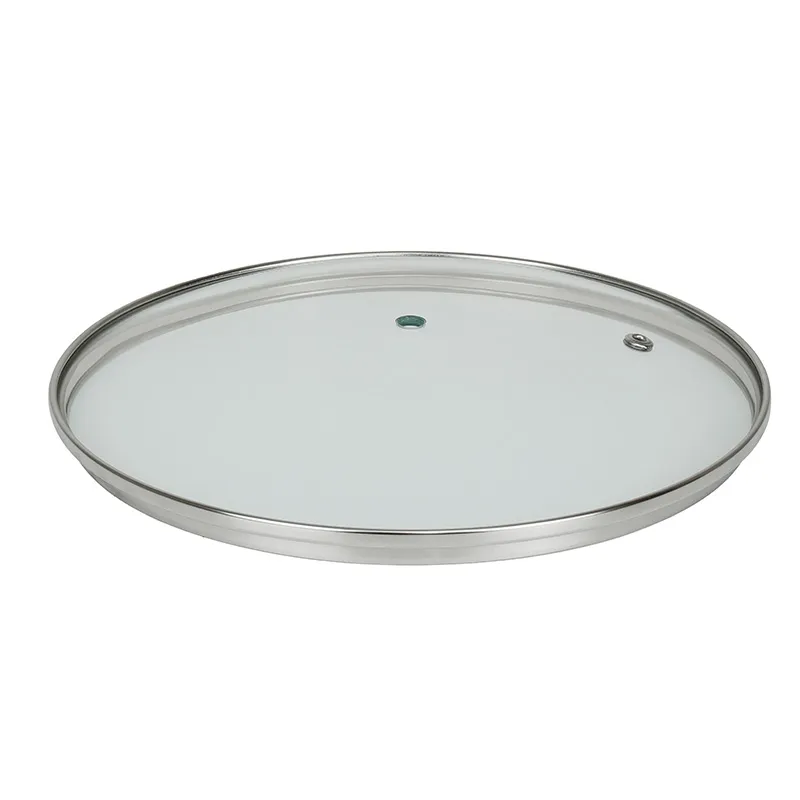
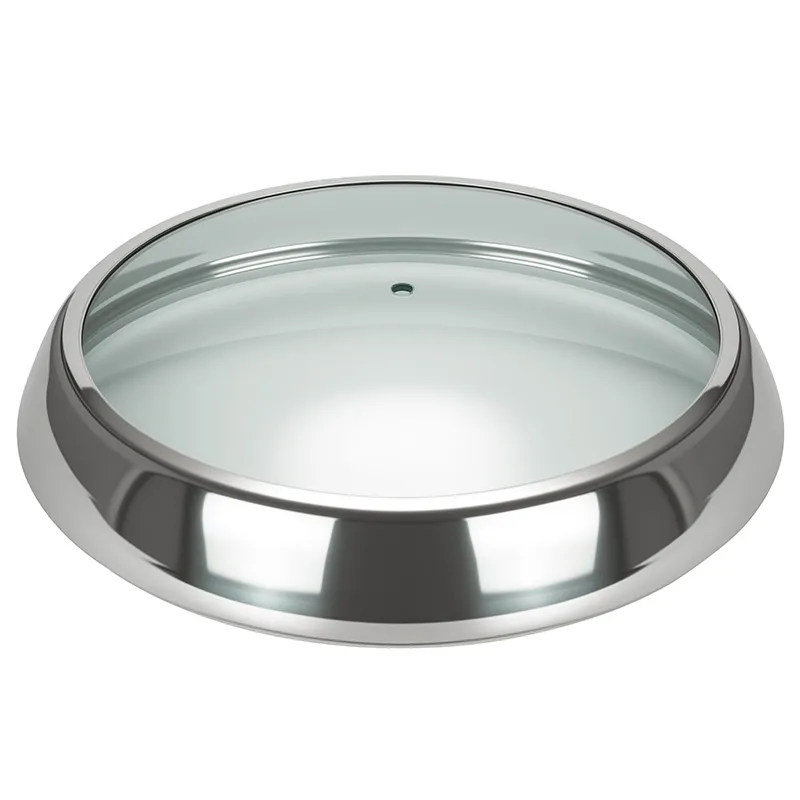
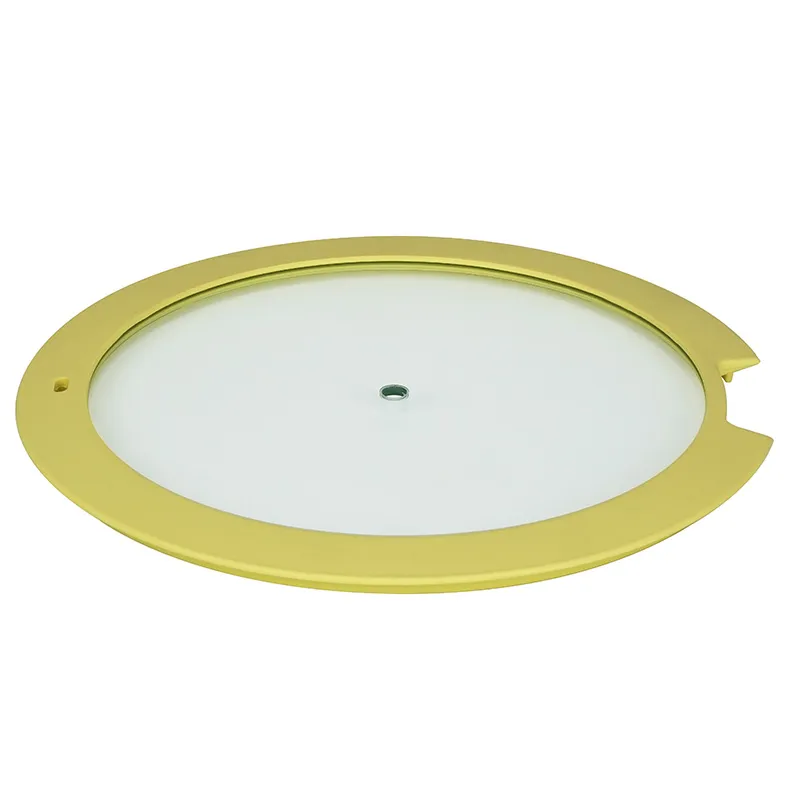
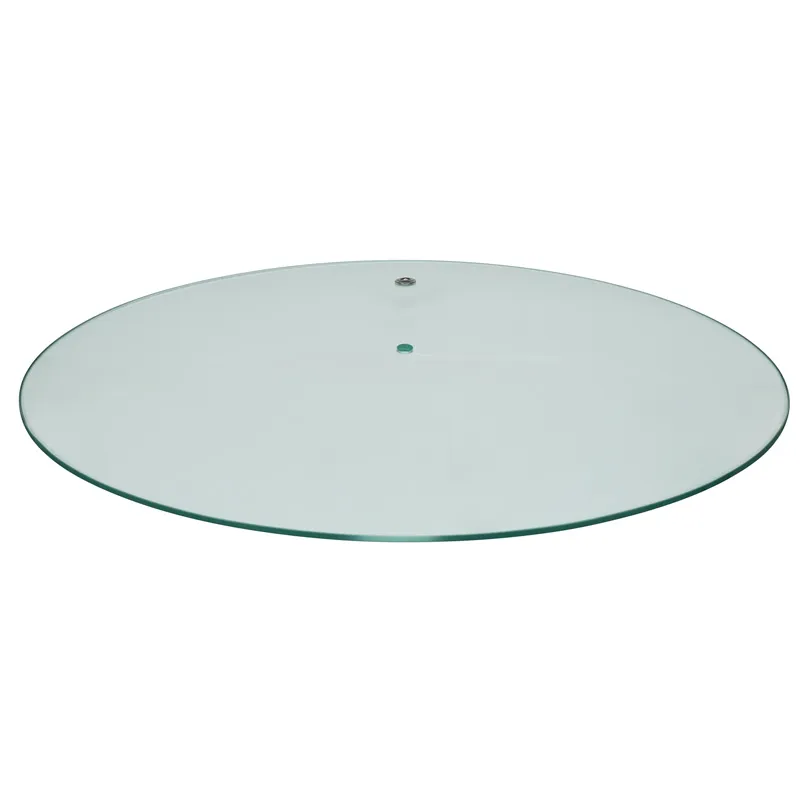
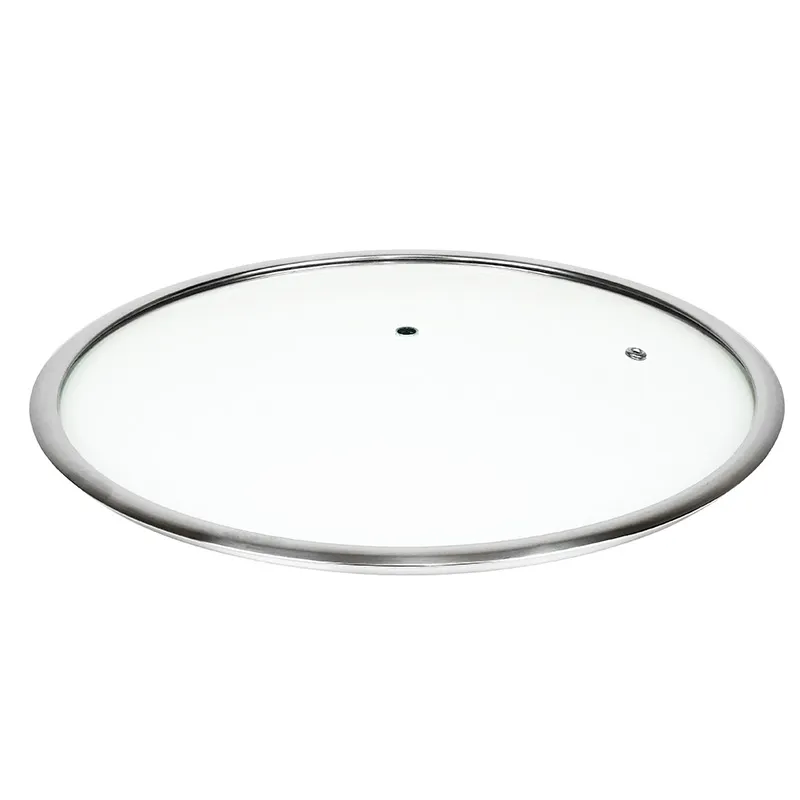
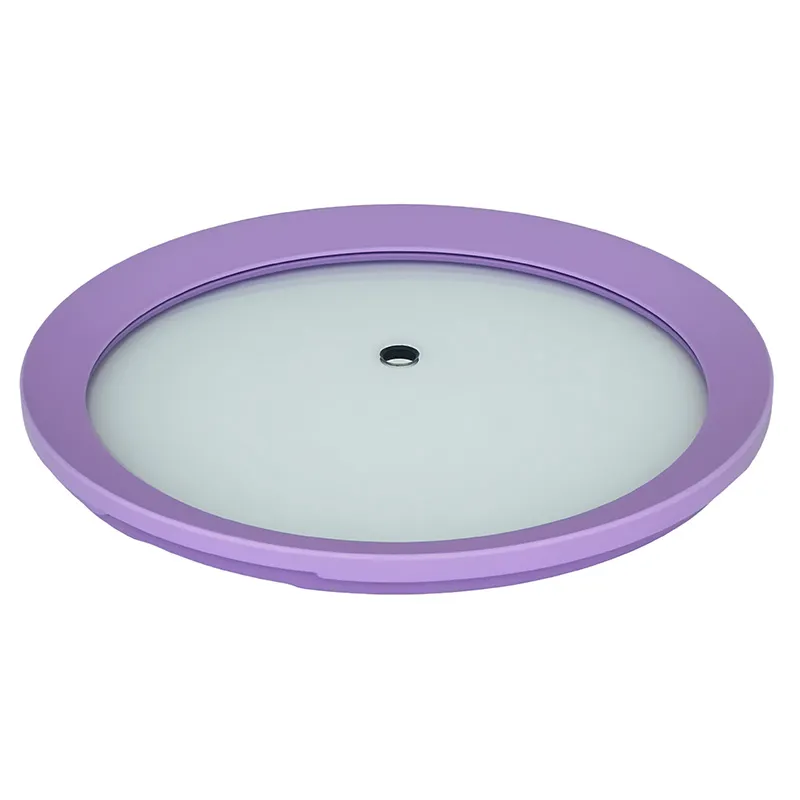
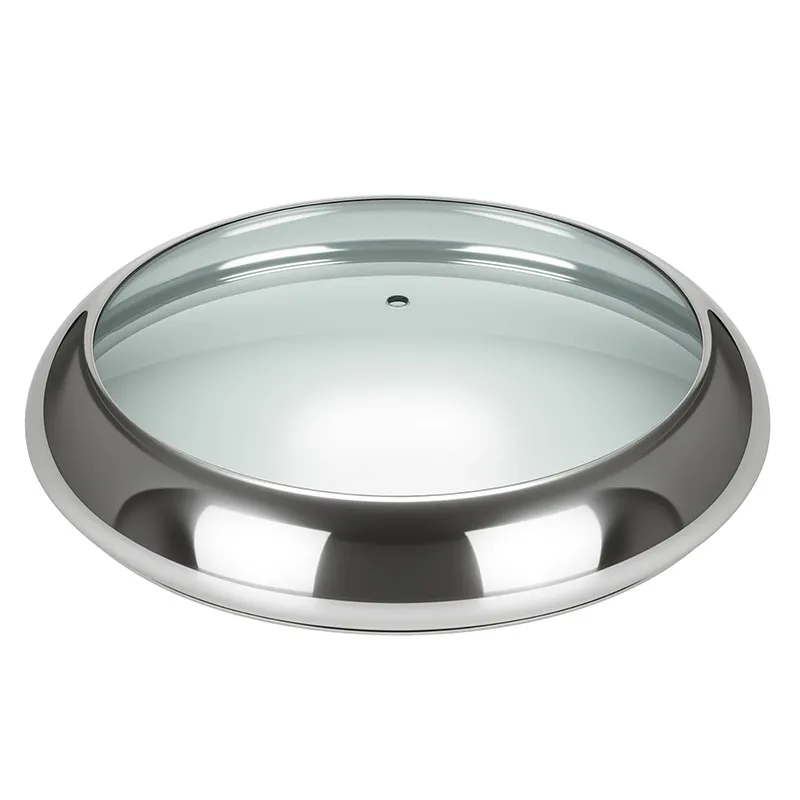
lodge tempered glass lid 15 inch
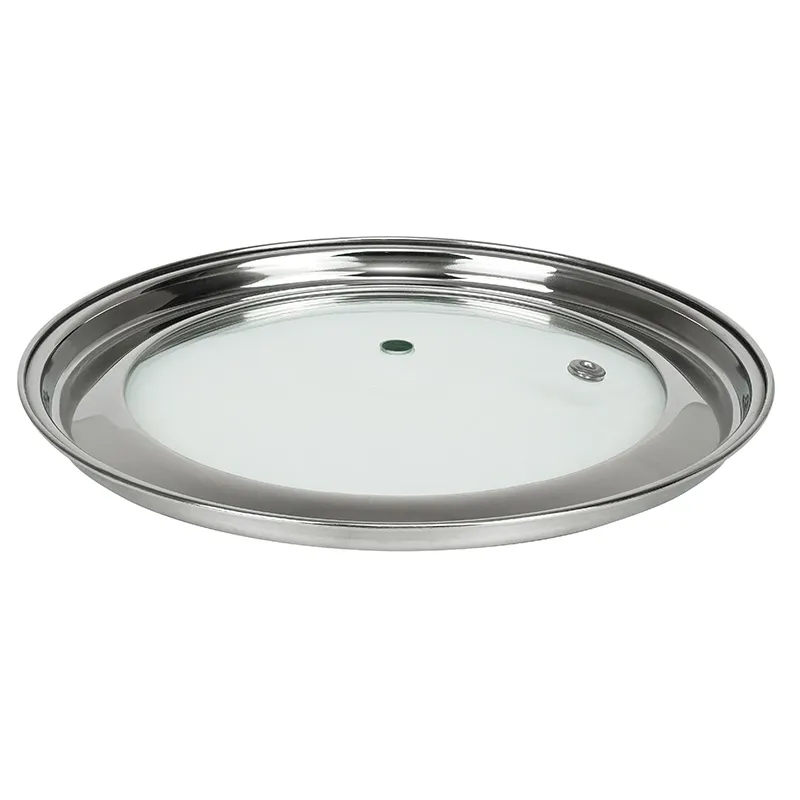
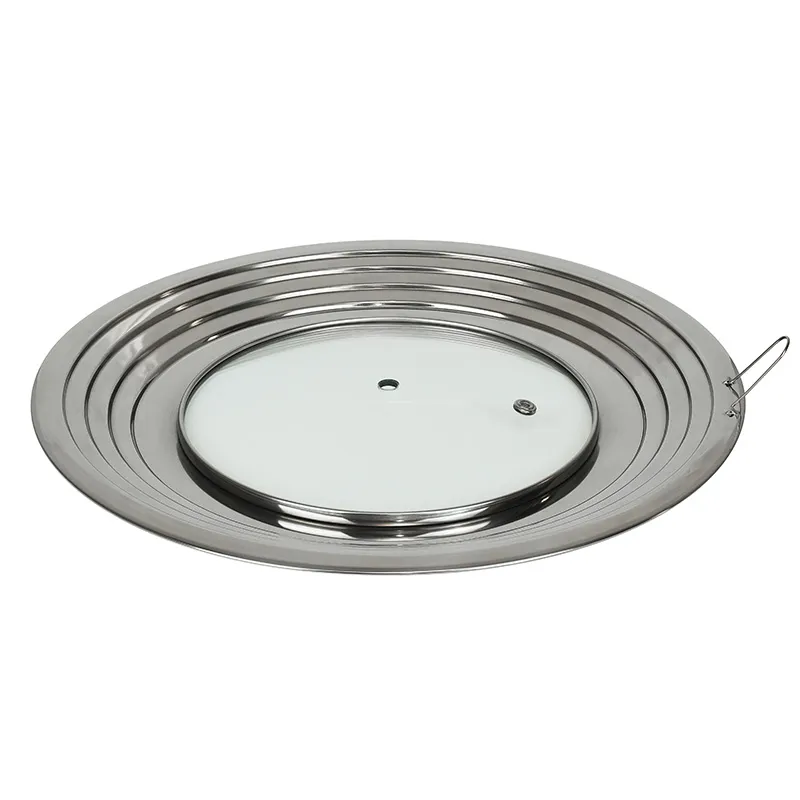
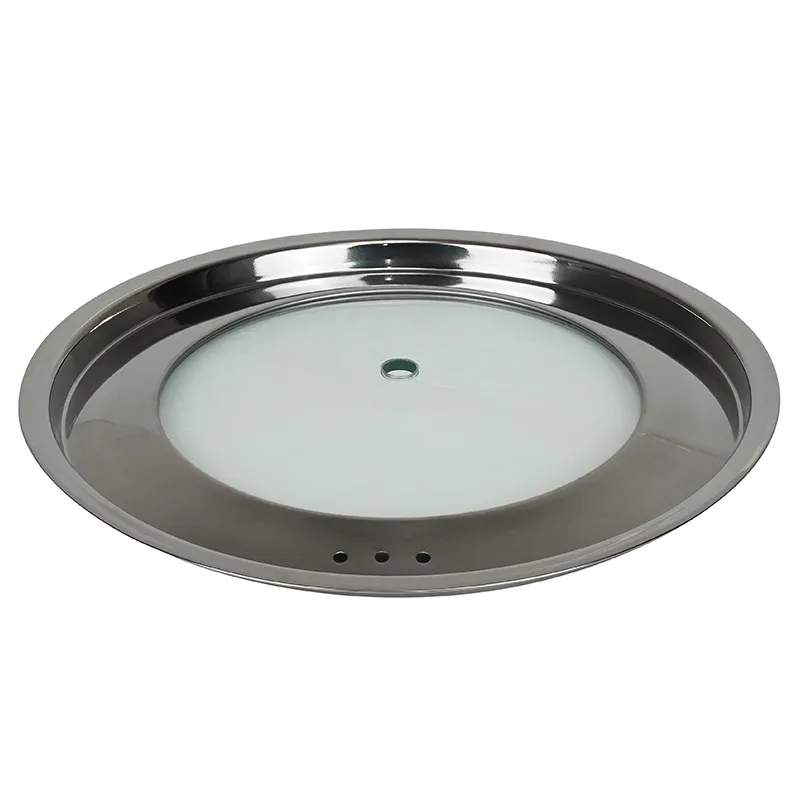
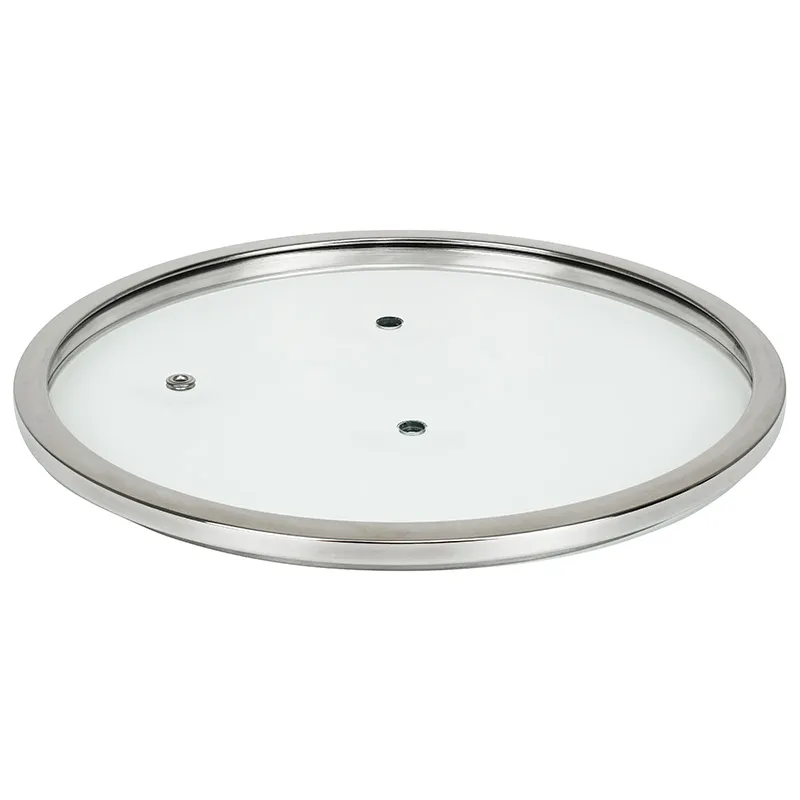
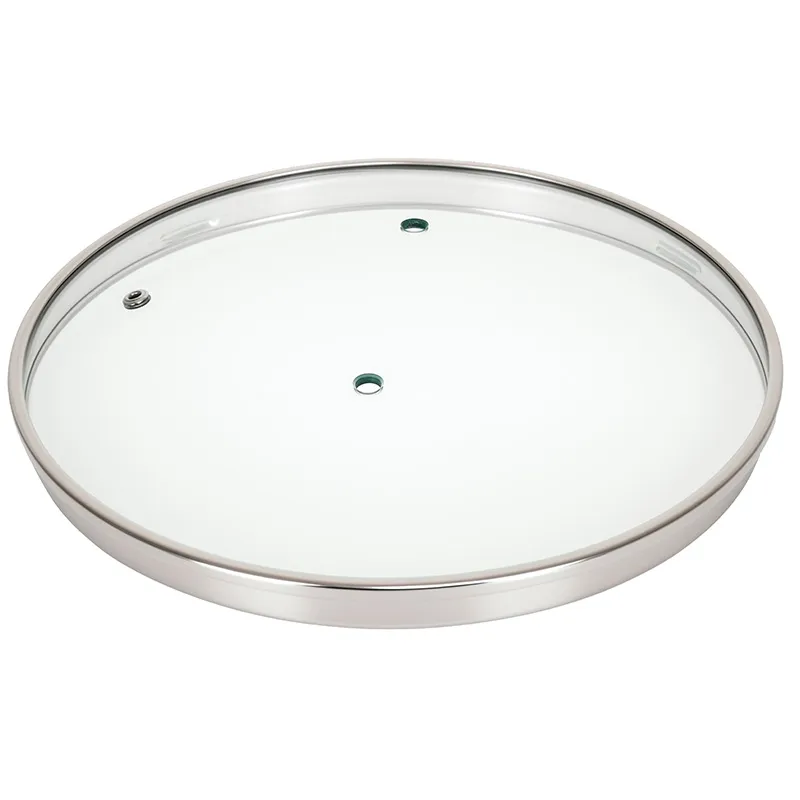
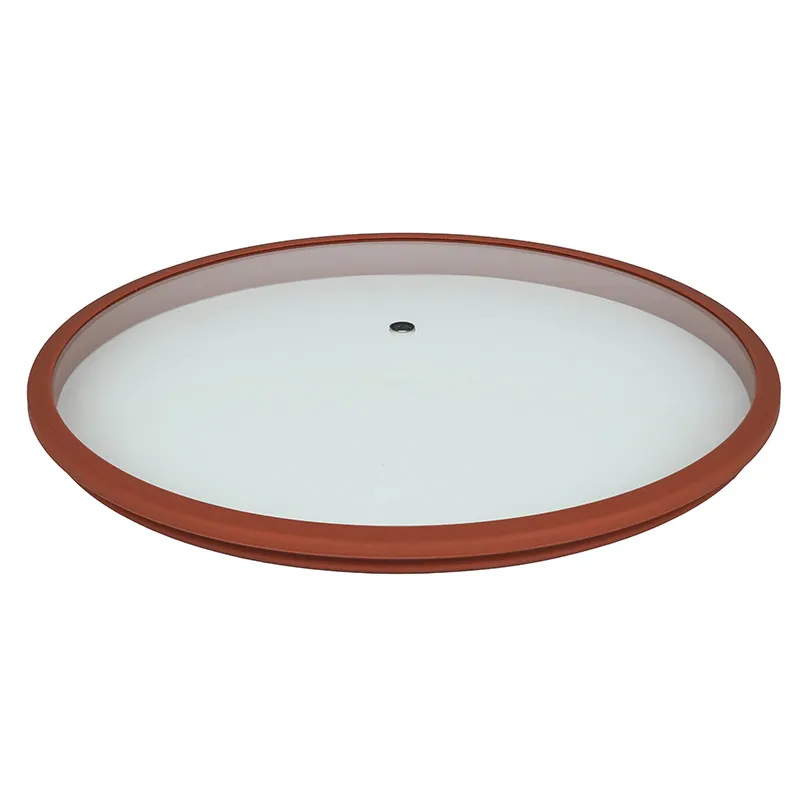
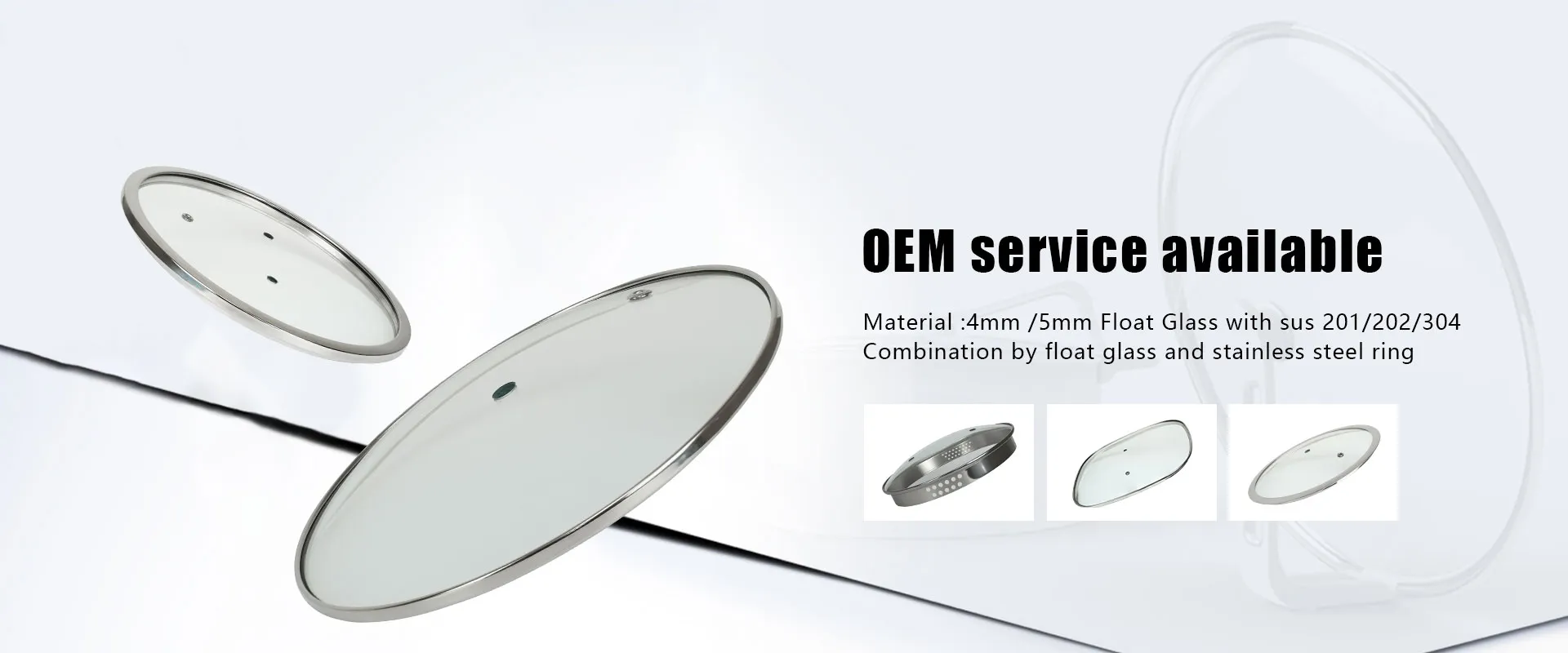
When you hear 'lodge tempered glass lid 15 inch', most people just think of a piece of glass that fits a specific pan. That's the first mistake. In this business, especially when you're sourcing for major retailers or private labels, it's never just about the dimensions. It's about the fit, the thermal shock resistance, and the unspoken expectation that this lid will survive a drop onto a ceramic tile floor. I've seen too many buyers get hung up on the '15-inch' spec without asking about the flange depth or the curvature of the handle knob, which are what actually determine if it sits snugly on a Lodge Dutch oven or just rattles around. It's a precision component, not an accessory.
Why Tempering Matters (And When It Doesn't)
Let's get technical for a second. Tempered glass isn't just 'stronger'. The process creates surface compression and internal tension. When it breaks, it shatters into small, granular chunks instead of sharp shards. For a lid, this is a critical safety feature. But here's a nuance from the factory floor: not all tempering ovens are created equal. The heating and quenching cycle needs to be perfectly calibrated for a 15-inch diameter. Too fast, and you get stress patterns that cause spontaneous breakage during cooling. Too slow, and the strength isn't uniform. I recall a batch from a supplier a few years back where the edges were perfect, but the center had a lower stress rating. They passed the basic impact test, but failed miserably in thermal shock when someone poured cold water on a hot lid. That's a failure you only catch with rigorous, spot-testing, not just a certificate.
This is where a manufacturer's specialization shows. A company like EUR-ASIA COOKWARE CO.,LTD, which states its entire focus is on these household glass products, typically has this process down to a science. Their production volume—mentioning over 15 million pieces annually—suggests a high degree of automation and process control. You don't hit those numbers for export to markets like Germany and Japan with inconsistent tempering. Their website, glass-lid.com, clearly positions them as a specialist, not a general glassware factory dabbling in lids. That focus matters.
However, there's a trade-off. The tempering process means the glass cannot be cut or drilled after it's made. Every hole for a handle or a steam vent, every bevel on the edge, must be finished before the glass goes into the oven. This makes the initial mold and machining of the glass blank incredibly important. A tiny chip on the edge pre-tempering can become a fracture point later. So when you're evaluating a tempered glass lid, you're also evaluating the precision of the cold-end processing before the tempering even begins.
The 15-Inch Illusion and Fitment Hell
Ah, the 15-inch specification. This is where theory meets the messy reality of cookware. A nominal 15-inch lid from one brand might not fit another's 15-inch pan. Lodge, for instance, has its own flange design. The lid's underside needs a specific inner flange or a rolled edge to sit inside the pot's rim correctly. I've had samples that were 15 inches in diameter on the dot but were completely useless because the contact angle was wrong. They'd slide around or let out too much steam.
The real-world test we always do is the 'spin and steam' test. Place the lid on a pot, give it a gentle spin. It should rotate smoothly with minimal lateral movement. Then, boil a small amount of water and watch the steam escape. It should be a consistent, thin vent from the designed gaps, not billowing out from multiple sides. A well-made lid from a dedicated producer like EUR-ASIA COOKWARE would have this engineered from the start, likely working from precise CAD drawings provided by clients like Lodge or their licensees.
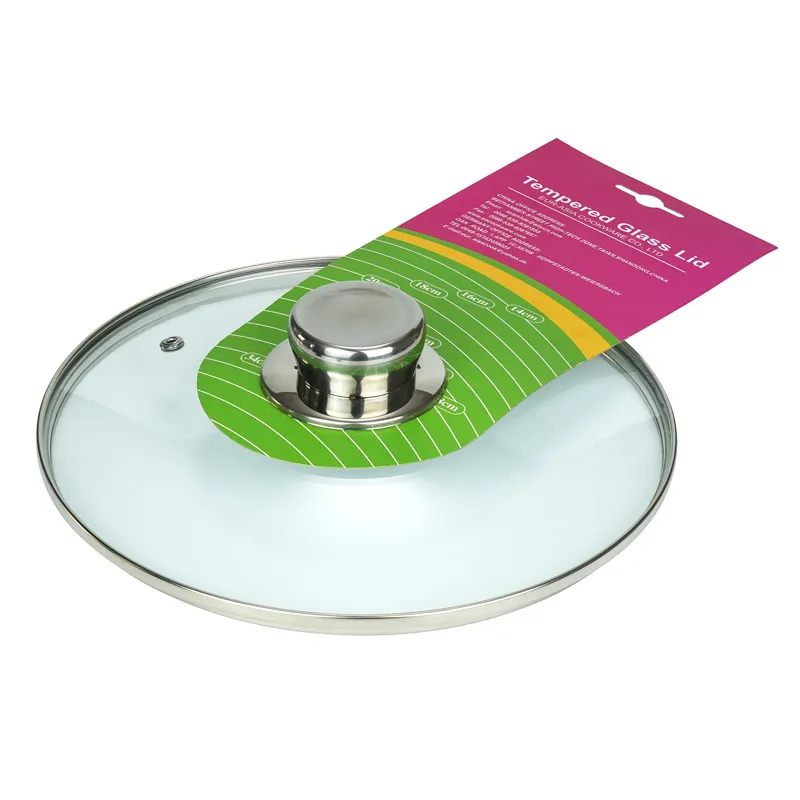
Another headache is the handle. For a 15-inch lid, it's heavy. The handle attachment isn't just glue; it's usually a high-temperature silicone or phenolic resin knob secured with a stainless steel bolt and nut. The failure point is rarely the glass breaking, but the handle becoming loose over repeated heating/cooling cycles. The nut inside can rust if it's not high-grade. I always advise clients to check the hardware spec—it's a small detail that defines product lifespan.
Material Sourcing and Clarity: More Than Meets the Eye
Not all glass is the same. For lids, you need a clear, low-iron soda-lime glass. The iron content is key. Standard glass has a greenish tint on the edges (look at a thick window pane). Low-iron glass is more transparent, which is crucial for seeing your braise or roast without lifting the lid and losing heat. EUR-ASIA's mention of producing low to high-level products tells me they likely source different grades of raw glass. The high-end line for European markets probably uses that premium low-iron material, while a mid-range line might use a standard grade. This affects cost and clarity, but not necessarily the safety from tempering.
Clarity also relates to the polishing post-tempering. The edges should be smooth, not just ground. A rough-ground edge feels cheap and can chip more easily. A smooth, fire-polished edge is a sign of better finishing. It's one of those things you notice immediately when you hold a lid from a quality-focused factory versus a budget one. Given their export profile, I'd expect EUR-ASIA's finishing to be on point, as markets like Switzerland and Japan are notoriously picky about these tactile details.
Logistics, Packaging, and the Silent Killer
Here's something most blogs never mention: packaging. Shipping a 15-inch tempered glass lid across an ocean is a logistics nightmare. The corrugated cardboard insert must be custom-molded to hold the lid suspended, preventing point contact during transit. Vibration is the silent killer. Even if the lid survives a drop test, constant vibration during a 4-week sea freight can cause micro-fractures at stress points that then fail in the customer's kitchen. I learned this the hard way with a shipment to Brazil where the packaging was just a hair too loose. The damage rate was unacceptable.
A professional manufacturer understands this. Their packaging is part of their product. Looking at EUR-ASIA's scale, with 90+ employees and a 15,000㎡ facility, they almost certainly have an in-house packaging design team or strong partnerships. It's not just about making the lid; it's about delivering it intact to Stuttgart or Seoul. This operational depth is what separates a real supplier from a trading company that just slaps a logo on a generic product.
Final Thoughts: It's a System, Not a Product
So, when you're dealing with a lodge tempered glass lid 15 inch, you're not just buying a piece of glass. You're engaging with a system that encompasses material science, precision engineering, safety testing, and robust logistics. The keyword pulls you to a specific item, but the reality is a chain of interdependent processes. A supplier like EUR-ASIA COOKWARE, with its stated specialization and export footprint, embodies that system. They're not just selling a lid; they're providing the manufacturing capability to produce a reliable, safe, and fit-for-purpose component at scale. For anyone in the cookware trade, that's the real value—finding a partner who gets all these nuances, not just a factory with a price list. The next time you evaluate a sample, look past the diameter. Check the flange, spin it on a pot, inspect the handle hardware, and ask about their thermal shock cycle test parameters. That's where the real story is.
Related Products
Related Products