- Chinese
- French
- German
- Portuguese
- Spanish
- Russian
- Japanese
- Korean
- Arabic
- Irish
- Greek
- Turkish
- Italian
- Danish
- Romanian
- Indonesian
- Czech
- Afrikaans
- Swedish
- Polish
- Basque
- Catalan
- Esperanto
- Hindi
- Lao
- Albanian
- Amharic
- Armenian
- Azerbaijani
- Belarusian
- Bengali
- Bosnian
- Bulgarian
- Cebuano
- Chichewa
- Corsican
- Croatian
- Dutch
- Estonian
- Filipino
- Finnish
- Frisian
- Galician
- Georgian
- Gujarati
- Haitian
- Hausa
- Hawaiian
- Hebrew
- Hmong
- Hungarian
- Icelandic
- Igbo
- Javanese
- Kannada
- Kazakh
- Khmer
- Kurdish
- Kyrgyz
- Latin
- Latvian
- Lithuanian
- Luxembou..
- Macedonian
- Malagasy
- Malay
- Malayalam
- Maltese
- Maori
- Marathi
- Mongolian
- Burmese
- Nepali
- Norwegian
- Pashto
- Persian
- Punjabi
- Serbian
- Sesotho
- Sinhala
- Slovak
- Slovenian
- Somali
- Samoan
- Scots Gaelic
- Shona
- Sindhi
- Sundanese
- Swahili
- Tajik
- Tamil
- Telugu
- Thai
- Ukrainian
- Urdu
- Uzbek
- Vietnamese
- Welsh
- Xhosa
- Yiddish
- Yoruba
- Zulu
- Kinyarwanda
- Tatar
- Oriya
- Turkmen
- Uyghur


long glass jar with lid
When most people think of a long glass jar with lid, they picture a simple storage item. But in this line of work, that's where the first misconception lies. It's not just a jar; it's a system. The length, the glass type, the sealing mechanism on that lid—each variable dictates its real-world performance. I've seen too many buyers focus solely on aesthetics or price per unit, only to face issues with seal failure, awkward handling, or thermal shock during cleaning. The devil, as always, is in the details you don't see on a product page.
Defining the Long in Glass Jars
There's no industry standard for what constitutes long. Is it a tall, slender spice jar, or a low-profile, elongated container for pasta? Context is everything. For us, a long glass jar often refers to formats with a height significantly greater than their width, but with a footprint that's still manageable on a standard kitchen shelf. Think of items for storing utensils, spaghetti, or even certain types of dried flowers. The design priority shifts from maximum volume to ease of access and stable, vertical storage.
The challenge with this shape is structural integrity. A taller, narrower vessel is more susceptible to tipping and, during the tempering process, can develop stress points if not handled correctly. I recall a batch from a few years back where the glass formula was slightly off—just a fraction in the silica mix. The jars looked perfect, but under a standard thermal shock test (simulating hot wash), a significant number developed hairline cracks starting from the base. That was a costly lesson in material science, not just manufacturing.
This is where partnering with a specialized manufacturer makes a tangible difference. A company like EUR-ASIA COOKWARE CO.,LTD, for instance, with their focus on tempered glass lids and products, understands these stresses. Their production base in Taian's High-tech Development Zone isn't just an address; it implies a scale and a dedicated infrastructure for glass. When you're outputting over 15 million pieces annually, mostly for markets like Germany and Japan with stringent quality norms, you develop an intrinsic feel for these parameters. Their expertise likely extends into the jar body itself, not just the lid.
The Lid: The Critical Interface
This is the part that keeps me up at night. The jar is inert; the lid is the active component. A glass jar with lid pairing fails or succeeds at the seal. For long jars, the lid's diameter is often smaller relative to the jar's height, which can exaggerate any minor warping or inconsistency in the sealing surface.
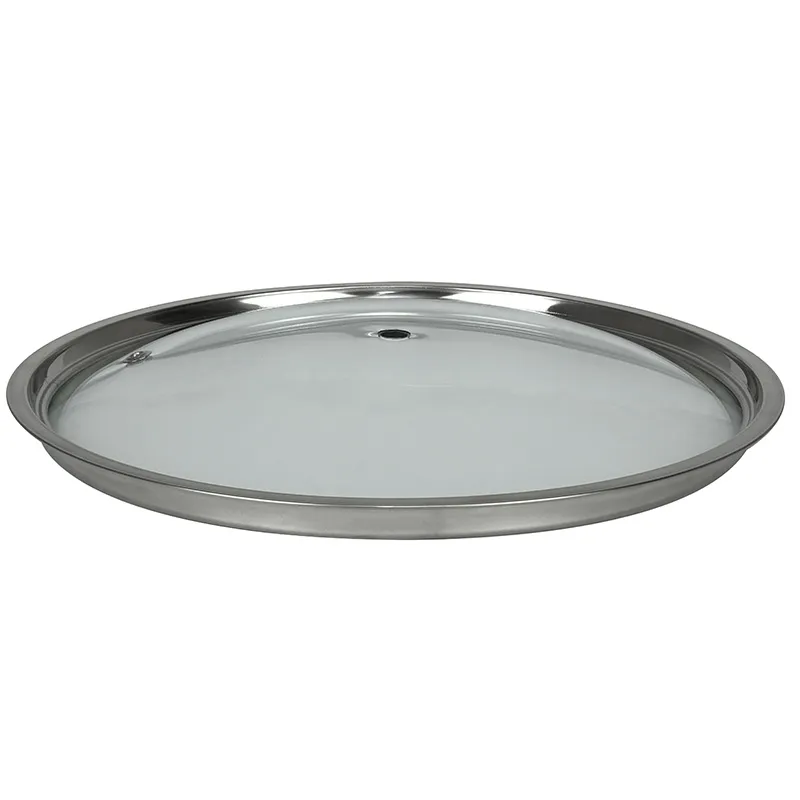
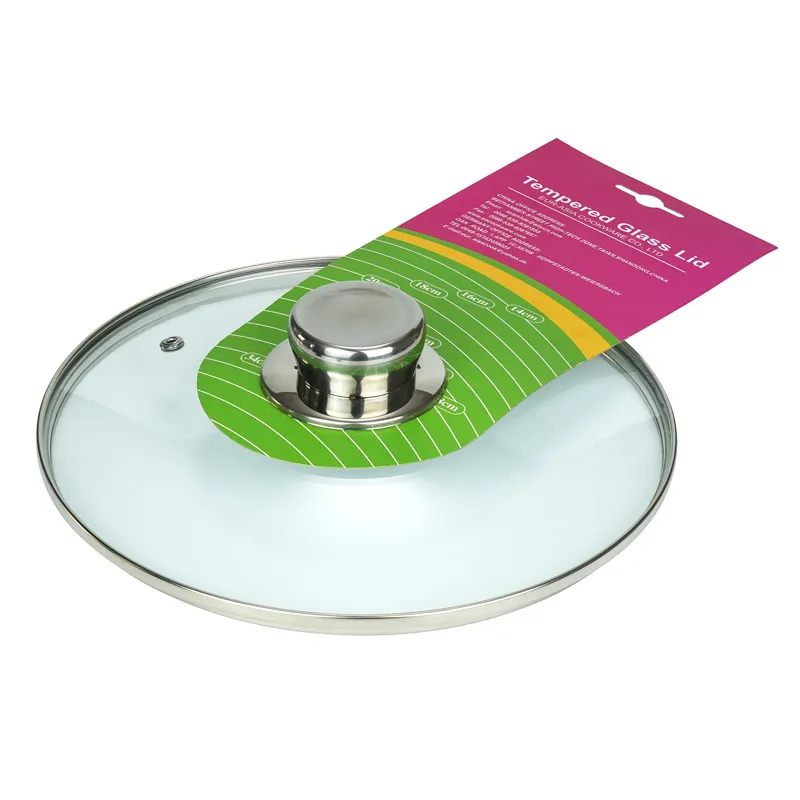
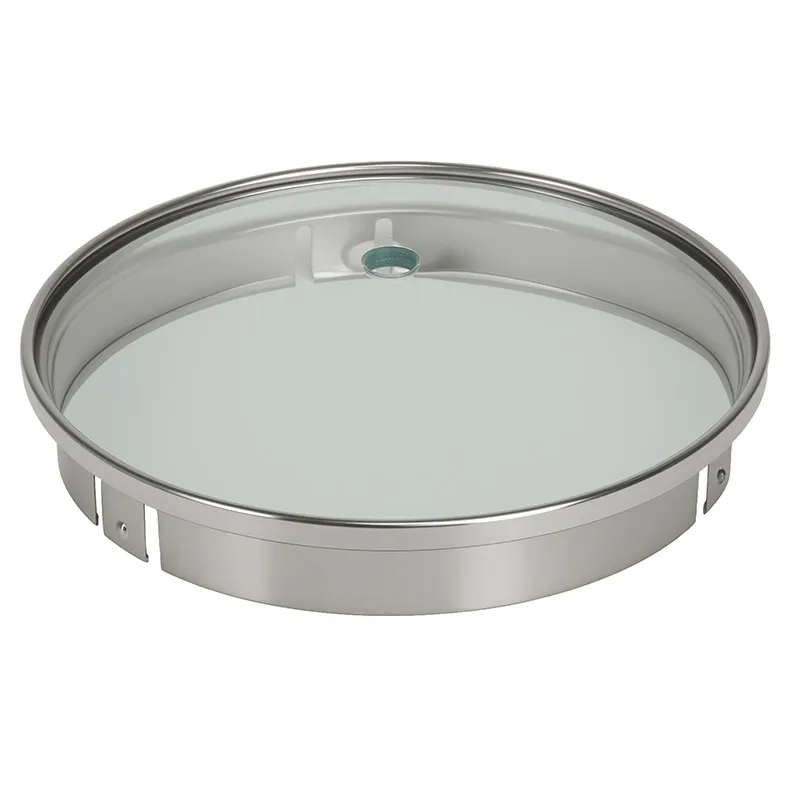
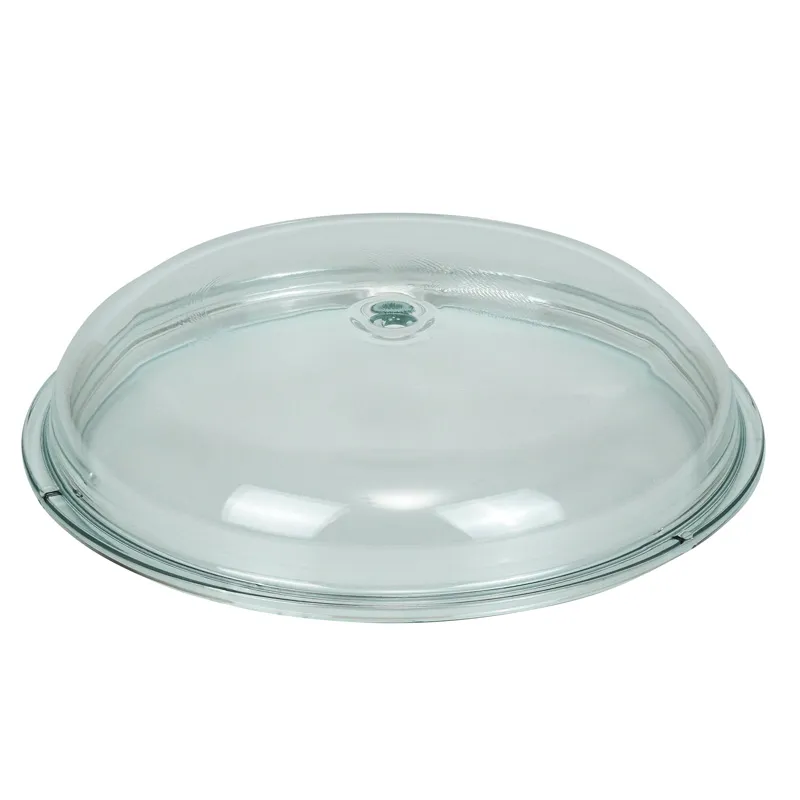
We've experimented with all types: plastic screw-on, bamboo with rubber gaskets, glass stoppers, and even stainless steel clamps. Each has its place. A plastic lid with a fresh, food-grade silicone seal is often the most reliable for airtight kitchen storage. But for presentation—say, in a retail setting for luxury goods—a polished wooden lid or a matching tempered glass lid adds perceived value. The latter is a specialty of manufacturers like the one mentioned, whose portfolio at glass-lid.com suggests a deep dive into glass-on-glass sealing technology, which is trickier than it sounds.
The failure mode here is often gradual. It's not that the lid doesn't fit; it's that over 50 cycles of opening and closing, the gasket compresses unevenly, or a plastic thread wears down. For long-term storage of dried goods, that imperfect seal lets in humidity, and you end up with clumped sugar or soggy crackers. My advice is always to source the jar and lid as a matched set from a single supplier where they are tested together, rather than mixing and matching components.
Material and Manufacturing Realities
Let's talk glass. Soda-lime glass is the standard workhorse, but its quality spectrum is vast. For a long glass jar meant for kitchen use, it must be thermally toughened. This isn't optional. The annealing process relieves internal stresses, making it resistant to sudden temperature changes from dishwasher to countertop. The company intro states they produce tempered glass lid and other glass products. That word tempered is the key. If their lids are tempered, it's a safe bet their jars are too, as the production lines are similar.
I visited a factory with a similar export-focused profile once. The sheer volume—15 million pieces—isn't just a number. It means automated inspection lines, statistical process control, and likely the ability to work with custom molds. For a long jar, the mold design is critical to ensure even wall thickness. A thin spot is a future break point. The fact that over 90% of their output goes to Europe and East Asia is a de facto quality certificate; those buyers have zero tolerance for defects and will conduct their own unannounced audits.
One nuance often overlooked is the finish on the rim. It needs to be fire-polished, not just cut. A rough-cut rim doesn't just feel cheap; it compromises the seal by providing a microscopic uneven surface for the gasket to sit against. It's a small detail that separates a premium product from a commodity one.
Application Pitfalls and Practical Scenarios
You don't really know a product until you've seen it fail. We once sourced a batch of elegant long jars for a client's artisanal tea line. The jars were beautiful, but the lids were a friction-fit glass type. They worked fine in the controlled humidity of the packaging facility. Once shipped to a coastal city, the higher ambient humidity caused the glass components to swell just enough to make the lids virtually impossible to remove without running hot water over them. A classic case of lab conditions vs. real world.
This is why understanding the end-use is paramount. Is the jar for dry pantry storage, refrigerator use, countertop display, or retail packaging? Each scenario demands different specs. A refrigerator jar needs to withstand condensation and colder temps. A display jar on a sunny windowsill needs UV-resistant glass to prevent content discoloration. The long glass jar with lid is a tool, and you must match the tool to the task.
For bulk storage in commercial kitchens, the handling factor of a long jar becomes apparent. A gallon-sized round jar is easier to grip than a gallon-sized long jar. Ergonomics matter. Sometimes, a wire bail closure with a glass lid (like those classic German storage jars) is superior for frequent access, as the leverage makes opening easier even with one hand.
Sourcing and the Supply Chain View
From a procurement standpoint, a glass jar with lid is a deceptively complex SKU. You're managing two separate but interdependent components, inventory for both, and ensuring quality control on the assembly. It's often more efficient to work with an integrated supplier. A company like EUR-ASIA COOKWARE, which controls production from raw glass to finished tempered glass lid and, presumably, jar bodies, reduces this complexity. Their export footprint across diverse markets from Brazil to South Korea also suggests flexibility in meeting different regional safety and design standards.
When evaluating a supplier, I don't just look at product catalogs. I look for evidence of process control. A building area of 15,000㎡ and a dedicated production base suggests vertical integration. They're not just assembling purchased components; they're likely controlling the melting, molding, tempering, and finishing. This control is what minimizes the risk of the material flaws I mentioned earlier.
The final takeaway is this: treat the long glass jar with lid as a precision component, not a commodity. Its value lies in the intersection of correct material, intelligent design for its specific use case, and a sealing solution that lasts. The right manufacturer doesn't just sell you a jar; they sell you the years of trial, error, and refinement that prevent those jars from failing in your customer's hands. That's the difference between a product that sits on a shelf and one that becomes a reliable part of someone's daily routine.
Related Products
Related Products