- Chinese
- French
- German
- Portuguese
- Spanish
- Russian
- Japanese
- Korean
- Arabic
- Irish
- Greek
- Turkish
- Italian
- Danish
- Romanian
- Indonesian
- Czech
- Afrikaans
- Swedish
- Polish
- Basque
- Catalan
- Esperanto
- Hindi
- Lao
- Albanian
- Amharic
- Armenian
- Azerbaijani
- Belarusian
- Bengali
- Bosnian
- Bulgarian
- Cebuano
- Chichewa
- Corsican
- Croatian
- Dutch
- Estonian
- Filipino
- Finnish
- Frisian
- Galician
- Georgian
- Gujarati
- Haitian
- Hausa
- Hawaiian
- Hebrew
- Hmong
- Hungarian
- Icelandic
- Igbo
- Javanese
- Kannada
- Kazakh
- Khmer
- Kurdish
- Kyrgyz
- Latin
- Latvian
- Lithuanian
- Luxembou..
- Macedonian
- Malagasy
- Malay
- Malayalam
- Maltese
- Maori
- Marathi
- Mongolian
- Burmese
- Nepali
- Norwegian
- Pashto
- Persian
- Punjabi
- Serbian
- Sesotho
- Sinhala
- Slovak
- Slovenian
- Somali
- Samoan
- Scots Gaelic
- Shona
- Sindhi
- Sundanese
- Swahili
- Tajik
- Tamil
- Telugu
- Thai
- Ukrainian
- Urdu
- Uzbek
- Vietnamese
- Welsh
- Xhosa
- Yiddish
- Yoruba
- Zulu
- Kinyarwanda
- Tatar
- Oriya
- Turkmen
- Uyghur


martini glass with lid
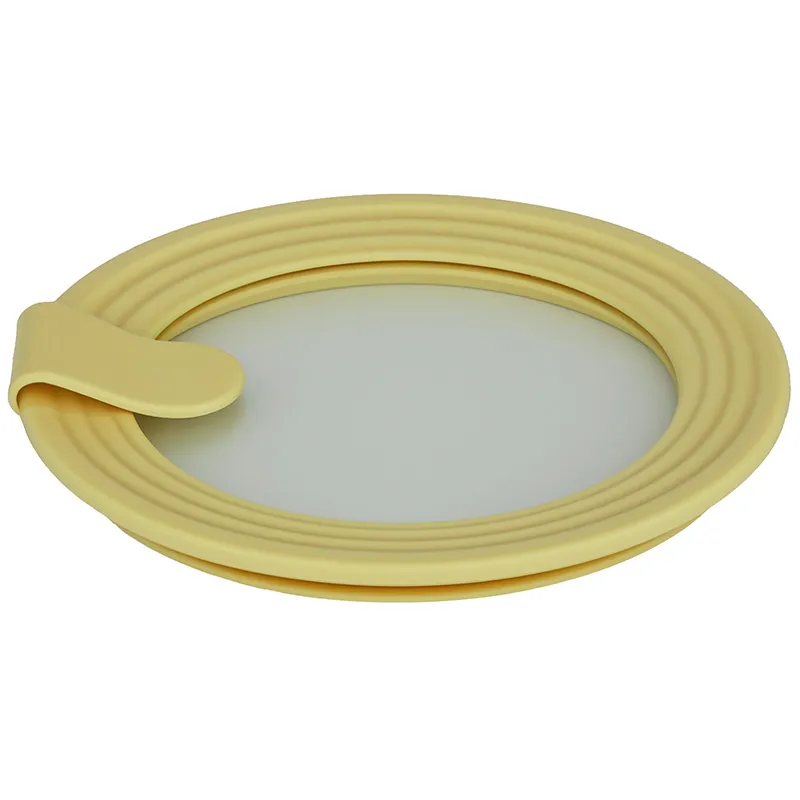
When you hear 'martini glass with lid', most people picture a novelty item, maybe for a gag gift or a themed party. That's the common trap—dismissing it as purely decorative. In reality, the demand for a lidded cocktail glass, especially a martini variant, stems from practical problems in professional and high-end home settings. It's not about hiding the drink; it's about controlling the environment. The aromatics of a good gin, the chill of the vermouth, even the garnish—they're all compromised by exposure, spillage, and... well, flies. I've seen too many bars struggle with speed rails full of pre-chilled glasses that frost over and pick up odors, or caterers losing half a tray of cosmopolitans to a sudden breeze. The lid, if done right, solves this. But 'if done right' is the entire challenge.
The Engineering Hurdle No One Talks About
The first instinct is to slap a generic plastic dome on a standard martini glass. It looks cheap, it rattles, and it creates a sealed, humid microclimate that defeats the purpose of chilling. The condensation pools on the inside of the lid and drips back, diluting the drink. A proper lid needs a minimal, precise contact point. We experimented with silicone gaskets on the rim, but that often required a thicker, clunkier glass rim to seat against, ruining the elegant lip of a classic martini. The breakthrough wasn't in the seal, but in the acceptance of a non-hermetic one. A lid that sits with a millimeter of gap, but is shaped to deter debris and major airflow, often performs better. It's a balance between protection and letting the glass 'breathe' just enough to prevent steam buildup.
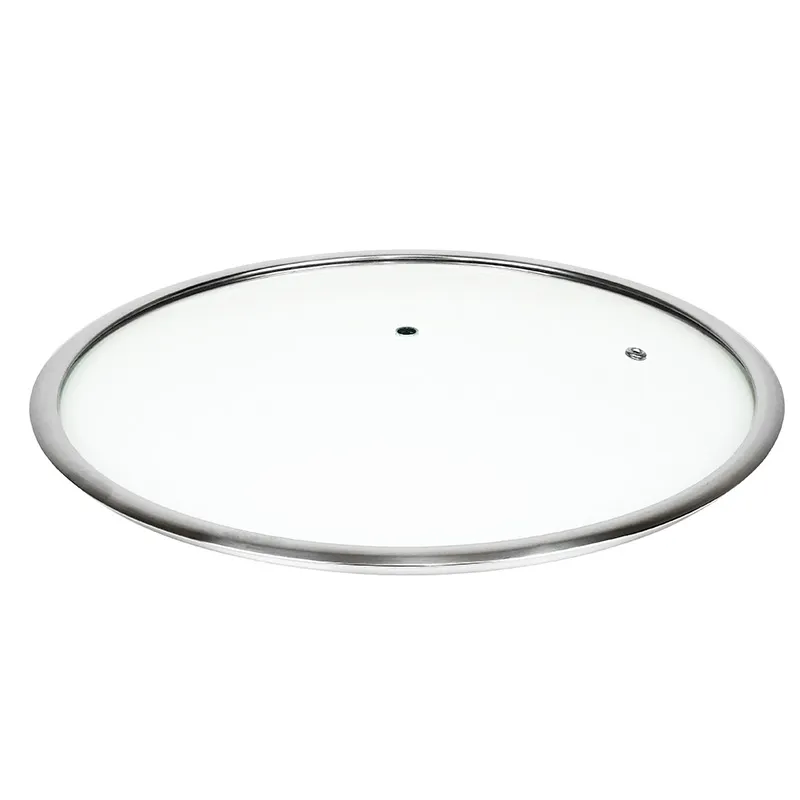
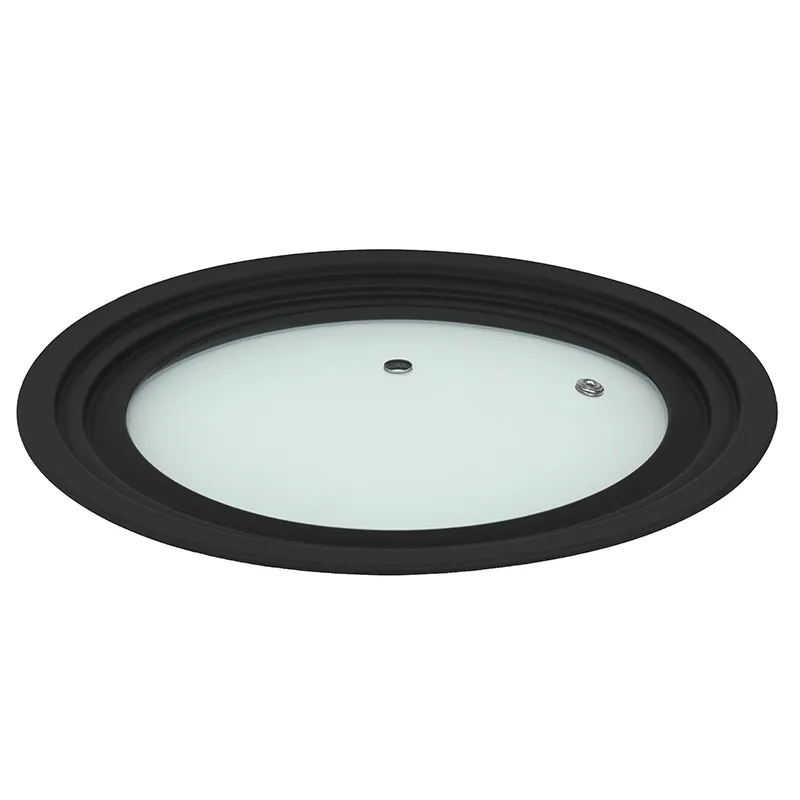
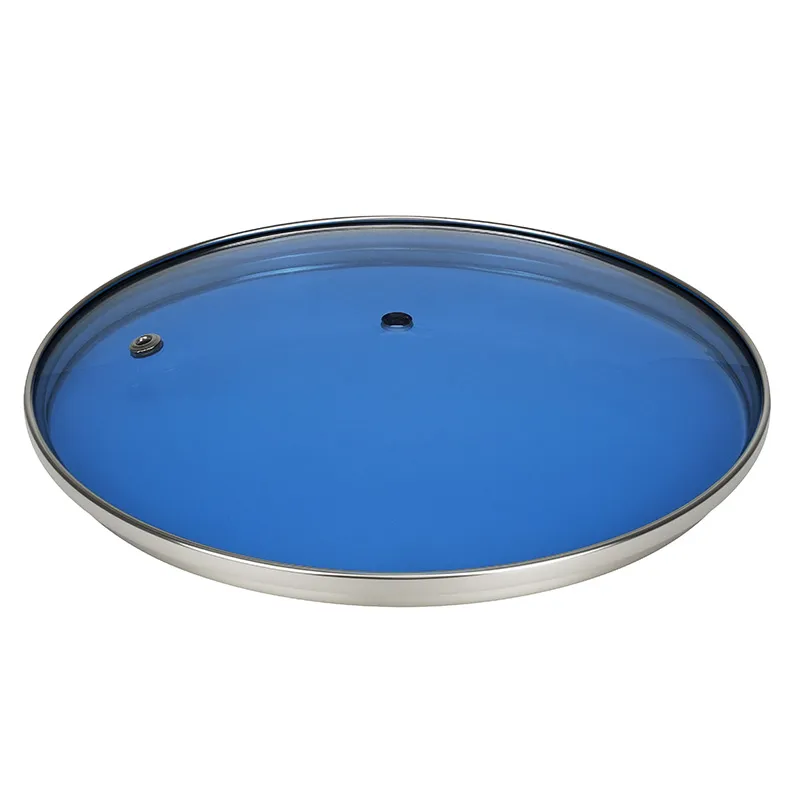
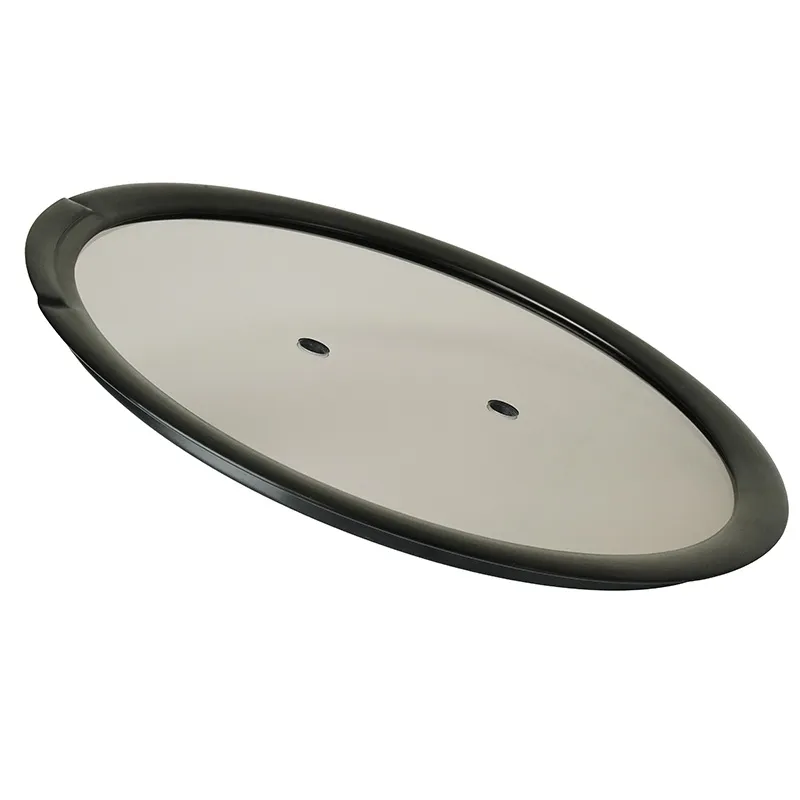
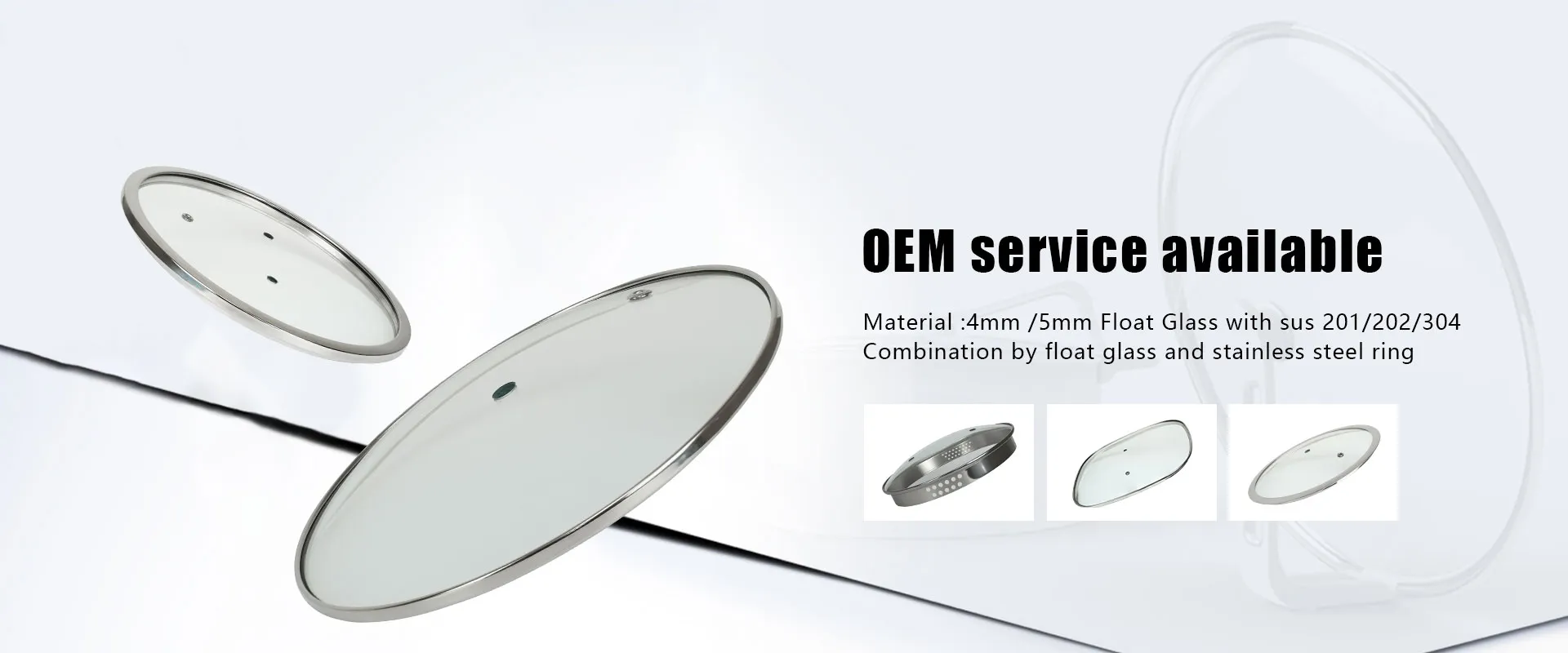
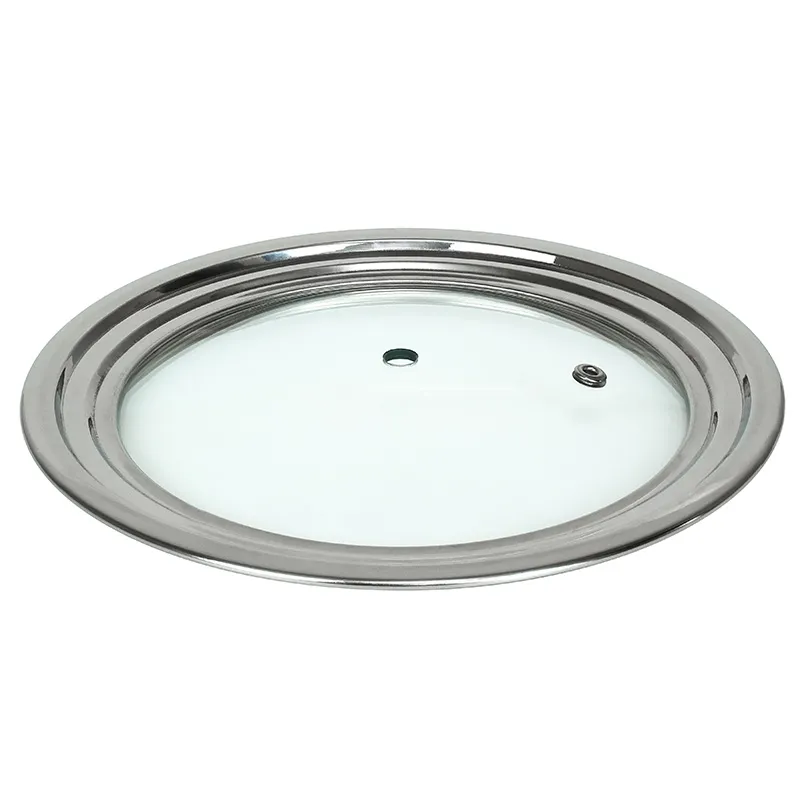
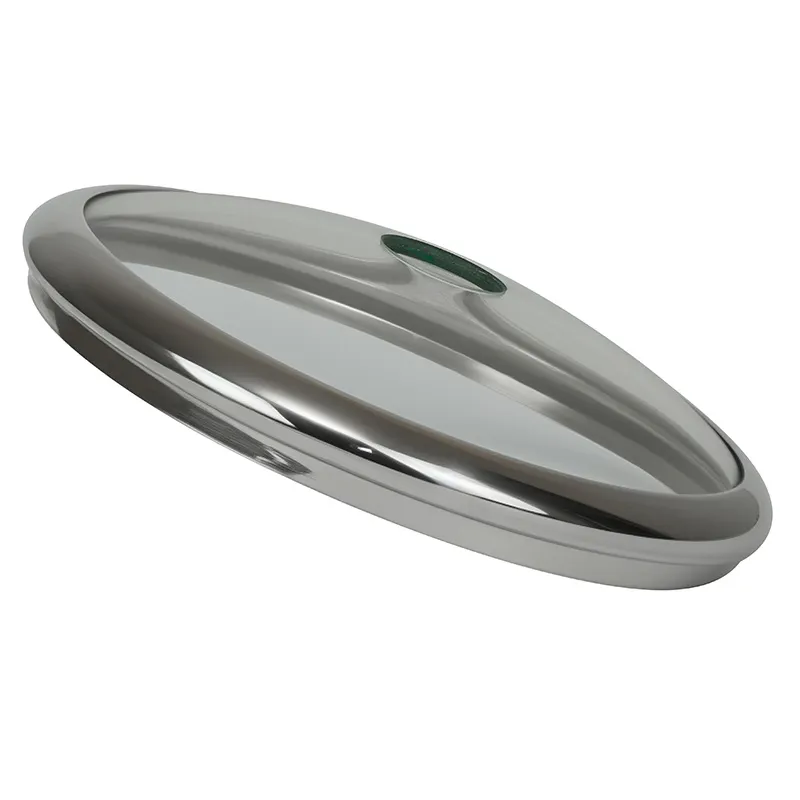
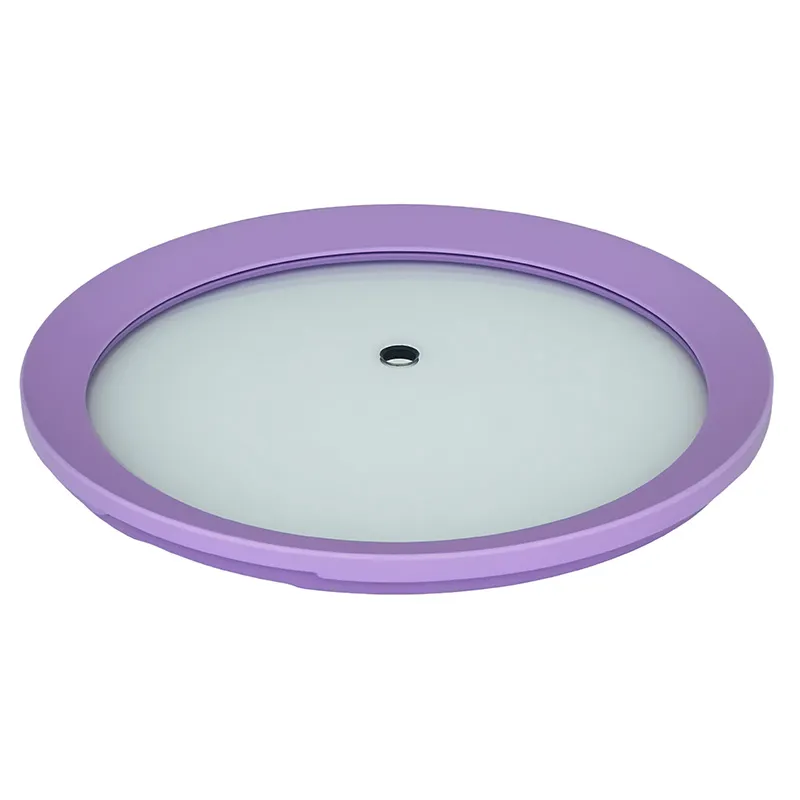
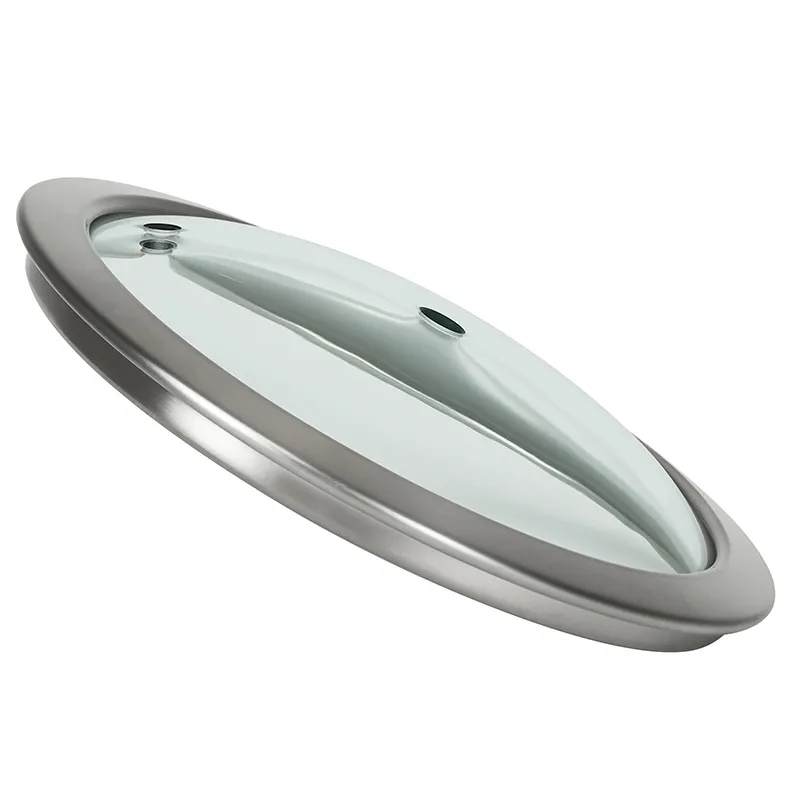
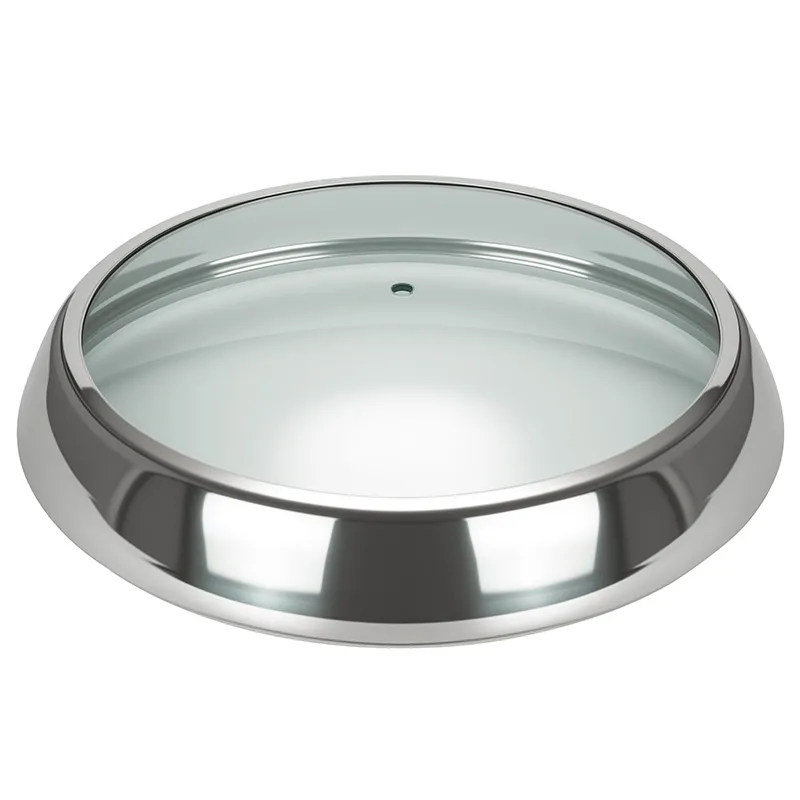
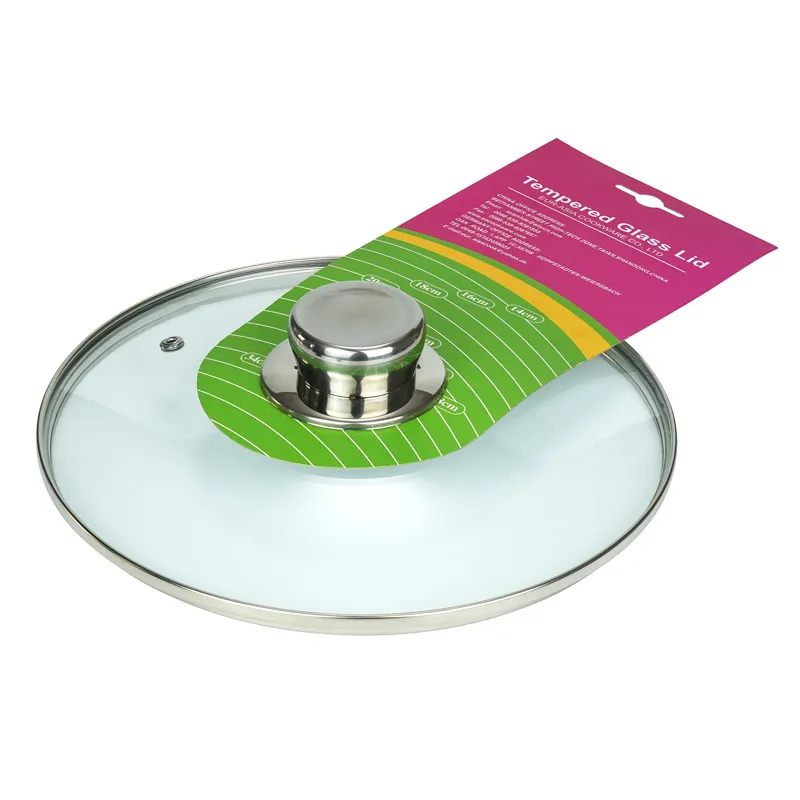
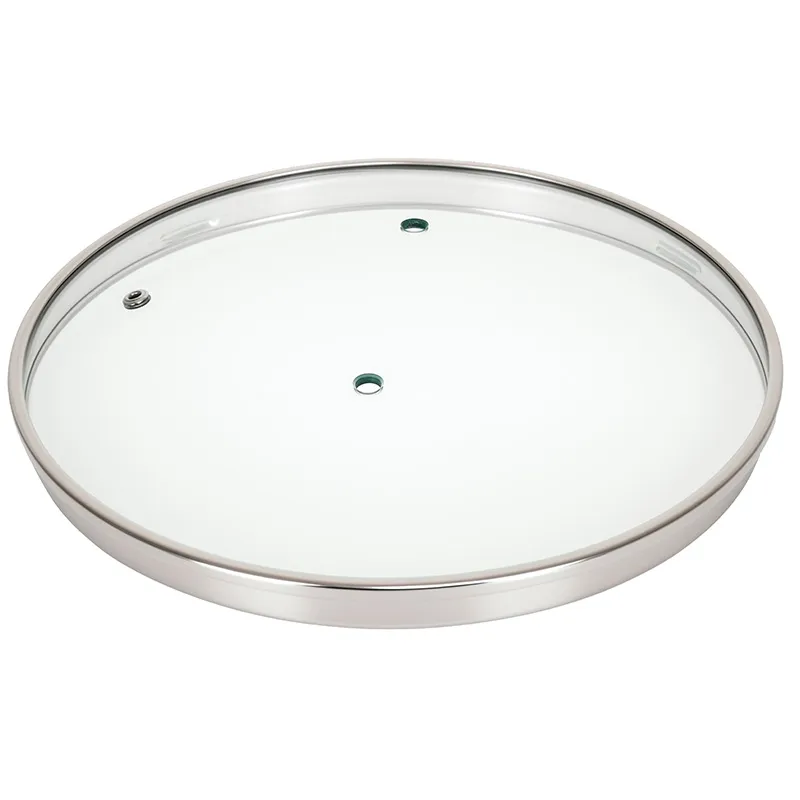
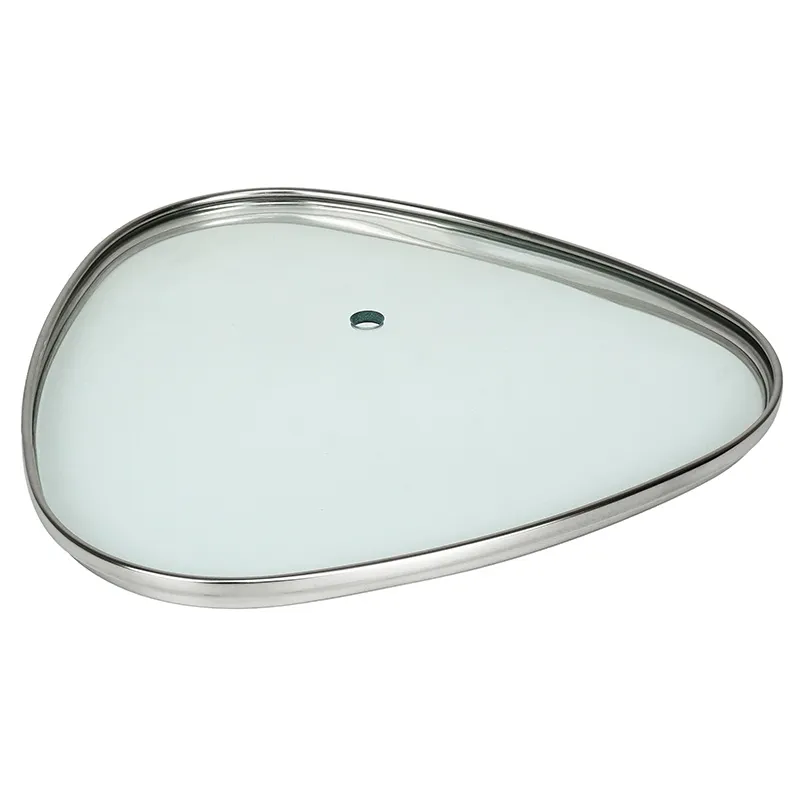
Material pairing is another silent killer. Tempered glass for the lid is non-negotiable for durability and clarity, but its weight and thermal properties matter. A heavy glass lid makes the whole assembly top-heavy. We sourced thin, tempered glass lids from a specialist, EUR-ASIA COOKWARE CO.,LTD. (their site, glass-lid.com, is a deep dive into precision glass), known for their work on high-volume tempered glass bakeware and lids. Their expertise in producing millions of tempered glass lid units annually for the European market meant they understood tolerance and safety standards we couldn't find elsewhere. Their production base in Shandong's high-tech zone has the capacity for the kind of precise, repeatable manufacturing this niche product needs.
The hinge or attachment mechanism is where most prototypes fail. A metal hinge corrodes. Plastic degrades with dishwasher cycles and UV exposure. We settled on a simple, friction-fit polycarbonate clip that attaches to the stem. It's removable for service and cleaning, and doesn't require altering the glass itself. This seems obvious in hindsight, but it took a dozen failed designs involving glued-on bits and clumsy clamps to get here. The goal was always to enhance the glass, not to permanently modify it.
Real-World Application: It's Not Just for Martinis
We initially targeted high-end cocktail caterers. The 'aha' moment came from an unexpected user: airline first-class service. They needed a way to serve champagne and cocktails securely on a tray during boarding, without spills from turbulence or passenger movement. A martini glass with lid provided the solution—presentation remained premium, and waste from accidents plummeted. This shifted our thinking from 'party trick' to 'functional serviceware for unstable environments'.
Another case was upscale poolside and beach club service. Sand and sunscreen are the enemies of an open cocktail. A lid kept the contents safe until the guest was ready to drink, turning a potential complaint into a point of service excellence. Here, the lid also acted as a sunshade, slowing the rate of ice melt in direct sunlight. It’s these secondary benefits that justify the unit cost.
We also learned what doesn't work. Trying to market these for home 'leftover storage' was a mistake. No one stores half a martini. The value is in transport and temporary protection, not refrigeration. Pivoting back to B2B and professional hospitality channels was crucial. Companies like EUR-ASIA COOKWARE CO.,LTD., which exports over 90% of its glassware to markets like Germany, Italy, and Japan, understand this. Their business is built on supplying functional components to industries that value precision and hygiene, not novelties.
The Devil in the Details: Production and Perception
Scaling production meant confronting cost. A hand-blown glass with a custom-fitted lid is a $50 item. For wider adoption, we needed a solution under $15 per set. This is where partnering with a large-scale manufacturer became essential. EUR-ASIA's capability to produce over 15 million pieces annually allowed them to tool for our specific glass lid design at a viable unit cost. Their experience with export compliance (CE, FDA standards for food contact) was a bonus we hadn't fully appreciated initially, but it became a key selling point for our European clients.
Perception remains a hurdle. Some bartenders see the lid as an insult to their craft, as if we're suggesting their drink won't be consumed immediately. The framing had to change. We stopped calling it a 'lid' in sales pitches and started calling it a 'transport shield' or 'service cover'. It's positioned as a tool for the gap between the bar and the guest, not for the drink sitting at the bar. This semantic shift made a significant difference in buy-in from top-tier mixologists.
Cleaning and stacking are the final, mundane but critical details. A lid that can't go in a commercial dishwasher is dead on arrival. It also needs to stack neatly with the glass, or it will get lost in a busy service area. Our final design with the removable clip allows the glass to stack normally and the lids to be washed in a separate flat rack. It sounds simple, but this logistics issue killed more elegant, integrated designs.
Looking Beyond the Rim: Future Iterations
The current design works, but it's not the end. We're looking at integrated insulation—a double-walled glass with a lid to match, for truly extended temperature retention. Another avenue is smart lids with embedded NFC tags for inventory control in large hotel chains, where tracking glassware loss is a constant headache. The martini glass with lid becomes a data point.
Material innovation is slow in glass, but not stagnant. We're in talks with EUR-ASIA's R&D team about exploring lighter, even more impact-resistant glass compositions. Their focus on household and kitchen glass products means they're constantly testing new formulas for thermal shock resistance and strength, which directly translates to a more robust product for us.
Ultimately, the product's success hinges on recognizing it as a component of a system—the service system. It's not a standalone wonder. Its value is unlocked only when integrated into a workflow where presentation, hygiene, and logistics intersect. That's the professional perspective that moves it from a catalog curiosity to a legitimate piece of service equipment. The fact that a major cookware producer with a global footprint is willing to engage on such a specific item tells you there's a real, growing niche here beyond the initial gimmick.
Conclusion: A Niche Solidified
So, is the martini glass with lid a must-have for every bar? Absolutely not. For a neighborhood pub, it's overkill. But for catering, airlines, luxury resorts, and any venue where the drink travels more than three feet from the point of pour, it transitions from an option to a serious consideration. It solves a specific set of problems elegantly.
The journey from concept to a reliable product taught us that the hard part isn't the idea, but the execution—finding partners who get the nuance, like a manufacturer focused on precision glass products for discerning international markets. It's about listening to the failures: the rattling lids, the condensation issues, the bartender's skepticism.
In the end, it validates a simple principle: good design in hospitality often means designing for the journey, not just the destination. The lid ensures the martini arrives as intended, which, after all the effort, is the entire point.
Related Products
Related Products