- Chinese
- French
- German
- Portuguese
- Spanish
- Russian
- Japanese
- Korean
- Arabic
- Irish
- Greek
- Turkish
- Italian
- Danish
- Romanian
- Indonesian
- Czech
- Afrikaans
- Swedish
- Polish
- Basque
- Catalan
- Esperanto
- Hindi
- Lao
- Albanian
- Amharic
- Armenian
- Azerbaijani
- Belarusian
- Bengali
- Bosnian
- Bulgarian
- Cebuano
- Chichewa
- Corsican
- Croatian
- Dutch
- Estonian
- Filipino
- Finnish
- Frisian
- Galician
- Georgian
- Gujarati
- Haitian
- Hausa
- Hawaiian
- Hebrew
- Hmong
- Hungarian
- Icelandic
- Igbo
- Javanese
- Kannada
- Kazakh
- Khmer
- Kurdish
- Kyrgyz
- Latin
- Latvian
- Lithuanian
- Luxembou..
- Macedonian
- Malagasy
- Malay
- Malayalam
- Maltese
- Maori
- Marathi
- Mongolian
- Burmese
- Nepali
- Norwegian
- Pashto
- Persian
- Punjabi
- Serbian
- Sesotho
- Sinhala
- Slovak
- Slovenian
- Somali
- Samoan
- Scots Gaelic
- Shona
- Sindhi
- Sundanese
- Swahili
- Tajik
- Tamil
- Telugu
- Thai
- Ukrainian
- Urdu
- Uzbek
- Vietnamese
- Welsh
- Xhosa
- Yiddish
- Yoruba
- Zulu
- Kinyarwanda
- Tatar
- Oriya
- Turkmen
- Uyghur


mason jar glass lid replacement
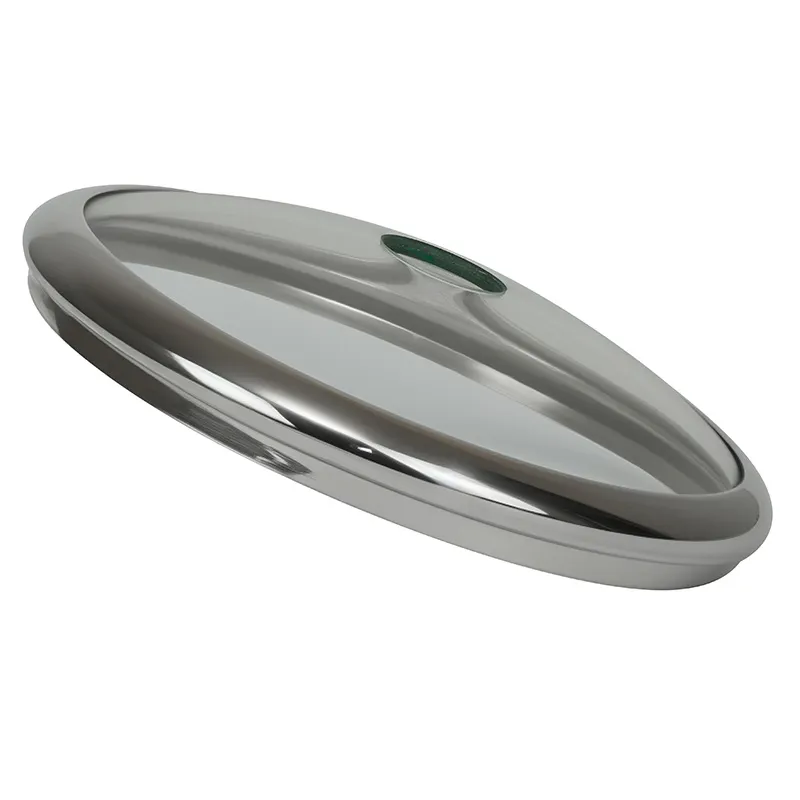
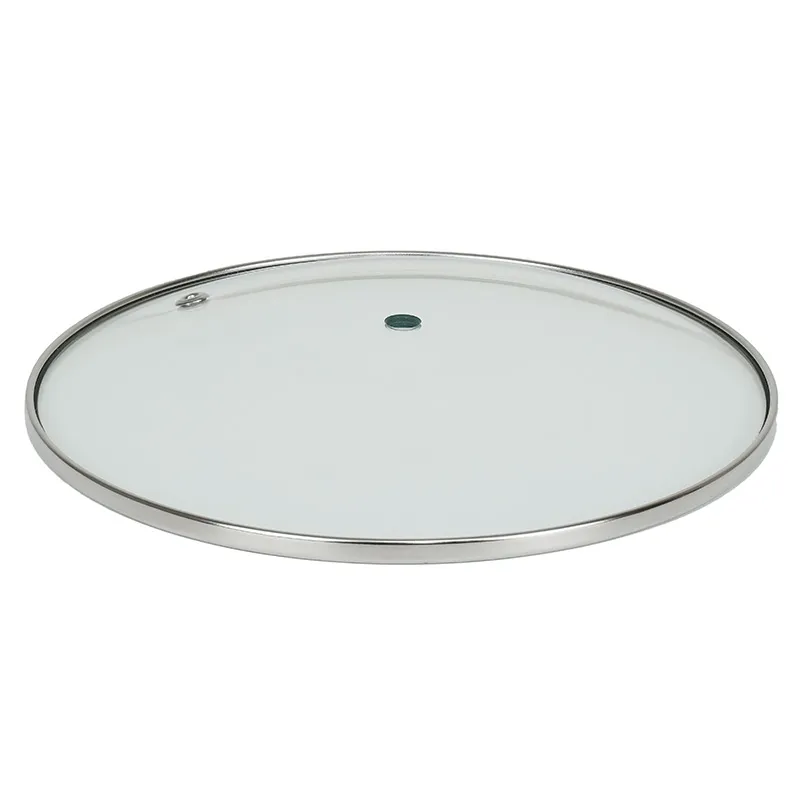
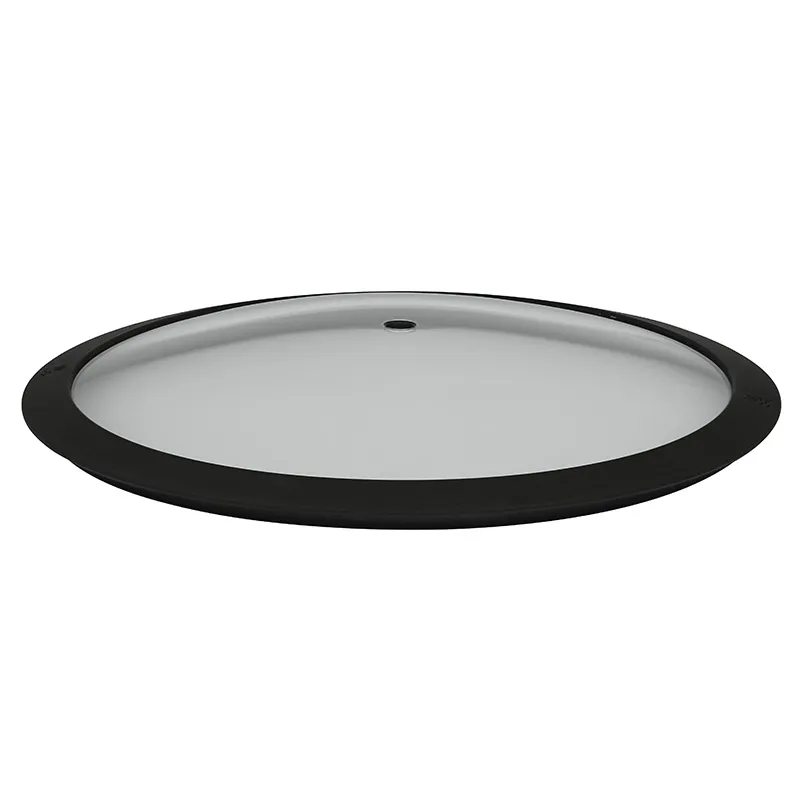
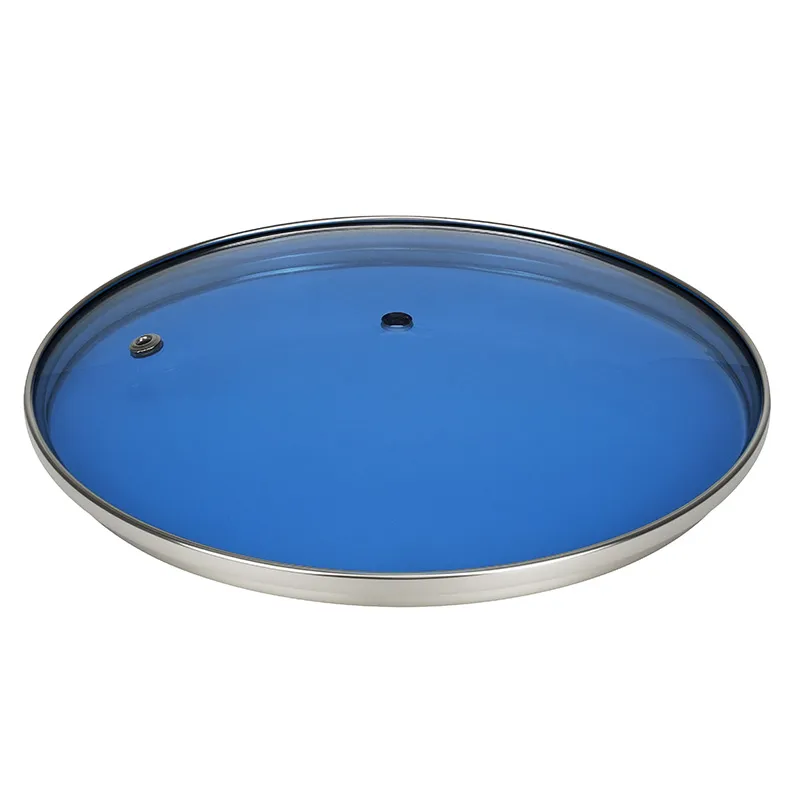
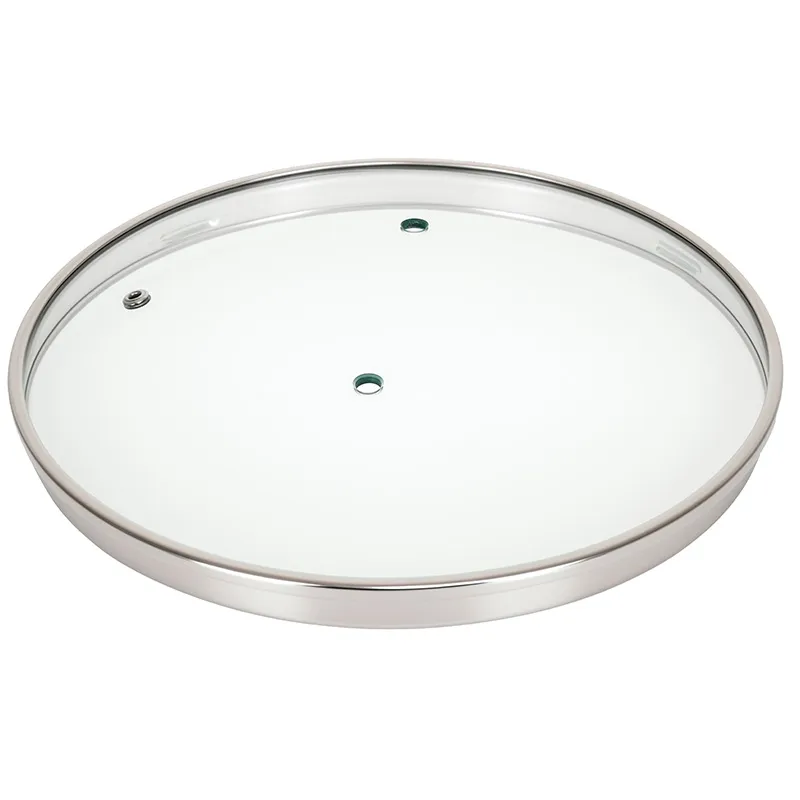
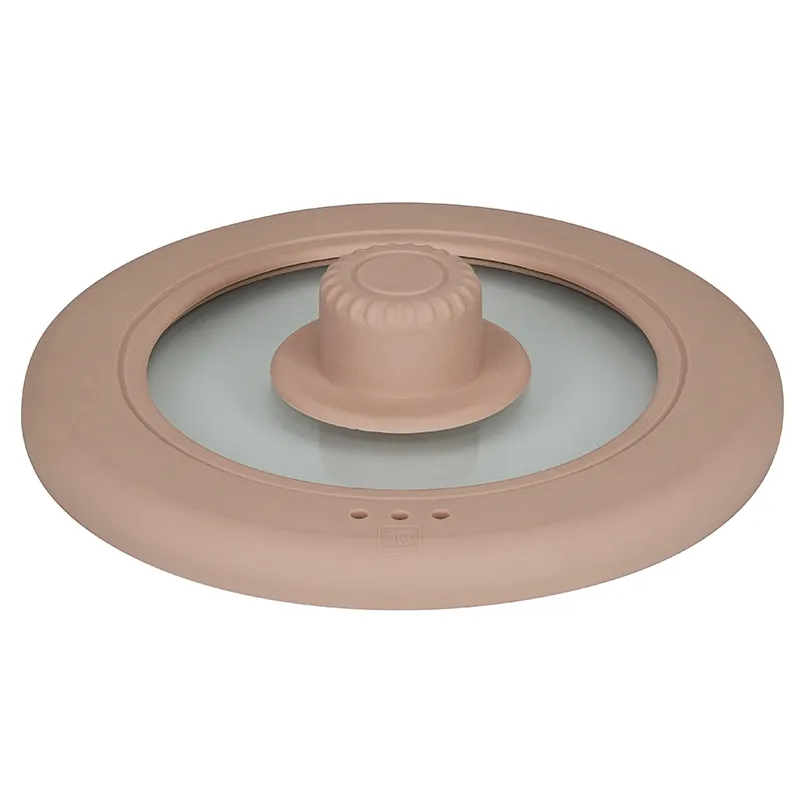
When you type 'mason jar glass lid replacement' into a search, you're probably staring at a jar with a chipped, cracked, or just plain lost lid, hoping for a simple fix. The common assumption is that all lids are interchangeable, a one-size-fits-all solution. That's the first pitfall. In practice, the thread pitch, the jar's shoulder height, and the inner diameter of the glass lid's sealing surface create a matrix of compatibility that isn't always obvious from product listings. I've seen too many orders returned because someone bought a standard 70mm lid only to find it wobbles on their particular jar batch. The reality is, the replacement game is less about finding a lid and more about matching the lid.
The Core Challenge: It's Never Just Glass
Let's break down the component. A functional replacement isn't just a piece of glass. It's a system: the tempered glass disk itself, the bonded or separate sealing gasket (usually silicone or rubber), and the metal band that applies the clamping force. The failure point is almost never the glass—it's the degradation of that gasket or rust on the band. However, sourcing just the glass lid is the most frequent request. This creates a secondary issue: ensuring the new glass fits the old gasket and band, which have often warped or worn with use. I generally advise replacing the entire sealing assembly if possible. A company like EUR-ASIA COOKWARE CO.,LTD, which produces over 15 million tempered glass lids annually, typically supplies to manufacturers who integrate them into complete closure systems. Their focus on export-grade tempering for durability is key, but as an end-user, you're rarely buying just their glass component off the shelf; you're buying a finished lid set from a distributor.
Speaking of tempering, that's another nuance. Properly tempered glass for lids isn't just about being strong; it's about failing safely. A lid from a quality-focused producer will dither into small, blunt pieces if it ever does shatter, unlike annealed glass which breaks into dangerous shards. This is non-negotiable for food safety. The production specs from a facility like theirs, located in China's Shandong high-tech zone, would emphasize this, as European and North American import regulations are stringent on this point. It's a detail most DIY replacers don't think about, but it separates a reliable glass lid replacement from a potential hazard.
Then there's the fit. The most frustrating calls I get are from people who've measured the outer diameter of their jar mouth but not the inner sealing ledge. The glass lid sits inside the band and seals against the jar's lip. If the glass's bevel or thickness is off by even a millimeter, it won't seal. For wide-mouth jars, the common 86-mm or 89-mm measurements refer to the outer thread diameter, not the glass disk. You need the disk diameter, which is smaller. This is where product descriptions fail. A good supplier will list both the thread size and the actual glass diameter.
Sourcing Real Replacements: Beyond Amazon Listings
The e-commerce marketplace is flooded with cheap, generic lids. Many are fine for dry storage, but for canning or fermenting? I'd be hesitant. The glass often isn't fully tempered, and the gasket material is mystery rubber that can impart odors or degrade quickly. For serious use, you need to trace back to specialized kitchenware suppliers or the original jar manufacturer. This is where industrial producers come in. A firm like EUR-ASIA COOKWARE, with its footprint supplying major markets in Germany, Italy, Brazil, and Japan, is making the OEM components that end up branded by other companies. Finding their products directly as a consumer is tricky—their website, https://www.glass-lid.com, is a B2B portal. But understanding that tier of manufacturing explains why some replacement lids feel robust and others flimsy.
I tried once, for a client with several hundred vintage jars, to source custom-sized glass lids directly from a factory. The MOQ (minimum order quantity) was a wake-up call. We're talking thousands of units. It cemented the understanding that for small-scale mason jar glass lid replacement, you're at the mercy of distributors who have done the bulk sourcing. Your best bet is to find a distributor that specifies the source glass specs or partners with known factories. Don't just look for mason jar lids; search for tempered glass canning lid inserts or glass lid with silicone seal for Le Parfait style jars. The terminology matters.
A practical workaround for odd-sized jars is to use universal plastic lids with a glass insert, or to repurpose lids from other preserving jar systems like Bormioli Rocco or Weck, which sometimes have compatible threading. It's not perfect, but it's a salvage operation. The goal is always a perfect seal. If you're using it for fermentation, the seal must be airtight but still allow gas release—that's a whole other puzzle involving gasket tension and lid clips, not just the glass.
The Gasket: The Silent Partner
This deserves its own section. You could have the world's best-tempered glass lid, but if the gasket is poor, it's useless. In complete replacement sets, evaluate the gasket material. Food-grade silicone is superior—it's heat-resistant, odorless, and durable. Cheaper sets use EDPM rubber or thermoplastic elastomers, which can degrade with oil exposure or high heat during sterilization. When you buy a replacement, check if the gasket is removable and cleanable. Mold can grow in the channel between the glass and the band. A fixed, bonded gasket is a liability for long-term use.
In my experience, sourcing separate gaskets is often harder than sourcing the glass. Their dimensions are even more precise. I've kept a drawer of misfit gaskets from failed matching attempts. Sometimes, soaking an old, hardened gasket in warm food-grade mineral oil can revive it enough to work with a new glass lid, but it's a temporary fix. The synergy between the glass's flatness and the gasket's pliability is what creates the seal. One won't compensate for the other's flaw.
Case in Point: A Batch Failure and Diagnosis
Several years back, a local café bought a batch of decorative storage jars with beautiful glass lids. Within months, lids were cracking during routine hand-washing. The issue? Thermal shock. The lids were likely made from soda-lime glass that was inadequately tempered or had edge defects. Hot water on a cold lid, or vice versa, created stress fractures. A proper glass lid replacement for kitchen duty must be rated for thermal shock resistance—a key test in quality control at a plant like EUR-ASIA's. Their production of low- medium- high level products hints at this grading; a commercial kitchen needs the high level spec. We replaced them with lids sourced from a supplier that explicitly mentioned thermal shock testing, and the problem vanished. It was a lesson in asking about the test standards, not just the material.
Another common failure is chipping on the sealing edge, often from the lid clanking against the jar mouth during handling. This is where the lid's edge finishing matters. A ground and polished edge is more resistant to micro-chips than a roughly cut one. It's a small manufacturing detail that has a huge impact on longevity. When assessing a replacement, run your finger lightly around the rim. It should feel smooth, not sharp or gritty.
Concluding Thoughts: A Pragmatic Approach
So, what's the takeaway for someone needing a mason jar glass lid replacement? First, identify your jar's true specs—not just brand, but precise dimensions. Second, prioritize finding a complete set (glass, gasket, band) from a kitchenware specialist, not a general retailer. Third, understand the intended use: dry storage, refrigeration, canning, or fermentation each demand different material specs. Finally, recognize that the robust, reliable lids you encounter are likely downstream products from large-scale OEM manufacturers focused on export compliance and durability, like the operations detailed by EUR-ASIA COOKWARE CO.,LTD. Your job is to find the retail channel that brings that quality to you in small quantities. It's not a simple search, but getting it right means your jars stay in service for decades, which is the whole point of using mason jars in the first place.
Related Products
Related Products