- Chinese
- French
- German
- Portuguese
- Spanish
- Russian
- Japanese
- Korean
- Arabic
- Irish
- Greek
- Turkish
- Italian
- Danish
- Romanian
- Indonesian
- Czech
- Afrikaans
- Swedish
- Polish
- Basque
- Catalan
- Esperanto
- Hindi
- Lao
- Albanian
- Amharic
- Armenian
- Azerbaijani
- Belarusian
- Bengali
- Bosnian
- Bulgarian
- Cebuano
- Chichewa
- Corsican
- Croatian
- Dutch
- Estonian
- Filipino
- Finnish
- Frisian
- Galician
- Georgian
- Gujarati
- Haitian
- Hausa
- Hawaiian
- Hebrew
- Hmong
- Hungarian
- Icelandic
- Igbo
- Javanese
- Kannada
- Kazakh
- Khmer
- Kurdish
- Kyrgyz
- Latin
- Latvian
- Lithuanian
- Luxembou..
- Macedonian
- Malagasy
- Malay
- Malayalam
- Maltese
- Maori
- Marathi
- Mongolian
- Burmese
- Nepali
- Norwegian
- Pashto
- Persian
- Punjabi
- Serbian
- Sesotho
- Sinhala
- Slovak
- Slovenian
- Somali
- Samoan
- Scots Gaelic
- Shona
- Sindhi
- Sundanese
- Swahili
- Tajik
- Tamil
- Telugu
- Thai
- Ukrainian
- Urdu
- Uzbek
- Vietnamese
- Welsh
- Xhosa
- Yiddish
- Yoruba
- Zulu
- Kinyarwanda
- Tatar
- Oriya
- Turkmen
- Uyghur


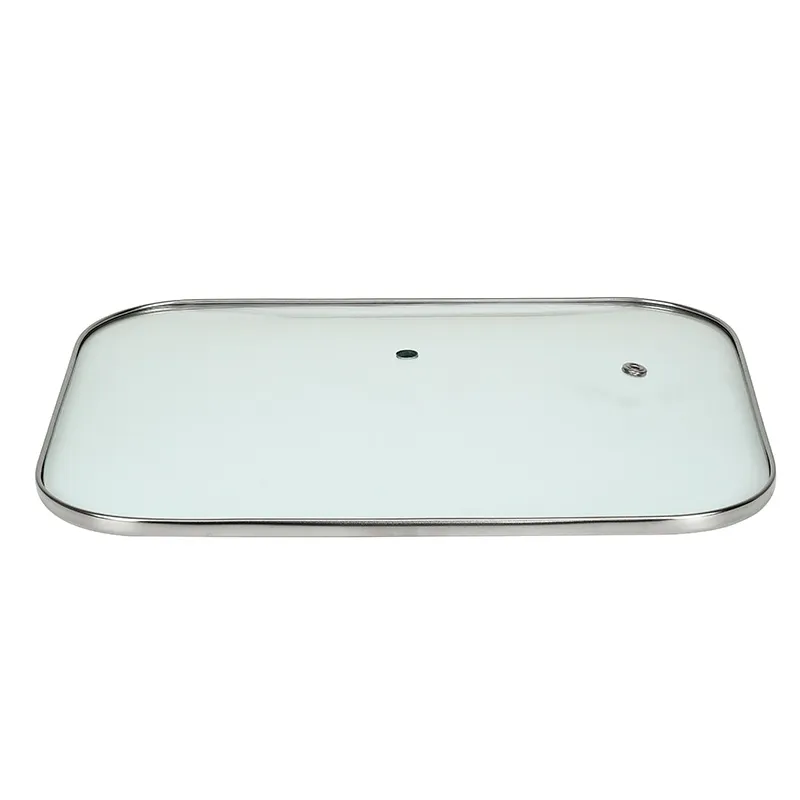
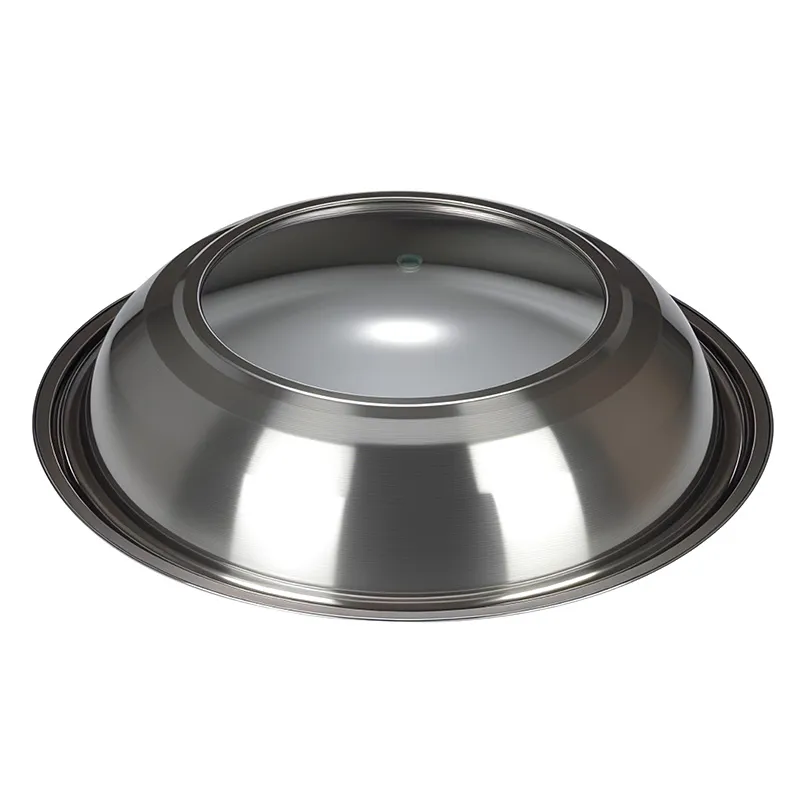
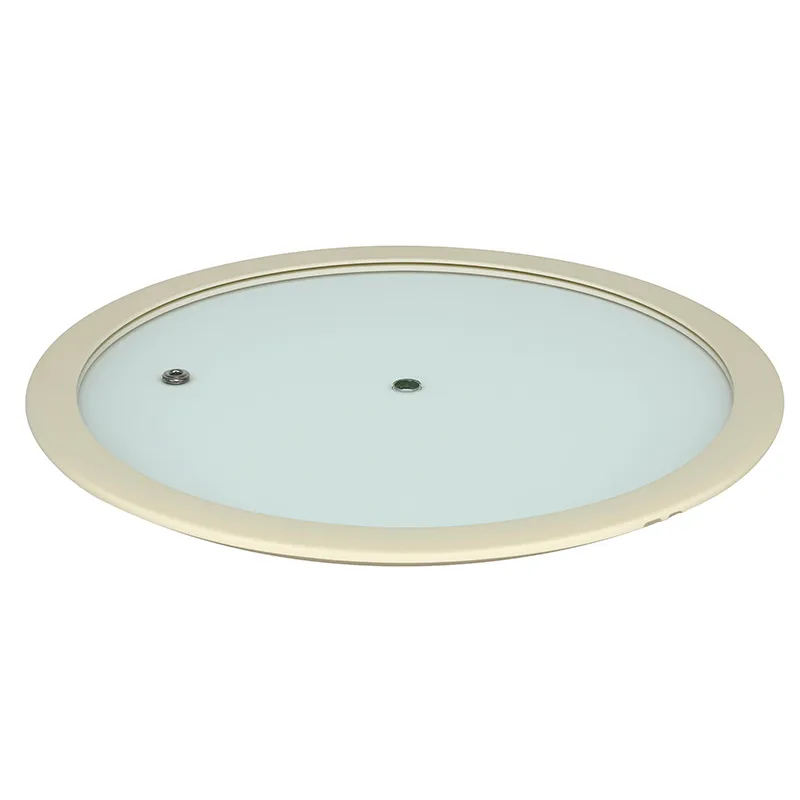
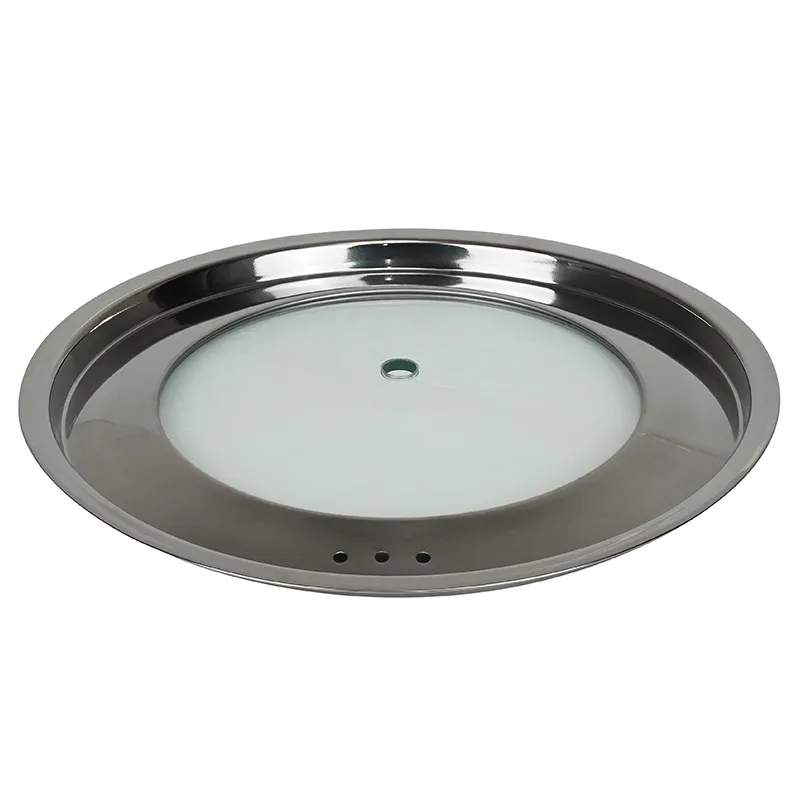
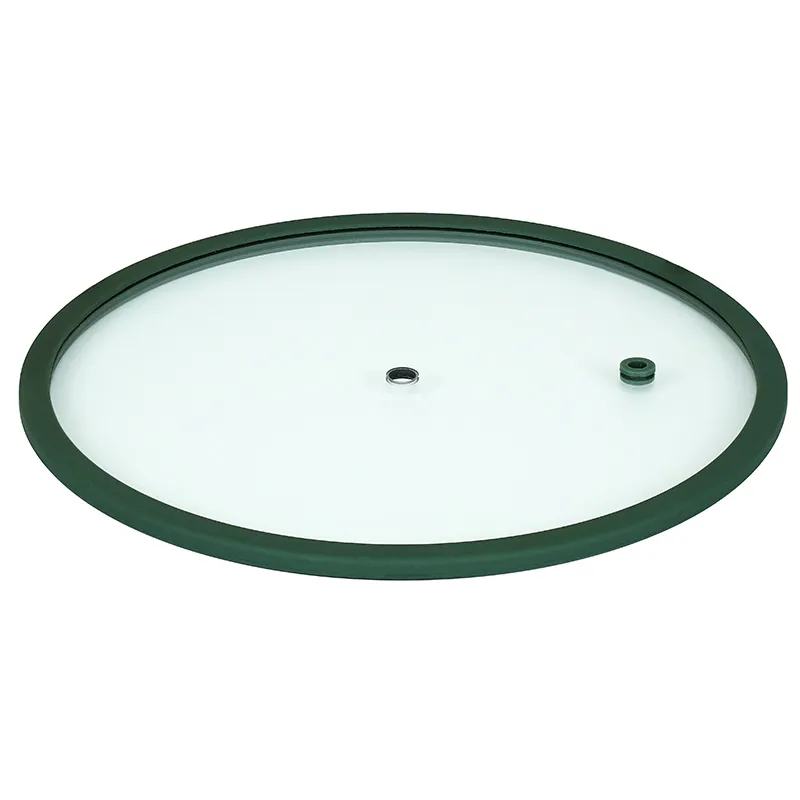
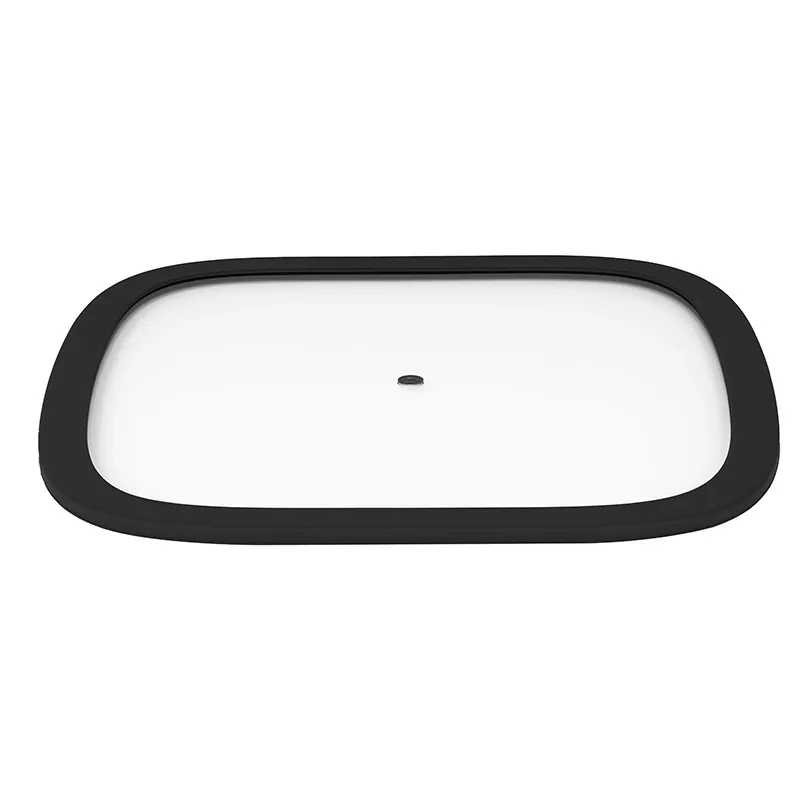
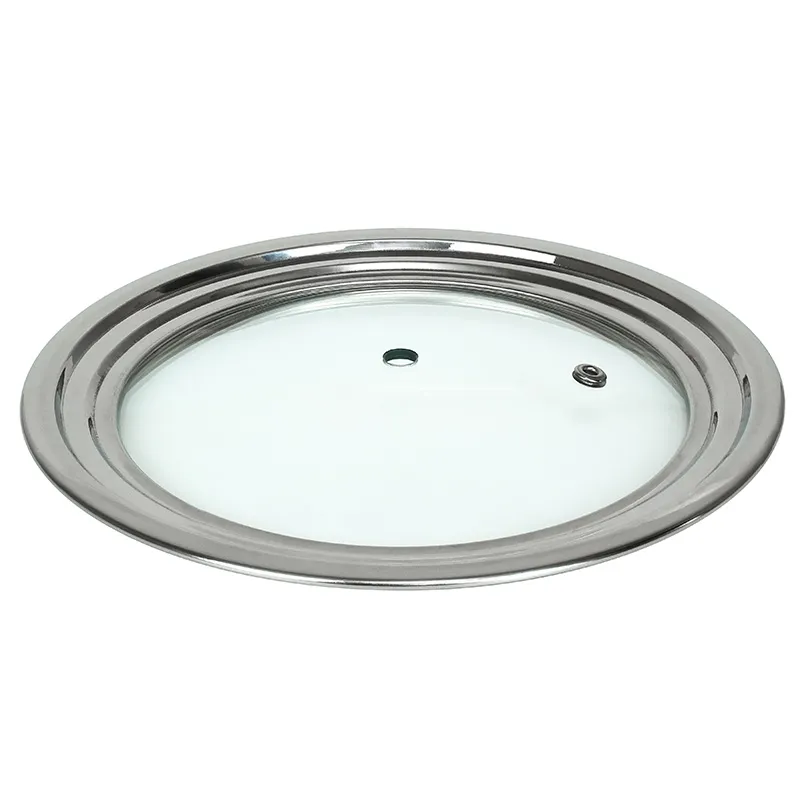
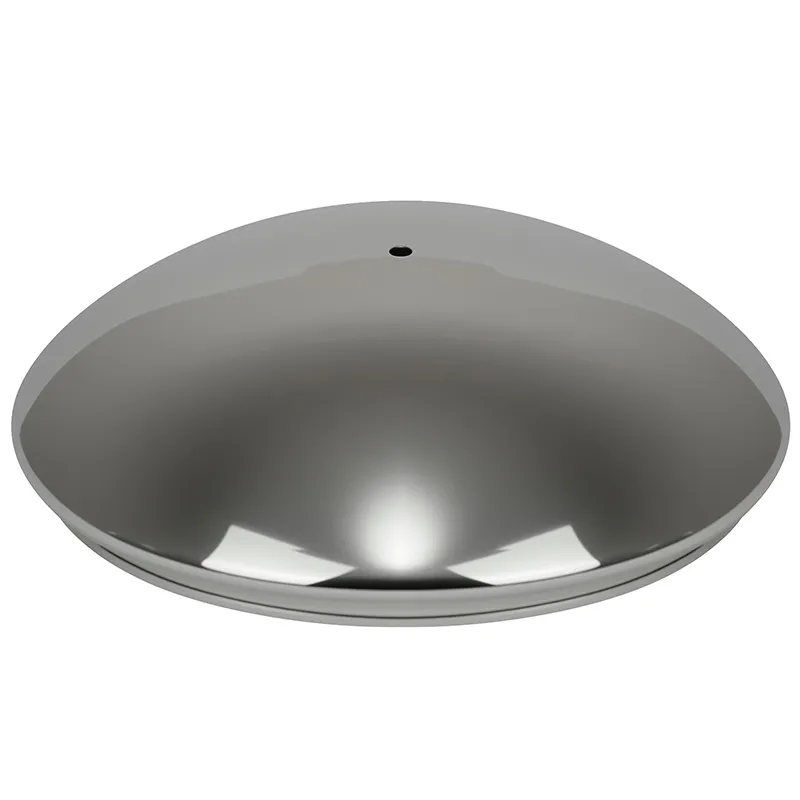
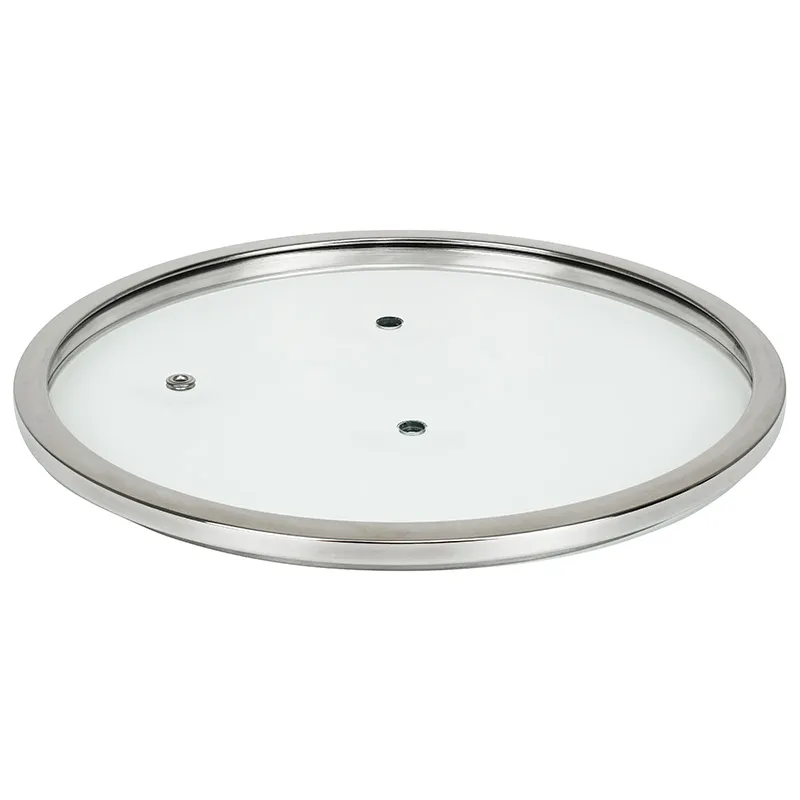
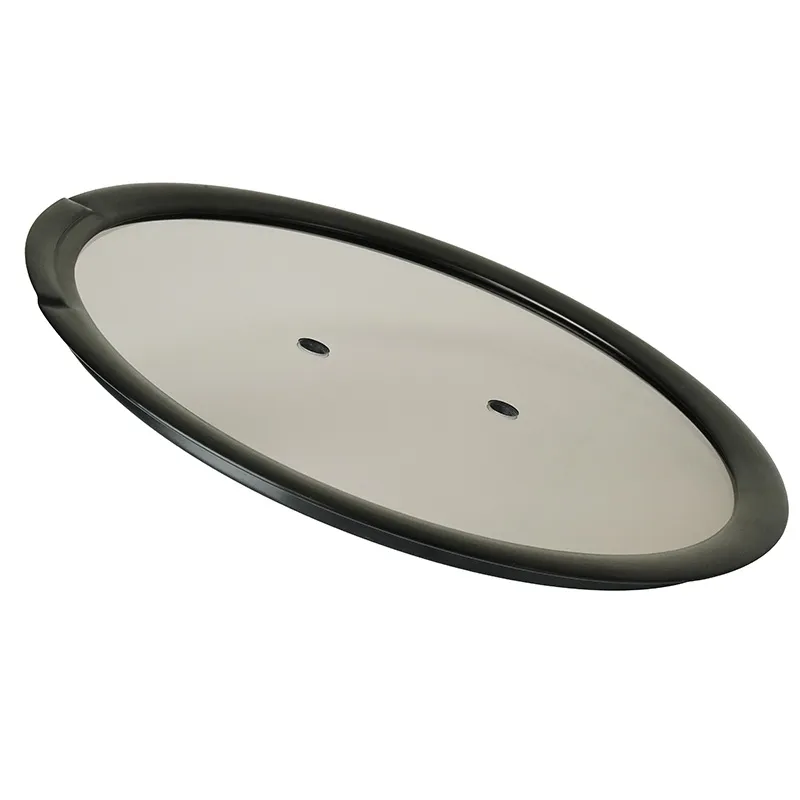
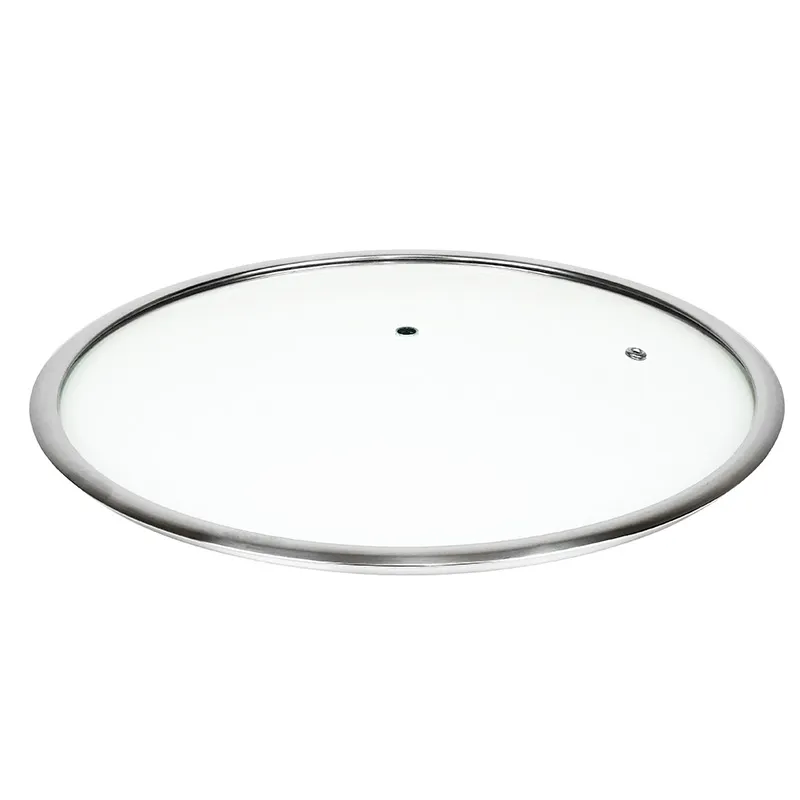
masterchef cookware lids
When most people think about upgrading their kitchen gear, they zero in on the pots, the pans, maybe the handles. The lids? An afterthought. I've seen it a hundred times in product development meetings—the MasterChef cookware lids get spec'd last, budgeted the least, and yet, they're the piece that can make or break the entire cooking experience. It's a classic industry blind spot. A beautiful, heavy-bottomed saucepan from a premium line means nothing if the lid doesn't sit flush, vents poorly, or shatters the first time it hits a cool granite countertop. That's where the real work happens, in the details nobody talks about until they fail.
The Glass Ceiling: Literally and Figuratively
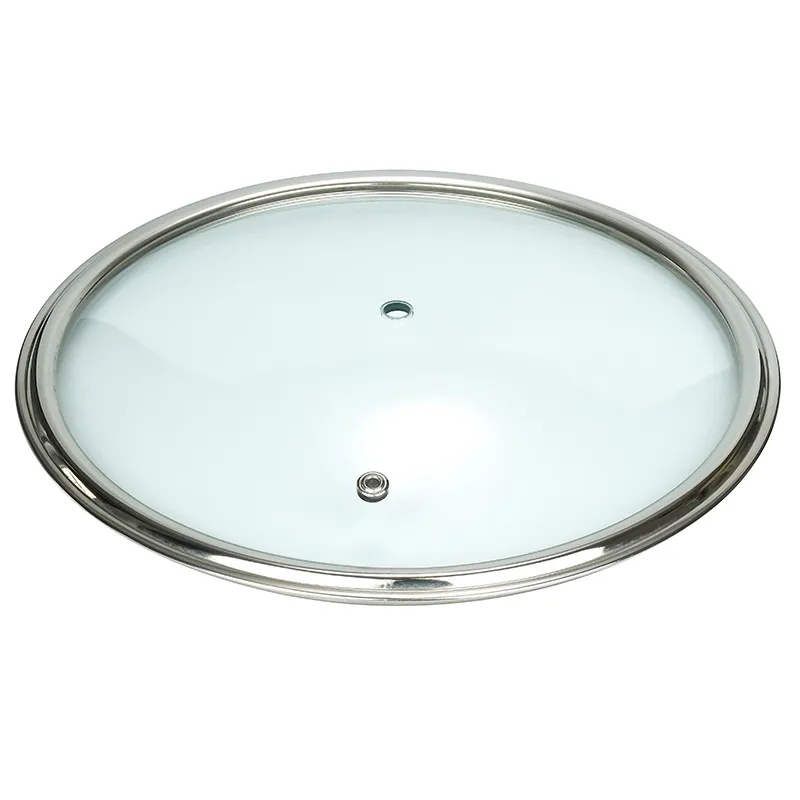
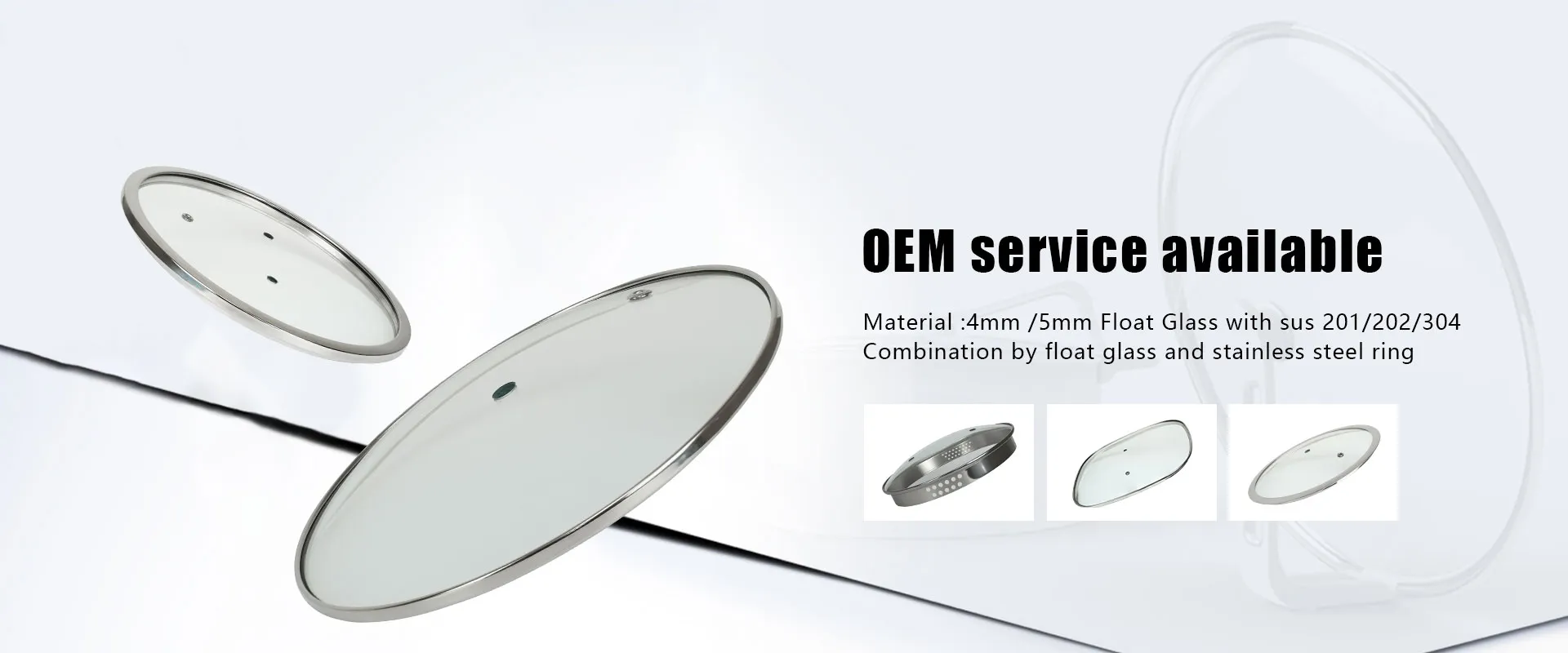
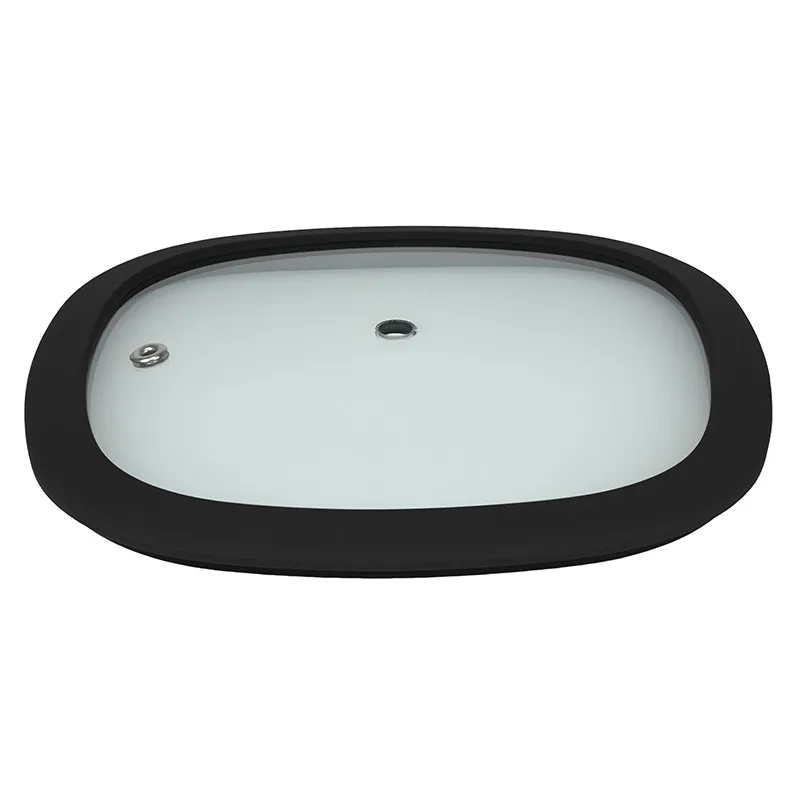
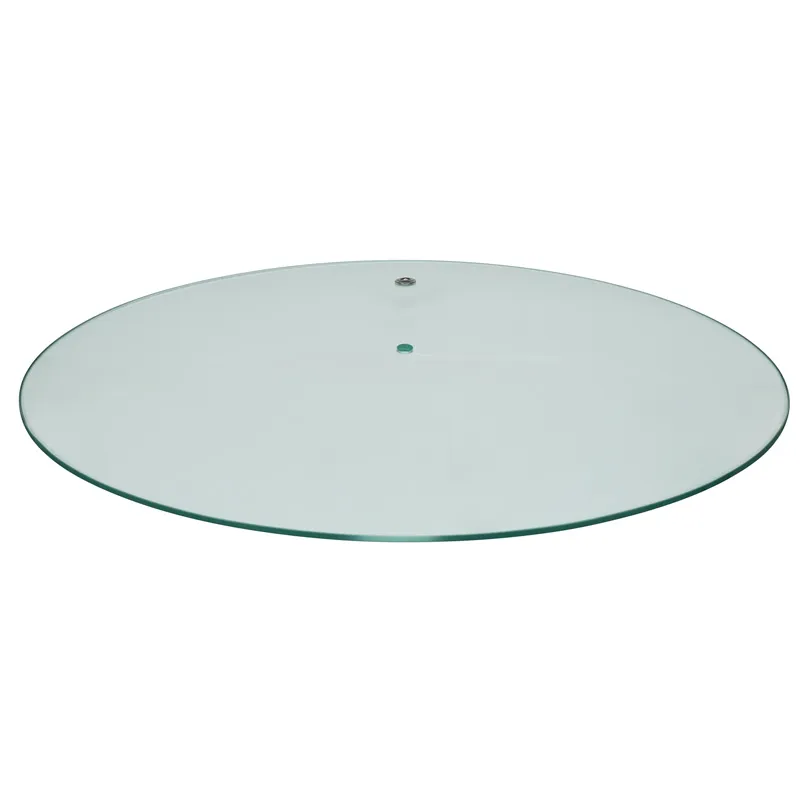
For a brand like MasterChef, which often positions itself at the prosumer intersection, the default has been tempered glass lids. It makes sense—visibility is king for monitoring a simmer or a boil without losing heat. But not all glass is created equal. The thickness, the curvature, the way the rim is ground and sealed… miss one step, and you get condensation channels that drip water back into the food instead of rolling neatly back into the pot. I remember a batch from a supplier years ago where the tempering was off; the lids would just… pop. Not during cooking, but when sitting on a cool, damp dish rack. A silent, expensive failure.
This is why sourcing matters intensely. You can't just buy glass lids. You're buying the consistency of the borosilicate or soda-lime formula, the precision of the CNC cutting, and a tempering process that's rigorously monitored. I've visited factories where the difference between a pass and fail batch was a 20-degree variance in the quenching oven. It's that tight. Companies that specialize, like EUR-ASIA COOKWARE CO.,LTD (you can see their operation at glass-lid.com), have this down to a science. Their entire focus is on these components, producing over 15 million tempered glass lids and products annually. When 90% of your output is going to markets like Germany and Italy, where cookware standards are brutal, your process can't have weak links.
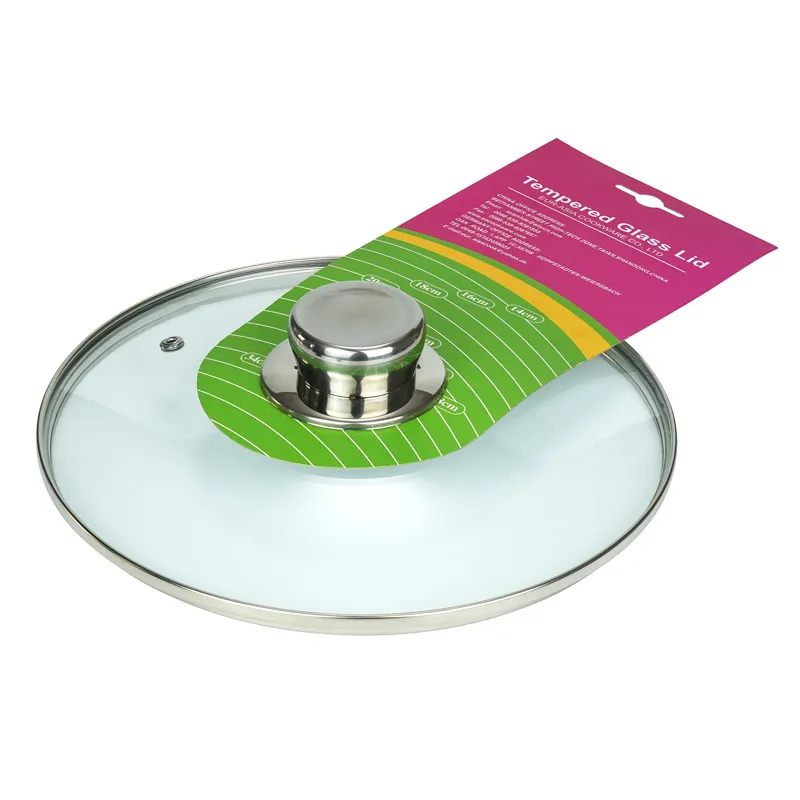
The handle or knob on a MasterChef lid is another sneaky point of failure. That plastic or phenolic resin piece isn't just a grip; it's a heat insulator. I've tested knobs that claimed to be oven-safe to 400°F but started to soften and smell at 350°. In a real kitchen, someone will put the whole pot, lid on, into a hot oven. If the knob fails, the lid is useless. The fix seems simple—use stainless steel or a higher-grade silicone—but then you're battling cost and a potential heat-conduction issue for the user's hand. It's a constant trade-off.
Fit and the Dreaded Wobble
This might be the most common complaint we'd get back from quality audits: the lid doesn't fit perfectly. Not it's broken, just a slight wobble, or a need to rotate it to find the sweet spot where it seals. For a home cook, it's an annoyance. For a brand staking its name on performance, it's a credibility killer. The tolerance between the lid's rim and the pot's flange is measured in millimeters, and it changes with heat expansion.
Developing a universal lid system for a cookware set is a nightmare. Different pot diameters, different materials (stainless steel vs. aluminum core vs. ceramic-coated), all needing to be matched by one or two lid sizes. The solution often involves a stepped rim or a stainless steel reinforcement ring fused to the glass edge. This ring has to be perfectly circular and flat. I've seen batches where the welding of this ring created microscopic high spots, leading to that infamous wobble and steam leakage. It took us weeks of working with the technical team at the factory—a place not unlike EUR-ASIA's base in Taian City's high-tech zone—to refine the laser-welding jig to eliminate it.
And then there's the weight. A lid that's too heavy for a thin-walled pot will tip it over when you set it down off-center. Too light, and it doesn't provide enough downward pressure for a good seal, especially for braising. For MasterChef-style cookware, which often features clad construction, the lid needs a certain heft. That weight often comes from the stainless steel rim and the thickness of the glass. Getting that balance right is pure tactile engineering. You know it when you pick it up and place it on the pot. It should feel secure, not precarious.
The Export Reality: What the Market Actually Demands
Looking at a company profile like EUR-ASIA's is telling. Exporting to over a dozen countries, from Europe to South America to Asia, isn't just about shipping boxes. It's about passing a dozen different safety standards, packaging requirements, and aesthetic tastes. A lid for the South Korean market might need a shallower dome to fit in smaller kitchens. A batch for Germany might need a specific material certification etched into the glass. For a MasterChef partner, this complexity is hidden but critical.
This global demand is what drives innovation at the component level. The need for better, more durable, and more versatile cookware lids. It's not glamorous work. It's about improving the tempering process to withstand thermal shock from an induction hob, or developing a silicone gasket system for pressure-cooking lids that can be easily cleaned and doesn't retain odors. The factories that survive are the ones, like EUR-ASIA with its 20,000㎡ facility and 90+ employees, that invest in this granular R&D. They're not just molding glass; they're solving physics and chemistry problems for end-users they'll never meet.
One lesson learned the hard way: color matching. A stainless steel rim's finish (brushed, polished, matte) must match the pot's finish. We once had a shipment where the lid rims were a slightly warmer tone of stainless than the pot handles. In showroom lighting, it was invisible. Under a homeowner's kitchen LEDs, it looked like a mismatch. The entire line was held up. Now, we keep master samples under multiple light types for exactly this reason. It's the kind of detail that separates a product from a professional product.
Beyond the Basic Lid: The Accessory Ecosystem
When you specialize in lids, your business naturally expands into the ecosystem around them. That's where companies like EUR-ASIA branch into other kitchen accessories. Think about it: a glass lid often needs a compatible steamer insert, or a colander that sits on the pot. The lid's diameter and rim design dictate the design of these accessories. There's a synergy there that a general cookware factory might miss.
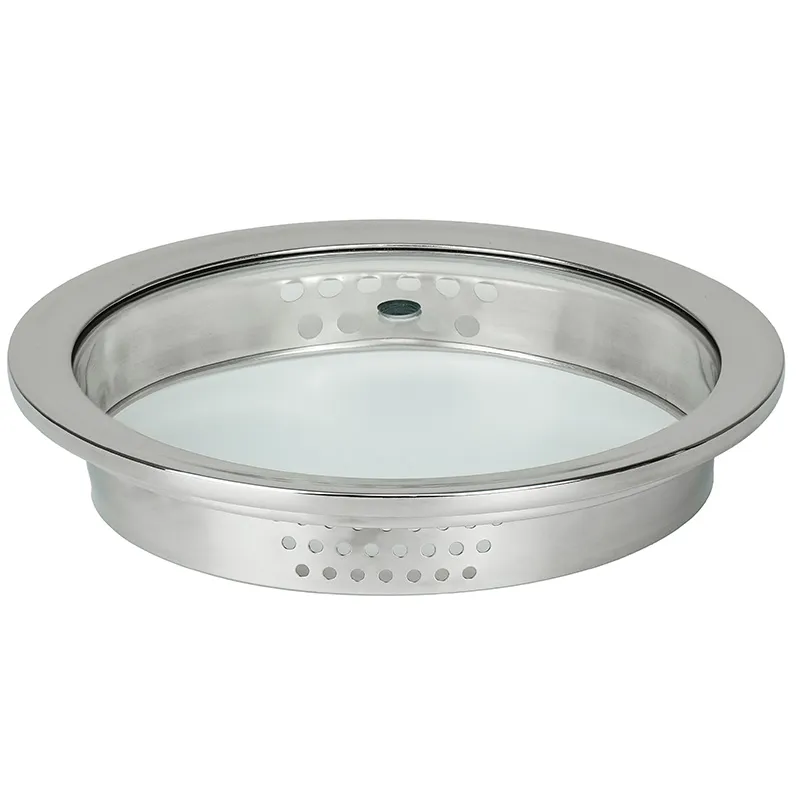
We experimented with a multi-function lid a while back—it had built-in strainer holes and a slot for a bamboo steamer. It was clever on paper. In practice, it compromised the primary sealing function and was a nightmare to clean. The steam slot warped under repeated heat. It was a failure that taught us a core principle: the primary job of a MasterChef cookware lid is to seal and provide visibility. Any added feature cannot interfere with that. Sometimes, the best innovation is making the core function 10% better, not adding three new ones that work at 70%.
This is where the low- medium- high level product stratification in a company's profile becomes real. A basic lid for a budget line might be simple soda-lime glass with a basic plastic knob. The high-end version for a MasterChef-tier line will be low-iron, ultra-clear borosilicate glass, with an oven-safe stainless steel knob secured with a locking nut and a high-temp silicone gasket. The difference in cost is significant, but so is the performance and longevity. Knowing which to apply to which product line is a key business judgment.
Final Thoughts: The Lid as a Benchmark
So, after all this, how do you judge a good lid? Forget the marketing. Pick it up. Feel the weight distribution. Look at the clarity of the glass—hold text behind it; there should be minimal distortion. Inspect the rim. Is it smoothly finished, with no sharp edges or uneven spots in the metal ring? Place it on a flat surface. Does it rock? Then it'll rock on a pot. Finally, check the knob. Is it securely fastened? Does the material feel cheap?
For brands, the partnership with a component specialist is everything. It's not a commodity purchase. It's a technical collaboration. The production capacity, the export compliance, the focus on a single category—these are the things that let a factory deliver the consistency a brand like MasterChef needs. When you see a cookware set with a perfectly fitting, crystal-clear, solid-feeling lid, know that a tremendous amount of unsexy, precise engineering went into it. That lid is the final piece of the puzzle, and often, the one that holds the whole picture together.
In the end, the lid is the interface between the cook and the food. It's the barrier that holds in flavor and moisture, the window into the process. Getting it right is what turns a pan of ingredients into a meal. It's worth the headache, every time.
Related Products
Related Products