- Chinese
- French
- German
- Portuguese
- Spanish
- Russian
- Japanese
- Korean
- Arabic
- Irish
- Greek
- Turkish
- Italian
- Danish
- Romanian
- Indonesian
- Czech
- Afrikaans
- Swedish
- Polish
- Basque
- Catalan
- Esperanto
- Hindi
- Lao
- Albanian
- Amharic
- Armenian
- Azerbaijani
- Belarusian
- Bengali
- Bosnian
- Bulgarian
- Cebuano
- Chichewa
- Corsican
- Croatian
- Dutch
- Estonian
- Filipino
- Finnish
- Frisian
- Galician
- Georgian
- Gujarati
- Haitian
- Hausa
- Hawaiian
- Hebrew
- Hmong
- Hungarian
- Icelandic
- Igbo
- Javanese
- Kannada
- Kazakh
- Khmer
- Kurdish
- Kyrgyz
- Latin
- Latvian
- Lithuanian
- Luxembou..
- Macedonian
- Malagasy
- Malay
- Malayalam
- Maltese
- Maori
- Marathi
- Mongolian
- Burmese
- Nepali
- Norwegian
- Pashto
- Persian
- Punjabi
- Serbian
- Sesotho
- Sinhala
- Slovak
- Slovenian
- Somali
- Samoan
- Scots Gaelic
- Shona
- Sindhi
- Sundanese
- Swahili
- Tajik
- Tamil
- Telugu
- Thai
- Ukrainian
- Urdu
- Uzbek
- Vietnamese
- Welsh
- Xhosa
- Yiddish
- Yoruba
- Zulu
- Kinyarwanda
- Tatar
- Oriya
- Turkmen
- Uyghur

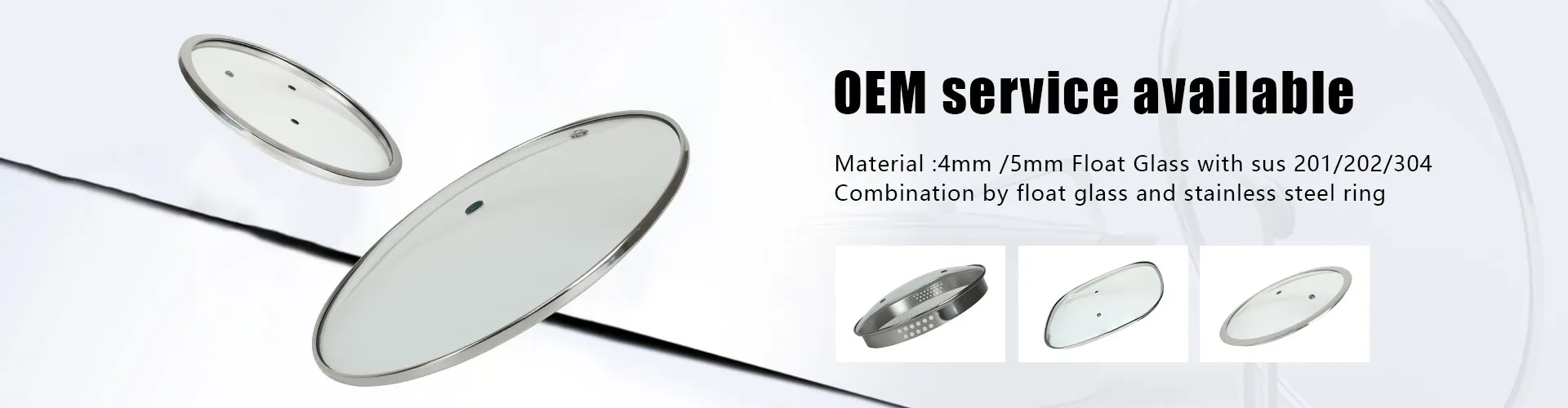
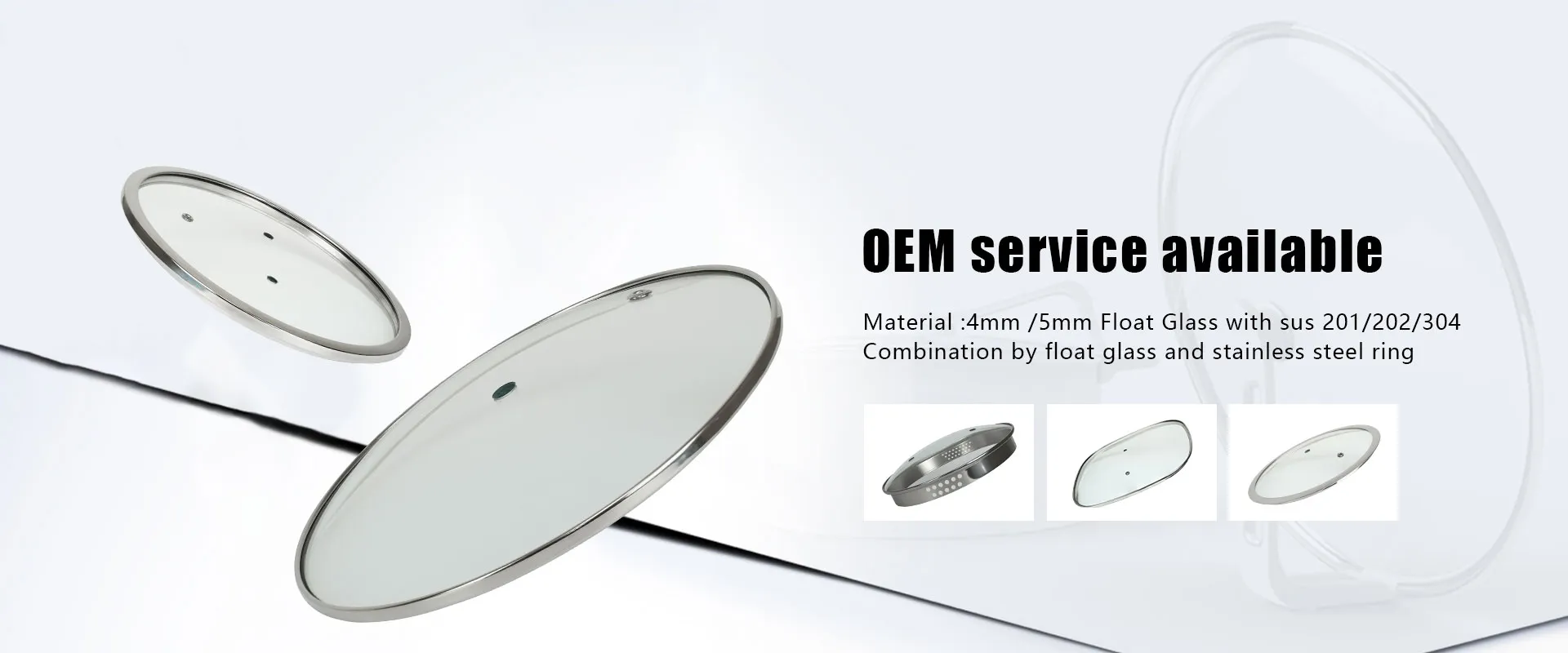
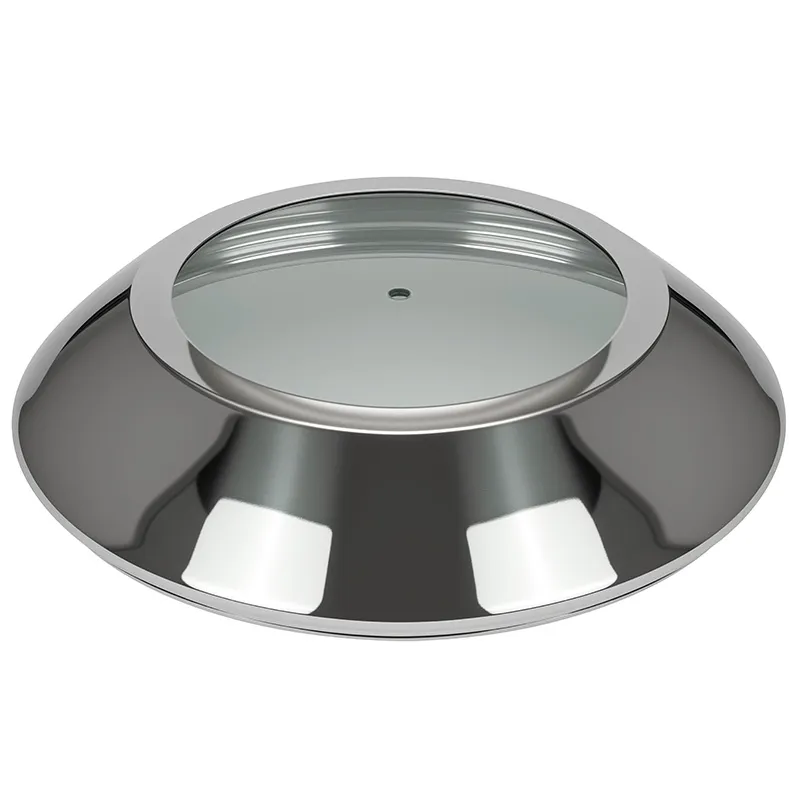
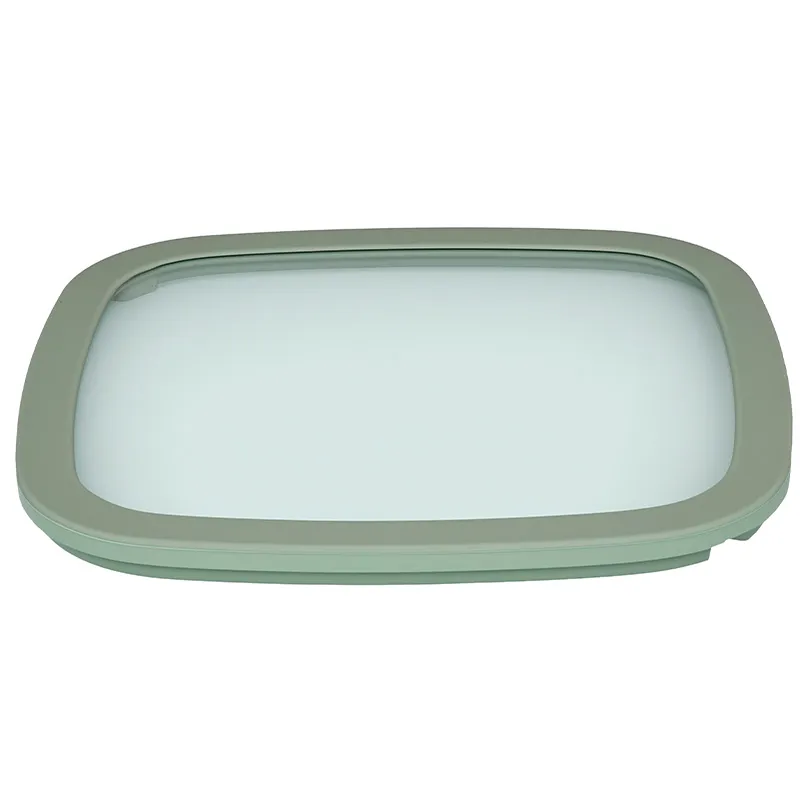
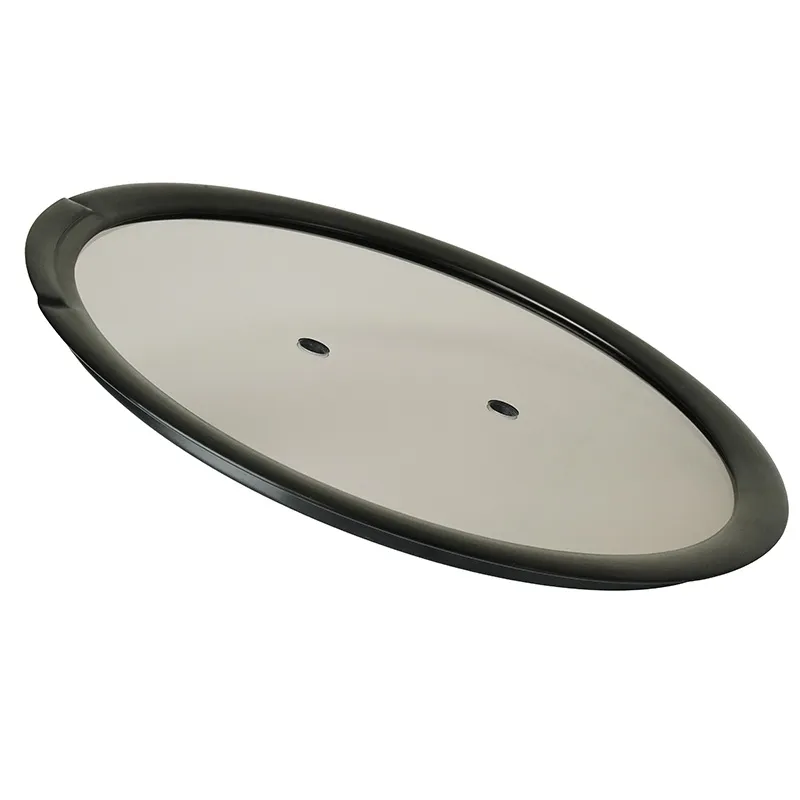
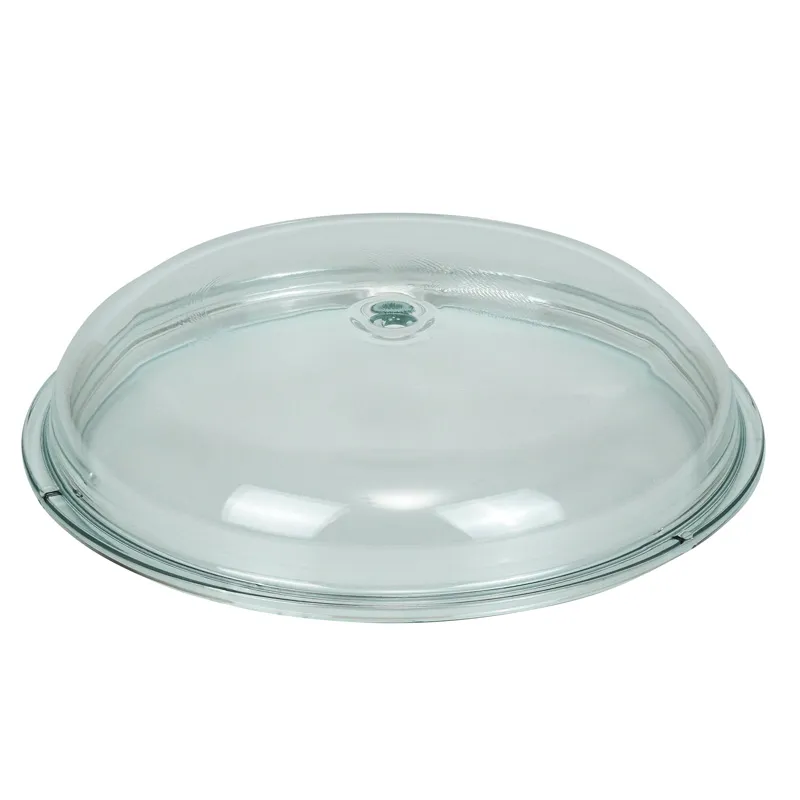
milkshake glass with lid
When you hear 'milkshake glass with lid', most people picture a simple, probably plastic, cup with a dome top and a straw hole. That's the consumer view. In our line of work, that phrase triggers a whole different set of considerations: thermal shock resistance, sealing efficacy, stackability for shipping, and the precise tempering curve for the glass. It's a small product that packs a surprising number of engineering and material science challenges. Many clients, even some seasoned buyers, initially underestimate the complexity behind a seemingly straightforward milkshake glass with lid. They focus on aesthetics and unit cost, missing the critical points that determine if the product fails or thrives in a commercial setting.
The Core Misconception: Lid as an Afterthought
The biggest mistake is treating the lid as a secondary component. It's not. The glass body, while important, is a known quantity for manufacturers like us. The lid is where 80% of the functional problems arise. A poorly designed lid leaks, cracks at the hinge or clasp, or creates a bad mouthfeel with the straw. I've seen batches where the glass was perfect, but the lid's sealing ring was a fraction of a millimeter off-spec, leading to thousands of units being returned for leakage during transport. The lid must be engineered as a pressure system, especially for blended drinks that might off-gas or for delivery services where cups get jostled.
This is where material pairing becomes crucial. You can't just slap any plastic lid on a tempered glass. The coefficients of expansion differ. In a hot wash at a diner, or left in a car trunk, the lid can warp or bind. We learned this through a painful order about five years back. The client wanted a crystal-clear polycarbonate lid for premium visual appeal. Looked stunning. But in real-world dishwashing cycles, the clip-on tabs became brittle and snapped. We had to re-tool for a specific grade of PCTG that balanced clarity with thermal resilience. That failure cost us, but it cemented our protocol: every new milkshake glass and lid combo undergoes a brutal thermal cycling test, from ice-cold freezer to commercial dishwasher temperatures, for 200 cycles minimum before we sign off on production.
Speaking of production, the scale at which these are made changes everything. For a company like EUR-ASIA COOKWARE CO.,LTD, operating out of a 15,000㎡ facility in Taian, the challenge is maintaining consistency across millions of units. Their export focus to markets like Germany and Japan means the tolerance levels are unforgiving. A lid that fits perfectly on glass from mold A might be too tight on glass from mold B after a few hundred thousand cycles. The tooling maintenance schedule is as critical as the production line itself. It's not craft; it's precision manufacturing disguised as simple housewares.
Design for Function, Not Just Form
Let's talk about the straw hole. It seems trivial. But its diameter, the smoothness of the bore, and the lip design around it are what the customer interacts with directly. Too sharp an edge, and it shreds the straw or feels cheap against the lip. Too loose, and it leaks. The optimal design often includes a slight raised collar or a grommet-style insert. This is a detail you only get right after observing actual use. We once prototyped a lid where the straw hole was perfectly circular. In testing, baristas complained it was harder to insert a straw quickly compared to a slightly teardrop-shaped opening. Speed matters in a busy cafe. That subtle shape change, maybe a 0.5mm variance, made all the difference in perceived quality and usability.
Then there's the sealing mechanism. Snap-on, screw-on, or press-fit? For a glass with lid meant for takeaway, snap-on is king for speed. But the 'snap' needs to be audible and tactile for the staff—a confirmatory click—without requiring Herculean force that risks spilling the drink. The geometry of the undercut on the glass rim and the corresponding bead on the lid is a tiny masterpiece of industrial design. We use a durometer tester on the lid material to ensure it's soft enough to seal but hard enough to retain its shape. It's this granular level of spec that separates a product that works from one that merely exists.
Venting is another overlooked feature. A completely airtight seal on a blended drink can create a vacuum, making the lid incredibly hard to remove. Or worse, it can cause the lid to burp and spray when first opened. Some high-end designs incorporate a tiny, almost invisible, vent channel integrated into the hinge or the rim seal. It allows pressure equalization without compromising leak resistance. This isn't standard; it's a value-add that comes from understanding the physics of the contents, not just the container.
The Reality of Volume and Export
Working with a volume producer like EUR-ASIA COOKWARE illuminates the macro challenges. Their annual output of over 15 million tempered glass products isn't just a number. It dictates the entire supply chain logic. The glass for a milkshake glass with lid needs to be sourced, tempered, and annealed in a way that matches the lid production cycle. A bottleneck in lid injection molding halts the entire assembly line. Their export model—over 90% to strict regulatory markets—adds another layer. A material like Tritan might be required for the lid to meet specific EU food contact standards, which changes the cost structure and molding parameters compared to a domestic-market PS plastic.
Packaging for export is a discipline in itself. These glasses are heavy and fragile. Stacking them with lids pre-attached? Often a disaster. The weight can crack the lower glasses. The standard practice is to nest the glasses, then bag the lids separately in the case count. But that increases packing time and requires the end-user to assemble. Some clients now demand a ready-to-use pack where the lid is loosely placed on top, not snapped, to avoid pressure points during shipping. It's a constant negotiation between ideal presentation and brutal shipping reality. I've spent hours on logistics calls debating pallet configurations to maximize container load while minimizing breakage. The profit margin on a single glass is often lost in a single broken unit during transit.
Customization at volume is the final frontier. A chain in South Korea might want a specific silicone gasket color for brand identity. A Danish client might require a lid made from 50% recycled material. For a factory, each change, however small, requires a change order, potential tooling adjustment, and a separate quality control protocol. The agility to handle these while maintaining the core production flow for standard items is what defines a specialist manufacturer. It's not about being the cheapest; it's about being reliably adaptable. EUR-ASIA's spread across diverse markets from Brazil to Switzerland suggests they've had to develop this flexibility.
Where the Industry is Headed
Sustainability pressure is reshaping everything. The classic single-use plastic lid for a reusable glass is becoming a paradox. The trend is moving towards a fully reusable ecosystem: a durable, dishwasher-safe milkshake glass paired with an equally durable lid, often now made from more sustainable materials like advanced silicones or specific bio-polymers. The lifespan expectation shifts from dozens of uses to hundreds. This dramatically changes the stress testing parameters. Fatigue resistance on the hinge and clasp becomes paramount. We're testing not just for initial use, but for performance after simulated years of wear.
Another shift is towards modularity. Why have a dedicated milkshake glass? Why not a robust, tempered glass that works for smoothies, iced coffees, and sodas, with a universal lid system? This reduces SKU complexity for operators. The challenge here is designing a lid that seals effectively across a wider range of liquid viscosities and carbonation levels. A seal perfect for a thick shake might not contain the fizz of a root beer float. It's an interesting design puzzle that moves the product from a single-use item to a core piece of a restaurant's servingware inventory.
Looking back, the evolution of the milkshake glass with lid mirrors the evolution of foodservice itself: the demand for durability, aesthetics, and functionality, all under the pressures of cost and logistics. The next time you pick one up, notice the lid. That small piece of plastic or silicone is the culmination of countless hours of testing, failure, redesign, and precise manufacturing. It's a tool, not just a cover. And getting it right, at the scale of millions for a global market, is the quiet, unglamorous achievement of companies operating in this precise niche.
Related Products
Related Products