- Chinese
- French
- German
- Portuguese
- Spanish
- Russian
- Japanese
- Korean
- Arabic
- Irish
- Greek
- Turkish
- Italian
- Danish
- Romanian
- Indonesian
- Czech
- Afrikaans
- Swedish
- Polish
- Basque
- Catalan
- Esperanto
- Hindi
- Lao
- Albanian
- Amharic
- Armenian
- Azerbaijani
- Belarusian
- Bengali
- Bosnian
- Bulgarian
- Cebuano
- Chichewa
- Corsican
- Croatian
- Dutch
- Estonian
- Filipino
- Finnish
- Frisian
- Galician
- Georgian
- Gujarati
- Haitian
- Hausa
- Hawaiian
- Hebrew
- Hmong
- Hungarian
- Icelandic
- Igbo
- Javanese
- Kannada
- Kazakh
- Khmer
- Kurdish
- Kyrgyz
- Latin
- Latvian
- Lithuanian
- Luxembou..
- Macedonian
- Malagasy
- Malay
- Malayalam
- Maltese
- Maori
- Marathi
- Mongolian
- Burmese
- Nepali
- Norwegian
- Pashto
- Persian
- Punjabi
- Serbian
- Sesotho
- Sinhala
- Slovak
- Slovenian
- Somali
- Samoan
- Scots Gaelic
- Shona
- Sindhi
- Sundanese
- Swahili
- Tajik
- Tamil
- Telugu
- Thai
- Ukrainian
- Urdu
- Uzbek
- Vietnamese
- Welsh
- Xhosa
- Yiddish
- Yoruba
- Zulu
- Kinyarwanda
- Tatar
- Oriya
- Turkmen
- Uyghur

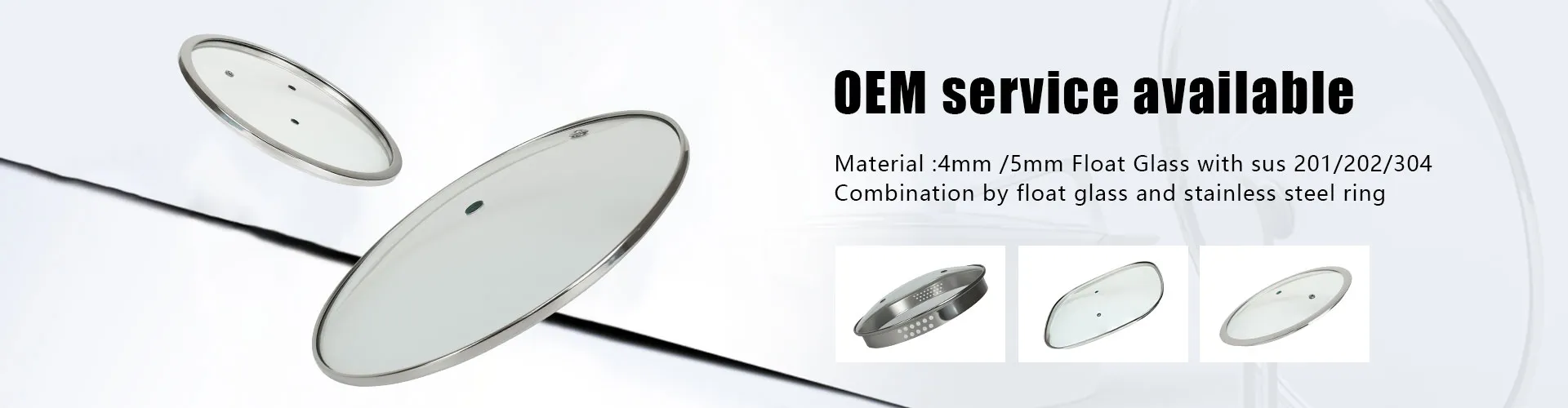
Tempered Glass Lid Manufacturer in China: How B2B Buyers Evaluate a Factory
2026-11-11
Why Evaluating a Tempered Glass Lid Manufacturer Matters for B2B Procurement
As a core component of cookware and kitchenware products, tempered glass lids directly impact end-user safety, product durability, and brand reputation. For importers, cookware brand buyers, and OEM/ODM procurement teams sourcing from China — one of the world’s largest production bases for glass lids — selecting the right manufacturer goes far beyond comparing unit prices.
Poor tempering quality can lead to high breakage rates during shipping and daily use, while non-compliant food-contact materials may result in customs detention, product recalls, or legal liabilities in target markets. Many buyers also face challenges distinguishing actual factories from trading companies, verifying real production capabilities, and standardizing their supplier screening process.
Unlike general guides on glass lid sourcing, this framework focuses specifically on the unique production, quality, and compliance requirements of tempered glass lids, avoiding redundant coverage of generic manufacturer background introductions. It builds a structured evaluation workflow for tempered glass lid manufacturers in China, walking you through every critical checkpoint from initial screening to sample confirmation, to help you reduce procurement risks and identify reliable long-term supply partners.
Tempered Glass Lid Manufacturer vs. Trading Company: Key Differences to Identify
Before diving into capability assessment, the first step is to confirm whether you are working directly with a manufacturing factory or a trading intermediary. For tempered glass lid sourcing, this distinction directly affects your cost structure, customization flexibility, and quality traceability.
Production Ownership & Tempering Line Control
The most defining feature of a genuine tempered glass lid manufacturer is in-house ownership and operation of tempering production lines, including core tempering furnaces and supporting processing equipment.
- Factories control the entire tempering process and can adjust technical parameters based on product requirements.
- Trading companies do not own production equipment and rely on third-party factories for processing; they cannot make real-time adjustments to tempering processes.
- Quick verification method: Ask for real-time footage of the tempering workshop, and confirm whether the quoted company name matches the entity that owns the production site and issues value-added tax invoices for manufactured goods.
Customization & Technical Response Efficiency
Tempered glass lids often require custom sizes, edge treatments, hole positions, or accessory matching. Technical response speed and feasibility judgment are clear differentiators.
- Direct manufacturers can provide accurate feasibility analysis and mold opening suggestions based on their actual equipment capabilities.
- Trading companies typically need to relay requests to upstream factories, leading to longer response times and a higher risk of miscommunication on technical details.
Pricing Structure & MOQ Flexibility
While trading companies may offer very low initial quotes to attract orders, their pricing structures and minimum order quantity (MOQ) rules differ fundamentally from factories.
- Manufacturers base pricing on raw material costs and processing fees, with more transparent cost composition and stable long-term pricing.
- Trading companies add intermediate margins, and their MOQ rules are often less flexible for specialized tempered glass specifications.
How to Verify a Factory’s Tempering Process Capability & Equipment
The tempering process is the core technical link that determines the performance of glass lids. Evaluating a factory’s tempering capability requires checking both its hardware equipment and process control capabilities.
Core Equipment of a Tempered Glass Lid Production Line
A complete tempered glass lid production line typically includes several key processing segments. When verifying, you can focus on whether the factory has complete supporting equipment rather than specific unconfirmed model numbers:
- Glass cutting and edge grinding equipment for shaping raw glass sheets
- Cleaning and drying equipment to ensure surface cleanliness before tempering
- Tempering furnace and quenching system, the core units that complete glass strengthening
- Stress testing equipment for tempering quality verification
- Post-processing equipment for hole drilling, edge polishing, and accessory assembly
Key Process Parameters of Tempering Technology
Qualified tempering relies on precise control of three core stages. You can judge a factory’s technical maturity by whether it has clear parameter specifications and record-keeping for each stage:
- Heating stage: Uniform heating of the glass sheet to a set temperature range
- Quenching stage: Rapid cooling with high-pressure air to form internal compressive stress
- Cooling stage: Stable gradual cooling to avoid residual stress imbalance
Performance such as impact resistance and thermal shock resistance of finished tempered glass lids is directly related to the stability of these processes. The EN 12983 standard is a commonly referenced benchmark for cookware glass lid performance, but specific clause requirements should be confirmed against official standard documents.
Practical Verification Methods for Buyers
You do not need to visit the factory in person to complete an initial capability verification. Common remote verification methods include:
- Requesting short videos of the tempering workshop in operation, showing the furnace and processing flow
- Asking the factory to explain its parameter adjustment logic for different glass thicknesses and lid sizes
- Requesting samples of process inspection records to confirm whether daily production parameters are documented and archived
Product Range, Sizes & Structure Types: Confirm What the Factory Can Supply
Not all tempered glass lid factories cover the same product scope. Before advancing cooperation, confirm whether the factory’s supply capacity matches your product positioning and order requirements.
Common Size Ranges & Application Scenarios
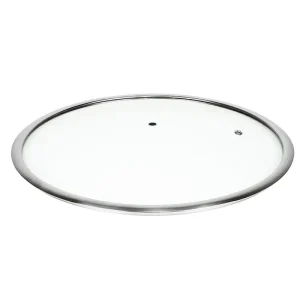
Tempered glass lids are produced for different cookware categories, with corresponding size ranges:
- Small sizes for saucepans and milk pots
- Medium sizes for frying pans and stockpots
- Large sizes for commercial cookware, baking equipment, and steamers
You can provide your target size range and ask the factory for its standard size list and applicable product scenarios to quickly judge matching degree.
Main Structure & Accessory Options
Beyond basic flat glass lids, factories may offer multiple structural forms and matching accessories. Common options include:
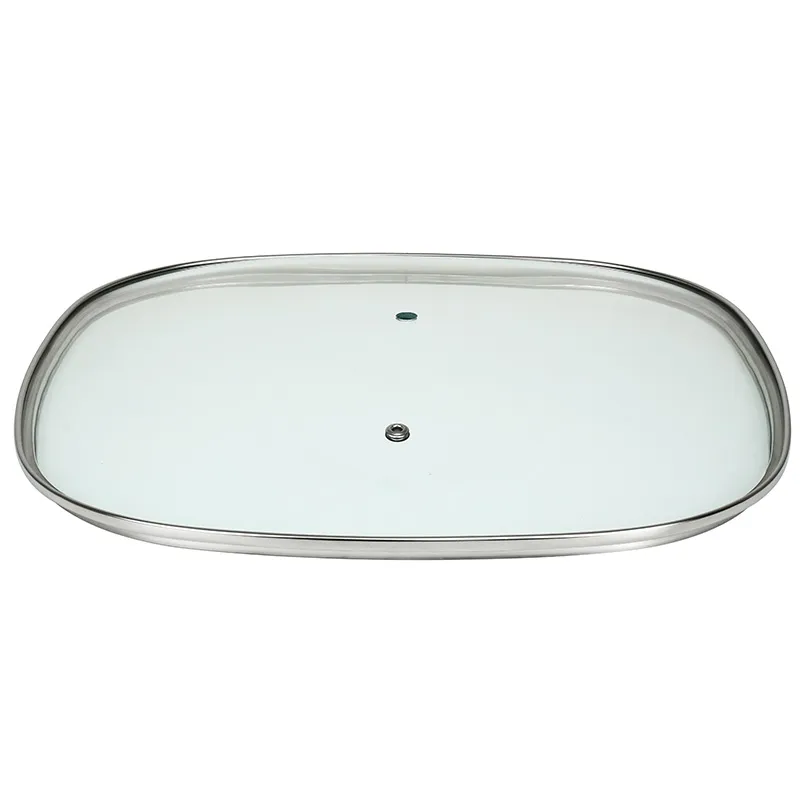
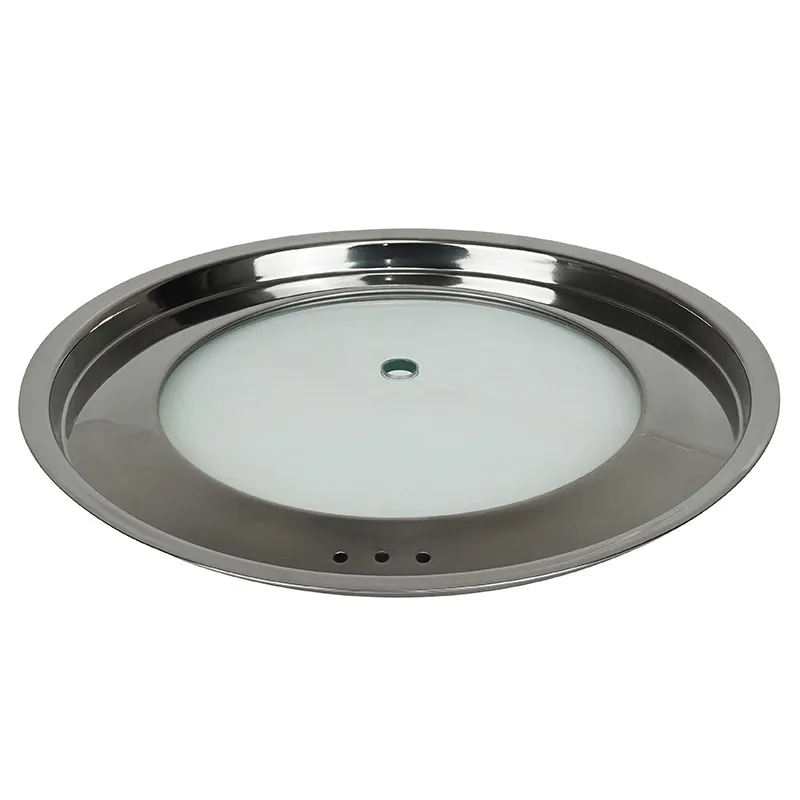
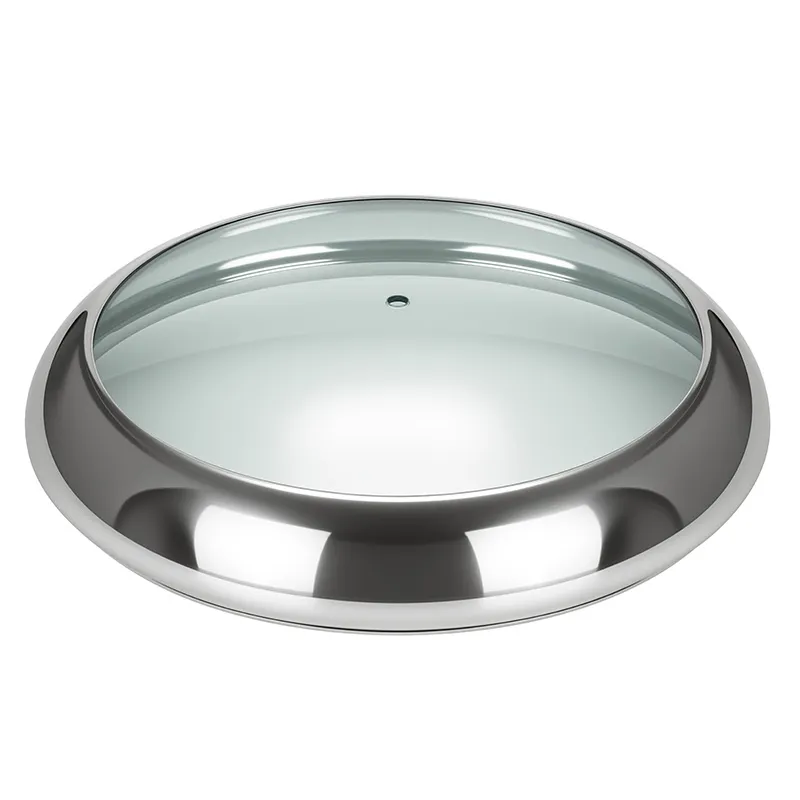
- Structure types: flat lids, domed/arched lids, lids with pressure relief holes
- Edge treatments: polished edges, stainless steel rimmed edges
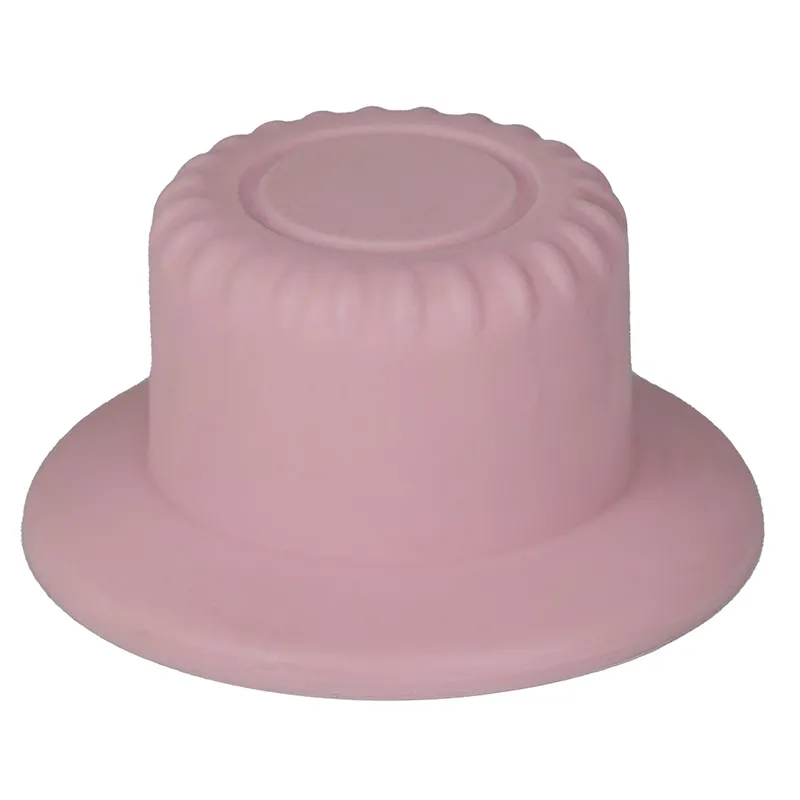
- Matching accessories: silicone seals, lid knobs/handles, steam vents
Confirming available accessory options in advance helps you judge whether the factory can support one-stop procurement and reduce subsequent assembly costs.
Boundaries of Customized Design
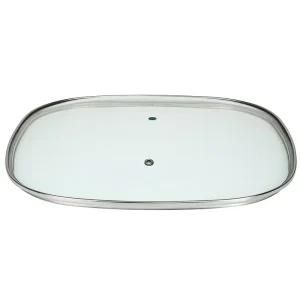
Customization requirements vary widely across buyer projects. It is important to clarify the factory’s customization boundaries early to avoid wasted communication:
- Standard customization: size adjustment within existing mold ranges, logo printing, hole position changes
- Non-standard customization: special-shaped lids, unusual thickness specifications, unique accessory structures
- Non-standard customization usually requires additional mold opening costs and longer lead times, and not all factories have corresponding development capabilities.
Quality Control System & Inspection Standards for Tempered Glass Lids
A systematic quality control (QC) system is the basic guarantee for stable batch quality. A reliable tempered glass lid manufacturer should implement layered inspection covering raw materials, production processes, and finished products.
Incoming Inspection of Raw Glass Materials
The quality of raw glass is the foundation of finished product performance. Regular factories will conduct incoming inspection on raw glass sheets, focusing on:
- Glass thickness tolerance and flatness
- Surface impurities, bubbles, and stone defects
- Consistency of raw material batches
You can ask the factory about its raw material supplier sources and incoming inspection standards to judge its control over upstream quality.
In-process Quality Control During Tempering
Process inspection can detect problems early and reduce batch defect rates. Key in-process checkpoints for tempered glass lid production include:
- Dimensional accuracy after cutting and grinding
- Surface cleanliness before entering the tempering furnace
- Real-time monitoring of tempering temperature, wind pressure, and conveying speed
- First-piece inspection after process parameter adjustments
Factories with mature management will retain daily process inspection records for traceability.
Finished Product Testing & Inspection Records
Finished product inspection is the final barrier before delivery. Common inspection items for tempered glass lids include:
- Appearance inspection: scratches, bubbles, edge defects
- Dimensional inspection: diameter, thickness, hole position tolerance
- Performance sampling: impact resistance, thermal shock resistance, fragmentation state verification
- Assembly matching inspection: compatibility with rims, handles, and seals
You can request the factory to provide its finished product sampling plan and recent inspection records as a reference for quality level evaluation. Avoid relying on unilaterally claimed pass rates without supporting documentation.
Certifications & Food Contact Compliance Documents to Check
For cross-border procurement of kitchenware products, food contact safety compliance is a non-negotiable requirement. You need to verify that the manufacturer’s products meet the regulatory standards of your target market.
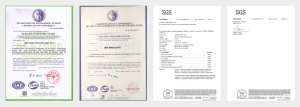
Food Contact Safety Requirements by Major Markets
Different countries and regions have independent food contact material regulatory systems. For tempered glass lids, the commonly required compliance documents correspond to regional food safety regulations for glass materials, including those enforced in the European Union, the United States, and China.
Note that certification scope must cover tempered glass lid products specifically; a general glass material certificate does not equal compliance for finished cookware lids.
Product Quality & Safety Standards Reference
In addition to food contact compliance, there are dedicated standards for the performance and safety of glass cookware lids. For example, EN 12983 is a widely recognized European standard for cookware glass lids.
This article only cites standard names for reference. Specific technical indicators and test methods should be checked against the latest official version of the standard.
How to Verify the Validity of Certificates
When reviewing certification documents, focus on the following core points to avoid invalid or expired certificates:
- Certificate validity period and issuance date
- Covered product scope and applicable standards
- Issuing agency qualification and accreditation status
- Whether the certificate holder matches the manufacturing entity you are cooperating with
For important projects, you can also require the factory to provide the original certificate or query the certificate information through the official channel of the issuing agency.
Sample Confirmation, Prototyping & Order Requirements
After passing the preliminary screening, sample confirmation is a necessary step to verify the factory’s actual product quality and execution capabilities before placing a bulk order.
Sample Request & Evaluation Checklist
When applying for samples, it is recommended to clarify your requirements in advance and evaluate against a unified checklist after receiving the samples:
- Dimensional matching with your cookware products
- Appearance quality and edge workmanship
- Tempering performance preliminary verification (such as simple thermal shock test following safe operating procedures)
- Accessory assembly fit and firmness
- Logo printing effect (if customized printing is required)
- Packaging method and anti-drop protection effect
Retaining confirmed sealed samples is an important reference for subsequent bulk goods acceptance.
Prototyping Lead Time & Cost Rules
For custom specifications that do not have ready-made samples, prototyping is required. General industry rules include:
- Standard specification samples usually have short lead times and may be provided free of charge with the buyer bearing shipping costs
- Customized samples requiring mold opening or special processing require corresponding sample fees and longer lead times
- Sample fee refund policies vary by factory; confirm in advance whether sample fees can be deducted from bulk orders
Do not assume all factories provide free custom samples; clarify cost and timeline terms at the initial sample stage.
Basic Terms for Mass Production Orders
Before formal cooperation, you need to confirm basic order terms with the factory. Common negotiation points include:
- Minimum order quantity for standard and custom specifications
- Production lead time for different order volumes
- Payment terms and deposit ratio
- Packaging solutions and shipping arrangement options
- After-sales handling rules for defective products
These terms will vary based on order size, product complexity, and factory scale, and should be confirmed in writing through formal quotation documents.
Practical Audit Checklist for Tempered Glass Lid Manufacturers
To help you standardize the screening process, here is a condensed audit checklist covering remote communication and on-site verification. You can use it directly as a supplier evaluation template.
Pre-communication Screening Questions
Ask these questions in the initial inquiry stage to quickly filter out mismatched suppliers:
- Do you own an in-house tempering production line? Can you provide workshop operation footage?
- What is your main product range of tempered glass lids? What size and structure options do you support?
- What food contact compliance certifications do you hold for your glass lid products?
- Do you have dedicated tempering quality testing equipment and finished product inspection procedures?
- What are your sample policy and typical MOQ for custom specifications?
On-site Audit Key Checkpoints
If you arrange an on-site factory audit, focus on the following checkpoints:
- Actual operation status of tempering furnaces and supporting production equipment
- Configuration and daily usage records of tempered stress testing equipment
- On-site management of raw material warehouses and finished product warehouses
- Implementation status of process inspection and on-site operation specifications
- Staff proficiency and production line operating efficiency
- Finished product inspection area and testing equipment configuration
Document Review List
During the audit, request to review the following documents to verify the factory’s management standardization:
- Business license and production-related qualification documents
- Valid food contact safety certification and product test reports
- Raw material incoming inspection records and supplier evaluation data
- Recent 2–3 months of production process inspection records
- Finished product delivery inspection records and defective product handling records
FAQs About Sourcing Tempered Glass Lids from China
Can any glass lid factory produce tempered glass lids?
No. Ordinary glass lid factories that only perform cutting, grinding, and assembly may not have tempering furnaces and corresponding technical capabilities. Tempered glass production requires dedicated tempering equipment, stress testing systems, and specialized process control capabilities. You need to specifically confirm whether the factory has independent tempering capacity.
Can I print my brand logo on tempered glass lids?
Most tempered glass lid manufacturers support logo printing services, usually through screen printing or high-temperature printing processes. You need to confirm the available printing positions, minimum order quantity for printing, and whether the printing ink meets food contact safety requirements.
Are small-batch trial orders available for tempered glass lids?
Many factories accept small trial orders for standard-sized tempered glass lids. For custom sizes or special structures, the minimum order quantity is usually higher due to mold and setup costs. You can communicate your order scale with the factory in advance to confirm feasibility.
How to handle breakage during international shipping?
Breakage rate is a common concern for glass product transportation. Reliable factories will design shock-resistant packaging solutions to reduce shipping damage. It is recommended to clarify the breakage liability and compensation rules in the formal order contract, and consider appropriate cargo insurance for bulk shipments.
Final Takeaways for Choosing a Reliable Chinese Tempered Glass Lid Manufacturer
Evaluating a tempered glass lid manufacturer in China requires systematic verification across multiple dimensions, rather than relying solely on price or superficial introductions.
Key steps to follow:
- First confirm the supplier is a real manufacturer with in-house tempering lines, not a trading company.
- Verify its tempering process capability and testing equipment to ensure it can deliver stable quality.
- Confirm product range, structure options, and customization boundaries match your procurement needs.
- Check its QC system and food contact compliance certifications to control quality and legal risks.
- Complete sample confirmation and clarify order terms before placing bulk orders.
- Use a standardized audit checklist to complete comprehensive supplier evaluation.
If you are looking for a reliable tempered glass lid manufacturer in China, you are welcome to browse our full product range or contact us directly to discuss your specific procurement requirements.