- Chinese
- French
- German
- Portuguese
- Spanish
- Russian
- Japanese
- Korean
- Arabic
- Irish
- Greek
- Turkish
- Italian
- Danish
- Romanian
- Indonesian
- Czech
- Afrikaans
- Swedish
- Polish
- Basque
- Catalan
- Esperanto
- Hindi
- Lao
- Albanian
- Amharic
- Armenian
- Azerbaijani
- Belarusian
- Bengali
- Bosnian
- Bulgarian
- Cebuano
- Chichewa
- Corsican
- Croatian
- Dutch
- Estonian
- Filipino
- Finnish
- Frisian
- Galician
- Georgian
- Gujarati
- Haitian
- Hausa
- Hawaiian
- Hebrew
- Hmong
- Hungarian
- Icelandic
- Igbo
- Javanese
- Kannada
- Kazakh
- Khmer
- Kurdish
- Kyrgyz
- Latin
- Latvian
- Lithuanian
- Luxembou..
- Macedonian
- Malagasy
- Malay
- Malayalam
- Maltese
- Maori
- Marathi
- Mongolian
- Burmese
- Nepali
- Norwegian
- Pashto
- Persian
- Punjabi
- Serbian
- Sesotho
- Sinhala
- Slovak
- Slovenian
- Somali
- Samoan
- Scots Gaelic
- Shona
- Sindhi
- Sundanese
- Swahili
- Tajik
- Tamil
- Telugu
- Thai
- Ukrainian
- Urdu
- Uzbek
- Vietnamese
- Welsh
- Xhosa
- Yiddish
- Yoruba
- Zulu
- Kinyarwanda
- Tatar
- Oriya
- Turkmen
- Uyghur

Tempered Glass Lid Manufacturing Process: From Glass Cutting to Final Inspection
2026-10-23
Summary: Learn how tempered glass lids are manufactured, from material inspection and glass cutting to tempering, assembly, quality inspection, and packaging.
Tempered glass lid manufacturing involves more than cutting a piece of glass to the required diameter. The production process typically includes raw material inspection, glass cutting, edge processing, forming, tempering, rim and handle assembly, quality inspection, and packaging.
For cookware brands, OEM product developers, and purchasing teams, understanding these stages helps clarify which specifications must be confirmed before sampling and mass production. Glass thickness, lid shape, edge finish, rim material, handle design, and dimensional tolerances can all affect the manufacturing route and the final product.
The exact process varies according to the lid design, glass specifications, and factory capabilities. The following guide explains the main stages and the quality checks buyers should discuss with a manufacturer.
What Is Involved in Tempered Glass Lid Manufacturing?
A typical tempered glass lid production process follows a sequence of material preparation, glass processing, heat treatment, component assembly, inspection, and packing.
| Manufacturing stage | Main purpose | Key points to check |
|---|---|---|
| Material selection and incoming inspection | Confirm that the glass meets the required specifications | Glass type, thickness, surface condition, and incoming material consistency |
| Glass cutting | Produce blanks in the required dimensions and shape | Diameter, outline, and cutting quality |
| Edge processing | Remove sharp edges and prepare the glass for further processing | Edge finish, chips, cracks, and edge consistency |
| Forming | Create the required flat or curved lid profile | Shape, height, and dimensional consistency |
| Tempering | Heat-treat the glass to develop the specified strength characteristics | Process suitability, breakage, distortion, and applicable test requirements |
| Rim and component assembly | Fit the rim, handle, vent, or other specified components | Fit, alignment, attachment, and component compatibility |
| Final inspection | Verify the finished lid against the approved requirements | Dimensions, appearance, assembly, and agreed performance checks |
| Packaging | Protect finished lids during storage and transportation | Separation, cushioning, carton protection, and shipment identification |
Not every lid uses exactly the same sequence. For example, a flat lid and a dome-shaped lid may require different forming arrangements. A stainless steel rim and a silicone rim also require different assembly methods.
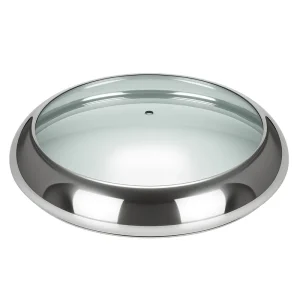
For this reason, buyers should confirm the actual manufacturing route for their chosen design rather than assuming that every tempered glass lid is produced in an identical way.
Step 1 — Glass Material Selection and Incoming Inspection
The first stage is selecting glass that is suitable for the intended cookware lid and verifying its condition before production begins.
Selecting the glass material
The material specification should identify the required glass type, nominal thickness, dimensions, and any relevant appearance or performance requirements. These details should be agreed upon before the manufacturer prepares production samples.
For cookware lids, buyers may need to consider:
- Glass thickness: The selected thickness must be compatible with the lid design, dimensions, forming requirements, and intended service conditions.
- Surface quality: Scratches, inclusions, contamination, and other visible imperfections may affect the appearance or suitability of the finished lid.
- Shape and dimensions: The initial glass blank must provide sufficient material for the required outline and any subsequent forming operations.
- Design compatibility: The material and processing route must be suitable for the intended flat or curved profile and the specified edge geometry.
A thickness should not be selected solely because it is commonly used for another lid size. The appropriate specification depends on the actual product design and the manufacturer’s validated process.
Incoming material inspection
Before processing, incoming glass should be checked against the agreed material requirements. Depending on the purchasing specification, inspection may include thickness measurement, visual examination, and verification of material identification or supplier documentation.
Early inspection is important because a defect that passes into later stages may cause additional processing costs, production interruptions, or rejection of the finished lid.
What buyers should confirm: Ask the manufacturer which glass specifications are recorded, how incoming defects are handled, and whether the approved sample and production material will follow the same specification.
Step 2 — Glass Cutting and Edge Processing
After the raw material has been accepted, the glass is cut into blanks matching the required lid outline. Edge processing then prepares the cut glass for subsequent operations.
Glass cutting
Cutting establishes the basic dimensions of the lid. For a round cookware lid, the target diameter is a primary dimension, but the overall outline must also match the approved drawing.
The cutting plan should account for the required finished dimensions and the allowances needed for subsequent processing. The actual allowance depends on the manufacturing method and should be determined by the factory rather than assumed by the buyer.
Important checks include:
- Whether the cut diameter and outline match the production drawing.
- Whether the cut edges contain chips or other unacceptable damage.
- Whether the blank is suitable for the next processing stage.
- Whether the dimensions remain consistent across the production batch.
Edge grinding and finishing
Cut edges may be sharp or contain small defects. Edge processing helps create the specified edge profile and reduces the risk associated with leaving damaged edges untreated.
The required finish depends on the lid design. Some products may use a ground or seamed edge that will be covered by a rim, while other designs may require a more specific finished profile.
Edge quality matters because glass edges can be sensitive to damage. An edge defect may become a starting point for cracking during later processing or service.
What buyers should confirm: Specify the required diameter tolerance, edge profile, and acceptable level of edge damage. If the rim covers the glass edge, confirm that the finished edge remains suitable for assembly and inspection.
Step 3 — Forming Flat or Dome-Shaped Lids
Cookware lids may have a flat profile or a raised, dome-shaped profile. The required shape affects the manufacturing route and the dimensional checks needed before assembly.
Flat glass lids
Flat lids generally require a process that maintains the specified outline and flatness. The manufacturer should confirm how the glass is supported and processed, as well as how dimensional consistency is checked.
The relevant inspection points may include diameter, flatness, edge condition, and the fit between the glass and its rim.
Dome-shaped glass lids
A dome-shaped lid requires the glass to achieve a specified curvature or raised profile. Depending on the design and manufacturing equipment, the forming process may be integrated with heat treatment or performed using a separate suitable operation.
The required profile should be defined clearly in the product drawing. Relevant dimensions may include the overall diameter, dome height, curvature, and the geometry of the area where the rim will be attached.
The forming route must be compatible with the glass material and the subsequent tempering process. A manufacturer should confirm the feasible design and production sequence before a sample is approved.
Why shape consistency matters
Two lids may have the same nominal diameter but differ in height, curvature, or edge geometry. These differences can affect how the rim fits and whether the finished lid sits correctly on the intended cookware.
For OEM projects, the approved drawing and sample should therefore define more than the overall diameter. The critical shape dimensions and their acceptance criteria should also be documented.
What buyers should confirm: Ask which dimensions control the lid profile and how the manufacturer verifies consistency between samples and production batches.
Step 4 — Tempering and Process Control
Tempering is a heat-treatment process used to develop the required mechanical characteristics of the glass. In conventional thermal tempering, the glass is heated under controlled conditions and then rapidly cooled.
This treatment creates a different internal stress distribution from that of ordinary annealed glass. The resulting performance depends on the glass composition, thickness, geometry, and suitability of the processing conditions.
Preparing the glass for tempering
Glass preparation is important because defects introduced or left untreated during earlier processing can affect the result. Cutting, edge finishing, and any required drilling or other machining generally need to be completed at the appropriate stage before final thermal tempering.
Once glass has been thermally tempered, conventional cutting, drilling, or edge grinding is generally not suitable because it can cause the glass to break.
The exact production sequence should be confirmed with the manufacturer, particularly for designs involving holes, special edge features, printing, or curved profiles.
Heating and rapid cooling
During thermal tempering, the glass is heated to a controlled temperature and then rapidly cooled. Process conditions must suit the specific glass and product geometry.
The manufacturer must control the relevant parameters rather than relying on one fixed recipe for every lid. Changes in thickness, shape, loading arrangement, or equipment may require a different validated process.
What can go wrong during tempering?
Potential concerns include breakage, shape distortion, surface marks, and variation in the finished product. The significance of each issue depends on the product requirements and the agreed acceptance criteria.
A visual appearance issue should not automatically be treated as proof that the glass has inadequate strength. Conversely, a lid that looks acceptable is not necessarily evidence that every required performance characteristic has been verified.
These are different quality questions and should be assessed using appropriate inspection methods.
What buyers should confirm: Ask how the manufacturer controls the tempering process, which product characteristics are checked afterward, and what evidence is available to demonstrate compliance with the agreed specification.
Step 5 — Rim, Vent, and Handle Assembly
After the glass has completed the required processing and passed the relevant checks, the manufacturer can proceed with assembly according to the lid design.
Common components may include a stainless steel rim, silicone rim, handle, steam vent, fasteners, and other specified accessories. Not every product includes all these components.
Rim assembly
The rim connects the glass lid to the cookware interface. Depending on the design, it may be made from stainless steel or silicone.
For stainless steel rims, relevant checks may include material specification, dimensional consistency, surface finish, and the fit between the rim and the glass.
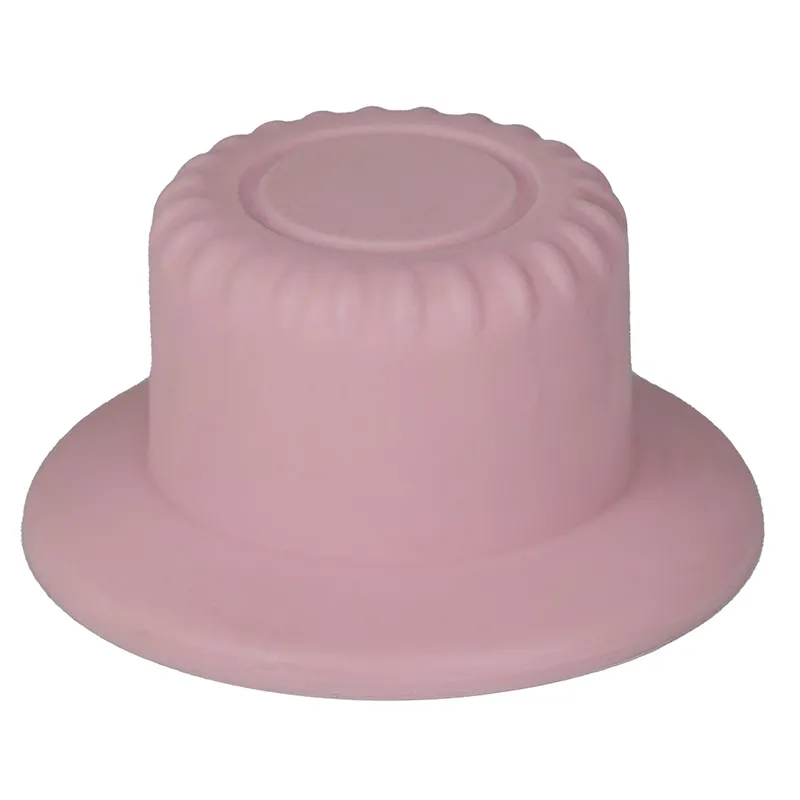
For silicone rims, buyers may need to specify the required profile, dimensions, material requirements, and fit. The finished assembly should be checked against the approved sample and drawing.
A rim should not be assumed to provide a particular sealing or heat-resistance performance unless that performance has been defined and verified for the specific design.
Handle installation
The handle must be compatible with the lid structure and its intended use. Depending on the design, it may be attached using a screw, bracket, or another specified fastening arrangement.
Important checks include:
- Correct handle position and orientation.
- Secure attachment and consistent assembly.
- Compatibility between the handle, fasteners, and lid structure.
- Appearance and finish according to the approved sample.
- Compliance with any agreed functional or load-related tests.
The required attachment method and acceptance criteria should be documented before mass production.
Steam vent and other components
If the lid includes a steam vent or another functional component, its position, dimensions, and installation should match the approved design.
The manufacturer should verify that assembly does not introduce unacceptable damage to the glass or interfere with the intended function of the component.
What buyers should confirm: Provide a complete assembly drawing or approved sample showing the rim, handle, vent, and other components. Specify the materials, fastening method, appearance requirements, and any functional checks required for approval.
For projects that use silicone rims, buyers can also review the related product information on tempered glass lids with silicone rims.
Step 6 — Quality Inspection Before Shipment
Quality inspection should verify that the finished lid conforms to the agreed requirements. It is not limited to checking whether the glass looks clean or whether the handle is attached.
A practical inspection plan should identify the characteristic being checked, the inspection method, the acceptance criteria, and the records required for approval.
Dimensional inspection
Dimensional checks may include:
- Overall lid diameter.
- Glass thickness.
- Dome height or other profile dimensions, where applicable.
- Rim dimensions and fit.
- Handle and vent position.
- Other critical dimensions identified in the drawing.
The required tolerances should be specified in the approved drawing or purchase specification. Buyers should not assume that one universal tolerance applies to every glass lid.
Visual inspection
Visual inspection can identify defects such as scratches, chips, cracks, contamination, surface marks, and unacceptable assembly appearance.
The inspection conditions should be agreed upon where appearance is important. Lighting, viewing conditions, and the criteria for accepting minor visual characteristics can affect how inspection results are interpreted.
Assembly and functional checks
The inspection plan may also include checks for rim fit, handle security, component alignment, and other product-specific requirements.
If the lid is expected to meet defined performance requirements, those requirements should be stated explicitly. Appropriate test methods and acceptance criteria should be agreed upon before production rather than introduced after the goods have been manufactured.
Tempering-related verification
Where the purchasing specification or applicable requirements call for evidence of tempered-glass performance, buyers should confirm which test methods and records the manufacturer can provide.
For example, the applicable standard may define particular testing procedures and acceptance criteria. The appropriate standard depends on the product, intended market, and requirements governing the finished item. A standard for architectural glazing should not automatically be assumed to cover a cookware lid.
The manufacturer should identify the applicable requirements and provide relevant documentation when required by the contract or market.
A practical inspection checklist
| Inspection area | Questions to resolve before shipment |
|---|---|
| Dimensions | Do the critical dimensions meet the approved drawing and tolerances? |
| Glass appearance | Are visible defects assessed against agreed acceptance criteria? |
| Edge condition | Are unacceptable chips, cracks, or edge defects excluded? |
| Rim fit | Does the rim fit the glass and match the approved sample? |
| Handle and vent | Are components correctly positioned and securely assembled? |
| Performance requirements | Have the agreed tests been completed using the specified methods? |
| Batch records | Are inspection results and relevant traceability records available where required? |
| Packaging | Is the finished product protected according to the agreed packing specification? |
Not every project needs the same inspection plan. The appropriate checks depend on the product design, order requirements, risk level, and applicable market requirements.
What buyers should confirm: Before mass production, agree on the inspection plan, sampling method where applicable, acceptance criteria, and required inspection records. This reduces the risk of disagreements about product quality after shipment.
Step 7 — Cleaning, Packaging, and Shipment Preparation
Once the finished lids have passed the required inspections, they are prepared for packing and shipment.
Cleaning and final handling
The finished product should be handled in a way that prevents avoidable scratches, contamination, and damage to the glass, rim, or handle.
The cleaning method must be compatible with the materials and surface finishes of the assembled lid. Any specific cleanliness or appearance requirement should be documented in the product specification.
Packaging protection
Glass lids can be vulnerable to impact and edge damage during handling and transportation. Packaging should therefore prevent direct contact between products where necessary and provide suitable protection for the glass and attached components.
Depending on the order, the packaging specification may define:
- Individual product protection.
- Separators or cushioning materials.
- Inner and outer carton requirements.
- Packing quantity per carton.
- Product labels and carton identification.
- Palletization or other shipment preparation requirements.
The appropriate arrangement depends on the product dimensions, assembly design, shipping method, and buyer’s requirements.
Shipment preparation
Before dispatch, the manufacturer and buyer should confirm the order quantity, packaging configuration, carton markings, and any required shipping or inspection documents.
For OEM orders, packaging approval should be completed before mass production or packing begins if the packaging includes custom labels, branding, or product-specific instructions.
What buyers should confirm: Request the agreed packing specification and clarify how the manufacturer protects glass edges and assembled components during transportation. Where packaging performance is critical, define the required evaluation method rather than relying on a general statement that the product is safely packed.
What Should Buyers Confirm With a Glass Lid Manufacturer?
A clear specification helps the manufacturer evaluate feasibility, prepare samples, and establish a consistent production and inspection plan.
Before placing an OEM or bulk order, buyers should confirm the following items.
1. Product drawing and dimensions
Provide the required diameter, glass thickness, profile, edge geometry, rim dimensions, handle position, and vent details where applicable. Identify critical dimensions and specify their tolerances.
2. Glass and component specifications
Define the required glass material and thickness, rim material, handle material, fastening arrangement, and other relevant components. Where material grades or test reports are required, state those requirements explicitly.
3. Manufacturing feasibility
Ask the manufacturer to review the design and confirm the proposed processing route. Special profiles, holes, edge features, or assembly requirements should be evaluated before the sample is approved.
4. Sample approval and production consistency
Agree on which dimensions, appearance characteristics, and functional requirements will be checked during sample approval. The approved sample should be linked to a controlled drawing or specification so that production is not judged against an undocumented reference.
5. Quality inspection and documentation
Confirm the inspection plan, applicable test requirements, acceptance criteria, and documentation needed before shipment. Avoid relying on broad claims such as “high quality” without defining what will actually be checked.
6. Packaging and delivery requirements
Specify the packaging configuration, labeling, order quantity, and required shipping documents. If the order has special handling or branding requirements, confirm these before production.
For buyers evaluating a cookware glass lid manufacturer, these discussions are more useful than comparing quotations alone. Two quotations may cover products that appear similar but differ in material specifications, dimensional tolerances, component design, inspection requirements, or packaging.
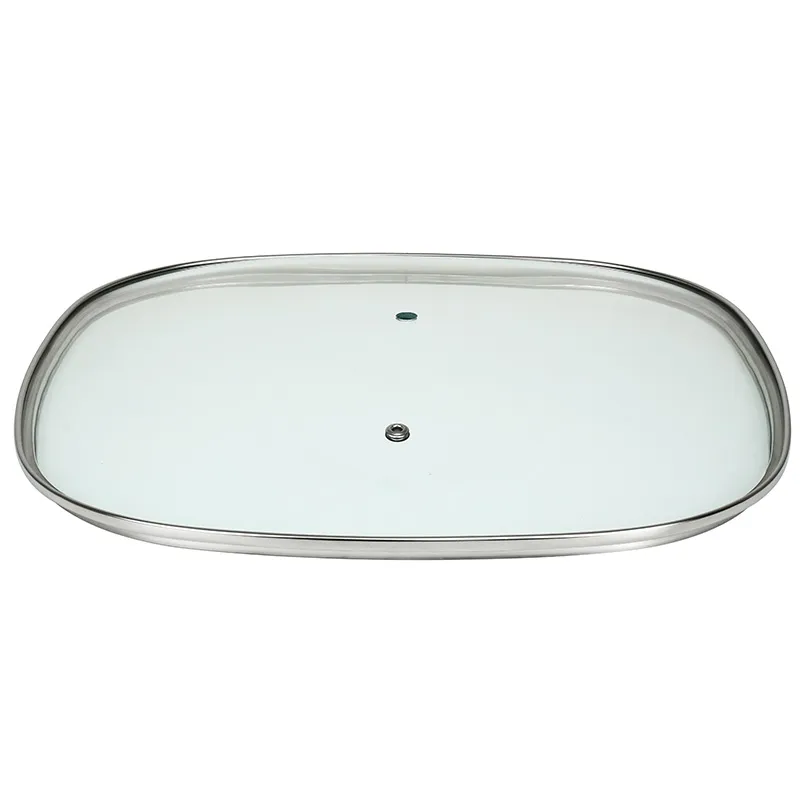
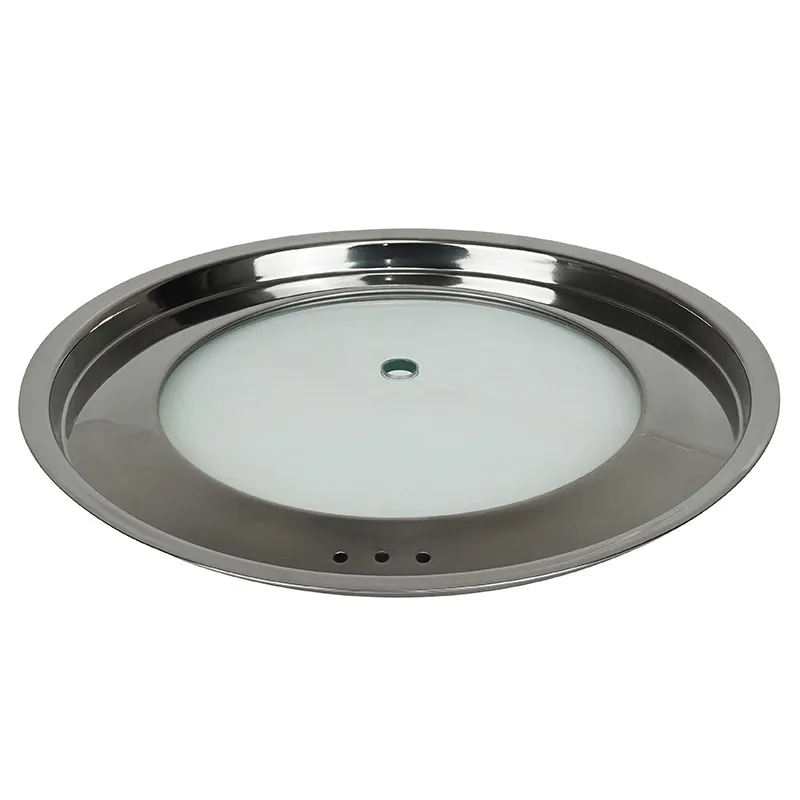
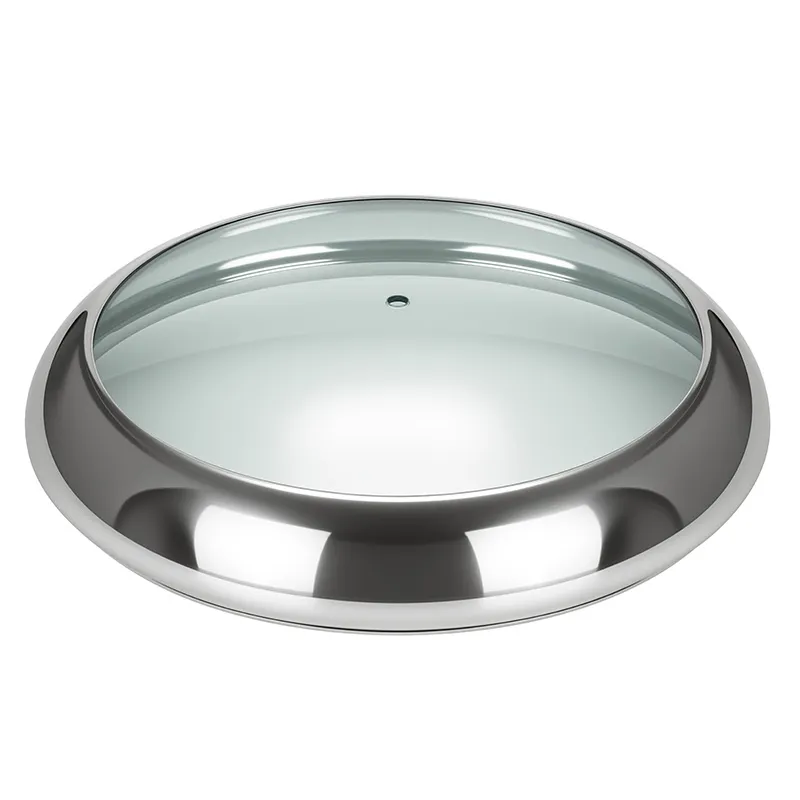
For product specifications and available lid designs, buyers can review tempered glass lids for cookware and use the relevant product information as a starting point for technical discussions.
Frequently Asked Questions
What are the main steps in tempered glass lid manufacturing?
The main steps typically include incoming material inspection, glass cutting, edge processing, forming where required, tempering, rim and component assembly, final inspection, cleaning, and packaging. The exact sequence depends on the lid design and manufacturing route.
Does every tempered glass lid follow the same manufacturing process?
No. Flat and dome-shaped lids may require different forming arrangements, while stainless steel rims and silicone rims have different assembly requirements. Product dimensions, component designs, and required performance characteristics can also affect the process and inspection plan.
Which quality checks should buyers request for tempered glass lids?
Buyers should identify the critical dimensions, acceptable visual condition, edge requirements, rim fit, handle attachment, and any product-specific performance requirements. Where testing or compliance documentation is required, the applicable methods, acceptance criteria, and records should be agreed upon before production.
Can a tempered glass lid be cut or drilled after tempering?
Conventional cutting, drilling, or edge grinding after thermal tempering is generally unsuitable because it can cause the glass to break. Required holes and edge features should therefore be included in the design and production plan at the appropriate pre-tempering stage. The manufacturer should confirm the feasible process for the specific product.
Conclusion
Tempered glass lid manufacturing is a coordinated process in which material selection, cutting, edge preparation, forming, tempering, assembly, inspection, and packaging all contribute to the finished product.
For B2B buyers, the most important step is to translate the intended product design into a clear specification before mass production. Dimensions, material requirements, component fit, inspection criteria, and packaging expectations should be documented and agreed upon with the manufacturer.
A defined manufacturing and inspection plan helps both parties evaluate samples consistently, reduce avoidable production issues, and establish clearer expectations for bulk orders.