- Chinese
- French
- German
- Portuguese
- Spanish
- Russian
- Japanese
- Korean
- Arabic
- Irish
- Greek
- Turkish
- Italian
- Danish
- Romanian
- Indonesian
- Czech
- Afrikaans
- Swedish
- Polish
- Basque
- Catalan
- Esperanto
- Hindi
- Lao
- Albanian
- Amharic
- Armenian
- Azerbaijani
- Belarusian
- Bengali
- Bosnian
- Bulgarian
- Cebuano
- Chichewa
- Corsican
- Croatian
- Dutch
- Estonian
- Filipino
- Finnish
- Frisian
- Galician
- Georgian
- Gujarati
- Haitian
- Hausa
- Hawaiian
- Hebrew
- Hmong
- Hungarian
- Icelandic
- Igbo
- Javanese
- Kannada
- Kazakh
- Khmer
- Kurdish
- Kyrgyz
- Latin
- Latvian
- Lithuanian
- Luxembou..
- Macedonian
- Malagasy
- Malay
- Malayalam
- Maltese
- Maori
- Marathi
- Mongolian
- Burmese
- Nepali
- Norwegian
- Pashto
- Persian
- Punjabi
- Serbian
- Sesotho
- Sinhala
- Slovak
- Slovenian
- Somali
- Samoan
- Scots Gaelic
- Shona
- Sindhi
- Sundanese
- Swahili
- Tajik
- Tamil
- Telugu
- Thai
- Ukrainian
- Urdu
- Uzbek
- Vietnamese
- Welsh
- Xhosa
- Yiddish
- Yoruba
- Zulu
- Kinyarwanda
- Tatar
- Oriya
- Turkmen
- Uyghur

Wholesale Glass Jar with Sealed Lid | Factory Price
2026-10-23
- What Is a Glass Jar with Sealed Lid and Why Does It Matter?
- Material Science: Why Glass Outperforms Plastic and Metal
- Types of Sealed Lids: Technical Comparison
- Manufacturing Excellence at EUR-ASIA COOKWARE CO.,LTD.
- How to Choose the Right Glass Jar for Your Business
- Common Mistakes in Sourcing Sealed Glass Jars
- Applications Across Industries
- FAQ: Frequently Asked Questions About Wholesale Glass Jars
- Maintenance and Care Guidelines for End Users
- Why Partner with EUR-ASIA COOKWARE CO.,LTD.?
- Conclusion and Next Steps
A glass jar with sealed lid is a specialized storage container designed to maintain product freshness, prevent leakage, and ensure hygiene through an airtight closure mechanism. For B2B buyers, wholesalers, and brand owners, sourcing these jars directly from a certified manufacturer like EUR-ASIA COOKWARE CO.,LTD. offers significant advantages in cost control, customization, and quality assurance. Our facility in Taian City, Shandong, produces over 15 million tempered glass units annually, adhering to strict ISO9001, LFGB, and TUV standards. This guide details the technical specifications, material benefits, and procurement strategies for securing high-quality sealed glass jars at factory-direct prices in 2026.
What Is a Glass Jar with Sealed Lid and Why Does It Matter?
In the packaging and household goods industry, a glass jar with a sealed lid is not merely a container; it is a preservation system. The “sealed” aspect refers to the engineering precision between the glass mouth and the lid component—whether it be metal, plastic, or bamboo—often incorporating a silicone gasket or a vacuum-lock mechanism. This design creates an barrier against oxygen, moisture, and contaminants.
For businesses in the food, cosmetic, and chemical sectors, the integrity of this seal determines shelf life and consumer safety. Unlike standard screw-top jars, sealed variants are tested for negative pressure resistance and leak-proof performance during transit. Understanding the mechanical interaction between the lid and the jar neck is crucial for selecting the right product for your specific application.
Core Components of a High-Quality Sealed Jar
- The Glass Body: Typically made from soda-lime or borosilicate glass, providing chemical inertness and thermal stability.
- The Neck Finish: The threaded or lug-style edge where the lid attaches. Precision molding here prevents cross-threading and ensures a uniform seal.
- The Lid Mechanism: Can include twist-off metal caps with vacuum buttons, clip-top wire bales with rubber gaskets, or screw-on lids with integrated silicone rings.
- The Gasket/Sealant: Food-grade silicone or plastisol liners that compress to fill microscopic gaps between the glass and lid.
Material Science: Why Glass Outperforms Plastic and Metal
When evaluating packaging materials for long-term storage or premium branding, glass remains the superior choice due to its molecular structure. As a non-porous material, glass does not interact with the contents, ensuring that flavors, aromas, and chemical compositions remain unchanged.
Chemical Inertness and Safety
Plastic containers, particularly those made from PET or HDPE, can leach microplastics or absorb odors over time. Glass is impermeable. For products like essential oils, acidic foods (sauces, pickles), or high-end skincare, this inertness is non-negotiable. EUR-ASIA COOKWARE CO.,LTD. utilizes high-quality raw materials that meet LFGB (German Food and Feed Code) standards, ensuring no heavy metal migration occurs even under thermal stress.
Thermal Stability and Durability
Our production line specializes in tempered glass products. Tempering involves heating the glass to over 600°C and then rapidly cooling it. This process induces surface compression, making the glass up to four times stronger than annealed glass. If broken, tempered glass shatters into small, blunt pieces rather than sharp shards, enhancing safety for end-users. This durability is critical for logistics, reducing breakage rates during international shipping to markets like Germany, Russia, and Brazil.
Sustainability and Circular Economy
In 2026, sustainability is a primary driver in procurement decisions. Glass is 100% recyclable without loss of quality. Unlike multi-layer plastic packaging, which is difficult to recycle, a glass jar with a sealed lid can be fully disassembled. The glass is recycled into new cullet, while metal or plastic lids are processed in their respective streams. This aligns with the environmental regulations in the EU and North America, making our products highly attractive to eco-conscious brands.
Types of Sealed Lids: Technical Comparison
Selecting the correct lid type is as important as choosing the jar size. Different applications require different sealing mechanisms. Below is a technical comparison of the most common sealed lid configurations available from our manufacturing base.
| Lid Type | Sealing Mechanism | Best Application | Pros & Cons |
|---|---|---|---|
| Twist-Off Vacuum Lid | Metal cap with plastisol liner. Creates vacuum upon cooling. | Jams, honey, baby food, sauces. | Pros: Tamper-evident, long shelf life. Cons: Single-use vacuum effect. |
| Clip-Top (Bale) Lid | Wire hinge mechanism with removable/reusable rubber gasket. | Dry goods, coffee beans, tea, cookies. | Pros: Reusable, easy access, aesthetic appeal. Cons: Not suitable for liquids under pressure. |
| Screw-On with Silicone Ring | Plastic or metal screw thread with internal silicone O-ring. | Liquids, oils, cosmetics, spices. | Pros: Leak-proof, reusable, versatile. Cons: Requires precise torque to seal. |
| Bamboo/Wood with Steel Band | Natural wood lid secured by a steel tension band. | Premium gifts, dry cosmetics, organic products. | Pros: High aesthetic value, eco-friendly look. Cons: Hand wash only, not airtight for liquids. |
Manufacturing Excellence at EUR-ASIA COOKWARE CO.,LTD.
Located in the China National High-tech Development Zone in Taian City, Shandong Province, EUR-ASIA COOKWARE CO.,LTD. has established itself as a pivotal player in the global glassware supply chain. Our facility spans 20,000 square meters, with 15,000 square meters dedicated to advanced production workshops. This scale allows us to maintain an annual output of over 15 million pieces of tempered glass lids and related glass products.
Customization Capabilities
One size does not fit all in the B2B sector. We understand that brand identity is conveyed through packaging. Therefore, we offer extensive customization options:
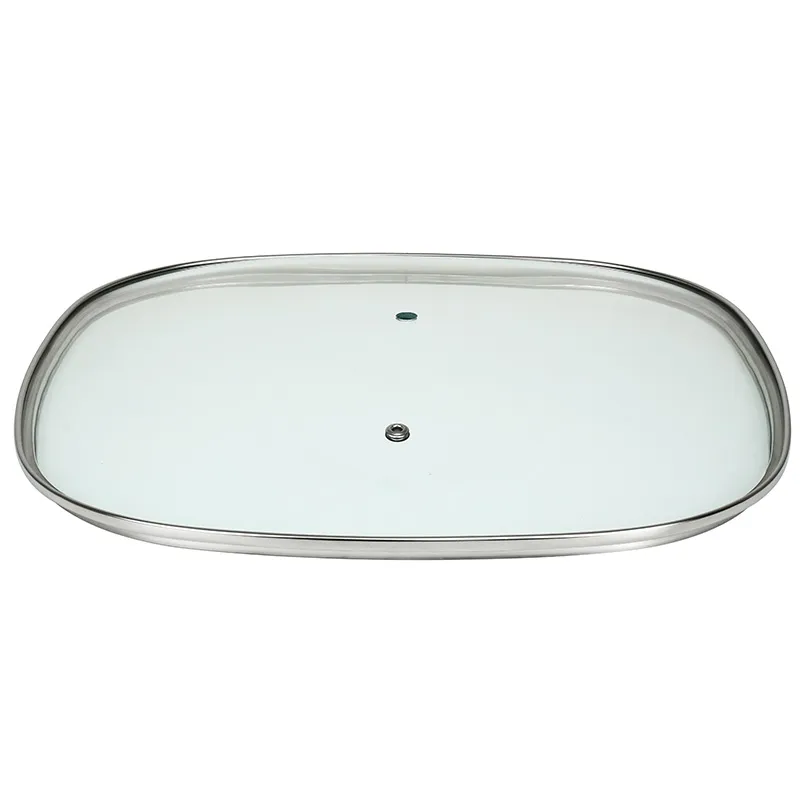
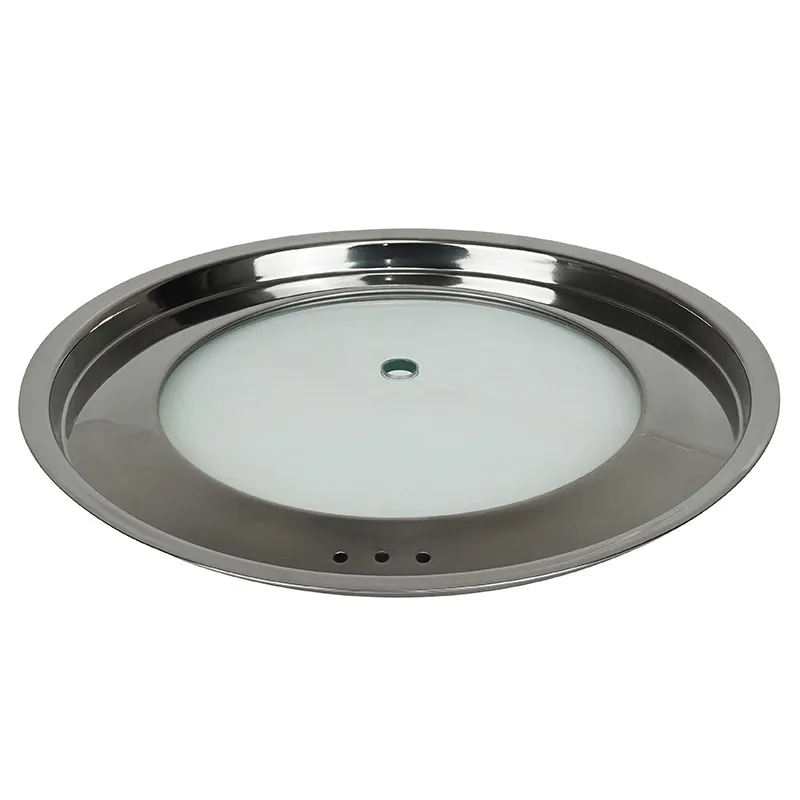
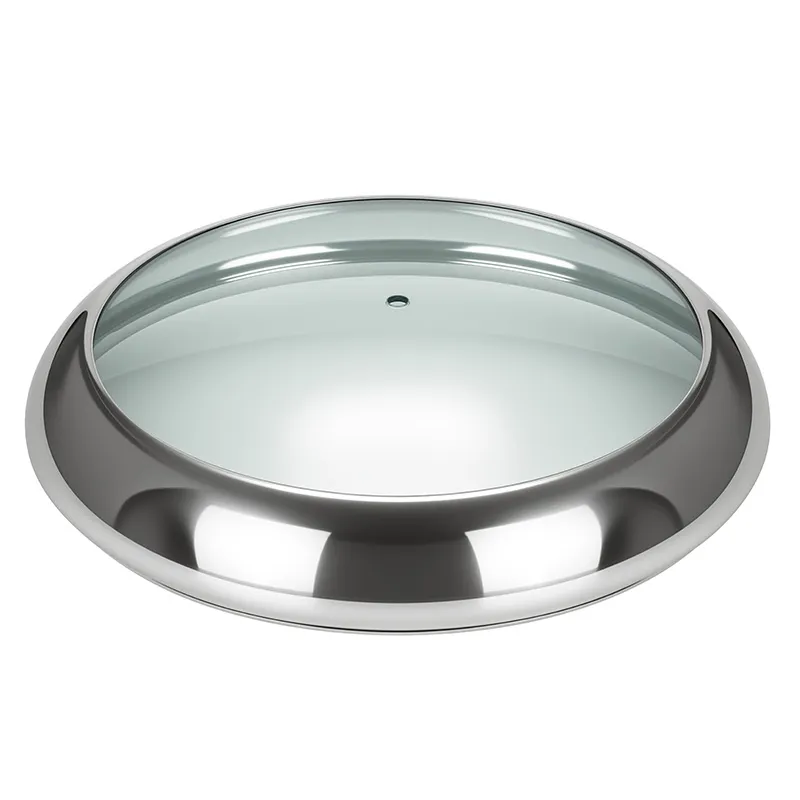
- Shape Customization: Beyond standard cylindrical jars, we produce high-curvature, tall, flat, and other special-shaped glass covers based on customer molds or design requirements.
- Logo Printing: We provide screen printing, hot stamping, and laser engraving services to apply your brand logo directly onto the glass or lid.
- Color Variations: While clear glass is standard, we can manufacture amber, green, or frosted glass to protect light-sensitive contents like essential oils or pharmaceuticals.
Quality Certifications and Compliance
Trust is built on verification. Our company has passed ISO9001 certification, ensuring consistent quality management systems. More importantly, our products have passed LFGB (Germany) and TUV certifications. These are rigorous standards that test for lead and cadmium release, thermal shock resistance, and mechanical strength. For exporters targeting the European market, these certifications are not just beneficial—they are mandatory. Over 90% of our products are exported to demanding markets including Germany, Italy, France, Denmark, Switzerland, Japan, and South Korea, reflecting our commitment to international quality benchmarks.
How to Choose the Right Glass Jar for Your Business
Procuring the right glass jar with a sealed lid involves balancing functionality, aesthetics, and logistics. Here is a step-by-step framework for making an informed decision.
Step 1: Define the Product Viscosity and State
The physical state of your product dictates the seal type. Liquids (oils, syrups) require a leak-proof screw-top with a silicone ring. Semi-solids (creams, pastes) work well with wide-mouth twist-offs. Dry goods (grains, nuts) can utilize clip-tops or simple screw lids. Misaligning the lid type with the product viscosity leads to leakage complaints and brand damage.
Step 2: Determine Volume and Dimensions
Standard volumes range from 50ml for samples to 1000ml for bulk storage. However, the diameter-to-height ratio affects shelf presence. Tall, slender jars appear more premium for cosmetics, while squat, wide jars are practical for kitchen staples. At EUR-ASIA, we can adjust mold dimensions to create unique silhouettes that stand out on retail shelves.
Step 3: Assess Logistics and Breakage Risk
Glass is heavy and fragile. When calculating landed cost, consider the wall thickness. Thinner glass reduces weight and shipping costs but increases breakage risk. Our tempered glass offers an optimal balance, allowing for thinner walls without sacrificing strength. We also provide export-grade packaging solutions, including divided cartons and palletization, to minimize transit damage.
Step 4: Verify Supplier Capacity and Lead Time
Ensure your supplier can handle your volume requirements without compromising quality. With 90+ employees and an annual capacity of 15 million units, EUR-ASIA COOKWARE CO.,LTD. can scale production to meet seasonal demands or large-scale launch campaigns. Always request lead time estimates for both standard and customized orders.
Common Mistakes in Sourcing Sealed Glass Jars
Even experienced buyers make errors when sourcing packaging. Avoid these pitfalls to ensure a smooth supply chain.
- Ignoring Thread Compatibility: Assuming all “standard” lids fit all jars. Thread pitches vary by manufacturer. Always request sample kits to test fitment before bulk ordering.
- Overlooking Thermal Shock: Using non-tempered glass for hot-fill applications (e.g., jam making). This can cause immediate breakage. Ensure your supplier specifies “tempered” or “heat-resistant” for hot-fill processes.
- Neglecting Lid Quality: Focusing solely on the glass while ignoring the lid. A poor-quality lid will rust, warp, or fail to seal, rendering the expensive glass jar useless. We source high-grade tinplate and food-grade plastics for our lids to match the quality of our glass.
- Underestimating MOQ for Customization: Custom molds require significant setup time and cost. For initial runs, consider using stock shapes with custom printing to lower minimum order quantities (MOQs).
Applications Across Industries
The versatility of a glass jar with a sealed lid extends far beyond the kitchen. Here is how different industries leverage our products.
Food and Beverage
From artisanal honey and organic spices to craft beverages and pickled vegetables, glass preserves the authentic taste. The airtight seal prevents oxidation, keeping herbs vibrant and sauces fresh. Our LFGB-certified materials ensure safety for direct food contact.
Cosmetics and Personal Care
High-end creams, face masks, and bath salts are often packaged in glass to convey luxury and purity. Amber glass jars protect light-sensitive active ingredients in skincare formulations. The ability to print logos directly on the glass enhances brand recognition.
Pharmaceutical and Healthcare
Medical supplies, cotton swabs, and ointments require sterile, non-reactive packaging. Glass provides a barrier against microbial contamination. The transparency allows healthcare professionals and patients to easily monitor content levels and condition.
Home Decor and DIY
Sealed glass jars are popular for candle making, terrariums, and storage of craft supplies. The aesthetic appeal of clip-top jars makes them favorites for DIY enthusiasts who value both function and style.
FAQ: Frequently Asked Questions About Wholesale Glass Jars
What is the minimum order quantity (MOQ) for custom glass jars?
MOQs vary depending on whether you choose stock items or custom molds. For stock items with custom logo printing, the MOQ is typically lower, often around 5,000 to 10,000 units. For completely custom shapes requiring new molds, the MOQ may be higher, usually starting at 20,000 to 50,000 units. Contact our sales team for specific quotes based on your design complexity.
Can you produce jars with specific color requirements?
Yes. In addition to clear (flint) glass, we produce amber, green, blue, and frosted glass. Custom colors may require larger batch sizes to ensure color consistency across the production run. We can match Pantone colors for printed elements on the lid or glass.
How do you ensure the jars are safe for food contact?
All our food-grade glass jars undergo rigorous testing. We adhere to LFGB (Germany) and FDA (USA) standards. Our raw materials are screened for heavy metals, and our production environment is controlled to prevent contamination. Certificates of Analysis (COA) are provided with each shipment.
What is the lead time for production?
Standard stock items can be shipped within 7-15 days. Customized orders typically require 25-40 days, depending on the complexity of the mold, printing requirements, and current production schedule. We recommend placing orders well in advance of peak seasons.
Do you provide samples before bulk production?
Yes, we strongly encourage clients to request samples. We can send existing stock samples for free (shipping costs apply) or produce pre-production samples for custom designs. This allows you to verify quality, size, and seal integrity before committing to a large order.
Maintenance and Care Guidelines for End Users
Providing care instructions to your customers adds value and extends the product’s lifespan. Include these tips in your product packaging or marketing materials.
- Cleaning: Wash with warm soapy water. For clip-top jars, remove the rubber gasket periodically to clean underneath and prevent mold buildup.
- Thermal Handling: Although tempered, avoid extreme temperature changes (thermal shock). Do not place a cold jar directly into boiling water or a hot jar into ice water.
- Lid Care: Dry metal lids thoroughly after washing to prevent rust. Bamboo lids should be hand-washed and occasionally treated with food-safe oil to prevent cracking.
- Storage: Store empty jars with the lid slightly ajar to allow air circulation and prevent musty odors.
Why Partner with EUR-ASIA COOKWARE CO.,LTD.?
In a crowded market, choosing the right manufacturing partner is critical. EUR-ASIA COOKWARE CO.,LTD. combines technical expertise with scalable production capabilities. Our location in Taian City, a hub for glass production, gives us access to high-quality raw materials and skilled labor.
Our commitment to quality is evidenced by our ISO9001, LFGB, and TUV certifications. With over 90% of our products exported to developed markets like Europe, Japan, and North America, we understand the stringent requirements of international buyers. We do not just sell jars; we provide packaging solutions that enhance your brand’s value and protect your product’s integrity.
Whether you need standard sealed jars for bulk distribution or bespoke designs for a premium product launch, our team is equipped to deliver. We invite you to visit our factory, inspect our production lines, and discuss how we can support your business growth in 2026 and beyond.
Conclusion and Next Steps
A high-quality glass jar with sealed lid is an investment in product preservation and brand reputation. By understanding the technical nuances of sealing mechanisms, material properties, and manufacturing standards, you can make procurement decisions that drive efficiency and customer satisfaction. EUR-ASIA COOKWARE CO.,LTD. stands ready to support your needs with certified, customizable, and competitively priced glass packaging solutions.
Ready to source premium glass jars?
Contact our sales team today to request a catalog, schedule a factory visit, or obtain a customized quote for your next project. Let us help you secure the perfect packaging solution that aligns with your quality standards and budget requirements.