- Chinese
- French
- German
- Portuguese
- Spanish
- Russian
- Japanese
- Korean
- Arabic
- Irish
- Greek
- Turkish
- Italian
- Danish
- Romanian
- Indonesian
- Czech
- Afrikaans
- Swedish
- Polish
- Basque
- Catalan
- Esperanto
- Hindi
- Lao
- Albanian
- Amharic
- Armenian
- Azerbaijani
- Belarusian
- Bengali
- Bosnian
- Bulgarian
- Cebuano
- Chichewa
- Corsican
- Croatian
- Dutch
- Estonian
- Filipino
- Finnish
- Frisian
- Galician
- Georgian
- Gujarati
- Haitian
- Hausa
- Hawaiian
- Hebrew
- Hmong
- Hungarian
- Icelandic
- Igbo
- Javanese
- Kannada
- Kazakh
- Khmer
- Kurdish
- Kyrgyz
- Latin
- Latvian
- Lithuanian
- Luxembou..
- Macedonian
- Malagasy
- Malay
- Malayalam
- Maltese
- Maori
- Marathi
- Mongolian
- Burmese
- Nepali
- Norwegian
- Pashto
- Persian
- Punjabi
- Serbian
- Sesotho
- Sinhala
- Slovak
- Slovenian
- Somali
- Samoan
- Scots Gaelic
- Shona
- Sindhi
- Sundanese
- Swahili
- Tajik
- Tamil
- Telugu
- Thai
- Ukrainian
- Urdu
- Uzbek
- Vietnamese
- Welsh
- Xhosa
- Yiddish
- Yoruba
- Zulu
- Kinyarwanda
- Tatar
- Oriya
- Turkmen
- Uyghur

Wholesale Glass Beer Can with Bamboo Lid | China Factory Price
2026-11-10
- What Is a Glass Beer Can with Bamboo Lid?
- Why Choose Glass Beer Cans with Bamboo Lids for Wholesale?
- Technical Specifications and Quality Standards
- Manufacturing Process and Quality Control in China
- Wholesale Procurement Strategy: How to Buy from China
- Logistics and Shipping Considerations
- Comparison: Glass Bamboo Cans vs. Aluminum vs. Standard Glass Bottles
- Common Mistakes to Avoid in Wholesale Buying
- Applications and Market Opportunities
- FAQ: Frequently Asked Questions
- Maintenance and Care Instructions for End Users
- Conclusion: Securing Your Competitive Edge
Sourcing glass beer can with bamboo lid wholesale directly from a China factory offers premium beverage brands a sustainable, high-margin packaging solution for 2026. These reusable containers combine the inert preservation qualities of borosilicate or soda-lime glass with the aesthetic warmth of natural bamboo, creating a distinct shelf presence that appeals to eco-conscious consumers. By bypassing intermediaries and engaging directly with manufacturers, businesses secure competitive pricing, customizable branding options, and strict quality control over material safety standards. This guide details the technical specifications, procurement strategies, and market advantages of bulk ordering glass beer cans with bamboo lids, ensuring informed decision-making for distributors, breweries, and retail chains.
What Is a Glass Beer Can with Bamboo Lid?
A glass beer can with a bamboo lid is a hybrid packaging vessel designed to merge the functional integrity of traditional glass bottling with the modern, eco-friendly aesthetics of wooden accessories. Unlike standard aluminum cans or pure glass bottles, this product features a cylindrical glass body—often resembling the silhouette of a standard 12oz or 16oz can—topped with a sealed bamboo cap. The lid typically incorporates a silicone or rubber gasket to ensure an airtight seal, preserving carbonation and freshness.
In the context of wholesale distribution, these units are not merely single-use containers but are increasingly marketed as reusable keep-cups or premium serving vessels. The “can” shape facilitates easy stacking, transportation, and compatibility with existing can-cooling infrastructure, while the glass material allows for full visibility of the beverage’s color and clarity. The bamboo lid adds a tactile, organic element that differentiates the product in crowded retail environments, signaling sustainability and craftsmanship.
Core Components and Material Composition
Understanding the physical construction is critical for quality assurance in wholesale procurement. The product consists of three primary entities:
- The Glass Body: Typically made from high-transparency soda-lime glass or durable borosilicate glass. Soda-lime is cost-effective and suitable for most cold beverages, while borosilicate offers superior thermal shock resistance, allowing the container to handle hot liquids or rapid temperature changes without cracking.
- The Bamboo Lid: Crafted from natural Moso bamboo, known for its density and moisture resistance. The wood is usually treated with food-safe lacquers or oils to prevent water absorption and mold growth. The lid fits snugly over the glass rim.
- The Sealing Mechanism: A food-grade silicone ring or gasket sits between the glass rim and the bamboo lid. This component is crucial for maintaining carbonation in beers and sparkling waters. High-quality wholesalers ensure this silicone is BPA-free and resistant to degradation from alcohol or acids.
Why Choose Glass Beer Cans with Bamboo Lids for Wholesale?
The shift toward this specific packaging format is driven by converging trends in sustainability, consumer experience, and brand differentiation. For B2B buyers, understanding these drivers helps align inventory with market demand.
1. Sustainability and Eco-Friendly Appeal
Modern consumers are increasingly wary of single-use plastics and the environmental footprint of aluminum production. Glass is infinitely recyclable without loss of quality, and bamboo is a rapidly renewable resource that sequesters carbon during growth. By offering a glass beer can with bamboo lid wholesale, brands position themselves as environmentally responsible. The reusability factor further enhances this appeal; customers often keep these containers for home use, extending the brand’s visibility beyond the initial consumption event.
2. Premium Brand Perception and Aesthetics
Glass conveys purity and premium quality. Unlike aluminum, which can sometimes impart a metallic taste if the lining fails, glass is inert and preserves the authentic flavor profile of craft beers, cold brews, and artisanal sodas. The bamboo lid adds a rustic, handcrafted touch that resonates with the “craft” movement. This combination creates a high perceived value, allowing retailers to command higher price points compared to standard canned beverages.
3. Versatility in Application
While termed “beer cans,” these vessels are highly versatile. They are equally effective for:
- Craft IPAs and Stouts
- Cold Brew Coffee
- Kombucha and Fermented Teas
- Sparkling Waters and Juices
- Cocktails and Ready-to-Drink (RTD) Spirits
This versatility allows wholesalers to market the same SKU across multiple beverage categories, reducing inventory complexity and expanding potential client bases.
Technical Specifications and Quality Standards
When evaluating suppliers for glass beer can with bamboo lid wholesale orders, technical precision is paramount. Variations in glass thickness, lid tolerance, and seal integrity can significantly impact product performance and customer satisfaction.
Glass Type: Soda-Lime vs. Borosilicate
Selecting the right glass type depends on the intended use case and budget constraints.
| Feature | Soda-Lime Glass | Borosilicate Glass |
|---|---|---|
| Cost | Lower; ideal for high-volume wholesale | Higher; premium pricing tier |
| Durability | Standard impact resistance | High thermal shock resistance |
| Weight | Heavier, feels substantial | Lighter, thinner walls possible |
| Best Use | Cold beverages, static retail display | Hot/cold versatility, outdoor use |
| Recyclability | Fully recyclable | Fully recyclable |
For most beer applications where the beverage remains cold, soda-lime glass is the industry standard due to its cost-efficiency. However, for brands marketing multi-purpose vessels (e.g., for coffee or tea), borosilicate offers a compelling unique selling proposition (USP).
Bamboo Lid Engineering
The quality of the bamboo lid determines the user experience. Poorly finished lids can splinter, absorb moisture, or fail to seal. Key quality indicators include:
- Moisture Content: Professional manufacturers dry bamboo to a specific moisture content (typically below 10%) to prevent warping or cracking after shipping.
- Surface Finish: The lid should be sanded smooth and coated with a food-safe, water-resistant finish. Matte finishes are popular for their natural look, while glossy finishes offer better water repellency.
- Fit and Tolerance: The inner diameter of the bamboo lid must match the outer diameter of the glass rim with precise tolerance (usually ±0.5mm). A loose fit compromises carbonation; a tight fit makes opening difficult.
Sealing Integrity and Carbonation Retention
For carbonated beverages like beer and sparkling water, the seal is non-negotiable. The silicone gasket must create an airtight barrier. In wholesale testing, suppliers should demonstrate leakage rates under pressure. High-quality units can maintain carbonation for several days if refrigerated and sealed properly, though they are not intended for long-term storage like crimped aluminum cans.
Manufacturing Process and Quality Control in China
China remains the global hub for glassware and bamboo product manufacturing. Understanding the production workflow helps buyers assess supplier capabilities and identify potential risks.
Step-by-Step Production Overview
- Glass Molding: Raw materials (sand, soda ash, limestone) are melted at high temperatures and molded into the can shape using blow-and-blow or press-and-blow methods. Automated inspection systems check for bubbles, cracks, or wall thickness inconsistencies.
- Annealing: The glass passes through an annealing lehr to relieve internal stresses, enhancing durability and preventing spontaneous breakage.
- Bamboo Processing: Bamboo is harvested, cut into blanks, and shaped using CNC machines. The pieces are dried, sanded, and treated with food-safe coatings.
- Assembly: Silicone gaskets are inserted into the bamboo lids. The lids are then paired with the glass bodies. Some manufacturers offer pre-assembled units, while others ship components separately to reduce breakage risk during transit.
- Quality Inspection: Random sampling tests for seal integrity, drop resistance, and visual defects. Reputable factories adhere to ISO 9001 standards.
Industry Example: EUR-ASIA COOKWARE CO.,LTD.
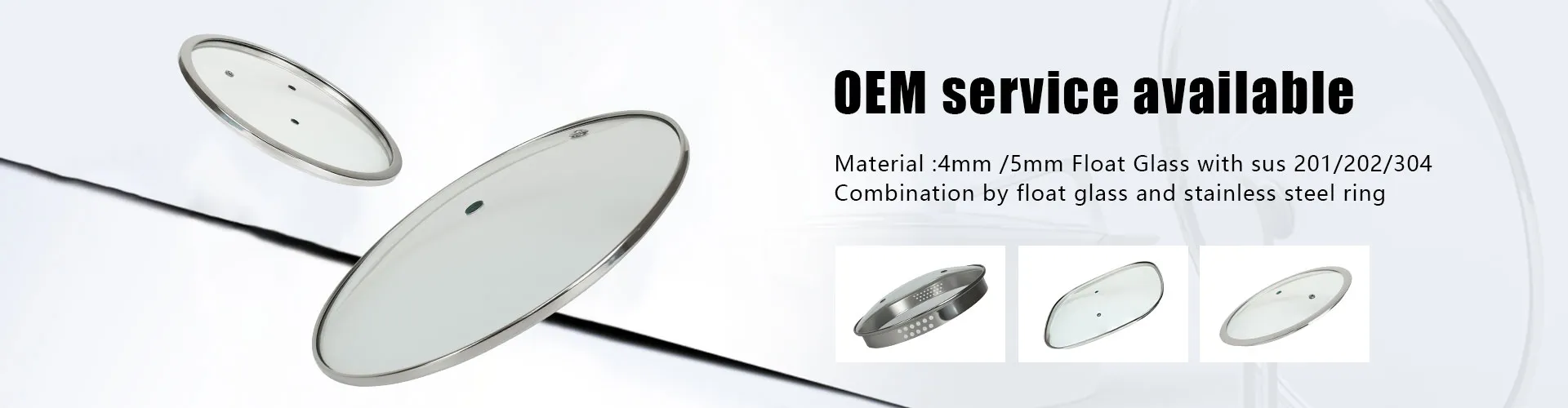
To illustrate the level of manufacturing capability required for high-quality glass products, consider established players like EUR-ASIA COOKWARE CO.,LTD. Located in the National High-tech Development Zone of Taian City, Shandong Province, this specialized manufacturer operates a 20,000㎡ production base with an annual output exceeding 15 million pieces of tempered glass and kitchen accessories. With over 90 employees and more than 90% of their products exported to markets such as Germany, Italy, Japan, and the USA, they exemplify the export-ready standards buyers should seek.
EUR-ASIA’s expertise in producing high-curvature and special-shaped glass covers demonstrates the technical flexibility needed for custom beverage packaging. Their adherence to ISO9001 certification, along with LFGB and TUV product certifications, highlights the importance of verified compliance when sourcing glass containers. Furthermore, their ability to print custom logos according to customer requirements mirrors the branding customization essential for beverage companies looking to differentiate their glass beer cans. Partnering with factories that possess this level of infrastructure and international certification ensures consistent quality and reliable supply chains.
Certifications and Compliance
When importing glass beer can with bamboo lid wholesale products, compliance with destination market regulations is essential. Key certifications to verify include:
- FDA (USA): Ensures materials are safe for food contact.
- LFGB (Europe): German food safety standards, often required for EU imports.
- SGS/BV Reports: Third-party testing for heavy metals, lead, and cadmium content in glass and bamboo finishes.
- FSC Certification: Verifies that the bamboo is sourced from responsibly managed forests, adding credibility to sustainability claims.
Always request recent test reports from potential suppliers. Do not rely solely on verbal assurances; documented proof of compliance mitigates legal and reputational risks.
Wholesale Procurement Strategy: How to Buy from China
Securing the best value for glass beer can with bamboo lid wholesale orders requires a strategic approach to sourcing, negotiation, and logistics. The following steps outline a professional procurement framework.
1. Identifying Reliable Manufacturers
Not all suppliers are created equal. Distinguish between trading companies and actual factories. Factories offer better pricing and customization control, while traders may provide broader product ranges but at higher costs. Look for suppliers with:
- Verified business licenses and export history.
- Specialization in glassware or bamboo products (avoid generalists).
- Positive reviews from international buyers on platforms like Alibaba, Global Sources, or Made-in-China.
- Willingness to provide video tours of their production lines.
2. Requesting Samples and Prototyping
Never place a bulk order without evaluating physical samples. Request samples from at least three different suppliers to compare:
- Glass clarity and weight.
- Bamboo finish quality and smell (avoid strong chemical odors).
- Ease of opening and closing the lid.
- Leakage performance when filled with carbonated water.
If custom branding is required, ask for a pre-production sample with your logo applied. This reveals the quality of printing or engraving techniques.
3. Negotiating MOQ and Pricing
Minimum Order Quantities (MOQs) for glass products can be high due to mold setup costs. Typical MOQs range from 3,000 to 10,000 units per design. To negotiate better terms:
- Consolidate Orders: Combine multiple SKUs or colors into one production run to meet MOQ thresholds.
- Long-Term Contracts: Commit to quarterly or annual volumes in exchange for lower unit prices.
- Off-Season Booking: Place orders during slower production periods (often post-Chinese New Year) to leverage capacity availability.
4. Customization and Branding Options
Customization transforms a generic container into a branded asset. Common options include:
- Silk Screening: Cost-effective for simple, one-color logos.
- Hot Stamping: Adds a metallic gold or silver finish for a premium look.
- Laser Engraving: Permanent and elegant, suitable for bamboo lids or directly on glass.
- Custom Packaging: Design branded boxes or dividers to protect the glass during shipping and enhance unboxing experiences.
Logistics and Shipping Considerations
Glass is fragile and heavy, making logistics a critical cost component. Efficient shipping strategies protect margins and product integrity.
Packaging for Safety
Standard export packaging includes:
- Inner Dividers: Cardboard or foam inserts to separate each can, preventing contact and breakage.
- Master Cartons: Double-walled corrugated boxes capable of withstanding stacking pressure.
- Palletization: Secure stacking on wooden pallets with shrink wrap and corner protectors.
Request a drop-test report from the supplier to ensure packaging meets international shipping standards.
Incoterms and Freight Options
Choose Incoterms that align with your logistical capabilities:
- EXW (Ex Works): You handle all transport from the factory door. Lowest product price but highest logistical burden.
- FOB (Free on Board): Supplier handles transport to the port. Most common for wholesale buyers who manage their own freight forwarders.
- DDP (Delivered Duty Paid): Supplier handles everything to your doorstep. Higher cost but minimal hassle, ideal for smaller wholesale orders.
For large volumes, sea freight is the only economical option. Air freight is prohibitively expensive for heavy glass items unless urgent. Plan for 4-6 weeks lead time for production plus 2-4 weeks for sea shipping.
Comparison: Glass Bamboo Cans vs. Aluminum vs. Standard Glass Bottles
To justify the investment in glass beer can with bamboo lid wholesale inventory, it is useful to compare them against traditional packaging alternatives.
| Feature | Glass Can with Bamboo Lid | Aluminum Can | Standard Glass Bottle |
|---|---|---|---|
| Aesthetics | Premium, rustic, unique | Standard, industrial | Classic, traditional |
| Reusability | High (consumer keeps it) | Low (recycled) | Medium (some reuse) |
| Flavor Preservation | Excellent (inert) | Good (with lining) | Excellent (inert) |
| Weight | Heavy | Light | Heavy |
| Shipping Cost | High | Low | High |
| Eco-Perception | Very High | Moderate | High |
| Unit Cost (Wholesale) | $$ | $ | $$ |
The glass bamboo can occupies a niche premium segment. It is not a direct replacement for mass-market aluminum cans but serves as a differentiated product for craft brands, special editions, and hospitality venues seeking to elevate their service presentation.
Common Mistakes to Avoid in Wholesale Buying
Even experienced buyers can encounter pitfalls when sourcing specialized packaging. Avoid these common errors:
- Ignoring Breakage Allowances: Always negotiate a breakage allowance (typically 2-5%) with the supplier. Ensure they agree to refund or replace broken units upon arrival.
- Overlooking Lid Humidity Sensitivity: Bamboo can swell in humid conditions. Ensure the supplier uses properly dried bamboo and considers climate-controlled storage if shipping to tropical regions.
- Underestimating Lead Times: Custom molds and printing add weeks to production. Factor in holidays like Chinese New Year, which can halt production for 3-4 weeks.
- Neglecting Regulatory Checks: Failing to verify FDA or LFGB compliance can result in customs seizures or recalls. Always prioritize certified suppliers.
Applications and Market Opportunities
Identifying the right end-users maximizes the turnover of glass beer can with bamboo lid wholesale stock.
Craft Breweries and Taprooms
Craft breweries use these cans for limited-edition releases, growler fills, and on-site merchandise sales. The reusable nature encourages customer loyalty, as patrons return to refill their branded vessels.
Hospitality and Hotels
Boutique hotels and bars utilize these containers for serving signature cocktails, cold brews, or welcome drinks. The aesthetic appeal enhances the guest experience and serves as a conversation starter.
Retail and Gift Sets
Retailers package these cans in gift sets with artisanal beverages, appealing to holiday shoppers and corporate gift buyers. The premium look justifies higher retail margins.
Corporate Branding
Companies purchase customized units for promotional events, employee gifts, or client appreciation. The utility of the product ensures long-term brand exposure.
FAQ: Frequently Asked Questions
Is the bamboo lid waterproof?
Bamboo is naturally porous, but wholesale suppliers treat lids with food-safe, water-resistant coatings. While they resist splashes and short-term exposure, they should not be submerged in water for extended periods. Hand washing and immediate drying are recommended to prolong lifespan.
Can these cans hold carbonated beer safely?
Yes, provided the silicone gasket is intact and the lid is secured tightly. However, they are not designed for long-term pressurized storage like crimped aluminum cans. They are best for immediate consumption or short-term refrigeration (1-3 days).
What is the typical MOQ for wholesale orders?
MOQs vary by supplier but typically start at 3,000 to 5,000 units for standard designs. Custom colors or logos may require higher MOQs (10,000+) to cover setup costs.
How do I clean the bamboo lid?
Hand wash the bamboo lid with mild soap and warm water. Avoid dishwashers, as high heat and prolonged water exposure can cause warping or cracking. Dry thoroughly before storage.
Are these containers dishwasher safe?
The glass body is generally dishwasher safe. However, the bamboo lid must always be hand washed. To prevent damage, it is advisable to wash the entire unit by hand if the lid is attached.
Can I print my logo on the glass?
Yes, most China factories offer silk screening, hot stamping, or laser engraving services. Provide vector files (AI or PDF) for accurate reproduction. Discuss durability expectations with the supplier, as some prints may fade with frequent washing.
Maintenance and Care Instructions for End Users
Providing care instructions to your customers reduces returns and enhances satisfaction. Include these tips in your product packaging:
- Initial Wash: Wash both glass and lid before first use.
- Drying: Always dry the bamboo lid immediately after washing. Store in a well-ventilated area.
- Oil Treatment: Occasionally apply a thin layer of food-grade mineral oil to the bamboo lid to maintain its luster and prevent drying out.
- Avoid Extreme Temperatures: While borosilicate glass handles heat well, sudden temperature changes can still stress the silicone seal. Allow the container to adjust to room temperature before filling with hot or cold liquids.
Conclusion: Securing Your Competitive Edge
The glass beer can with bamboo lid wholesale market represents a significant opportunity for businesses aiming to differentiate their beverage offerings in 2026. By combining the purity of glass with the sustainability of bamboo, these containers meet the evolving demands of eco-conscious consumers while providing a premium tactile experience. Sourcing directly from China factories allows for competitive pricing and extensive customization, enabling brands to create unique, memorable products.
Success in this niche relies on selecting reputable manufacturers, prioritizing quality control, and optimizing logistics to manage the fragility and weight of glass. By adhering to the procurement strategies outlined in this guide, buyers can minimize risks and maximize the value of their inventory.
Whether you are a craft brewery looking to launch a limited edition, a retailer seeking high-margin gift items, or a hospitality group enhancing guest experience, these versatile containers offer a compelling solution. Start by requesting samples from verified suppliers, verifying certifications, and negotiating terms that align with your volume needs.
Ready to elevate your beverage packaging? Explore our range of premium glassware solutions and connect with trusted manufacturing partners today.