- Chinese
- French
- German
- Portuguese
- Spanish
- Russian
- Japanese
- Korean
- Arabic
- Irish
- Greek
- Turkish
- Italian
- Danish
- Romanian
- Indonesian
- Czech
- Afrikaans
- Swedish
- Polish
- Basque
- Catalan
- Esperanto
- Hindi
- Lao
- Albanian
- Amharic
- Armenian
- Azerbaijani
- Belarusian
- Bengali
- Bosnian
- Bulgarian
- Cebuano
- Chichewa
- Corsican
- Croatian
- Dutch
- Estonian
- Filipino
- Finnish
- Frisian
- Galician
- Georgian
- Gujarati
- Haitian
- Hausa
- Hawaiian
- Hebrew
- Hmong
- Hungarian
- Icelandic
- Igbo
- Javanese
- Kannada
- Kazakh
- Khmer
- Kurdish
- Kyrgyz
- Latin
- Latvian
- Lithuanian
- Luxembou..
- Macedonian
- Malagasy
- Malay
- Malayalam
- Maltese
- Maori
- Marathi
- Mongolian
- Burmese
- Nepali
- Norwegian
- Pashto
- Persian
- Punjabi
- Serbian
- Sesotho
- Sinhala
- Slovak
- Slovenian
- Somali
- Samoan
- Scots Gaelic
- Shona
- Sindhi
- Sundanese
- Swahili
- Tajik
- Tamil
- Telugu
- Thai
- Ukrainian
- Urdu
- Uzbek
- Vietnamese
- Welsh
- Xhosa
- Yiddish
- Yoruba
- Zulu
- Kinyarwanda
- Tatar
- Oriya
- Turkmen
- Uyghur


ninja foodi glass lid
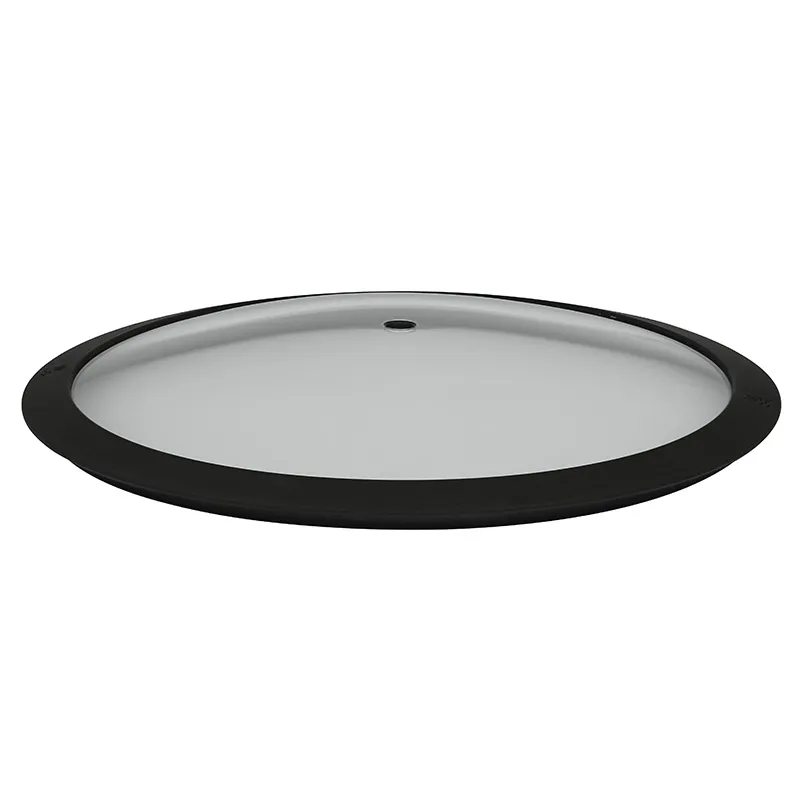
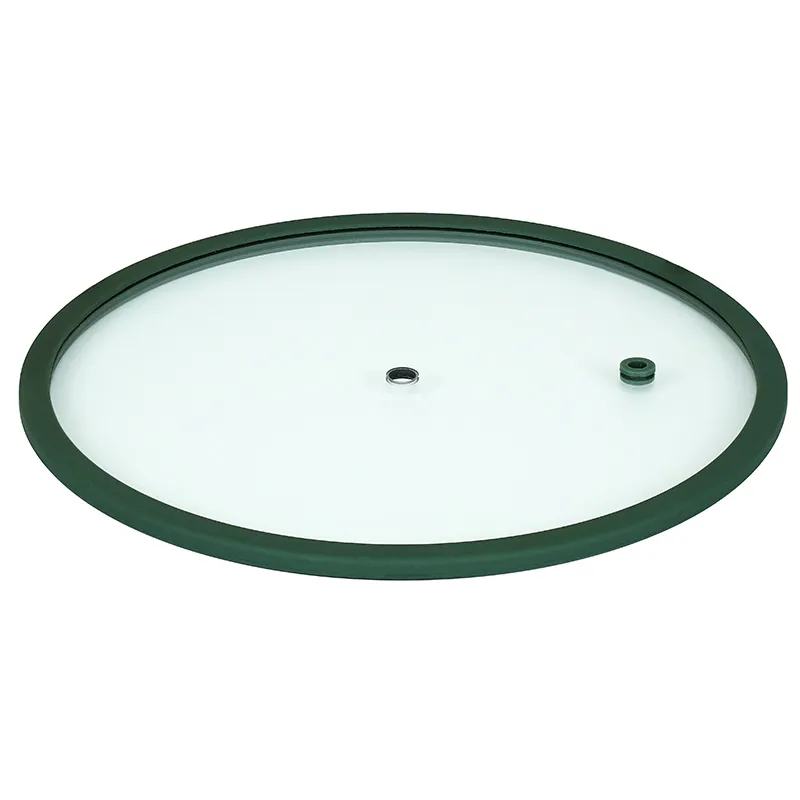
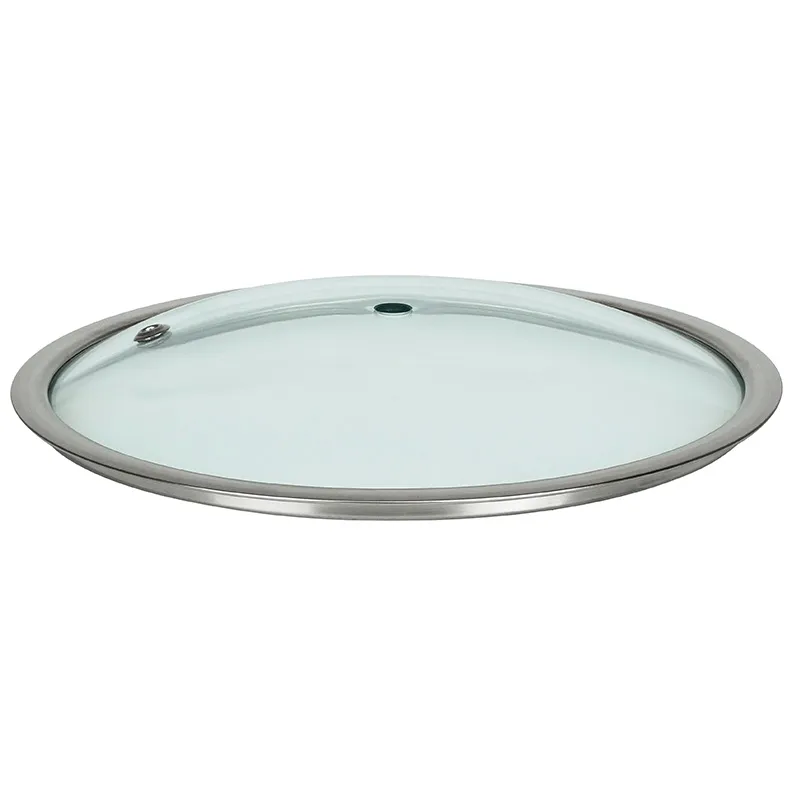
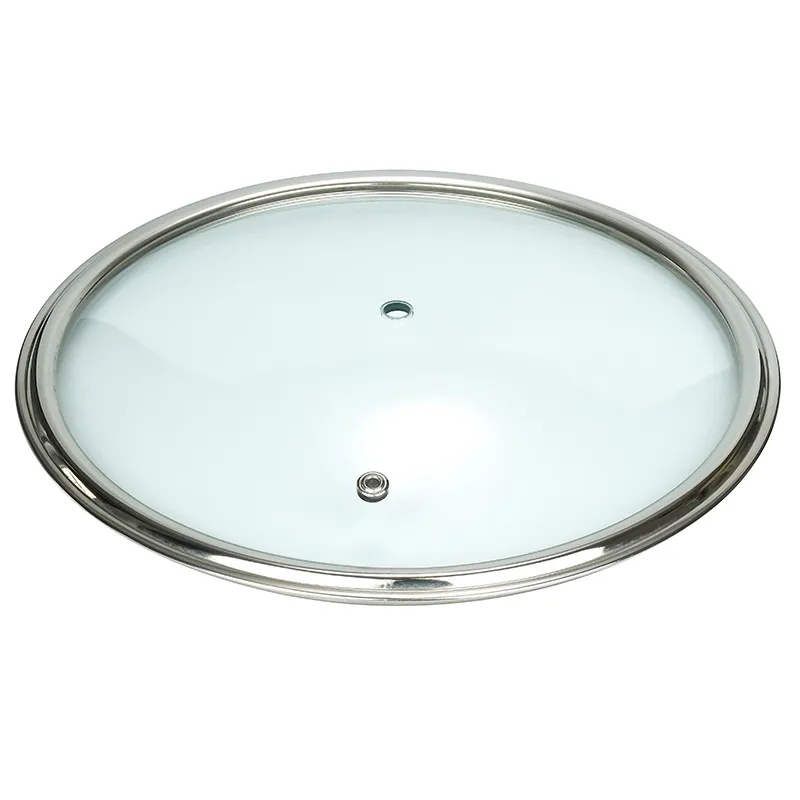
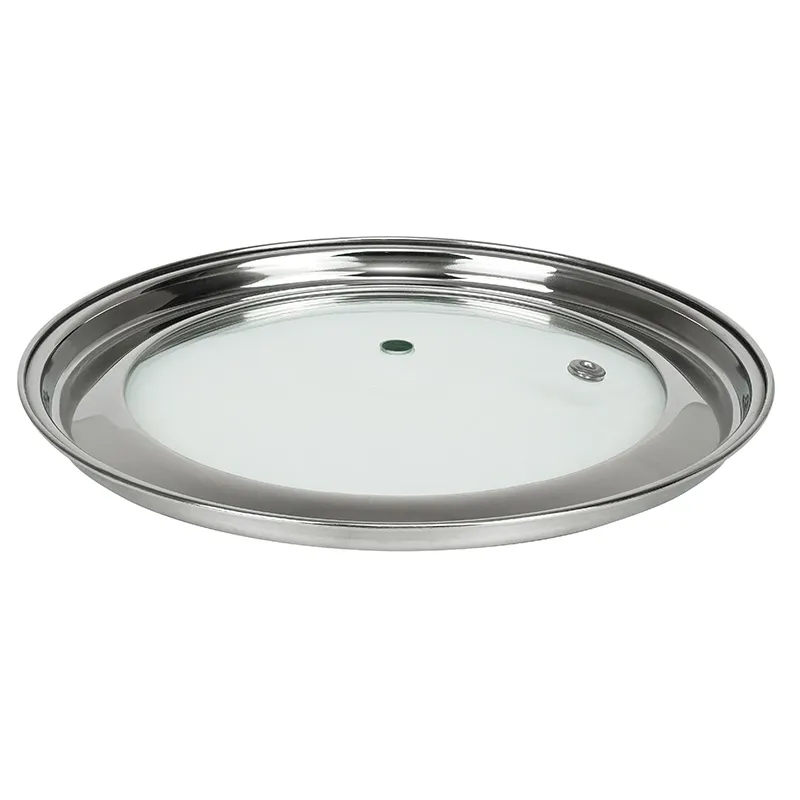
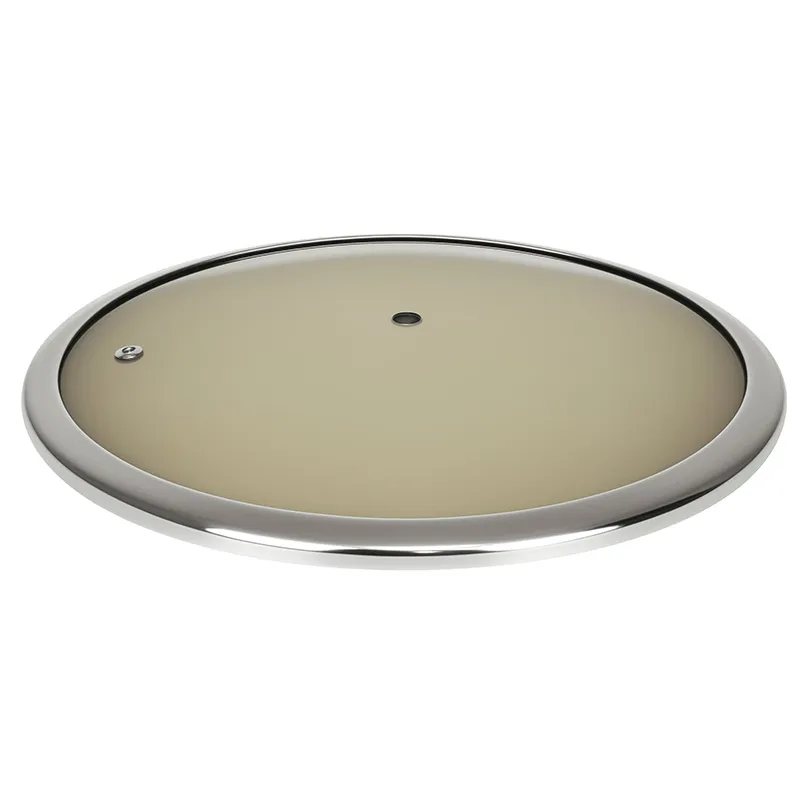
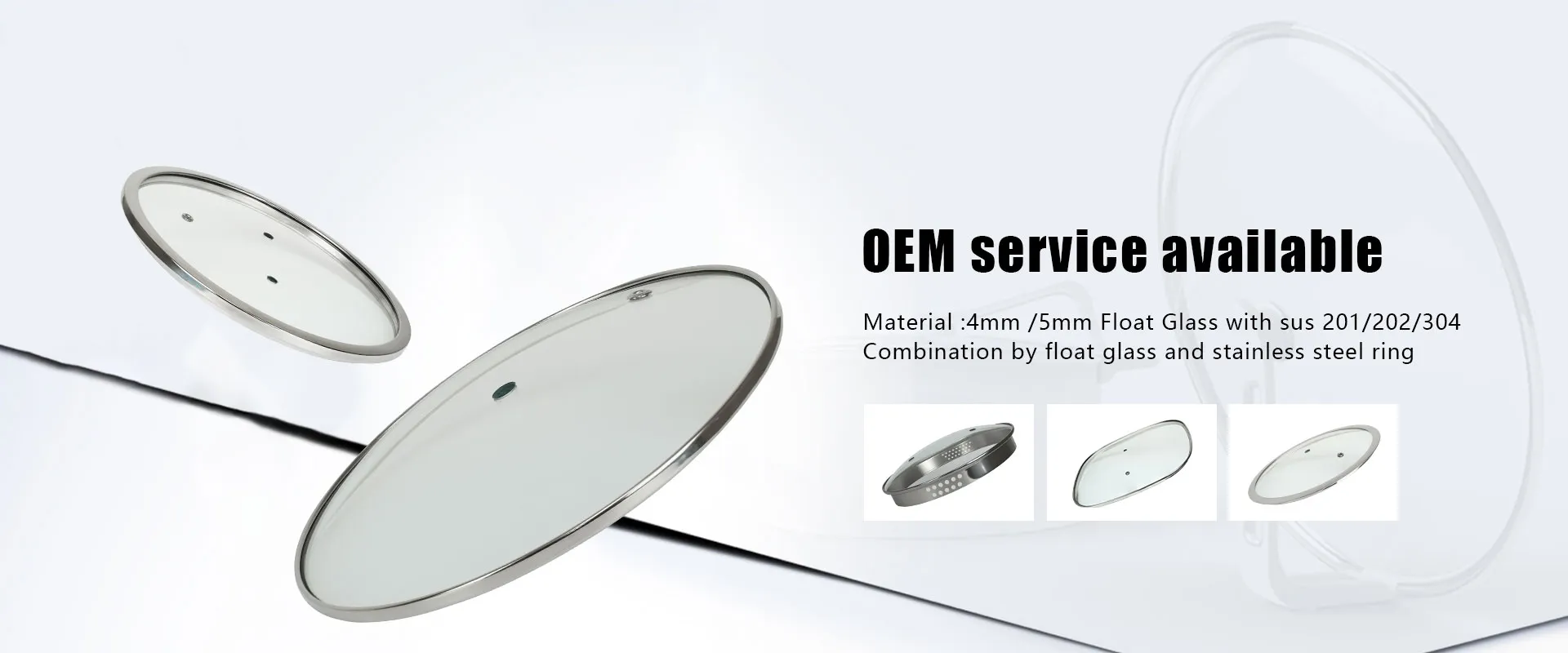
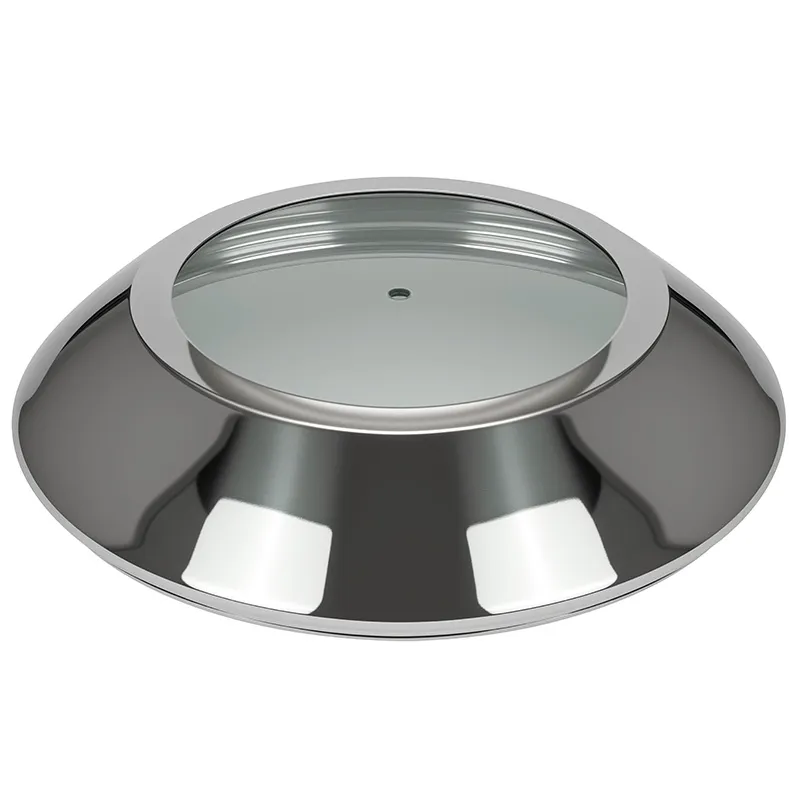
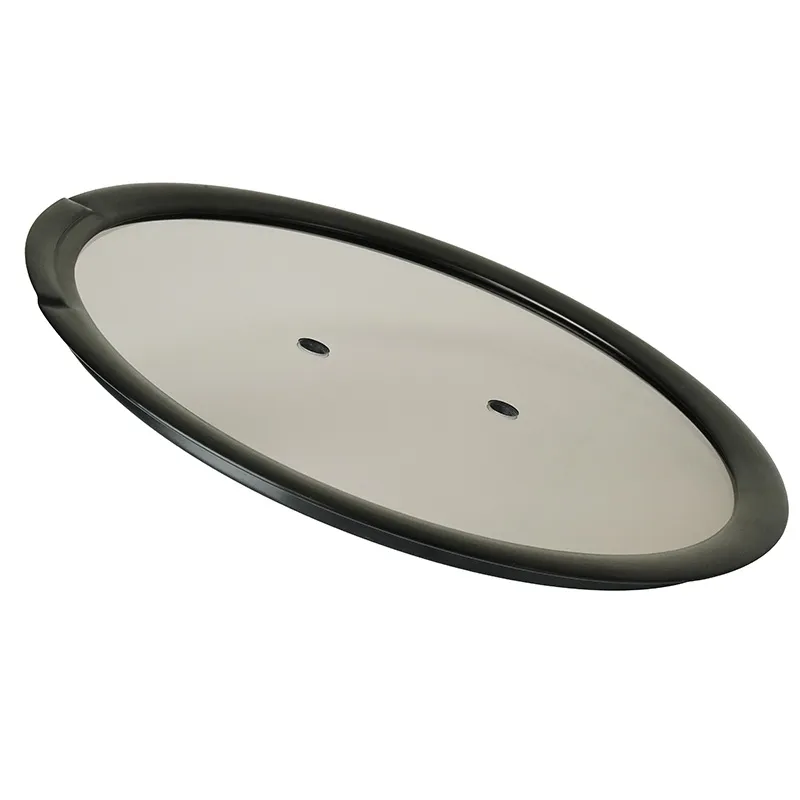
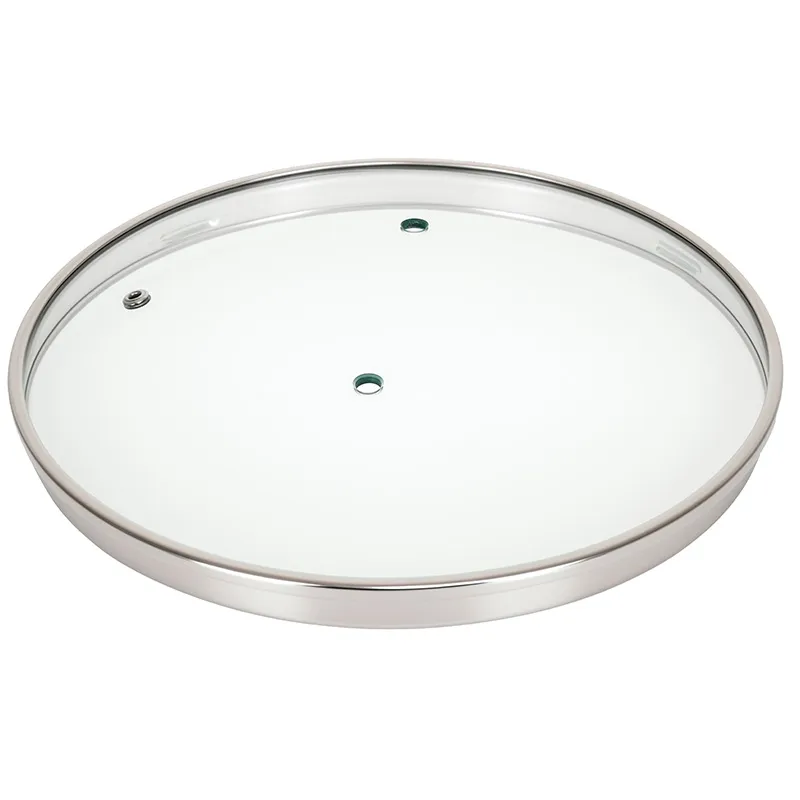
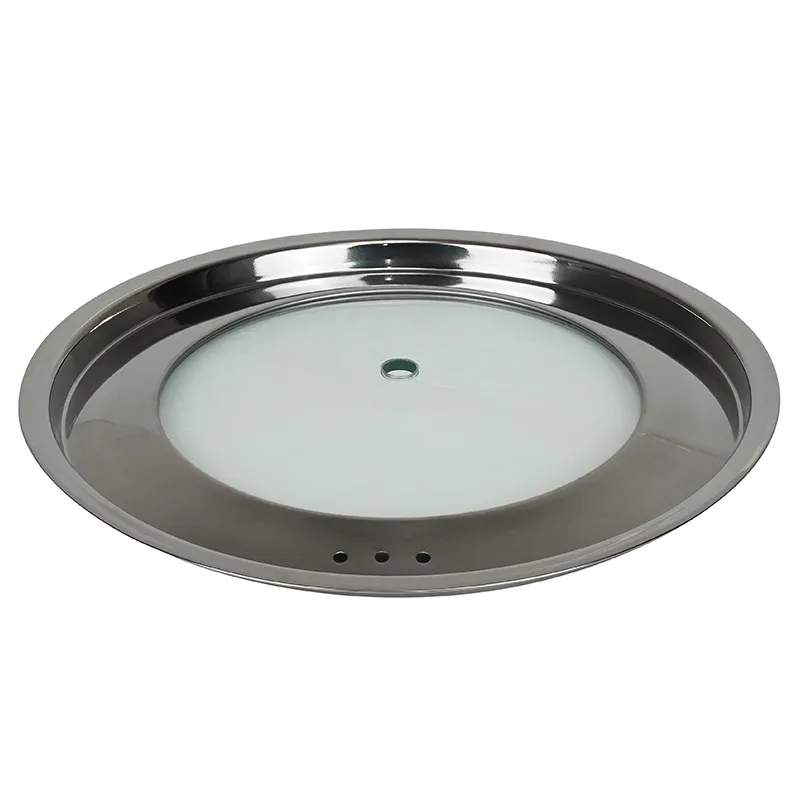
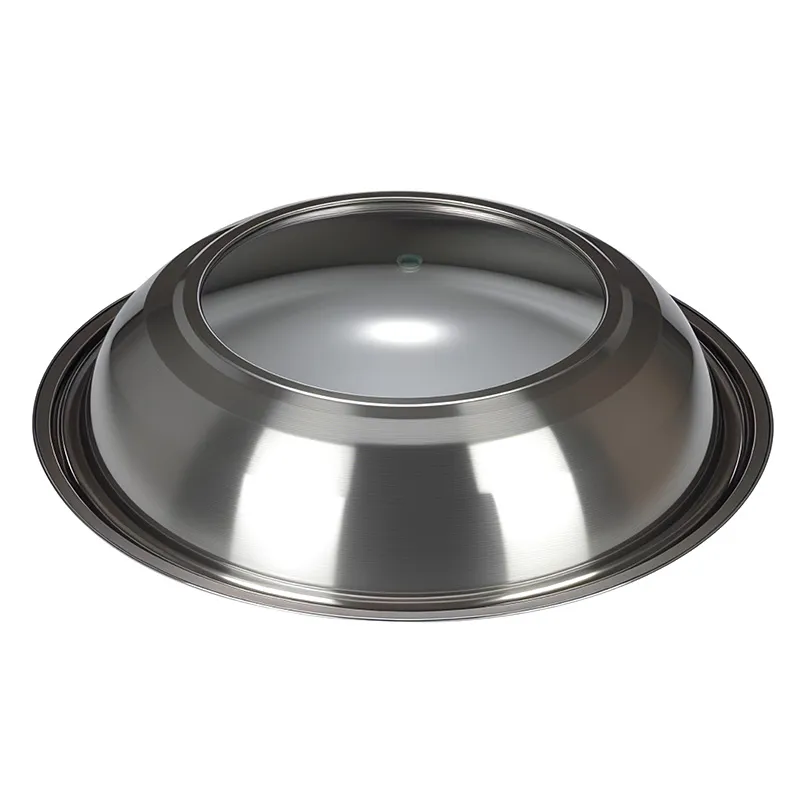
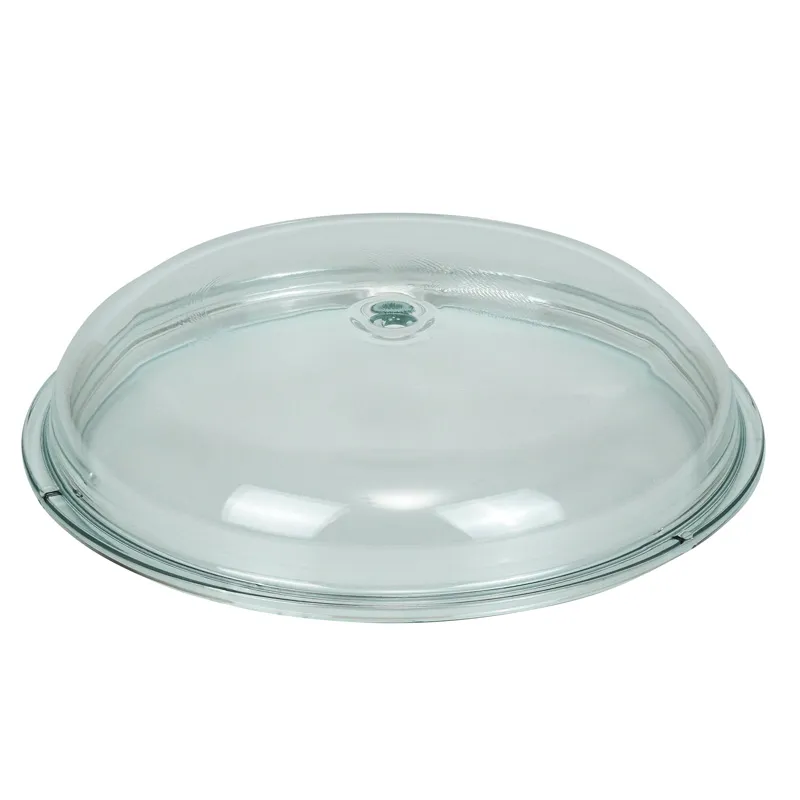
When you hear 'Ninja Foodi glass lid', most people think it's just a simple accessory, a piece of tempered glass that sits on top. That's the first mistake. In reality, its role is critical—it's the window into the cooking process, a pressure regulator, and often the weakest link in terms of user replacement. I've seen countless aftermarket lids that fail on fit, seal, or thermal shock resistance, and that's where the real conversation about quality and sourcing begins.
Understanding the Specs Beyond the Keyword
Not all glass is created equal. For a pressure cooker lid like the Ninja Foodi's, the glass needs to be borosilicate or high-quality tempered soda-lime that can handle rapid temperature shifts from searing to pressure cooking. The thickness matters too—too thin, and it risks shattering; too thick, and it might not sit flush with the sealing ring. I recall a batch from a supplier a few years back where the glass lid curvature was off by just a millimeter, causing constant steam leakage during the sauté function. It's these minute tolerances that separate a functional accessory from a liability.
The handle and vent hole design is another overlooked detail. The original lid's handle often has a specific heat-resistant polymer. Cheaper replacements use materials that degrade or become uncomfortably hot. The vent hole's positioning relative to the inner steam release mechanism is crucial. If it's misaligned, you're not just getting a faulty lid; you're compromising the appliance's core safety features. It's not a part you want to cheap out on.
This is where specialized manufacturers make their mark. A company like EUR-ASIA COOKWARE CO.,LTD, for instance, with their focus on household glass products, understands these parameters. Their production of over 15 million tempered glass pieces annually, primarily for export to European markets like Germany and Italy, suggests they're dealing with stringent safety and quality standards. That kind of volume and destination market often correlates with experience in precise, OEM-level specifications, which is exactly what a good Ninja Foodi replacement lid requires.
The Manufacturing Reality and Fitment Issues
Sourcing a proper lid isn't just about buying glass. It's about having the exact mold or CNC data for the specific Foodi model—and there are many. The DF300 series lid does not fit the OL600 series. I've wasted money on inventory that was universal but in practice, wasn't. The devil is in the diameter, the hinge pin slots, and the rubber gasket channel.
Many third-party sellers source from generic glass workshops. The result? Lids that are visually similar but functionally flawed. The glass might be fine, but the silicone sealing ring that's often pre-attached is low-grade, losing elasticity after a few heat cycles. This leads to the most common complaint: my Foodi won't pressurize. Often, it's the lid's seal, not the main appliance seal, at fault.
Looking at a manufacturer's capability is key. A facility like the one described for EUR-ASIA COOKWARE, with a 20,000㎡ base and dedicated production lines, is more likely to handle complex tooling for various models. Their export focus to regions with strict consumer goods regulations (think Switzerland, Japan) implies a compliance level that trickles down to material sourcing and consistency. For a retailer or distributor, that's a more reliable signal than a glossy Alibaba profile.
Thermal Shock and User Safety
Here's a scenario I've tested: taking a hot glass lid off a Foodi after pressure cooking and placing it on a cold, wet granite countertop. This is a classic thermal shock test. Lower-quality tempered glass will develop micro-cracks or, in worst cases, fail catastrophically. A good lid should withstand this abuse. Borosilicate is the gold standard here, but it's more expensive. Many aftermarket lids use tempered soda-lime, which is adequate if the tempering process is perfect.
The problem is consistency. A small workshop might get 8 out of 10 lids right. But those two failures lead to dangerous situations and brand-damaging returns. This is why high-volume, automated tempering ovens and rigorous QC (like impact and thermal shock sampling) are non-negotiable for a reliable product. It's not a craft item; it's a precision component.
When I evaluate a potential supplier, I ask about their testing protocols for thermal shock. Do they quench test samples from each batch? What's their failure rate? The answers are telling. A professional operation, which you'd expect from a company supplying to major international markets, will have clear answers and data. This directly impacts the safety of the end user who just searches for Ninja Foodi glass lid replacement on Amazon.
The Logistics of Replacement and Market Gaps
From a business perspective, the replacement lid market exists because OEM parts are expensive and often back-ordered. There's a genuine need. But the gap isn't filled by just any glass. It's filled by a part that matches OEM function at a better price. This requires reverse-engineering, proper material selection, and packaging that protects the glass during shipping—a huge cost factor.
I've received shipments where half the lids were broken because they were packed in a flimsy cardboard sleeve with no corner protection. The supplier's logistics understanding is part of the product. A manufacturer with extensive export experience, like one shipping to Brazil, Turkey, and South Korea, inherently understands the rigors of international freight and packaging standards. This operational knowledge is as valuable as the product spec itself.
Furthermore, the market is shifting. Users aren't just buying a replacement; they're buying a spare or a specialized lid (like one with a larger vent for use as a regular pot cover). There's room for innovation within the constraint of fitting the Foodi base. This is where a dedicated kitchenware producer might have an edge over a generic glass factory.
Final Thoughts: Judging a Lid by Its Source
So, what's the takeaway? When you're dealing with a Ninja Foodi glass lid, you're not dealing with a commodity. You're dealing with a engineered accessory where material science, precision manufacturing, and safety compliance intersect. The keyword search leads you to a product, but the due diligence should lead you to a supplier's capability.
A company's background speaks volumes. A specialized producer, such as EUR-ASIA COOKWARE CO.,LTD (whose site, https://www.glass-lid.com, clearly outlines their scale and export focus), represents a tier of manufacturer built for this kind of product. Their stated specialization in low to high-level household glass and annual output in the tens of millions suggests they have the infrastructure to get the details right—the fit, the tempering, the consistency.
In the end, the best lid is the one you forget about. It just works, cycle after cycle, without warping, cracking, or leaking. That reliability doesn't come from a cheap mold; it comes from professional-grade production. For anyone in the trade, that's the only thing that matters. The rest is just glass.
Related Products
Related Products