- Chinese
- French
- German
- Portuguese
- Spanish
- Russian
- Japanese
- Korean
- Arabic
- Irish
- Greek
- Turkish
- Italian
- Danish
- Romanian
- Indonesian
- Czech
- Afrikaans
- Swedish
- Polish
- Basque
- Catalan
- Esperanto
- Hindi
- Lao
- Albanian
- Amharic
- Armenian
- Azerbaijani
- Belarusian
- Bengali
- Bosnian
- Bulgarian
- Cebuano
- Chichewa
- Corsican
- Croatian
- Dutch
- Estonian
- Filipino
- Finnish
- Frisian
- Galician
- Georgian
- Gujarati
- Haitian
- Hausa
- Hawaiian
- Hebrew
- Hmong
- Hungarian
- Icelandic
- Igbo
- Javanese
- Kannada
- Kazakh
- Khmer
- Kurdish
- Kyrgyz
- Latin
- Latvian
- Lithuanian
- Luxembou..
- Macedonian
- Malagasy
- Malay
- Malayalam
- Maltese
- Maori
- Marathi
- Mongolian
- Burmese
- Nepali
- Norwegian
- Pashto
- Persian
- Punjabi
- Serbian
- Sesotho
- Sinhala
- Slovak
- Slovenian
- Somali
- Samoan
- Scots Gaelic
- Shona
- Sindhi
- Sundanese
- Swahili
- Tajik
- Tamil
- Telugu
- Thai
- Ukrainian
- Urdu
- Uzbek
- Vietnamese
- Welsh
- Xhosa
- Yiddish
- Yoruba
- Zulu
- Kinyarwanda
- Tatar
- Oriya
- Turkmen
- Uyghur

non stick cookware with strainer lids
Let's be honest, when most people hear non stick cookware with strainer lids, they picture a cheap, flimsy pan with a lid full of tiny holes that promises to do everything and ends up doing nothing well. The market is flooded with that kind of product. But the real, functional integration of a proper strainer into a quality non-stick system? That's a different conversation entirely, one that involves material science, user ergonomics, and frankly, a lot of failed prototypes.
The Core Misconception: Lid as an Afterthought
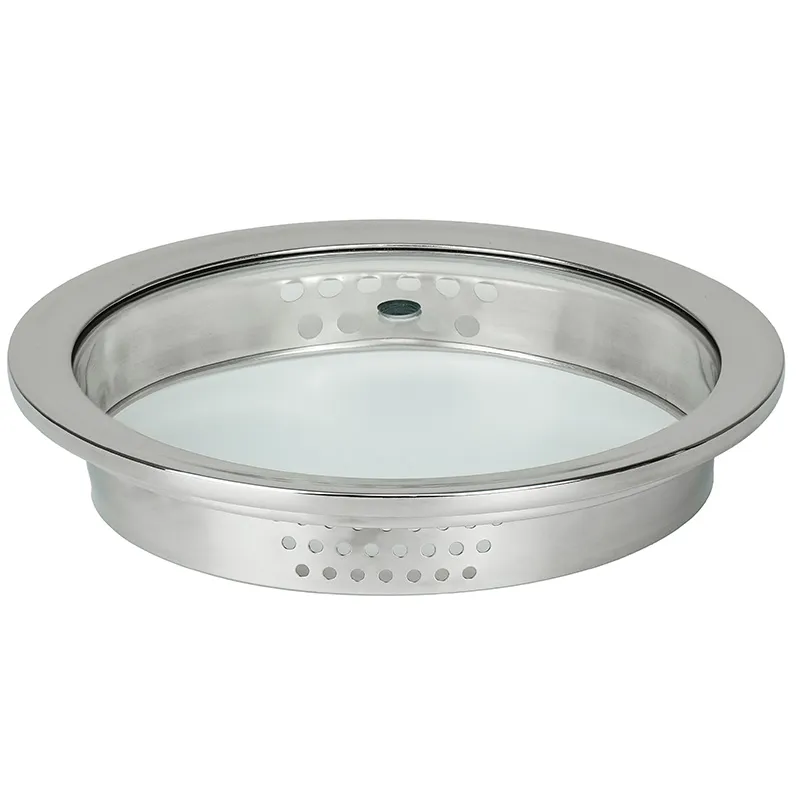
The biggest mistake I've seen, both from brands and in factories, is treating the lid as a secondary component. You develop a great non-stick pan—maybe a robust heavy-gauge aluminum body with a triple-layer PFOA-free coating—and then you slap on a generic, thin stainless steel lid with some perforations and call it a day. The result? The lid doesn't sit flush, the strainer holes are too small and clog instantly with rice or pasta starch, or they're too large and let through all your small vegetables like peas. The thermal performance between the lid and the pan body is mismatched, causing warping over time.
I remember a project about five years back where we tried to source a universal strainer lid from a generic manufacturer. The fit was so poor that steam would escape from the sides, making the straining function almost pointless because you'd lose half the boiling water anyway when you tried to drain. It was a classic case of not designing the pot and lid as a single, cohesive unit.
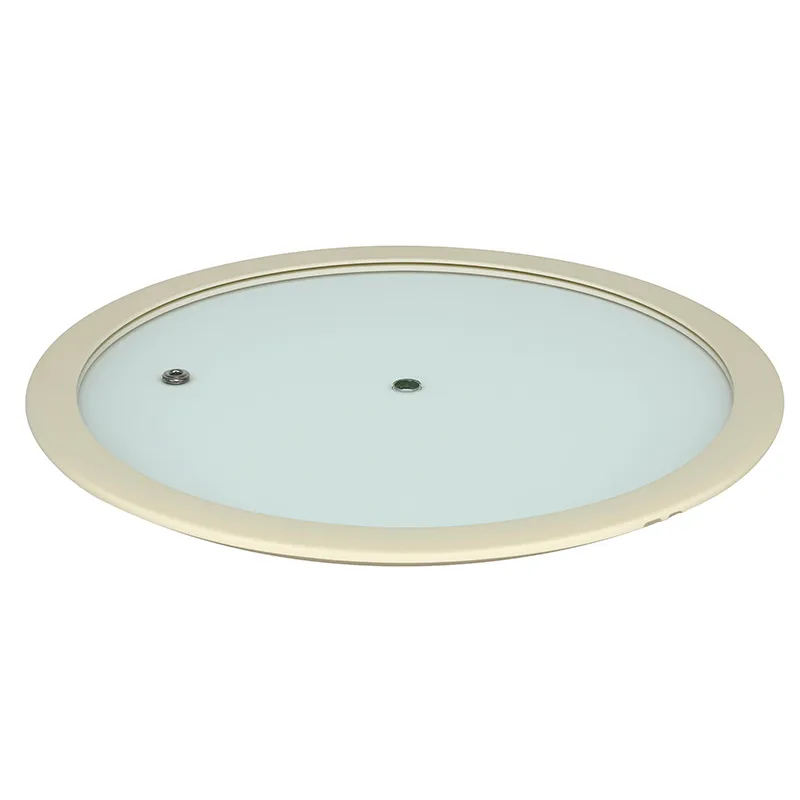
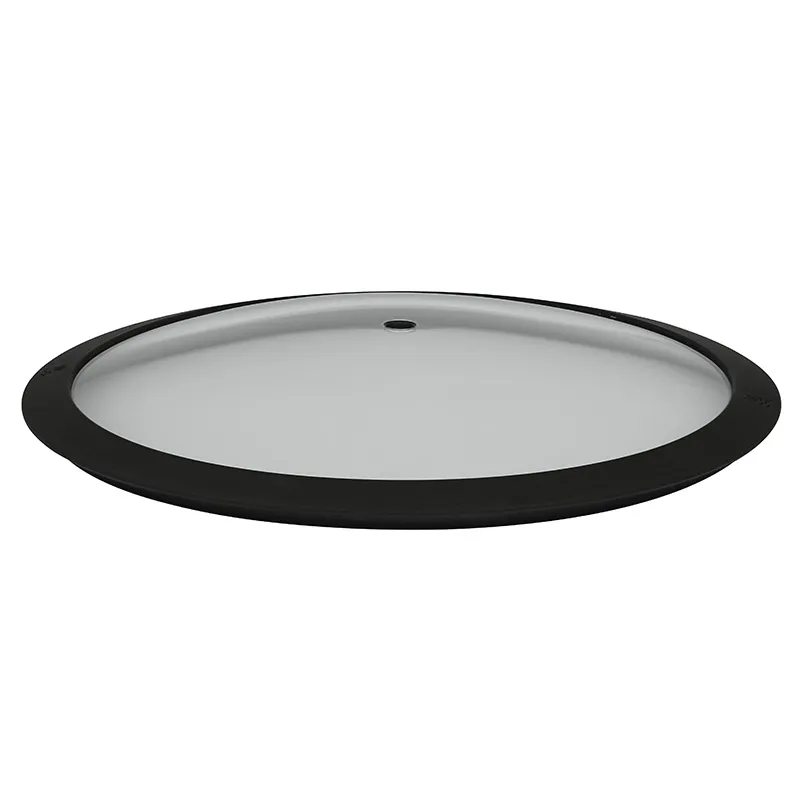
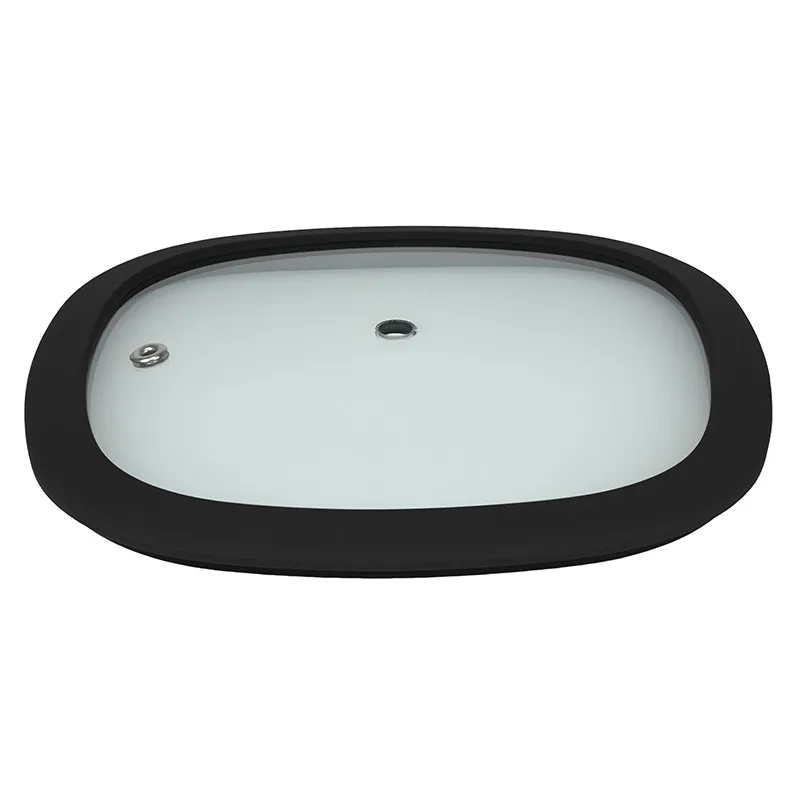
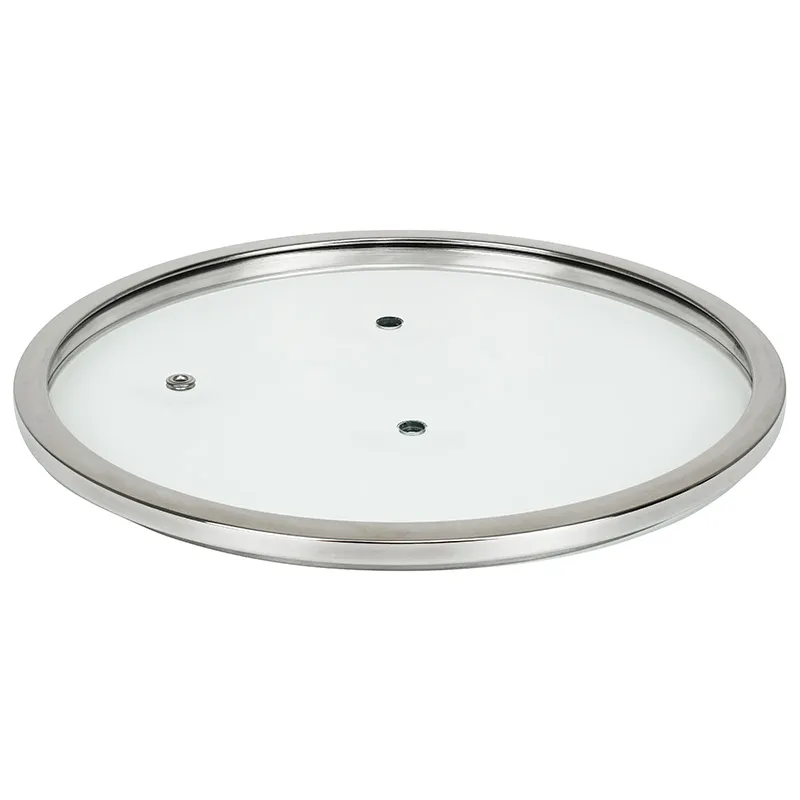
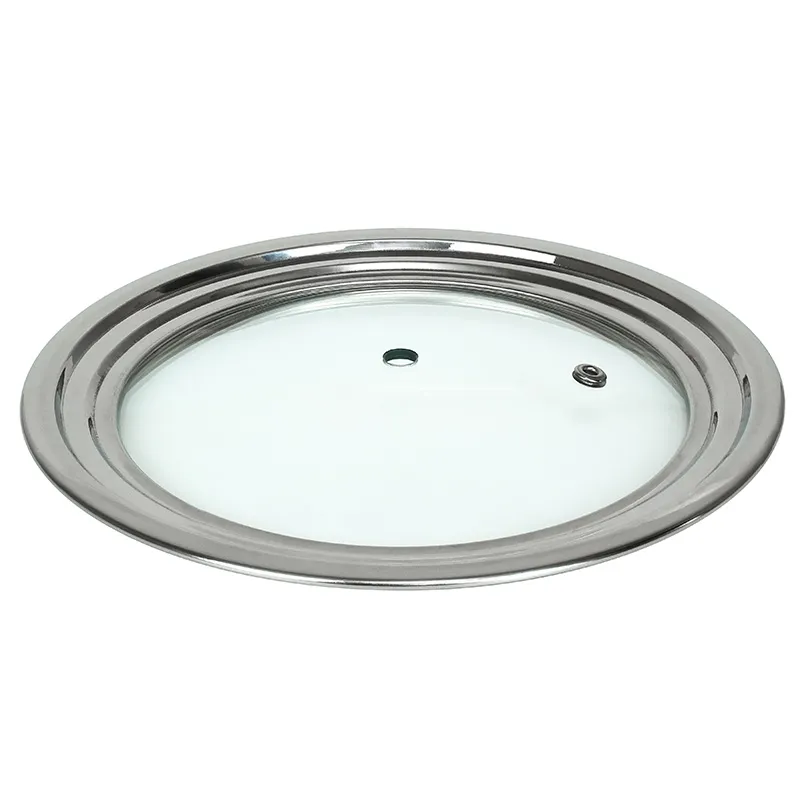
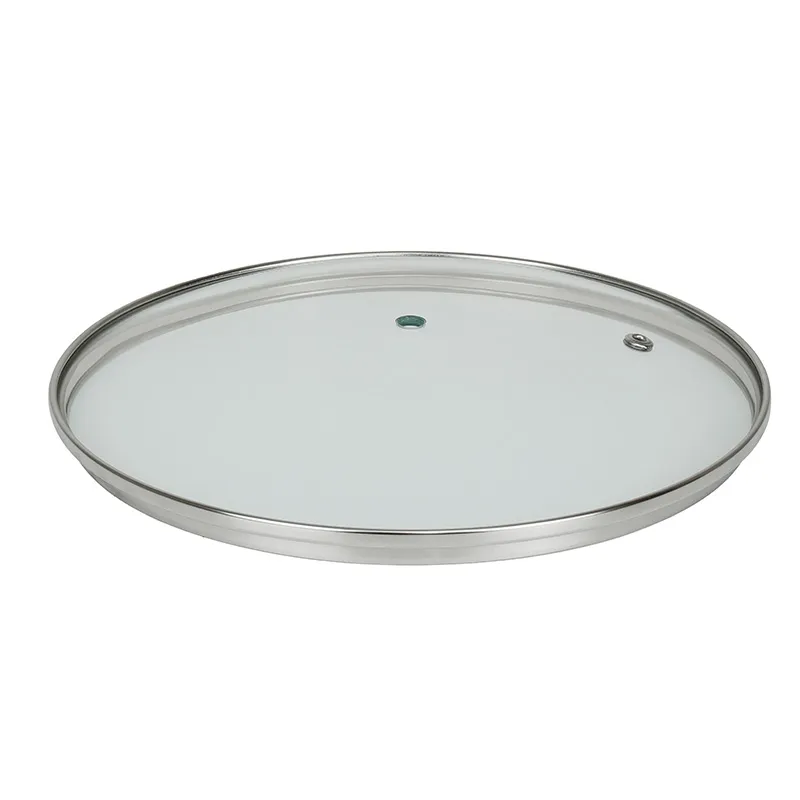
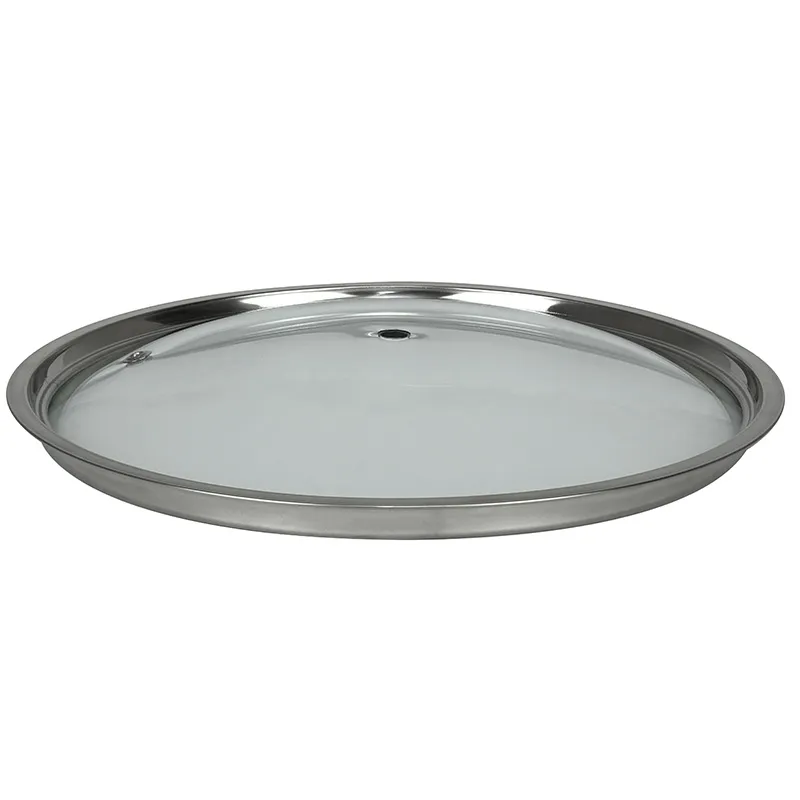
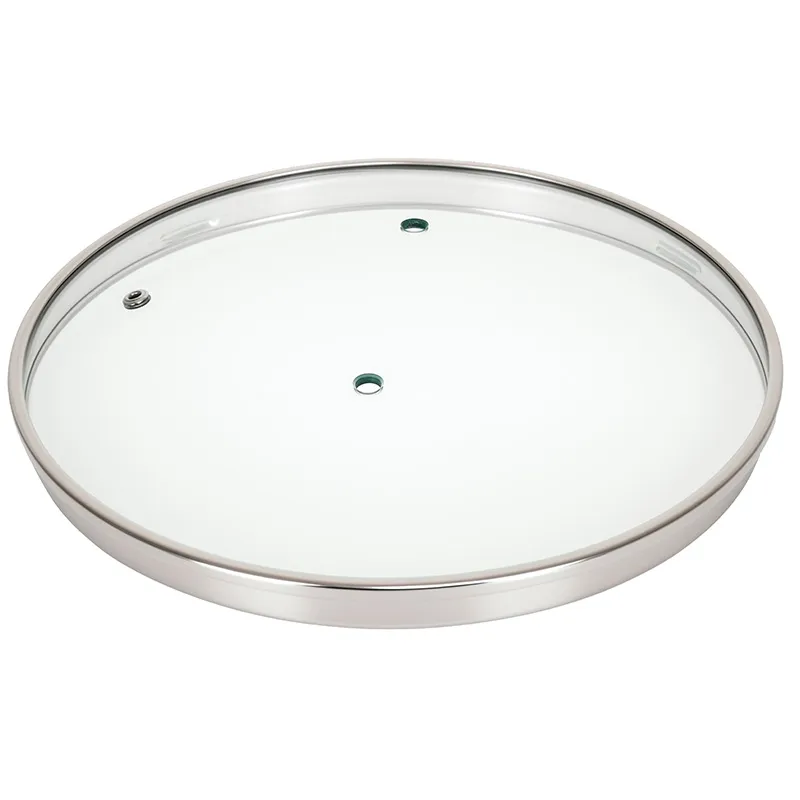
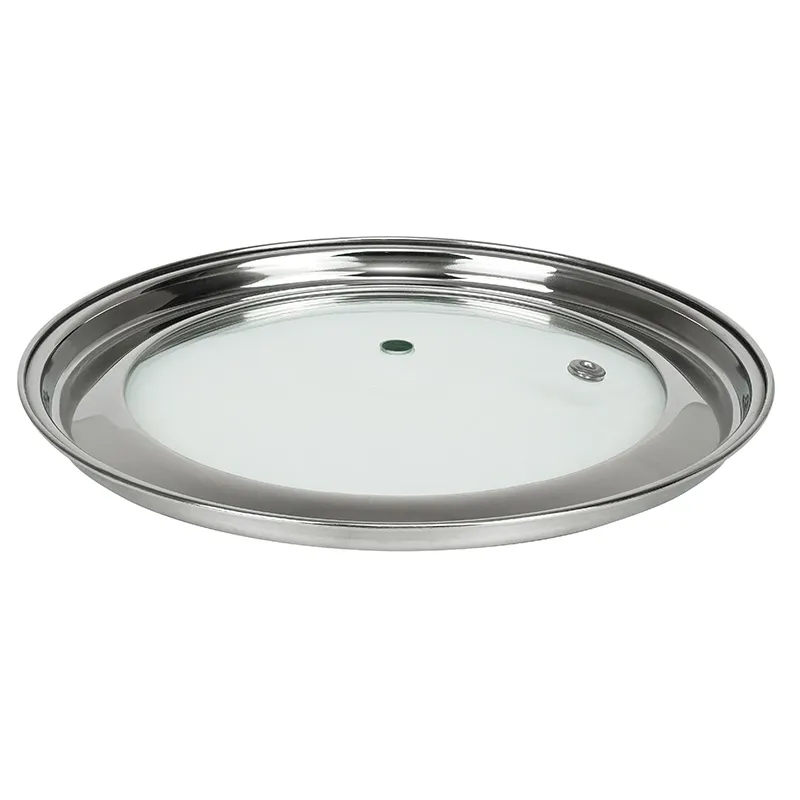
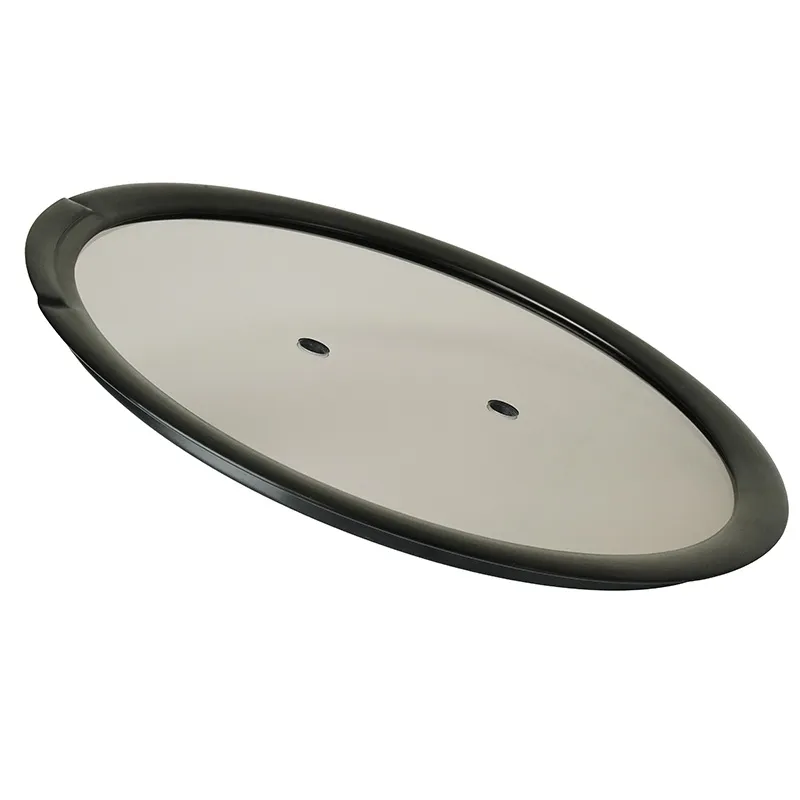
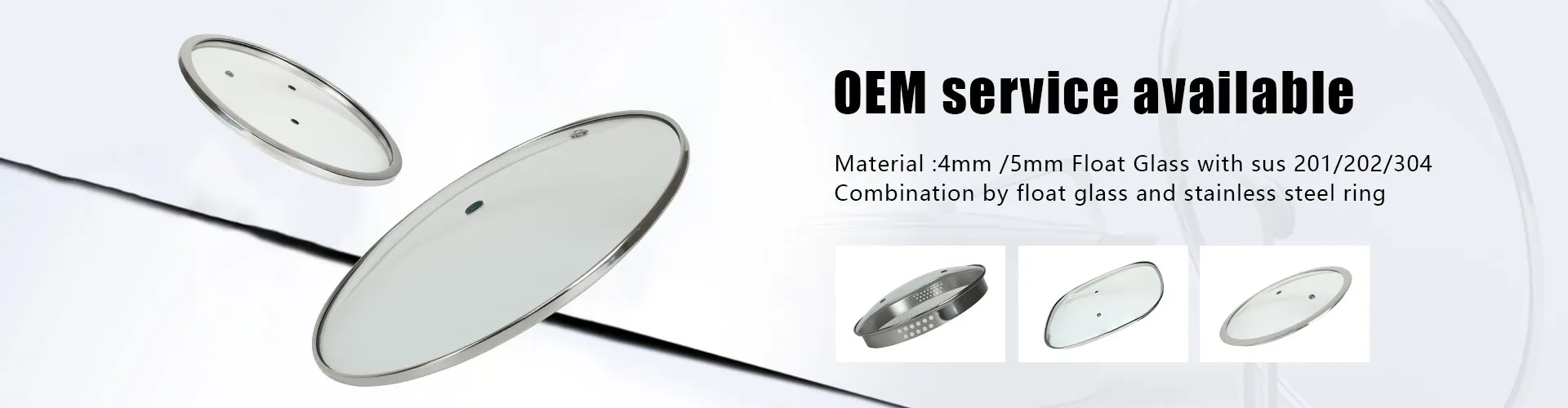
This is where specialized manufacturers make the difference. A company like EUR-ASIA COOKWARE CO.,LTD (their site is at https://www.glass-lid.com) has built its entire operation around lids. Their focus isn't just on making glass lids, but on engineering them as precision components. When you're producing over 15 million tempered glass lids annually, primarily for export to European markets with strict durability standards, you understand tolerances. For a non stick cookware set to function with a straining lid, that lid's rim needs to be tempered and ground to a perfect, consistent bevel that creates a seal during cooking but allows for easy, drip-free pouring when straining.
Material Synergy: Glass, Coating, and Heat
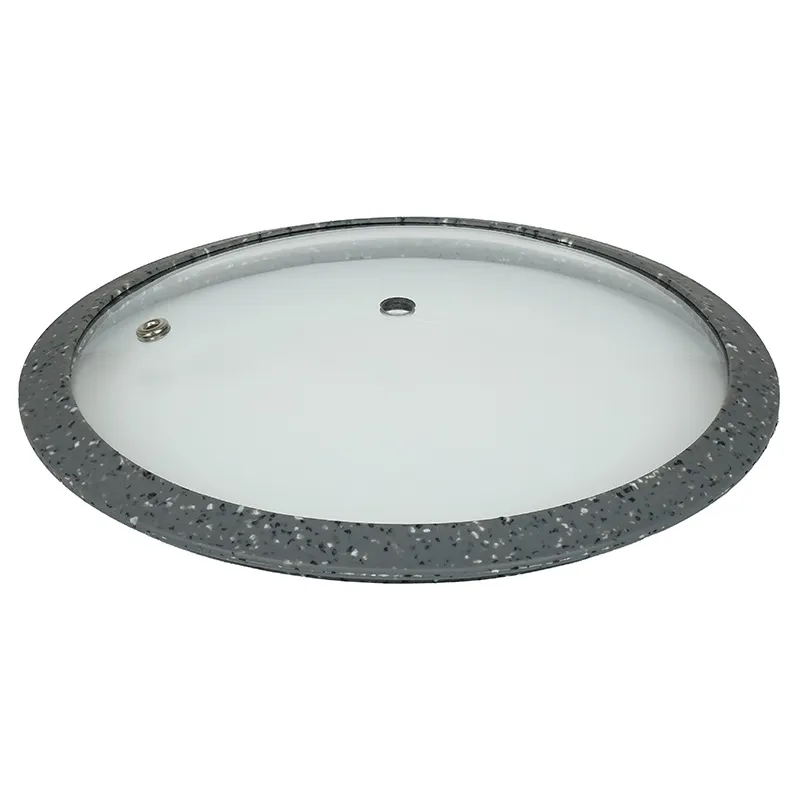
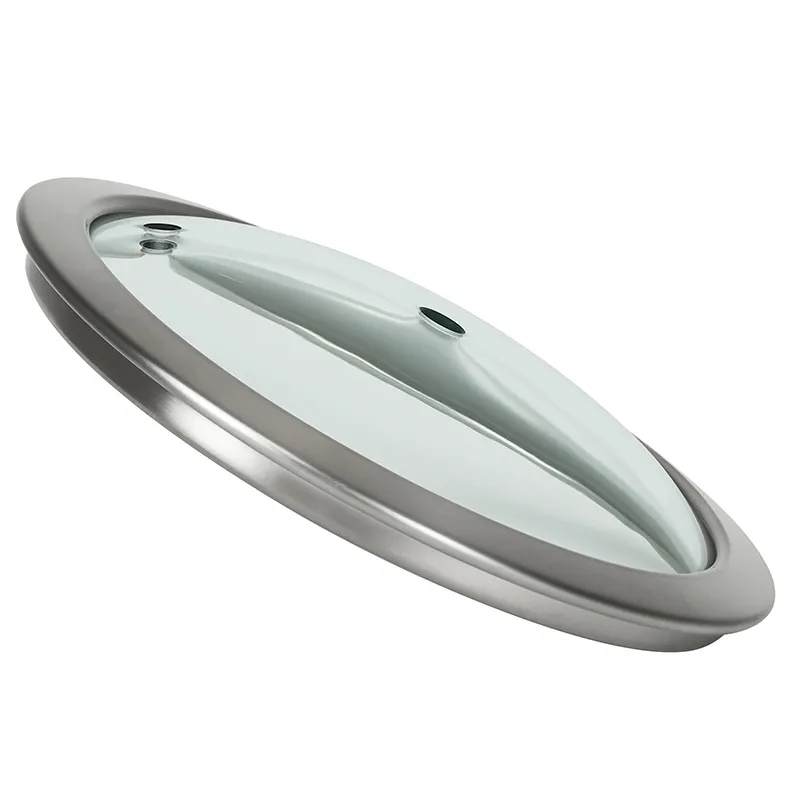
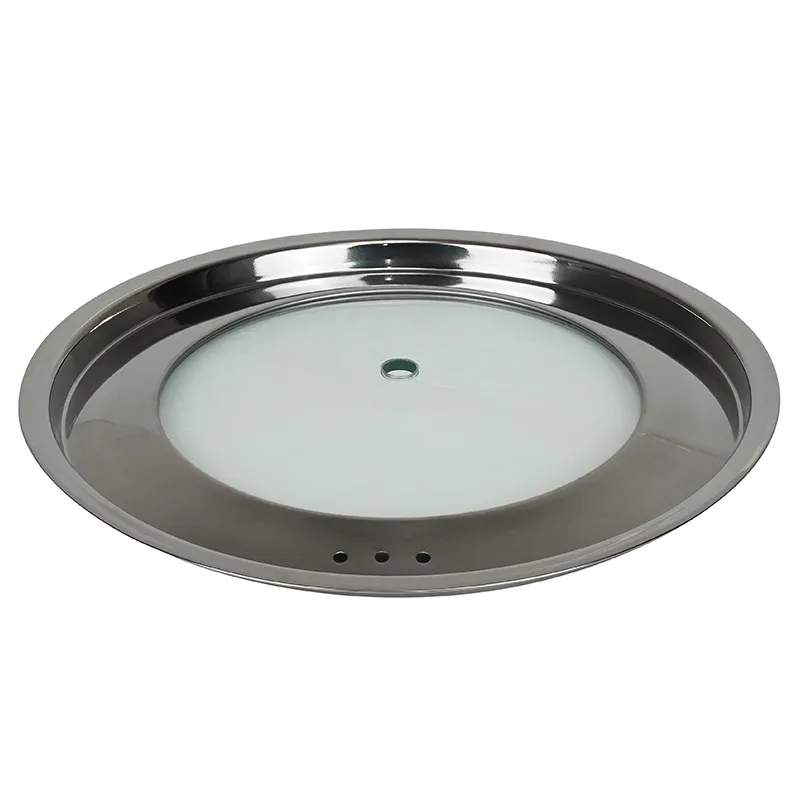
Why glass for a straining lid? It seems counterintuitive—isn't it fragile? Not when it's properly tempered. The advantage is visual control. You can see the boil state without lifting the lid and losing steam, which is crucial for pasta or blanching vegetables. The challenge is integrating the strainer function. You can't just drill holes into tempered glass. The holes must be formed during the glass cutting phase before tempering, and the edges of each hole are fire-polished to prevent chipping. This requires serious tooling precision.
The synergy with the non stick pot body is critical. A high-quality non-stick surface, like those often used in the German or Swiss markets EUR-ASIA supplies to, is designed for medium heat. A tempered glass lid can handle that thermal shock. But if you pair it with a cheap, thin pan that hotspots, the sudden, uneven heat can stress the glass. It's not usually the lid's fault; it's a system failure. The best implementations I've seen use a bonded base (like stainless steel encapsulated aluminum) on the pot to ensure even heat distribution, paired with a thick, 3-4mm tempered glass lid with well-placed strainer ports.
One failed attempt we analyzed involved a lid where the strainer holes were placed too close to the center knob. When straining, water would vortex around the knob and splash back. A simple redesign, moving the perforations to a band between the center and the rim, solved it. These are the nuances you only learn from production and real feedback, not from a CAD model alone.
The Straining Mechanism: More Than Just Holes
A true functional strainer lid isn't just a lid with holes. It's a pouring and draining aid. The geometry of the rim is as important as the holes. The lid needs a dedicated, reinforced pouring spout—often a break in the strainer-hole band—that channels liquid cleanly. The knob must be heat-resistant and ergonomic for a wet, potentially slippery grip during straining.
There's also the question of hole pattern. For a multipurpose pan, you need a hybrid design. Maybe a section with finer holes for draining quinoa or millet, and a section with larger openings for pasta or potatoes. Some high-end designs from European brands use a dual-layer lid concept: a solid glass lid for cooking, and a separate straining collar that clips on. It's more parts, but it's more functional. For an all-in-one solution, the pattern must be a compromise that handles the most common tasks well.
In the production facilities of a specialist like EUR-ASIA, this is where their expertise in other kitchen accessories comes into play. Understanding the assembly of knobs, the clipping mechanisms for multi-part lids, and the safety standards for items that will bear hot food is their daily bread. Their export focus to markets like Germany and Italy means their products are built to withstand the scrutiny of consumers who actually cook daily, not just look for cheap novelties.
Practical Scenarios and the Feel Test
Let's talk about blanching green beans. You want to boil them briefly, then instantly drain and shock in ice water to stop the cooking. With a classic pot and colander, it's a two-vessel, somewhat clumsy operation. With a well-designed non stick cookware with strainer lids unit, you lift the pot, engage the lid with its secure fit, and pour. The non-stick interior means nothing sticks, and the beans slide out easily. The feel of a balanced pot, a lid that locks in place (not necessarily a mechanical lock, but a snug fit), and a smooth pour is what separates a pro tool from a gadget.
Another scenario: draining ground meat or tofu after browning in its own fat. You can tilt the pan, use the lid to hold the solids back, and drain the excess fat directly into a jar. The non-stick surface is crucial here for release, and the glass lid lets you see exactly what you're doing. If the lid is poorly balanced or the rim is sharp, this simple task becomes a hazardous, messy chore.
The failure point often isn't the primary function. It's in the cleaning. Do the strainer holes have smooth, polished interiors? Can a bottle brush clean them, or do they trap food particles? Does the lid fit in the dishwasher without water spotting the glass? These are the details that determine if a product gets used for years or abandoned after two tries.
Market Reality and Sourcing Perspective
From a sourcing and manufacturing standpoint, creating a reliable piece of non stick cookware with an integrated straining function is a premium endeavor. It's not a low-cost item. You're combining two different manufacturing streams: the metal forming and coating for the pot, and the precision glass/tempering for the lid. Very few factories excel at both. That's why partnerships or sourcing from specialists is common.
A company with a focused production base, like EUR-ASIA's 20,000㎡ facility in Shandong's High-tech Development Zone, can be a strategic partner for cookware brands. They provide the engineered lid component—the part that requires specific glass expertise—while the brand focuses on the pot body. This division of labor based on core competency is how most good sets are made. Their export portfolio, sending over 90% of products to technically demanding markets, is a testament to meeting functional and safety benchmarks that make a straining lid work in real life, not just in a product photo.
So, the next time you evaluate a piece of non stick cookware with strainer lids, look past the marketing. Pick it up. Feel the weight of the glass lid. Look at the finish on the strainer holes. Check how the rim mates with the pot. Try the pouring motion in your mind. That's where you'll see the difference between a kitchen workhorse and a drawer-bound disappointment. The real product isn't defined by having both features, but by how seamlessly and durably those features are integrated.
Related Products
Related Products