- Chinese
- French
- German
- Portuguese
- Spanish
- Russian
- Japanese
- Korean
- Arabic
- Irish
- Greek
- Turkish
- Italian
- Danish
- Romanian
- Indonesian
- Czech
- Afrikaans
- Swedish
- Polish
- Basque
- Catalan
- Esperanto
- Hindi
- Lao
- Albanian
- Amharic
- Armenian
- Azerbaijani
- Belarusian
- Bengali
- Bosnian
- Bulgarian
- Cebuano
- Chichewa
- Corsican
- Croatian
- Dutch
- Estonian
- Filipino
- Finnish
- Frisian
- Galician
- Georgian
- Gujarati
- Haitian
- Hausa
- Hawaiian
- Hebrew
- Hmong
- Hungarian
- Icelandic
- Igbo
- Javanese
- Kannada
- Kazakh
- Khmer
- Kurdish
- Kyrgyz
- Latin
- Latvian
- Lithuanian
- Luxembou..
- Macedonian
- Malagasy
- Malay
- Malayalam
- Maltese
- Maori
- Marathi
- Mongolian
- Burmese
- Nepali
- Norwegian
- Pashto
- Persian
- Punjabi
- Serbian
- Sesotho
- Sinhala
- Slovak
- Slovenian
- Somali
- Samoan
- Scots Gaelic
- Shona
- Sindhi
- Sundanese
- Swahili
- Tajik
- Tamil
- Telugu
- Thai
- Ukrainian
- Urdu
- Uzbek
- Vietnamese
- Welsh
- Xhosa
- Yiddish
- Yoruba
- Zulu
- Kinyarwanda
- Tatar
- Oriya
- Turkmen
- Uyghur


one gallon glass jar with lid
When most people search for a 'one gallon glass jar with lid', they're picturing a simple, large jar. What they often don't realize is that this single term encompasses a world of nuance—glass thickness, lid sealing mechanisms, thermal shock resistance, and intended use—that separates a quality product from a kitchen hazard. I've seen too many buyers focus solely on price, ending up with jars that crack under the weight of fermentation or lids that rust shut after one use. The gallon size is a particular beast; it's not just a scaled-up pint jar. The physics change, the stresses are different, and the margin for error in manufacturing shrinks considerably.
Defining the Workhorse: Specs That Actually Matter
Let's break down what you're really looking at. A true, functional one-gallon glass jar typically holds 3.8 liters. The glass itself should be annealed, if not fully tempered, to handle internal pressure and thermal shifts. I've handled jars where the glass was visibly uneven, with thin spots near the base—a sure sign of cost-cutting that leads to catastrophic failure. The rim needs to be perfectly smooth and level; any imperfection here compromises the seal entirely, turning your long-term storage project into a race against mold.
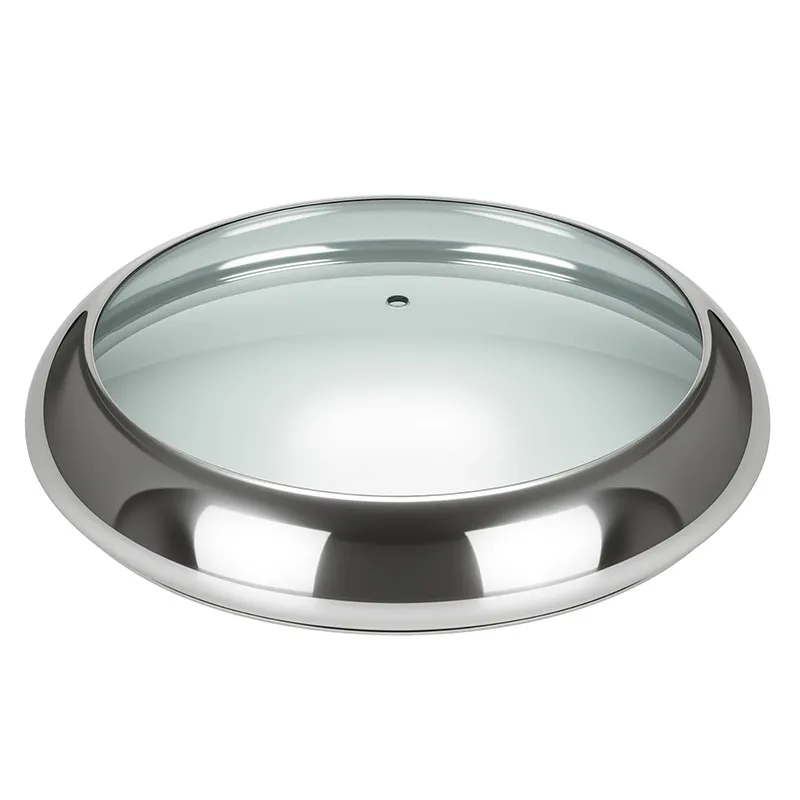
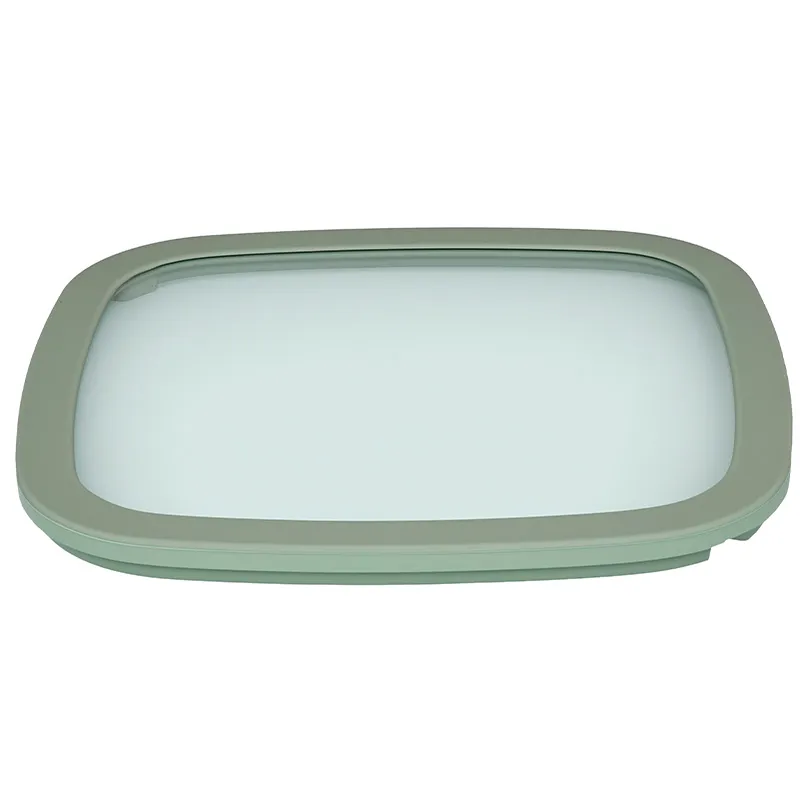
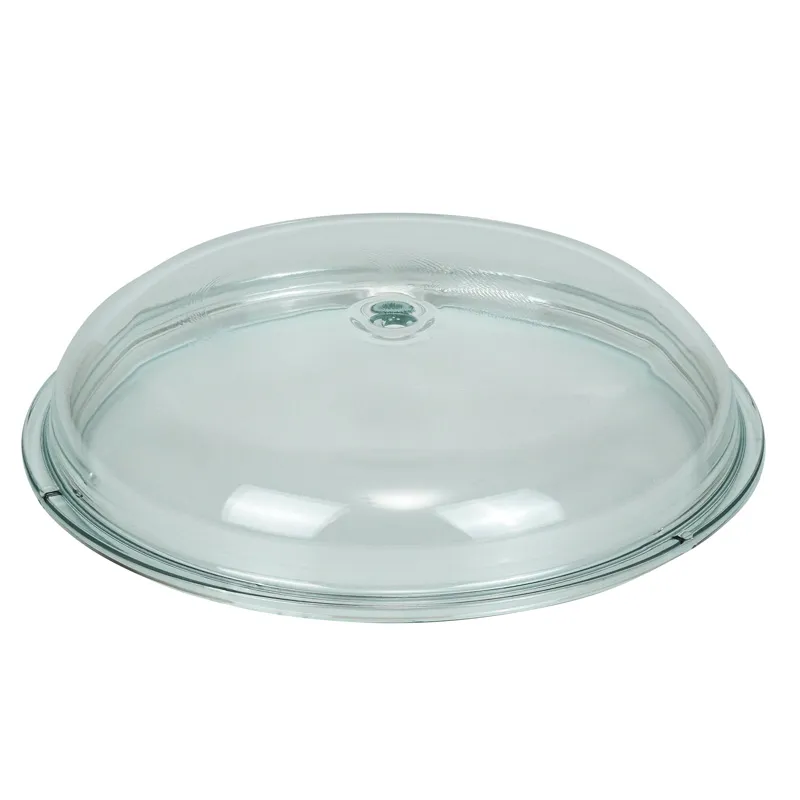
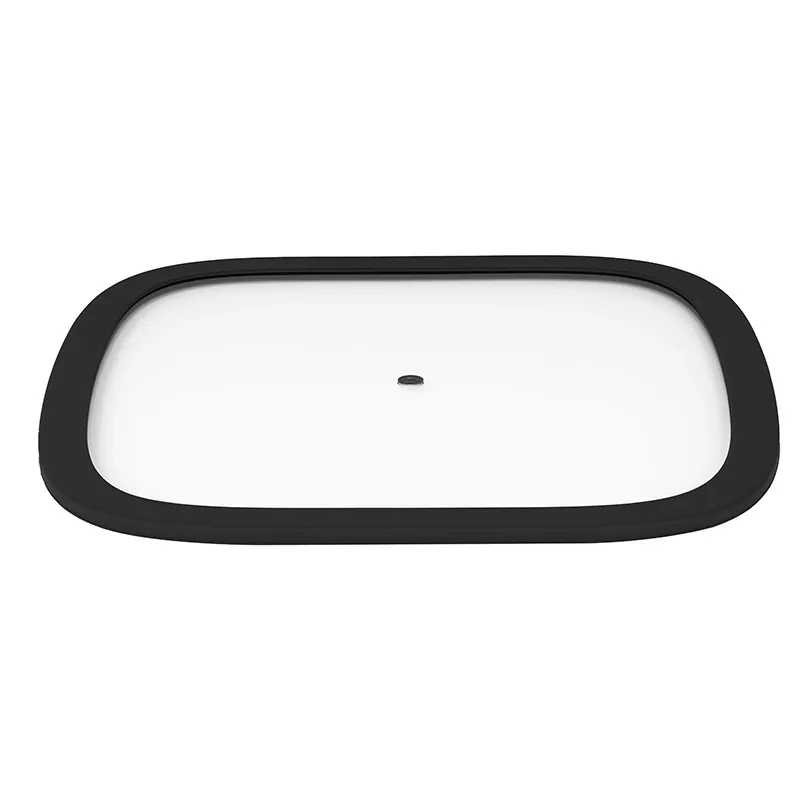
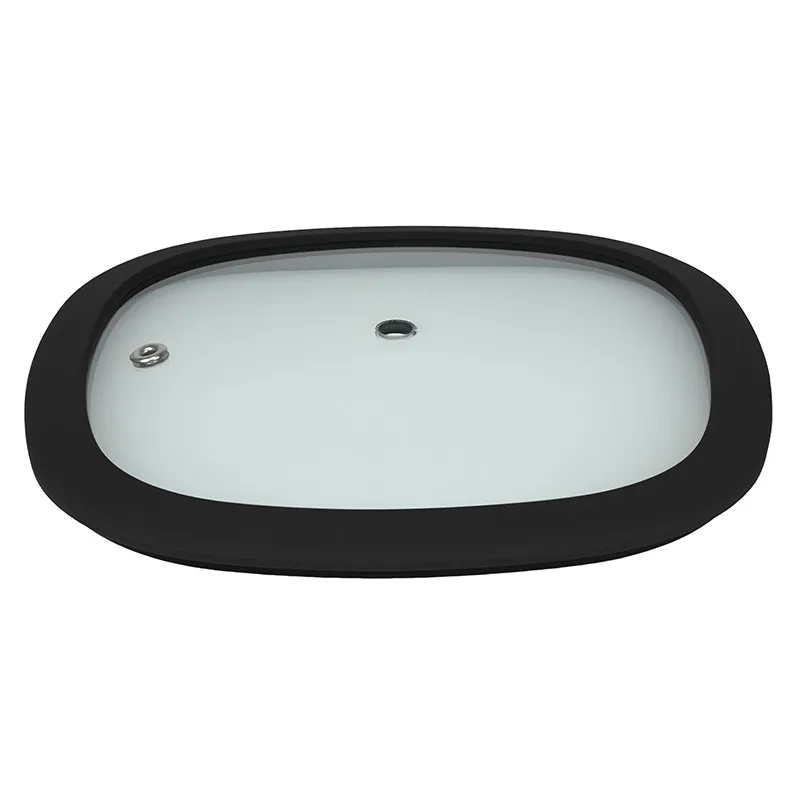
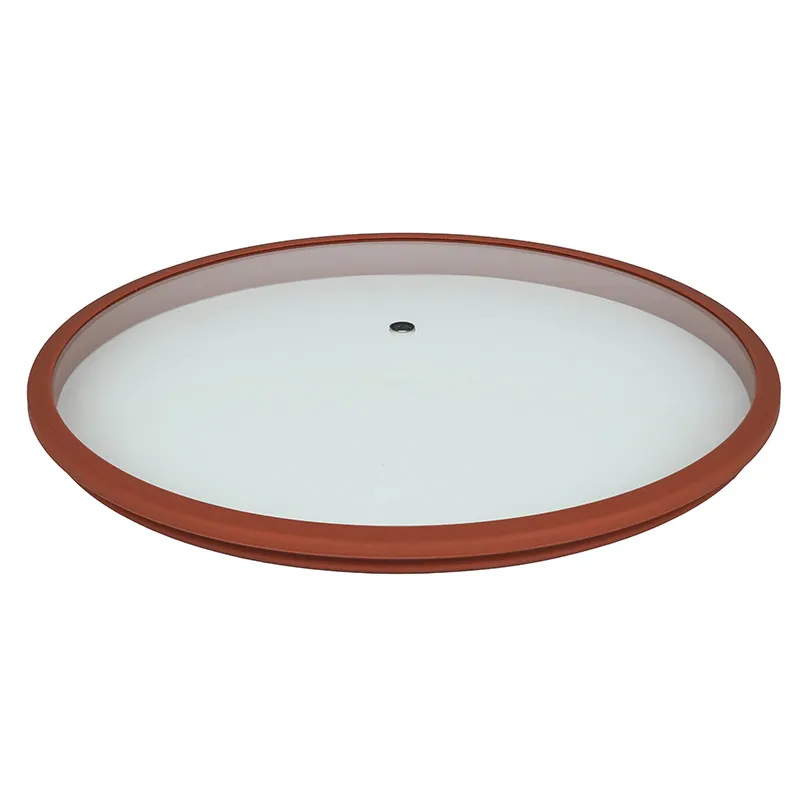
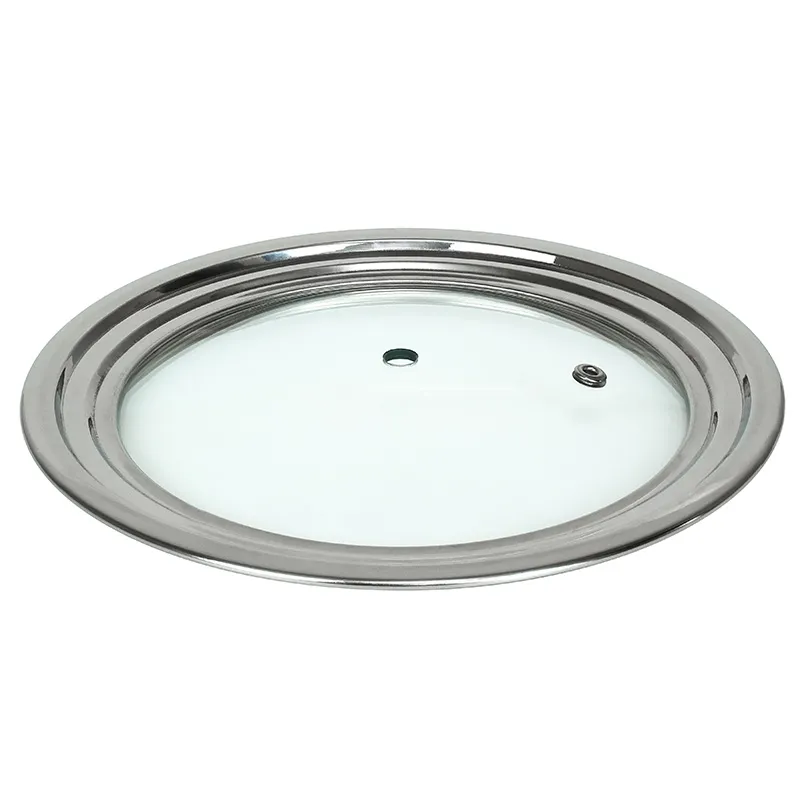
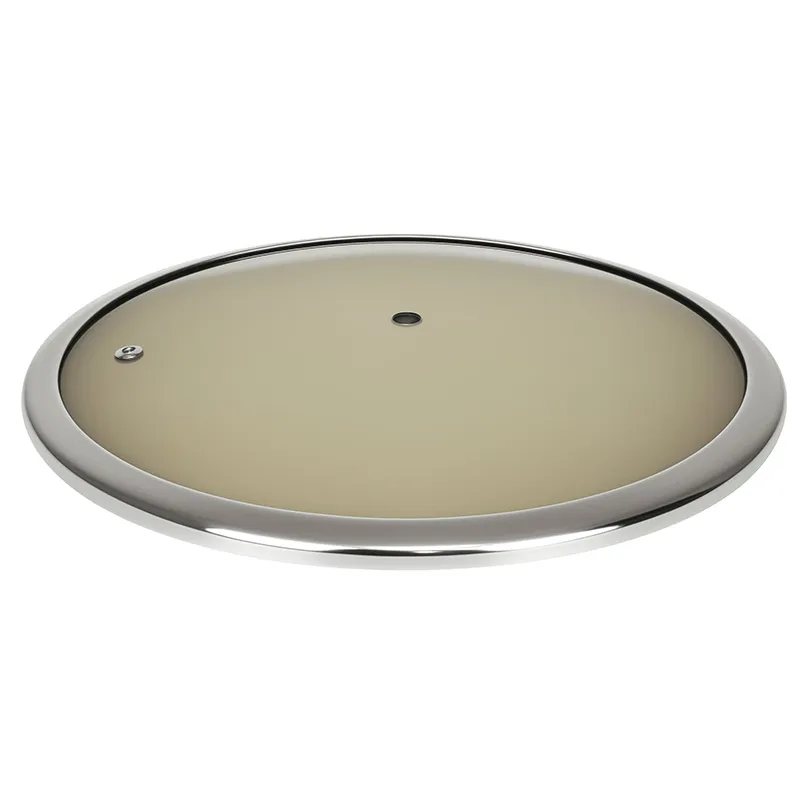
The lid is where the battle is won or lost. The classic two-piece canning lid (a flat disc with a separate screw band) works, but for a jar this size, I'm skeptical. The larger surface area means any slight warping in the metal disc is magnified. I've had better long-term results with aftermarket plastic or stainless steel lids that have a built-in silicone gasket. They create a more consistent seal, especially for dry goods or fermenting vegetables, where a perfect anaerobic environment is the goal.
Then there's the mouth width. Wide-mouth jars are almost a necessity at this volume. Trying to get a hand or tools into a standard mouth to clean it, or to remove the last pickle, is an exercise in frustration. This seems obvious, but you'd be surprised how many manufacturers still produce gallon jars with narrow openings, making them nearly useless for their most common applications.
Beyond the Kitchen: Unexpected Use-Cases and Pitfalls
Most discussions start with pickling or bulk storage, but the one gallon glass jar has a life in workshops and small-scale production. I've used them for mixing small batches of natural cleaners, where chemical reactivity with plastic is a concern. They're excellent for storing hardware like nails or screws—you can see your inventory at a glance. However, this is where a common failure point emerges: the handle.
Many jars come with molded glass handles or wire bail closures. The glass-handled versions are a point of weakness. I've seen more than one break at the handle junction when the jar was full and heavy, creating not just a mess but a serious safety hazard. Wire bail lids, while offering a classic look, often fail to provide an airtight seal over time as the wire loses tension. For utility, a plain jar with a solid third-party lid is often more reliable than these feature-heavy but performance-light options.
Another overlooked aspect is light exposure. If you're using the jar to store anything that degrades in light—like oils, certain spices, or fermented teas (Kombucha)—the clear glass is a detriment. In these cases, finding a jar made from amber or cobalt blue glass is worth the hunt, though they are significantly rarer and more expensive in the one-gallon size.
The Manufacturing Lens: Why Source Matters
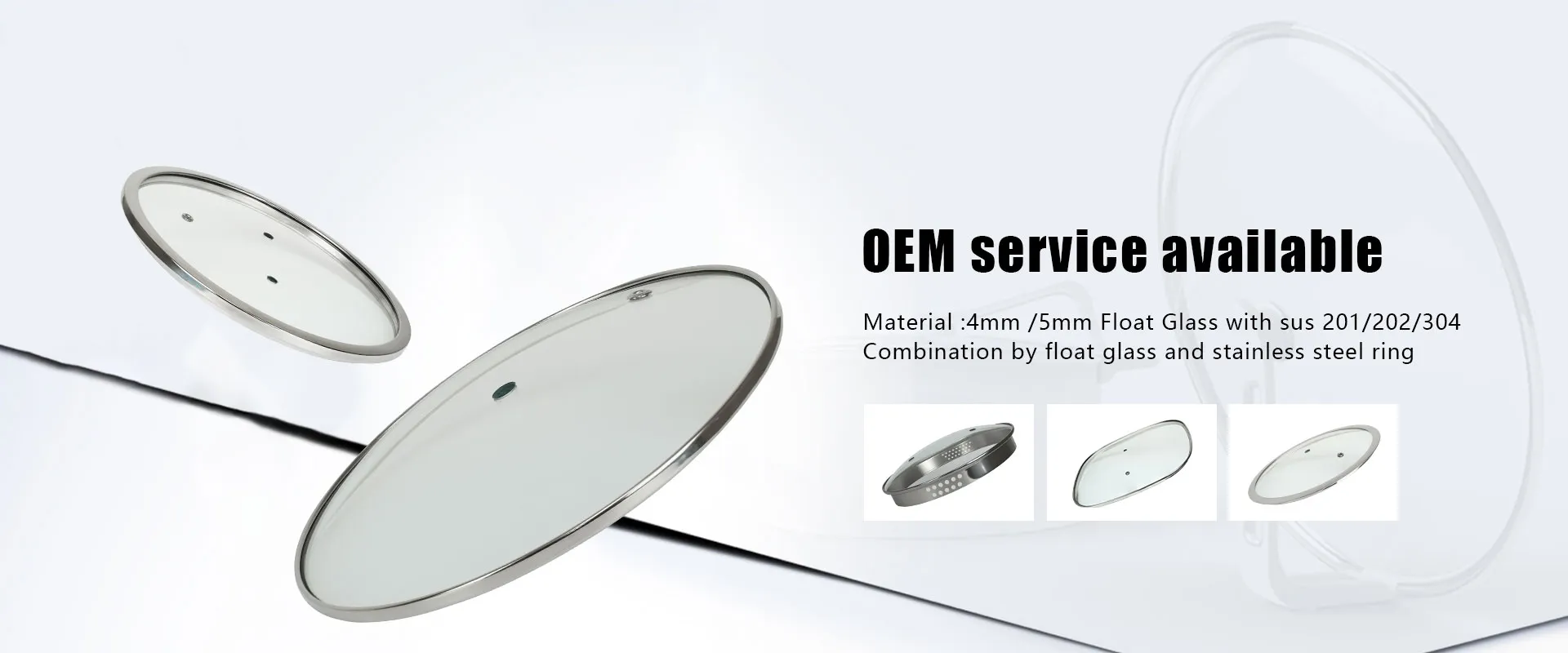
This brings me to sourcing and the realities of production. There's a concentration of glassware manufacturing in certain regions, and the quality spectrum is vast. A company that understands the technical demands, like EUR-ASIA COOKWARE CO.,LTD, which operates out of a major production base in Shandong, China, often has an edge. Their specialization in tempered glass lids and household glass products, with a significant export footprint to markets like Germany and Japan that have stringent quality standards, indicates a focus on durability and precision engineering that cheaper, generic brands lack.
Visiting facilities (or vetting them through detailed spec sheets) shows you the difference. The annealing process—slowly cooling the glass to relieve internal stresses—is critical for a large-format jar. A shortcut here means the jar might survive filling with room-temperature contents, but shatter when you add hot liquid or move it from a warm to a cold environment. The company's stated annual output of over 15 million pieces suggests a scale that typically correlates with standardized, repeatable processes, which is what you want for consistency.
Their export focus is a key indicator. Markets in Europe, for instance, have very specific safety and material regulations. A jar that passes muster for the German retail market has likely been tested for lead and cadmium release, thermal shock resistance, and overall structural integrity. This isn't a guarantee for every product in their line, but it sets a baseline expectation far above no-name suppliers.
Personal Trial and Error: A Few Failed Experiments
I learned most of this the hard way. Early on, I sourced what seemed like a bargain batch of one gallon jars for a commercial kitchen project. They were the right dimensions, the glass looked clear. The first test was a batch of cold-brew coffee. Within 12 hours, a hairline crack developed from the base up one side, leaking coffee all over a walk-in cooler. The failure was likely due to a combination of slight thermal shift and poor annealing. The cost of the lost product and cleanup far outweighed the savings on the jars.
Another time, I used jars with what were advertised as airtight plastic lids for storing bulk dry beans. After a few months in a slightly humid pantry, weevils appeared. Inspection showed the lids had warped minutely, breaking the seal. The failure was silent and total. Since then, I only trust lids with a soft, replaceable gasket for long-term dry storage. The seal needs to be active, not just a passive plastic-on-glass contact.
These failures taught me to always test a single unit before committing to a bulk order. Fill it with water, let it sit, check for leaks. Tap it with a metal utensil—it should have a clear, high-pitched ring, not a dull thud. Inspect the rim under a bright light for chips or waves. This 10-minute pre-check saves countless headaches later.
The Verdict: Choosing Your Gallon Jar
So, what's the takeaway? Don't buy a one gallon glass jar with lid as a commodity. Buy it as a tool with a specific job. For fermentation, prioritize a perfect rim and a reliable gasketed lid. For dry storage, light-proofing and an airtight seal are paramount. For general utility, thickness and mouth width are your guides.
Look towards manufacturers with transparent processes and a reputation in demanding markets. A company like EUR-ASIA COOKWARE CO.,LTD (you can find their product range at glass-lid.com) exemplifies a producer built for scale and export compliance, which generally translates to better quality control than a generic trading company. Their focus on tempered glass, particularly for lids, is a relevant technology for creating durable, long-lasting closures for large jars.
In the end, the right jar feels substantial, sounds clear, and seals with a definitive, satisfying pop. It's an investment that, if chosen correctly, becomes a permanent, reliable fixture in your kitchen, pantry, or workshop. Ignore the upfront price and focus on the total cost of ownership—which includes not replacing it after a single use or losing valuable contents to a failure. That's the professional calculation that matters.
Related Products
Related Products