- Chinese
- French
- German
- Portuguese
- Spanish
- Russian
- Japanese
- Korean
- Arabic
- Irish
- Greek
- Turkish
- Italian
- Danish
- Romanian
- Indonesian
- Czech
- Afrikaans
- Swedish
- Polish
- Basque
- Catalan
- Esperanto
- Hindi
- Lao
- Albanian
- Amharic
- Armenian
- Azerbaijani
- Belarusian
- Bengali
- Bosnian
- Bulgarian
- Cebuano
- Chichewa
- Corsican
- Croatian
- Dutch
- Estonian
- Filipino
- Finnish
- Frisian
- Galician
- Georgian
- Gujarati
- Haitian
- Hausa
- Hawaiian
- Hebrew
- Hmong
- Hungarian
- Icelandic
- Igbo
- Javanese
- Kannada
- Kazakh
- Khmer
- Kurdish
- Kyrgyz
- Latin
- Latvian
- Lithuanian
- Luxembou..
- Macedonian
- Malagasy
- Malay
- Malayalam
- Maltese
- Maori
- Marathi
- Mongolian
- Burmese
- Nepali
- Norwegian
- Pashto
- Persian
- Punjabi
- Serbian
- Sesotho
- Sinhala
- Slovak
- Slovenian
- Somali
- Samoan
- Scots Gaelic
- Shona
- Sindhi
- Sundanese
- Swahili
- Tajik
- Tamil
- Telugu
- Thai
- Ukrainian
- Urdu
- Uzbek
- Vietnamese
- Welsh
- Xhosa
- Yiddish
- Yoruba
- Zulu
- Kinyarwanda
- Tatar
- Oriya
- Turkmen
- Uyghur


oneida cookware lids
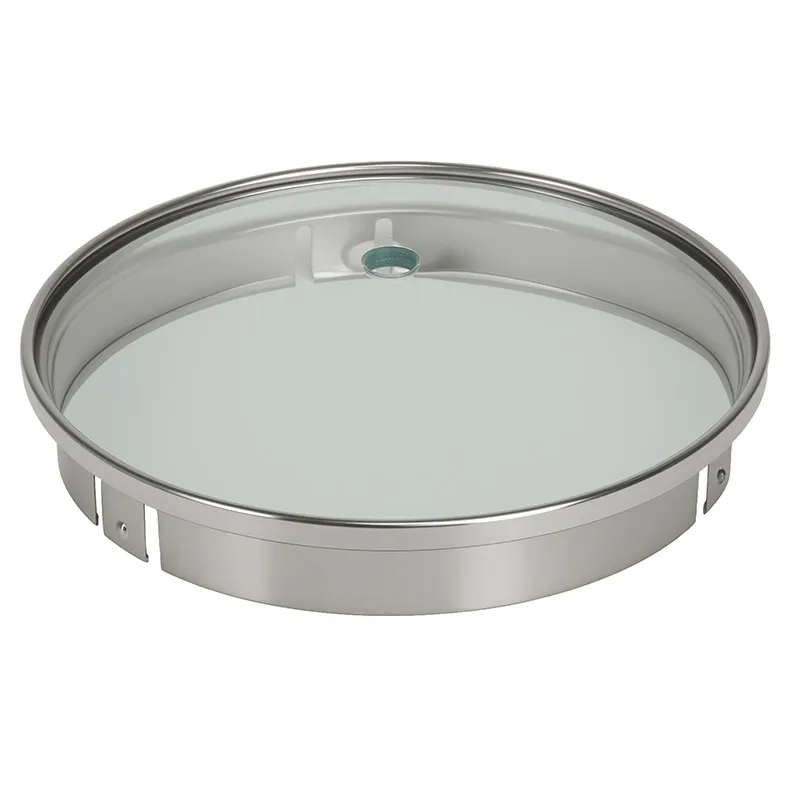
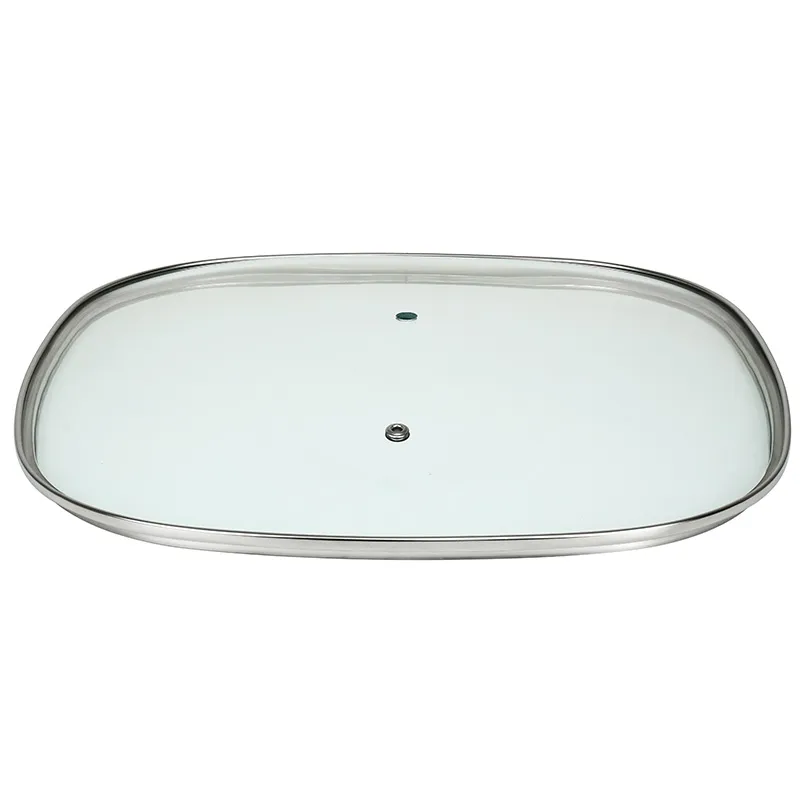
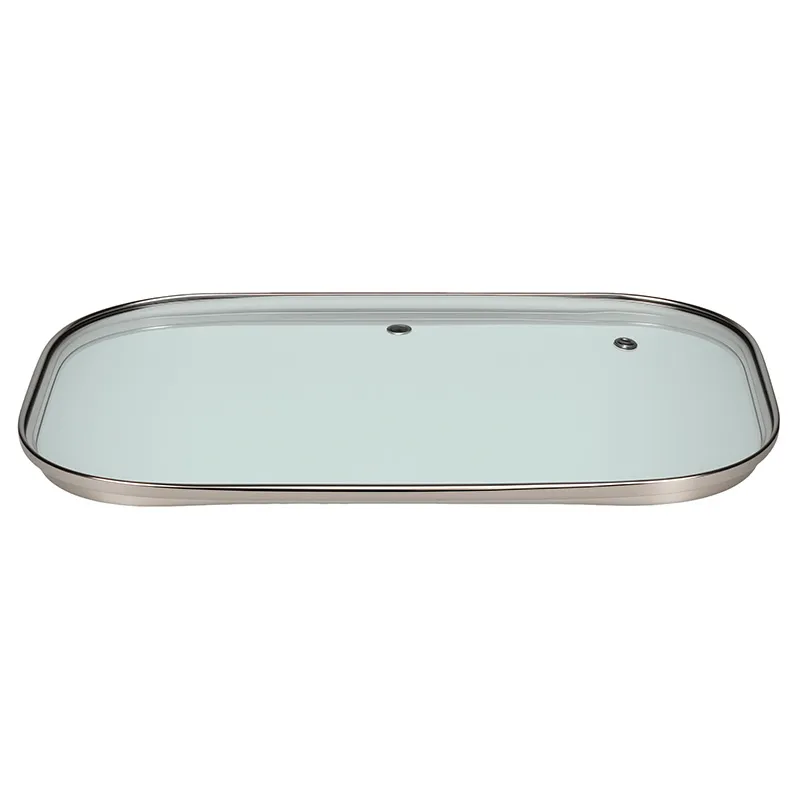
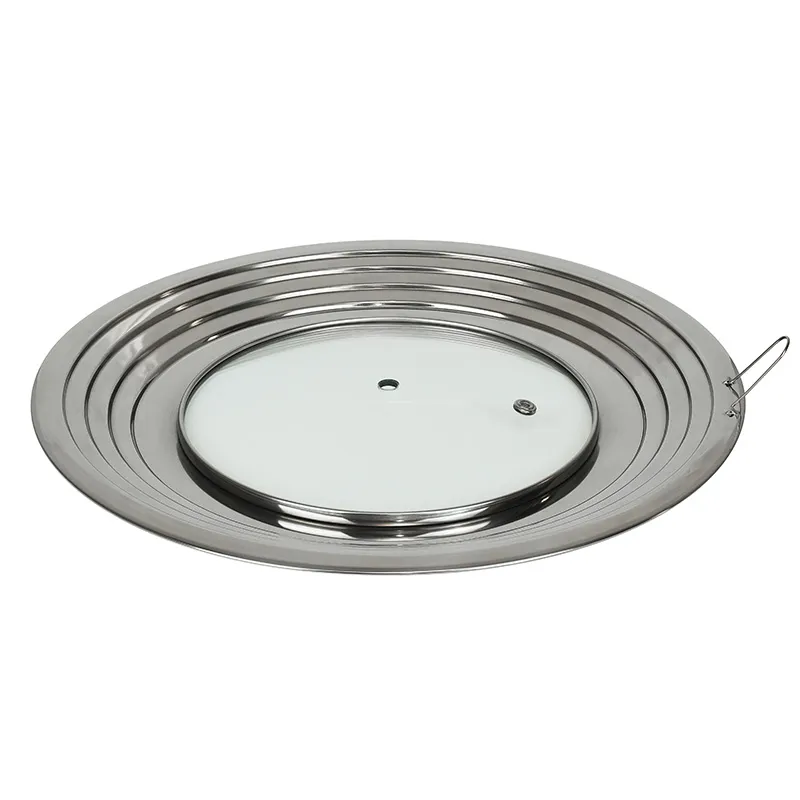
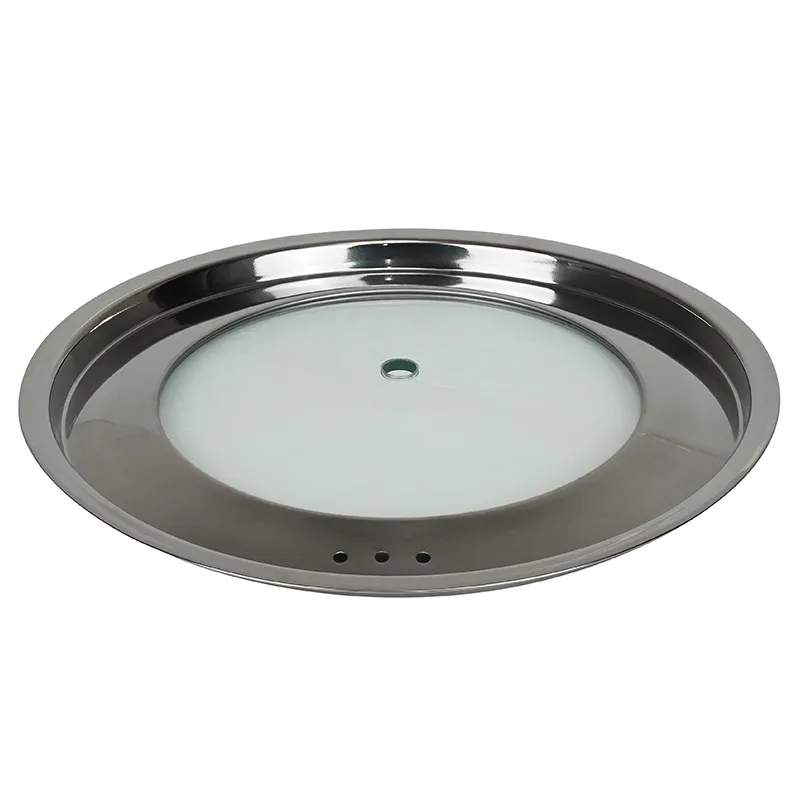
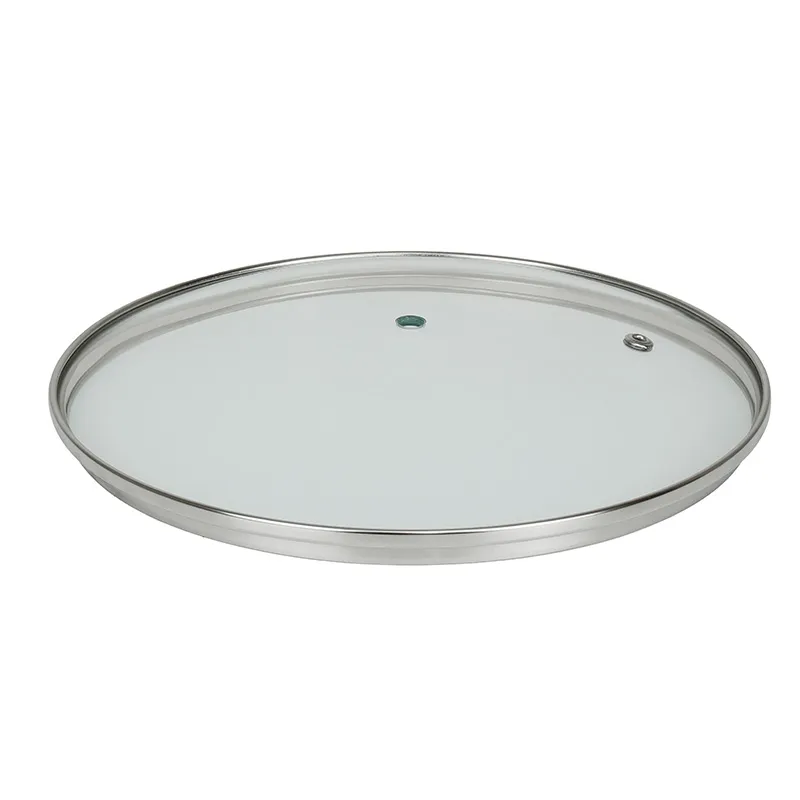
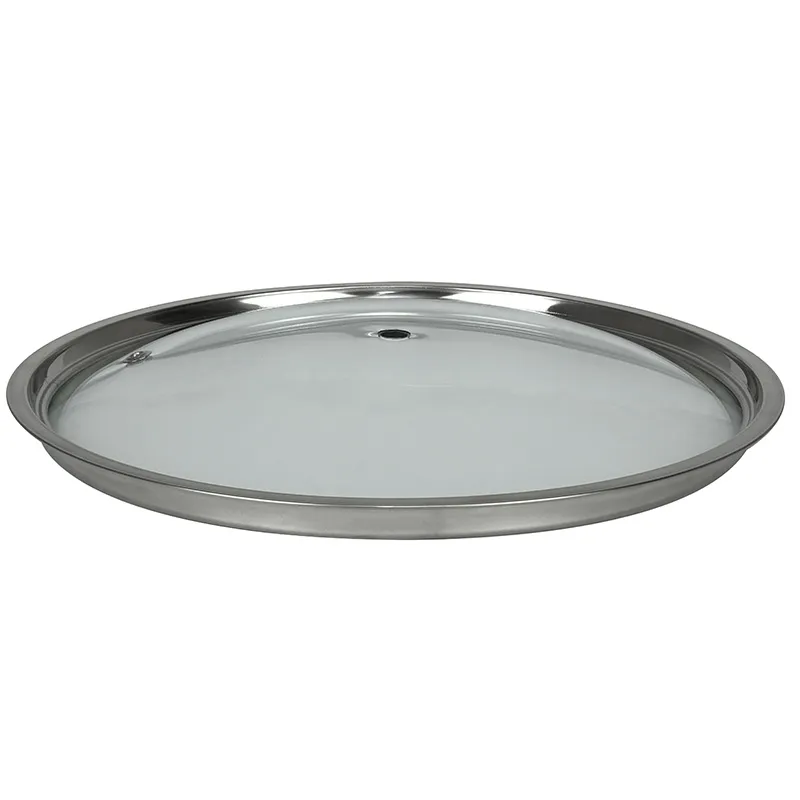
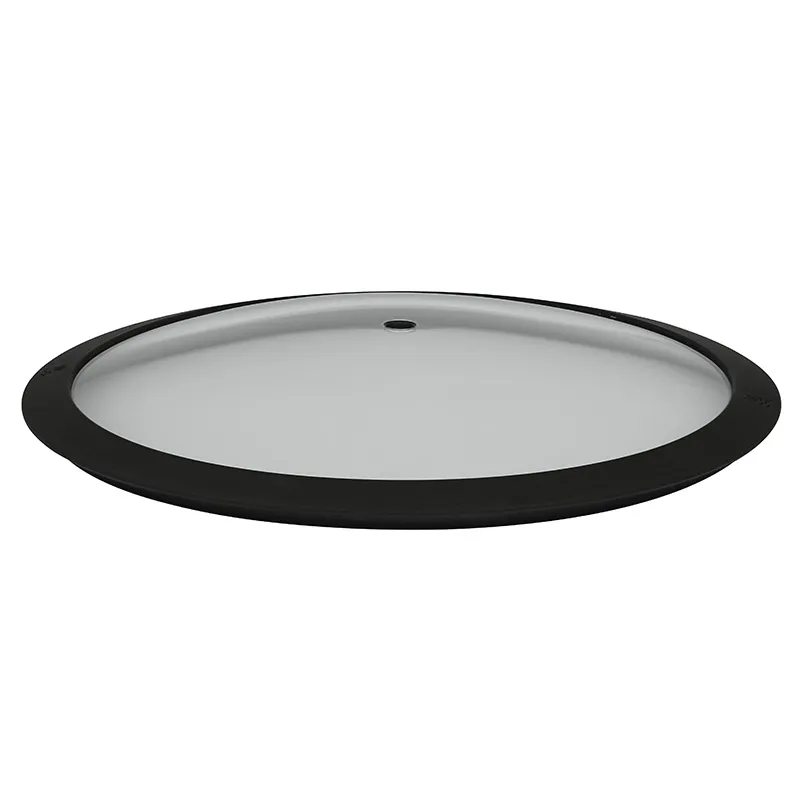
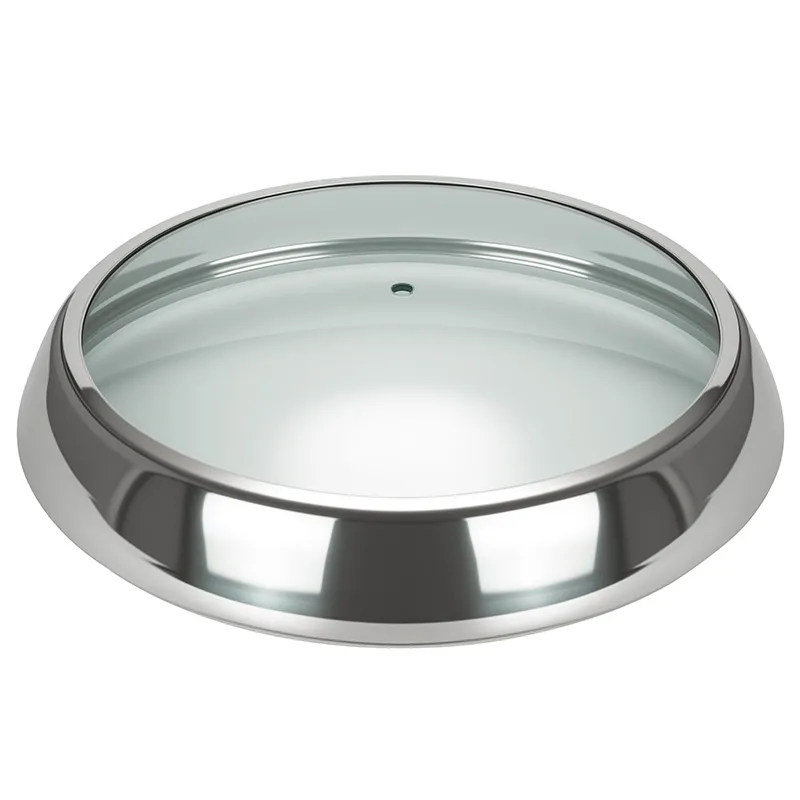
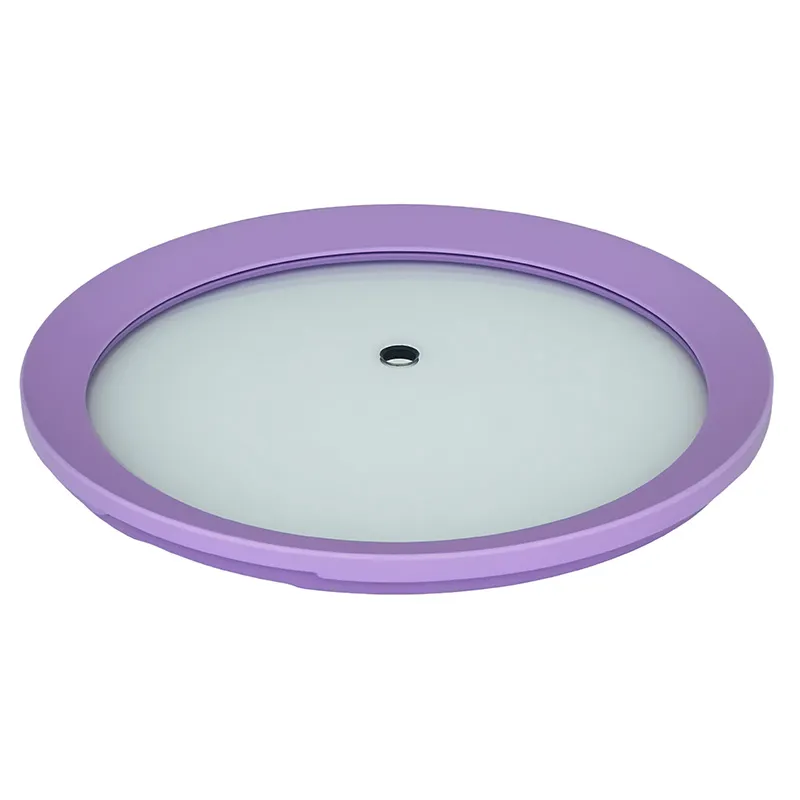
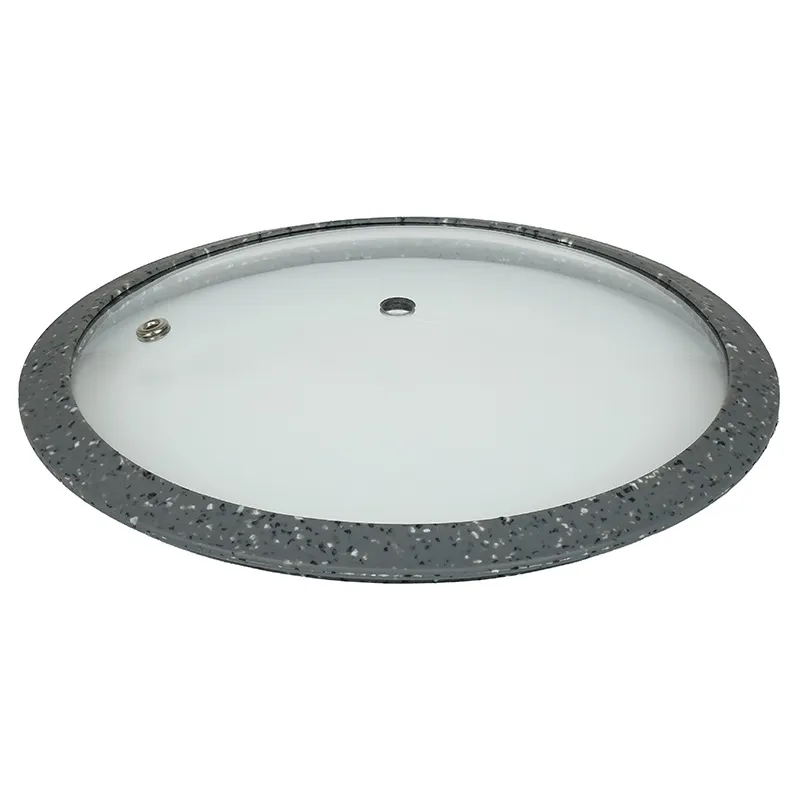
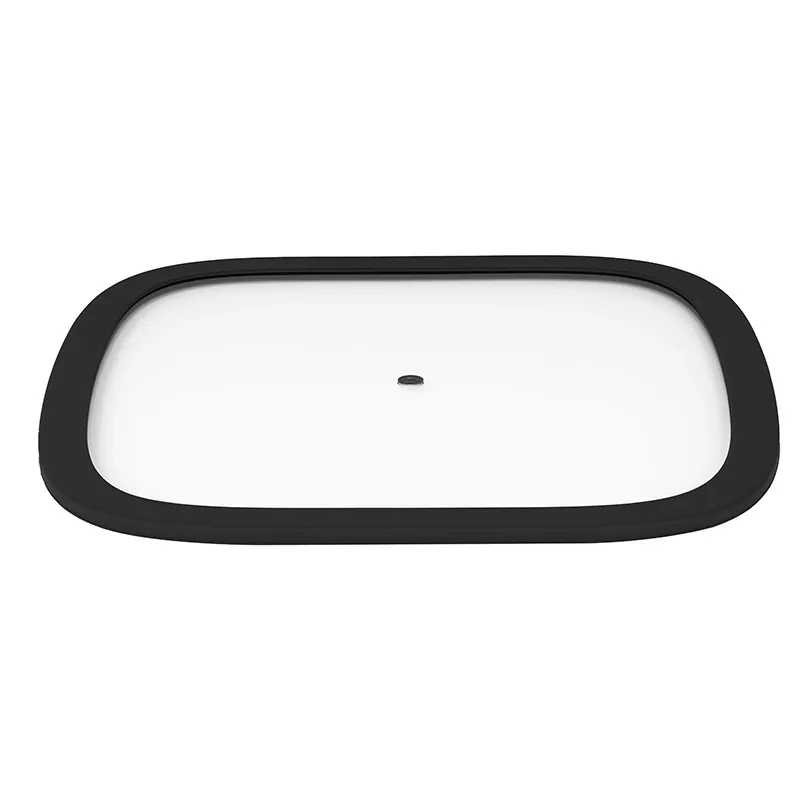
When you hear 'Oneida cookware lids', most people immediately think of those stainless steel pots with the glass lids, right? That's the classic setup. But here's the thing I've learned over the years: the real conversation starts when that lid breaks. The brand sells the complete set, but sourcing a standalone, perfectly fitting Oneida cookware lids replacement, especially the glass insert or the entire lid assembly, is its own little world. A lot of folks assume any generic glass lid from the store will fit, and that's where the first major pitfall is. The curvature, the rim thickness, the handle mounting points—they're rarely universal. I've seen more than one customer try to force a lid from a big-box store onto a Oneida saucepan, only to have it sit unevenly and not seal, which completely defeats the purpose.
The Anatomy of a Fit
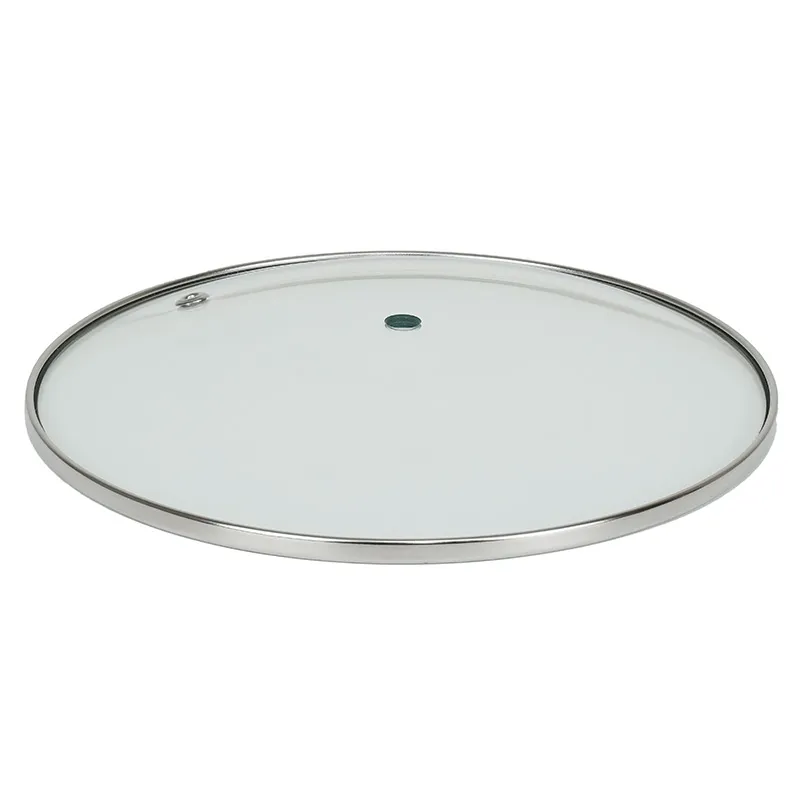
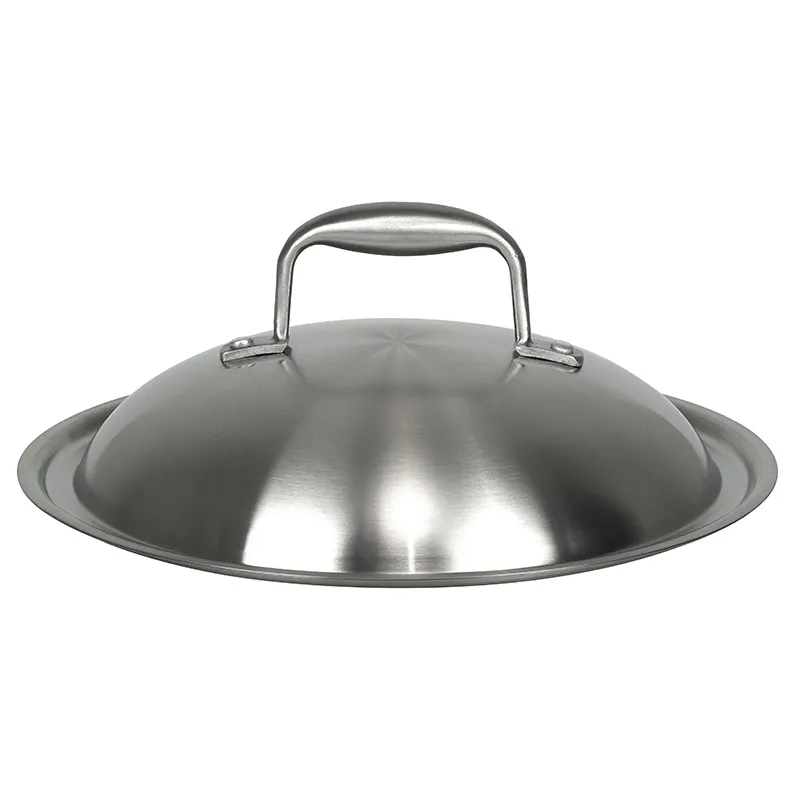
It's not just about diameter. You measure a pot's opening at the inner rim, where the lid actually rests. A 10-inch Oneida skillet might need a lid with a 9.75-inch glass, because the stainless steel rim takes up space. The bevel on the edge of the glass is critical; a sharp edge can chip the pot or crack under thermal stress. The good replacement lids, the ones that feel like they were made for the job, have a smoothly ground, slightly rounded edge. The handle is another story. Oneida often uses a specific screw pattern or a clip-on metal handle over the glass. Finding a replacement that accommodates that original handle hardware is a hunt. Sometimes, you're better off replacing the entire lid unit—glass and handle together—if you can find a compatible supplier.
This is where you move from retail to the OEM and aftermarket supply chain. Companies that specialize in components become key. For instance, a manufacturer like EUR-ASIA COOKWARE CO.,LTD. (their site is a resource at glass-lid.com) operates in this space. They're not a consumer brand; they're a producer for other brands and replacements. Their focus, as noted, is on tempered glass lids at volume. When you look at their specs—producing over 15 million pieces annually, exporting globally—you understand the scale of this niche. They're likely producing runs for European brands, but the point is the expertise in tempering glass to withstand thermal shock and standardizing dimensions. For a Oneida owner, the relevance is indirect: it shows the industrial base that might produce a lid that could match your pot if the specs align.
I tried once, early on, to batch-order generic tempered glass lids from a catalog for a repair service. We had measurements for common Oneida lines. The shipment arrived, and the glass was fine quality, but the fit was just... off. Maybe a millimeter in diameter, maybe the bevel angle. They'd wobble. It taught me that close enough doesn't work with lids. The seal is binary; it either works or it doesn't. Steam escapes, heat distribution gets messy, and energy efficiency drops. That failed batch sat in storage for ages, a constant reminder that precision in this area isn't a luxury, it's the entire requirement.
Material and Thermal Dynamics
Let's talk about the glass itself. Oneida typically uses clear, tempered glass. Tempering is non-negotiable for safety—it shatters into small, dull pieces instead of sharp shards. But not all tempered glass is equal. The thickness matters for durability and weight. A lid that's too heavy for the pot's handle balance is annoying; too light and it feels cheap. The real test is going from a cold counter to a hot, steaming pot, or worse, being placed on a hot burner by mistake. That's thermal shock. I've had lids from dubious sources develop a network of tiny internal cracks (crazing) after a few cycles of this. They might hold together, but they look terrible and you lose confidence in them.
Some aftermarket solutions use borosilicate glass, like Pyrex, for better shock resistance. It's a valid approach, but it changes the material cost and often the clarity. For a pure match to the original Oneida look, soda-lime tempered glass is standard. The high-volume producers, like the one mentioned earlier based in Taian, China, have the furnaces and quenching processes dialed in to produce consistent, shock-resistant soda-lime glass at scale. Their export to markets like Germany and Japan is a tacit benchmark; those markets have stringent quality checks for kitchenware. If a lid passes there, its thermal properties are likely solid.
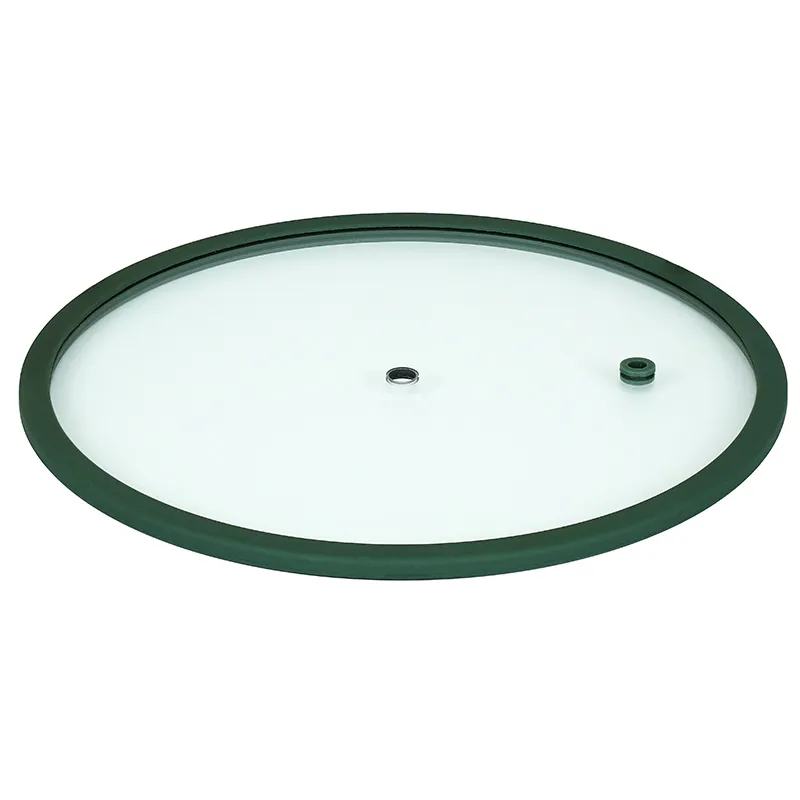
Where people get into trouble is with the plastic components. Many Oneida lids have a plastic knob or a plastic/rubber seal around the rim. When seeking replacements, you must consider heat resistance of these parts too. A knob that deforms at 100°C is useless. I recommend, if possible, salvaging the original handle assembly and just replacing the glass insert. It often gives a more reliable outcome than a whole new third-party lid with its own plastic parts of unknown provenance.
The Sourcing Puzzle and Practical Advice
So, where do you actually find a proper Oneida cookware lids replacement? The official route is contacting Oneida consumer services. They sometimes have parts, but for discontinued lines, it's a dead end. The unofficial route is the aftermarket. You'll find sellers on eBay or specialty kitchen parts sites listing lids by pot diameter and brand. The key is to ask for specific measurements: the exact outer diameter of the glass (not the overall lid), the diameter of the inner resting surface, and the height from the rim to the top of the dome. Compare these to your broken lid's remnants.
Don't be afraid to ask the seller about the source of their glass. Reputable suppliers will know if it's OEM surplus or from a known glassworks. The profile of a company like EUR-ASIA COOKWARE, with its 20,000㎡ facility and focus on tempered glass lid production, exemplifies the kind of industrial supplier that might be feeding this aftermarket channel. They're not selling you one lid, but they might be selling ten thousand to a distributor who then retails them individually. That supply chain legitimacy adds a layer of confidence.
My practical advice? If your Oneida pot is a workhorse and the lid breaks, first try the official parts channel. If that fails, measure meticulously. Look for sellers who provide technical drawings or are willing to confirm measurements. Prioritize a perfect fit over a perfect price. A $15 lid that doesn't seal is a waste; a $30 lid that functions like the original is a salvage operation for a $80 pot. That's a win. And if you find a source that works, bookmark it. Consistency in this niche is gold.
Beyond the Break: The Value of the Lid
We focus on the breakage, but the lid's role is profound. A well-fitted glass lid on a Oneida pot allows for visual monitoring—seeing when water boils, watching a sauce reduce—without losing heat and moisture. That's the design intent. A bad lid turns a perfectly good pot into a frustrating, inefficient tool. It's why the replacement quest, as niche as it seems, matters. It's about restoring the tool to its designed function, not just covering a hole.
In professional or serious home kitchens, this attention to components is standard. They understand that the lid is an integral part of the cooking system. The fact that a global industry exists, with specialized manufacturers producing millions of these components, underscores that. It's not just about making glass; it's about making a precision component for a culinary process. The export data to countries with strong kitchen cultures (Italy, France, Denmark, Japan) tells you that.
In the end, dealing with Oneida cookware lids replacements is a lesson in applied specificity. It bridges the gap between consumer retail and industrial manufacturing. You learn to appreciate the engineering in a simple piece of tempered glass—its dimensions, its temper, its bevel. And you learn that the solution often lies not with the brand name on the pot, but with the specialized, often unseen, producers who make the parts that make the whole system work. It's a small but revealing corner of the cookware world.
Related Products
Related Products