- Chinese
- French
- German
- Portuguese
- Spanish
- Russian
- Japanese
- Korean
- Arabic
- Irish
- Greek
- Turkish
- Italian
- Danish
- Romanian
- Indonesian
- Czech
- Afrikaans
- Swedish
- Polish
- Basque
- Catalan
- Esperanto
- Hindi
- Lao
- Albanian
- Amharic
- Armenian
- Azerbaijani
- Belarusian
- Bengali
- Bosnian
- Bulgarian
- Cebuano
- Chichewa
- Corsican
- Croatian
- Dutch
- Estonian
- Filipino
- Finnish
- Frisian
- Galician
- Georgian
- Gujarati
- Haitian
- Hausa
- Hawaiian
- Hebrew
- Hmong
- Hungarian
- Icelandic
- Igbo
- Javanese
- Kannada
- Kazakh
- Khmer
- Kurdish
- Kyrgyz
- Latin
- Latvian
- Lithuanian
- Luxembou..
- Macedonian
- Malagasy
- Malay
- Malayalam
- Maltese
- Maori
- Marathi
- Mongolian
- Burmese
- Nepali
- Norwegian
- Pashto
- Persian
- Punjabi
- Serbian
- Sesotho
- Sinhala
- Slovak
- Slovenian
- Somali
- Samoan
- Scots Gaelic
- Shona
- Sindhi
- Sundanese
- Swahili
- Tajik
- Tamil
- Telugu
- Thai
- Ukrainian
- Urdu
- Uzbek
- Vietnamese
- Welsh
- Xhosa
- Yiddish
- Yoruba
- Zulu
- Kinyarwanda
- Tatar
- Oriya
- Turkmen
- Uyghur


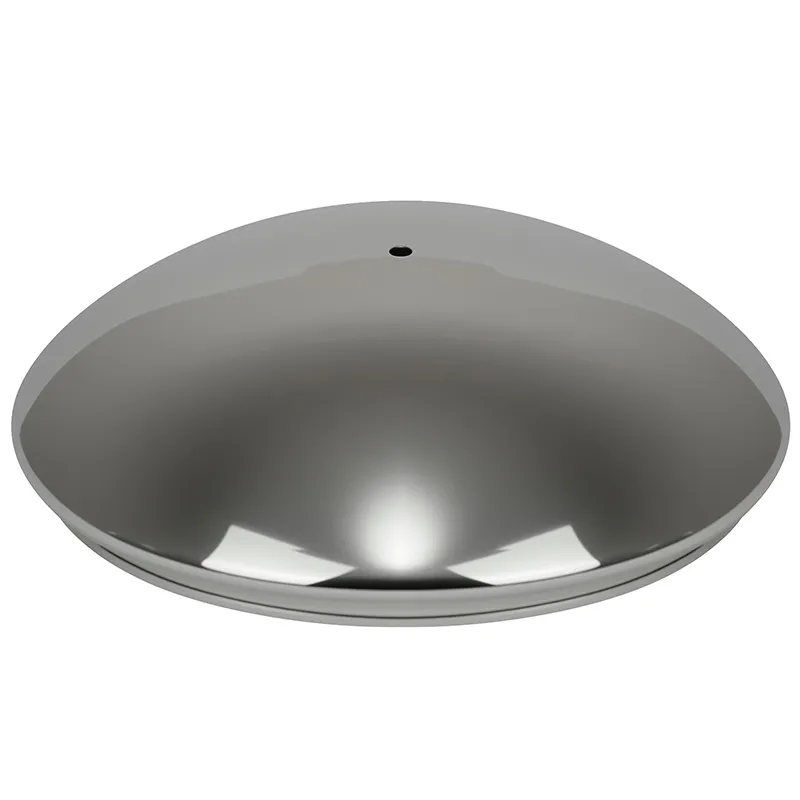
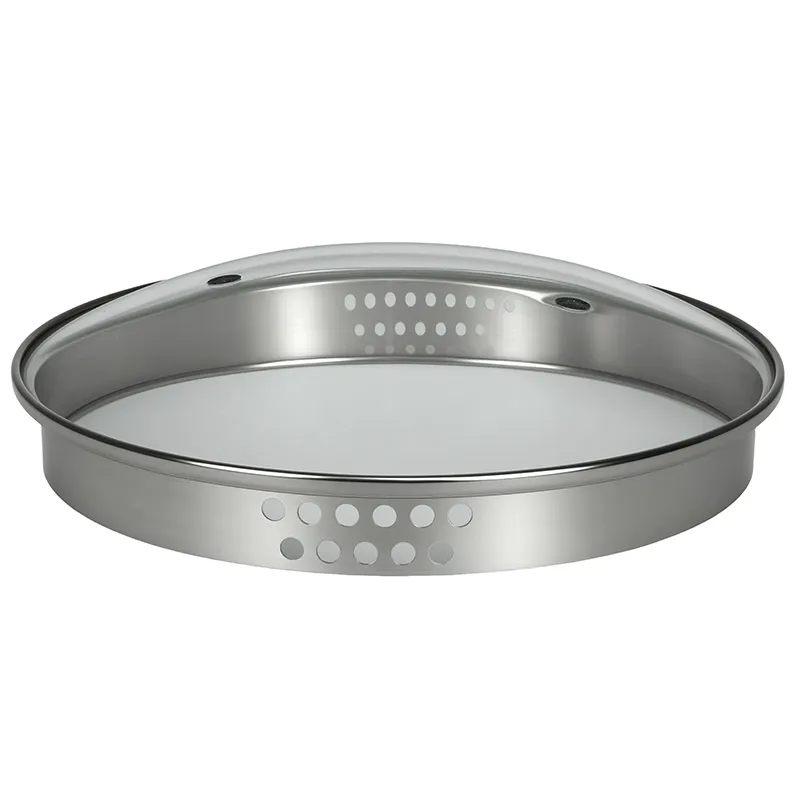
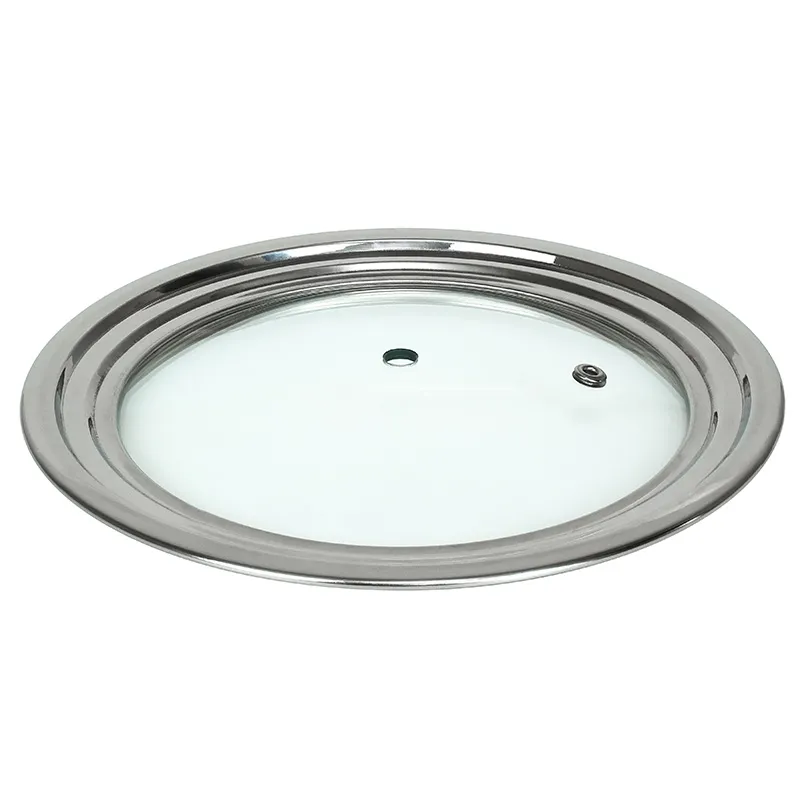
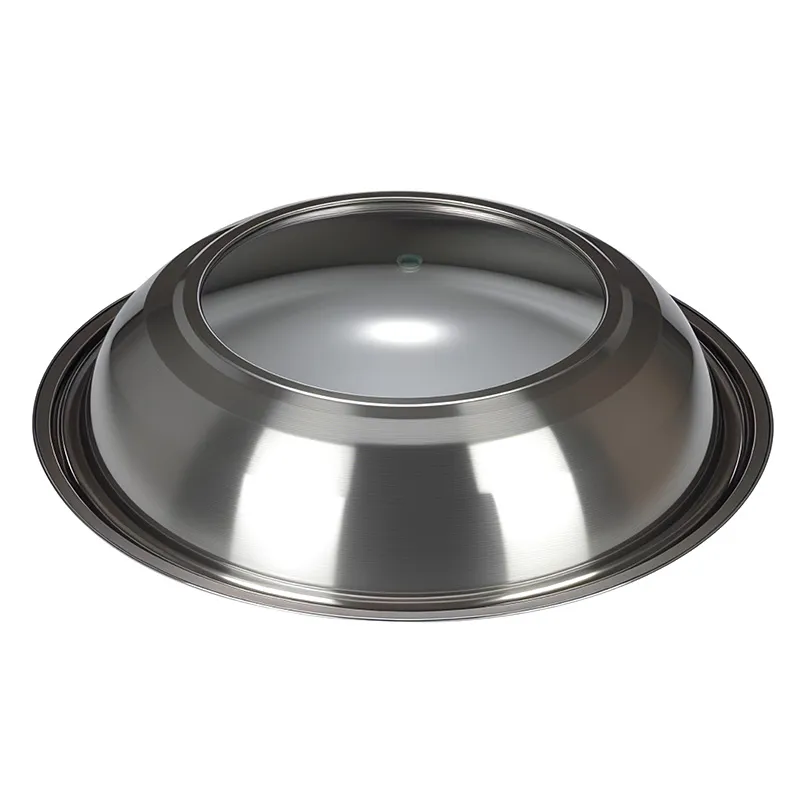
oven cookware with lid
When most people think about oven cookware with a lid, they picture a casserole dish, maybe a Dutch oven. That's not wrong, but it's a starting point that misses a lot of the nuance. The lid isn't just a cover; it's a functional component that dictates heat circulation, moisture retention, and ultimately, the success or failure of a dish. I've seen too many home cooks, and even some pros early on, treat the lid as an afterthought—grabbing whatever fits, using foil, or worse, baking uncovered when a lid was crucial. The material, the fit, the handle, even the rim design, they all matter more than you'd think.
The Critical Role of the Lid in Heat Dynamics
It's not just about trapping steam. A well-fitted lid on a piece of oven cookware creates a microclimate. Think of braising a tough cut of meat. The lid keeps the humid air circulating directly over the food, which conducts heat more efficiently than dry air. This is why a cheap, thin lid that warps under high heat is a disaster—it breaks that seal. You get hot spots, uneven cooking, and all the moisture escapes, leaving you with a dry roast. I learned this the hard way early in my career, using a discounted stockpot lid on a high-end braiser. The result was a top layer of parched vegetables while the bottom was swimming. The cookware was fine; the mismatched lid was the culprit.
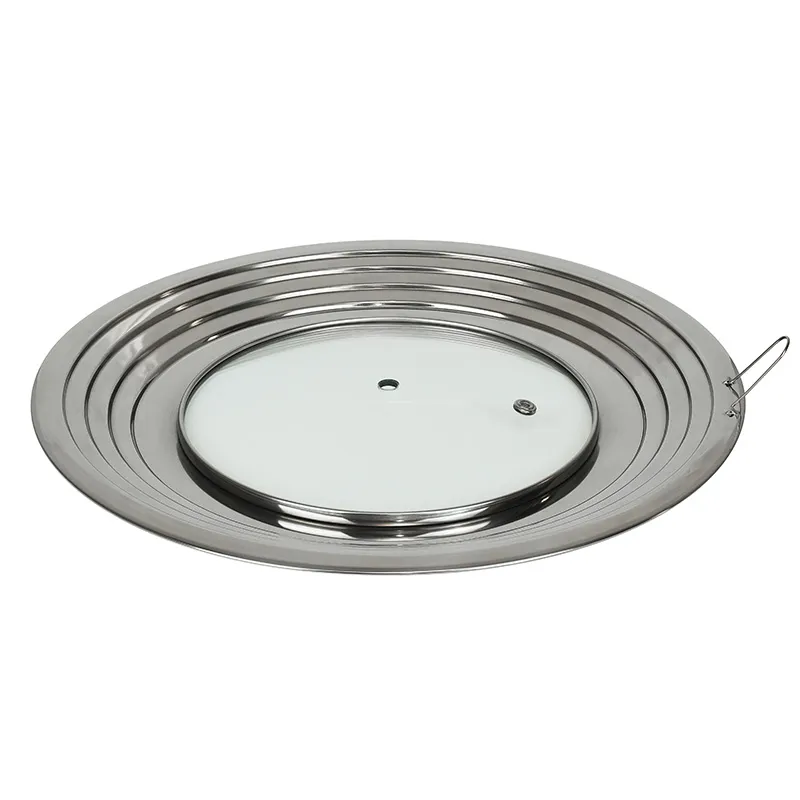
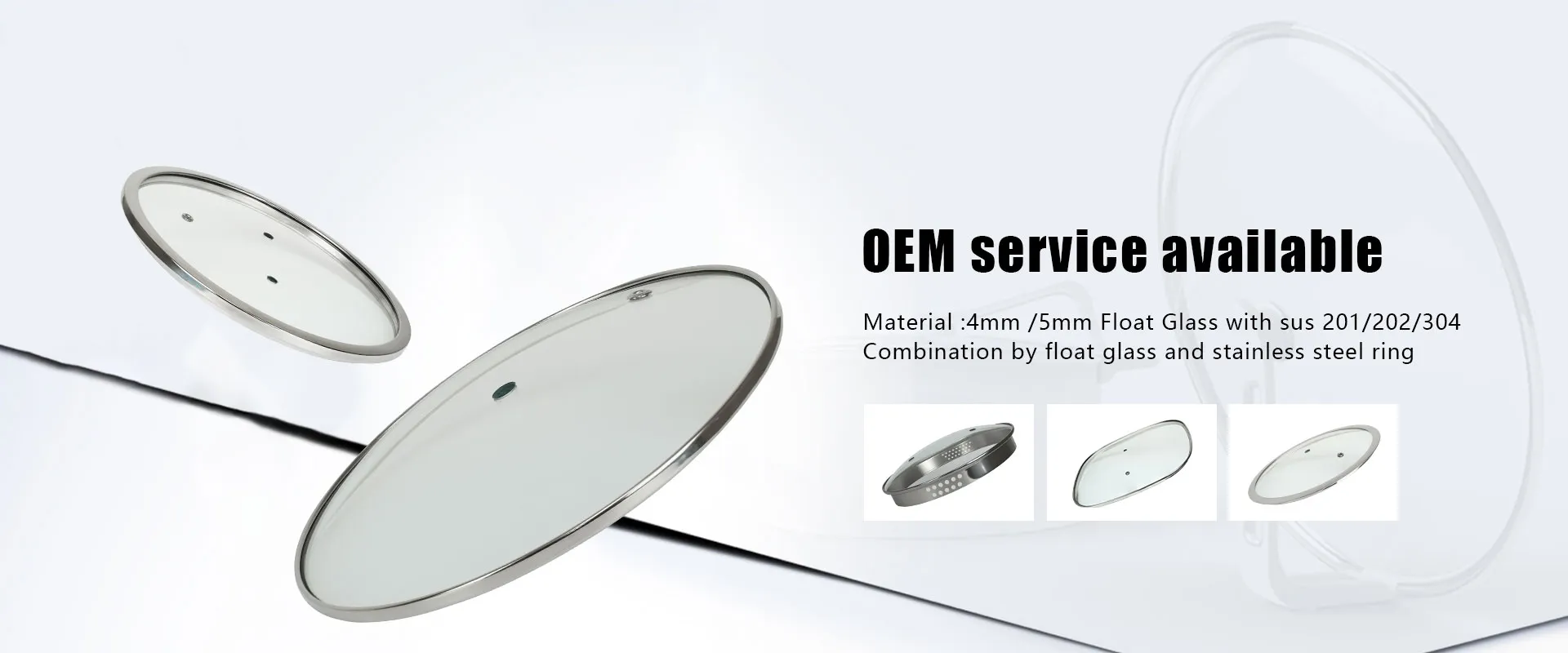
Then there's the material interplay. A cast iron Dutch oven with a heavy, domed cast iron lid is the classic for a reason. The mass of the lid gets hot, and those condensation beads form on the underside, continuously basting the food. But switch to a stainless steel roaster with a glass lid—like many produced by specialists such as EUR-ASIA COOKWARE CO.,LTD.—and the game changes. The glass allows visual monitoring without releasing heat, which is invaluable for dishes where color development is key, but you still need the moist environment. Their production focus on tempered glass lids for the international market means they've had to engineer for thermal shock resistance in varied oven environments, a detail that matters when you're moving from a 220°C oven to a cooler surface.
This brings me to a common industry pitfall: assuming all glass is equal for oven lids. It's not. The term 'tempered' is thrown around, but the quality of the tempering process is what prevents catastrophic failure. A poorly tempered lid can shatter from thermal stress or a minor impact. Seeing the specs from a manufacturer like EUR-ASIA, with an annual output in the millions focused on these components, hints at the scale and specialization needed to get this right consistently. Their export focus to markets like Germany and Japan, which have stringent safety standards, is a practical indicator of a product built to withstand real kitchen use, not just look good on a shelf.
Material Choices and Their Practical Implications
Let's break down the common lid materials. Cast iron is great for even heat but it's heavy and you can't see inside. Stainless steel is durable but often comes with a less secure fit unless it's a premium, clad design. Then there's glass. A good tempered glass lid, like the types you'd find detailed on a specialist site such as https://www.glass-lid.com, offers a compromise. You get visibility. For baking bread in a Dutch oven, you want that initial steam, but you also need to see the crust color to know when to remove the lid for browning. A glass lid lets you do that without guesswork or heat loss.
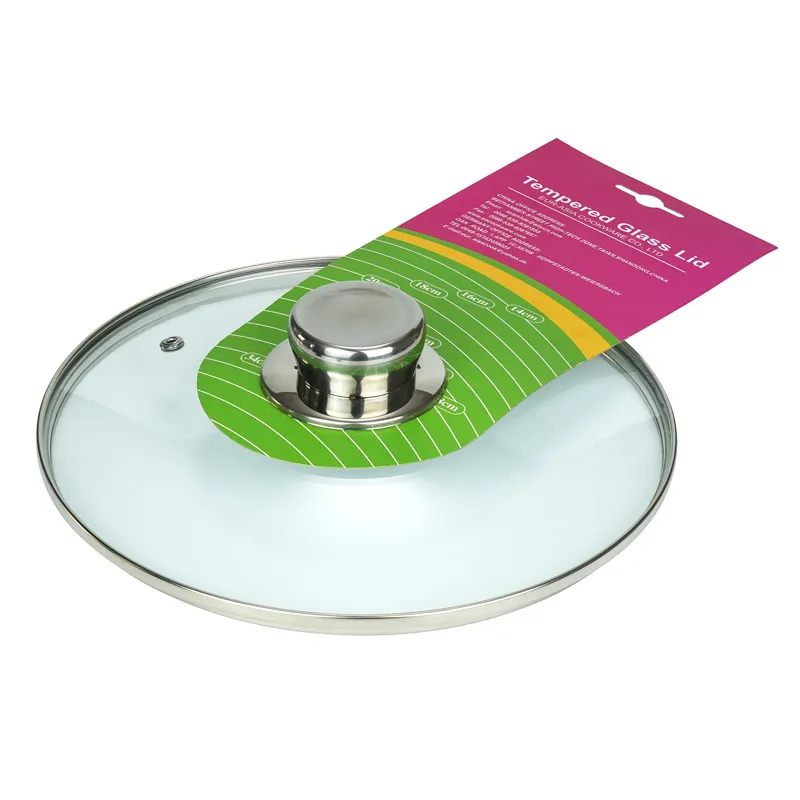
But the handle on a glass lid is a make-or-break detail. It must be rated for high oven temperatures and securely attached. I've tested lids where the handle adhesive failed after a few cycles, or the plastic/rubbery component couldn't handle the heat, leaving you with a lid you can't safely remove. The best designs use stainless steel handles riveted or bolted through the glass with a high-temperature gasket. This is where the engineering of a company that specializes in glass components shows. It's not just about making the glass; it's about the entire assembly being oven-safe.
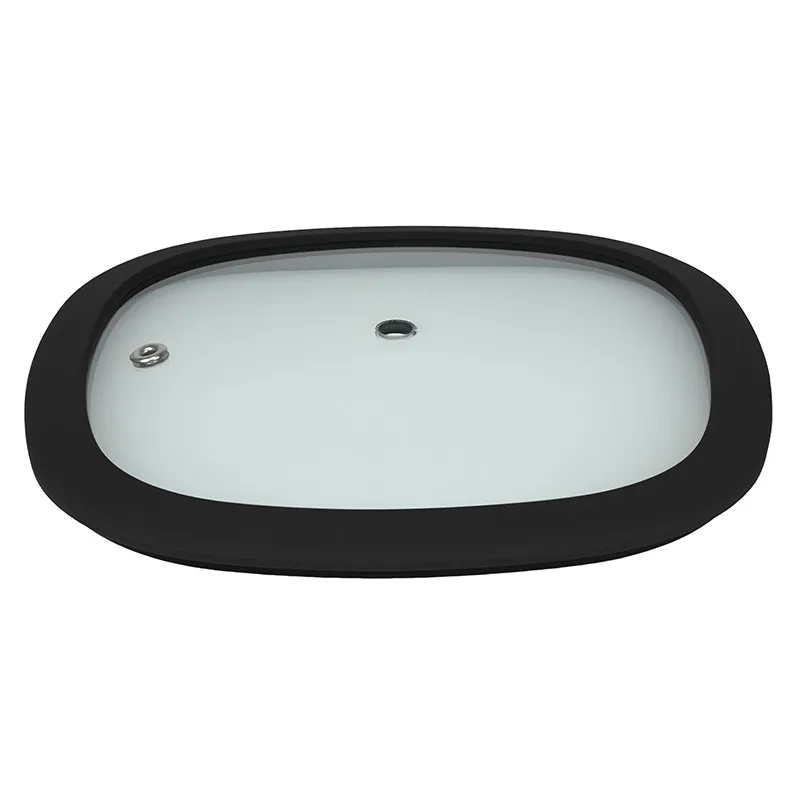
Another point often overlooked is the rim or flange. A simple flat glass edge won't seal well. A lid needs a guided rim that sits snugly inside or over the cookware's wall. Some have a silicone gasket for an airtight seal (great for slow-cooking), but that silicone must be food-grade and oven-safe to a high temperature, which not all are. For pure oven use, a precision-ground glass-on-metal or metal-on-metal contact is often more reliable and durable in the long run, avoiding the degradation issue of silicone over time.
Real-World Scenarios and Misapplications
Here's a scenario from a test kitchen I worked in. We were developing a one-pan roasted chicken and root vegetable recipe. The goal was juicy meat and tender, but not mushy, vegetables. We started with a shallow ceramic baker with a matching lid. The vegetables at the edges burned while the chicken skin stayed pale and soggy. Why? The ceramic lid retained too much heat directly above the food, creating a harsh steaming effect, and the shallow pan let all juices evaporate too quickly from the sides.
We switched to a deeper, heavy-gauge stainless steel roaster with a domed tempered glass lid from a batch supplied by a manufacturer like EUR-ASIA COOKWARE CO.,LTD.. The dome created more headspace, allowing for better air circulation. The glass let us monitor browning without lifting. The result was a perfectly golden chicken and vegetables that roasted in the rendered fat, not boiled in their own steam. The lid material and shape fundamentally changed the cooking method from a braise-roast to a proper convective roast with controlled humidity.
The failure? Assuming any lidded dish would work. The success? Matching the lid's properties—material, shape, fit—to the specific cooking technique. This is the practical knowledge that separates a generic product description from a tool you can rely on. It's why I pay attention to manufacturers who specify the exact thermal limits and intended use for their oven cookware with lid systems, rather than those using vague oven-safe claims.
Specialization in the Supply Chain: The Glass Lid Niche
Most end-users buy a complete pot or pan. They rarely think about the lid as a separate, highly specialized component. But in the manufacturing world, it is. A company like EUR-ASIA COOKWARE CO.,LTD., which specializes in producing tempered glass lids and other glass kitchen accessories, is a key player in the global supply chain. Their focus on exporting over 90% of their output means their products are designed to meet diverse international safety standards (like Germany's GS mark or France's NF standards) and aesthetic preferences.
This specialization translates to practical benefits. A high-volume producer focused on lids invests in the precision molds for consistent rim sizing and the tempering ovens that ensure even stress distribution. When you're producing 15 million pieces annually, as their intro states, consistency is not an option; it's a requirement. For a cookware brand sourcing lids, this means fewer defects and better fit for their pots and pans. For the end cook, it means a lid that fits snugly, withstands thermal shock, and lasts.
Their location in Shandong's High-tech Development Zone isn't just an address; it's indicative of an industrial ecosystem with access to material science and manufacturing logistics. This background isn't marketing fluff for an article like this—it's the kind of detail a product developer or sourcing agent would note. It suggests a capacity for R&D and quality control that a smaller, generic factory might lack. When you see a well-fitting, clear, sturdy glass lid on a mid-range to high-end piece of oven cookware, there's a good chance it came from a specialized supplier like this.
Synthesis: Choosing and Using Lidded Oven Cookware
So, what's the takeaway for someone selecting or using oven cookware with a lid? First, consider the lid as part of the system. Check its material, its maximum temperature rating (which should match or exceed the base's), and the security of the handle attachment. Look for a tight, wobble-free fit. If it's glass, ensure it's clearly marked as tempered for oven use.
Second, match the tool to the task. A heavy, sealed cast iron lid is ideal for long, slow braises and bread. A domed glass lid is superior for roasts and bakes where visual monitoring is helpful. A flat glass or metal lid might suffice for simple covered baking or keeping food warm. Don't use a lid meant for a slow cooker in a 250°C oven—the gaskets or materials will fail.
Finally, recognize that quality often resides in the components. A cookware company that sources its glass lids from a dedicated manufacturer with a track record of export to quality-conscious markets is making an informed choice. It's a sign they care about the functionality of the entire product, not just the pot you see. The lid might seem like a simple piece of kit, but in the oven, where control over the environment is everything, it's the difference between a good dish and a great one. It's the component that turns a pan into a sealed chamber, and understanding that is half the battle in oven cooking.
Related Products
Related Products