- Chinese
- French
- German
- Portuguese
- Spanish
- Russian
- Japanese
- Korean
- Arabic
- Irish
- Greek
- Turkish
- Italian
- Danish
- Romanian
- Indonesian
- Czech
- Afrikaans
- Swedish
- Polish
- Basque
- Catalan
- Esperanto
- Hindi
- Lao
- Albanian
- Amharic
- Armenian
- Azerbaijani
- Belarusian
- Bengali
- Bosnian
- Bulgarian
- Cebuano
- Chichewa
- Corsican
- Croatian
- Dutch
- Estonian
- Filipino
- Finnish
- Frisian
- Galician
- Georgian
- Gujarati
- Haitian
- Hausa
- Hawaiian
- Hebrew
- Hmong
- Hungarian
- Icelandic
- Igbo
- Javanese
- Kannada
- Kazakh
- Khmer
- Kurdish
- Kyrgyz
- Latin
- Latvian
- Lithuanian
- Luxembou..
- Macedonian
- Malagasy
- Malay
- Malayalam
- Maltese
- Maori
- Marathi
- Mongolian
- Burmese
- Nepali
- Norwegian
- Pashto
- Persian
- Punjabi
- Serbian
- Sesotho
- Sinhala
- Slovak
- Slovenian
- Somali
- Samoan
- Scots Gaelic
- Shona
- Sindhi
- Sundanese
- Swahili
- Tajik
- Tamil
- Telugu
- Thai
- Ukrainian
- Urdu
- Uzbek
- Vietnamese
- Welsh
- Xhosa
- Yiddish
- Yoruba
- Zulu
- Kinyarwanda
- Tatar
- Oriya
- Turkmen
- Uyghur

oven to table cookware with lids
Let’s be clear from the start: ‘oven-to-table’ sounds deceptively simple. The marketing paints a picture of effortless elegance—pull a dish from the oven, set it directly on the table, and lift the lid to applause. The reality, especially when you get into the nitty-gritty of production and material science, is a series of calculated compromises. The lid isn’t just a cover; it’s the critical component that makes or breaks the entire function. I’ve seen too many designs where the oven to table cookware with lids promise falls apart because the lid material couldn’t handle the thermal shock from a 450°F oven to a cool granite counter, or the handle became too hot to touch, forcing you to scramble for a towel. That’s not seamless; that’s a failure in execution.
The Core Challenge: It's All About the Lid
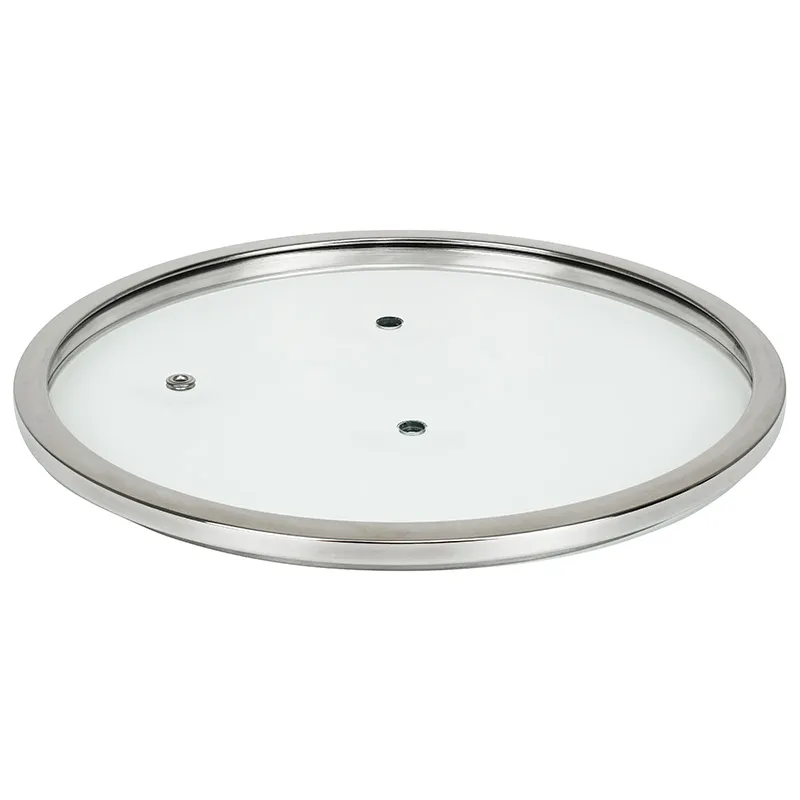
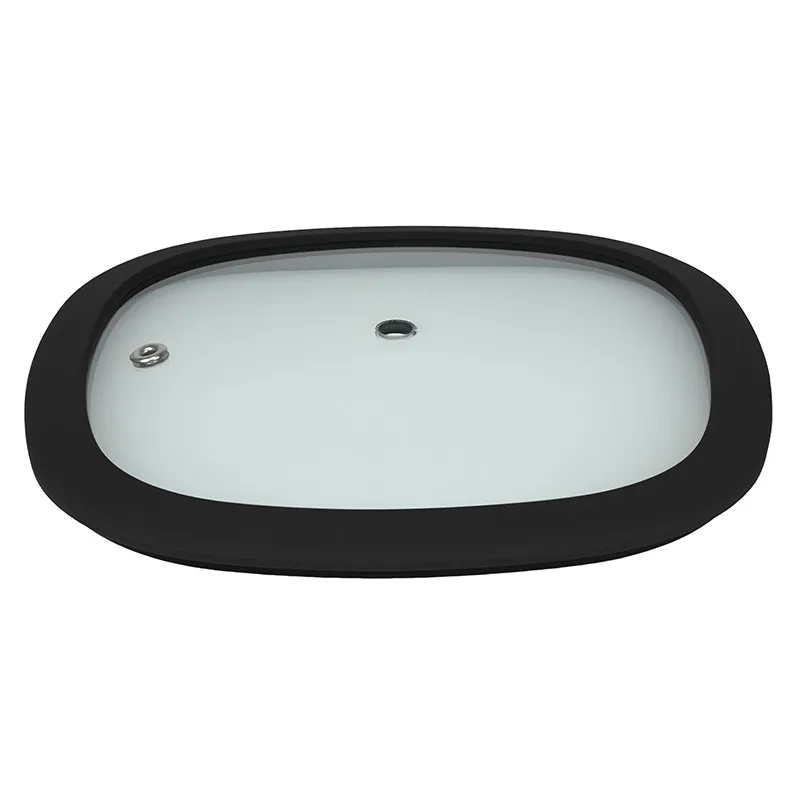
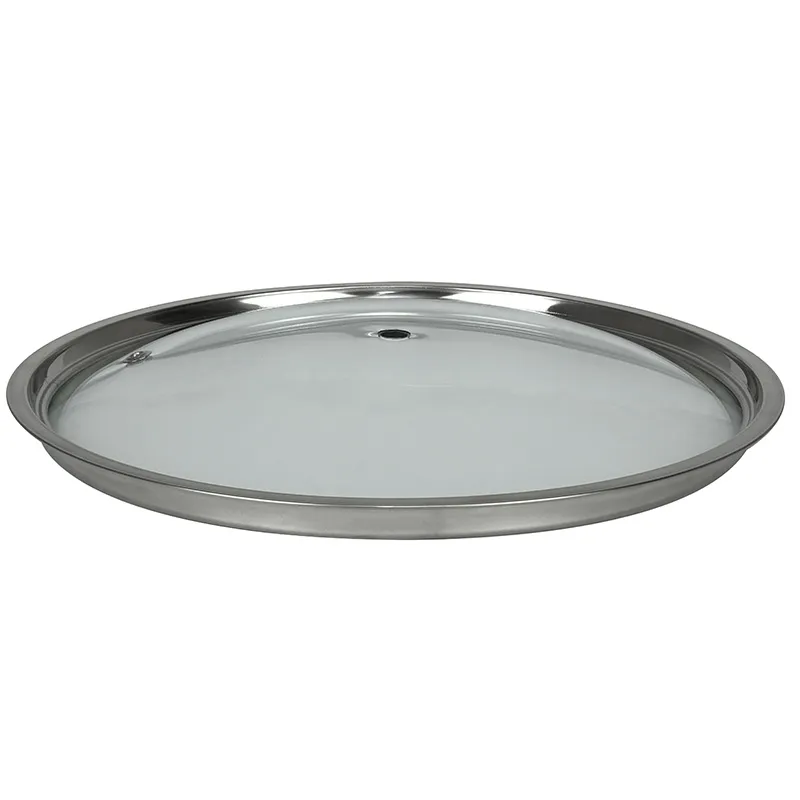
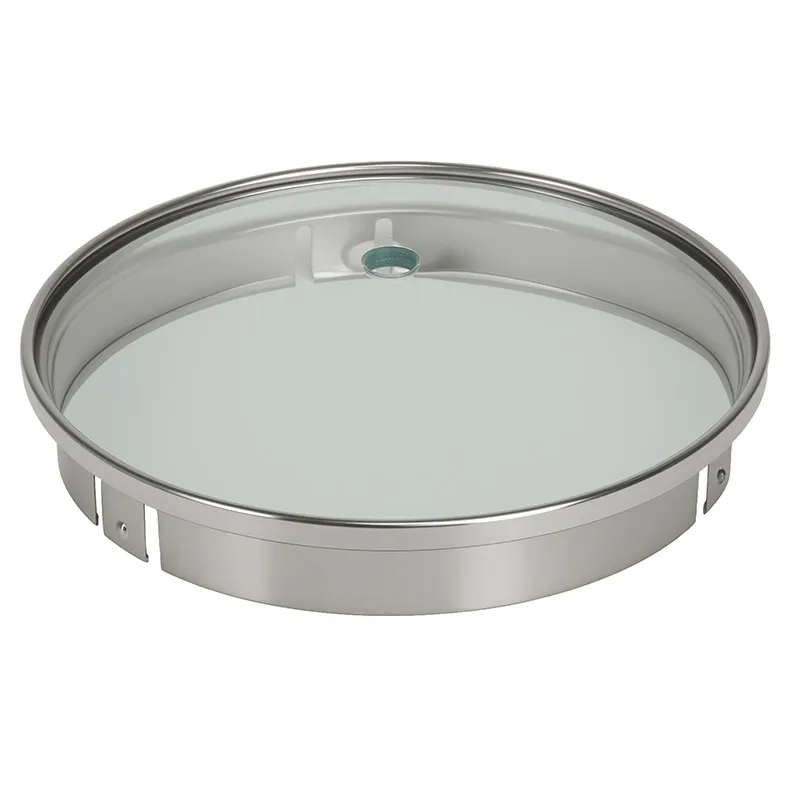
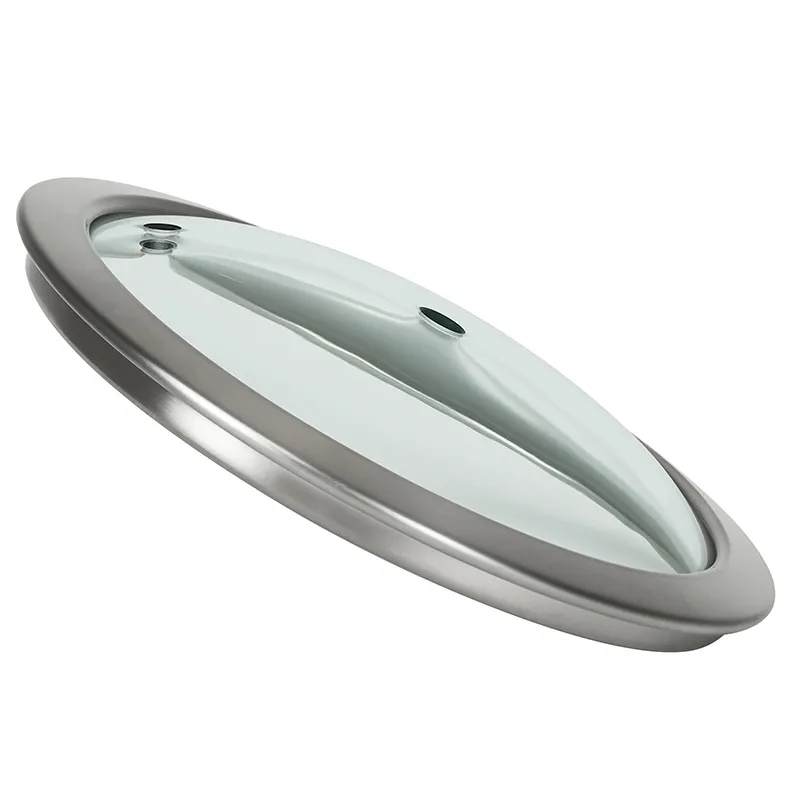
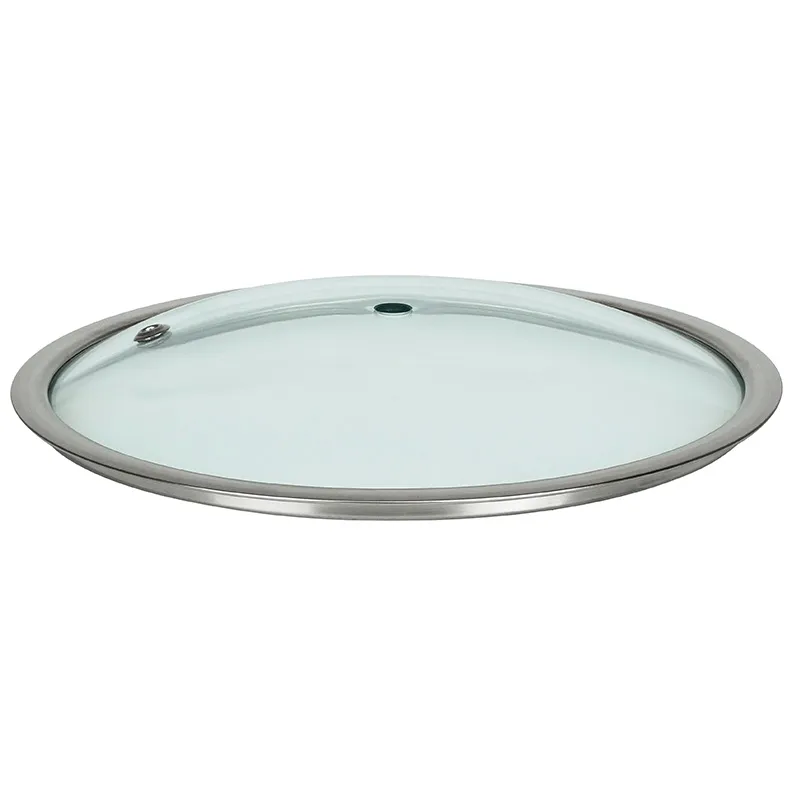
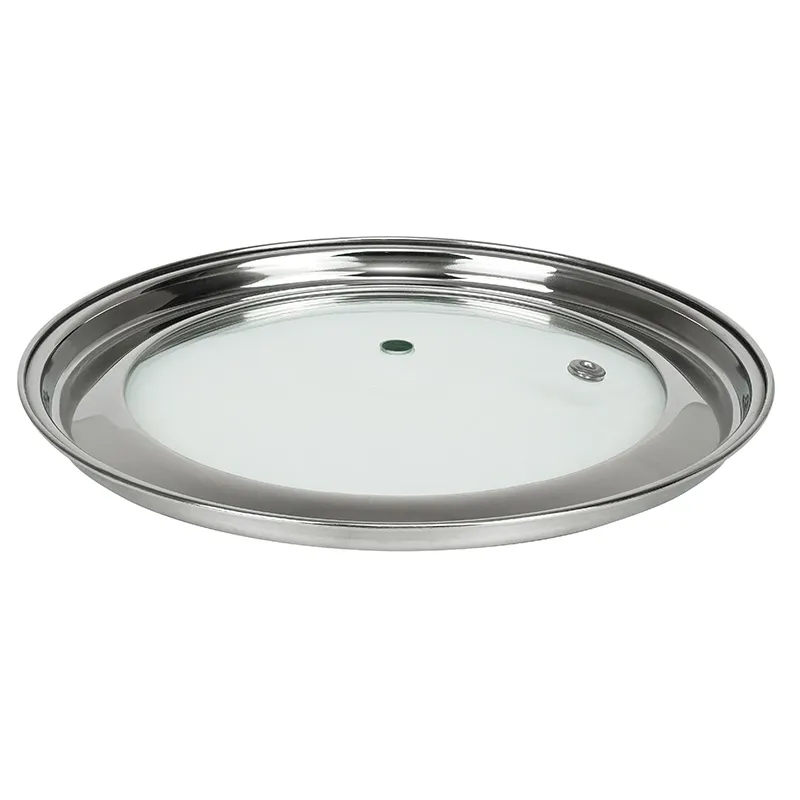
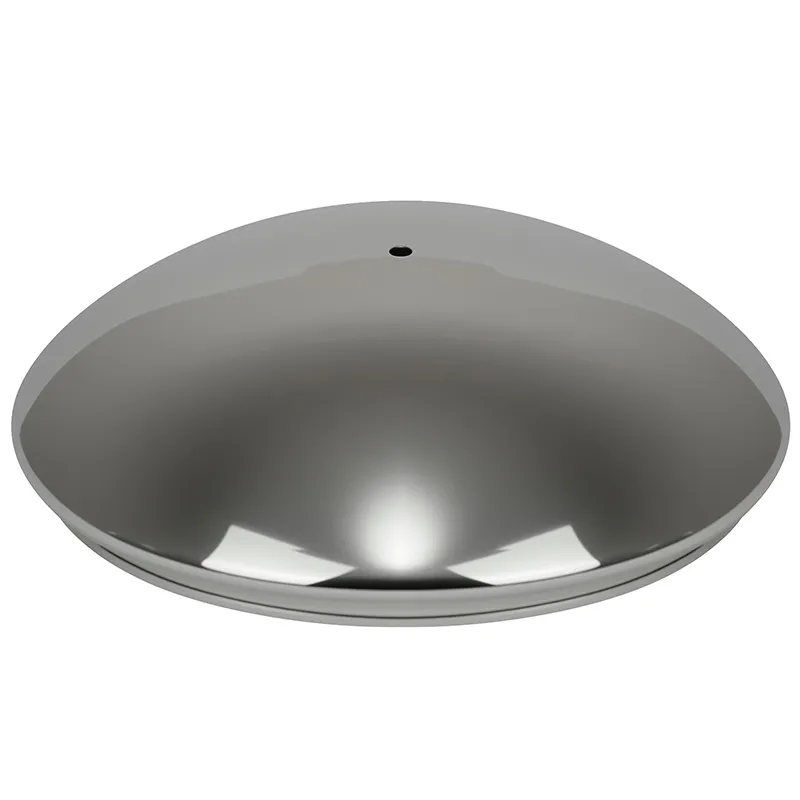
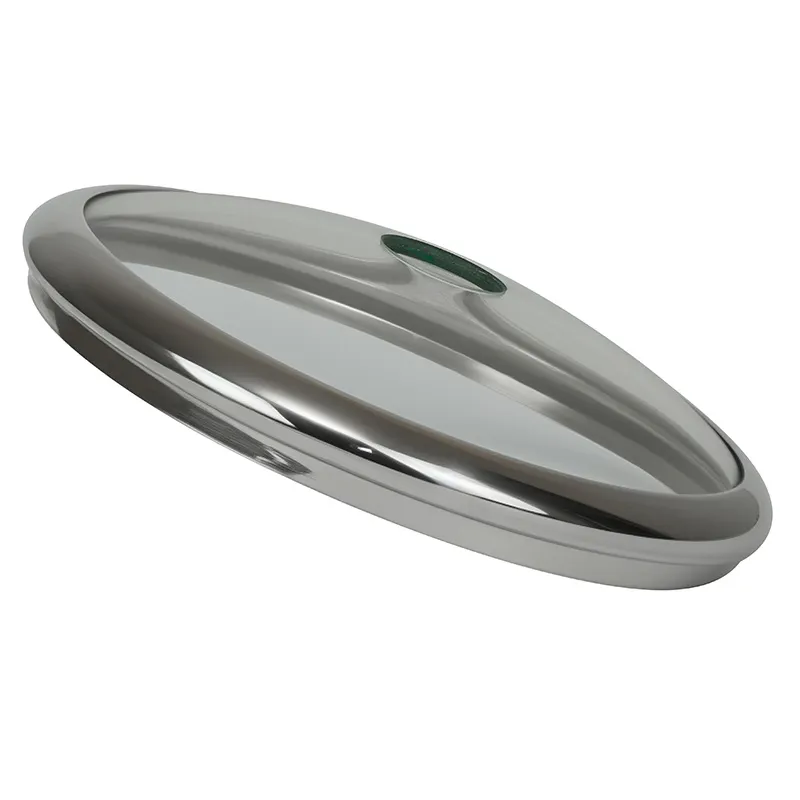
Most of the problems I’ve encountered—and solved, or sometimes failed to solve—revolve around the lid. The body, often ceramic or enameled cast iron, is generally robust. But the lid? It’s a different beast. It needs to be transparent for that desirable visual check on your roast, it must withstand extreme temperature shifts, and its handle must remain cool enough for bare hands. Tempered glass becomes the default choice, but not all tempered glass is equal. The thickness, the tempering process, the rim finishing—each detail matters. A supplier might send a batch where the lids fit perfectly at room temperature but bind when hot because the metal rim of the cookware expands at a different rate. You only discover that in real-world testing, not in a spec sheet.
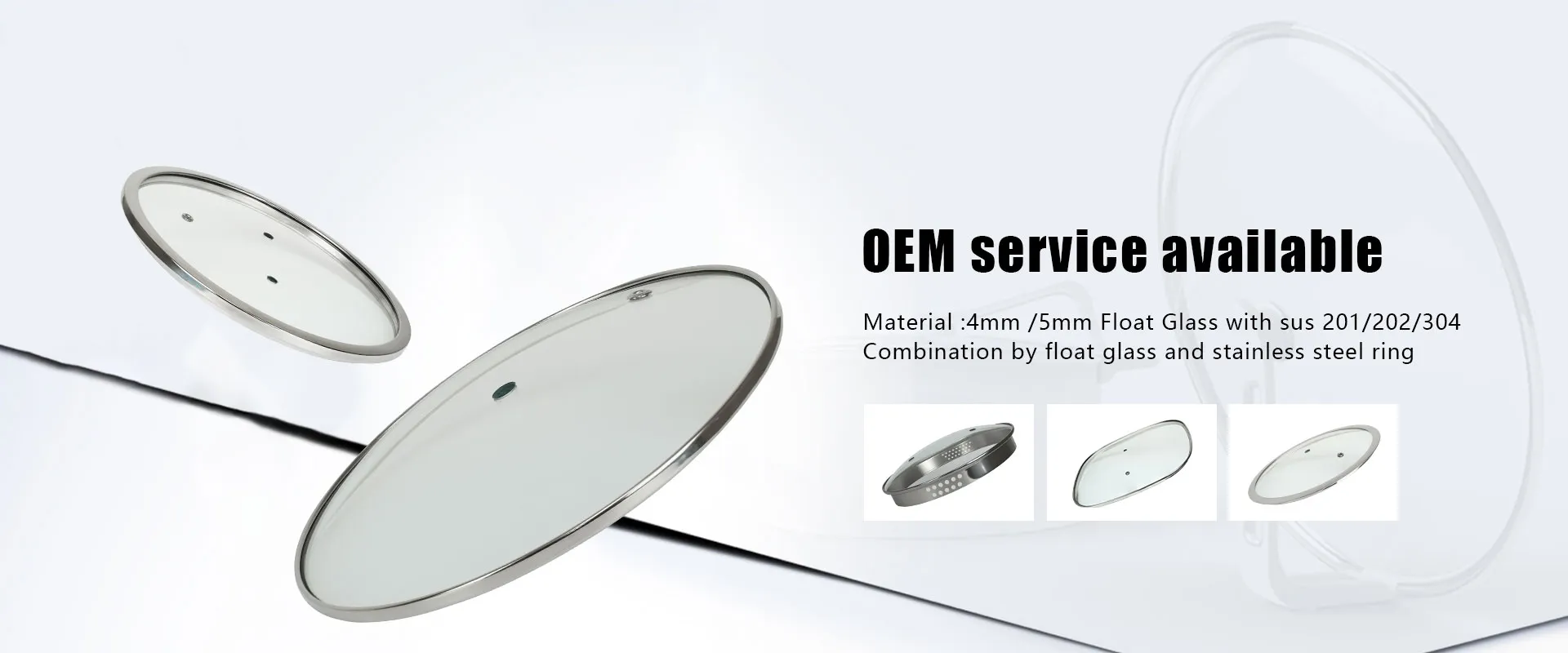
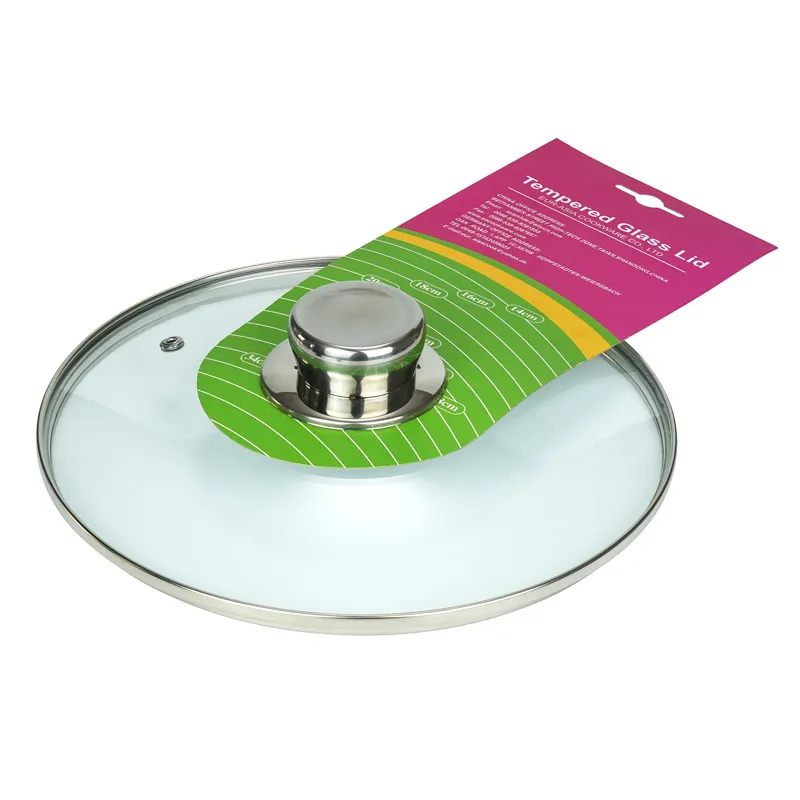
This is where specialized manufacturers make their mark. I recall evaluating samples from a producer like EUR-ASIA COOKWARE CO.,LTD (you can find their focus at glass-lid.com). Their entire operation, as noted, is centered on glass lids. When you work with a factory that produces over 15 million tempered glass lids annually, primarily for export to European markets with strict safety standards, you see a different level of problem-solving. They understand that a lid for a German casserole dish has different aesthetic and durability expectations than one for a more cost-sensitive market. Their specialization means they’ve likely already run into—and engineered solutions for—the warping and stress fracture issues that generic glass suppliers might not anticipate.
The handle attachment is another subtle art. Is it a stainless steel knob screwed into the glass? That requires a precise drill hole with smoothed edges to prevent stress points. Is it a silicone sleeve over a glass nub? That’s great for heat insulation but can degrade or discolor over repeated oven cycles. I’ve had prototypes where the adhesive for a wooden knob failed after three cleaning cycles in a dishwasher. Each choice has a trade-off, and the ‘perfect’ solution often depends on the target price point and the brand’s design language.
Material Pairings and Thermal Dynamics
It’s not just the lid in isolation. The marriage between the cookware body and its glass lid is a thermal relationship. Enameled cast iron heats up slowly and retains heat ferociously. When you take it out of the oven, the body is radiating intense heat upwards, directly onto the underside of the glass lid. If the lid is too thin, or the tempering isn’t uniform, that’s your recipe for a spontaneous crack. I’ve seen it happen. The thicker, higher-borate glass used by serious manufacturers handles this gradient better. It’s a cost factor, but a necessary one for true oven to table reliability.
Ceramic dishes are a different story. They can heat and cool more quickly than cast iron. Here, the risk is often a mismatch in expansion coefficients. A perfectly fitting lid at the start of a bake can become treacherously tight by the end. The solution often lies in the design of the flange or groove—allowing just enough play for expansion without letting all the steam escape. It’s a millimeter-precision game. Some high-end lines use a lid with a slight inward curve, so the center contacts first and the edges seal as pressure builds. It’s clever, but it adds complexity to production.
Then there’s the table part. A scorching hot lid bottom can damage a wooden table. Some designs incorporate a raised ring or small feet on the lid’s underside. It seems trivial, but it’s a detail that separates a thoughtful product from a merely functional one. Does it trap condensation and create a puddle? Sometimes. It’s a constant balancing act.
The Production Reality and Quality Gates
Visiting a production base, like the one described for EUR-ASIA COOKWARE in Taian, puts theory into perspective. An area of 20,000㎡ dedicated to this speaks volumes. The scale—15 million pieces a year—means they have processes. But scale can also hide flaws if quality gates aren’t ruthless. The key stages I always look for are the post-tempering inspection and the fit-check. Tempered glass, by its nature, must have any cutting or drilling done before the tempering process. Once tempered, it cannot be modified. So, if a drilling jig is off by half a millimeter, an entire batch of lids is useless for that specific cookware model.
Their export focus, with over 90% going to markets like Germany, Italy, and Japan, is a credible signal. Those markets have retailers and consumers who will return products for a lid that doesn’t sit perfectly flush or has a barely visible bubble in the glass. It forces a factory to maintain standards that might be optional elsewhere. This background is why I’d be more confident in a glass lid sourced from such a specialized exporter for a high-stakes oven to table line. They’ve been conditioned by demanding clients.
One failure I was involved in early on was assuming a lid that passed a standard thermal shock test (oven to ice water) was ‘table ready.’ We didn’t account for the slow, residual heat in a dense ceramic base continuing to ‘cook’ the lid after removal. The lids didn’t crack immediately; they developed hairline fractures after 20 minutes on the table. That was a costly lesson in testing under real-use conditions, not just lab conditions.
Design Trends and User Misconceptions
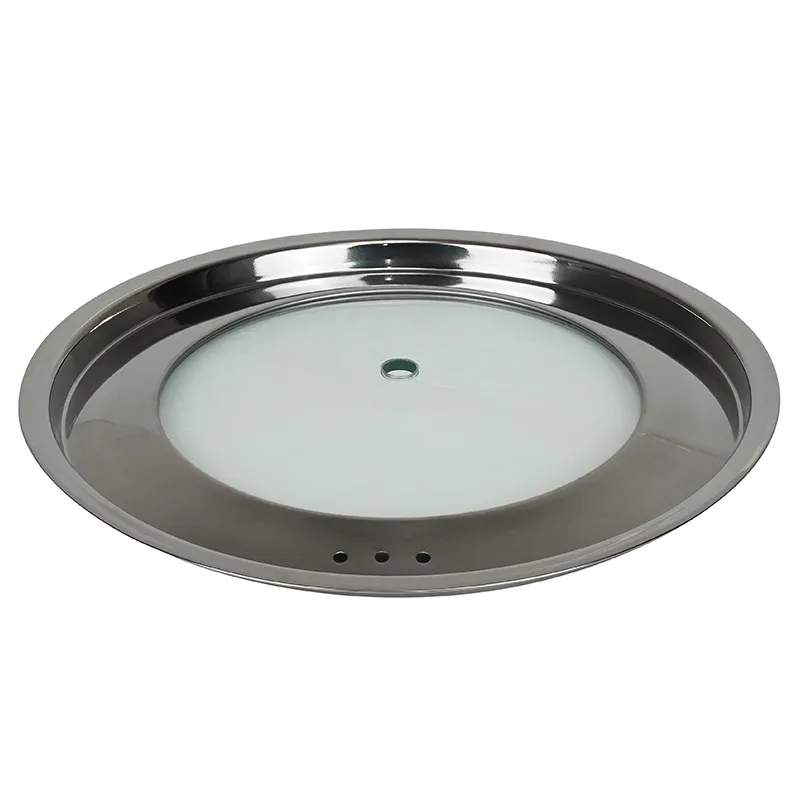
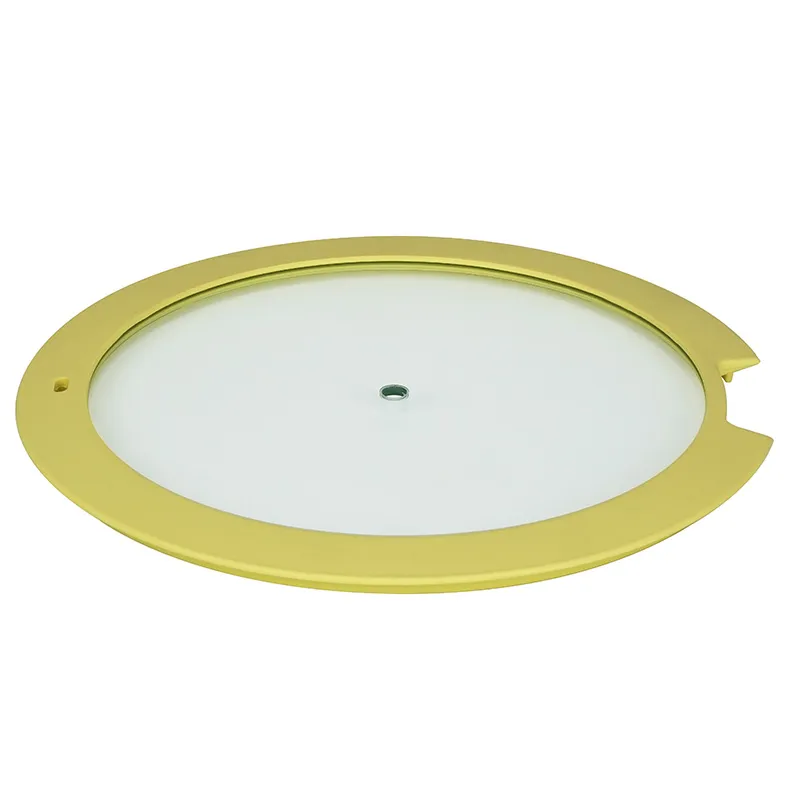
A current trend is the ‘universal’ or ‘multi-fit’ glass lid. The idea is attractive for inventory simplicity: one lid size fits several skillet or saucepan diameters. From a production and retail perspective, it’s a dream. From a performance perspective for oven to table cookware, it’s often a compromise. A universal lid rarely creates the tight seal needed for optimal braising in the oven. Steam escapes, drying out the dish. On the table, it often looks awkward and ill-fitting. The pursuit of convenience can dilute the core functionality. I advise brands to use multi-fit lids for stovetop-centric lines, but to insist on dedicated, precision-fit lids for any piece marketed as true oven-to-table.
Another common user mistake is moving a hot lid directly from the oven to a cold, wet surface. Even the best tempered glass can fracture from that localized shock. The product might be rated for it, but it’s a harsh treatment. Part of our job as professionals is to manage expectations through clear usage instructions—though we know most people never read them.
The aesthetic demand is also shifting. Clear glass is standard, but some brands are asking for tinted (smoke grey, bronze) or even printed/etched patterns. Each addition introduces new challenges. Does the tint affect heat absorption? Does the etching create a weak point? It’s a collaborative puzzle between the brand’s designers and the factory’s engineers.
Conclusion: The Mark of a Resolved Product
So, what does a well-executed piece of oven to table cookware with lids feel like? It feels considered. The lid lifts smoothly, whether the dish is hot or cold. The handle is comfortably cool or, if it’s all-metal, it’s designed to be used with a towel (and the marketing imagery reflects that honestly). The glass is flawlessly clear, thick enough to feel substantial, and sits with a confident, quiet stability on its base. When you tap it, it has a low, solid ring, not a thin ping.
It’s the result of a thousand small decisions made by people who have seen the failures and understood the physics. It often comes from a supply chain that specializes, like a factory focused on producing millions of glass lids for international markets, where getting it wrong has immediate consequences. The goal isn’t just a product that survives the oven; it’s one that genuinely enhances the ritual of bringing a meal to the table, without hidden surprises or unspoken warnings. That’s the real benchmark, and it’s harder to hit than most catalogs would have you believe.
Related Products
Related Products