- Chinese
- French
- German
- Portuguese
- Spanish
- Russian
- Japanese
- Korean
- Arabic
- Irish
- Greek
- Turkish
- Italian
- Danish
- Romanian
- Indonesian
- Czech
- Afrikaans
- Swedish
- Polish
- Basque
- Catalan
- Esperanto
- Hindi
- Lao
- Albanian
- Amharic
- Armenian
- Azerbaijani
- Belarusian
- Bengali
- Bosnian
- Bulgarian
- Cebuano
- Chichewa
- Corsican
- Croatian
- Dutch
- Estonian
- Filipino
- Finnish
- Frisian
- Galician
- Georgian
- Gujarati
- Haitian
- Hausa
- Hawaiian
- Hebrew
- Hmong
- Hungarian
- Icelandic
- Igbo
- Javanese
- Kannada
- Kazakh
- Khmer
- Kurdish
- Kyrgyz
- Latin
- Latvian
- Lithuanian
- Luxembou..
- Macedonian
- Malagasy
- Malay
- Malayalam
- Maltese
- Maori
- Marathi
- Mongolian
- Burmese
- Nepali
- Norwegian
- Pashto
- Persian
- Punjabi
- Serbian
- Sesotho
- Sinhala
- Slovak
- Slovenian
- Somali
- Samoan
- Scots Gaelic
- Shona
- Sindhi
- Sundanese
- Swahili
- Tajik
- Tamil
- Telugu
- Thai
- Ukrainian
- Urdu
- Uzbek
- Vietnamese
- Welsh
- Xhosa
- Yiddish
- Yoruba
- Zulu
- Kinyarwanda
- Tatar
- Oriya
- Turkmen
- Uyghur

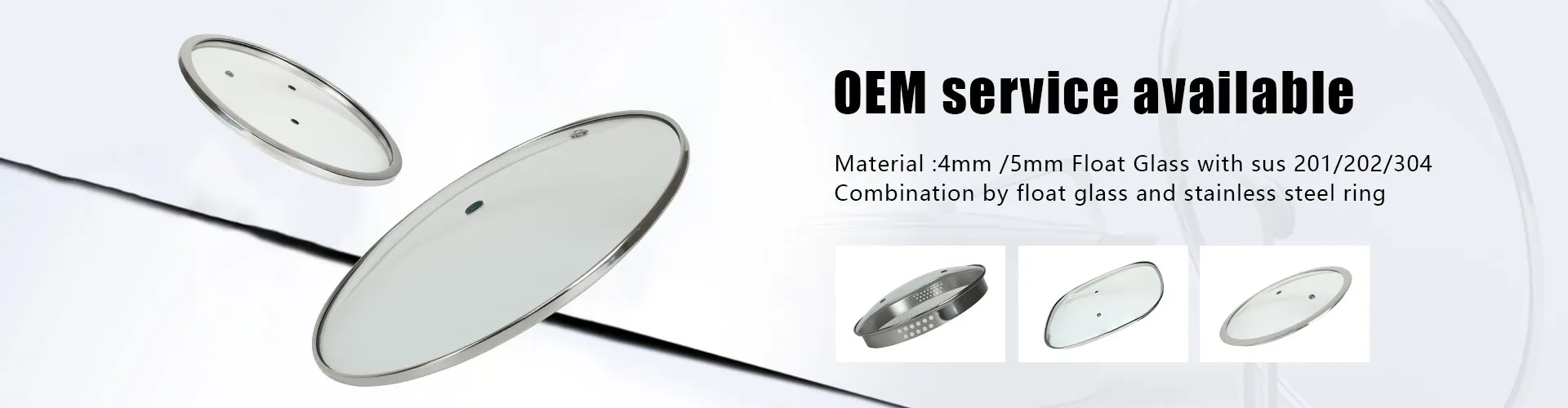
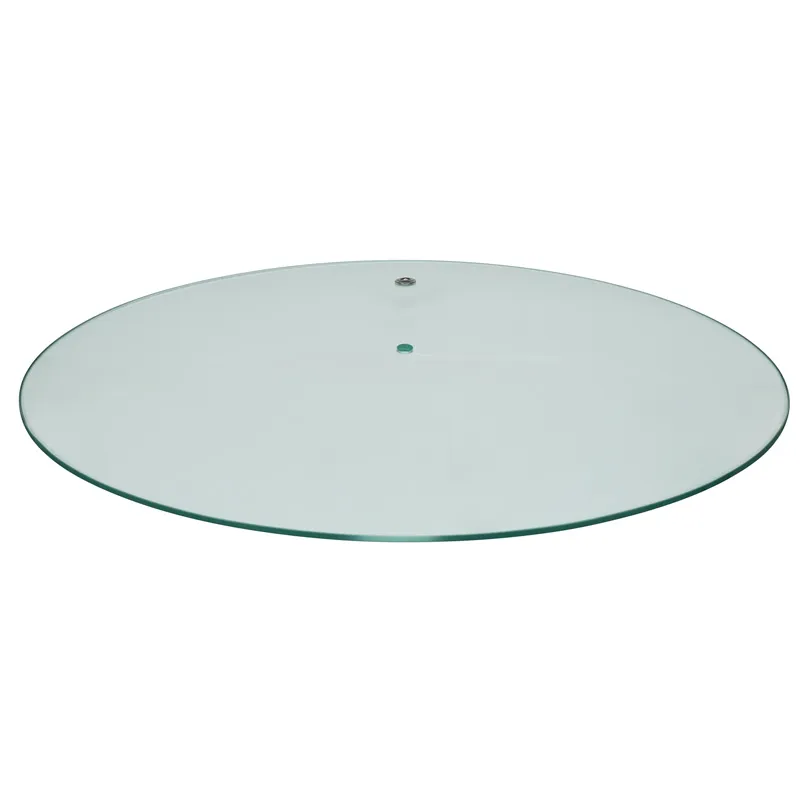
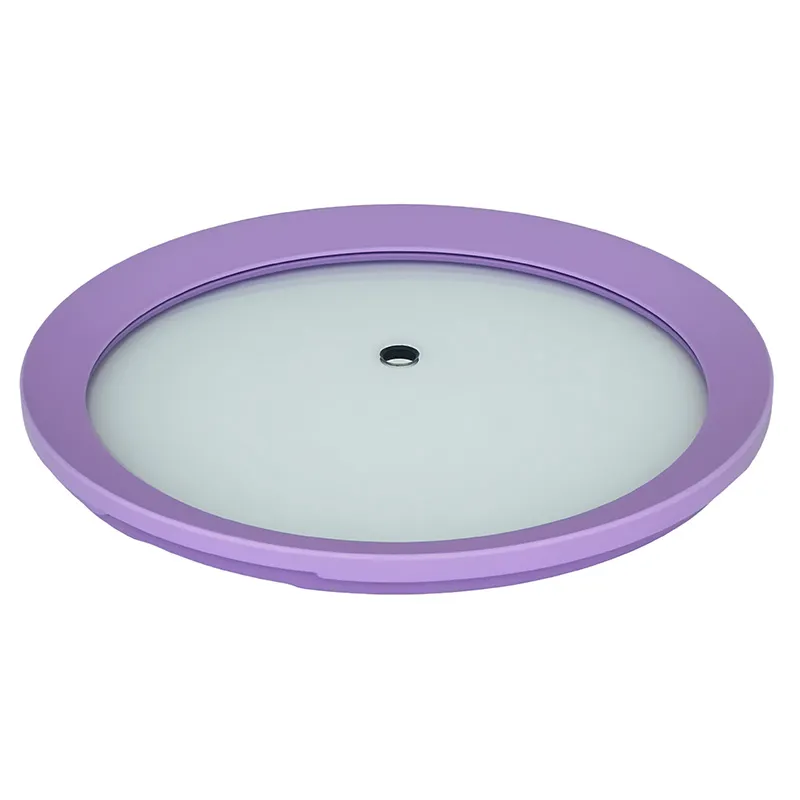
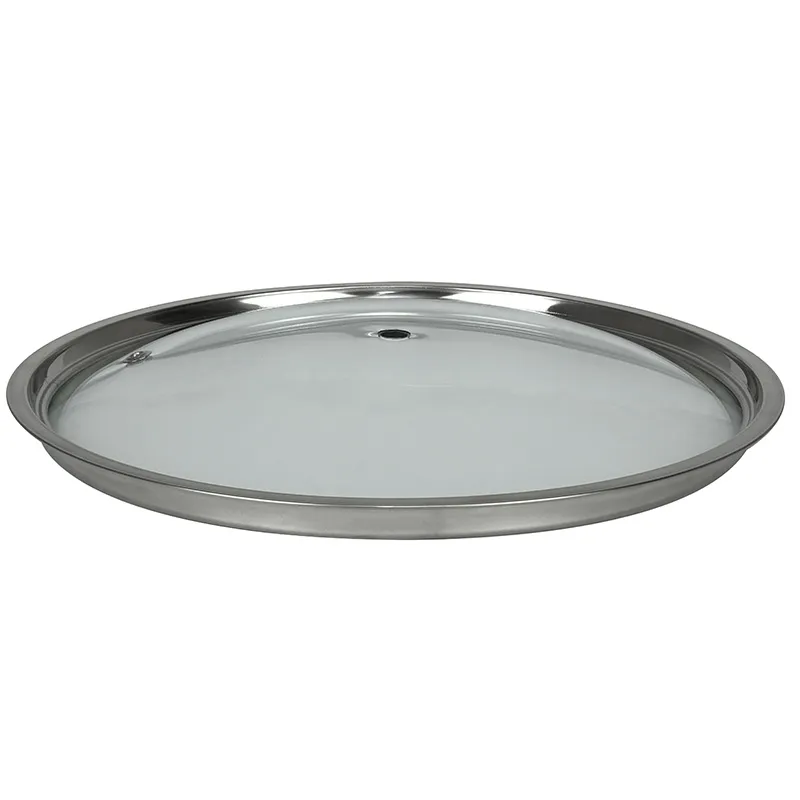
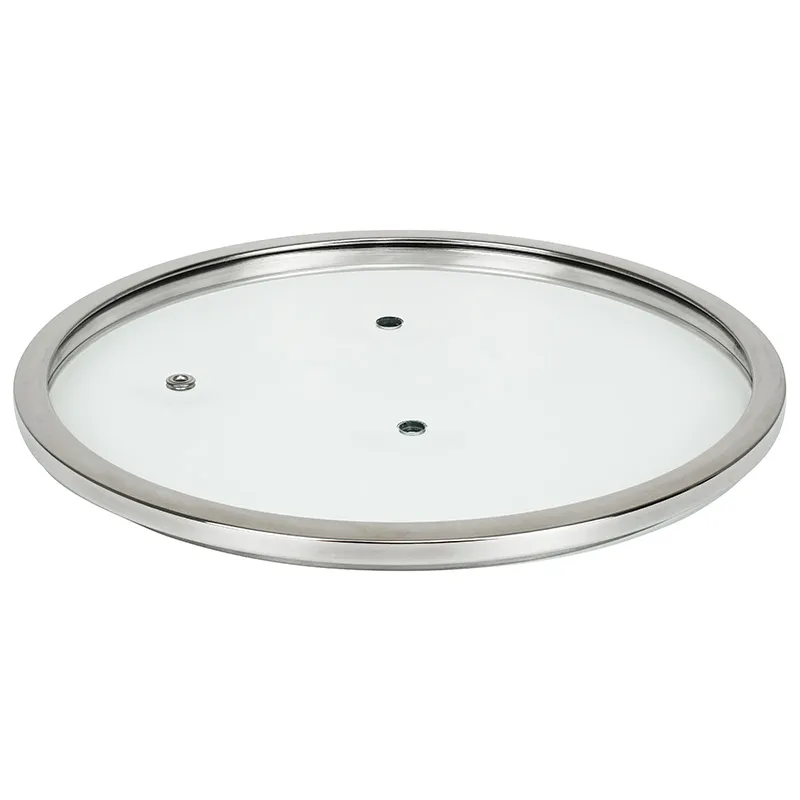
pan with glass lid
When you hear 'pan with glass lid', most people picture that one clear lid in their cupboard, maybe from a cheap set, that's warped or permanently stained. There's this pervasive idea that the glass is just there so you can peek at your food without losing heat – a bit of a gimmick. But that's a fundamental misunderstanding. The real value isn't just in the transparency; it's in the marriage of the right glass to the right pan body, a synergy most off-the-shelf sets get completely wrong. I've seen too many home cooks blame the concept when the failure is in the execution, usually a thin, thermally unstable lid slapped onto a decent pan.
The Core Misconception: Lid as an Afterthought
In mass production, the lid is often the last component considered. The pan gets the engineering focus—the clad layers, the non-stick coating, the handle ergonomics. The lid? It's sourced. This disconnect is where problems start. A lid isn't a passive cover; it's an active part of the cooking environment, managing moisture and heat retention. A poorly fitted glass lid with a flimsy rim won't seal, letting all your braising liquid steam away, defeating the purpose entirely. You end up with dry meat and a frustrated cook wondering why their expensive pan failed.
I remember a batch we tested years ago with a major retailer's line. Beautiful stainless steel pans, but the lids were generic, sourced from a different vendor. The glass was thin, maybe 3mm, and the metal rim wasn't machined flat. At a rolling simmer, you could see it chattering, a constant, faint clinking as steam escaped unevenly. The thermal shock resistance was poor too—going from a cold counter to a hot pan sometimes caused micro-fractures you wouldn't see until the first dishwasher cycle. That's the afterthought in action.
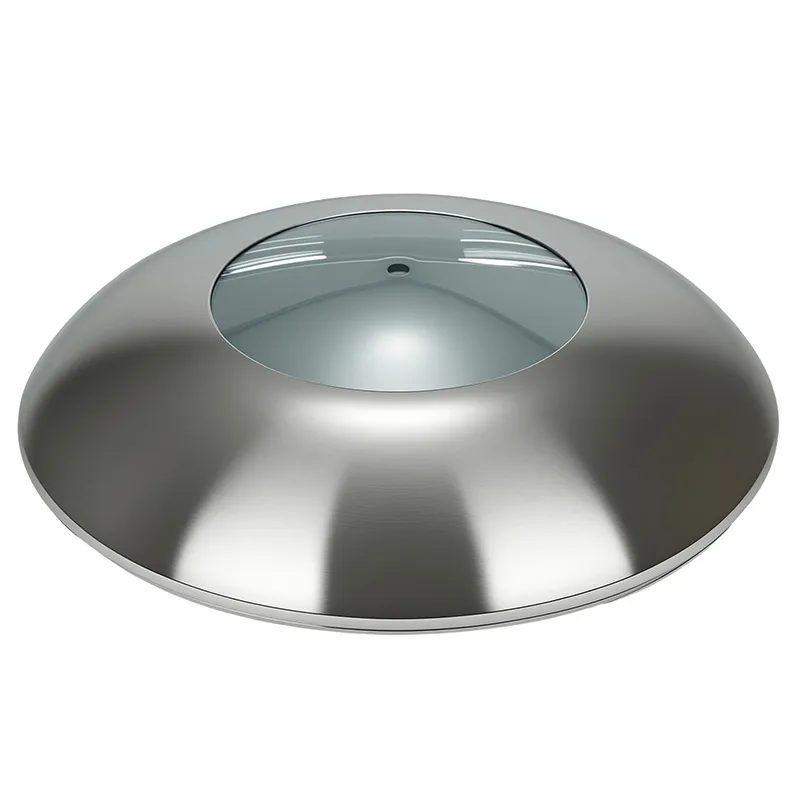
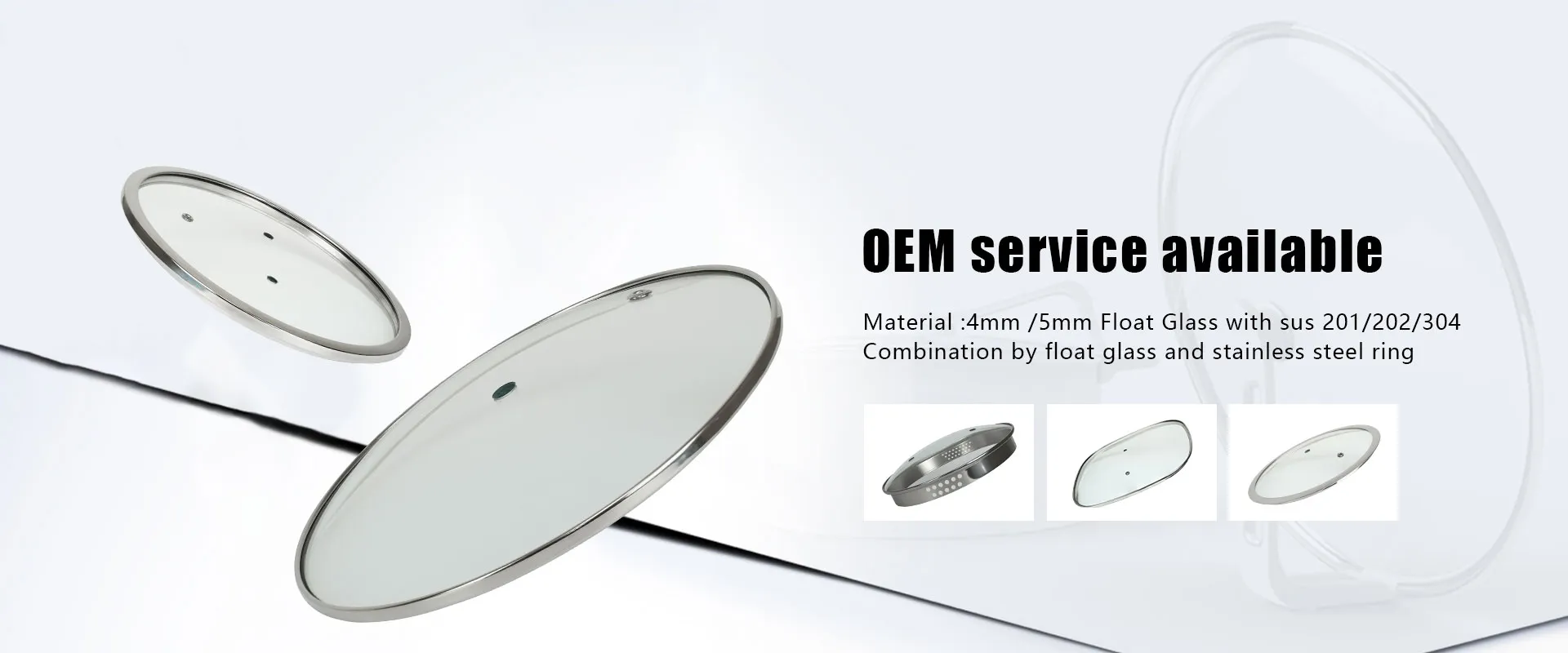
This is where the specialization of a manufacturer like EUR-ASIA COOKWARE CO.,LTD. becomes relevant. Their entire focus, as their site glass-lid.com indicates, is on the lid itself. They're not pan makers trying to add lids; they're lid experts supplying pan makers. That shift in perspective is huge. When your core business is producing over 15 million tempered glass lids annually, you're forced to solve the problems of thermal expansion, sealing, and durability at scale. Their production base in China's National High-tech Development Zone isn't just an address; it speaks to a certain level of industrial capability focused on a single component.
Material Science Isn't Just a Buzzword
Tempered glass. Everyone uses the term, but not all tempering is equal. For a pan with glass lid, the process is critical. It's not just about strength for impact; it's about managing thermal stress. A proper lid needs to handle a 400°F oven and a cold granite countertop within minutes. The tempering process creates surface compression, which gives it that strength. But the quality hinges on the heating uniformity and the quenching process. A poorly calibrated line leads to weak spots.
The thickness is another giveaway. Consumer-grade lids are often 3mm. Professional or high-end OEM specs push for 4mm or even 5mm. That extra millimeter isn't about weight; it's about thermal mass. A thicker lid heats more evenly, reducing the thermal gradient that causes warping or stress fractures. It also sits heavier, improving the seal passively. Looking at EUR-ASIA's output, the fact that they segment low, medium, and high-level products suggests they understand this market gradation intimately. A lid for a $30 pan versus a $300 pan involves different glass formulas, different tempering protocols, and vastly different quality control.
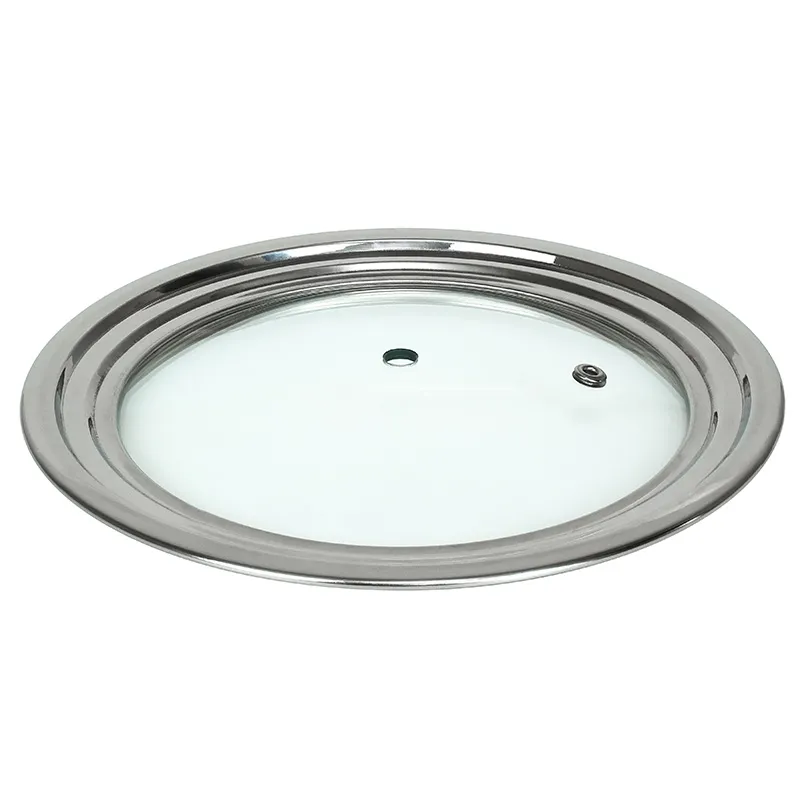
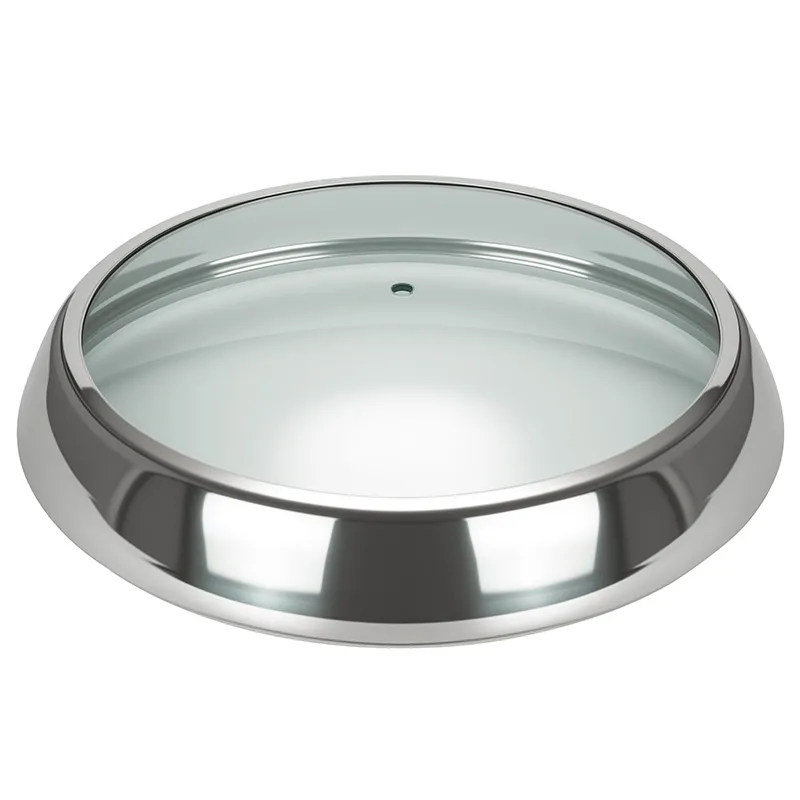
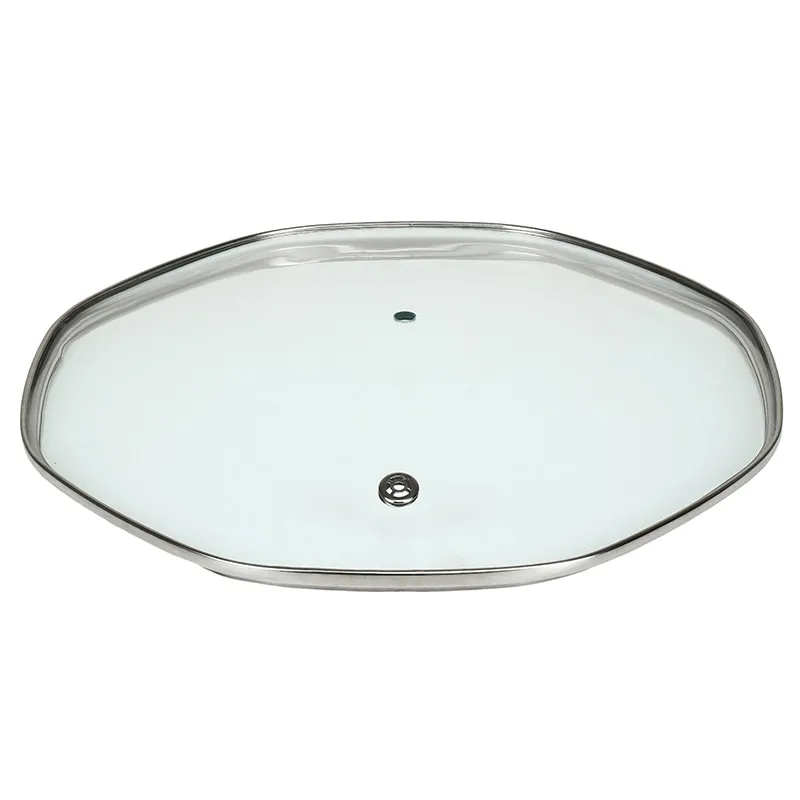
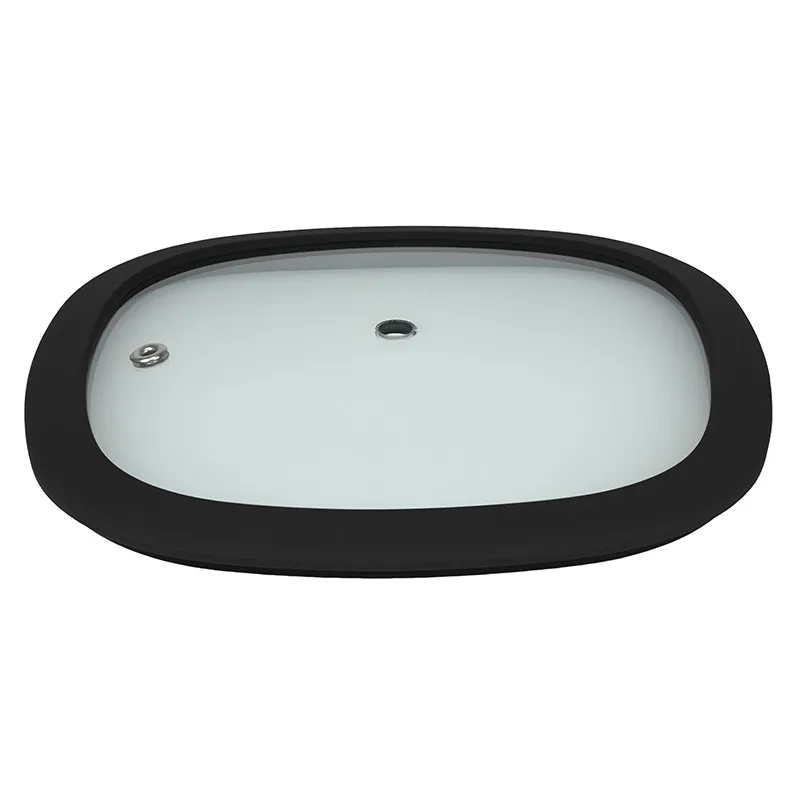
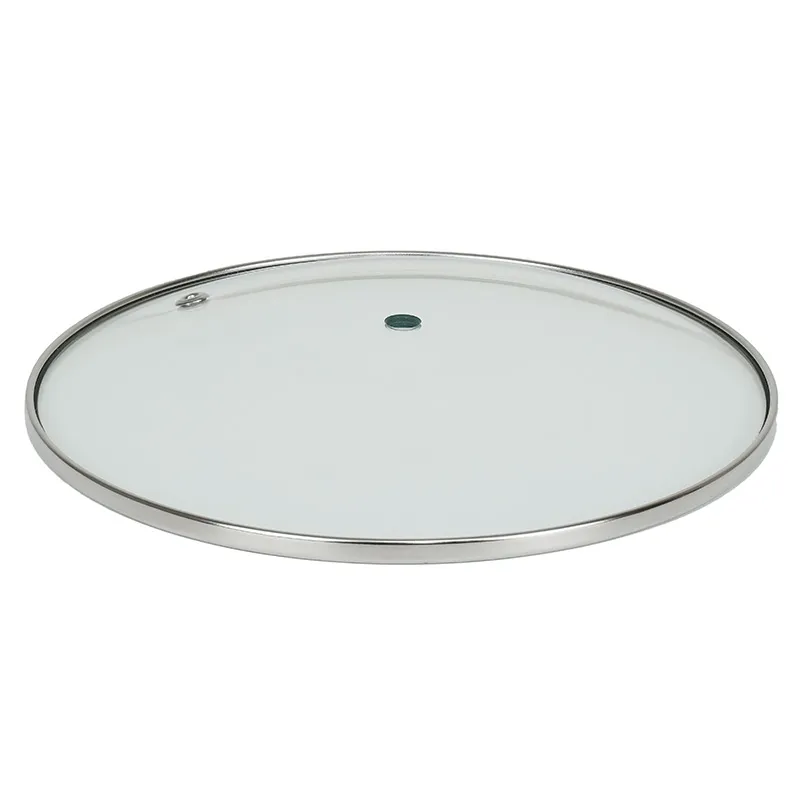
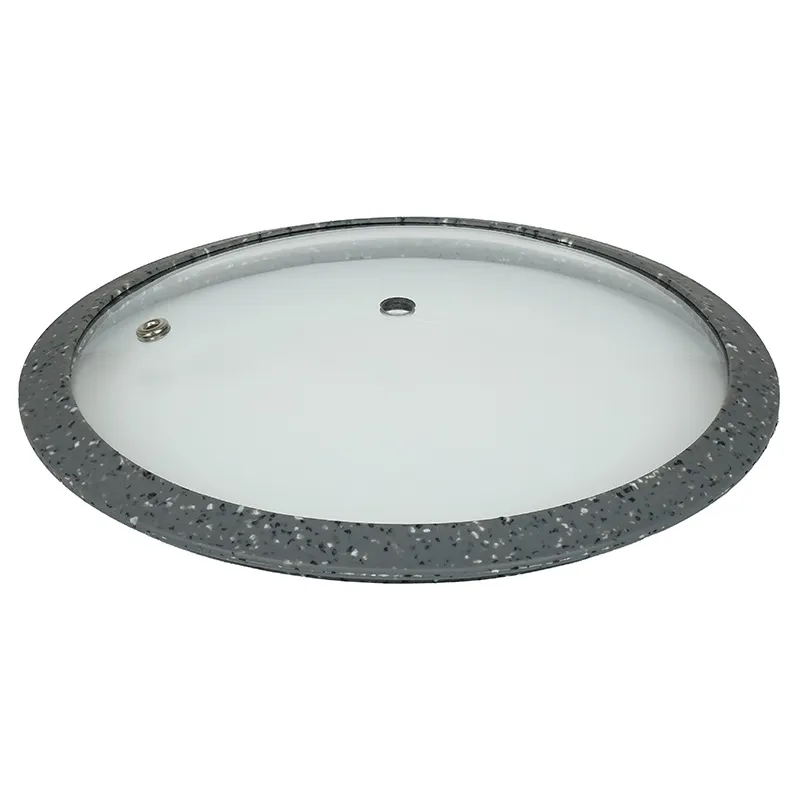
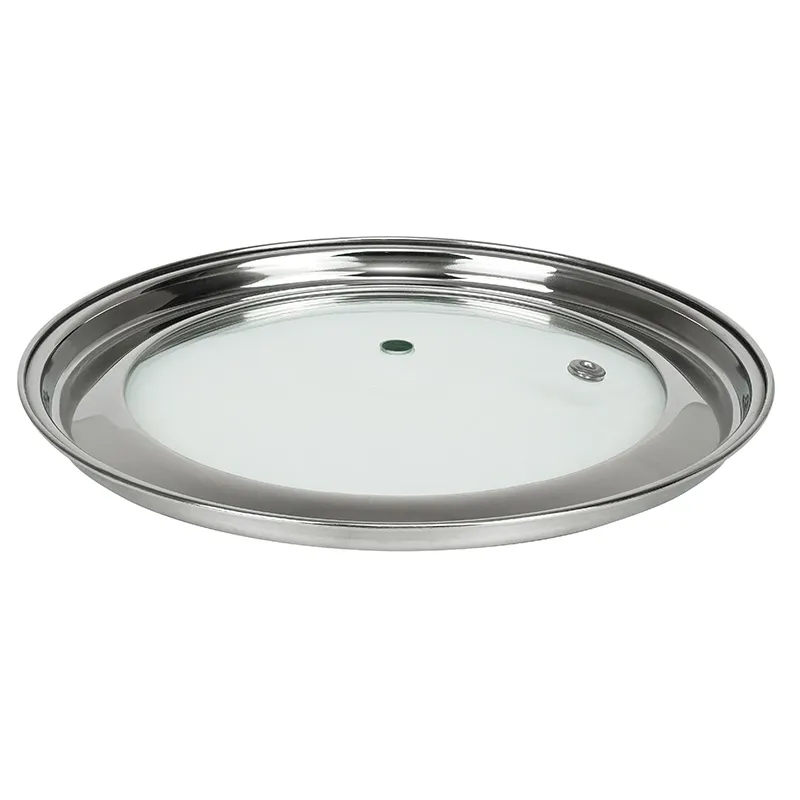
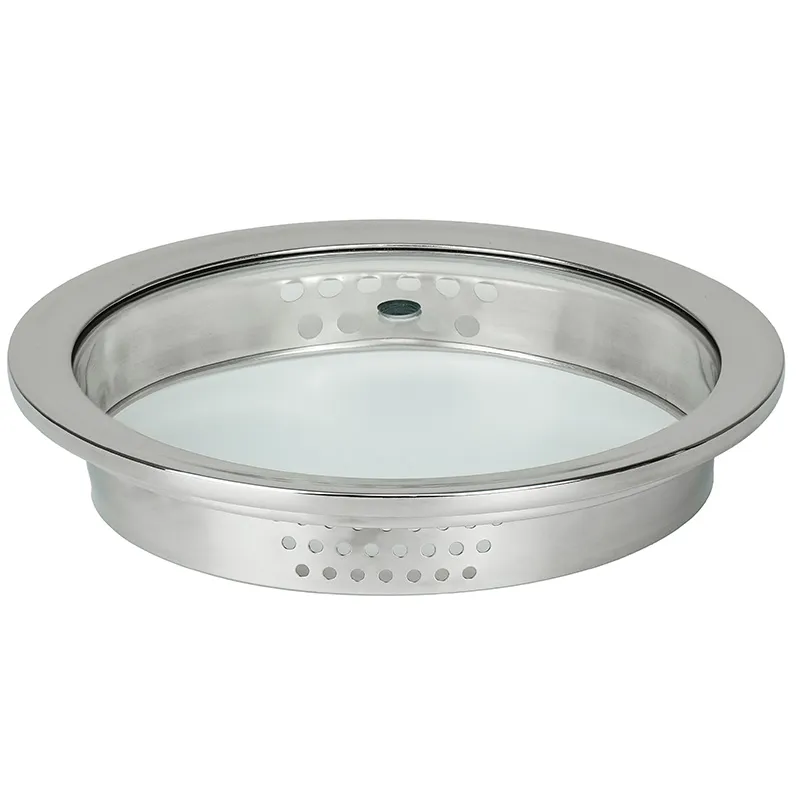
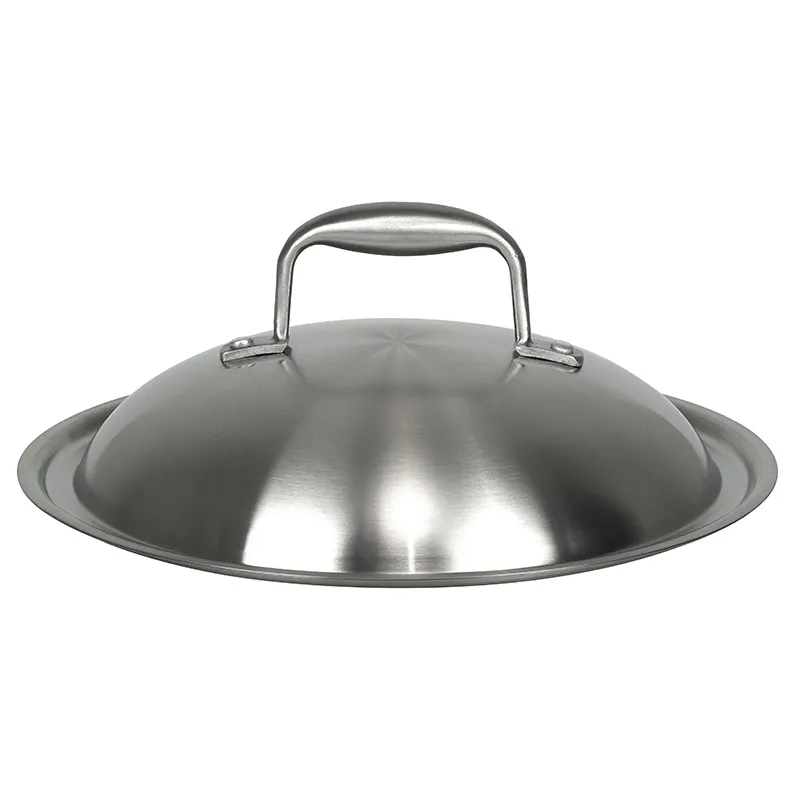
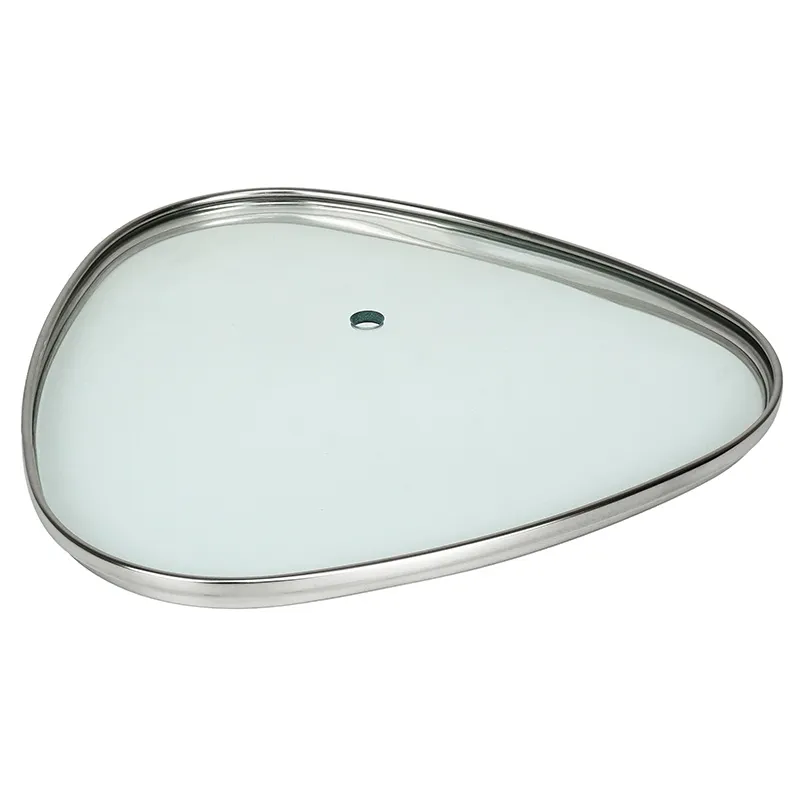
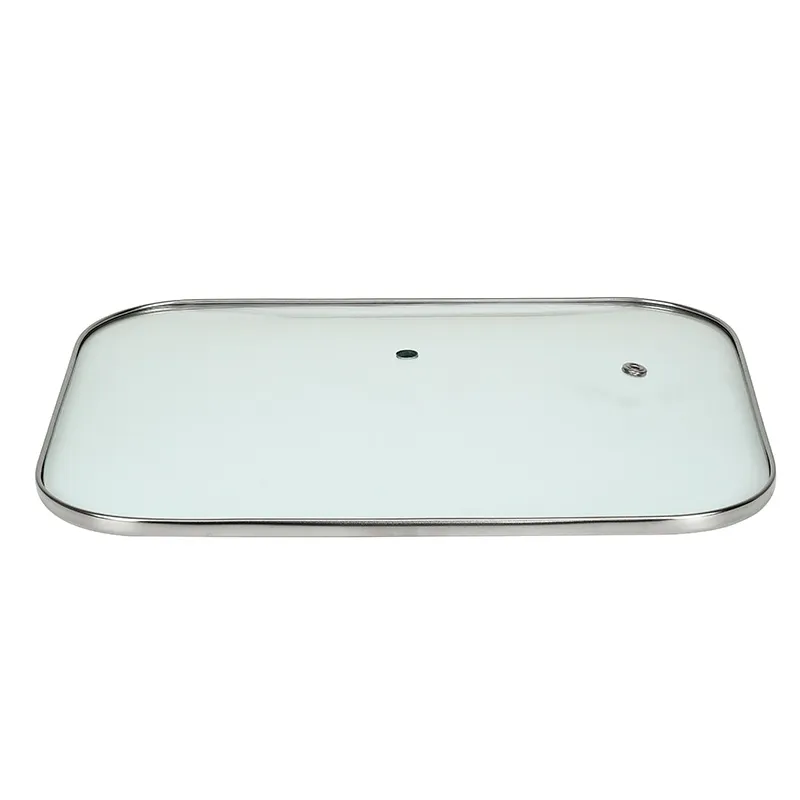
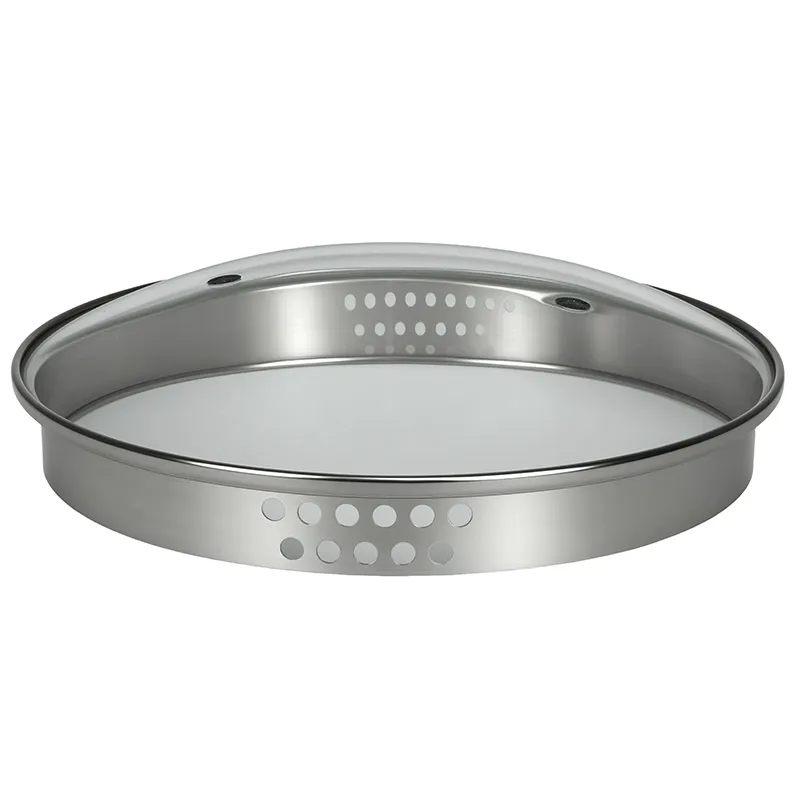
Then there's the rim. The glass is just the window. The functional interface is the rim—usually stainless steel. Is it a single wrap of thin gauge metal, or a robust, rolled channel? Is the silicone gasket (if present) food-grade and heat-resistant, or does it off-gas at high temps? A high-quality rim will be substantial, often welded seamlessly, and polished to prevent food gunk from sticking in the crevices. This is the part that actually determines fit and performance. The glass just lets you watch it work.
Real-World Failures and the Export Test
You learn more from failures than specs. We once worked on a line of sauté pans destined for the European market. The lids, from a new supplier, looked perfect. But in field testing in Germany—a key market for EUR-ASIA, as they export over 90% to countries like Germany, Italy, and France—users reported lids shattering in the oven. Not on the stovetop, in the oven. The issue? The metal knob. The supplier used a phenolic knob with a metal screw insert. The screw's coefficient of thermal expansion differed too much from the glass. In the dry heat of an oven, the stress concentrated at the screw point and—pop. Catastrophic failure.
That's the kind of problem a specialized manufacturer anticipates. They'd likely use a through-bolt design with a wide, insulating washer to distribute the stress, or a high-temp silicone knob all-metal construction. It's a tiny detail with massive consequences. The export focus of a company like EUR-ASIA is a brutal quality filter. Markets like Germany, Switzerland, and Japan have stringent safety and performance standards. A lid that passes muster there has been through a gauntlet of real-world use cases, from the humidity of Brazil to the cold winters of Russia, another of their export destinations.
Another common failure is cleaning. Dishwasher safety isn't just about the glass; it's about the rim's finish and the integrity of any bonded components. Harsh detergent and high heat can degrade seals and cause corrosion on cheap rims, leading to that permanent, cloudy stain around the edge. A well-made lid should survive years of dishwasher cycles without degrading. It's a mundane but crucial test of material quality.
The Niche of the Replacement Lid
This is an often-overlooked but telling market segment. People don't look for a replacement glass lid unless their original failed or was lost. This is where you see the stark difference between commodity and quality. A generic replacement lid from a big-box store rarely fits perfectly. It sits awkwardly, steam pours out the side.
Specialized manufacturers, however, often produce lids to precise OEM specifications. If you know the pan's model or exact diameter and rim style, you can sometimes find a perfect-fit, high-quality replacement that outperforms the original. The website glass-lid.com essentially operates in this B2B space, providing these critical components to cookware brands. Their capability to produce millions of pieces annually means they're tooled for precision and consistency, which is exactly what a pan manufacturer needs when they're assembling 50,000 units of a specific skillet model. The lid must be identical every time.
For the end-user, the lesson is this: if you have a great pan with a broken lid, don't just buy any lid. Try to identify the original manufacturer or seek out a specialist. The upgrade in performance can be dramatic. I've seen a 10-year-old All-Clad pan given new life with a perfectly fitted, heavy-glass lid from a specialist OEM, turning it back into a perfect braising vessel.
Beyond the Stovetop: The Unsung Utility
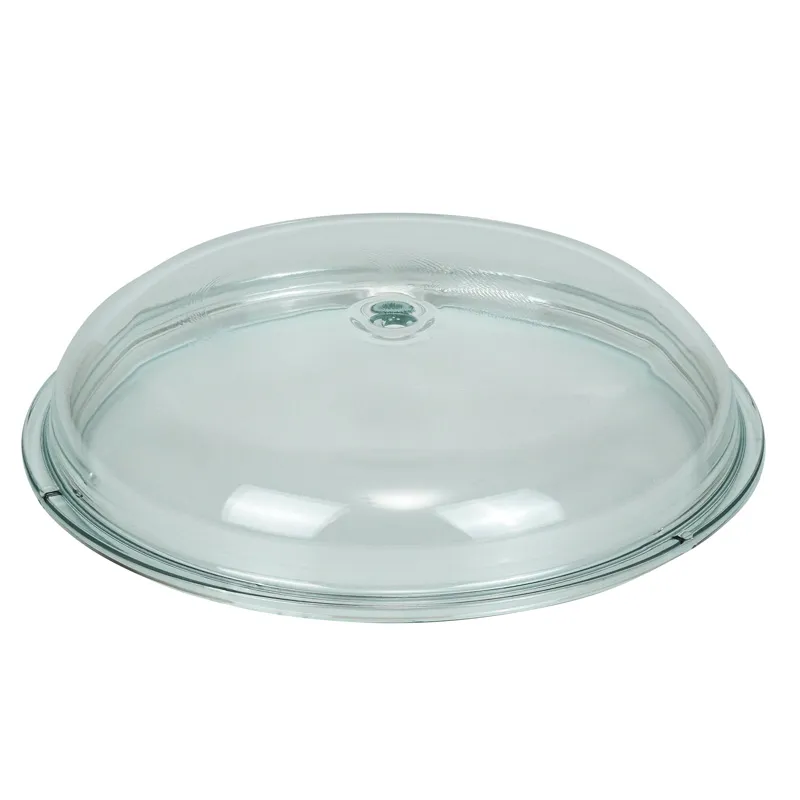
Everyone focuses on the cooking, but a good pan with glass lid has secondary uses that reveal its quality. Using it for storage in the fridge, for instance. A lid that seals well keeps food fresher. Serving directly at the table—the lid becomes a presentation piece. Is the glass clear and neutral, or does it have a greenish or grayish tint? High-quality borosilicate or clear tempered soda-lime glass should be optically clear, not distorting the colors of your food.
The handle or knob is another touchpoint. After a long braise, is it cool enough to touch with a bare hand? Probably not, but does it get scorching hot, or just very warm? The material and design matter. A wide, low-profile metal knob will get hotter than a tall, phenolic one. Some high-end lids use stainless steel with an air-gap design to insulate. It's these user experience details, accumulated over years of feedback from global markets, that get baked into the designs of experienced producers.
Finally, there's the sound. A good lid has a satisfying, low-frequency clunk when placed, not a tinny clang. It's a small, almost silly thing, but it speaks to mass, density, and fit. That sound tells you it's making a seal. It tells you it's substantial. When you pick up a pan and lid as a unit, they should feel like one object, not two separate things rattling together. That unity is the ultimate goal of the pan with glass lid—not a pan with a viewing port, but a single, integrated tool.
Related Products
Related Products