- Chinese
- French
- German
- Portuguese
- Spanish
- Russian
- Japanese
- Korean
- Arabic
- Irish
- Greek
- Turkish
- Italian
- Danish
- Romanian
- Indonesian
- Czech
- Afrikaans
- Swedish
- Polish
- Basque
- Catalan
- Esperanto
- Hindi
- Lao
- Albanian
- Amharic
- Armenian
- Azerbaijani
- Belarusian
- Bengali
- Bosnian
- Bulgarian
- Cebuano
- Chichewa
- Corsican
- Croatian
- Dutch
- Estonian
- Filipino
- Finnish
- Frisian
- Galician
- Georgian
- Gujarati
- Haitian
- Hausa
- Hawaiian
- Hebrew
- Hmong
- Hungarian
- Icelandic
- Igbo
- Javanese
- Kannada
- Kazakh
- Khmer
- Kurdish
- Kyrgyz
- Latin
- Latvian
- Lithuanian
- Luxembou..
- Macedonian
- Malagasy
- Malay
- Malayalam
- Maltese
- Maori
- Marathi
- Mongolian
- Burmese
- Nepali
- Norwegian
- Pashto
- Persian
- Punjabi
- Serbian
- Sesotho
- Sinhala
- Slovak
- Slovenian
- Somali
- Samoan
- Scots Gaelic
- Shona
- Sindhi
- Sundanese
- Swahili
- Tajik
- Tamil
- Telugu
- Thai
- Ukrainian
- Urdu
- Uzbek
- Vietnamese
- Welsh
- Xhosa
- Yiddish
- Yoruba
- Zulu
- Kinyarwanda
- Tatar
- Oriya
- Turkmen
- Uyghur

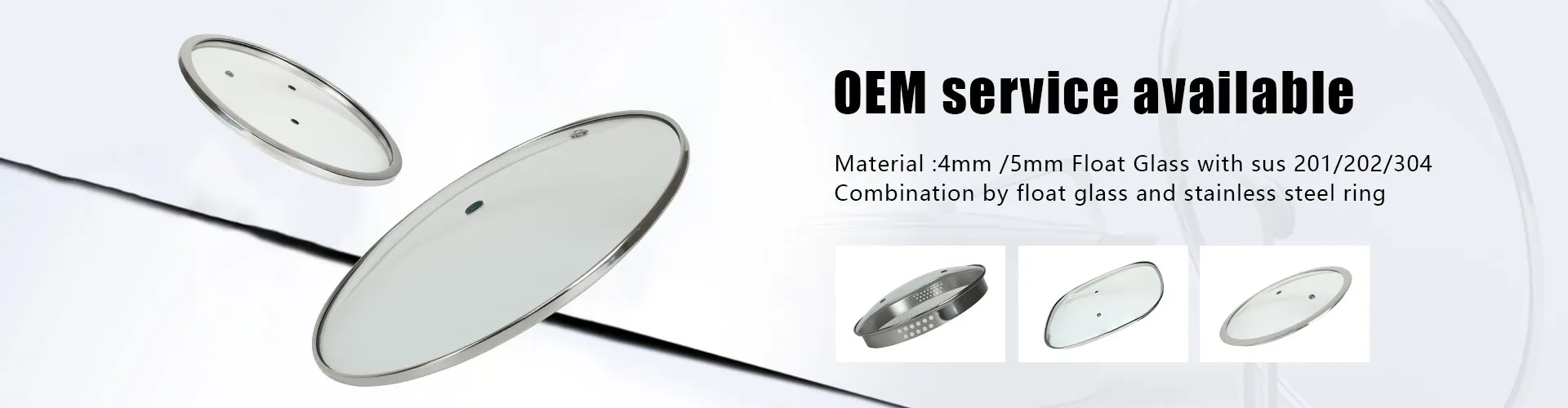
paper glass with lid
When you hear 'paper glass with lid,' most people picture a disposable coffee cup. That's the common trap. In our line of work, it often refers to something more specific and surprisingly durable: a paper glass with lid designed for repeated use in specific settings, like cafes for takeaway loyalty programs or as sample containers in retail. The lid is the real puzzle piece—it's rarely just a simple press-on. It needs to seal properly, survive a few cycles, and often be microwavable or at least heat-resistant for a short while. The confusion starts when sourcing; you're not just buying paper goods, you're buying a functional unit.
The Material Misconception and Functional Reality
The 'paper' part is misleading. It's rarely pure paper. For a lid to snap on securely and create a seal that prevents leaks—say, for a frothy cappuccino—the cup itself is usually lined with PE or PLA. The lid, then, is almost always a separate material, often PET or PP plastic. The challenge is getting the tensile strength and the 'memory' of the plastic to match the rim profile of the paper cup. A failure I've seen too often is a supplier providing a generic PET lid that fits 'okay' on a 12oz cup, but the moment you put it in a car cup holder and the side gets squeezed, the seal pops. It's a design flaw, not a material flaw.
We had a project with a mid-tier coffee chain looking for a branded, reusable paper glass with lid for their monthly subscription. They wanted it to last for at least ten uses. The initial samples from a factory used a standard paper cup and a polypropylene lid. The lid fit was tight, great. But after three microwave heats to warm up leftover coffee, the lid warped just enough to lose its seal. The failure was in not specifying the exact copolymer blend of the PP for higher heat deflection. We had to go back, test three different PP grades, and ended up with a slightly more expensive food-contact grade that could handle 110°C. The cost per unit went up by half a cent, but it saved the program.
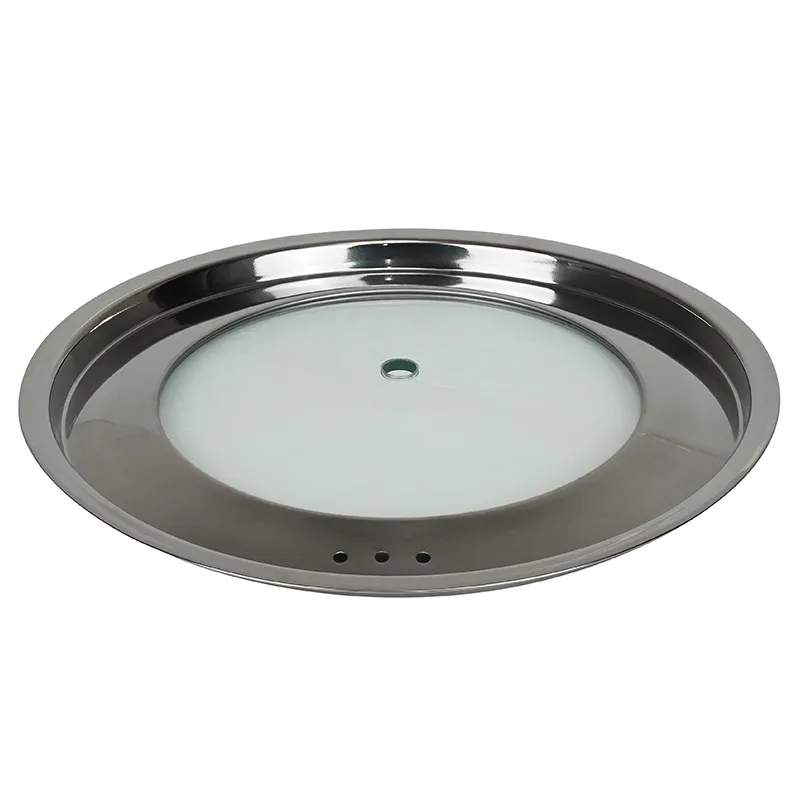
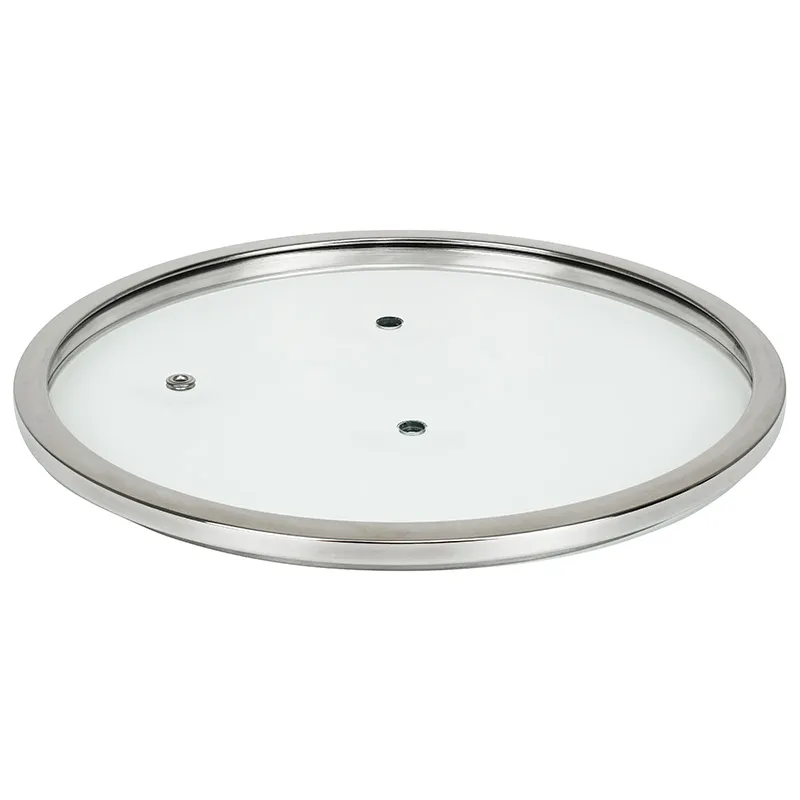
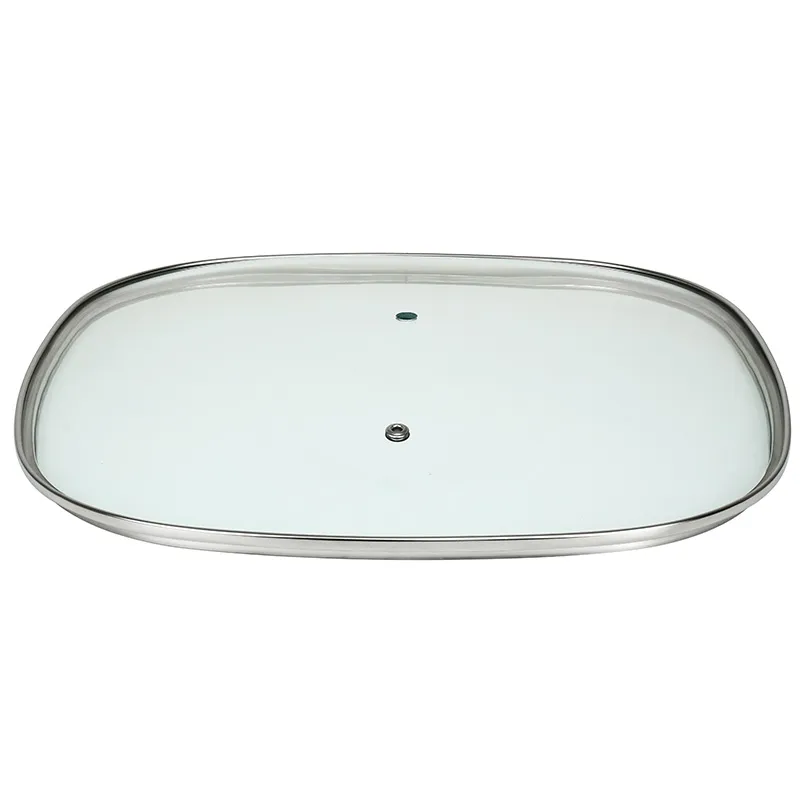
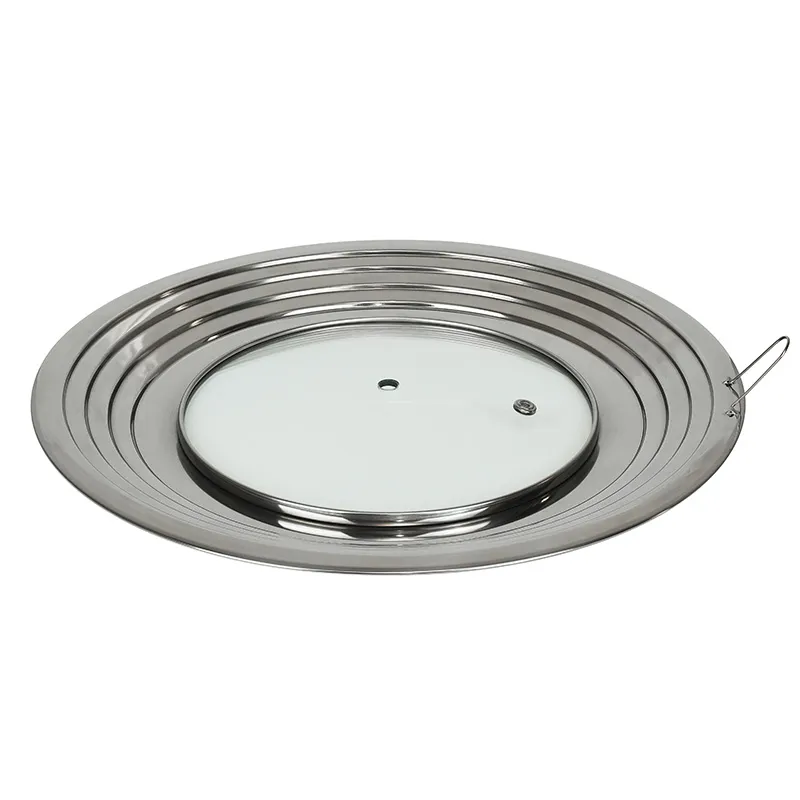
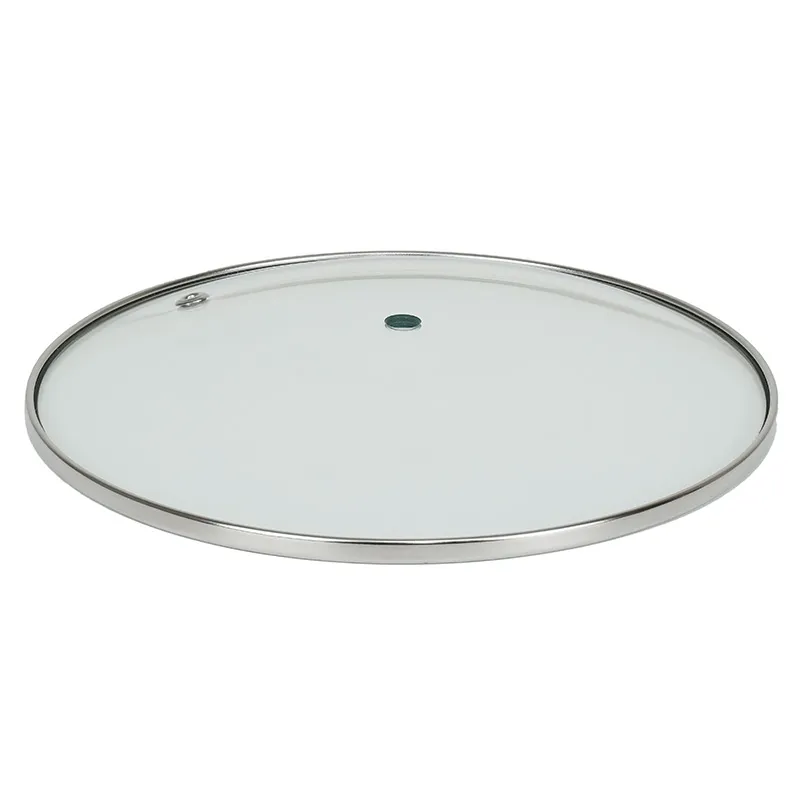
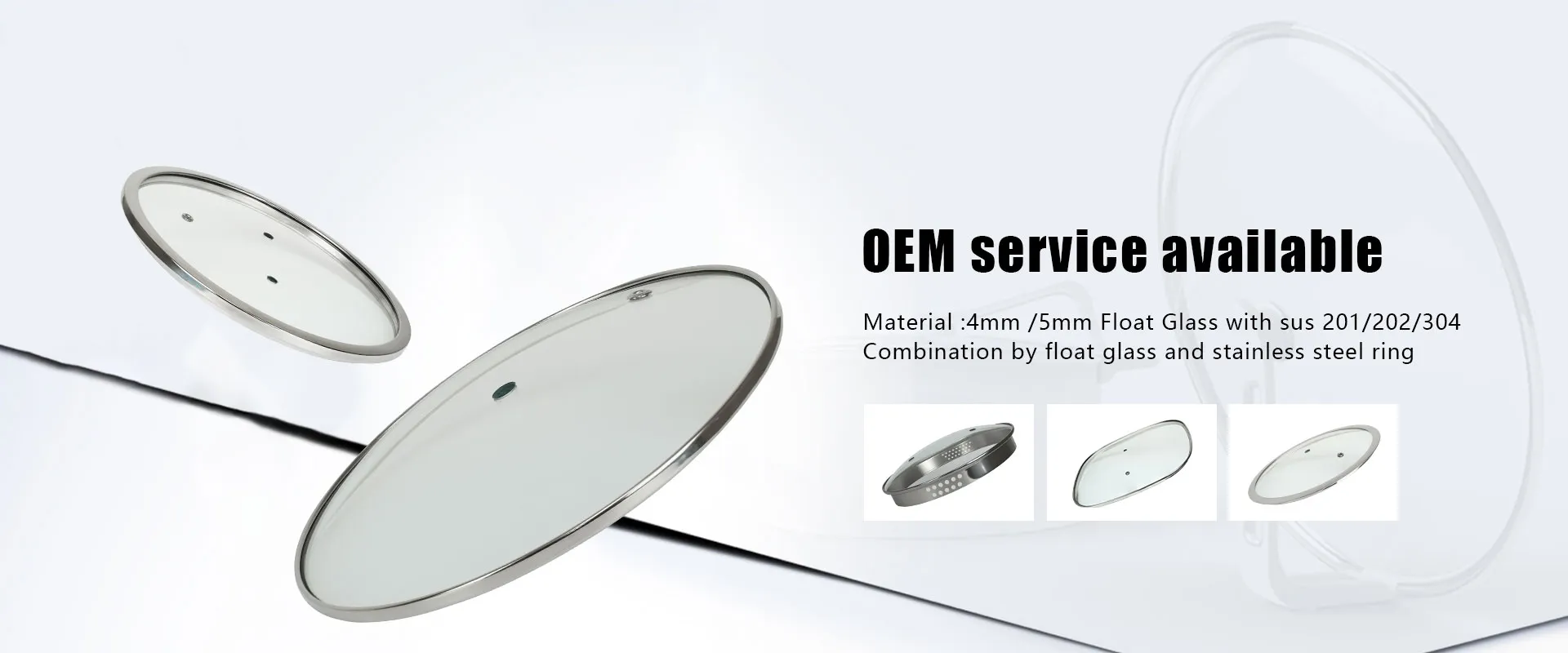
This is where the expertise of a specialized manufacturer becomes non-negotiable. It's not about just molding plastic and pressing paper. It's about understanding the stress points. A company like EUR-ASIA COOKWARE CO.,LTD., while known for tempered glass lids (their site glass-lid.com details their export-focused production), actually touches on the same core competency: precision in lid fit and material science for food contact. Their work with tempered glass for cookware requires an intimate knowledge of thermal expansion and seal integrity—principles that directly translate to engineering a reliable plastic lid for a paper vessel. The tolerance levels they work with are arguably tighter.
The Supply Chain and Specification Hell
Sourcing these seems straightforward until you're deep in it. You need a paper cup supplier and a lid supplier, or an integrator. The biggest headache is ensuring batch-to-batch consistency. Paper cups can vary in rim diameter by a fraction of a millimeter due to humidity during storage or transport. If your lid supplier's mold doesn't account for that variance, you get a batch that's either too loose or impossible to snap on. I've spent afternoons with calipers, measuring hundreds of cups from a pallet, building a case to show a supplier where their QC failed. It's tedious but necessary work.
Another practical issue is the 'denesting' feature for the lids. In a stack, they need to separate easily for high-speed automatic capping machines. A poorly designed lid will vacuum seal to the one below it, jamming the line. I recall a startup client who ordered 50,000 units for a festival. The cups were fine, but the lids arrived stacked without proper denesting ridges. Volunteers had to manually separate every single lid, causing huge delays. The loss wasn't just financial; it was in brand perception. The spec sheet had overlooked that 'minor' detail.
Looking at established players provides a benchmark. EUR-ASIA COOKWARE CO.,LTD.'s operation, producing over 15 million tempered glass lids annually for the European and Asian markets, runs on this level of specification. Their product, while different, faces similar logistical hurdles: ensuring every lid fits a specific pot diameter within a tolerance that prevents steam leakage or breakage from stress. When you scale to that volume—90% for export—your processes for managing material specs and dimensional stability have to be ironclad. It makes you realize that a simple paper glass with lid is part of a much larger, highly technical world of disposable and semi-durable food packaging.
The Sustainability Question and Practical Trade-offs
Now, everyone asks about eco-friendliness. A paper cup with a plastic lid is a sustainability nightmare in the public eye. The push is towards fully compostable units. The reality is messy. PLA lids from corn starch sound perfect, but they require industrial composting facilities to break down, which many cities lack. And their heat resistance is lower. We tried a fully compostable paper glass with lid for a corporate client. The lid softened in a hot car, deforming. The client's end-users complained. We switched back to a recyclable PP lid with clear disposal instructions. Sometimes, the 'less green' but functional and correctly recycled option is more responsible than the 'green' one that contaminates waste streams or fails in use.
This is where the lifecycle and intended use must dictate design. For a true single-use event like a large conference, a compostable system might work if waste handling is agreed upon. For a reusable program, a more durable, recyclable plastic lid that ensures product longevity might have a lower overall footprint. It's a calculation few clients want to dive into; they just want the green badge. Part of our job is to guide them through these unsexy, granular trade-offs.
Observing how manufacturers handle different materials is key. A facility that works with glass, like EUR-ASIA's base in Taian, has to manage silica sourcing, tempering ovens, and annealing lehrs—all energy-intensive but for a product meant to last years. That mindset is different from a single-use item factory. However, the underlying principle is the same: matching material properties to product lifetime and performance requirements. There's no one-size-fits-all answer, only informed compromises.
Case in Point: The Failed Insulation Attempt
Let me dig into a specific failure. A client wanted an insulated paper glass with lid for hot chocolate—something that would stay warm longer without a sleeve. We worked with a supplier to create a double-walled paper cup with an air gap. The cup was a success. The lid was the disaster. To maintain insulation, they used a thicker, foamed PS (polystyrene) lid. It was light and had good thermal properties. But the snap-on ridge was too brittle. During shipment in cold weather, a whole pallet arrived with 30% of the lids cracked at the hinge point. The foam structure couldn't handle the stress concentration. We learned that insulation often needs to be a system-wide design; reinforcing the lid meant adding a rigid ring, which complicated recycling and killed the cost target. The project was shelved. Sometimes, the physics of the lid dictates the feasibility of the entire concept.
This is where cross-industry knowledge helps. A tempered glass lid, like those from EUR-ASIA, is all about managing thermal stress and mechanical impact through precise engineering. That failure with the foamed PS lid was, in essence, a poor management of mechanical stress. Had we applied the same rigor in stress analysis—thinking about not just heat but also torsion and impact during logistics—we might have prototyped differently. It's a lesson in holistic design.
Now, when I evaluate a new paper glass with lid sample, I don't just check for fit and seal. I think about its journey: from the assembly line, packed in a corrugated box, bouncing in a truck, stored in a warehouse, to finally being snapped on by a barista and handed to a customer who might squeeze it tightly. Every single point is a potential failure mode. The lid is the gatekeeper.
Conclusion: It's a Precision Component, Not an Afterthought
So, wrapping this up, the humble lid on a paper glass is anything but simple. It's a precision component that bridges food safety, user experience, logistics, and environmental policy. Treating it as a commodity item is where most failures begin. Success comes from specifying it with the same detail you'd apply to the primary vessel—material grade, wall thickness, tensile modulus, sealing radius, denesting features, and end-of-life pathway.
Specialized manufacturers, whether in plastic or like EUR-ASIA COOKWARE in tempered glass, succeed because they obsess over these tolerances and material behaviors. Their focus on export markets like Germany and Japan, where standards are stringent, forces a discipline that is directly applicable to the paper cup world. The next time you see a paper glass with lid, you'll see the result of a hundred small, critical decisions—most of them invisible, but all of them essential. It's a product that looks basic but is deceptively complex to get right, and that's what makes this niche both frustrating and fascinating.
Related Products
Related Products