- Chinese
- French
- German
- Portuguese
- Spanish
- Russian
- Japanese
- Korean
- Arabic
- Irish
- Greek
- Turkish
- Italian
- Danish
- Romanian
- Indonesian
- Czech
- Afrikaans
- Swedish
- Polish
- Basque
- Catalan
- Esperanto
- Hindi
- Lao
- Albanian
- Amharic
- Armenian
- Azerbaijani
- Belarusian
- Bengali
- Bosnian
- Bulgarian
- Cebuano
- Chichewa
- Corsican
- Croatian
- Dutch
- Estonian
- Filipino
- Finnish
- Frisian
- Galician
- Georgian
- Gujarati
- Haitian
- Hausa
- Hawaiian
- Hebrew
- Hmong
- Hungarian
- Icelandic
- Igbo
- Javanese
- Kannada
- Kazakh
- Khmer
- Kurdish
- Kyrgyz
- Latin
- Latvian
- Lithuanian
- Luxembou..
- Macedonian
- Malagasy
- Malay
- Malayalam
- Maltese
- Maori
- Marathi
- Mongolian
- Burmese
- Nepali
- Norwegian
- Pashto
- Persian
- Punjabi
- Serbian
- Sesotho
- Sinhala
- Slovak
- Slovenian
- Somali
- Samoan
- Scots Gaelic
- Shona
- Sindhi
- Sundanese
- Swahili
- Tajik
- Tamil
- Telugu
- Thai
- Ukrainian
- Urdu
- Uzbek
- Vietnamese
- Welsh
- Xhosa
- Yiddish
- Yoruba
- Zulu
- Kinyarwanda
- Tatar
- Oriya
- Turkmen
- Uyghur


plastic glass with dome lid
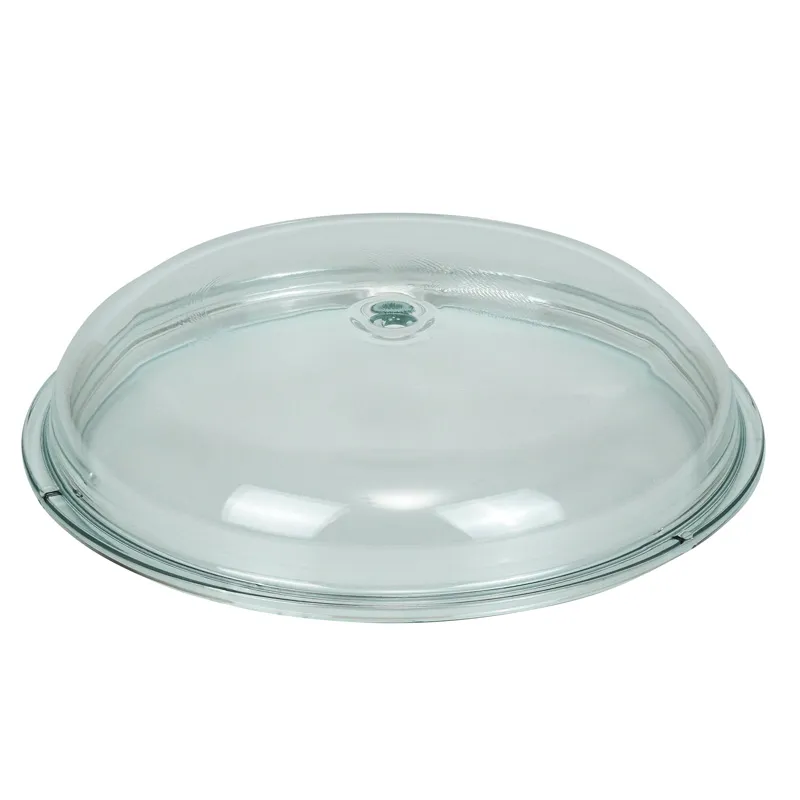
When you hear 'plastic glass with dome lid', most people picture a basic takeout container. That's the common misconception. In reality, this category spans from disposable deli cups to premium, reusable storage solutions for dry goods, salads, or even meal prep. The dome lid itself is the critical engineering piece—it's not just a cover, but a component that defines functionality, from seal integrity to stackability. Many buyers, even some distributors, get hung up on material cost per unit without considering the total cost of ownership for the end-user, which includes durability, reusability, and how well it performs its specific job. That's where the real conversation begins.
The Anatomy of a Good Dome Lid
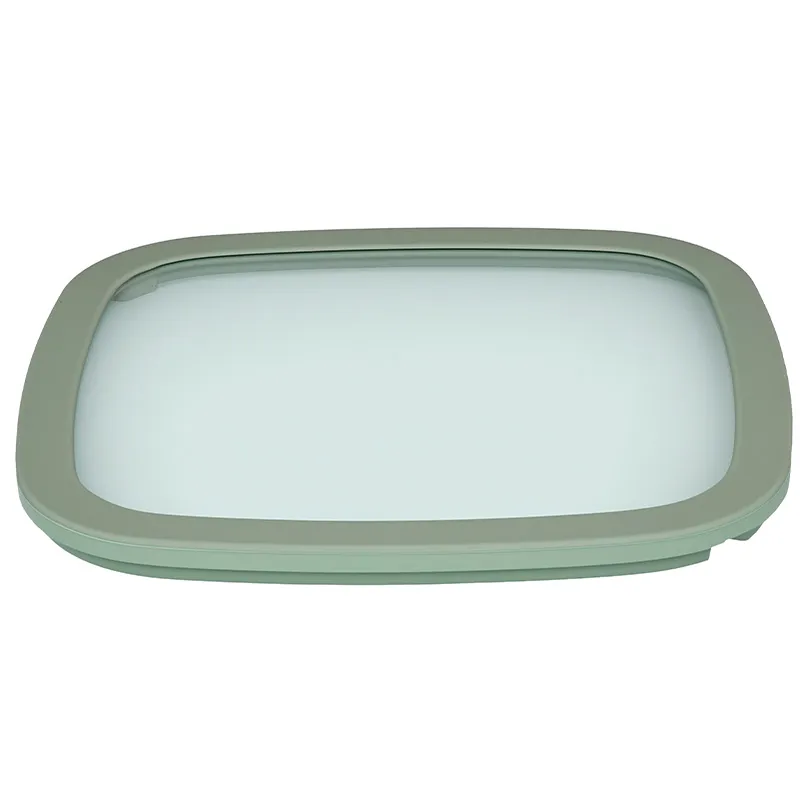
Let's break down the lid first. A well-designed dome lid for a plastic glass isn't about being universally airtight; it's about achieving the right seal for the intended contents. For dry pasta or rice, a slight negative pressure seal is sufficient. For chopped onions or something with aroma, you need a much tighter fit to prevent odor migration. The snap-on bead design is common, but the depth of the bead channel on the glass rim and the flexibility of the lid's skirt material are what make or break it. I've seen batches where the lid fits one week's production of glasses but pops off the next week's—tolerances in the injection molding of the plastic glass are that critical.
Material choice for the lid is another pitfall. Polypropylene (PP) is standard for its flexibility and microwave safety. But not all PP is equal. Using a grade that's too brittle in cold temperatures (think fridge to microwave) can lead to cracks along the hinge points of flip-top lids, if it has that feature. I recall a client who insisted on a very rigid, clear PS (polystyrene) dome lid for optical clarity. It looked fantastic on the shelf, but the first time a consumer tried to snap it onto the glass, the rigidity caused it to shatter. A costly lesson in prioritizing form over the fundamental physics of a snap-fit closure.
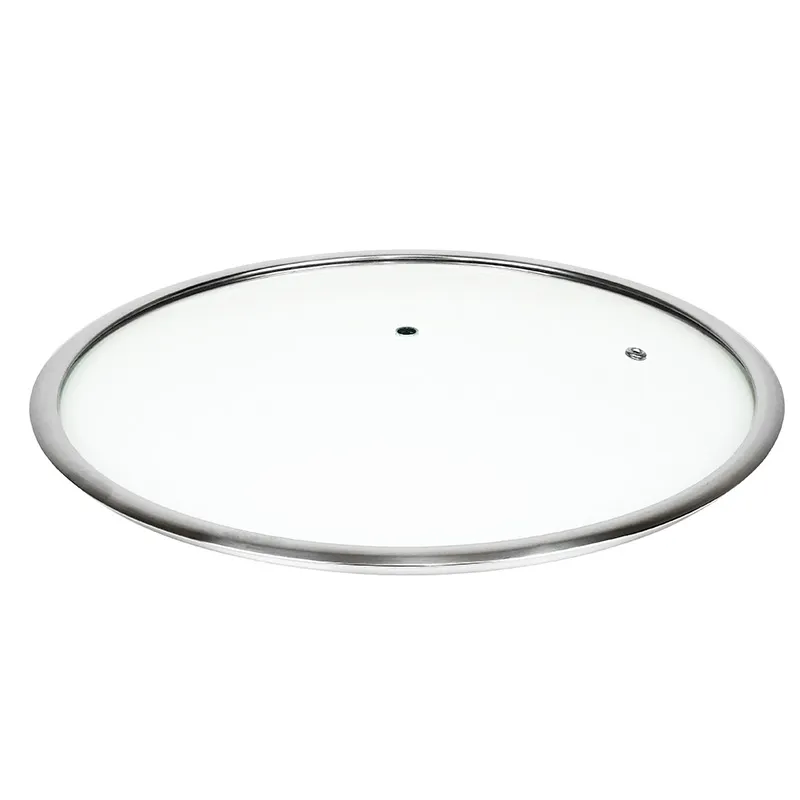
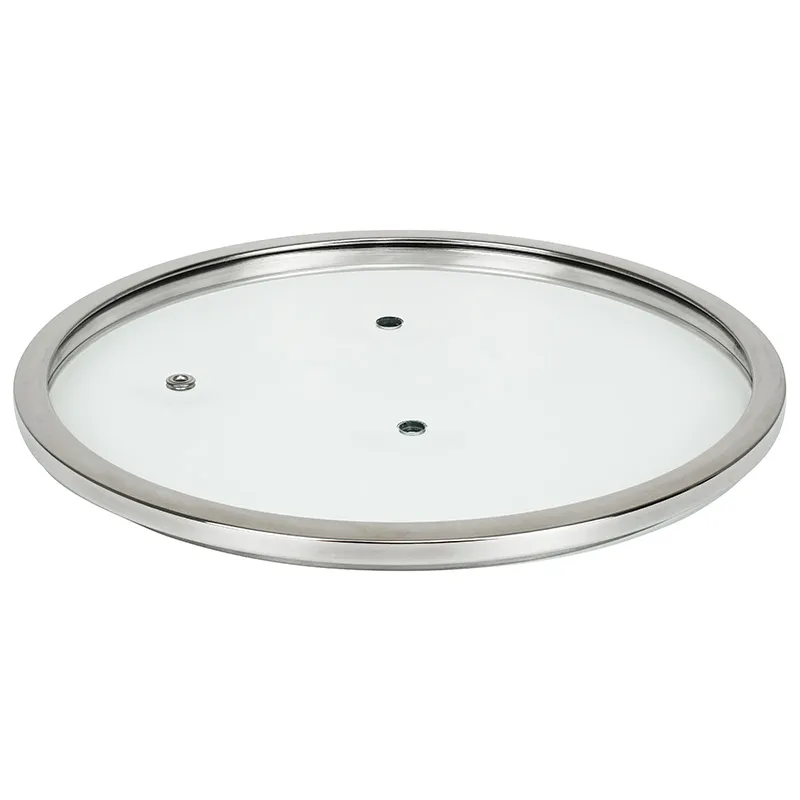
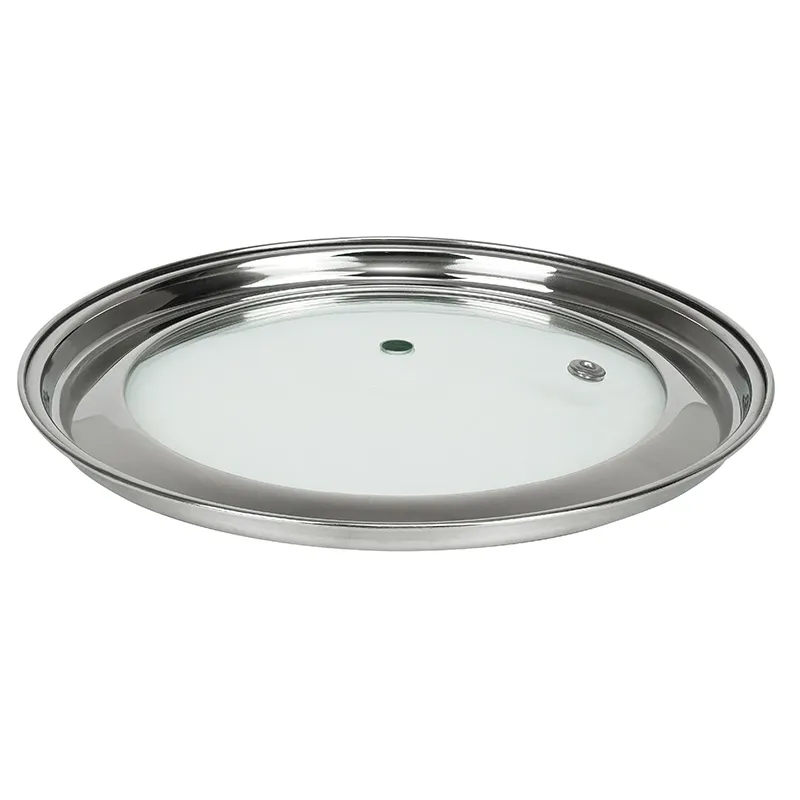
The dome height is often an afterthought, but it's a key selling point. A shallow dome means you can't overfill the glass, which is actually good for preventing spillage when attaching the lid. A high dome, often called a high-profile lid, allows for more volume—great for salads or fluffy foods. But it increases the lid's surface area, which can amplify any warping during cooling after molding. We had to work with a molder, like the specialists at EUR-ASIA COOKWARE CO.,LTD, to adjust cooling cycles specifically for their high-dome lids destined for the European market, where consistency is non-negotiable. Their experience with tempered glass lids translates into a sharp understanding of thermal management in molding, which is a parallel skill set.
Plastic Glass Body: Clarity, Strength, and User Feel
Moving to the glass itself—it's plastic, but the goal is often to mimic the appeal of glass. This demands crystal-clear, food-grade PET or copolyester. Haze is a killer. It makes food look unappetizing. Achieving that clarity isn't just about resin quality; it's about mold polish and precise temperature control during injection. Any slight imperfection in the mold steel gets replicated onto every single unit. A partner with a high-quality production base, such as the one operated by EUR-ASIA COOKWARE CO.,LTD in Shandong's National High-tech Development Zone, typically invests in the tool maintenance and process control needed to maintain that clarity over runs of millions of units.
Wall thickness is a constant tug-of-war. Thicker walls feel more substantial and are less prone to deformation when gripped, but they increase material cost and cooling time. Thinner walls make the product feel cheap and can lead to flexing that breaks the lid seal. The sweet spot is a graduated thickness—slightly thicker at the base for stability and at the rim where the lid engages, with thinner walls in between. This requires sophisticated mold design. It's not something you get from a generic factory.
Then there's the base. A perfectly flat base is a myth for injection-molded pieces; there's always a slight draft angle. But the design of the bottom ring is crucial for stackability, both when empty and when filled and lidded. An interlocking stack is ideal. We failed once on a project by not testing stackability with the lid on. The dome lids created just enough of an offset that a stack of ten filled containers became dangerously unstable. It was a basic oversight that resulted in a whole pallet being reworked.
Export Realities and Market-Specific Nuances
This is where the rubber meets the road. Producing a great plastic glass with dome lid is one thing; getting it accepted in Berlin, Seoul, or S?o Paulo is another. The EUR-ASIA COOKWARE CO.,LTD website notes over 90% export, which tells you they've navigated this. European retailers, especially in Germany and France, have stringent requirements on material certifications (like LFGB or BfR for food contact), and they will audit for consistent wall thickness and lid seal force. It's not just paperwork.
For instance, the Japanese market prefers smaller portion sizes and has an obsession with perfection in finish—no gate marks (the spot where plastic enters the mold) visible on the exterior. This often means more expensive mold designs with submarine gates or hot runner systems. A standard mold won't cut it. Similarly, for the U.S. market, microwaveability and dishwasher-safe claims need to be backed by rigorous testing (like repeated dishwasher cycles checking for warping), not just assumptions.
Logistics play a huge role. These items are bulky. Optimizing the carton count to maximize container load without increasing damage rates is a constant calculation. A dome lid, because of its shape, creates a lot of air space. Some exporters opt for shipping the glasses nested and the lids bagged separately, to be assembled at the destination. This saves shipping volume but adds local labor cost. Others, with a robust lid design, ship them fully assembled. The choice depends on the lid's ability to stay secured during transoceanic freight vibrations.
The Interplay with Other Materials
It's insightful to look at this product through the lens of a manufacturer that also handles true glass. Visiting a facility like EUR-ASIA COOKWARE CO.,LTD's, which produces millions of tempered glass lids, you gain respect for the material science involved. Glass is about thermal shock resistance and mechanical strength from tempering. Plastic is about polymer flow and stress management. The mindset is different, but the quality control disciplines—dimensional checks, stress testing, visual inspection—are directly transferable. A company proficient in the high-precision world of tempered glass often brings a more rigorous approach to plastic molding.
This cross-material expertise is why some of the best plastic storage solutions come from companies with a foot in both camps. They understand how a consumer uses a lidded container across different scenarios. They might apply the same hinge durability tests used on glass lid cookware to a plastic flip-top lid. This isn't theoretical. I've seen product managers from such companies reject lid samples because the 'feel' of the snap wasn't right—a subjective but crucial factor that comes from seeing how end-users interact with products across cultures.
Furthermore, their export footprint, supplying to markets with diverse preferences like Italy, Brazil, and South Korea, forces a flexibility in design. The same base plastic glass might get paired with a different dome lid design—one with a silicone gasket for the Northern European market emphasizing airtightness, and another with a simple snap bead for the Southern European market where cost sensitivity is higher. This modular approach is key to serving a global clientele from a single production base.
Concluding Thoughts: It's a Precision Component, Not a Commodity
So, wrapping this up, the takeaway is that a plastic glass with dome lid is a deceptively complex product. Sourcing it successfully isn't about finding the cheapest per-unit price. It's about finding a supplier who understands the interplay between polymer science, mold engineering, and real-world user ergonomics. It's about someone who gets that a 0.2mm variance in the lid's bead can turn a bestseller into a warehouse full of returns.
When evaluating a partner, look at their other competencies. A company like EUR-ASIA COOKWARE CO.,LTD, with its deep background in glass and a substantial export record, brings that systemic quality mindset to the table. Their production scale (15 million pieces annually) indicates they've solved the consistency puzzle. But the real test is in the details: ask for their lid retention force data, their protocol for cycle testing hinge lids, their material certification sheets. That's the language of a professional.
In the end, the best products in this space are born from an almost obsessive attention to these mundane details. The goal is for the container to disappear—for the user to think only about the food inside, not about struggling with a lid or worrying about spills. Achieving that simplicity is the result of a lot of complicated, behind-the-scenes work. And that's what separates a generic container from a reliable kitchen tool.
Related Products
Related Products