- Chinese
- French
- German
- Portuguese
- Spanish
- Russian
- Japanese
- Korean
- Arabic
- Irish
- Greek
- Turkish
- Italian
- Danish
- Romanian
- Indonesian
- Czech
- Afrikaans
- Swedish
- Polish
- Basque
- Catalan
- Esperanto
- Hindi
- Lao
- Albanian
- Amharic
- Armenian
- Azerbaijani
- Belarusian
- Bengali
- Bosnian
- Bulgarian
- Cebuano
- Chichewa
- Corsican
- Croatian
- Dutch
- Estonian
- Filipino
- Finnish
- Frisian
- Galician
- Georgian
- Gujarati
- Haitian
- Hausa
- Hawaiian
- Hebrew
- Hmong
- Hungarian
- Icelandic
- Igbo
- Javanese
- Kannada
- Kazakh
- Khmer
- Kurdish
- Kyrgyz
- Latin
- Latvian
- Lithuanian
- Luxembou..
- Macedonian
- Malagasy
- Malay
- Malayalam
- Maltese
- Maori
- Marathi
- Mongolian
- Burmese
- Nepali
- Norwegian
- Pashto
- Persian
- Punjabi
- Serbian
- Sesotho
- Sinhala
- Slovak
- Slovenian
- Somali
- Samoan
- Scots Gaelic
- Shona
- Sindhi
- Sundanese
- Swahili
- Tajik
- Tamil
- Telugu
- Thai
- Ukrainian
- Urdu
- Uzbek
- Vietnamese
- Welsh
- Xhosa
- Yiddish
- Yoruba
- Zulu
- Kinyarwanda
- Tatar
- Oriya
- Turkmen
- Uyghur


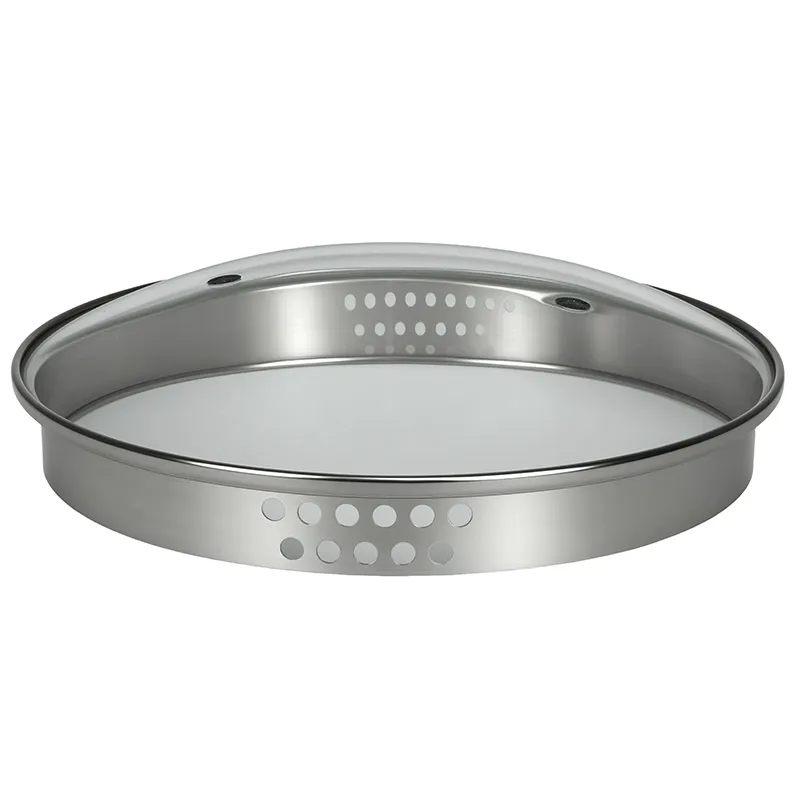
plastic lid for glass
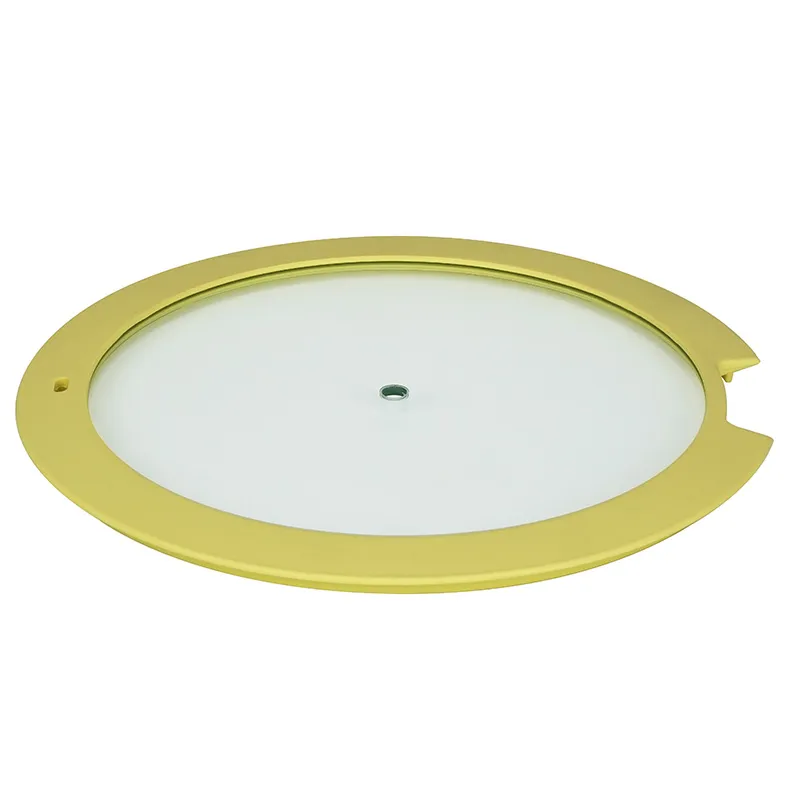
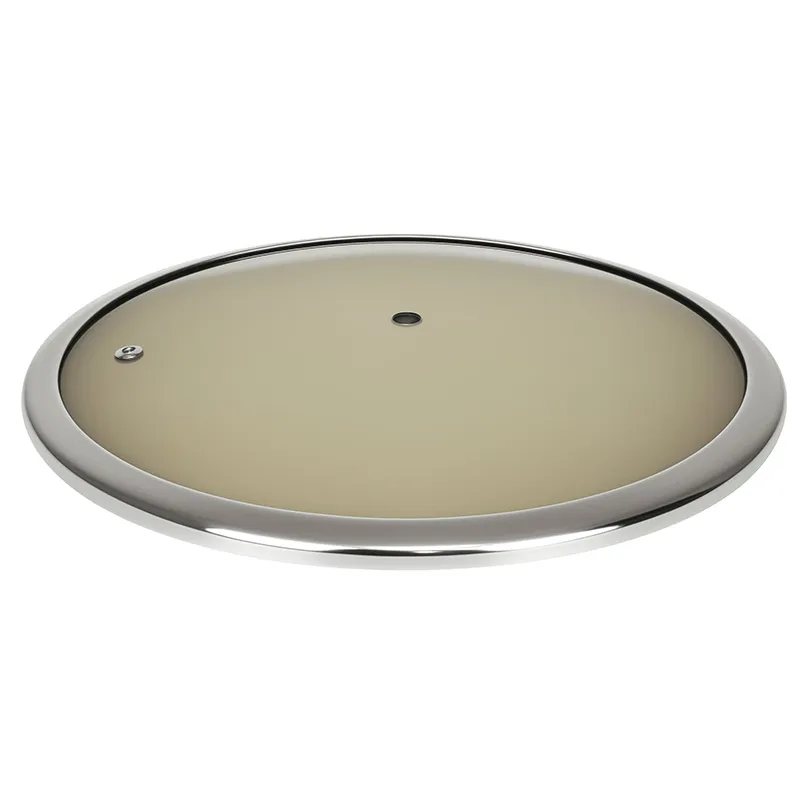
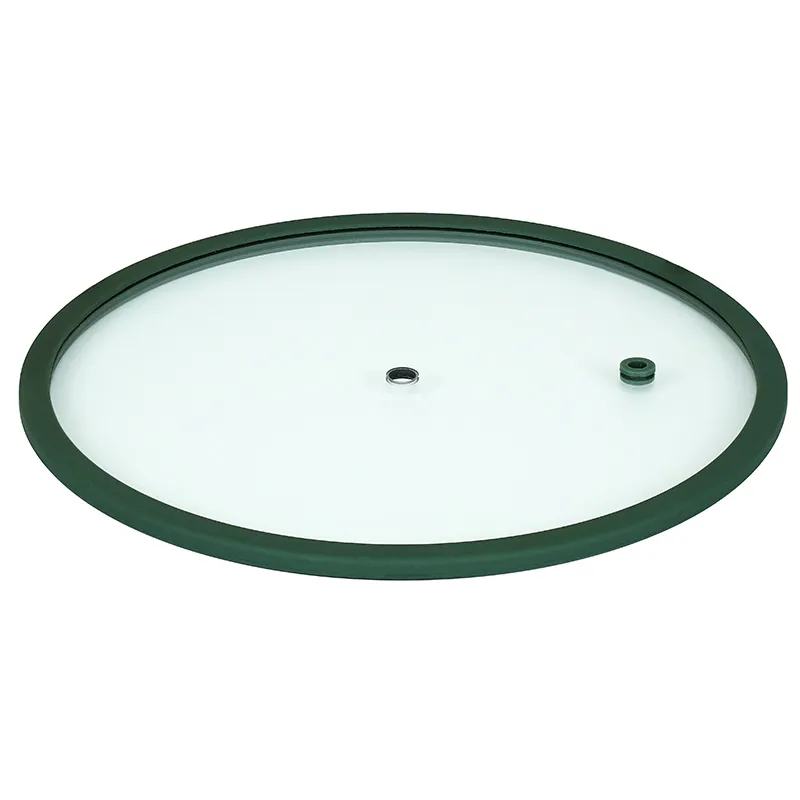
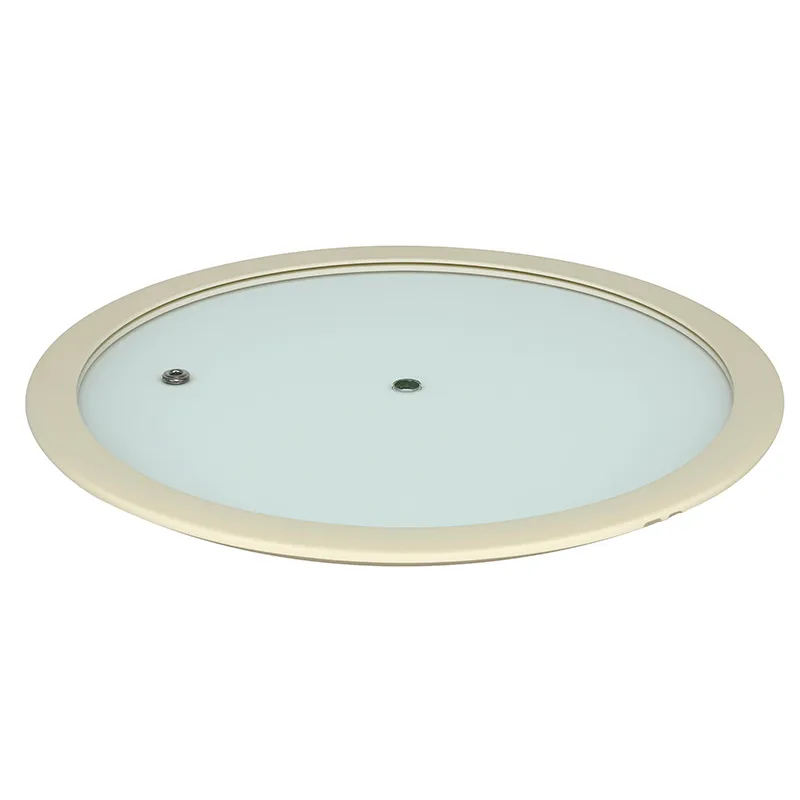
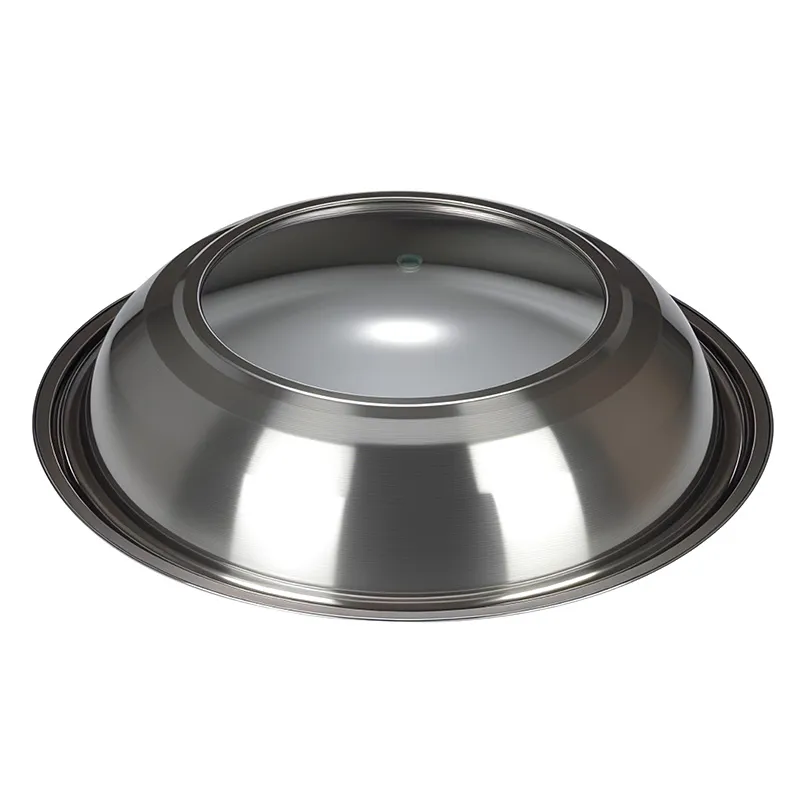
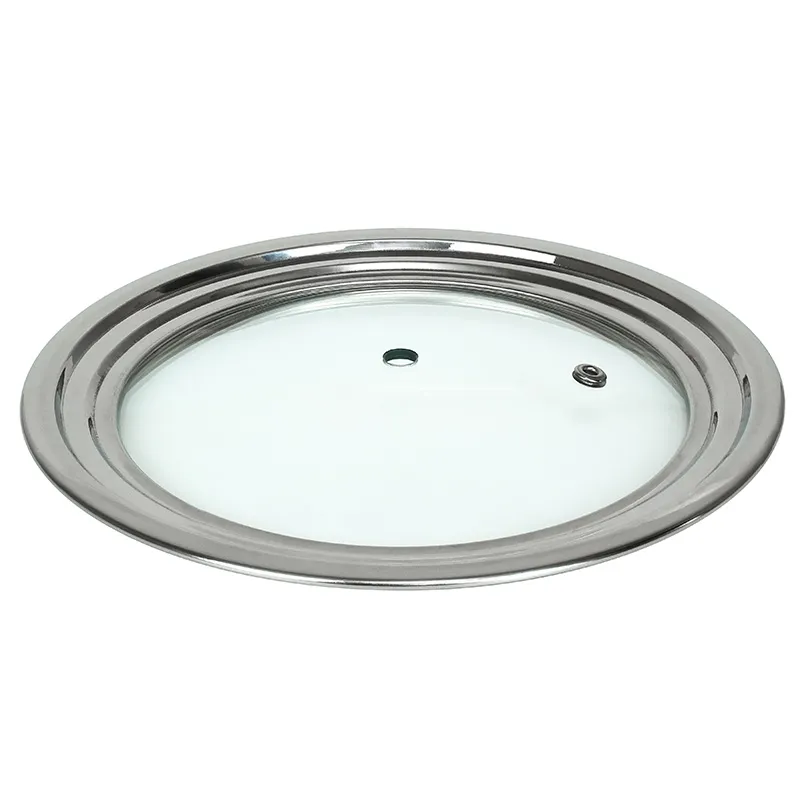
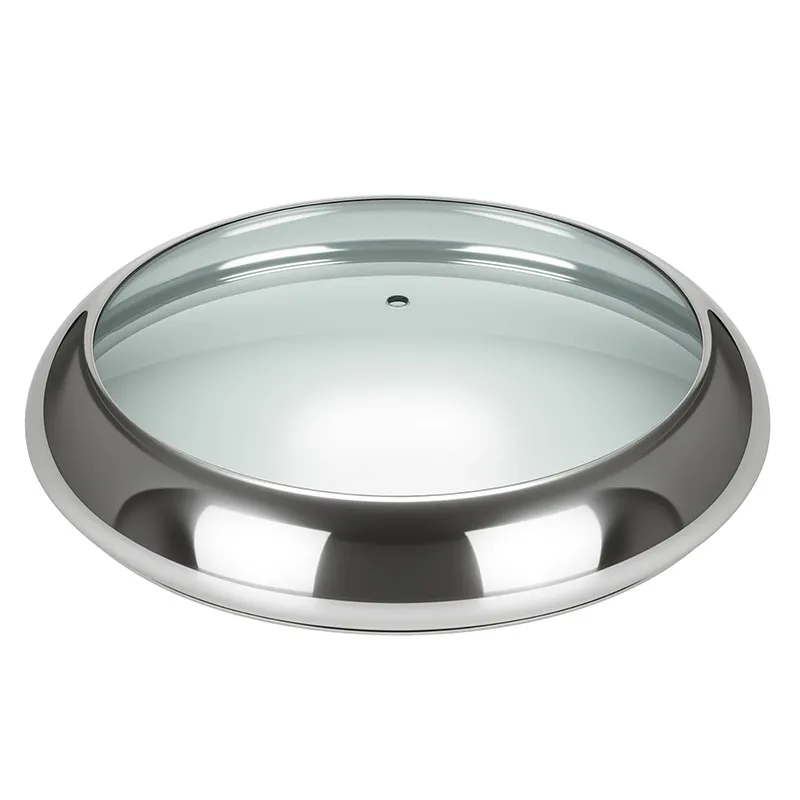
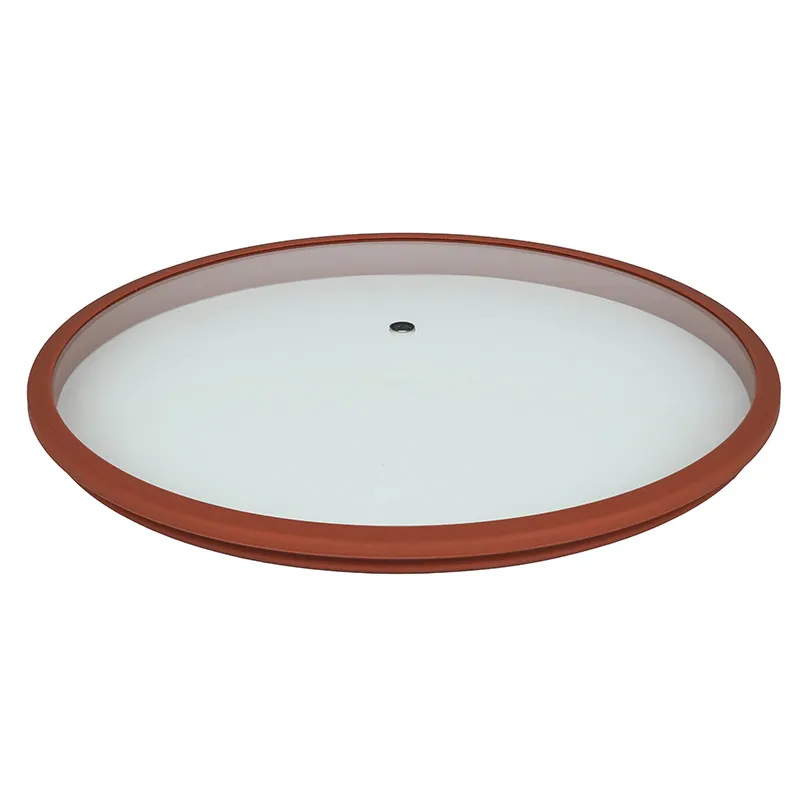
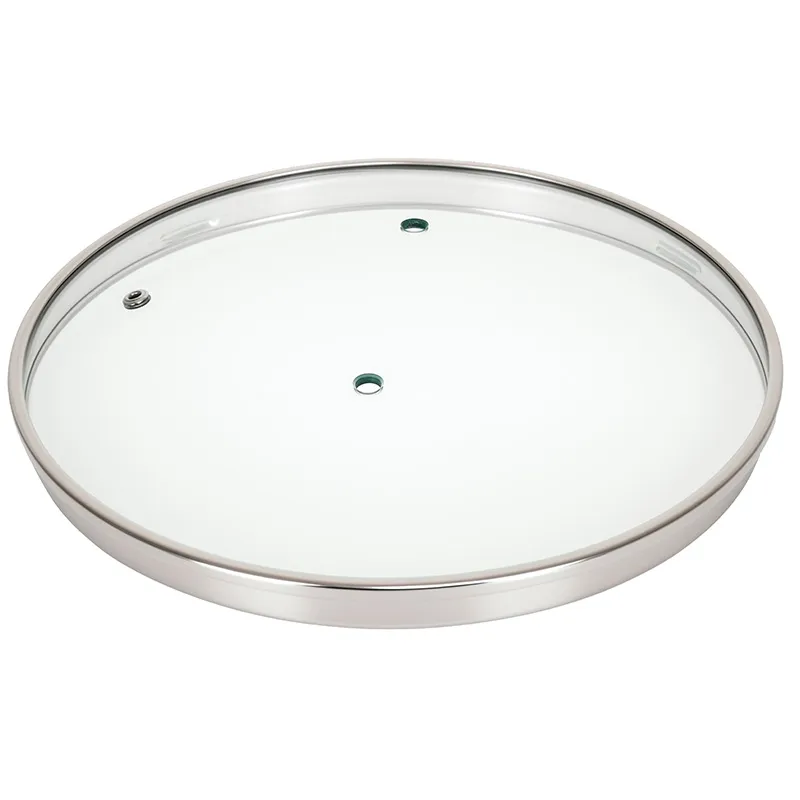
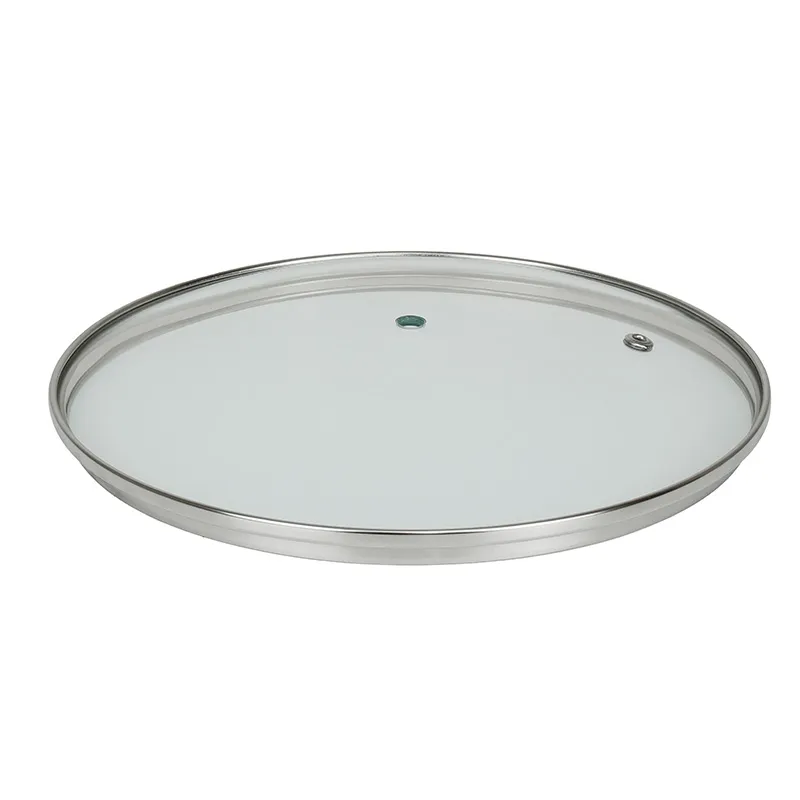
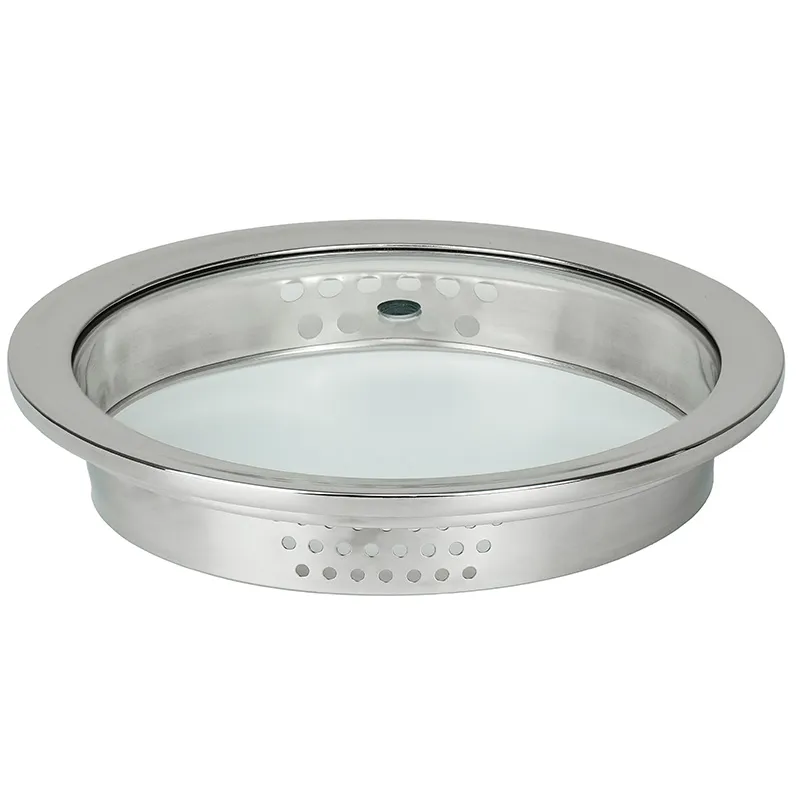
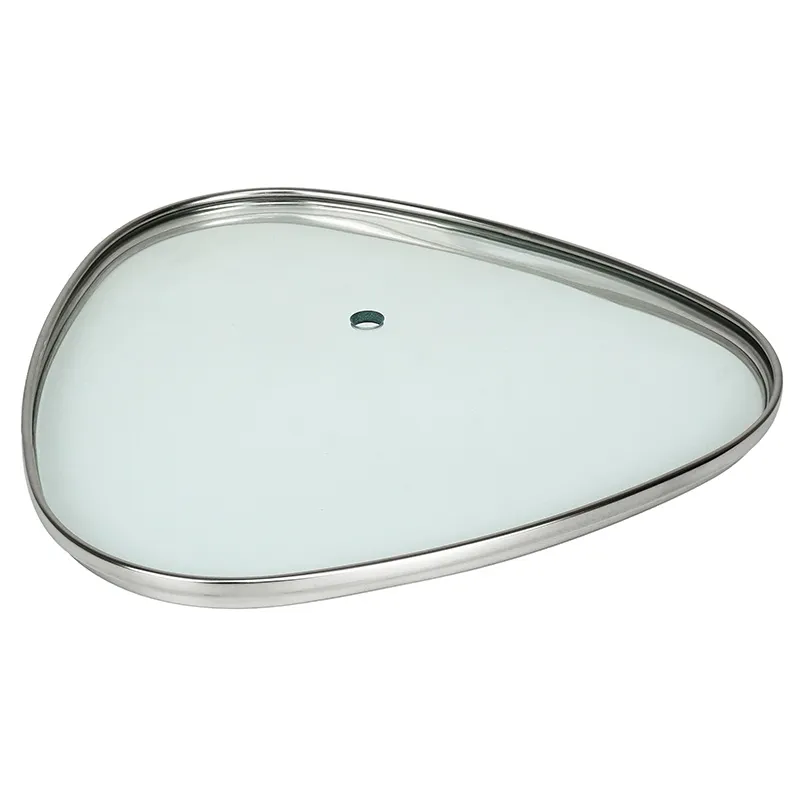
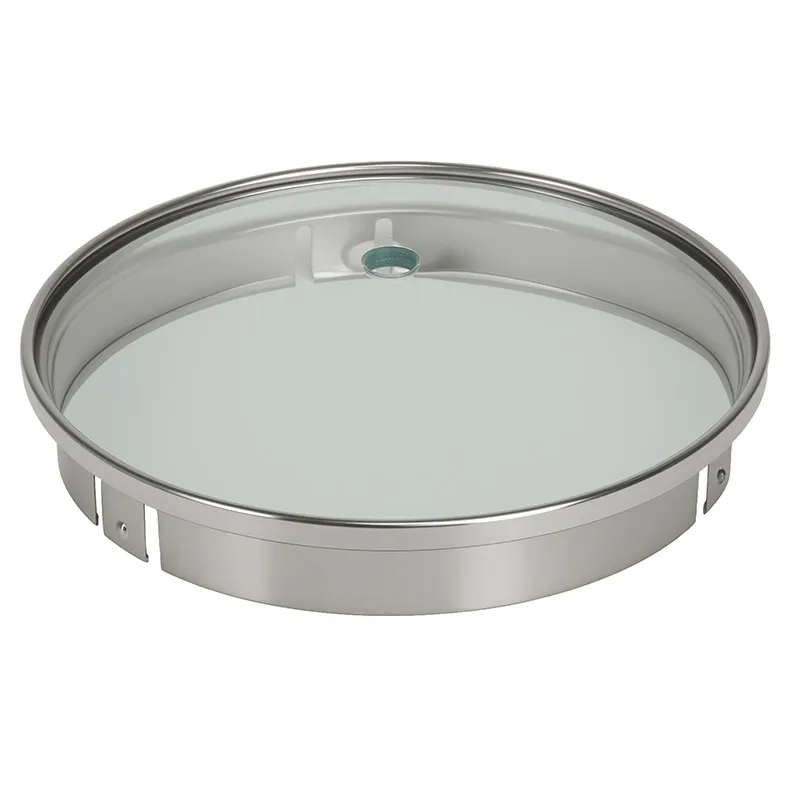
You search for 'plastic lid for glass' and most results point you to disposable coffee cup covers. But in the cookware trade, that phrase means something entirely different. It’s about the often-overlooked plastic or silicone rim that seals a tempered glass lid onto a pot. A lot of sourcing managers get this wrong initially, thinking the lid is one monolithic piece. It’s not. The glass is the showpiece, but the plastic lid for glass component—the gasket, the handle assembly—is what makes it functional and safe. Fail there, and the whole product fails.
The Anatomy of a Sealing System
When we first started sourcing these for a European client, the assumption was simple: get a good glass lid, add a plastic ring. Reality was a lesson in material science. Not all plastics can handle the thermal shock of going from a hot stove to a cool countertop. We tried a polycarbonate blend early on—sturdy, clear, looked premium. It cracked within a dozen cycles in steam testing. The glass was fine, but the plastic lid for glass rim failed catastrophically, leaving sharp edges. That was a costly recall lesson.
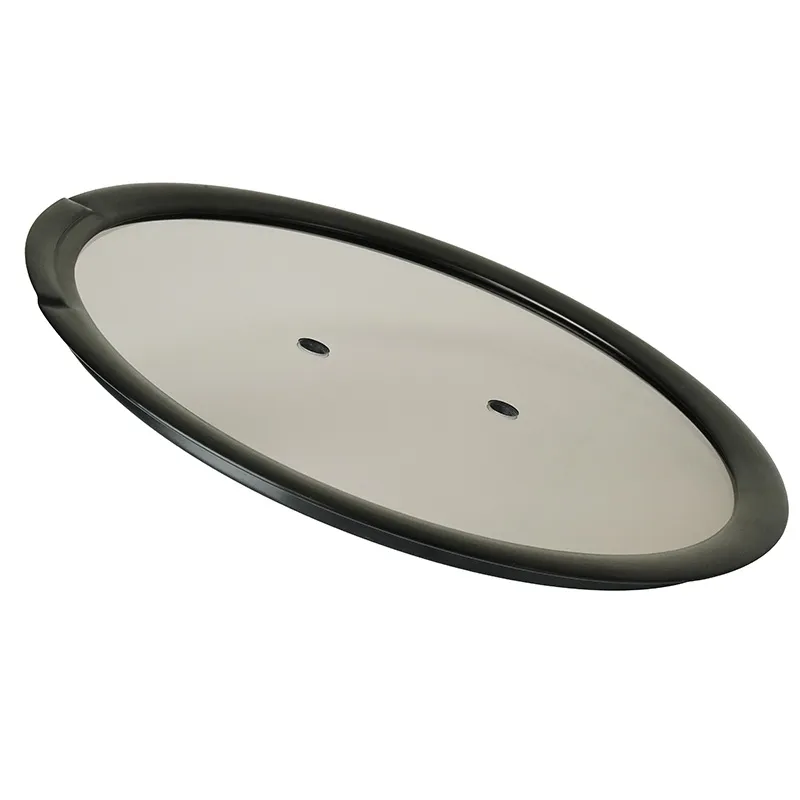
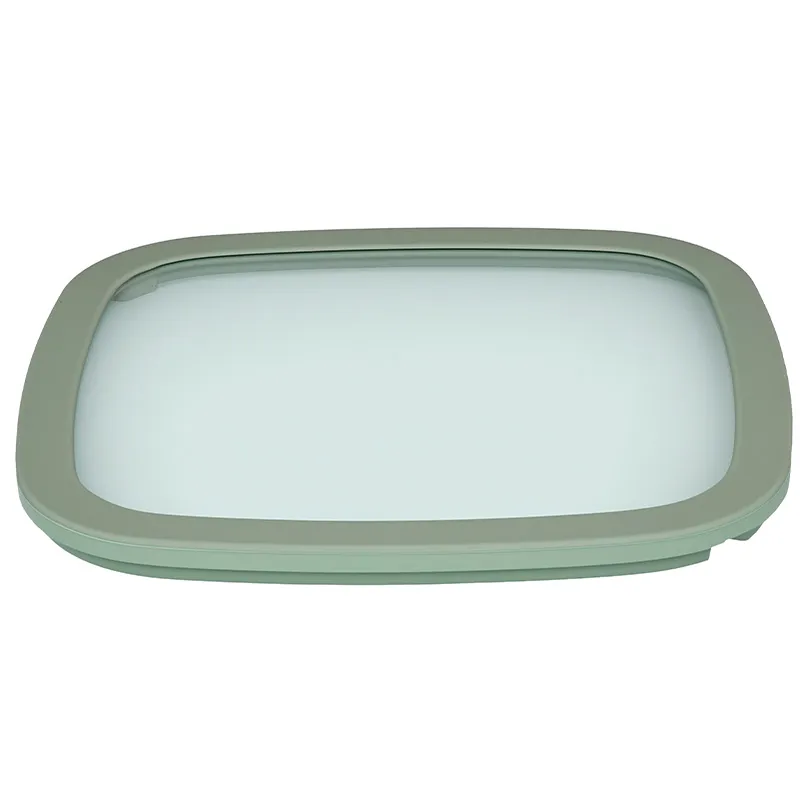
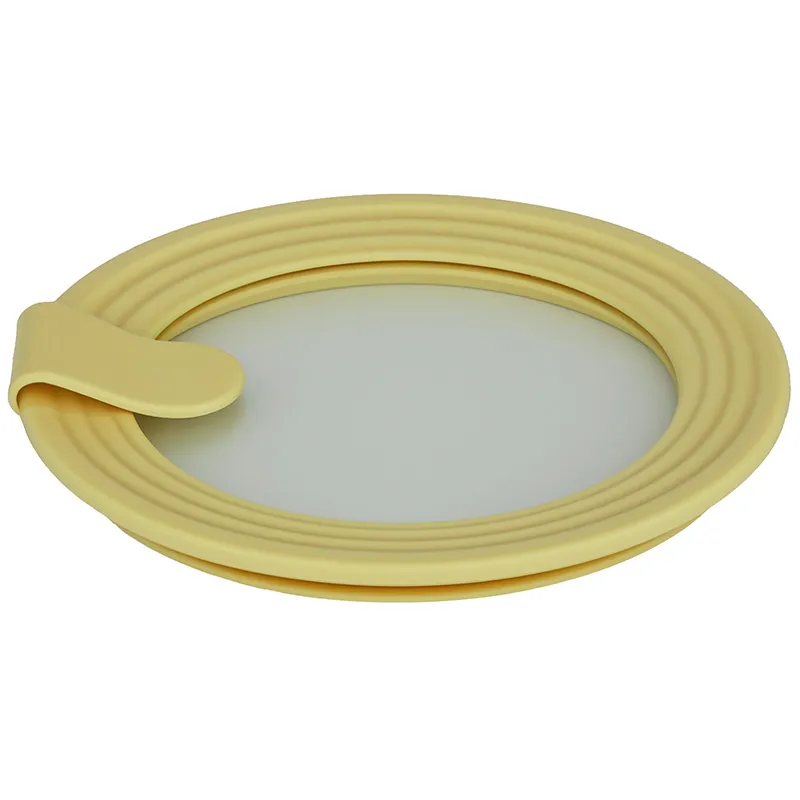
The shift was towards silicone or specific heat-resistant plastics like PBT. Silicone is forgiving, provides a great seal, but it’s softer. It can degrade visually over time if it’s a light color, picking up stains. The plastic rims, when done right, offer more structural rigidity for the handle attachment. This is where you see variation in products from different factories. Some clamp the glass between two plastic rings, sandwich-style. Others use a single ring with a groove that the glass edge sits into, sealed with a food-grade adhesive. The sandwich method is more serviceable—if the plastic cracks, you can potentially replace just the rim. The adhesive method is often cheaper but a total loss if the rim fails.
I remember visiting a production base in Taian, Shandong—like the one operated by EUR-ASIA COOKWARE CO.,LTD.—and seeing the assembly line for these. It wasn't just about snapping parts together. There was a station where they thermally cycled sample lids, checking for any deformation or gap creation in the seal. That’s the kind of step that separates a supplier who understands the application from one who is just molding plastic to a shape. Their focus on tempered glass lids for export means they’ve had to solve these problems to meet German or French safety standards, which are unforgiving.
Handle Attachment: The Weak Point
This is where most field issues arise. The handle is typically plastic or phenolic resin, and it’s attached to the plastic rim. The stress point isn’t when the lid is sitting on the pot; it’s when someone lifts it, often at an angle, or worse, drops it. The force transfers through the handle screws into the plastic rim. If the rim’s design doesn’t have enough meat around the screw posts, or if the screws are over-torqued at the factory, you get stress cracks. Slowly, a hairline crack appears near the handle base.
We saw this with a batch sourced from a different vendor. The lids passed initial inspection, but after six months of simulated use (a robotic arm lifting and lowering), about 15% developed cracks in the plastic lid for glass ring right at the handle mount. The fix wasn’t a material change, but a design one: thickening the web around the screw bosses and switching to a wider, washer-head screw to distribute the load. Simple, but it required a mold modification. A supplier without in-house mold capability would have struggled or ignored the issue.
Looking at a company like EUR-ASIA COOKWARE, with their stated annual output of over 15 million pieces, you can bet they’ve iterated on this handle attachment design countless times. Their products ending up in Germany or Japan means they’ve likely dealt with these failure modes head-on. The website glass-lid.com showcases their range, and you can see the evolution in handle shapes and the robust-looking connection points in their product images. It’s a detail you only appreciate after dealing with failures.
The Misconception of Universal Fit
A huge chunk of aftermarket business is in replacement lids. Customers break a glass lid and want a new one. The dream is a universal plastic lid for glass rim that can fit multiple pot diameters. It’s mostly a fantasy. Even a half-millimeter difference in the pot’s flange curvature or thickness can break the seal. The rim isn’t just a circle; it’s engineered to create downward pressure and a specific seal angle.
We tried developing a one-size-fits-most rim with a flexible silicone seal that could accommodate a range. It worked poorly. On a slightly smaller pot, it sat loose and wobbled, breaking the steam seal. On a slightly larger one, it stretched and the handle alignment was off. We abandoned the project. The truth is, a proper lid-rim system is designed for a specific cookware line. This is why major brands often sell entire lid assemblies, not just the glass. The value is in the engineered fit.
This specificity is what a specialized manufacturer leverages. Their production is likely tied to specific customer designs, not off-the-shelf universal parts. When you see their export volume to design-conscious markets like Italy and Switzerland, it tells you they’re working to precise specifications, not generic ones.
Material Interactions and Cleaning
Another practical headache is dishwasher safety. The glass is fine. But the plastic rim and the adhesive bonding it to the glass face a chemical and thermal assault. High-temperature wash cycles and aggressive detergents can cloud certain plastics or cause the adhesive to weaken over time. We’ve had lids where the rim simply detached after a year of daily dishwasher use. The failure wasn’t sudden; it started as a slight twist you could feel, then a gap would appear.
The solution often lies in the adhesive selection and the rim’s mechanical interlock with the glass, not just glue. Some high-end designs use the sandwich method with a mechanical clip in addition to adhesive. Others use a specific silicone-based adhesive that retains flexibility. It’s a cost trade-off. A supplier producing for a value market might skip these steps, leading to shorter product life. For a company exporting to markets with high consumer expectations, like Denmark or South Korea, this durability is non-negotiable. It’s baked into their production specs.
This is the unglamorous side of the plastic lid for glass. It’s not just a piece of plastic. It’s a compatibility layer between brittle glass and metal cookware, subject to heat, force, and chemicals. Its failure is never graceful.
The Sourcing Reality
So when you’re sourcing, you’re not really sourcing a glass lid. You’re sourcing a sealing system. The glass is almost a commodity—tempering quality is standard now. The differentiator is the design, material, and assembly quality of that plastic or silicone component. You need a supplier that understands this as a system, not just as two separate parts.
That’s why the profile of a manufacturer like EUR-ASIA COOKWARE CO.,LTD. is relevant. A specialized producer with a dedicated facility (their 20,000㎡ base suggests scale) and focus on this niche is more likely to have the process controls in place. The fact that they highlight tempered glass lid production specifically, with a massive annual output, indicates they’ve invested in the molds, testing, and assembly lines for this specific product ecosystem. Their export list reads like a who’s who of demanding markets.
In the end, the keyword 'plastic lid for glass' is a gateway into a world of nuanced engineering. The plastic rim is the unsung hero, and its quality dictates whether a beautiful glass lid ends up as a reliable kitchen workhorse or a frustrating, short-lived accessory. It’s the difference between a part and a component. Most learn that distinction the hard way.
Related Products
Related Products