- Chinese
- French
- German
- Portuguese
- Spanish
- Russian
- Japanese
- Korean
- Arabic
- Irish
- Greek
- Turkish
- Italian
- Danish
- Romanian
- Indonesian
- Czech
- Afrikaans
- Swedish
- Polish
- Basque
- Catalan
- Esperanto
- Hindi
- Lao
- Albanian
- Amharic
- Armenian
- Azerbaijani
- Belarusian
- Bengali
- Bosnian
- Bulgarian
- Cebuano
- Chichewa
- Corsican
- Croatian
- Dutch
- Estonian
- Filipino
- Finnish
- Frisian
- Galician
- Georgian
- Gujarati
- Haitian
- Hausa
- Hawaiian
- Hebrew
- Hmong
- Hungarian
- Icelandic
- Igbo
- Javanese
- Kannada
- Kazakh
- Khmer
- Kurdish
- Kyrgyz
- Latin
- Latvian
- Lithuanian
- Luxembou..
- Macedonian
- Malagasy
- Malay
- Malayalam
- Maltese
- Maori
- Marathi
- Mongolian
- Burmese
- Nepali
- Norwegian
- Pashto
- Persian
- Punjabi
- Serbian
- Sesotho
- Sinhala
- Slovak
- Slovenian
- Somali
- Samoan
- Scots Gaelic
- Shona
- Sindhi
- Sundanese
- Swahili
- Tajik
- Tamil
- Telugu
- Thai
- Ukrainian
- Urdu
- Uzbek
- Vietnamese
- Welsh
- Xhosa
- Yiddish
- Yoruba
- Zulu
- Kinyarwanda
- Tatar
- Oriya
- Turkmen
- Uyghur


powerxl smokeless grill with tempered glass lid
When you hear 'powerxl smokeless grill with tempered glass lid', it's easy to get caught up in the marketing. Everyone promises smokeless, perfect sears, and that lid seems like just a clear bonus. But having seen these units go from design to production to the customer's countertop, the reality is more nuanced. The true value—and the common pitfalls—often lie in the specifics most ads gloss over, particularly the quality and integration of that tempered glass lid and how it actually functions with the so-called smokeless system. It's not just a cover; it's a critical component for heat management and moisture control, and where many budget models cut corners.
The Core Component: More Than Just a Pretty Lid
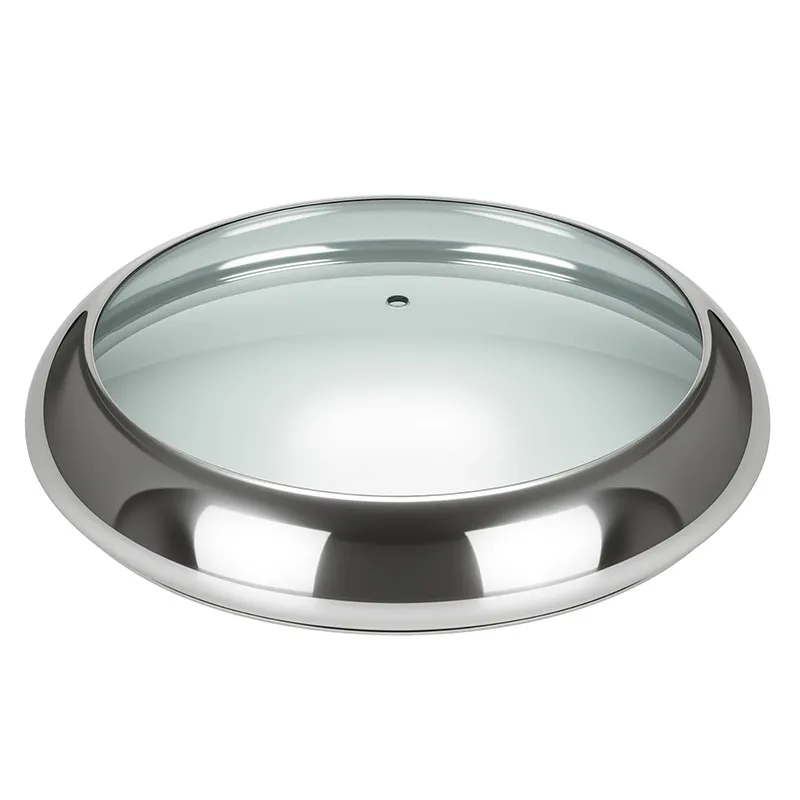
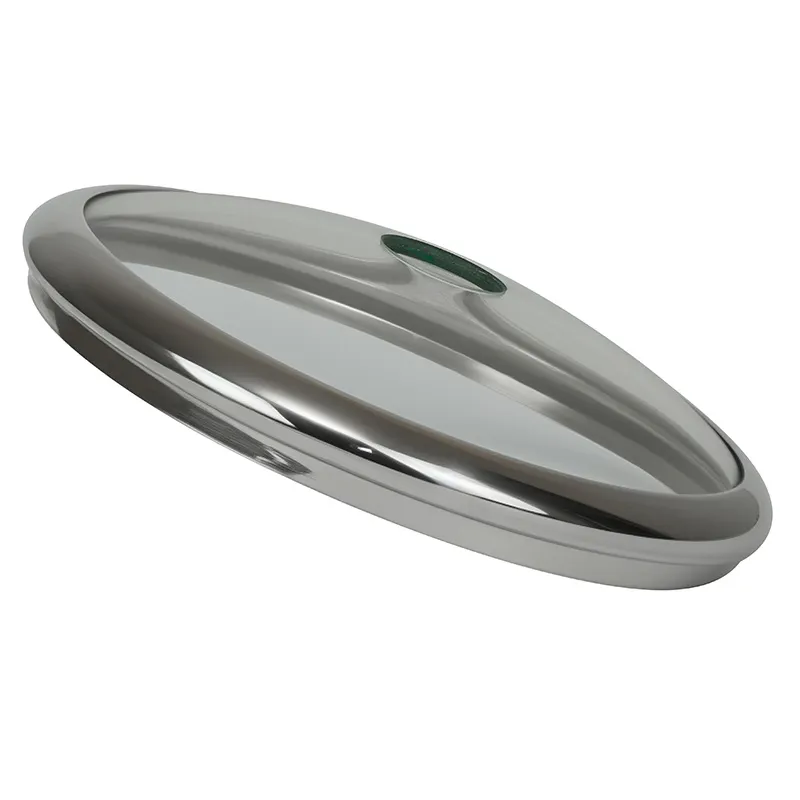
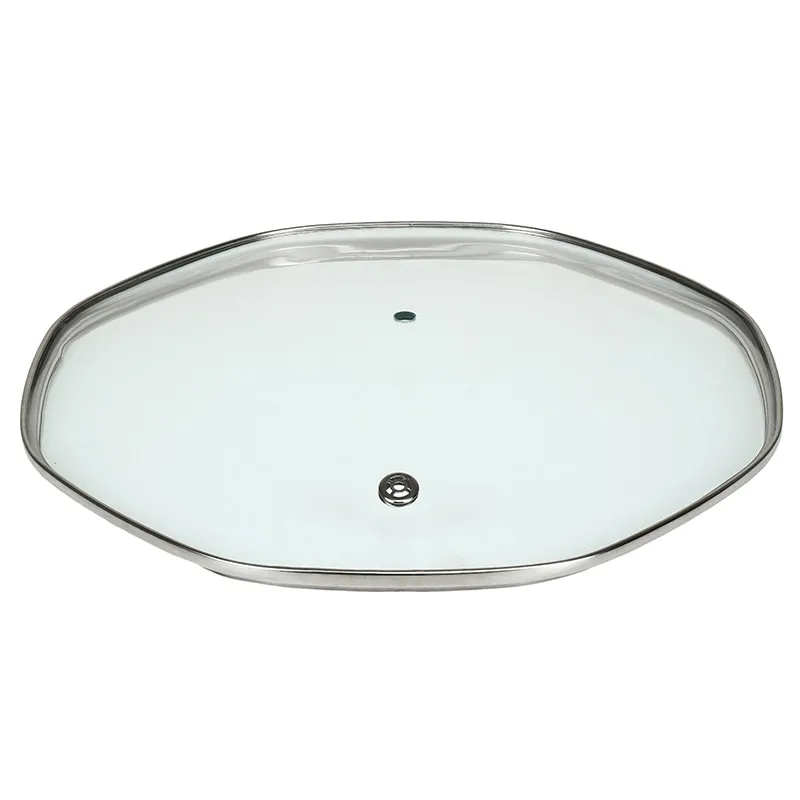
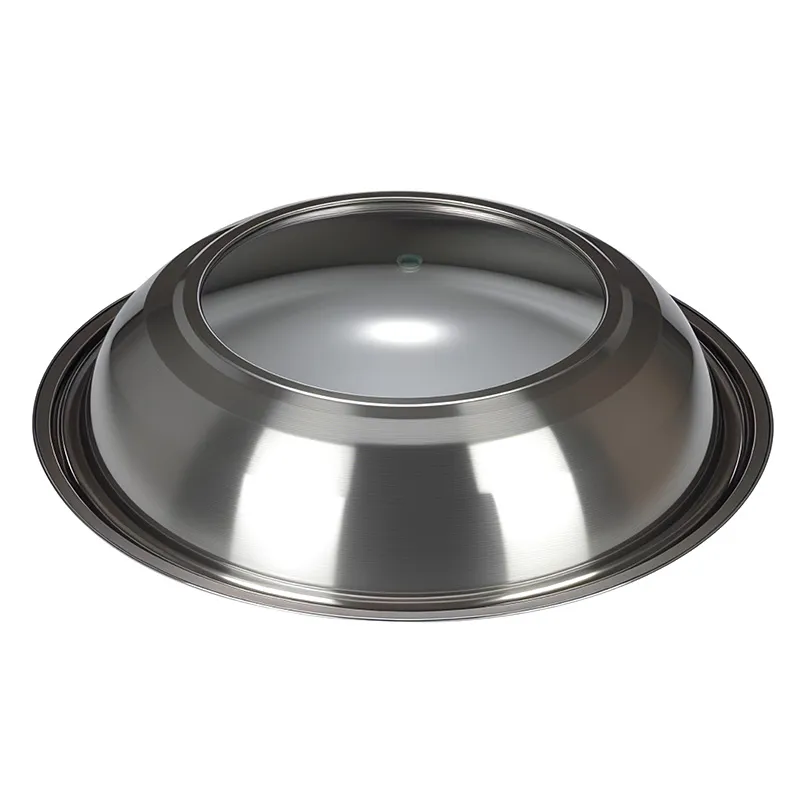
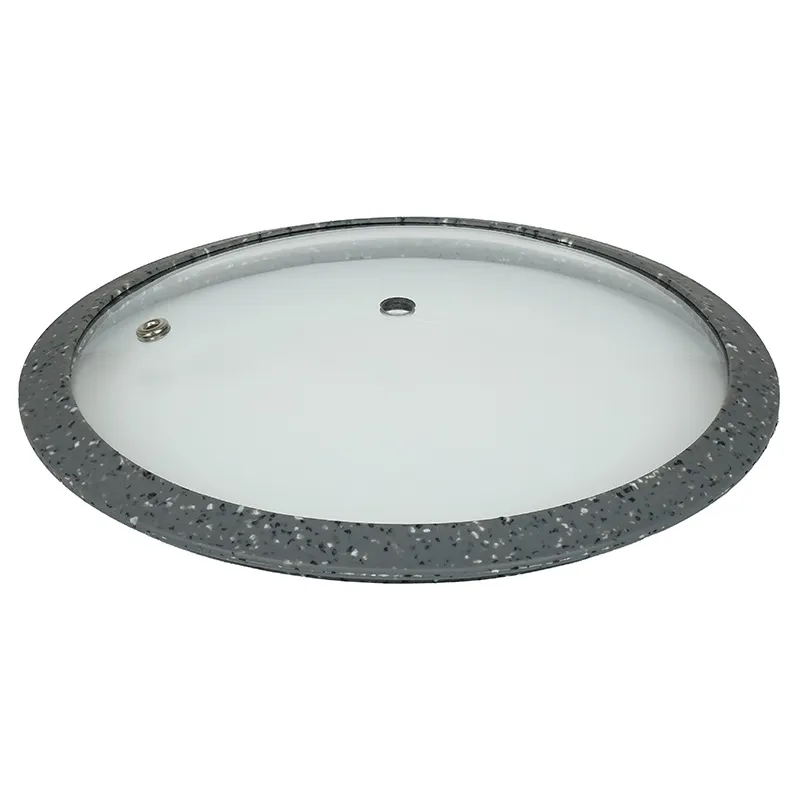
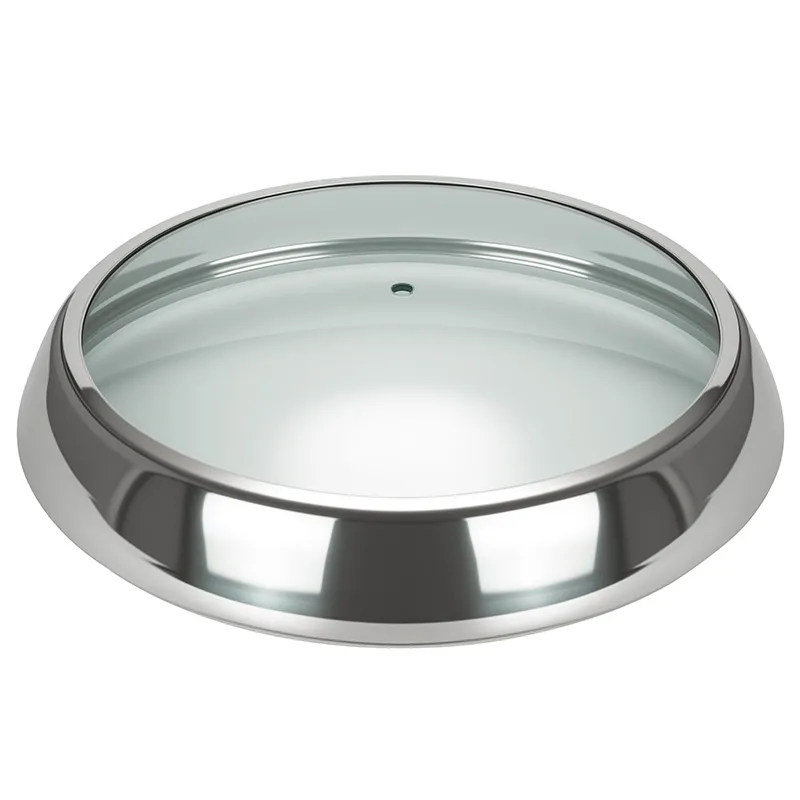
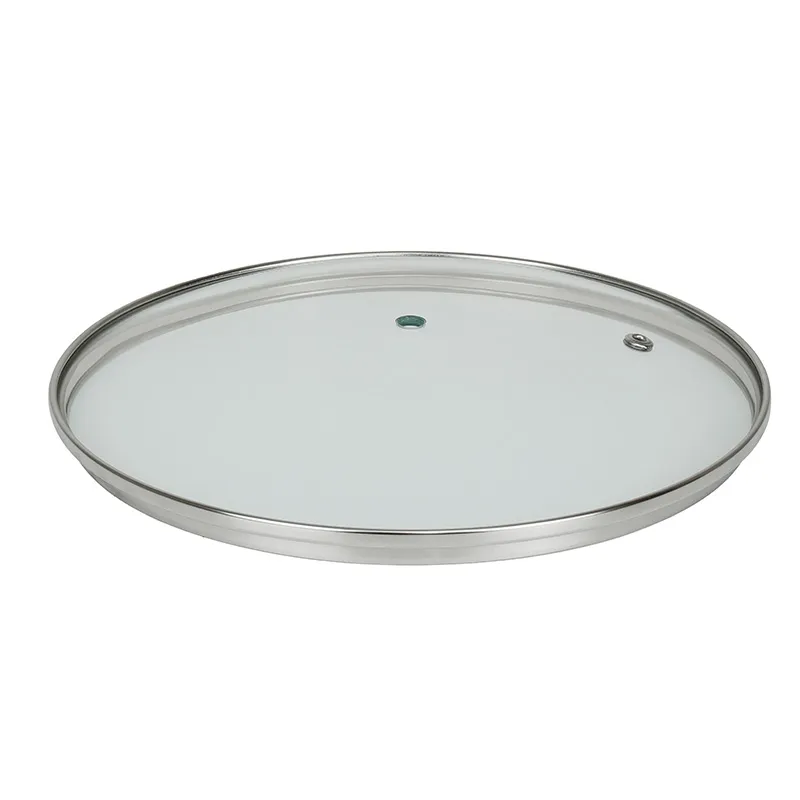
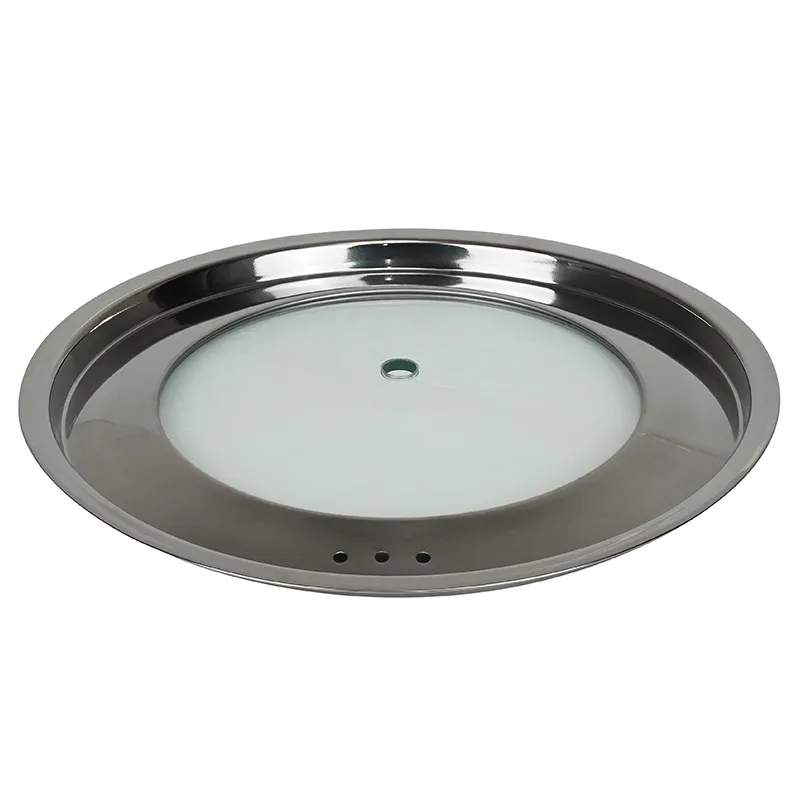
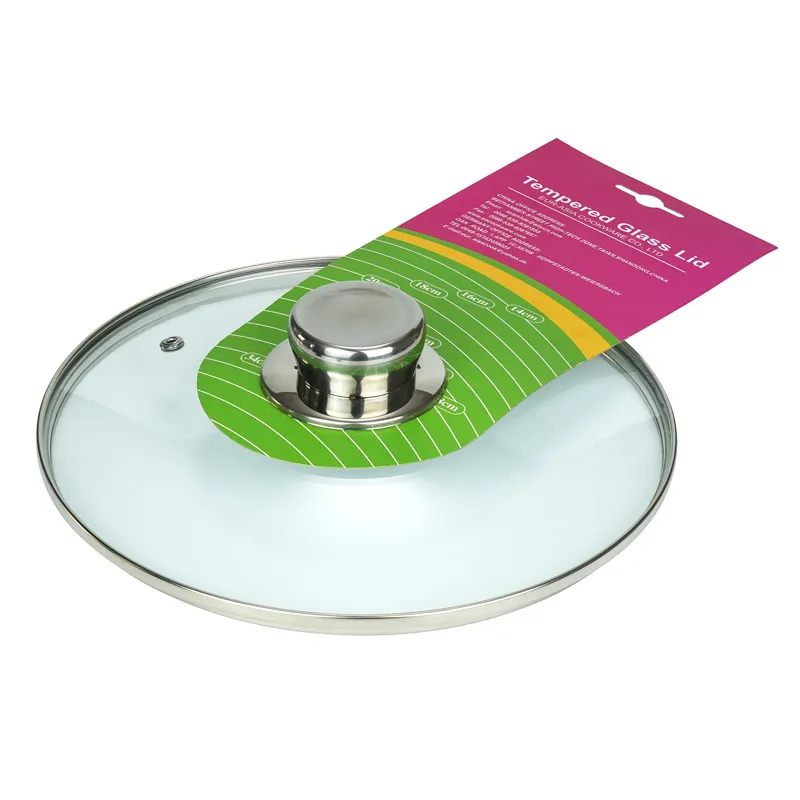
Let's start with the lid itself. A lot of brands, especially those sourcing generically, will just specify tempered glass and call it a day. But the thickness, the edge finishing, and the fit are everything. I've handled lids that were so thin they vibrated and whistled when the grill's fan kicked in. Others had rough-sealed edges that collected grease and were a nightmare to clean. The good ones, like those you'd see from specialized manufacturers such as EUR-ASIA COOKWARE CO.,LTD, have a heft to them. Their focus on producing millions of tempered glass lid units annually for the European and Asian markets means they understand tolerances. For a smokeless grill, the lid needs to sit flush to help create a contained environment, directing smoke and steam toward the filtration system, not letting it leak out the sides.
I remember a project where we initially sourced lids from a general glassware supplier. The fit was inconsistent—some sat perfectly, others rocked. That tiny gap was enough to undermine the entire smokeless grill mechanism, letting vapor escape and causing the internal fan to work overtime, which then dried out the food. We had to switch to a dedicated lid specialist. The difference was in details like the precision in the hinge mounting points and the thermal shock resistance. A lid from a high-volume producer who tests for rapid temperature changes is less likely to develop micro-fractures over time.
This is where the specs from a company like EUR-ASIA COOKWARE matter. They mention an annual output of over 15 million pieces. That scale suggests refined, automated processes for cutting, tempering, and sealing, which leads to better consistency. For an OEM assembling the final PowerXL Smokeless Grill product, that consistency in a core component is worth the potentially higher unit cost. It reduces assembly line rejects and warranty claims down the road.
The Smokeless Myth and the Lid's Real Role
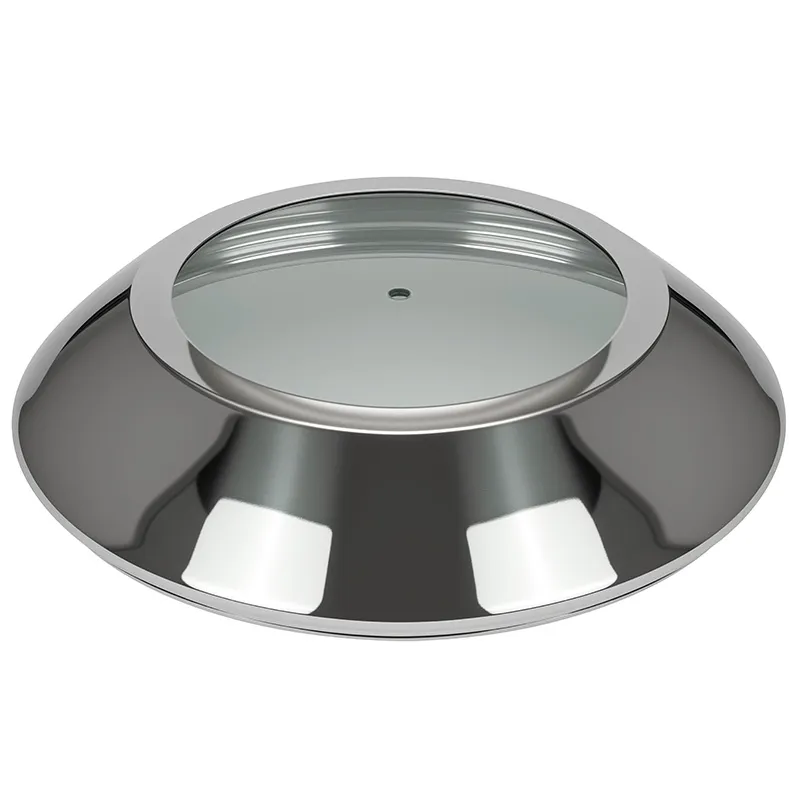
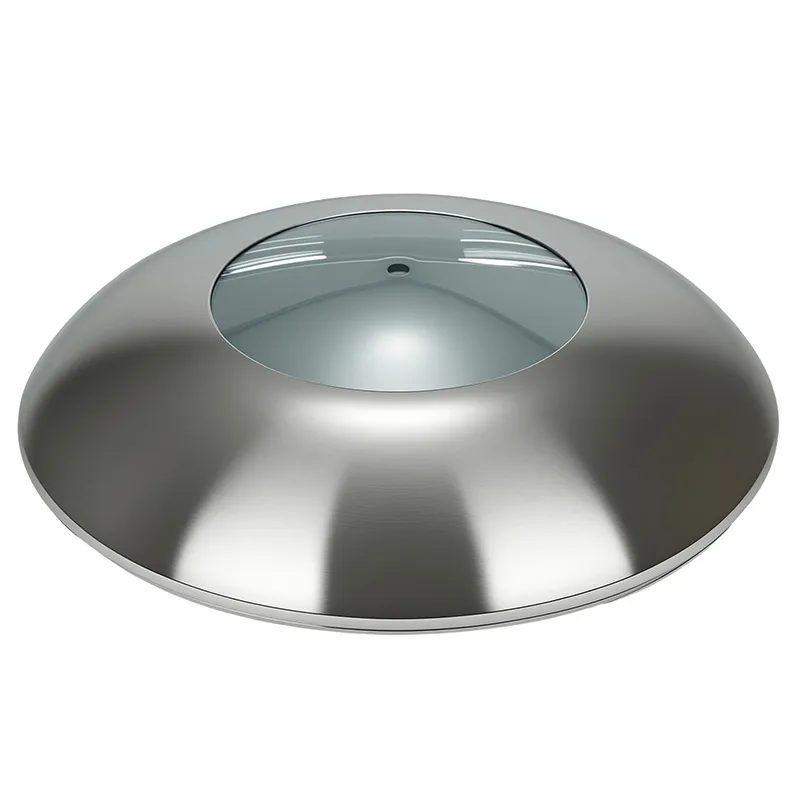
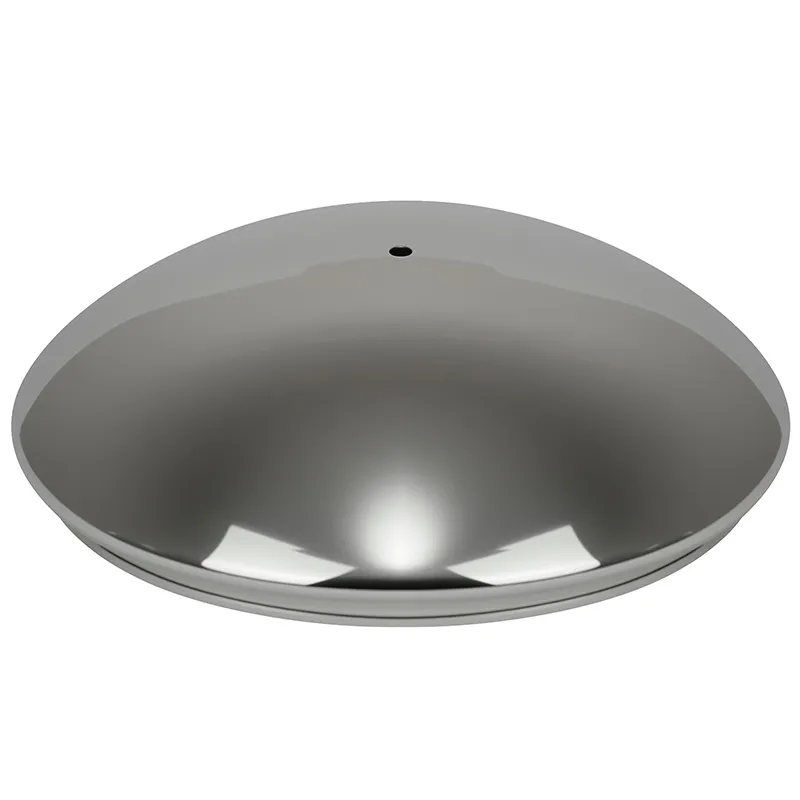
The smokeless claim is the biggest battleground. Technically, it's about reducing airborne smoke particles, not eliminating them. The system usually involves a heating element design that minimizes dripping fat flare-ups and a fan with a filter. But here's the practical observation many miss: the tempered glass lid is the unsung hero of this process. When closed, it creates a mini convection oven effect, circulating hot air and containing spatter. More importantly, it funnels the steam and what little smoke is generated directly down toward the drip tray and often through a water bath or filter at the base.
Without a well-fitted lid, this funneling effect is compromised. I've tested units where the lid was an afterthought—lightweight, poorly balanced. When you closed it, it didn't seal the cooking chamber; it just covered it. The result? Smoke escaped from the front, defeating the purpose. The best-performing models use the lid as an active part of the airflow design. The dome shape and the seal channel matter. Thinking about EUR-ASIA's export focus to markets like Germany and Switzerland, known for strict appliance standards, their products likely have to meet higher benchmarks for material safety and thermal performance, which directly benefits this application.
A failure I witnessed firsthand was a brand that prioritized a ultra-light lid for cost-saving on shipping. The glass was too thin to retain heat effectively. When searing a steak, the lid would get hot, but the radiant heat wasn't sufficient to help cook the top side while the bottom seared. You'd end up with a well-seared bottom and a raw top unless you flipped constantly, which then created more smoke because you were opening the chamber. It taught me that the lid's mass and heat retention are part of the cooking equation, not just a viewing window.
Practical Trade-offs and User Experience
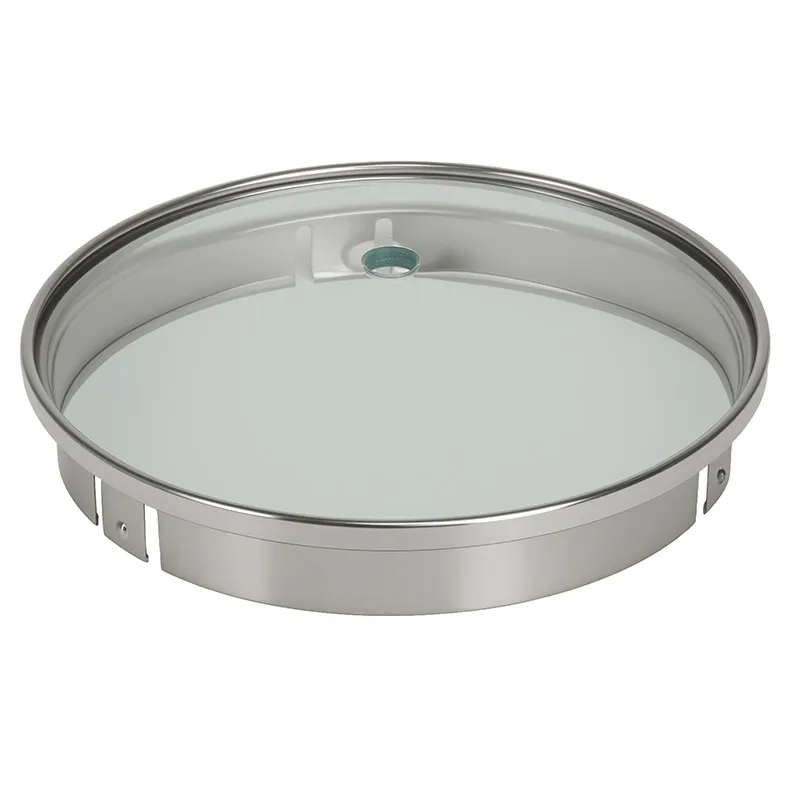
From a user's standpoint, the glass lid offers visibility, which is great for monitoring doneness without lifting the lid and losing heat/moisture. But it comes with trade-offs. The first is cleaning. A cheap lid will have seals that trap grease in seams. A quality one will have a smooth, continuous edge that's easy to wipe down. The second is durability. Tempered glass is strong, but it's not indestructible. A sharp impact on the edge can shatter it. I always advise customers to look for a lid with a robust, often metal-reinforced, frame or handle attachment points, not just glued-on plastic handles.
In the assembly of these grills, the lid hinge mechanism is another critical point. A flimsy hinge will cause the lid to sag over time, affecting the fit. Some designs use stay-cool handles or side latches to ensure a tight close. It's a small part, but when you're dealing with heat and steam, metal fatigue in cheap hinges is a real issue. A manufacturer that produces lids at the scale of EUR-ASIA COOKWARE is typically set up to also provide these ancillary hardware components with better consistency, as their production base covers everything from the raw glass to the finished, packaged product.
Then there's the heat distribution. A good smokeless grill with a proper lid should cook relatively evenly. The lid helps by reflecting heat back down. But if the heating element below is uneven, the lid can't fix that. It's a system. The most common complaint I hear isn't about smoke; it's about hot spots. Sometimes, that's the heating element. But sometimes, an ill-fitting or warped lid creates uneven air circulation, exacerbating the problem. It's a diagnostic headache that stems from component mismatch.
Sourcing and the Supply Chain Reality
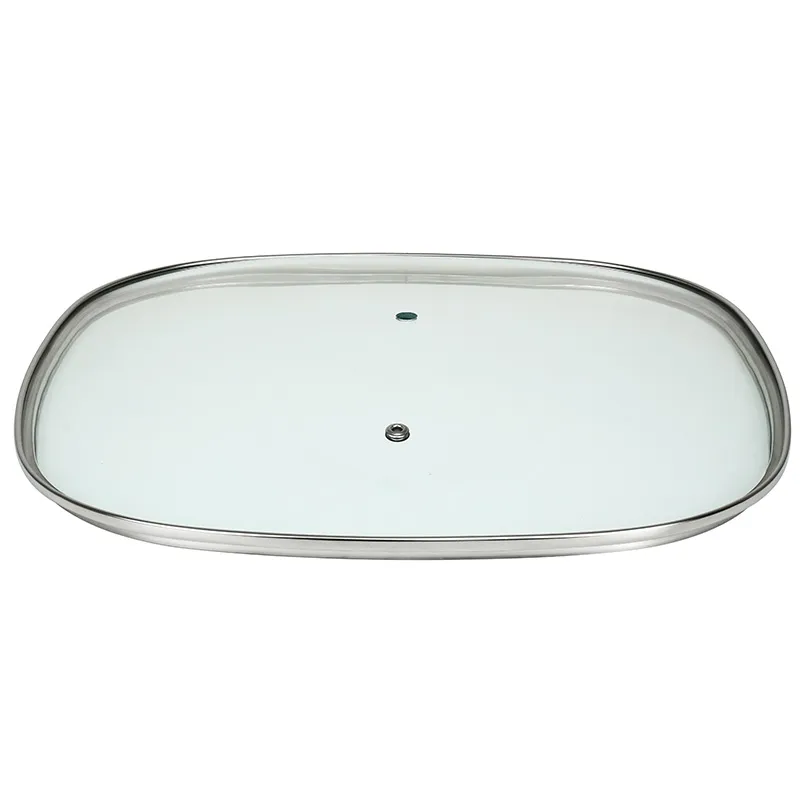
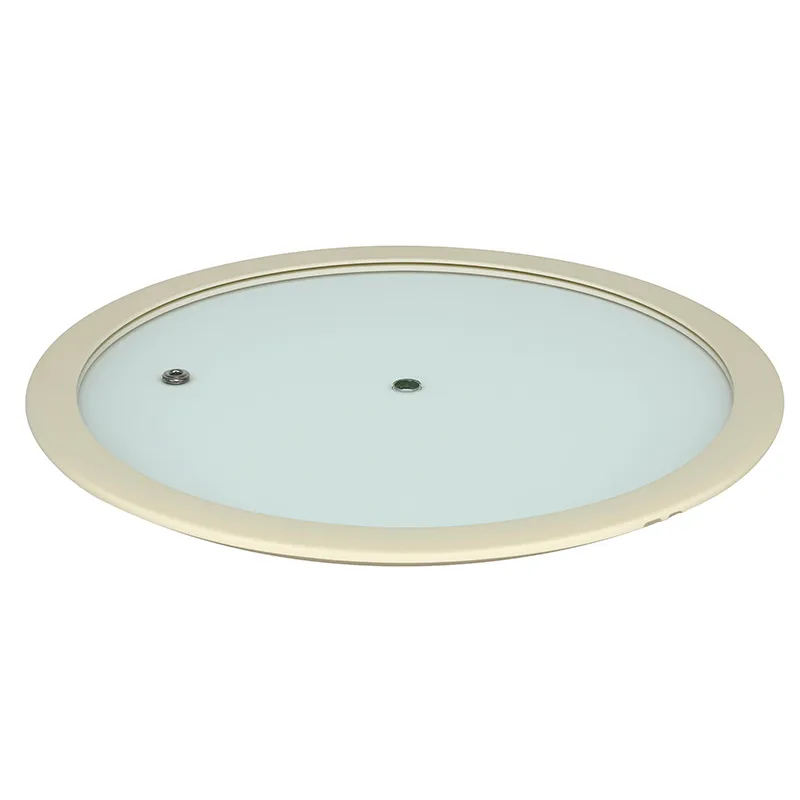
When you're sourcing components for a product like this, you don't just buy a glass lid. You specify thickness (often 3mm or 5mm tempered), diameter, curvature radius, hole patterns for hinges or vents, and the type of edge polish (seamed, flat polished, etc.). A company with a dedicated production base, like the one in Shandong mentioned by EUR-ASIA, has the machinery to handle these custom specs reliably. For a brand like PowerXL, or any brand putting their name on a grill, partnering with a specialized lid maker isn't a luxury; it's a necessity for quality control.
The export data they provide—over 90% to countries with high standards—is a strong indirect indicator of quality. A lid that passes muster in Germany's retail channels has likely been through rigorous testing for things like lead-free seals, thermal shock resistance (going from a cold wash to a hot grill), and overall safety. This isn't just marketing fluff; it's a filter that eliminates many lower-tier suppliers. For the end product, the PowerXL Smokeless Grill with Tempered Glass Lid, this means the component likely has a higher inherent reliability.
However, integration is key. The best lid in the world won't perform if the grill body it sits on is poorly designed. The mating surfaces must be flat, the hinge brackets must be aligned. I've seen perfect lids get rejected at the assembly plant because the grill body's frame was out of spec from a different factory. This is why some of the most successful kitchen appliance companies try to vertically integrate or work with very close-knit supplier networks. The lid isn't a standalone item; it's part of a system.
Final Thoughts: Assessing the Whole Package
So, when you're evaluating a PowerXL Smokeless Grill or any similar product, don't just look at the wattage or the filter type. Pick up the lid. Feel its weight. Check how smoothly it opens and closes, and listen for a solid, muffled 'thud' rather than a tinny 'clack.' Look at the seal around the edge. Is it a single, smooth piece of silicone or a glued-on gasket with gaps? These tactile details tell you more about the product's real-world performance than any spec sheet.
The promise of a smokeless grill with tempered glass lid is achievable, but it's an engineering challenge, not a marketing one. It requires the seamless integration of heating technology, airflow dynamics, and high-precision components like the lid. The lid's role is functional first, aesthetic second. It's a containment field, a heat reflector, and a moisture trap.
In the end, products that get it right often have a supply chain story behind them. They use specialists for critical parts. Seeing a component sourced from a large-scale, export-oriented manufacturer like EUR-ASIA COOKWARE CO.,LTD. is a positive signal. It suggests the brand invested in a core component that affects safety, performance, and user experience. It doesn't guarantee perfection, but it significantly raises the floor for quality, moving the product away from being just another disposable countertop gadget. That, in my experience, is what separates a good grill from one that ends up at the back of the cupboard after two messy uses.
Related Products
Related Products