- Chinese
- French
- German
- Portuguese
- Spanish
- Russian
- Japanese
- Korean
- Arabic
- Irish
- Greek
- Turkish
- Italian
- Danish
- Romanian
- Indonesian
- Czech
- Afrikaans
- Swedish
- Polish
- Basque
- Catalan
- Esperanto
- Hindi
- Lao
- Albanian
- Amharic
- Armenian
- Azerbaijani
- Belarusian
- Bengali
- Bosnian
- Bulgarian
- Cebuano
- Chichewa
- Corsican
- Croatian
- Dutch
- Estonian
- Filipino
- Finnish
- Frisian
- Galician
- Georgian
- Gujarati
- Haitian
- Hausa
- Hawaiian
- Hebrew
- Hmong
- Hungarian
- Icelandic
- Igbo
- Javanese
- Kannada
- Kazakh
- Khmer
- Kurdish
- Kyrgyz
- Latin
- Latvian
- Lithuanian
- Luxembou..
- Macedonian
- Malagasy
- Malay
- Malayalam
- Maltese
- Maori
- Marathi
- Mongolian
- Burmese
- Nepali
- Norwegian
- Pashto
- Persian
- Punjabi
- Serbian
- Sesotho
- Sinhala
- Slovak
- Slovenian
- Somali
- Samoan
- Scots Gaelic
- Shona
- Sindhi
- Sundanese
- Swahili
- Tajik
- Tamil
- Telugu
- Thai
- Ukrainian
- Urdu
- Uzbek
- Vietnamese
- Welsh
- Xhosa
- Yiddish
- Yoruba
- Zulu
- Kinyarwanda
- Tatar
- Oriya
- Turkmen
- Uyghur


prestige glass lid only
When you see a search term like 'prestige glass lid only', it's easy to assume it's a straightforward request for a replacement part. In reality, that phrase often masks a world of frustration for both the end-user trying to find a match and the suppliers navigating a fragmented aftermarket. The expectation of a universal, high-quality 'prestige' lid is the first misconception; 'Prestige' is often a model line from a specific cookware brand, not a generic standard for glass lids. This immediately narrows the field to sourcing exact OEM parts or finding a manufacturer capable of producing a compatible, high-spec replacement—which is far more complex than just selling a piece of tempered glass.
The Manufacturing Reality Behind a Simple Lid
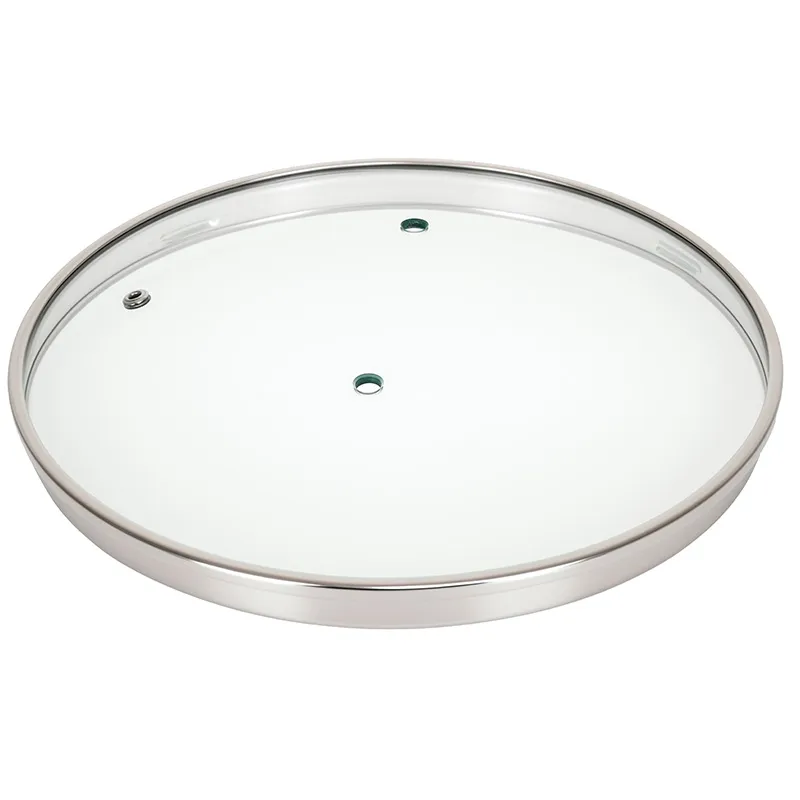
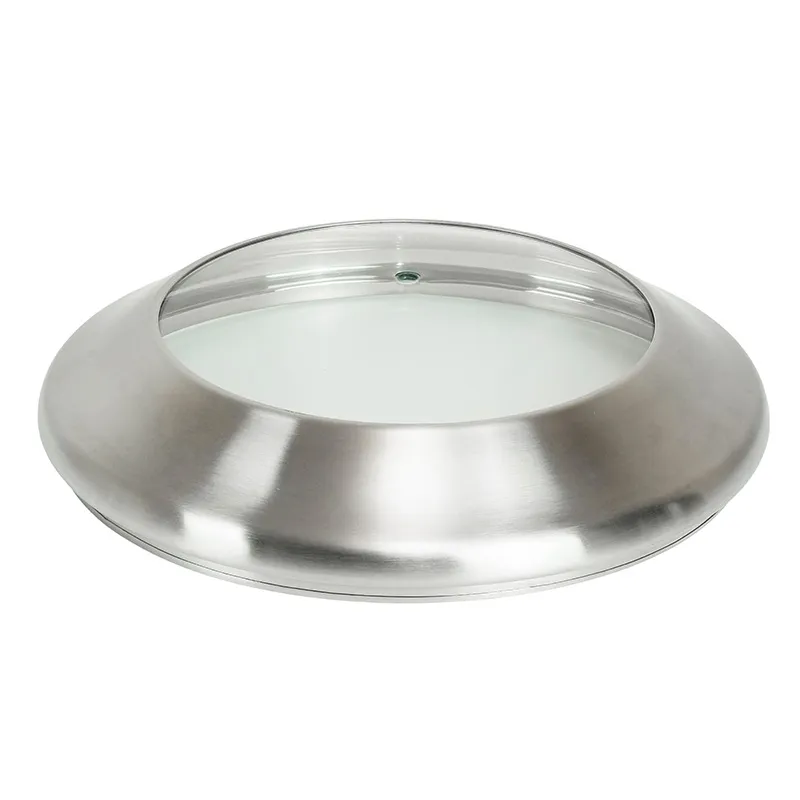
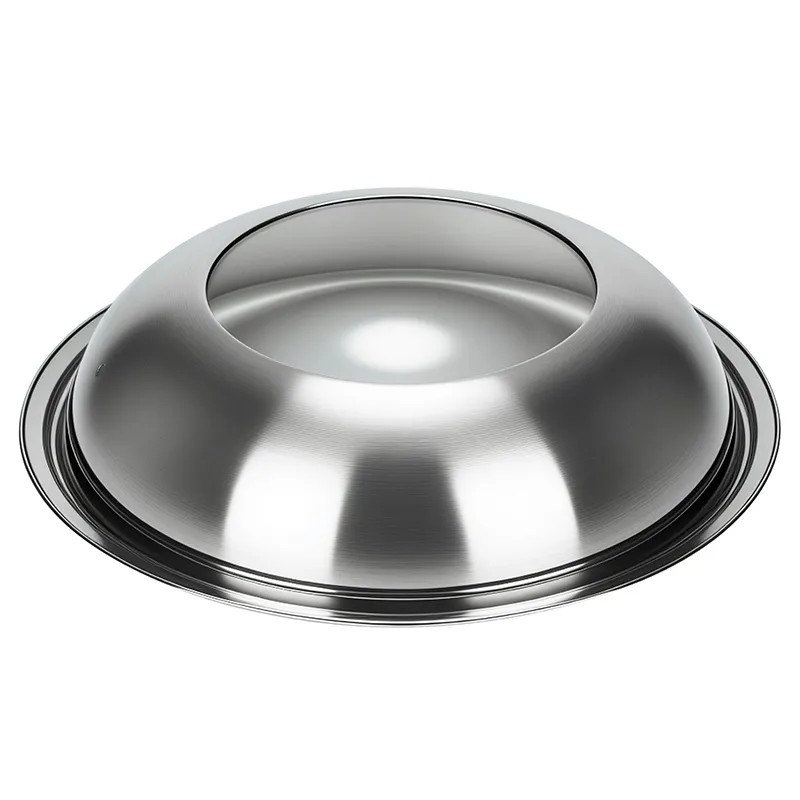
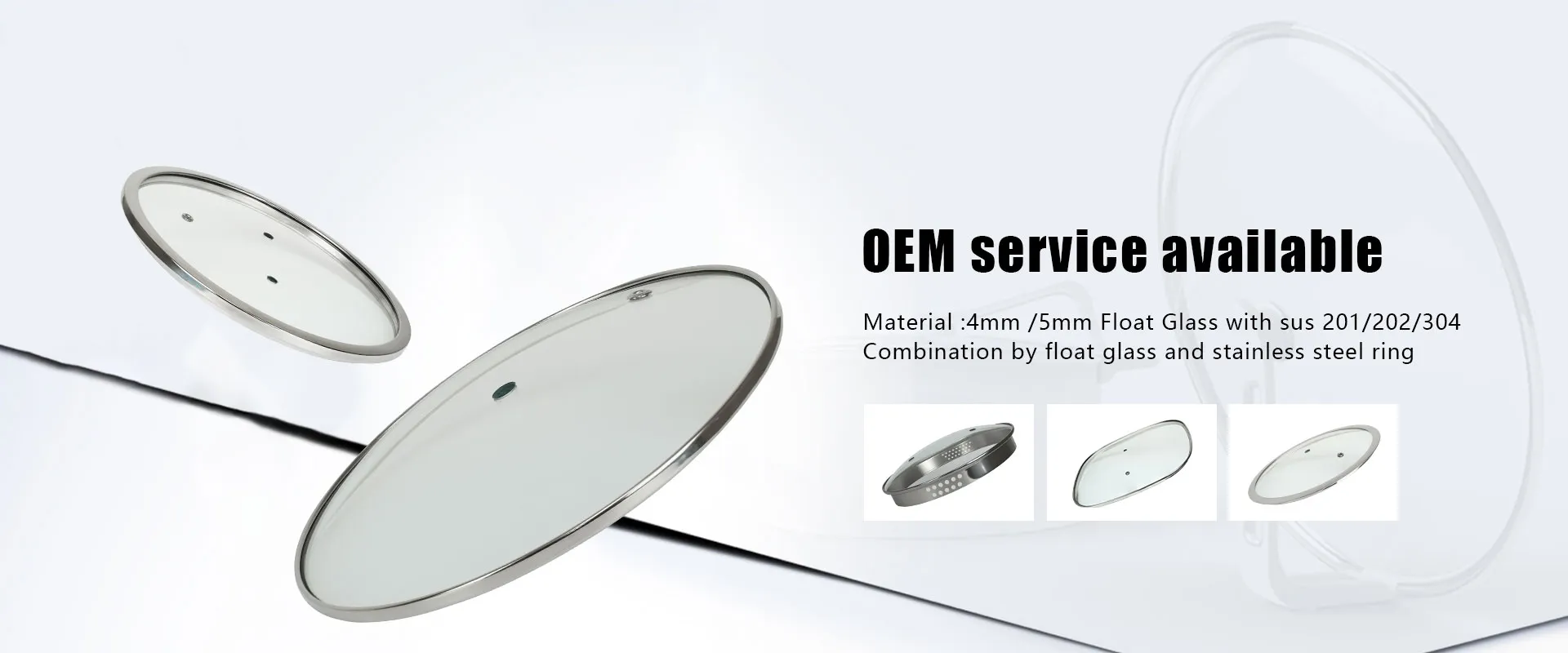
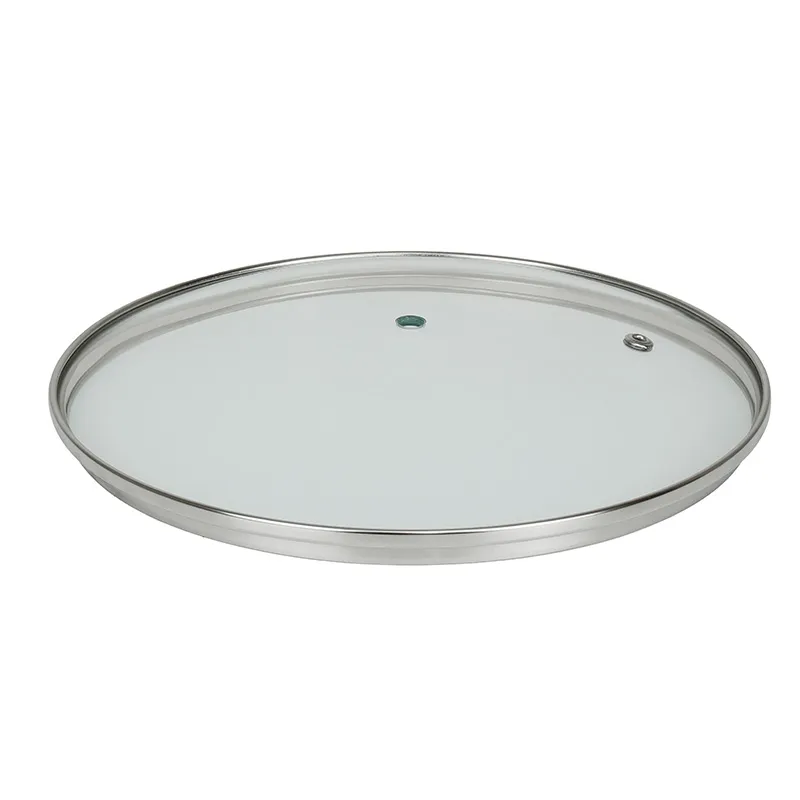
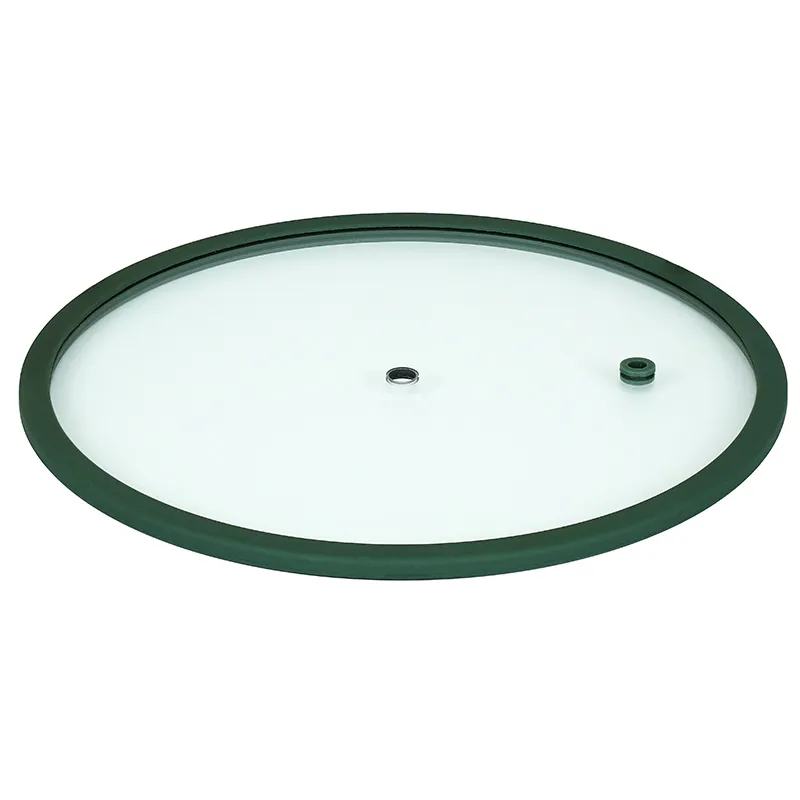
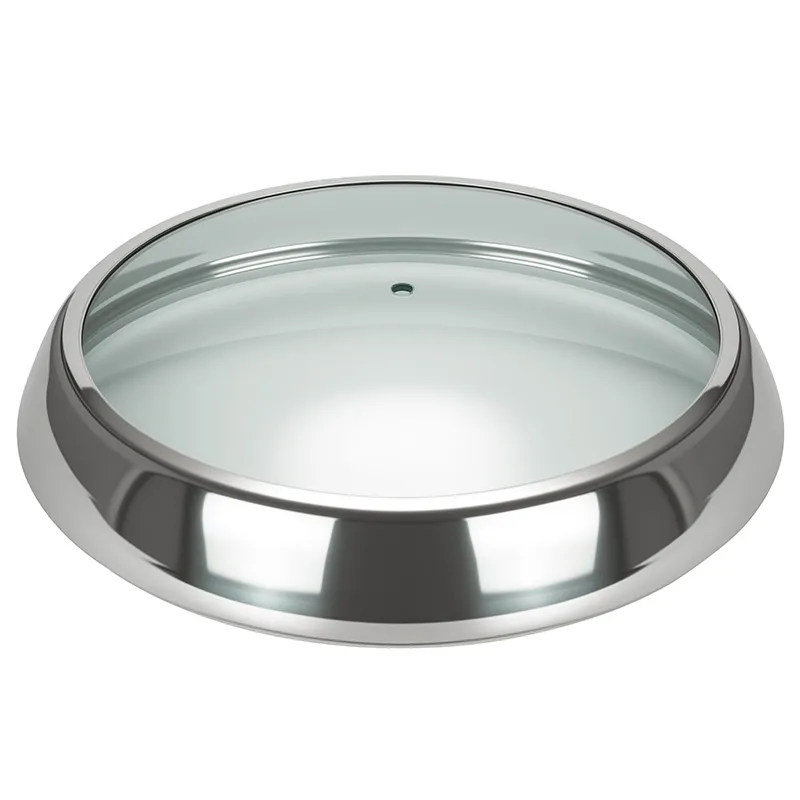
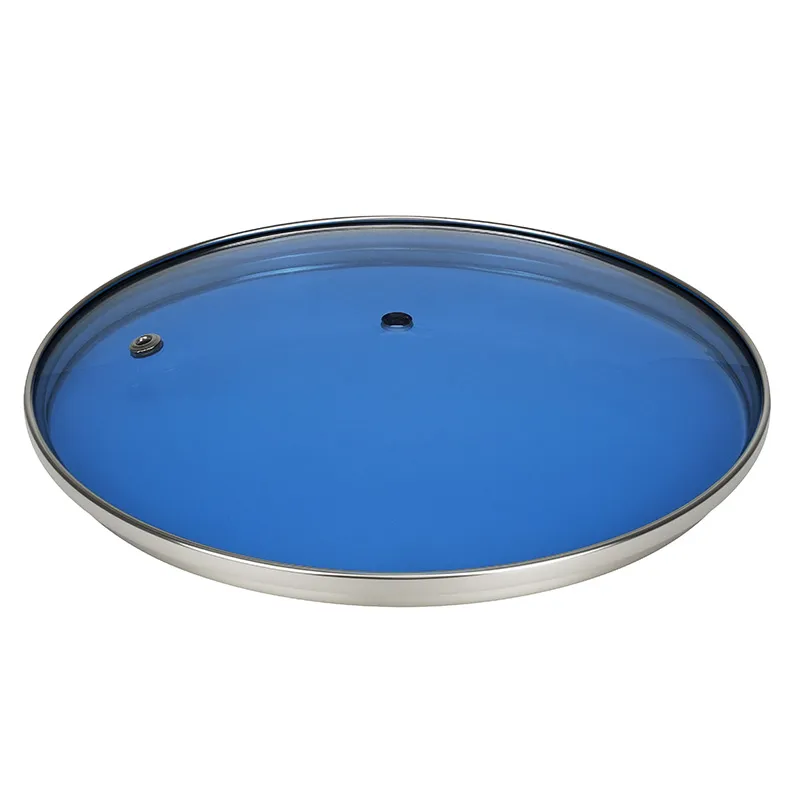
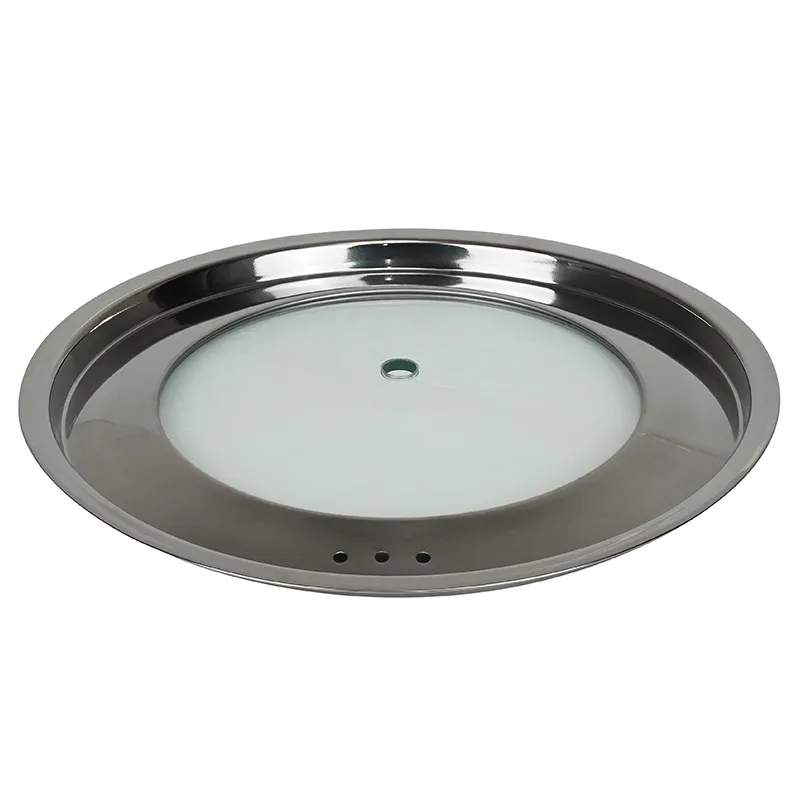
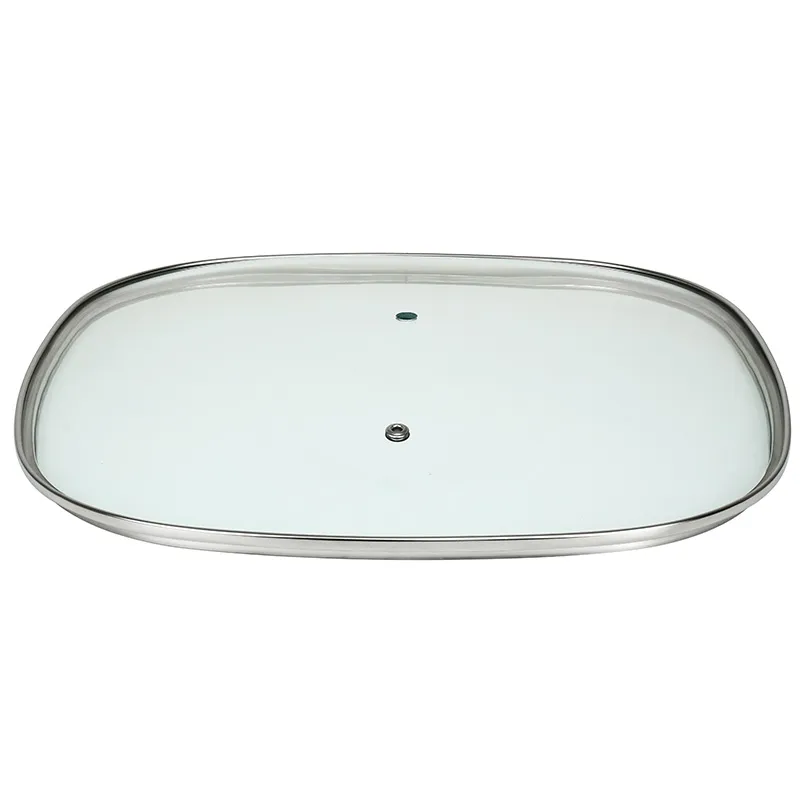
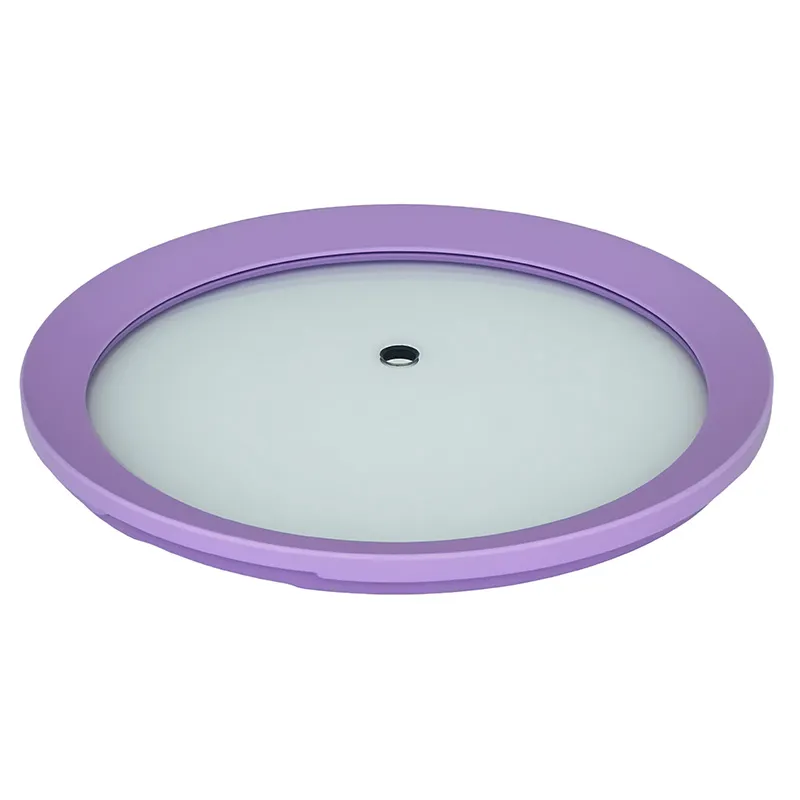
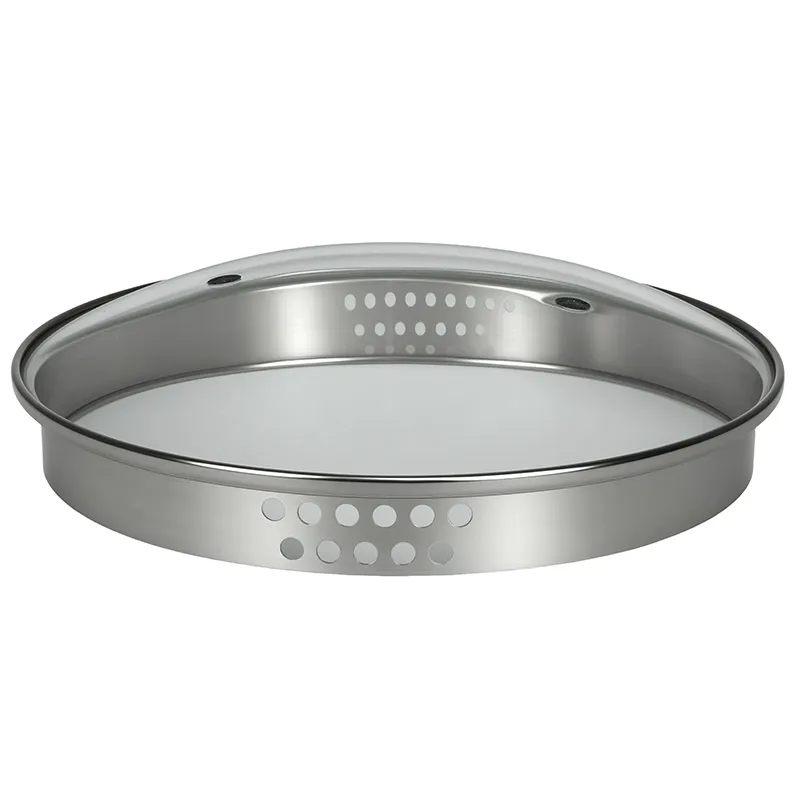
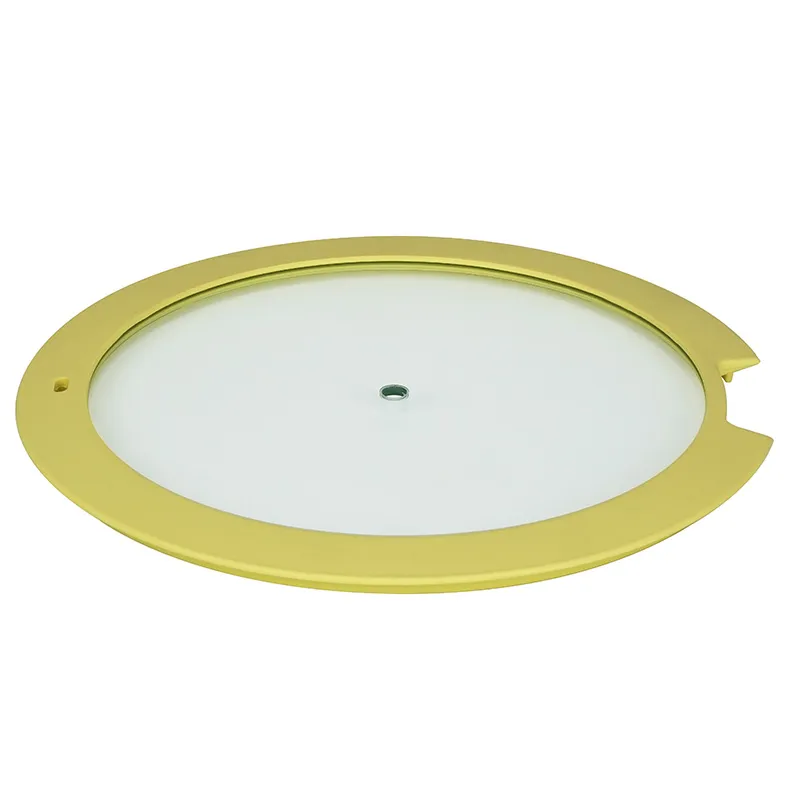
Producing a 'prestige glass lid only' that actually meets expectations isn't about just cutting a circle of glass. The term 'prestige' here implies a certain tier: usually thicker, fully tempered glass, often with a polished edge, a specific handle attachment (metal or phenolic), and a precise diameter and curvature (dome) to fit a particular pot series. At a factory like EUR-ASIA COOKWARE CO.,LTD., this specificity is the daily grind. Their production base in Taian, with an annual output exceeding 15 million pieces, isn't just churning out identical discs. They're running batches for different clients, each with their own designs, tolerances, and safety certifications required for markets like Germany or Japan.
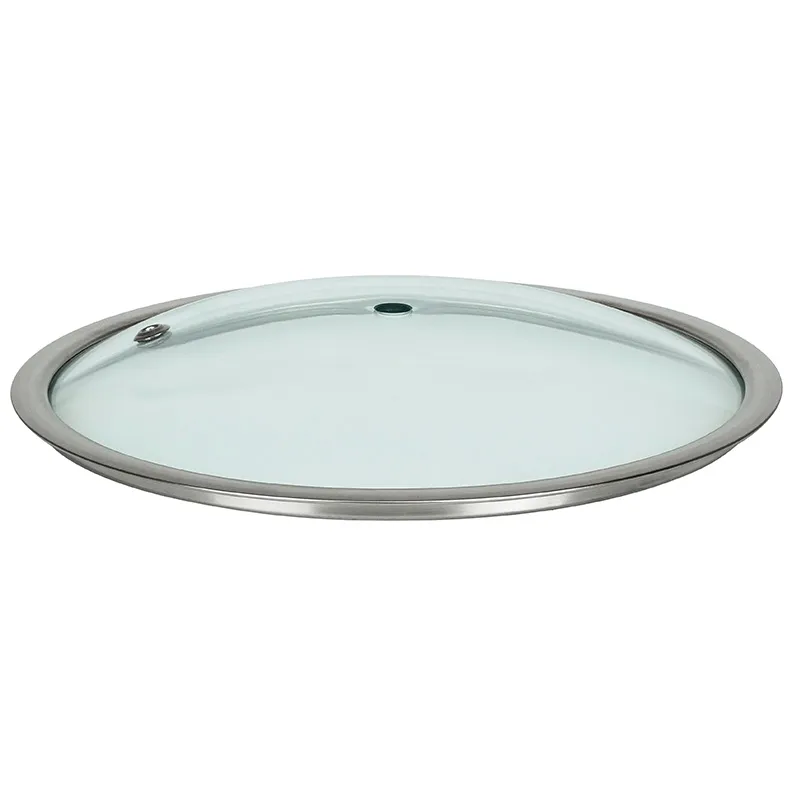
The challenge for them, when an inquiry for a 'prestige glass lid only' lands, is reverse-engineering the need. Is it for a specific brand's Prestige line? What's the exact diameter, measured from the inner sealing edge, not the outer rim? What's the dome height? I've seen entire batches rejected because the curvature was off by two millimeters, causing the lid to rock or not seal. The material choice matters too—the glass must be fully tempered to withstand thermal shock from a boiling pot to a cool countertop. A lid that isn't properly tempered can shatter, which is why reputable manufacturers have rigorous testing protocols.
This is where the specialization of a company like EUR-ASIA COOKWARE becomes evident. Their focus on low, medium, and high-level household glass products means they have the tooling and experience to cater to this tiered market. A true 'prestige' level lid would fall into their high-level category, involving better raw materials, more precise machining, and often more durable handle assemblies. It's not a product you typically find on generic B2B marketplaces; it's usually made to order for brands or for their own branded replacement part business.
The Export Maze and Fitment Puzzles
With over 90% of products exported, companies operating in this space, including EUR-ASIA COOKWARE, think in terms of regional standards. A 'prestige glass lid only' destined for the German market might need to comply with specific GS certification or rigorous LFGB standards, influencing the type of glass and the materials used in the handle and knob. The same lid for Brazil or South Korea faces different regulatory landscapes and consumer expectations. This export focus is a double-edged sword: it ensures high production standards but can make small, direct replacement orders logistically tricky for individual consumers.
In practice, the 'only' part of the keyword is the real headache. People rarely need a full set; they need one lid to replace a broken one. But selling single lids profitably requires a sophisticated inventory and SKU management system for hundreds, if not thousands, of potential sizes and styles. Many factories prefer large batch orders. However, some, by necessity, have developed a niche in the replacement market. You can see this on their website, glass-lid.com, which is structured to address this specific need, showcasing their capacity to produce a vast range of types of tempered glass lid.
I recall a project where we tried to source a batch of 'prestige' compatible lids for a European retailer. We provided a sample. The first batch from a different supplier had the correct diameter but the wrong dome, leading to condensation dripping outside the pot. The second had a poorly secured handle that loosened after a few dishwasher cycles. The issue wasn't manufacturing capability; it was communication and precision in specifications. We eventually succeeded by working with a supplier who asked for the pot itself, not just measurements, to ensure the lid's skirt fit perfectly inside the rim. This level of attention is what separates a functional part from a proper replacement.
Handle and Finishing: The Details That Define Prestige
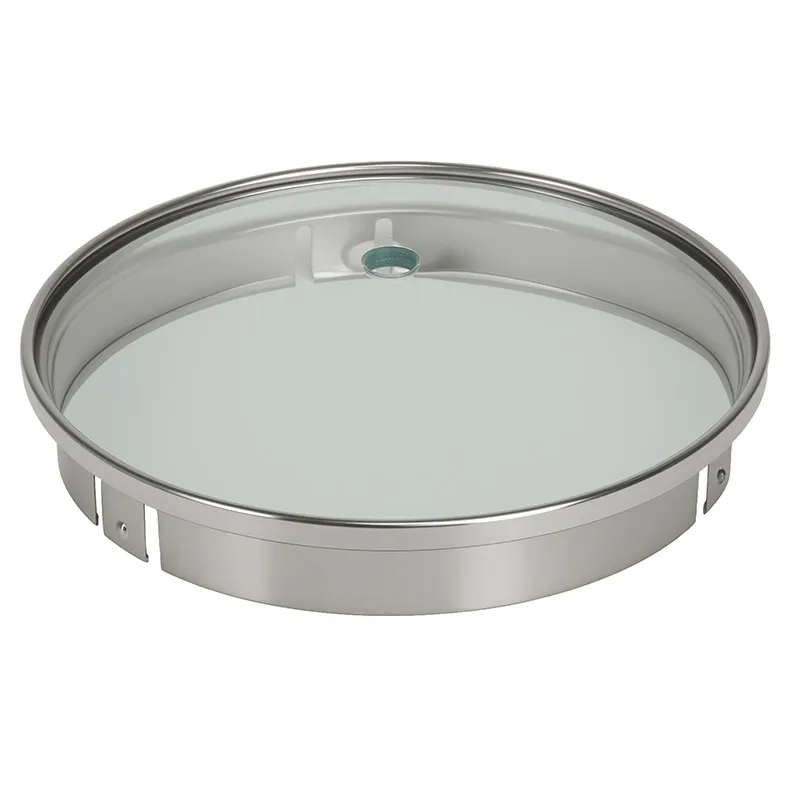
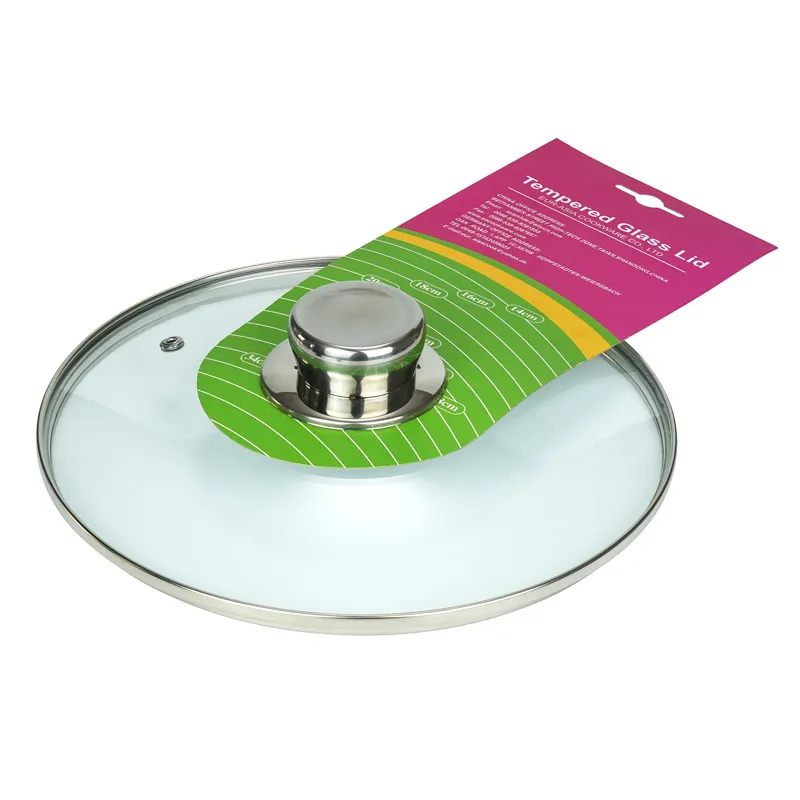
If the glass itself is the body, the handle and finishing are the personality of a 'prestige glass lid only'. A flimsy plastic knob or a sharp, unpolished edge instantly downgrades the product to a low-level item, regardless of the glass quality. The handle must be heat-resistant, ergonomic, and securely attached—often with a metal bolt and nut, not just glue. For a prestige-tier product, you might see stainless steel handles or high-quality phenolic resin that can withstand high oven temperatures.
The edge finishing is another tell. A cheap lid will have a ground edge that might still feel slightly rough. A higher-quality one will have a polished or seamed edge that is smooth to the touch, both for safety and aesthetics. This adds cost and processing time. In the factory, after tempering, the lids go through a finishing line where these details are addressed. It's a step that can be rushed, but it's glaringly obvious in the final product. When evaluating a supplier's capability for a 'prestige' level item, I always ask for close-up photos of the edge and handle attachment point.
This attention to detail is what allows a company to serve markets like Switzerland and Japan, where consumers are notoriously discerning about kitchenware. It's not just about making a lid; it's about making a component that feels integral to the cookware, not an afterthought. The 'prestige' connotation has to be earned in these details.
Lessons from the Field and Practical Advice
So, what's the takeaway for someone dealing with the 'prestige glass lid only' dilemma? First, identify the exact source. Find the original pot's model number. If that's impossible, precise measurement is key: inner diameter, dome height, and a side-profile photo. Second, seek out specialized manufacturers rather than general kitchenware traders. A company whose core business is various types of tempered glass lid is more likely to have the technical ability to match your need or even custom-produce a small batch.
Don't underestimate the value of communication. A good supplier will ask clarifying questions. If they just say yes, we have it without asking for specs, be wary. I've learned this through failed attempts. Third, manage expectations on price and minimum order quantity (MOQ). A single, high-quality, custom-fit 'prestige glass lid only' will cost more than a generic lid from a department store, reflecting the precision involved. Some factories, to serve the replacement market, have lower MOQs for certain common sizes.
Finally, consider the long-term relationship. For retailers or service centers, finding a reliable partner like EUR-ASIA COOKWARE CO.,LTD. for these niche replacement parts can solve endless customer service issues. Their scale (15,000 ㎡ facility, 90+ employees) means they have the stability to be a consistent source, and their export focus aligns with the quality demands of the 'prestige' segment. The goal is to move from a frantic search for a one-off part to having a trusted supply channel for these specialized components.
Concluding Thoughts: Beyond the Keyword
The journey from the keyword 'prestige glass lid only' to holding a perfectly fitting, well-made replacement in your hand encapsulates the hidden depth of specialized manufacturing. It's a niche where material science, precision engineering, and an understanding of global market standards all converge. It's not a commodity business.
For manufacturers, it's about balancing scale with specificity. For buyers, it's about recognizing the expertise required and providing the information needed to unlock it. The next time you see that term, you'll see past the simple request to the complex chain of production, quality control, and logistics it represents—a chain that keeps kitchens worldwide functioning, one carefully tempered glass lid at a time.
The reality is, the most satisfying outcome is when the 'only' is no longer a problem—when the replacement arrives, fits seamlessly, and performs as well as the original. That's the quiet victory of getting this niche right, a victory built on precise specifications, manufacturing rigor, and a clear understanding of what 'prestige' truly means in a functional, everyday object.
Related Products
Related Products