- Chinese
- French
- German
- Portuguese
- Spanish
- Russian
- Japanese
- Korean
- Arabic
- Irish
- Greek
- Turkish
- Italian
- Danish
- Romanian
- Indonesian
- Czech
- Afrikaans
- Swedish
- Polish
- Basque
- Catalan
- Esperanto
- Hindi
- Lao
- Albanian
- Amharic
- Armenian
- Azerbaijani
- Belarusian
- Bengali
- Bosnian
- Bulgarian
- Cebuano
- Chichewa
- Corsican
- Croatian
- Dutch
- Estonian
- Filipino
- Finnish
- Frisian
- Galician
- Georgian
- Gujarati
- Haitian
- Hausa
- Hawaiian
- Hebrew
- Hmong
- Hungarian
- Icelandic
- Igbo
- Javanese
- Kannada
- Kazakh
- Khmer
- Kurdish
- Kyrgyz
- Latin
- Latvian
- Lithuanian
- Luxembou..
- Macedonian
- Malagasy
- Malay
- Malayalam
- Maltese
- Maori
- Marathi
- Mongolian
- Burmese
- Nepali
- Norwegian
- Pashto
- Persian
- Punjabi
- Serbian
- Sesotho
- Sinhala
- Slovak
- Slovenian
- Somali
- Samoan
- Scots Gaelic
- Shona
- Sindhi
- Sundanese
- Swahili
- Tajik
- Tamil
- Telugu
- Thai
- Ukrainian
- Urdu
- Uzbek
- Vietnamese
- Welsh
- Xhosa
- Yiddish
- Yoruba
- Zulu
- Kinyarwanda
- Tatar
- Oriya
- Turkmen
- Uyghur


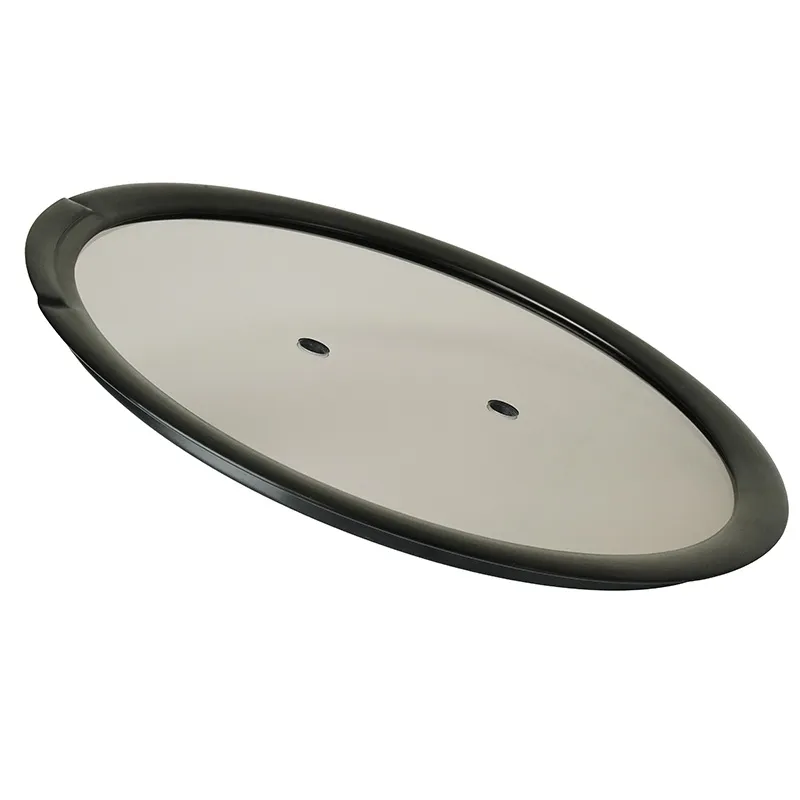
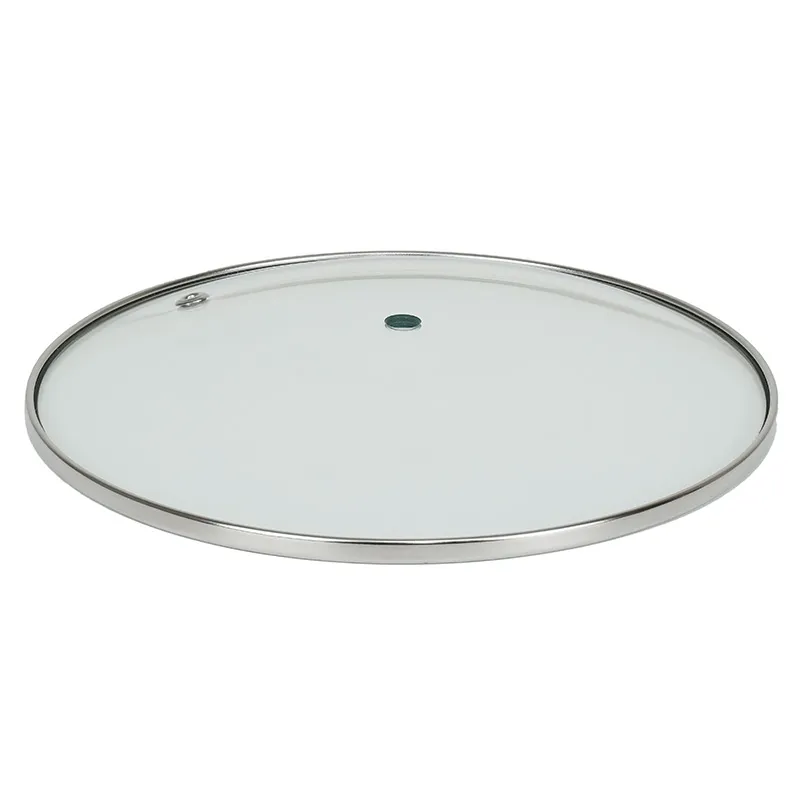
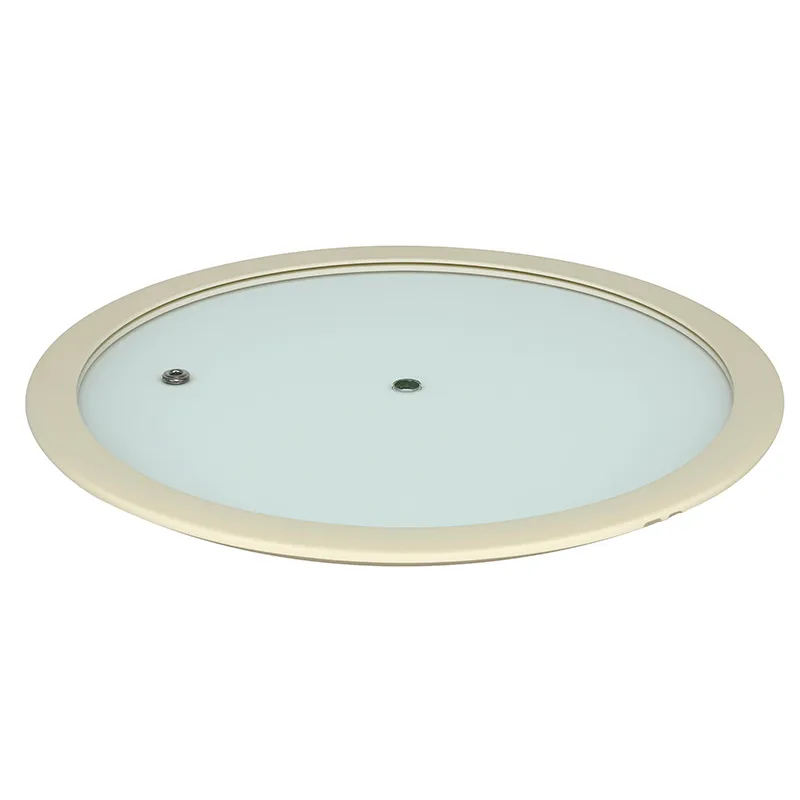
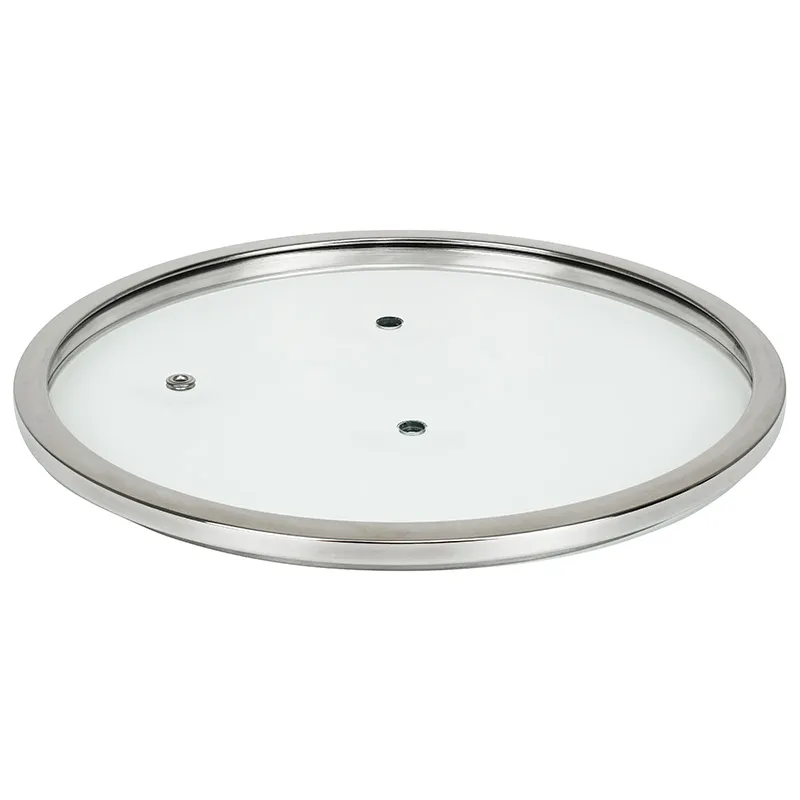
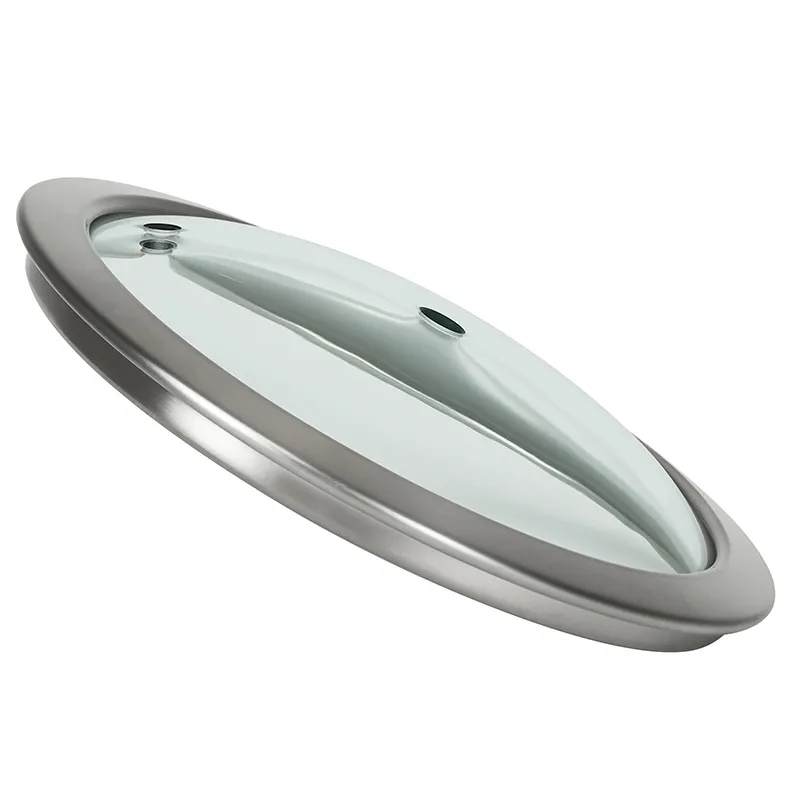
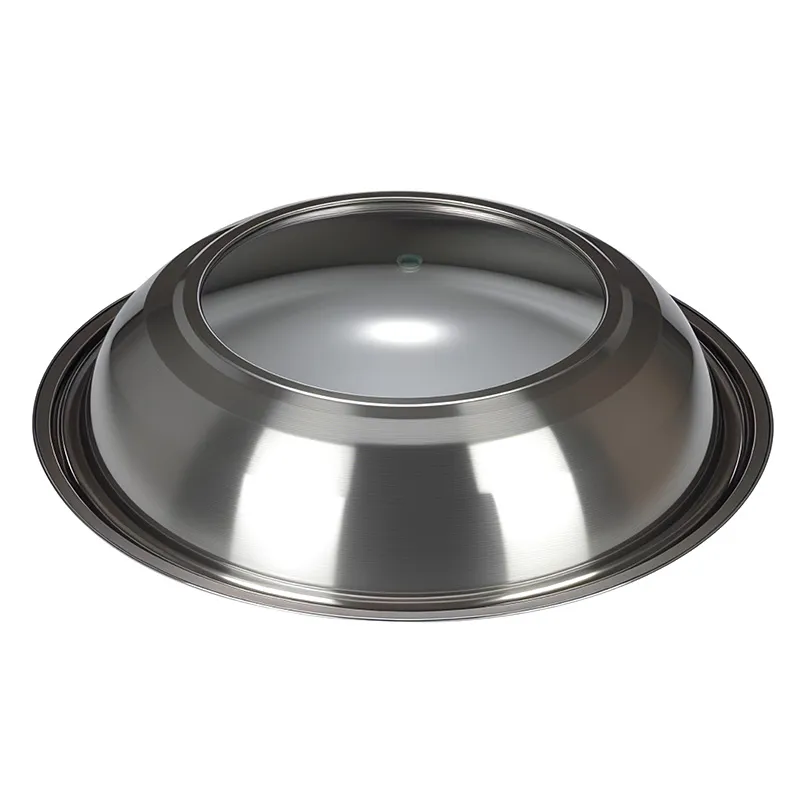
pvd glass cover
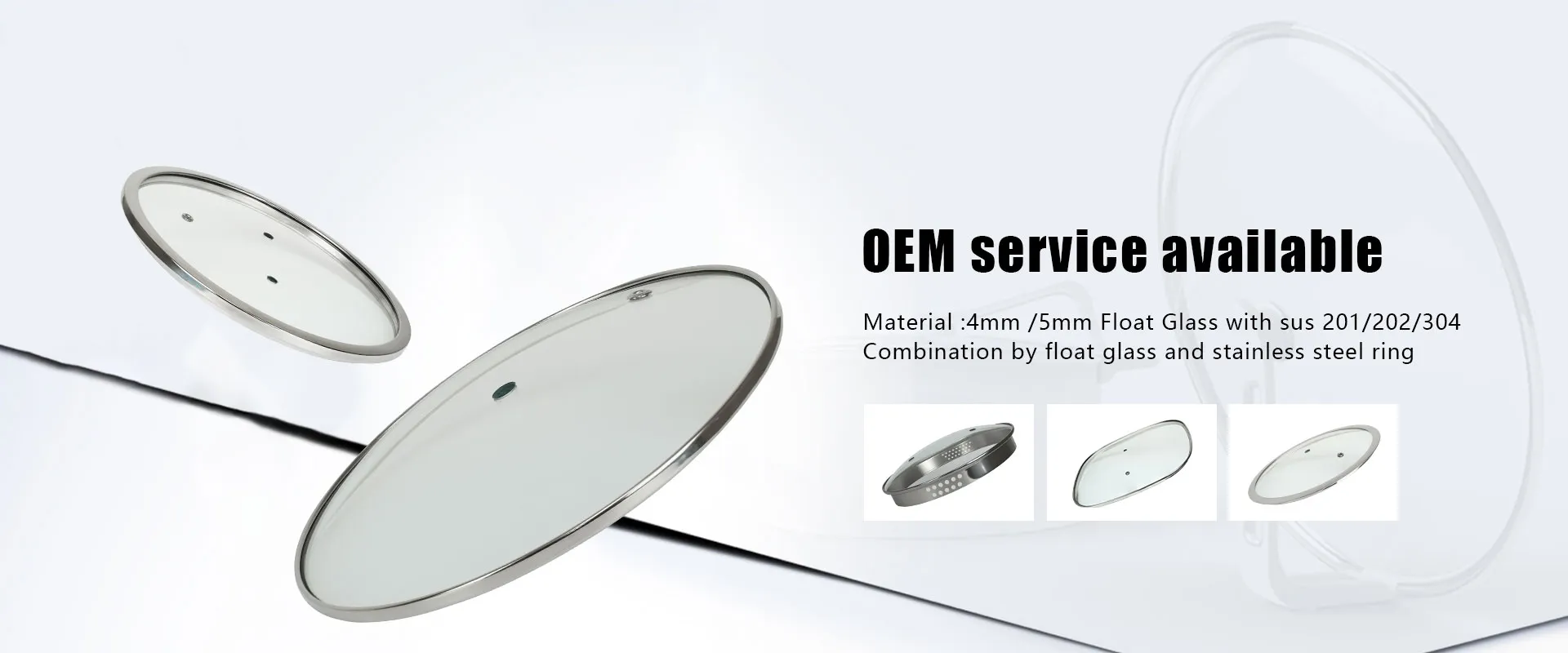
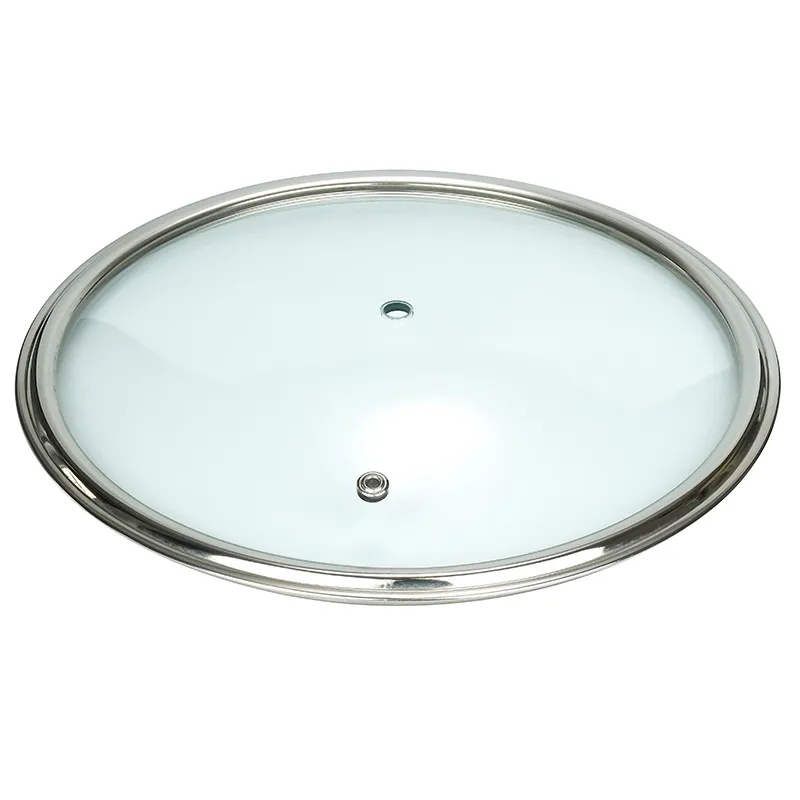
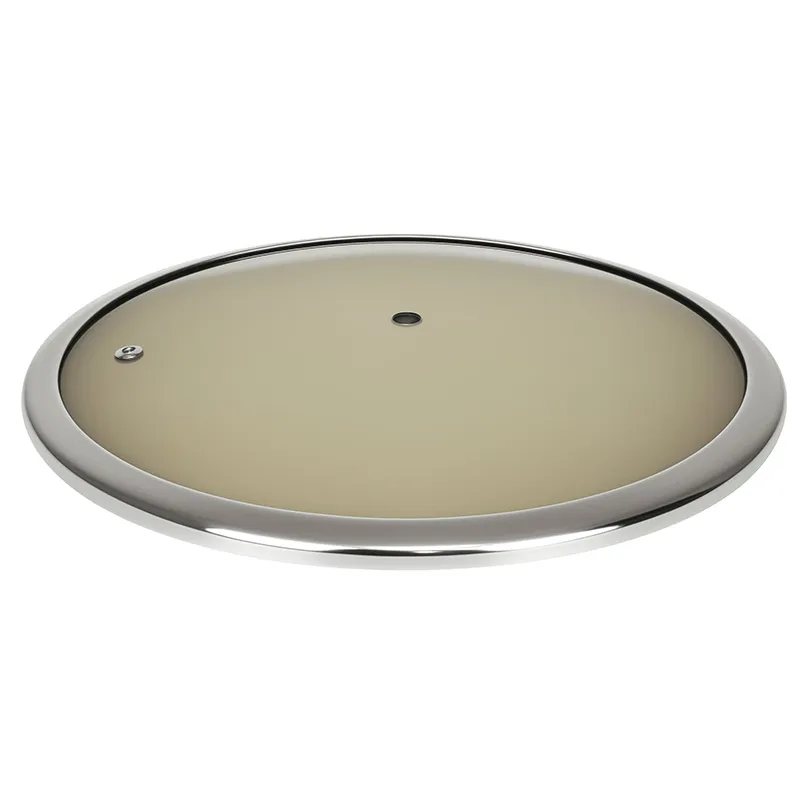
When you hear 'PVD glass cover', the immediate image is often just that – a shiny, metallic-looking lid for a pot. That's the first misconception. In our line, at EUR-ASIA COOKWARE CO.,LTD, we see it as a functional barrier, a performance layer that's as much about durability and hygiene as it is about aesthetics. The market, especially in Europe, doesn't just buy a color; they buy a specification that withstands daily abrasion, dishwasher cycles, and avoids the dreaded fingerprint magnet effect of some cheaper coatings. The term 'PVD' gets thrown around loosely, but the difference between a robust physical vapor deposition process and a simple paint or spray is what separates a product that lasts in a German kitchen from one that fails in six months.
The Core of the Coating: It's Not Just Decoration
Let's break down the 'PVD' part. Physical Vapor Deposition. In practice for a glass lid, this means we're vaporizing a target material—often titanium, chromium, or their nitrides—in a high-vacuum chamber and letting it condense onto the tempered glass surface. The key here is the bond. A proper PVD glass cover has a coating that's essentially grown onto the glass, not just sitting on top. I've seen samples from competitors where the so-called PVD layer chips off with a fingernail; that's a telltale sign of poor chamber conditions or incorrect substrate preparation. Our own process at the Taian facility involves a rigorous pre-cleaning stage. Any residue, and the adhesion fails. It's a finicky step most don't talk about.
Why does this bond matter for a lid? Thermal shock. A user takes a lid from a boiling pot and rinses it under cold water. The glass expands and contracts. A weakly bonded coating will micro-crack over time, losing its luster and, more importantly, potentially allowing corrosion to start at the edges. We learned this the hard way with an early batch for the Polish market. The lids passed initial salt spray tests but showed hazing after about 50 simulated dishwasher cycles. The root cause was traced back to an imbalance in the deposition temperature and the cooling rate post-process. It wasn't a failure of the glass or the coating material, but of the thermal management during application.
The color spectrum is another point. Rose gold, gunmetal, black chrome – they're not just different metals. They're precise recipes of gases (like nitrogen or acetylene) introduced into the chamber during deposition. Getting a consistent rose gold batch after batch is a technical challenge. A slight variation in the nitrogen flow rate, and the hue shifts towards copper or bronze. Our clients, particularly in Italy and France, are extremely sensitive to this. A lid from one shipment must match the next perfectly. This consistency is where high-volume production, like our annual output of over 15 million pieces, actually becomes an advantage. It forces the refinement of process controls to a degree smaller shops can't easily achieve.
The Substrate: Why Tempered Glass is Non-Negotiable
The coating is only as good as what's underneath. A PVD glass cover must start with properly tempered, often called toughened, glass. The common thought is that tempering is just for safety—so it shatters into small granules. True, but for a lid, it's equally about flatness and stress distribution. An improperly tempered sheet will have inherent stress points that can cause the entire piece to warp slightly under the high temperatures of the PVD chamber. We once had a supplier deliver glass that passed basic impact tests but had uneven quenching. When coated, the lids developed a subtle but visible waviness. They were structurally safe but optically unacceptable. Total loss.
Thickness is a silent spec. For larger lids, say over 26cm in diameter, a 4mm thickness is a minimum for us. Thinner glass might temper, but it can have more flex. During the PVD process, which involves mounting the lid on a fixture, that flex can lead to inconsistent coating thickness—thicker on the edges where it's clamped, thinner in the center. The result? A color gradient. It looks unprofessional. This is a detail you only spot when you're running production and doing inline quality checks, not from a spec sheet.
Then there's the edge work. After cutting and tempering, the edges are seamed and polished. Any microscopic chip or sharpness left becomes a focal point for coating failure. It's a prime site for peeling to initiate. Our quality team doesn't just look at the surface; they run a cotton swab along the edge. If it snags, the piece is rejected pre-coating. It sounds simple, but it catches a surprising number of potential failures. This level of finish is what justifies the 'medium-high level' in our company's positioning. The export markets to Germany and Switzerland have zero tolerance for rough edges, coated or not.
Real-World Fail Points: The Dishwasher and the Spatula
Lab tests are one thing; a kitchen is another. The two biggest enemies of a PVD coated glass lid are the dishwasher's alkaline detergent and accidental metal utensil contact. The alkaline environment attacks the coating's surface over hundreds of cycles. Our standard test is 500 cycles at 65°C. A good PVD coating will show only a minor loss of gloss, measurable with a glossmeter, but no color change or corrosion. A cheaper imitation coating will fade or show cloudy spots.
More interesting is the metal contact scenario. A user might scrape a metal spoon or spatula against the lid's underside while stirring. A soft coating will scratch, revealing the clear glass beneath. A high-hardness PVD coating, like titanium nitride-based ones, will resist. We demonstrate this to buyers sometimes by trying to scratch a sample with a stainless steel key. It leaves a metallic mark that wipes off, but no permanent gouge. This tangible demo often seals the deal more than any data sheet. It speaks directly to the practical worry of a consumer.
Heat resistance is generally a given—PVD coatings can handle well beyond normal cooking temps. The real issue is localized overheating. Placing a hot lid on a wet, cold granite countertop can create a severe thermal gradient. The glass handles it, but the coating interface is stressed. We've had isolated complaints of a faint circular crack pattern in the coating (not the glass) from this exact scenario. It's not a manufacturing defect per se, but it informs our user guideline suggestions to clients: always place the lid on a dry, heat-resistant surface or the pot handle.
The Manufacturing Context: Scale and Precision
Operating from a 20,000㎡ base in Shandong's High-tech Development Zone allows for a vertically integrated flow that's crucial for quality control. We don't just apply PVD; we handle the glass cutting, tempering, edge work, and final inspection in-house. This control is vital. When you're exporting over 90% of your output to markets with stringent standards, you can't blame an external processor for a coating flaw. The entire chain is your responsibility.
The scale—15 million pieces annually—isn't just a number. It means the PVD coating lines are running constantly. This stability is paradoxically beneficial for consistency. The chambers maintain thermal equilibrium, and the process parameters become second nature to the operators. Small-batch, stop-start production often leads to more variability. For a company like EUR-ASIA COOKWARE, serving volume buyers from Brazil to South Korea, this consistency in delivering the same PVD glass cover quality, container after container, is the core of the business. It's a logistics and engineering challenge as much as a sales one.
Automation is high, but human judgment is still embedded. For instance, before loading the PVD fixtures, every glass piece passes under an inspector's light. They're looking for minute inclusions or bubbles in the glass that would be magnified and look like defects once coated. A machine vision system can be programmed for this, but the human eye, trained over years, still catches subtler anomalies. This blend of scale and skilled oversight is what defines a reliable production base.
Looking Forward: The Evolving Demand
The trend isn't just towards more colors. It's towards multifunctionality. Can the PVD coating on a glass lid be engineered to be more than inert? There's R&D into layers that might exhibit slight hydrophobic properties, making them easier to clean. Or coatings with even lower emissivity to keep heat in the pot more efficiently. These are niche, but they point to the future where the coating is an active component of cooking performance.
Another pressure is environmental. The PVD process itself is relatively clean—no liquid effluents like old electroplating. But the energy consumption of the vacuum chambers is significant. There's a push, especially from Scandinavian clients, to understand and reduce the carbon footprint of the process. This isn't greenwashing; it's a genuine operational shift we're evaluating, looking at more efficient power supplies and heat recovery from the cooling systems. It's no longer just about the product's performance in the kitchen, but about its journey to get there.
Ultimately, a PVD glass cover is a mature product, but the devil is in the industrial details. The difference between a commodity and a reliable kitchen tool lies in the understanding of the vacuum chamber's atmosphere, the tempering oven's quench, and the reality of a dishwasher. It's these unglamorous, granular details that determine whether a lid ends up as a staple in a home in Spain or as a reject in a returns warehouse. For us at EUR-ASIA COOKWARE, the focus remains on mastering those details, one batch at a time.
Related Products
Related Products