- Chinese
- French
- German
- Portuguese
- Spanish
- Russian
- Japanese
- Korean
- Arabic
- Irish
- Greek
- Turkish
- Italian
- Danish
- Romanian
- Indonesian
- Czech
- Afrikaans
- Swedish
- Polish
- Basque
- Catalan
- Esperanto
- Hindi
- Lao
- Albanian
- Amharic
- Armenian
- Azerbaijani
- Belarusian
- Bengali
- Bosnian
- Bulgarian
- Cebuano
- Chichewa
- Corsican
- Croatian
- Dutch
- Estonian
- Filipino
- Finnish
- Frisian
- Galician
- Georgian
- Gujarati
- Haitian
- Hausa
- Hawaiian
- Hebrew
- Hmong
- Hungarian
- Icelandic
- Igbo
- Javanese
- Kannada
- Kazakh
- Khmer
- Kurdish
- Kyrgyz
- Latin
- Latvian
- Lithuanian
- Luxembou..
- Macedonian
- Malagasy
- Malay
- Malayalam
- Maltese
- Maori
- Marathi
- Mongolian
- Burmese
- Nepali
- Norwegian
- Pashto
- Persian
- Punjabi
- Serbian
- Sesotho
- Sinhala
- Slovak
- Slovenian
- Somali
- Samoan
- Scots Gaelic
- Shona
- Sindhi
- Sundanese
- Swahili
- Tajik
- Tamil
- Telugu
- Thai
- Ukrainian
- Urdu
- Uzbek
- Vietnamese
- Welsh
- Xhosa
- Yiddish
- Yoruba
- Zulu
- Kinyarwanda
- Tatar
- Oriya
- Turkmen
- Uyghur


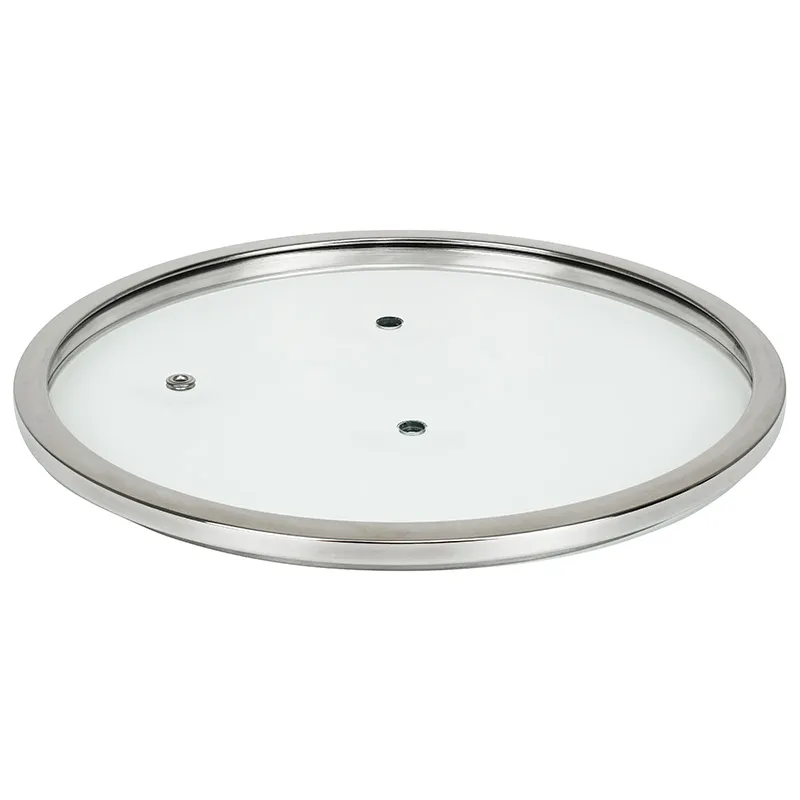
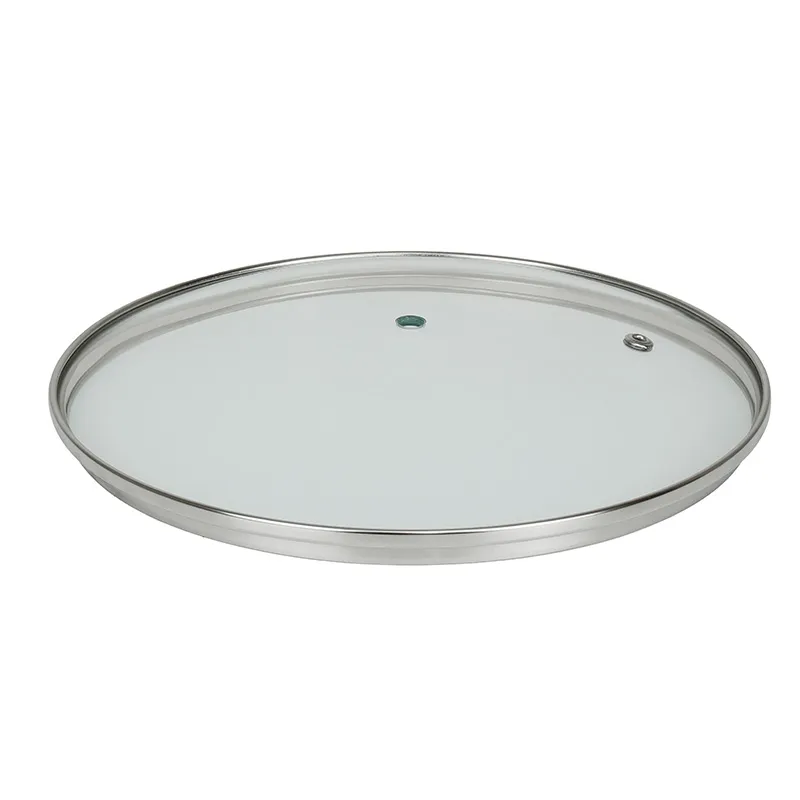
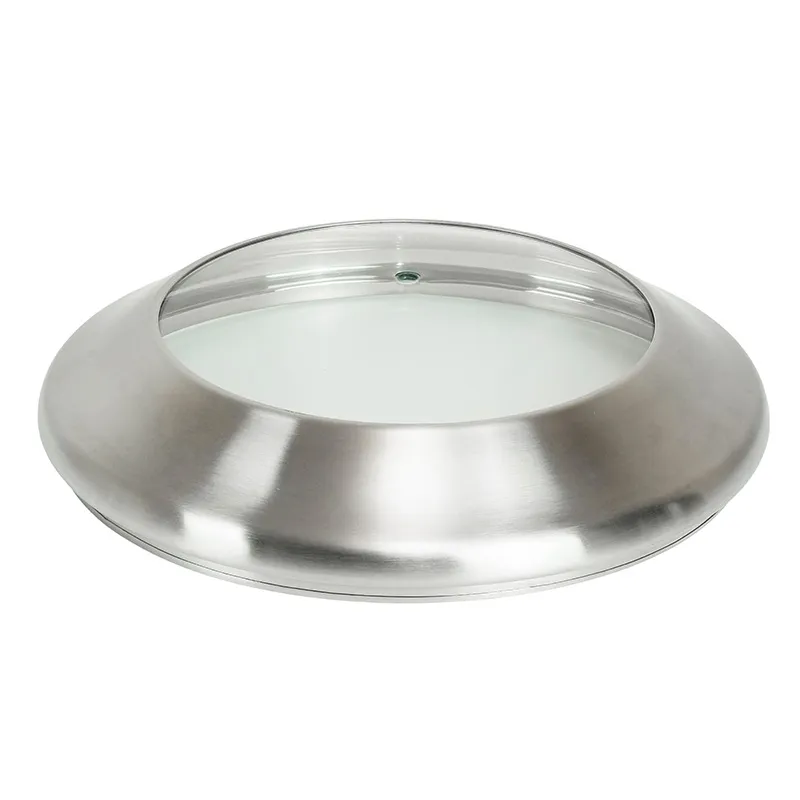
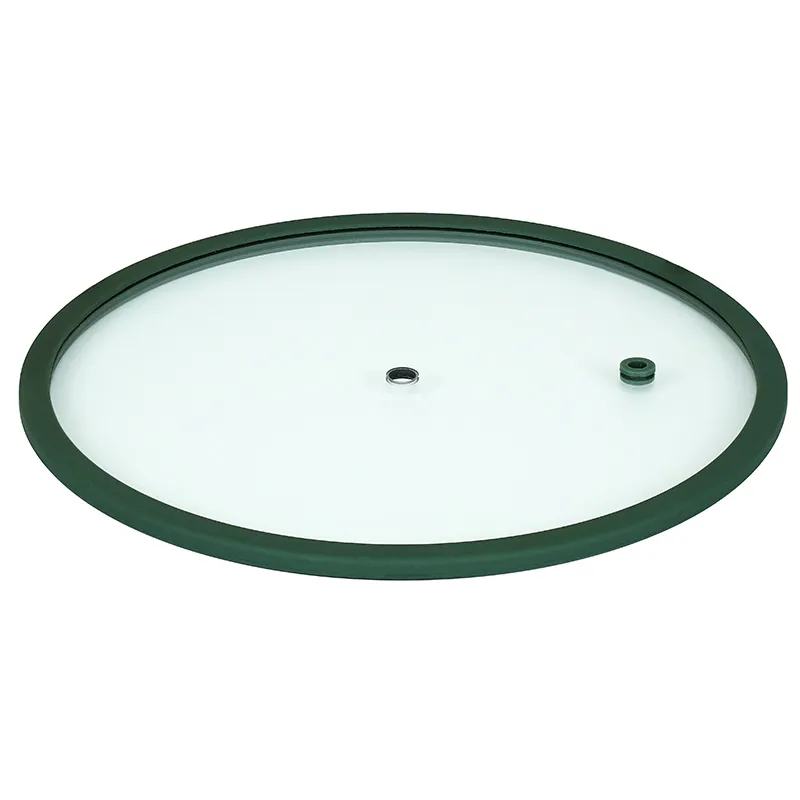
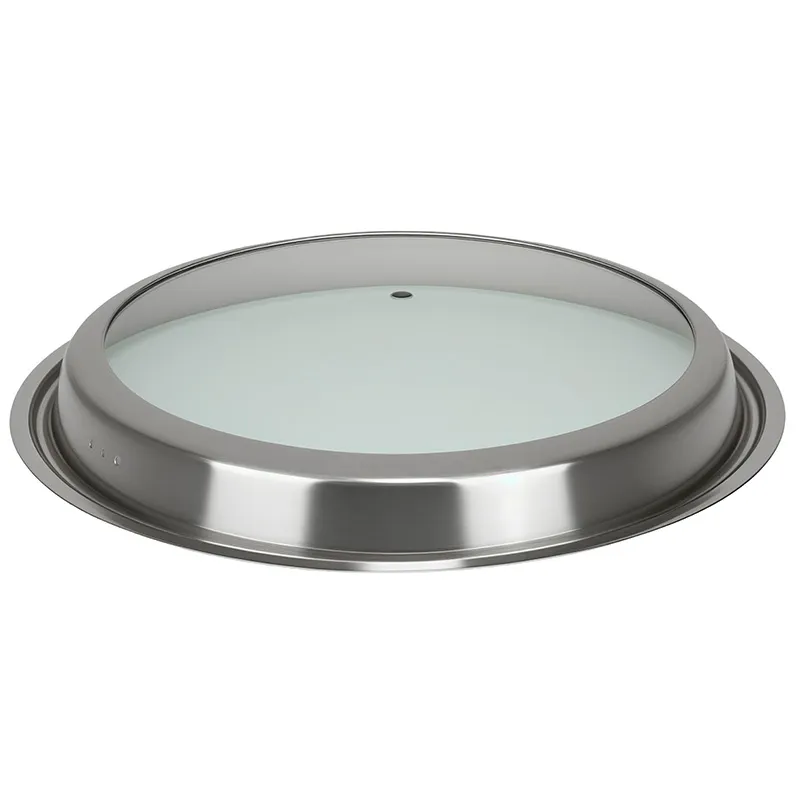
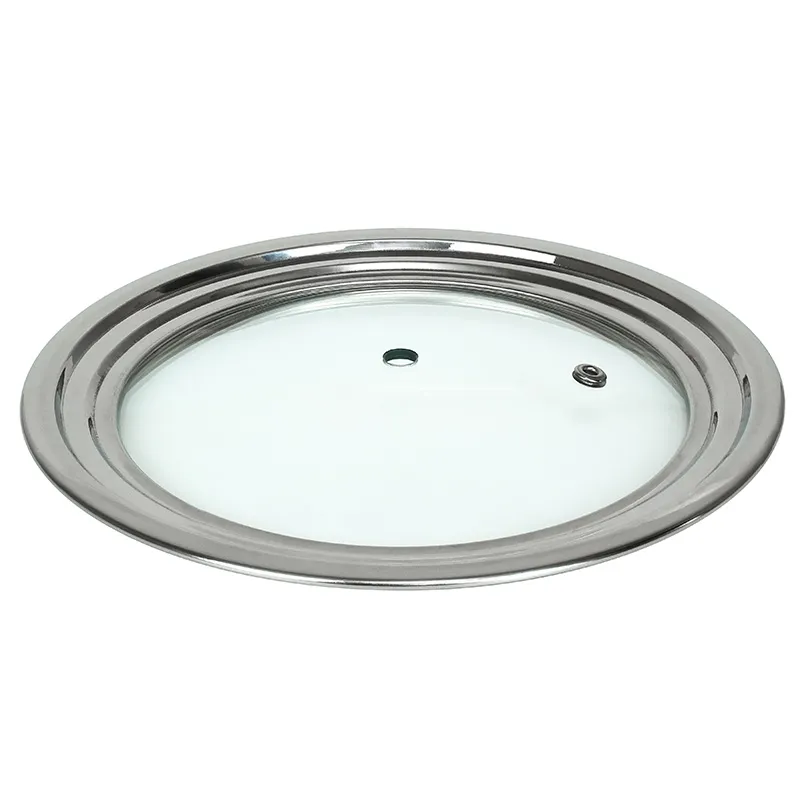
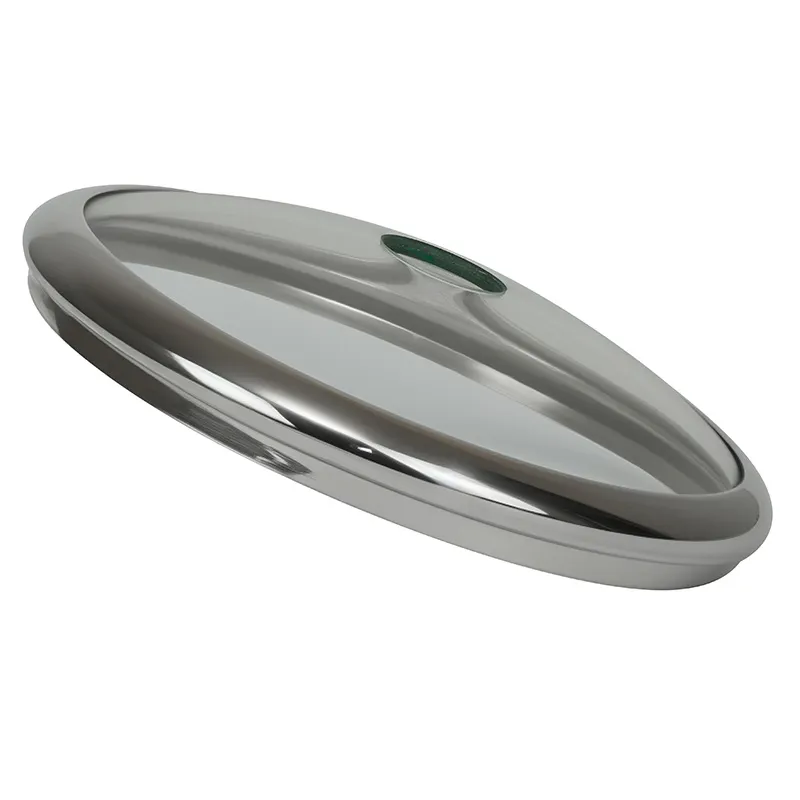
PVD glass lid
When most buyers hear 'PVD glass lid', they immediately think of that durable, scratch-resistant, often colored metallic coating. That's not wrong, but it's a starting point that misses the nuance. The real story isn't just the PVD layer itself; it's about the substrate glass quality, the pretreatment, the specific PVD recipe, and how all that holds up against a kitchen knife or a dishwasher's harsh chemistry. I've seen too many projects stall because the focus was solely on the final color sample, not the process chain behind it.
The Core: It's a Glass Problem First
You can't PVD a bad piece of glass and expect a premium result. The substrate has to be near-perfect. We're talking about high-quality, fully tempered, low-iron glass—often referred to as ultra-clear. Any wave, distortion, or impurity gets magnified under that thin PVD film. I recall a batch from a new supplier a few years back; the color consistency was off. After weeks of back-and-forth, we traced it back to inconsistent iron content in the raw glass sheets, causing slight variations in the base color that the PVD process then exaggerated. The lesson was expensive.
This is where a manufacturer's foundation matters. A company like EUR-ASIA COOKWARE CO.,LTD, with its dedicated production base and focus on tempered glass, understands this intrinsically. Their process likely starts with controlling the raw material, which is non-negotiable. You can find details on their approach at their site, glass-lid.com. It's not glamorous, but this glass preparation stage dictates 70% of the final product's performance.
The tempering process itself is critical for a lid. It's not just about safety (though that's paramount). The thermal stability from proper tempering ensures the PVD coating won't delaminate or craze under sudden temperature changes—think moving from a hot stove to a cold granite counter. If the stress pattern in the glass is uneven, the coating will fail. It's a silent prerequisite.
The PVD Process: More Than Just Color
Physical Vapor Deposition sounds high-tech, and it is, but in cookware, it's applied with very practical goals: enhanced hardness and chemical inertness. The common titanium-based coatings (TiN, TiCN, etc.) provide that familiar gold, rose gold, or gunmetal hue, but the exact composition determines whether it's just pretty or truly durable.
Adhesion is the holy grail. The glass must undergo meticulous cleaning and often a plasma pretreatment to activate its surface. Any contamination—oil, dust, static—and the coating will eventually peel. I've witnessed test failures where the coating passed the initial cross-hatch tape test but started micro-flaking after 50 dishwasher cycles. The culprit? A subtle shift in the plasma treatment time that wasn't caught in the pilot run.
Another nuance is the coating's thickness. Too thin, and it wears through quickly. Too thick, and it can become brittle and affect the overall feel. For a glass lid, which isn't typically a cutting surface, the target is often a balance between wear resistance and maintaining the aesthetic clarity of the underlying glass pattern or logo. It's a precise calibration.
Real-World Fail Points and Testing
Lab tests are one thing; a home kitchen is another. The classic salt spray test for corrosion is standard, but for lids, two tests are more telling: dishwasher durability and cutlery abrasion. We once had a client complain about fading on the lid's rim. It turned out their commercial dishwasher used an unusually aggressive rinse aid with a high pH. Our standard coating formulation didn't hold up. We had to tweak it, moving to a more inert top layer, which solved the issue but added cost.
Abrasion from metal utensils is another. People will scrape spoons against the lid's edge or handle. A good PVD coating should withstand this better than standard painted or silk-screened designs. The test is simple: use a stainless steel scour pad under controlled pressure and strokes. The PVD surface should show minimal, if any, scratching compared to a control sample.
Then there's thermal shock. A lid goes from a boiling pot to a sink. The glass handles it, but the interface between the glass and the coating must have matching thermal expansion coefficients. A failure here shows as a network of fine cracks in the coating, not immediately visible but causing premature tarnishing. This is a fundamental compatibility issue that gets locked in during the R&D phase.
The Supply Chain and Volume Reality
This is where the rubber meets the road. Producing a consistent PVD glass lid at scale, like the 15+ million pieces annual output mentioned by EUR-ASIA COOKWARE, is a feat of process engineering. It's not a boutique operation. Consistency across millions of units requires automated handling, precise atmospheric control in the PVD chambers, and relentless quality control sampling.
Their export footprint—to Germany, Japan, Brazil, etc.—tells its own story. Different markets have subtly different standards. European buyers might be obsessed with REACH compliance and heavy metal migration tests, while markets with harder water might focus on lime scale resistance. A supplier serving a global clientele has to navigate all these specs, which builds a deep, practical knowledge base you won't find in a lab manual.
For a buyer, the key is to audit the process, not just the showroom. Ask about their in-line QC: How often do they check coating thickness? What's their batch traceability system? How do they handle color matching from one production run to the next, especially for touch-up orders years later? The answers reveal the operational maturity.
Final Thoughts: The Unseen Value
So, when you evaluate a PVD glass lid, look past the sample. Ask about the glass source, the tempering curve, the pretreatment line, and the PVD target material. The value isn't in the coating alone; it's in the entire integrated manufacturing discipline that allows a fragile material like glass to be dressed in a durable, metallic layer that lasts for years in a punishing environment.
It's a product where the failures are quiet—a gradual loss of luster, a tiny chip that spreads—but the successes are profound: a lid that stays looking new alongside pots that wear out. That's the real benchmark. Companies that specialize in this, like EUR-ASIA with its clear focus on glass kitchenware, have typically learned these lessons through years of fulfilling tough export orders. Their website, glass-lid.com, outlines their scale and scope, which in this industry, is often a reliable proxy for process capability.
In the end, it's a fusion of material science and manufacturing grit. The shiny surface is just the most visible 10% of the story. The other 90% is what determines whether you have a premium product or just a pretty one.
Related Products
Related Products