- Chinese
- French
- German
- Portuguese
- Spanish
- Russian
- Japanese
- Korean
- Arabic
- Irish
- Greek
- Turkish
- Italian
- Danish
- Romanian
- Indonesian
- Czech
- Afrikaans
- Swedish
- Polish
- Basque
- Catalan
- Esperanto
- Hindi
- Lao
- Albanian
- Amharic
- Armenian
- Azerbaijani
- Belarusian
- Bengali
- Bosnian
- Bulgarian
- Cebuano
- Chichewa
- Corsican
- Croatian
- Dutch
- Estonian
- Filipino
- Finnish
- Frisian
- Galician
- Georgian
- Gujarati
- Haitian
- Hausa
- Hawaiian
- Hebrew
- Hmong
- Hungarian
- Icelandic
- Igbo
- Javanese
- Kannada
- Kazakh
- Khmer
- Kurdish
- Kyrgyz
- Latin
- Latvian
- Lithuanian
- Luxembou..
- Macedonian
- Malagasy
- Malay
- Malayalam
- Maltese
- Maori
- Marathi
- Mongolian
- Burmese
- Nepali
- Norwegian
- Pashto
- Persian
- Punjabi
- Serbian
- Sesotho
- Sinhala
- Slovak
- Slovenian
- Somali
- Samoan
- Scots Gaelic
- Shona
- Sindhi
- Sundanese
- Swahili
- Tajik
- Tamil
- Telugu
- Thai
- Ukrainian
- Urdu
- Uzbek
- Vietnamese
- Welsh
- Xhosa
- Yiddish
- Yoruba
- Zulu
- Kinyarwanda
- Tatar
- Oriya
- Turkmen
- Uyghur

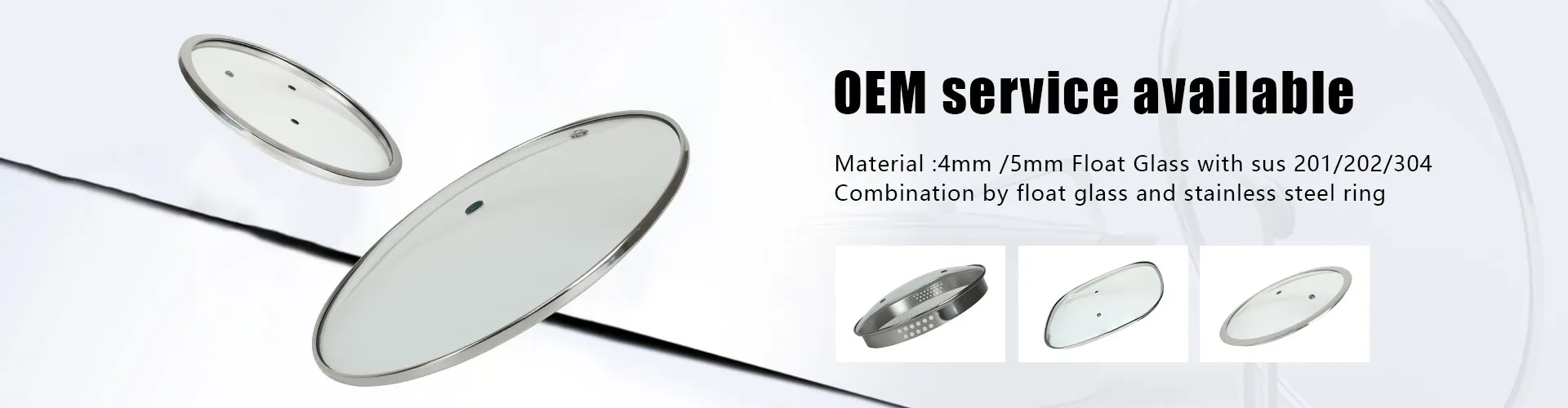
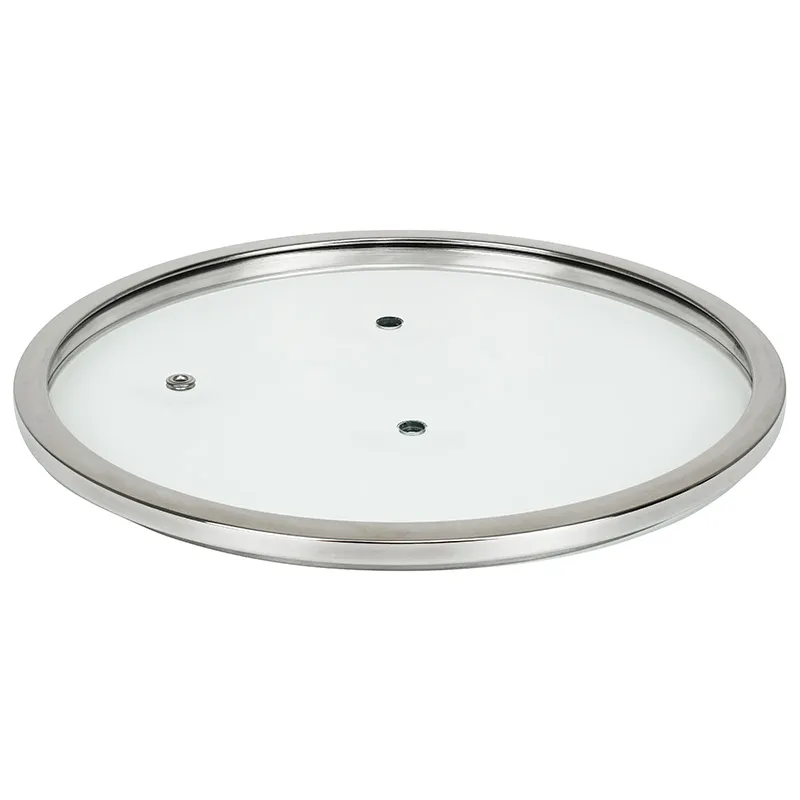
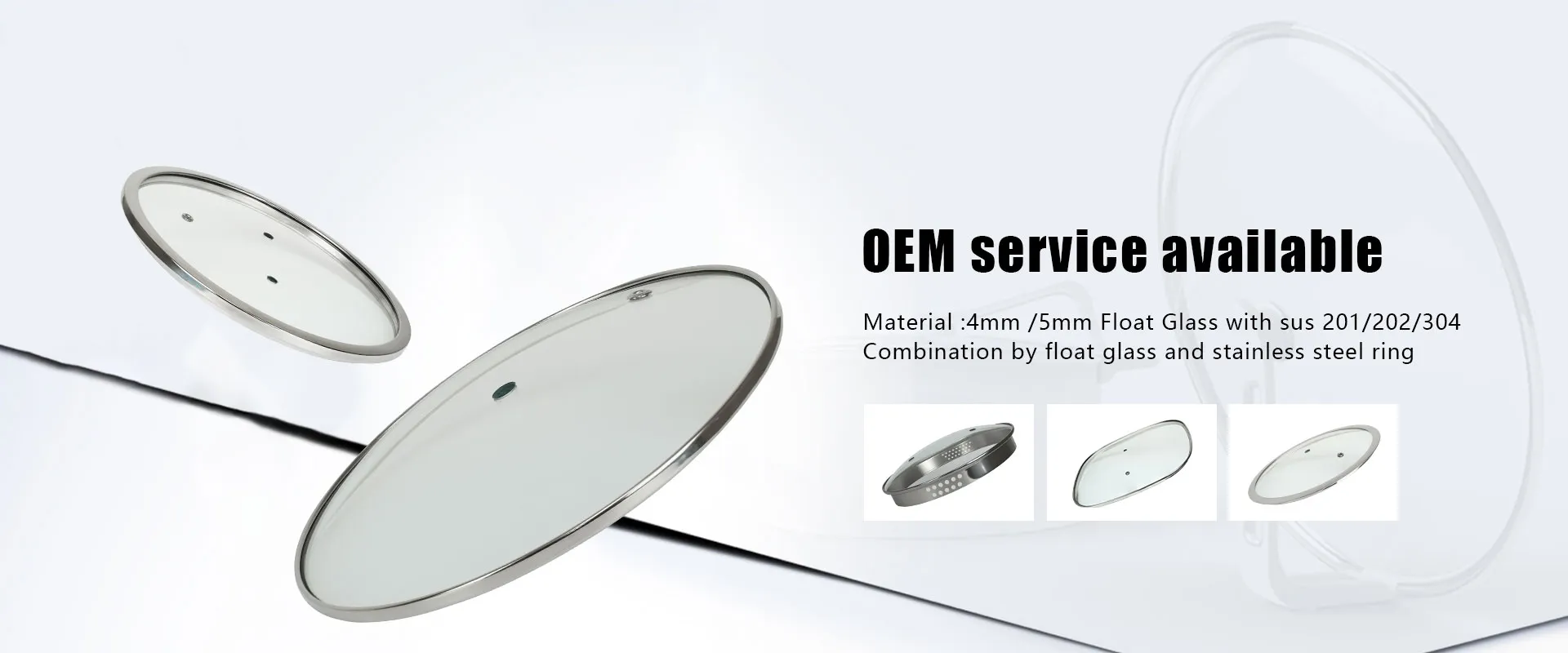
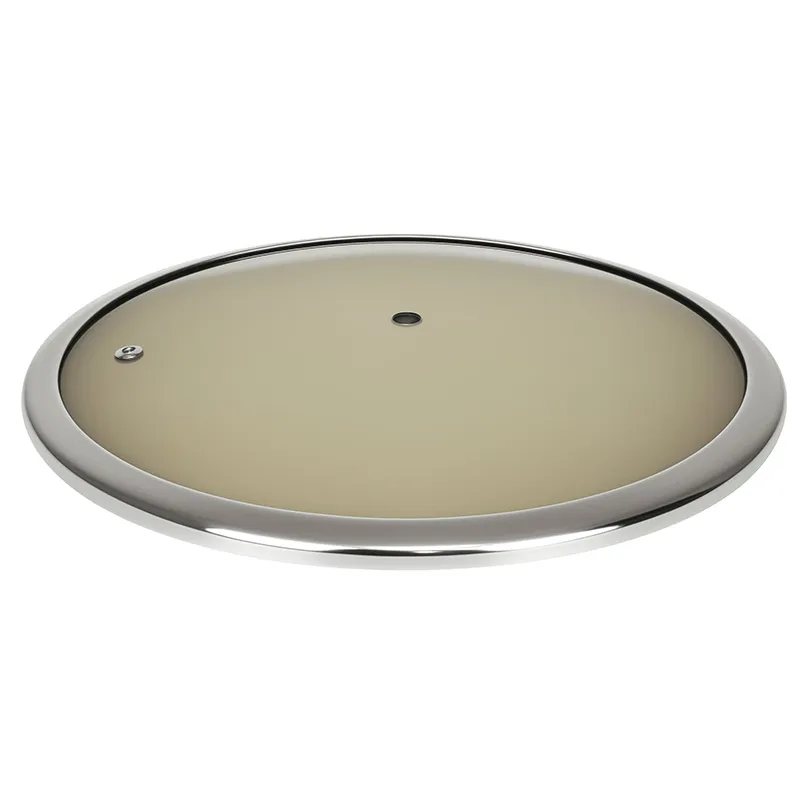
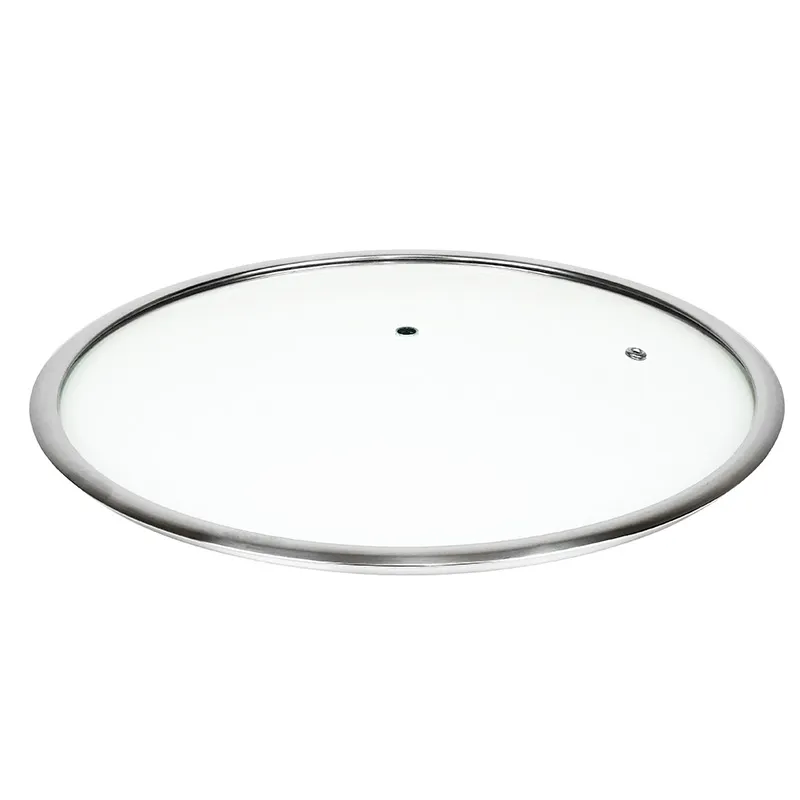
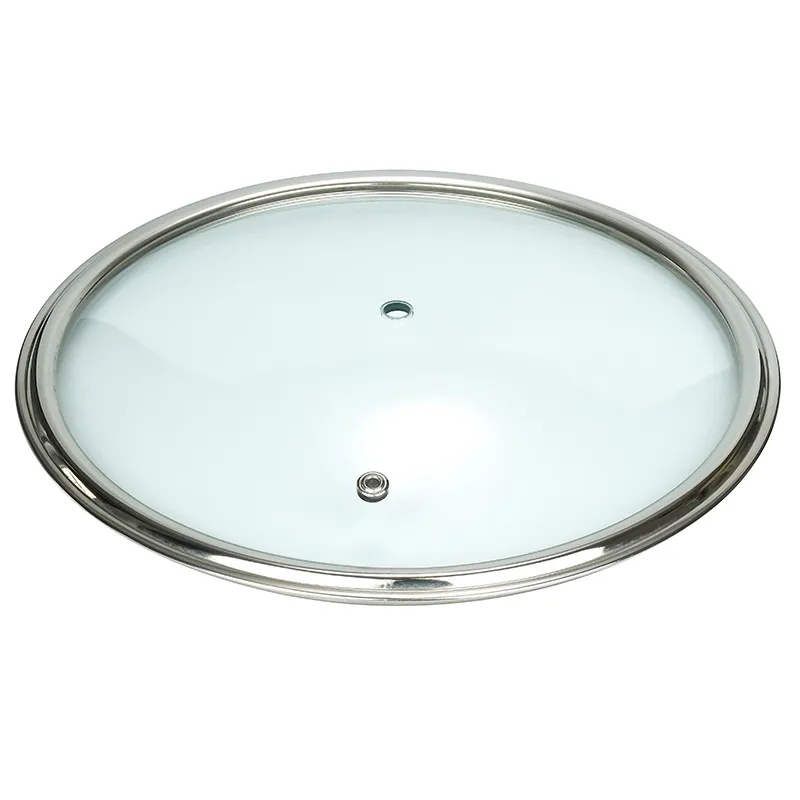
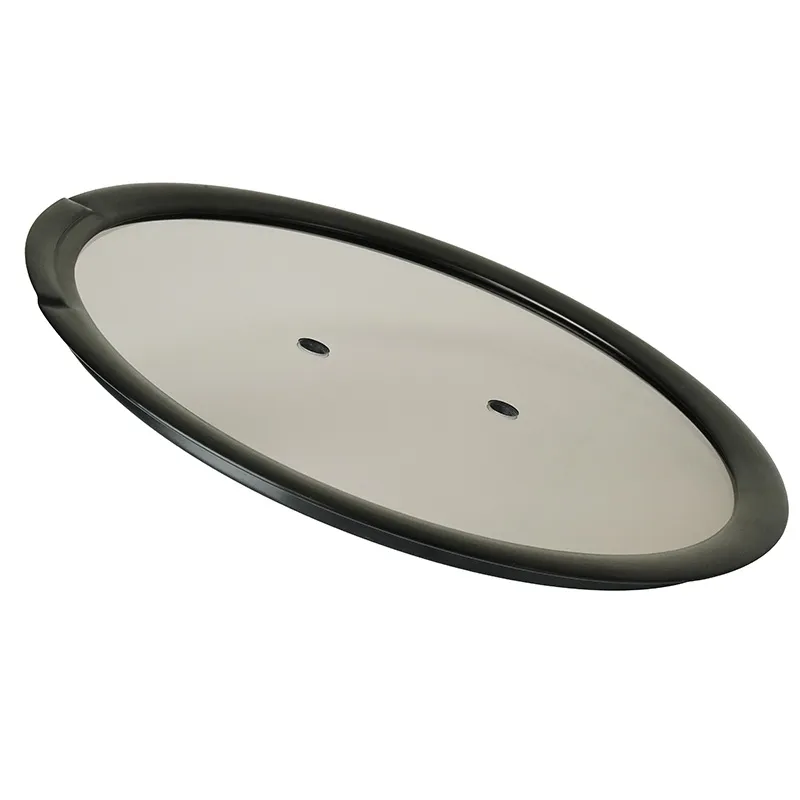
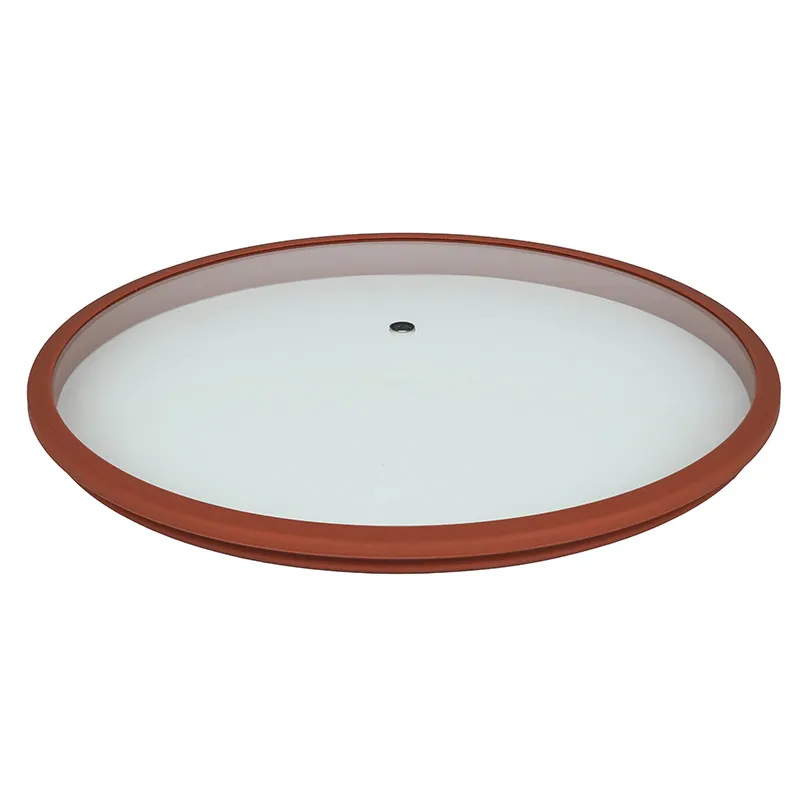
PVD ring glass lid
When you hear 'PVD ring glass lid', most people in the trade immediately think of that metallic ring on a pot lid. But that's the first mistake – reducing it to a mere decorative trim. In reality, that ring is the critical interface, the structural anchor point between the glass and the handle hardware. I've seen too many sourcing managers get hung up on the PVD color matching – rose gold vs. brushed nickel – while completely overlooking the substrate preparation and the thermal stress management at that junction. It's not just a coating; it's a functional component that fails not by peeling, but by inducing micro-cracks in the tempered glass during rapid thermal cycling if the CTE isn't accounted for.
The Core Misconception: Aesthetics Over Function
The biggest pitfall in specifying these lids is treating the PVD ring as a post-production add-on. It's not. You can't just take a finished tempered glass blank, glue or clamp a metal ring on it, and call it a day for a cookware lid. The process has to be integrated. The glass edge profile – is it flat-ground, pencil-edge, or a slight undercut? – determines the adhesion surface and mechanical grip for the ring. A supplier who doesn't start the glass machining with the ring assembly in mind is setting you up for field failures. I learned this the hard way years ago with a batch where the ring adhesion passed pull tests, but failed in real-world dishwasher cycles because the sealant compatibility wasn't tested with aggressive detergent chemistry.
This is where a manufacturer's depth matters. A company like EUR-ASIA COOKWARE CO.,LTD, which states a dedicated production base and an annual output in the millions, typically has the jigs and fixtures dialed in for this integration. Their focus on export markets like Germany and Italy means they're likely familiar with the stringent thermal shock and safety drop tests required there. The volume (over 15 million pieces) suggests they've probably standardized certain ring profiles and glass thicknesses to achieve that scale, which can be a double-edged sword – great for consistency on standard items, potentially limiting for highly custom designs.
You see, the PVD process itself on stainless steel rings is fairly standardized. But the pre-treatment? That's the black box. The steel must be impeccably cleaned and often passivated. Any oil residue from machining will cause adhesion failure under heat. I've visited lines where the ring cleaning station was an afterthought, and the PVD chamber was pristine. The result? Sporadic, non-uniform coating failures that were a nightmare to diagnose. The ring looked perfect until it went through a simulated cooking cycle, and then the coating bubbled at specific points.
Material and Process Intersection
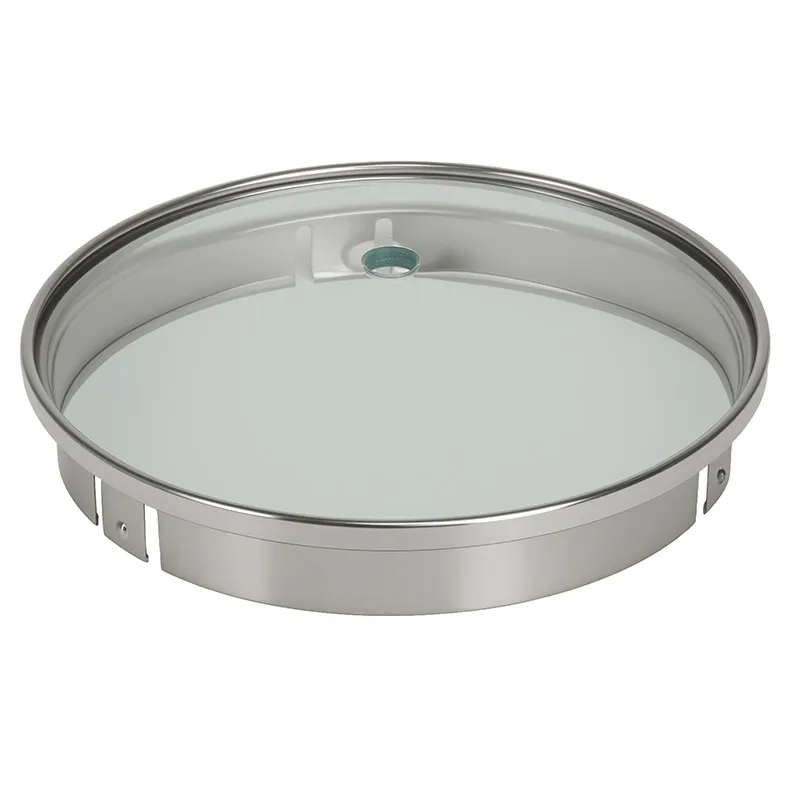
Let's talk about the glass itself. It's not just any tempered glass; it's usually soda-lime, tempered to meet specific impact and thermal shock standards. The key detail often missed is the relationship between the glass's edge stress and the clamping force of the glass lid assembly. The ring, often made of 304 or 430 stainless, has a different coefficient of thermal expansion than the glass. During heating, the metal expands more. If the ring is rigidly fixed (with rivets or a tight crimp), it can place asymmetric stress on the glass perimeter. The solution isn't a looser fit, but often a designed-in tolerance or a compliant intermediate layer, like a high-temperature silicone gasket.
In practice, many suppliers use a combination of mechanical crimping and food-grade adhesive. The adhesive is the real hero, absorbing differential expansion. But finding one that remains stable from freezer temperatures up to, say, 220°C oven use, and is also dishwasher-safe, is a challenge. I recall a project where we sourced a lid from a new vendor. The lids passed initial inspection. But after three dishwasher cycles, a hazy film leached out from under the ring. The adhesive wasn't fully cured or was of a lower grade. It was a total recall situation. This is the kind of gritty detail their website's mention of low- medium- high level products hints at – the adhesive formulation and curing process likely differ across those tiers.
Another subtle point: the PVD coating thickness on the ring. For a PVD ring glass lid destined for cookware, it needs to be thick enough for durability but thin enough not to chip easily. A thick, hard coating on a thin metal ring can be brittle. Abrasion from utensils or scrubbing is a real concern. A good manufacturer will have wear test data – something like a Taber abrasion test or a specific scrub test mimicking kitchen cleaning. Without asking for this, you're buying on faith.
Case in Point: The Vent Hole Dilemma
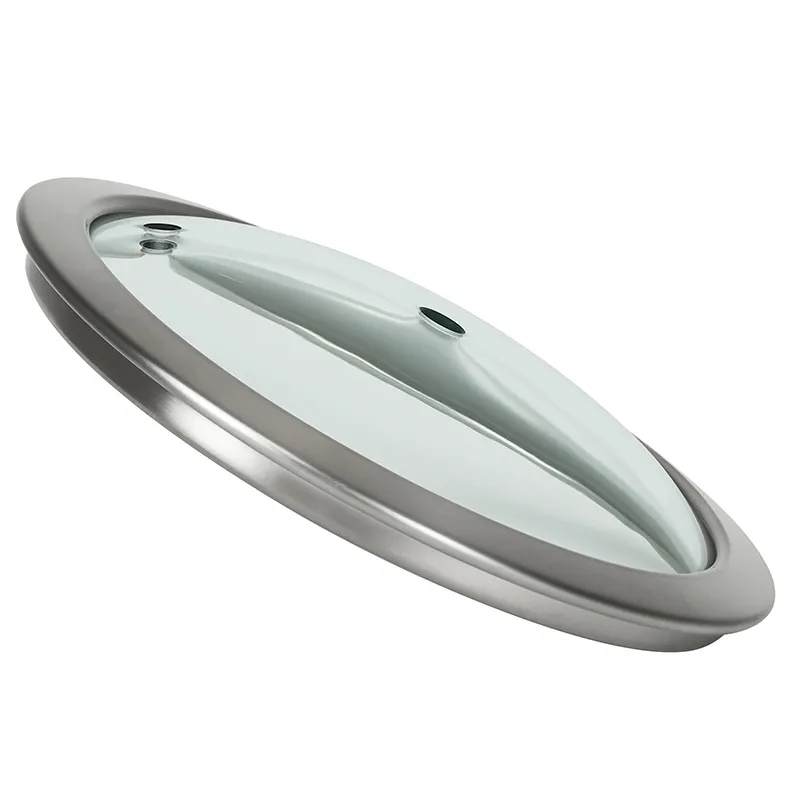
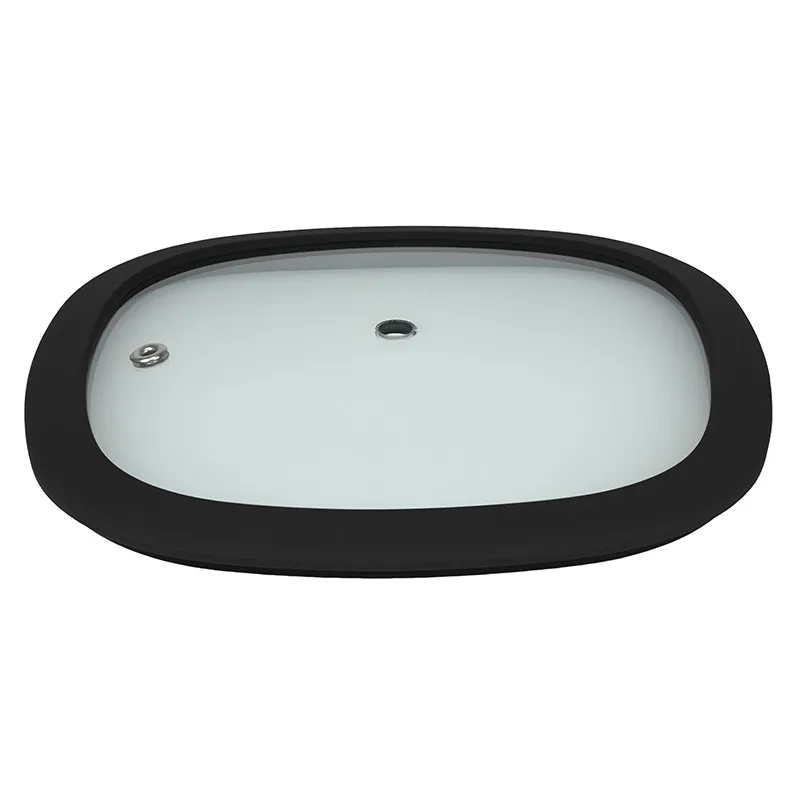
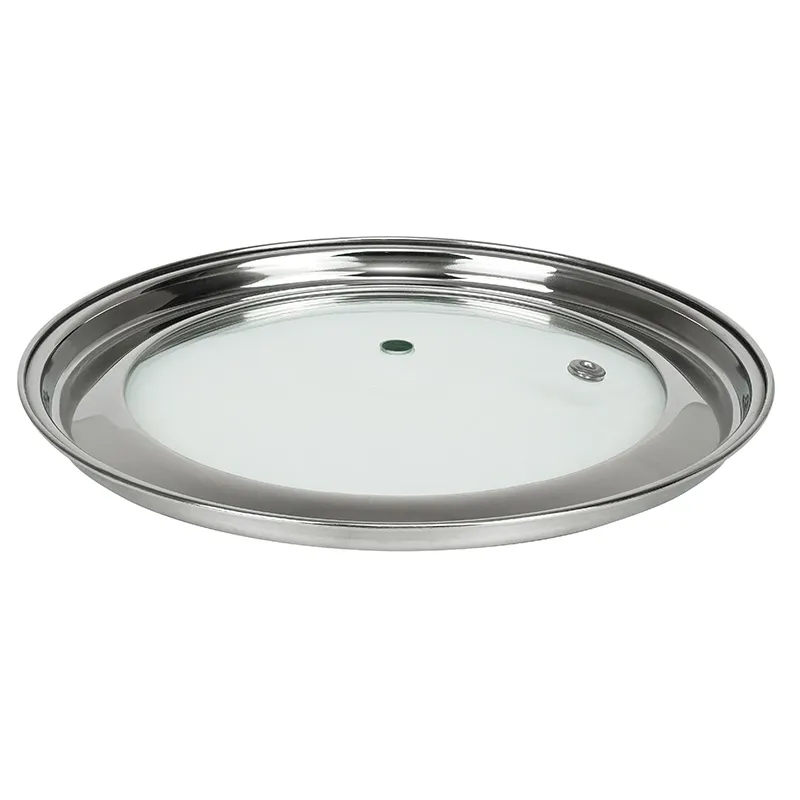
A practical example that ties this all together is the design of a lid with a steam vent. The vent is often a hole in the glass, and the metal ring must accommodate it structurally. This is a major stress concentrator. If the ring's cutout isn't perfectly aligned and smoothed, or if the glass edge at the hole isn't meticulously fire-polished after tempering, cracks can initiate there. I've seen failures where the crack started at the vent hole edge and propagated radially, and the blame was initially placed on the tempering quality, when the root cause was a burr on the ring's vent cutout that created a point load.
For a high-volume exporter like EUR-ASIA COOKWARE, whose site is glass-lid.com, standardization of vent hole placement and size across their product lines is almost a given. It reduces tooling complexity. This is useful information. If your design aligns with their standard vent patterns and ring diameters, you'll likely get a more robust and cost-effective product. Straying from their standard catalogue might introduce unforeseen engineering challenges they may or may not have the process maturity to handle flawlessly.
This leads to a broader observation. Their specialization in household glass products and other kitchen accessories and the specific mention of tempered glass lids indicates a focused capability. A factory producing 15 million pieces annually isn't a job shop. They have dedicated molding, tempering, and assembly lines for lids. The PVD ring application is probably a semi-automated station. The consistency benefit is huge, but the flexibility for a custom ring profile or a non-standard glass thickness might require a minimum order quantity that reflects the line changeover cost.
Quality Gates and Real-World Validation
So, how do you vet this? Beyond the standard certificates, ask about their in-process quality checks for the lid assembly. Do they do a 100% spin test for ring concentricity? Is there a go/no-go gauge for the final lid-to-pot fit? More importantly, what is their sampling protocol for thermal cycle testing? A credible manufacturer will have a defined regimen, like cycling lids from a boiling water bath to an ice bath for 50 or 100 cycles, inspecting for adhesive degradation, ring loosening, or glass cracks afterward. This isn't just about the PVD ring or the glass lid in isolation; it's about the system.
Their export list is telling: Germany, Switzerland, Japan. These are markets with discerning retailers and high consumer expectations. To consistently supply there, their failure rate must be extremely low. It implies a quality system that has been stress-tested by third-party audits. However, it's always wise to confirm if they produce to the specific standards of your target market (e.g., LFGB for Germany, FDA for the US). The more than 90 percent exported stat on their site suggests they are primarily an OEM/ODM supplier, meaning they're accustomed to working to client specifications, which is a plus.
A failure I witnessed once wasn't in production but in logistics. A container of lids arrived, and a significant portion had rings that were scratched. The cause? The lids were packed face-to-face in the carton without a protective interleaf. The PVD coating on one ring scratched the glass surface of the adjacent lid. The lesson was that the product design isn't complete without validated packaging. A good supplier will have developed protective sleeves or divider cards as part of the standard pack-out. This is the kind of tacit knowledge you gain from moving millions of units, the kind of detail that separates a product that looks good in a sample from one that survives the supply chain.
Concluding Thoughts: The Integrated Unit
Ultimately, a reliable PVD ring glass lid is the result of treating the glass, the metal ring, the adhesive, and the assembly process as a single, integrated system. The keyword is system. You can't outsource the glass from one vendor, the ring from another, and the assembly to a third and expect a robust product. The value of a integrated manufacturer like EUR-ASIA COOKWARE CO.,LTD is that this system is under one roof. They control the glass tempering, the metal stamping and PVD coating (or have a tightly controlled sub-supplier), and the final assembly.
The takeaway isn't to just search for a PVD ring glass lid supplier. It's to look for a manufacturer with demonstrated, high-volume experience in the specific application of cookware lids. The scale, export focus, and product specialization mentioned in their company intro are strong, tangible indicators of that capability. The real proof, however, comes from asking the right, gritty questions about thermal stress, adhesion protocols, and failure mode analysis. That's where you move from a glossy catalog spec to a product that performs in a customer's kitchen, year after year.
In the end, it's these unglamorous details – the curing oven temperature profile, the grit size of the glass edge polisher, the chemical composition of the pre-PVD cleaning bath – that define the quality of the lid sitting on a saucepan in Berlin or Tokyo. The ring is just the most visible part of a much deeper engineering story.
Related Products
Related Products