- Chinese
- French
- German
- Portuguese
- Spanish
- Russian
- Japanese
- Korean
- Arabic
- Irish
- Greek
- Turkish
- Italian
- Danish
- Romanian
- Indonesian
- Czech
- Afrikaans
- Swedish
- Polish
- Basque
- Catalan
- Esperanto
- Hindi
- Lao
- Albanian
- Amharic
- Armenian
- Azerbaijani
- Belarusian
- Bengali
- Bosnian
- Bulgarian
- Cebuano
- Chichewa
- Corsican
- Croatian
- Dutch
- Estonian
- Filipino
- Finnish
- Frisian
- Galician
- Georgian
- Gujarati
- Haitian
- Hausa
- Hawaiian
- Hebrew
- Hmong
- Hungarian
- Icelandic
- Igbo
- Javanese
- Kannada
- Kazakh
- Khmer
- Kurdish
- Kyrgyz
- Latin
- Latvian
- Lithuanian
- Luxembou..
- Macedonian
- Malagasy
- Malay
- Malayalam
- Maltese
- Maori
- Marathi
- Mongolian
- Burmese
- Nepali
- Norwegian
- Pashto
- Persian
- Punjabi
- Serbian
- Sesotho
- Sinhala
- Slovak
- Slovenian
- Somali
- Samoan
- Scots Gaelic
- Shona
- Sindhi
- Sundanese
- Swahili
- Tajik
- Tamil
- Telugu
- Thai
- Ukrainian
- Urdu
- Uzbek
- Vietnamese
- Welsh
- Xhosa
- Yiddish
- Yoruba
- Zulu
- Kinyarwanda
- Tatar
- Oriya
- Turkmen
- Uyghur


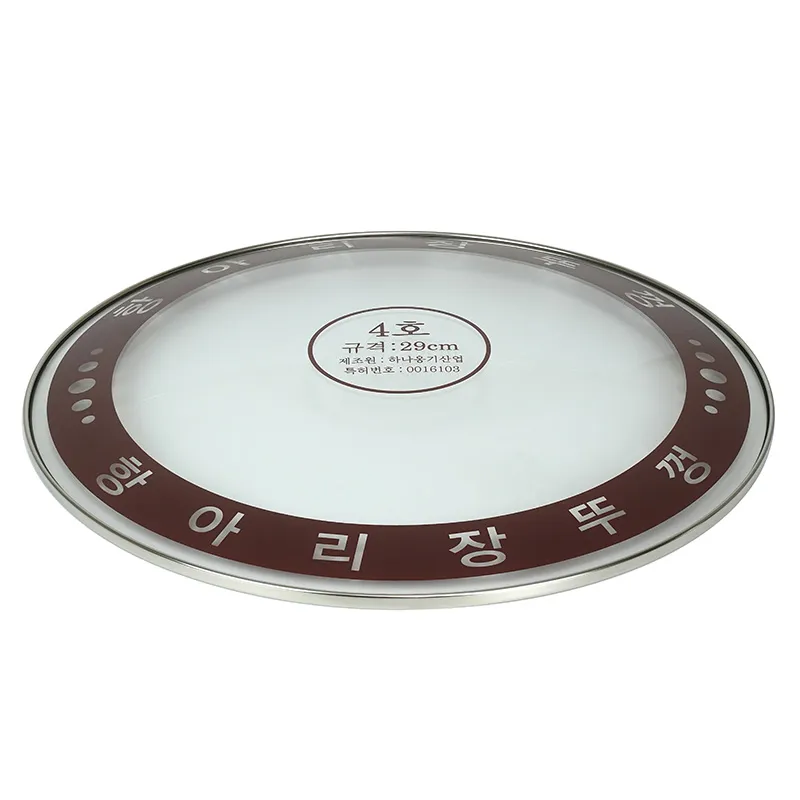
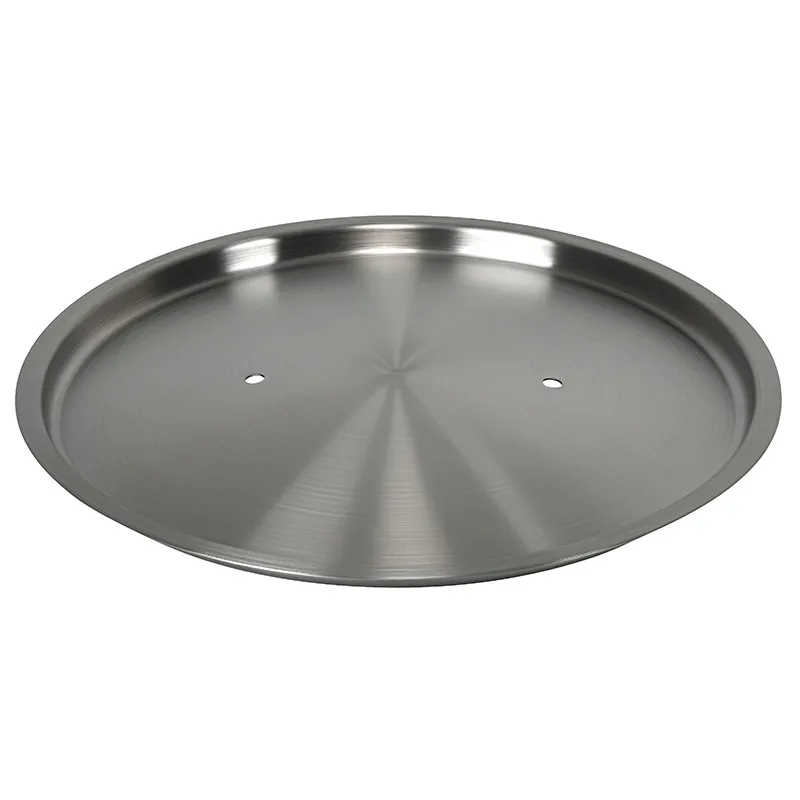
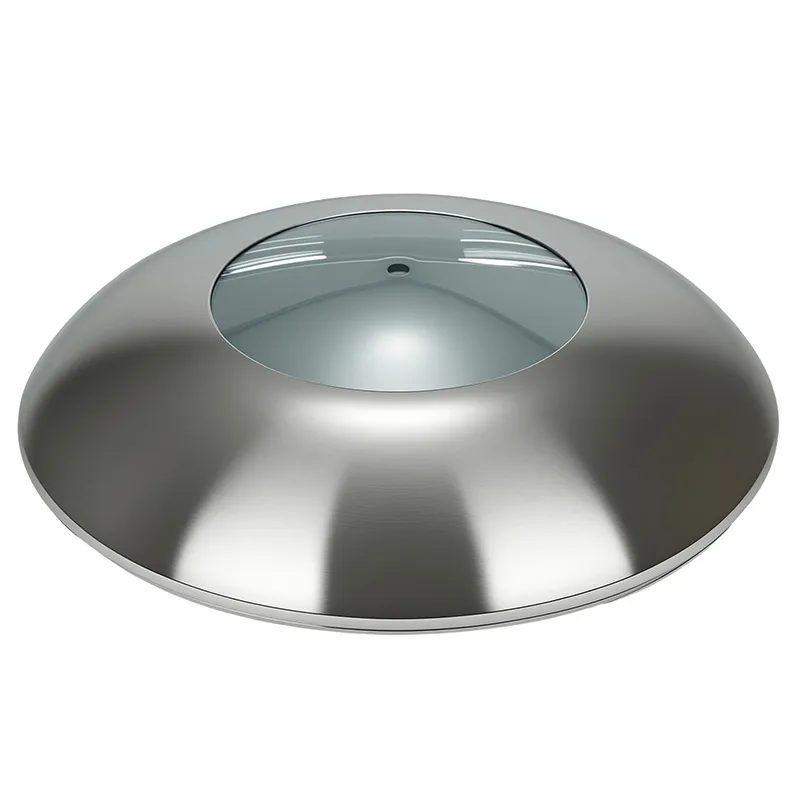
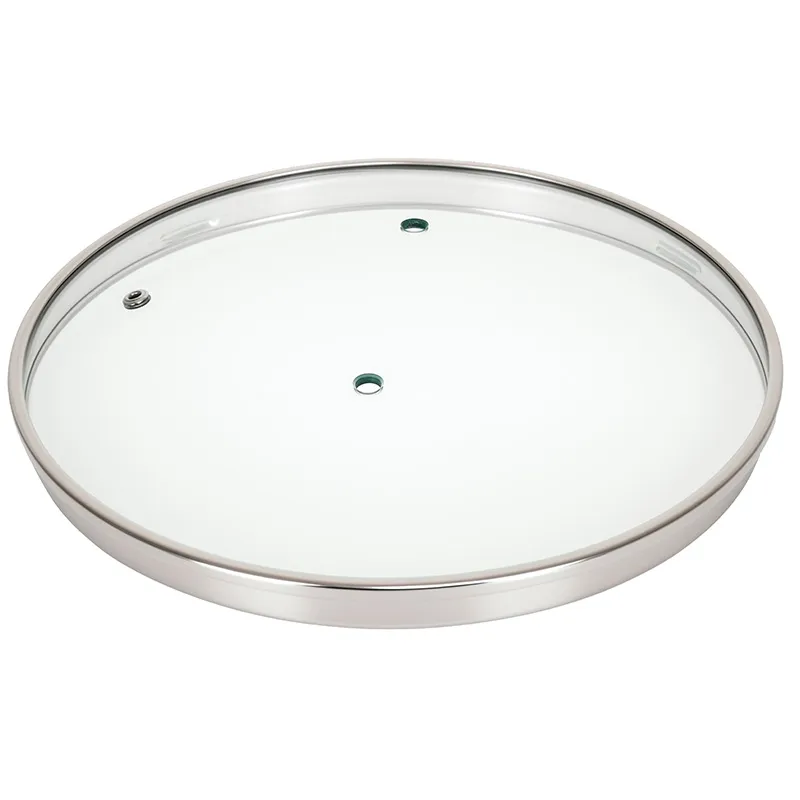
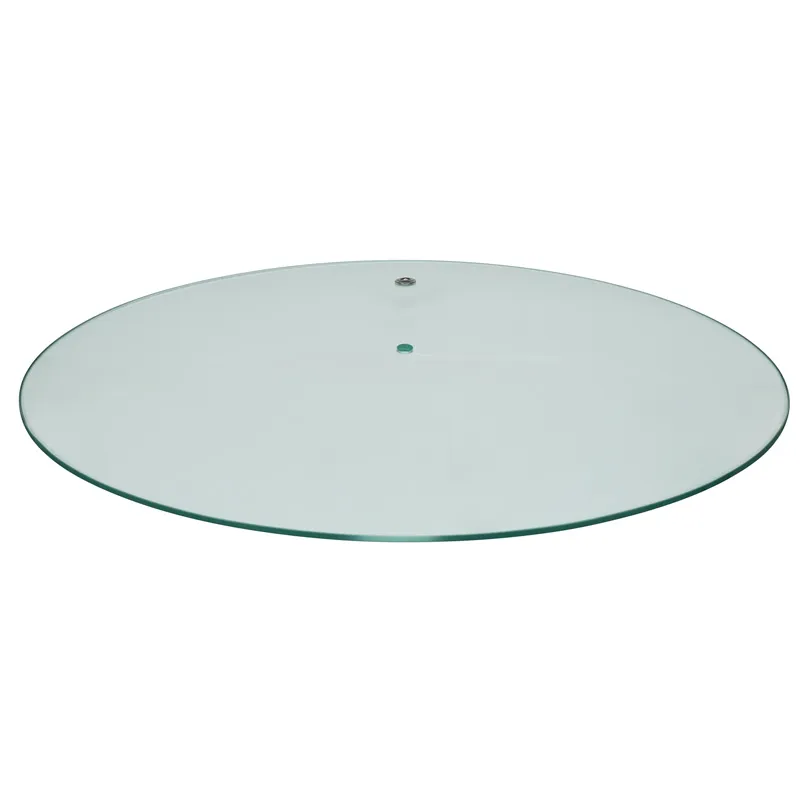
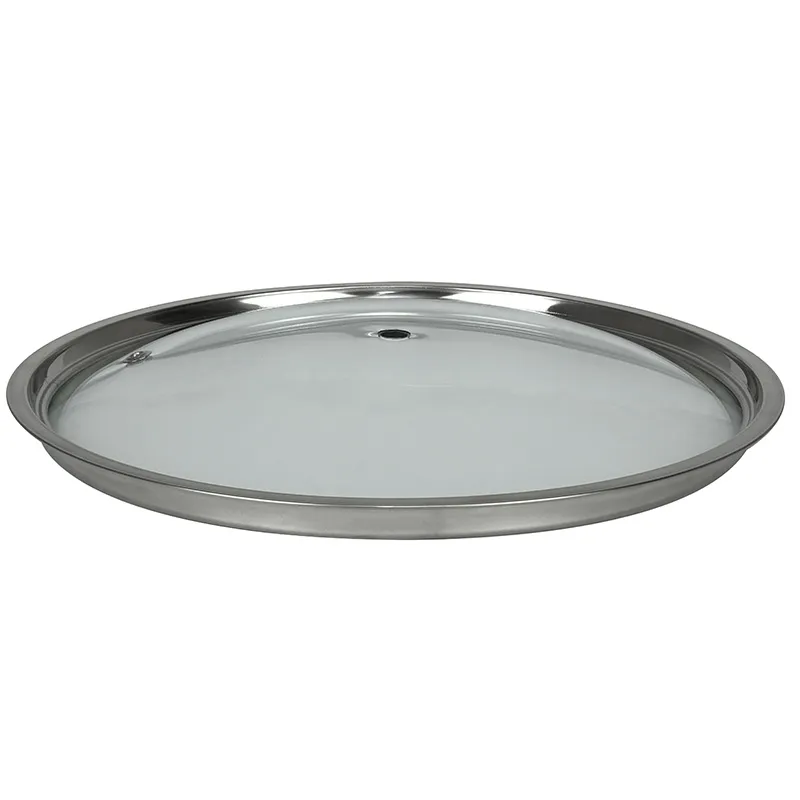
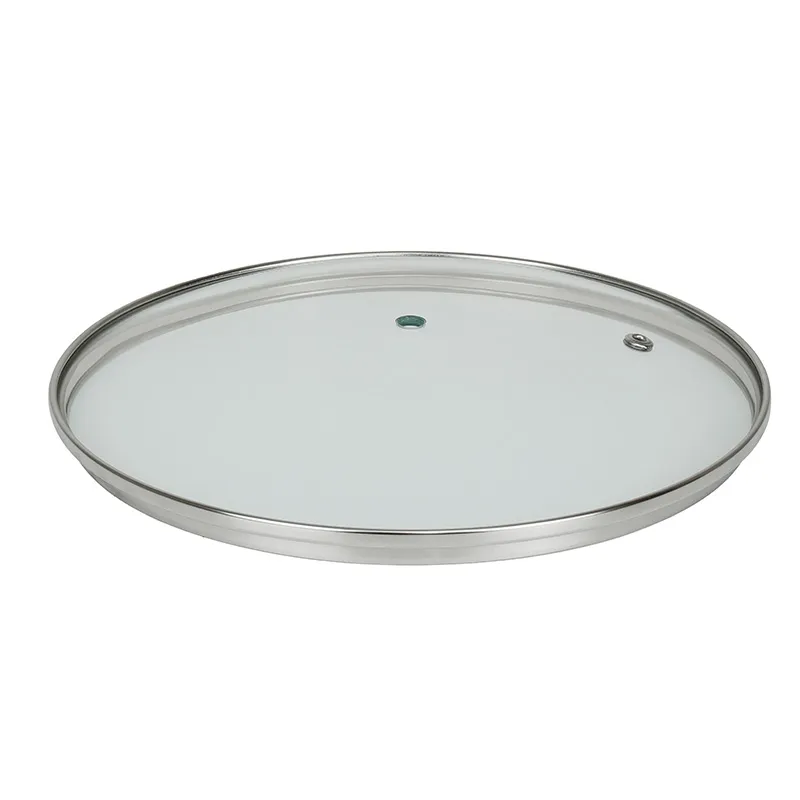
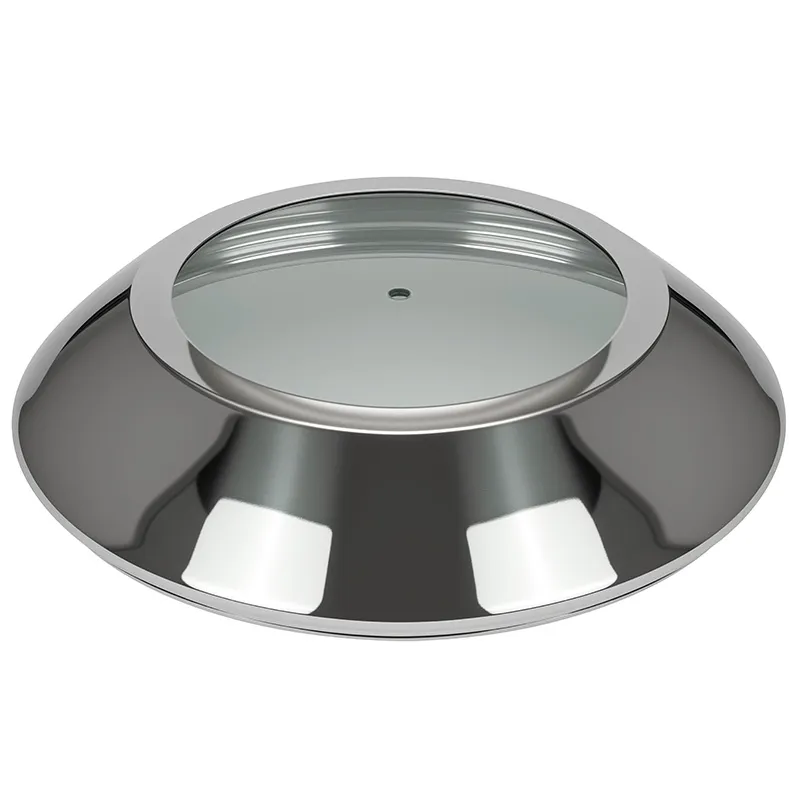
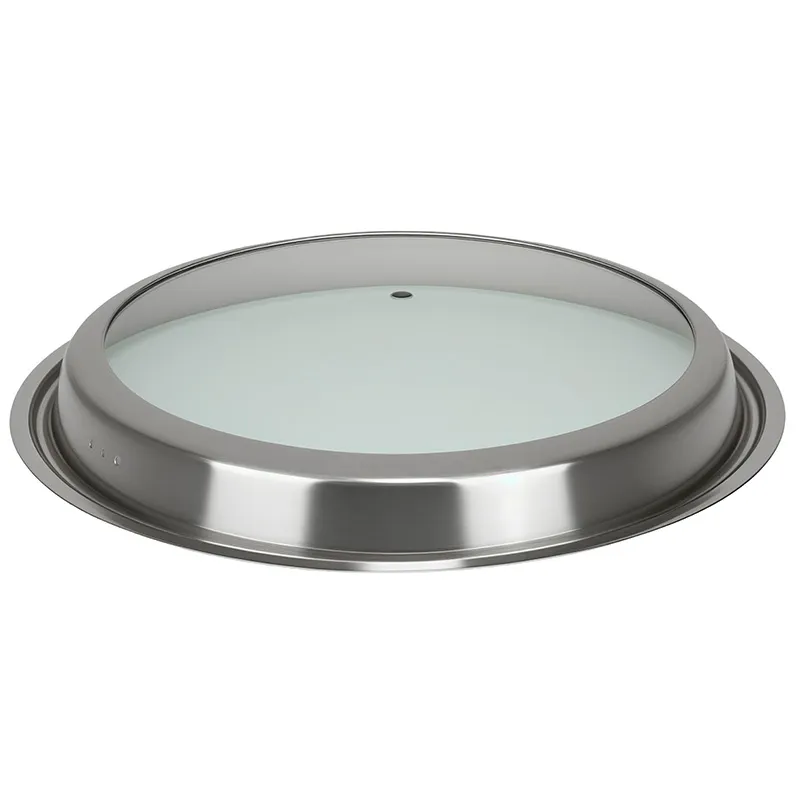
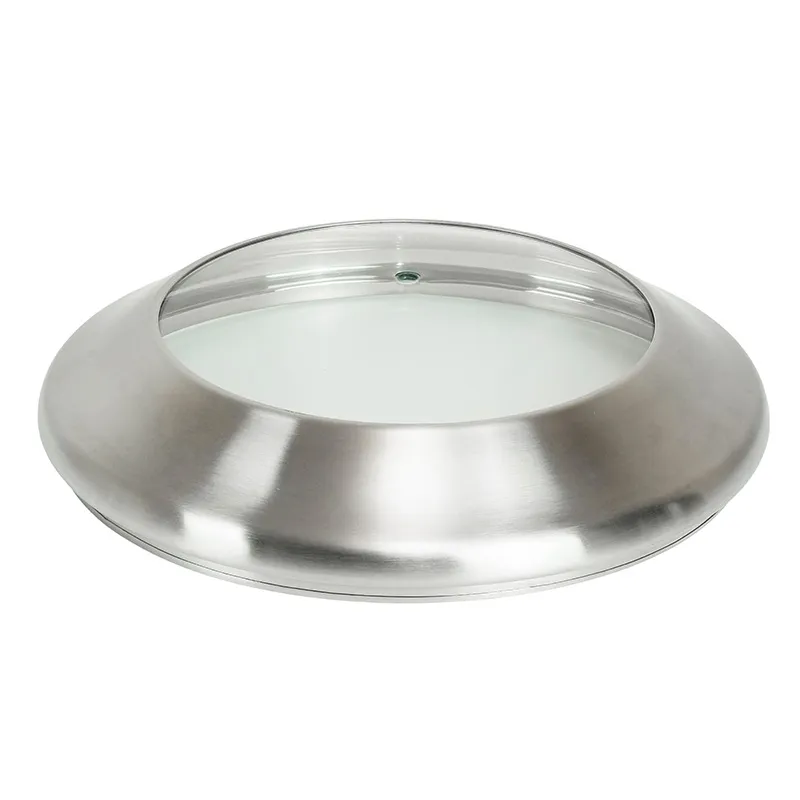
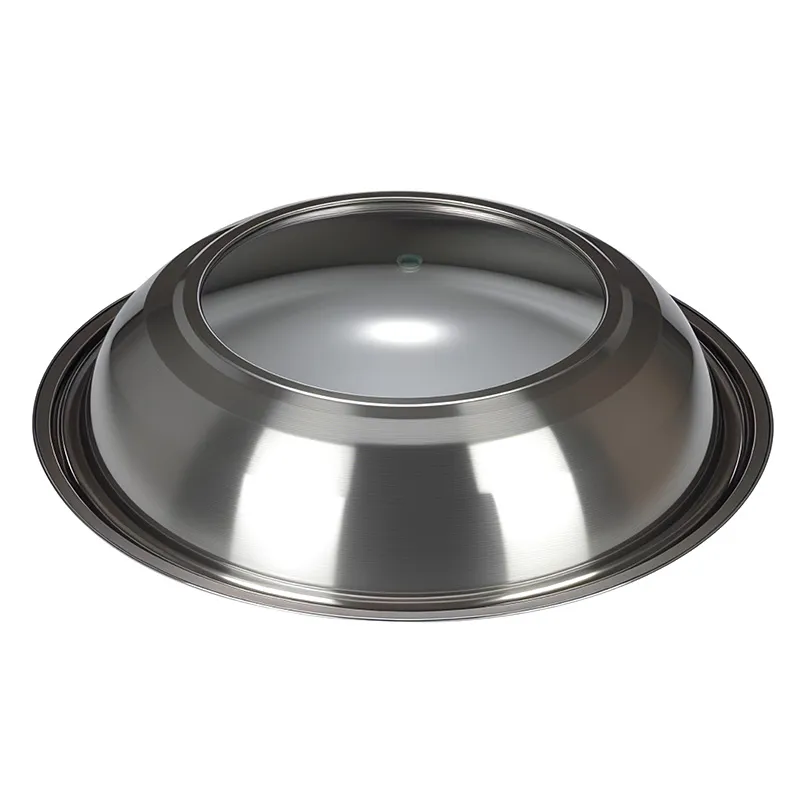
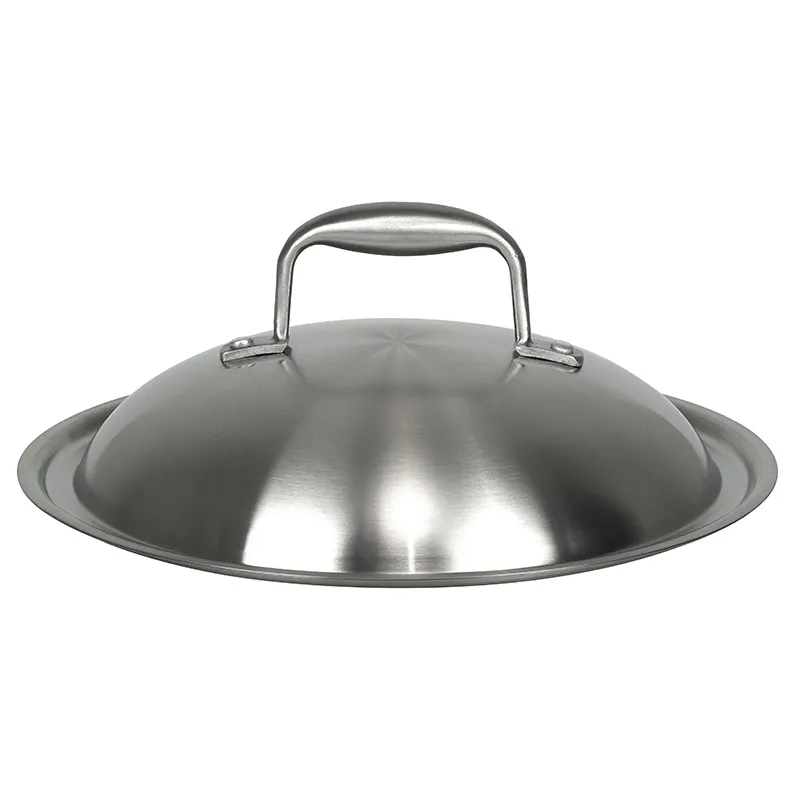
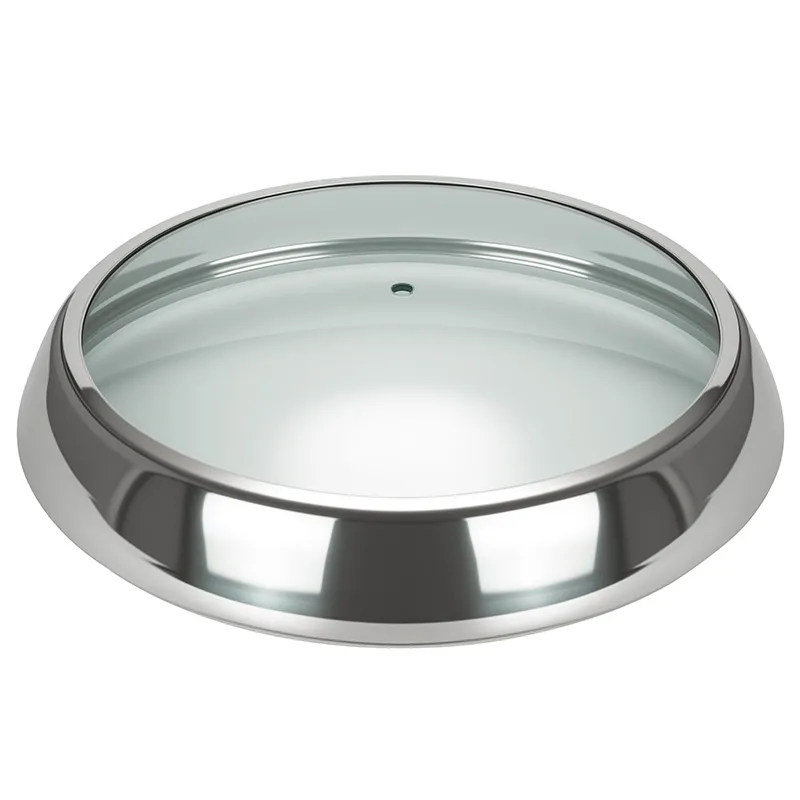
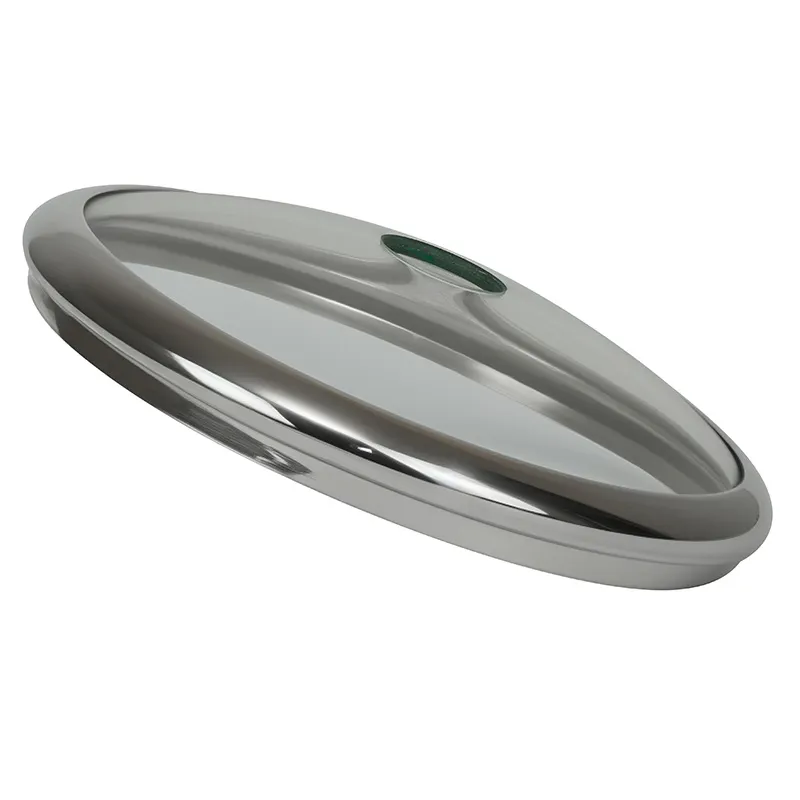
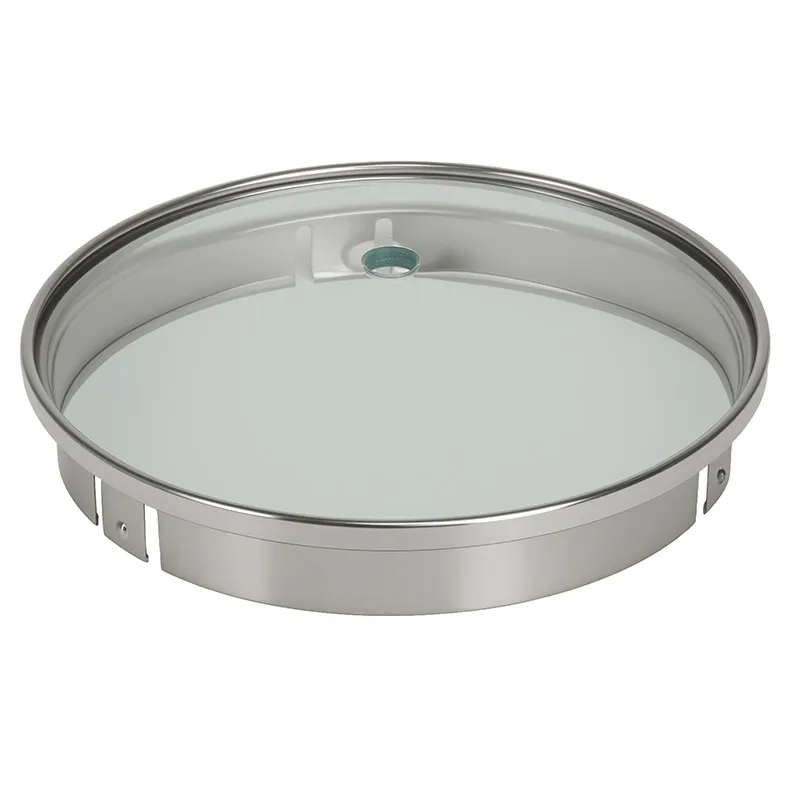
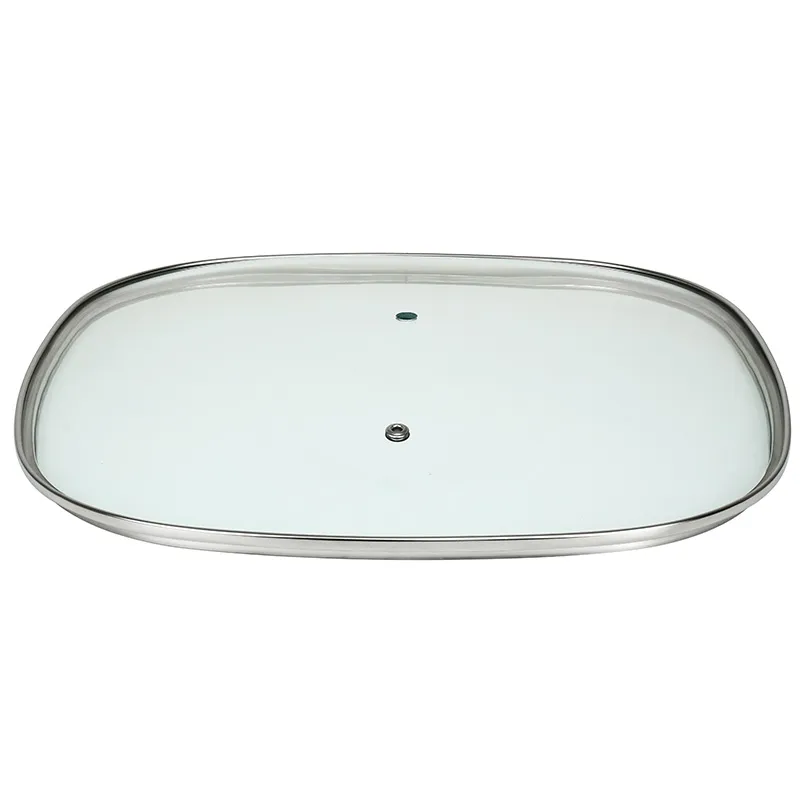
PVD tempered glass cover
When most buyers or even some designers hear 'PVD tempered glass cover', they immediately picture that flawless, mirror-like finish. That's the first misconception. The PVD (Physical Vapor Deposition) coating isn't just for aesthetics; it's a functional barrier. In our line of work at EUR-ASIA COOKWARE CO.,LTD, we've seen the entire spectrum—from clients who want any 'shiny lid' to those who specify the exact PVD layer thickness for enhanced scratch resistance and thermal stability. The real challenge isn't applying the coating; it's ensuring it adheres perfectly to the tempered glass substrate through hundreds of thermal cycles without micro-cracking or delamination. That's where the industry chatter often falls short.
The Core: Why Tempering Comes First
You can't start with the coating. The foundation is the tempered glass itself. We source specific low-iron, high-transparency glass to minimize any greenish tint, which the PVD layer can otherwise exaggerate. The tempering process at our Taian facility is calibrated for cookware lids—it's not the same as for building facades. The stress profile needs to handle direct steam exposure and sudden cooling from a hot stovetop. I recall a batch for a European client where we initially used a standard tempering curve. The lids passed the standard impact test but showed a higher rate of spontaneous breakage during their simulated 'cold water splash on hot lid' test. We had to adjust the quenching air pressure and temperature to create a more balanced surface and core tension. It took three weeks of trial.
This leads to the edge work. A PVD tempered glass cover has its edges ground and polished before tempering. If the edge quality is poor, the tempering process can lock in stress concentrators. After coating, these weak points might not be visible, but they become the failure origin. We now use a multi-stage diamond grinding process, which adds cost, but the reduction in transit breakage claims from markets like Germany or Japan made it a non-negotiable step.
The synergy between the glass and the coating is physical, not just visual. The coating chamber needs a perfectly clean, chemically activated surface. Any residual impurities from the tempering oven rollers or handling will cause adhesion failure. We learned this the hard way early on when a beautiful gold PVD batch started flaking off after a few dishwasher cycles. The root cause? Silicone contamination from a conveyor belt that was 'clean enough' for uncoated glass but fatal for PVD adhesion.
PVD in Practice: More Than Color
The PVD process we use is a mid-frequency magnetron sputtering. It sounds technical, but the takeaway is control. We can deposit layers of titanium, chromium, or zirconium nitride with precision. The common request is for a 'stainless steel look' or 'black chrome' for high-end cookware sets. However, the functional value is often overlooked. A well-applied titanium-based PVD layer significantly increases surface hardness. We've tested coated versus uncoated lids with standard steel wool scrubs; the coated ones show markedly fewer fine scratches, which maintains clarity and makes cleaning easier over the product's lifespan.
Color consistency is a nightmare. A slight variation in the vacuum pressure, gas flow (argon, nitrogen), or target purity shifts the hue. For a large order from a French brand, we had to run the coating chamber for 48 hours continuously to ensure all lids in the batch matched their provided Pantone sample. You can't just stop and restart; the chamber environment has to be stable. This is where production scale matters. Our annual output of over 15 million pieces gives us the data to fine-tune these parameters, something a smaller shop might struggle with.
Then there's the coating on the underside. Most think the coating is only on top. For many of our lids, we apply a very thin, clear PVD layer on the cooking side as well. It's not for color; it's a hydrophobic and oleophobic barrier. It helps prevent mineral deposits from hard water and reduces oil filming, making the lid easier to clean. It's a small detail that brands like Miele or Bosch appreciate in their OEM specifications.
Real-World Failures and Fixes
Export logistics are a brutal test. Shipping to Brazil or Turkey involves long sea voyages with high humidity and salt spray. We once had a container arrive with a batch of rose-gold PVD lids showing faint, milky rings. Diagnosis: 'coating corrosion.' It wasn't the PVD itself, but microscopic pores in the coating had allowed condensed moisture to seep in and interact with the glass surface over weeks. The fix was two-fold: improving the coating density by adjusting the bias voltage during deposition and adding a secondary, transparent silica-based sealant layer post-PVD. Problem solved, but it cost us that shipment.
Another issue is compatibility with gaskets. Many glass lids have a silicone seal. Certain compounds in silicone can outgas volatile components during prolonged heat exposure, which can create a faint film on the underside of the PVD coating. We now pre-bake all gasket materials and use a specific food-grade silicone formulation that's been tested for compatibility with our PVD process. It's these silent interactions between materials that you only learn from field returns.
Integrating with the Whole: From Lid to Cookware
A PVD tempered glass cover is never used in isolation. It's part of a system. The handle attachment is critical. We use stainless steel handles fastened with a high-temperature epoxy and a mechanical lock (often a hidden bolt through the glass). The PVD coating must not be compromised at the drilling point. We drill the handle holes before tempering and coating. The coating then covers the hole's interior, protecting it from steam and corrosion. We've seen competitors coat first, then drill, which leaves a raw, vulnerable glass edge.
Our role as a specialized producer, as outlined on our site https://www.glass-lid.com, is to be the expert in this one component. Brands like those in Italy or South Korea come to us because they need a lid that performs seamlessly with their pots and pans. They provide the design and ergonomic specs; we engineer it for manufacturability, durability, and safety. For instance, we might advise against a very dark PVD coating on a lid for a high-BTU gas hob, as it can absorb more radiant heat and potentially affect the tempering integrity over time. A medium-tone coating is often a better compromise.
The Market Tells the Story
Over 90% of our output is exported. That's not an accident. The European and Japanese markets, in particular, have driven the evolution of the PVD tempered glass cover. They demand precise fit, optical clarity even after years of dishwasher use, and absolute material safety. The PVD process, done correctly, meets these demands better than traditional paints or enamels, which can degrade or contain heavy metals. Our production base in Shandong's High-tech Zone is set up for this export-quality control, with separate clean rooms for the final coating and inspection stages.
The future isn't about wilder colors. It's about smarter coatings. We're experimenting with PVD layers that have slight conductive properties to mitigate static dust attraction—a minor but annoying issue for consumers. Another avenue is enhancing the anti-fog properties by integrating the coating with the glass surface texture at a nano-level. It's incremental, practical innovation.
In the end, a PVD tempered glass lid is a deceptively simple product. The value is buried in the process details: the right glass formula, the precise tempering, the controlled coating environment, and the relentless testing for real-world failure modes. When you pick up one of our lids, the heft, the clarity, and the durability of that finish are the result of solving a hundred small problems you never see. That's what specialization at EUR-ASIA COOKWARE CO.,LTD is really about. It's not just making a lid; it's engineering a component that disappears into the user's daily routine because it just works.
Related Products
Related Products