- Chinese
- French
- German
- Portuguese
- Spanish
- Russian
- Japanese
- Korean
- Arabic
- Irish
- Greek
- Turkish
- Italian
- Danish
- Romanian
- Indonesian
- Czech
- Afrikaans
- Swedish
- Polish
- Basque
- Catalan
- Esperanto
- Hindi
- Lao
- Albanian
- Amharic
- Armenian
- Azerbaijani
- Belarusian
- Bengali
- Bosnian
- Bulgarian
- Cebuano
- Chichewa
- Corsican
- Croatian
- Dutch
- Estonian
- Filipino
- Finnish
- Frisian
- Galician
- Georgian
- Gujarati
- Haitian
- Hausa
- Hawaiian
- Hebrew
- Hmong
- Hungarian
- Icelandic
- Igbo
- Javanese
- Kannada
- Kazakh
- Khmer
- Kurdish
- Kyrgyz
- Latin
- Latvian
- Lithuanian
- Luxembou..
- Macedonian
- Malagasy
- Malay
- Malayalam
- Maltese
- Maori
- Marathi
- Mongolian
- Burmese
- Nepali
- Norwegian
- Pashto
- Persian
- Punjabi
- Serbian
- Sesotho
- Sinhala
- Slovak
- Slovenian
- Somali
- Samoan
- Scots Gaelic
- Shona
- Sindhi
- Sundanese
- Swahili
- Tajik
- Tamil
- Telugu
- Thai
- Ukrainian
- Urdu
- Uzbek
- Vietnamese
- Welsh
- Xhosa
- Yiddish
- Yoruba
- Zulu
- Kinyarwanda
- Tatar
- Oriya
- Turkmen
- Uyghur


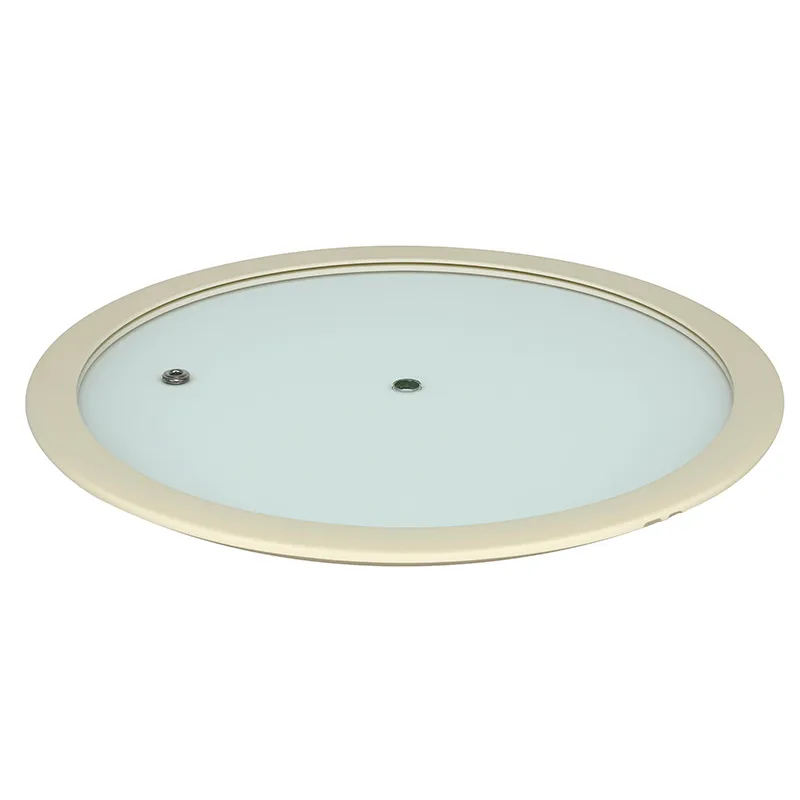
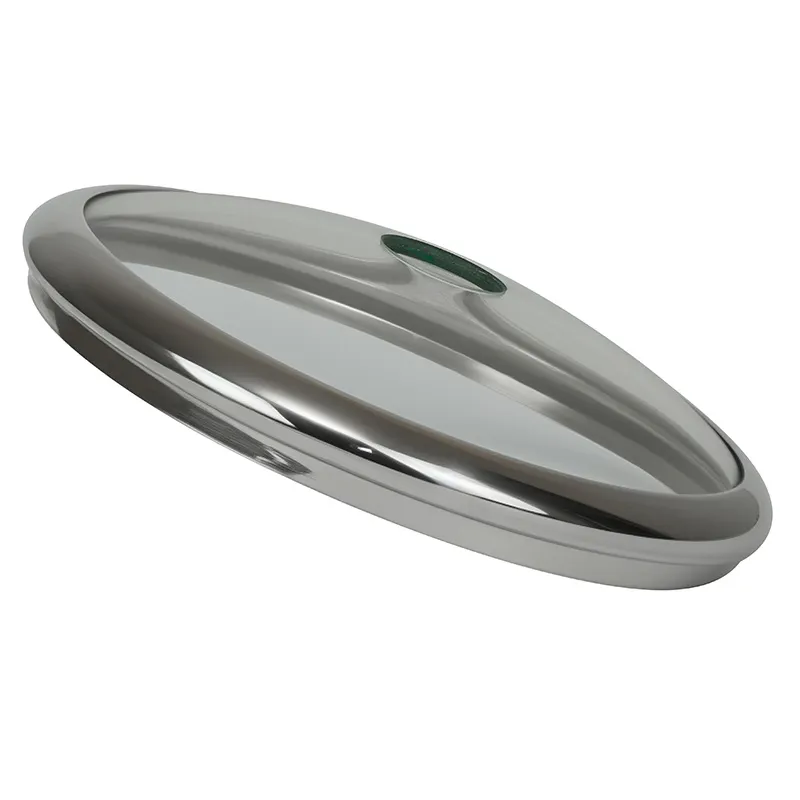
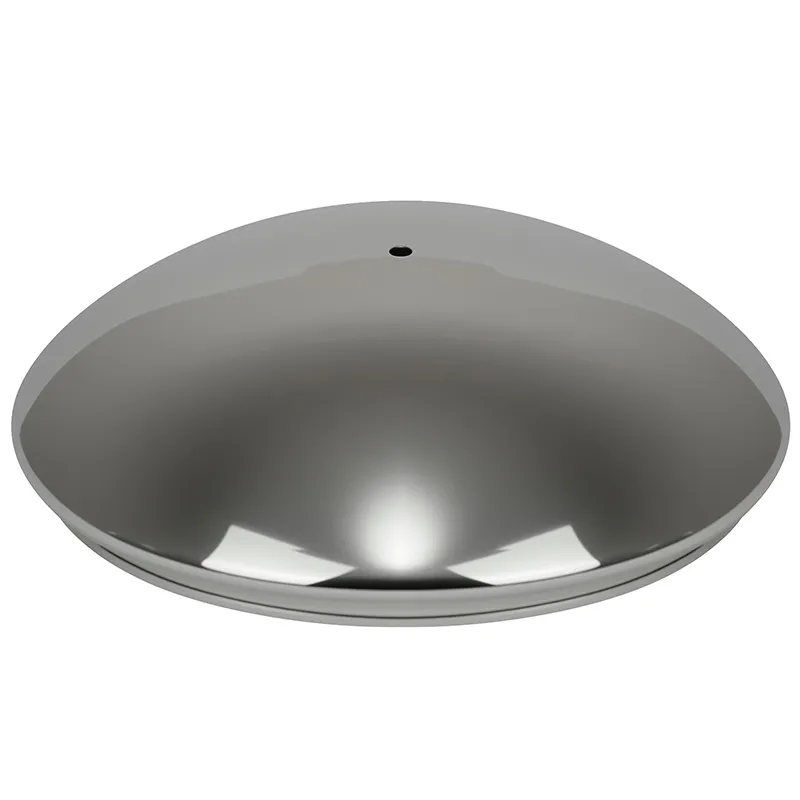
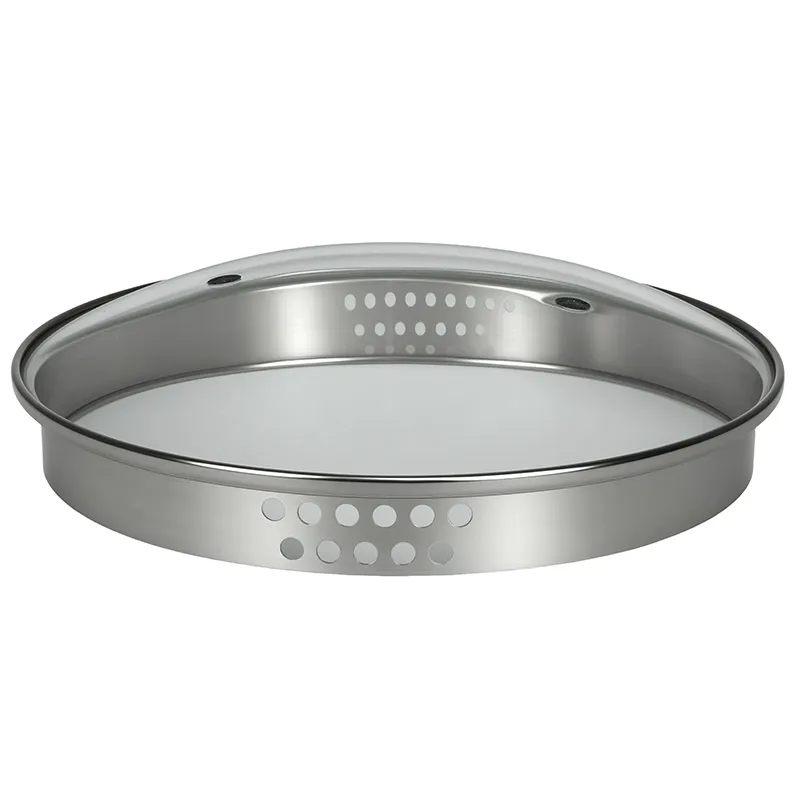
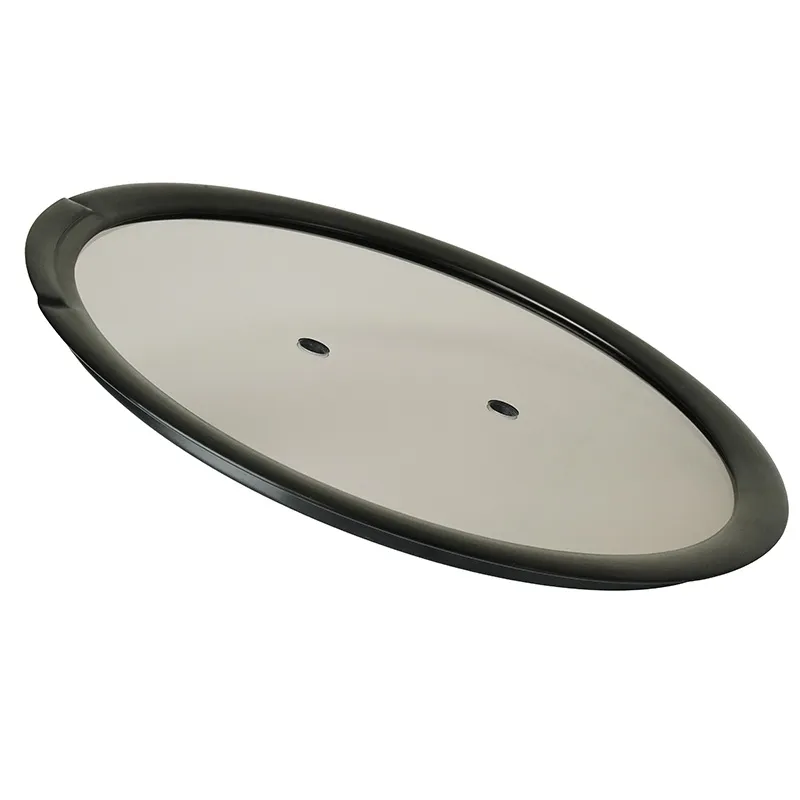
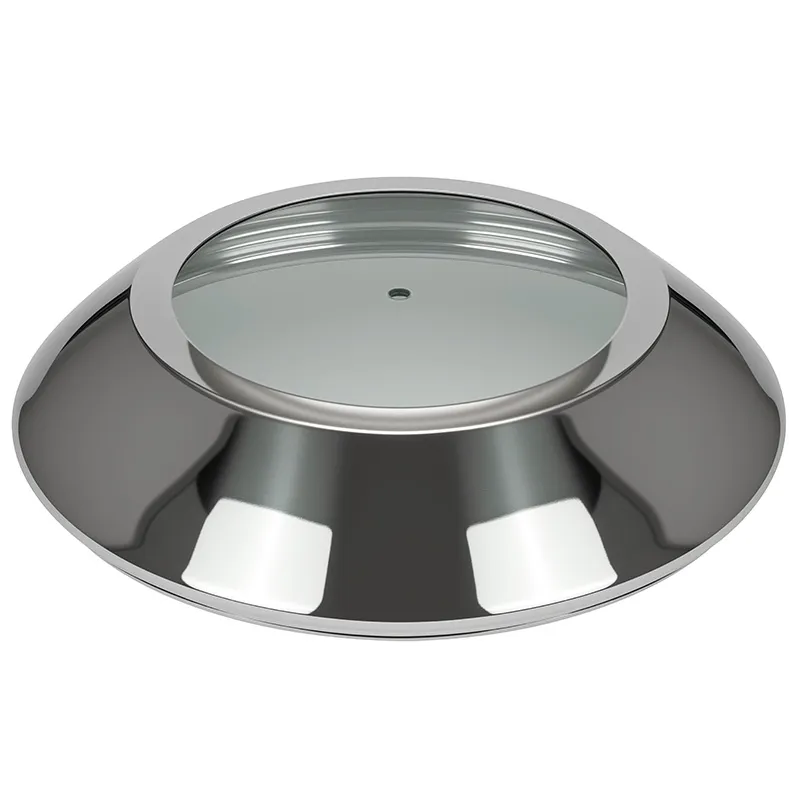
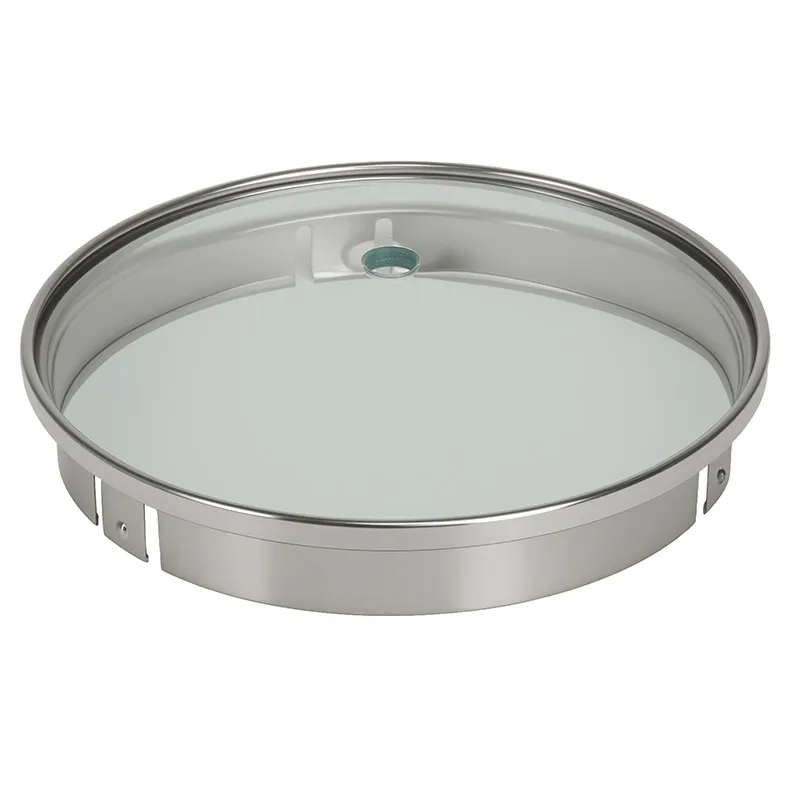
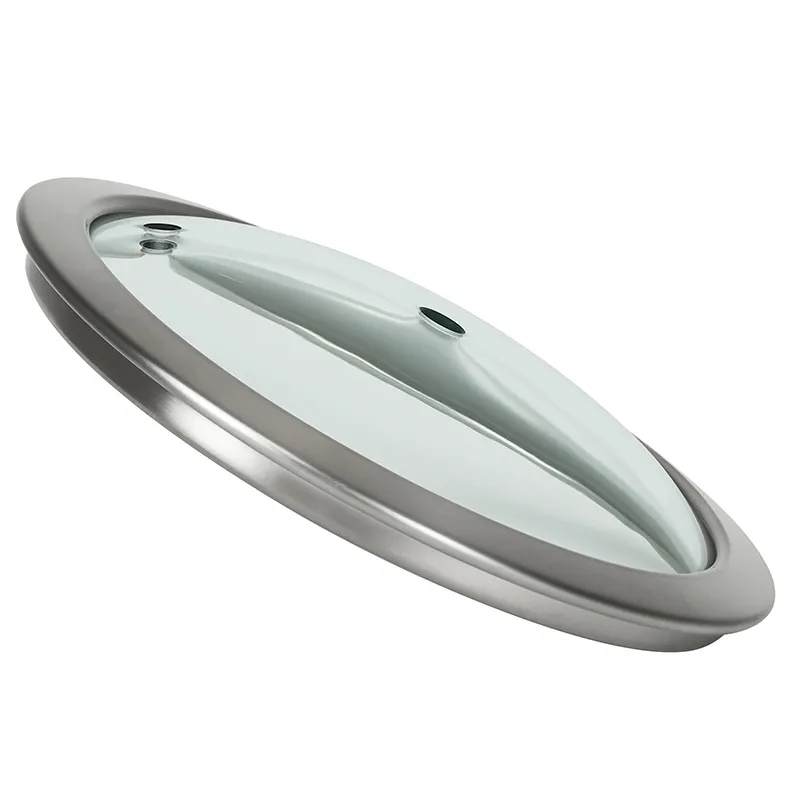
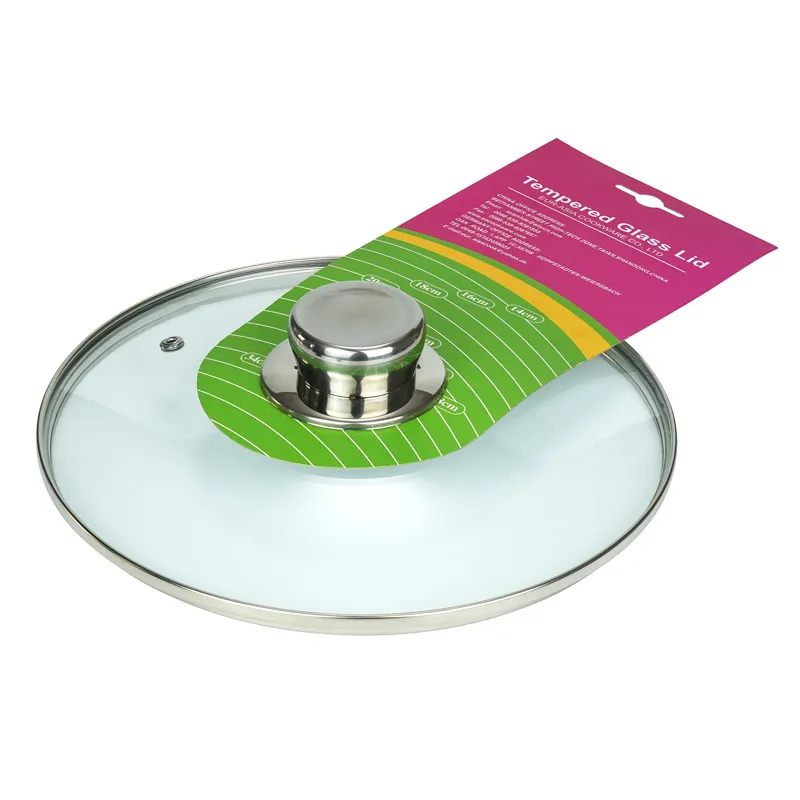
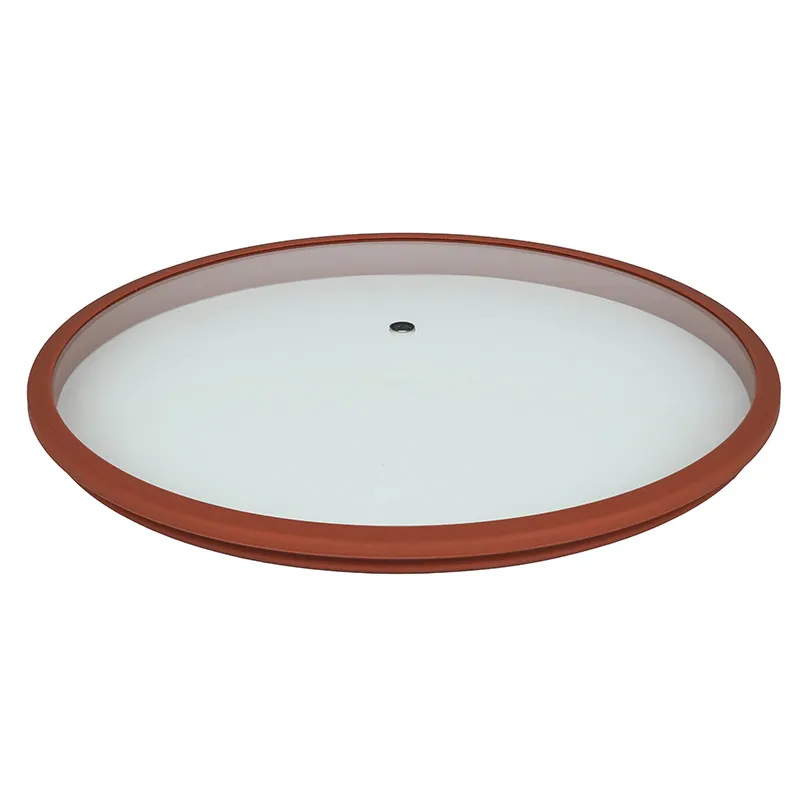
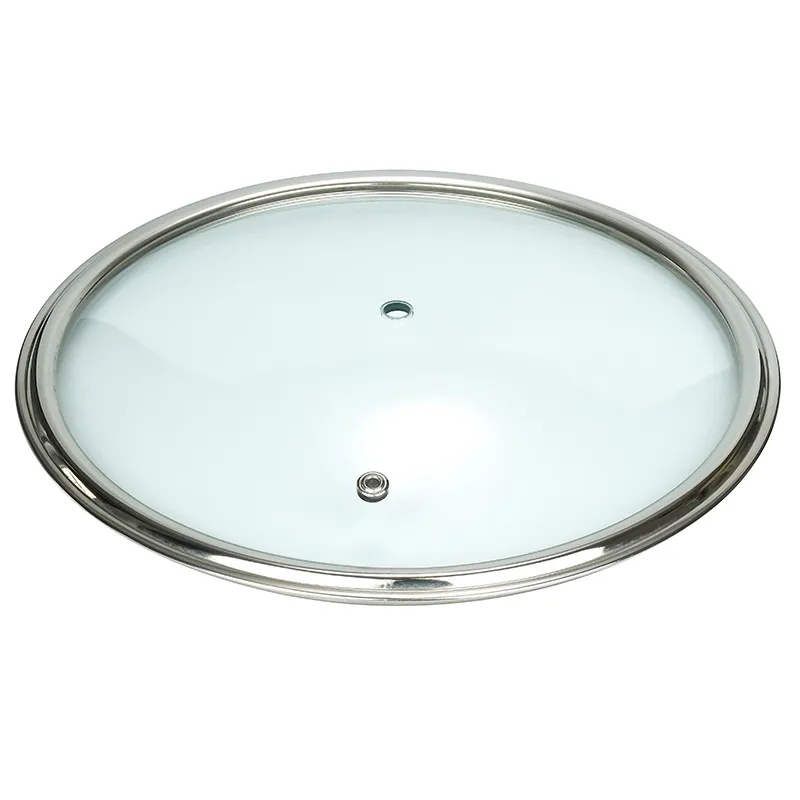
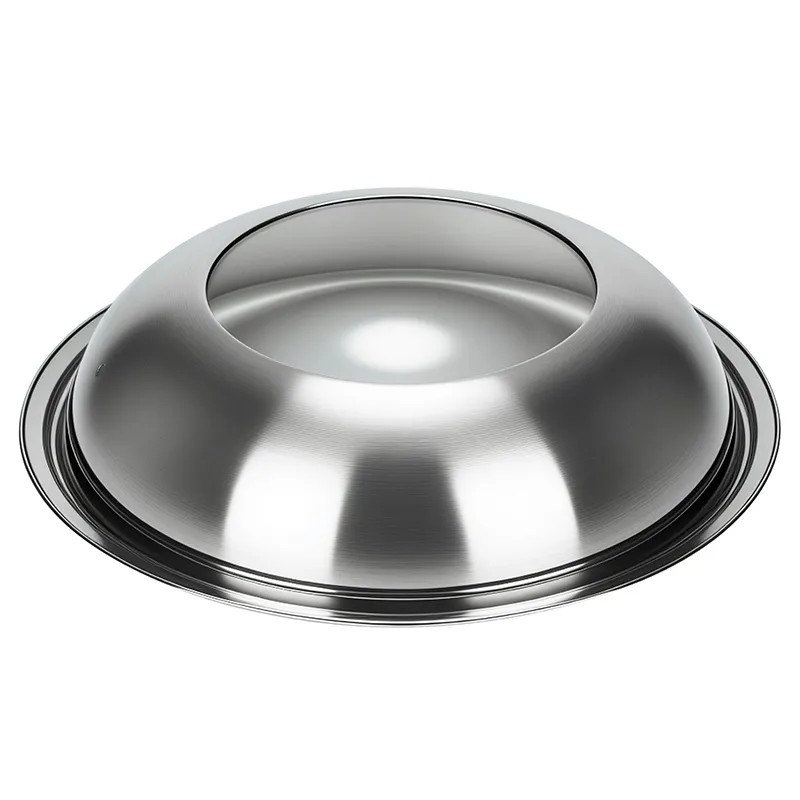
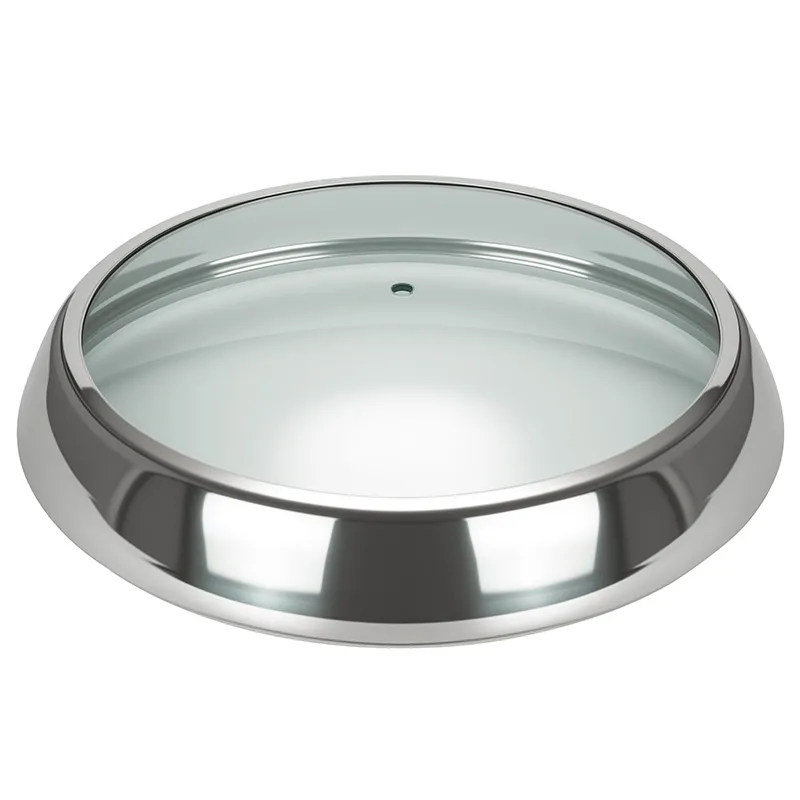
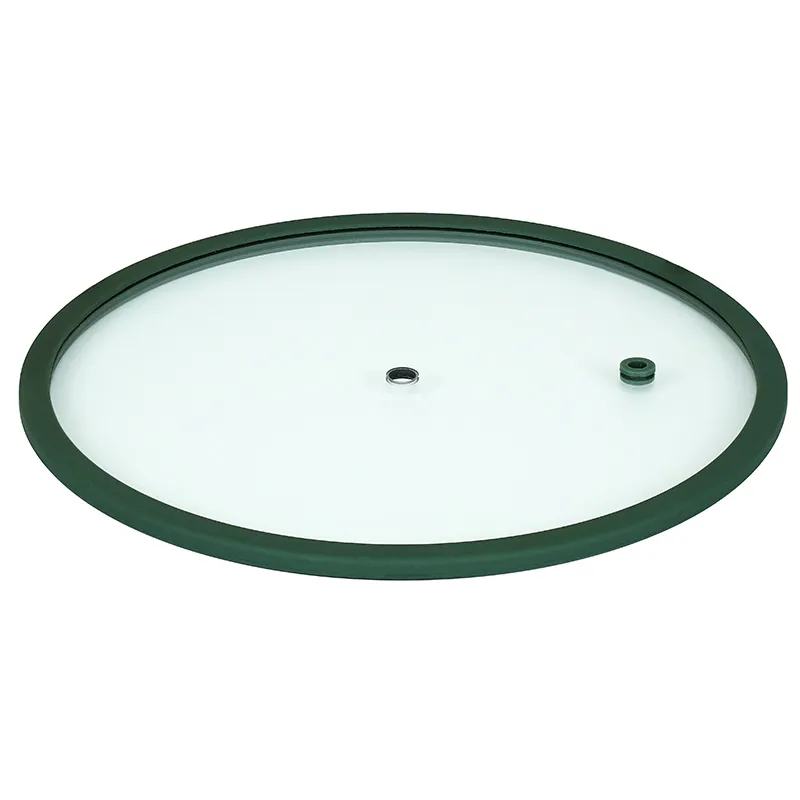
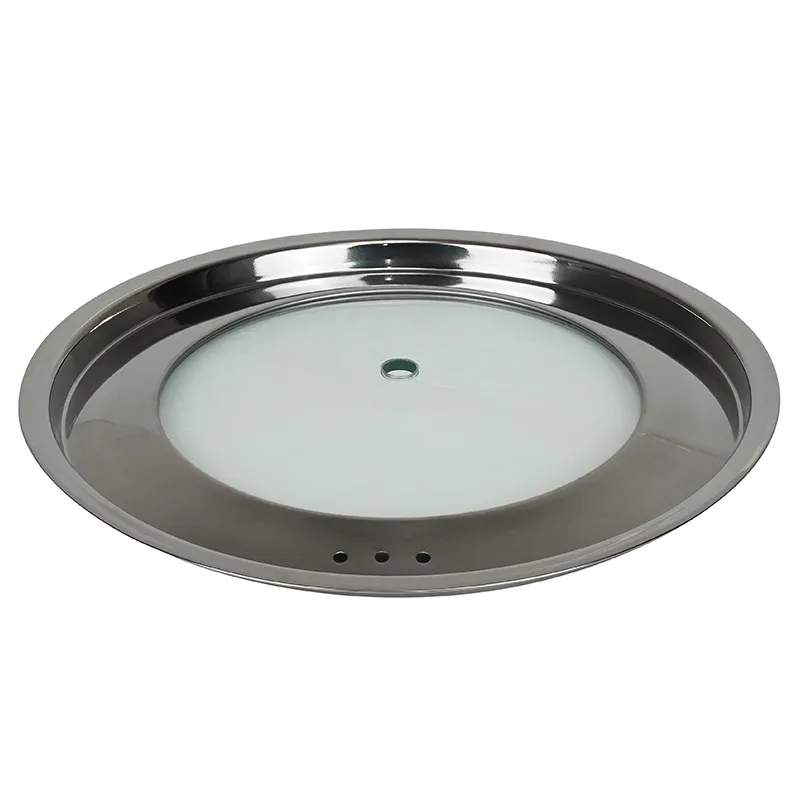
PVD tempered glass lid
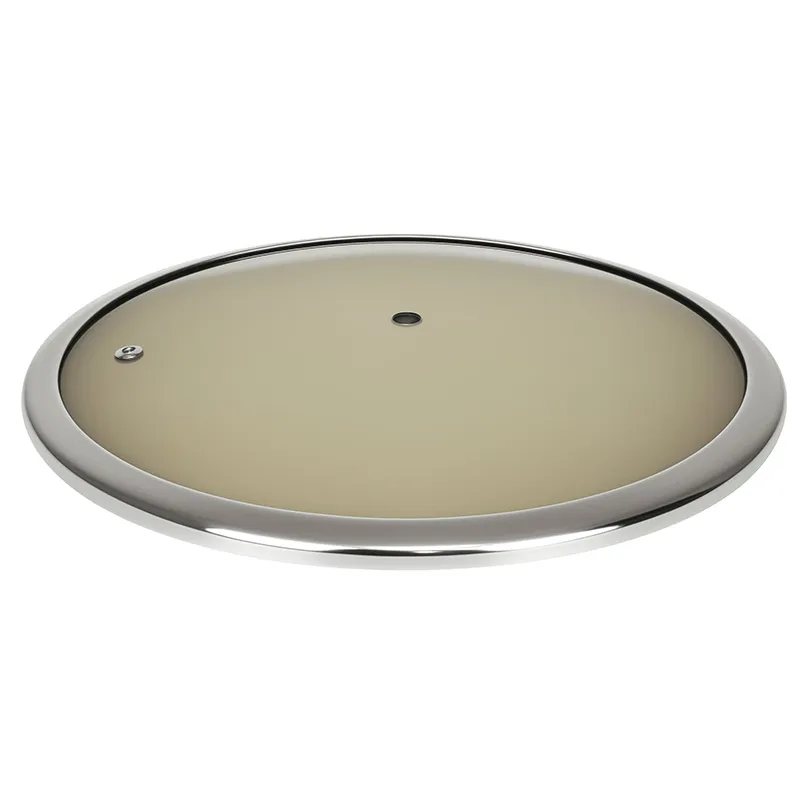
When you hear 'PVD tempered glass lid', most people, even some buyers, immediately think it's just about that mirror-like finish. That's the first misconception. The PVD coating isn't just for looks; it's a functional barrier. I've seen specs where the focus is purely on the color fastness, which is critical, sure, but the real test is thermal shock resistance with that layer on. Does it micro-crack after the 200th cycle? That's where the cheap imitations fail. The substrate glass tempering has to be perfect first; a weak temper will delaminate the PVD under stress, no matter how good the coating machine is. It's a system, not a decoration.
The Core: Why PVD on Glass Anyway?
The driving force isn't primarily aesthetics from our clients at EUR-ASIA COOKWARE. It's about solving two practical problems: fingerprint resistance and easier cleaning. A high-quality PVD tempered glass lid with a hydrophobic top layer wipes clean with a cloth, where a standard clear lid shows every smudge. For the European market, especially Germany and Switzerland, this is a key selling point for premium lines. It moves the product from a simple cover to a 'kitchen tool' that maintains its appearance.
But here's the nuance: the coating target. We don't coat the side that faces the food. That's usually clear, polished tempered glass. The PVD is applied on the top exterior surface. This seems obvious, but I've had prototyping requests asking for a 'golden interior coating' for visual effect during cooking. That's a non-starter from a food safety and durability perspective. The coating isn't designed for constant steam and direct food contact. You have to guide the client back to the real application.
The process sequence is locked in: cut, drill, edge polish, temper, clean, PVD coat, final QC. You cannot reverse tempering and coating. The high heat of tempering (around 620-650°C) would destroy any PVD film. So the glass must be perfectly tempered before it enters the coating chamber. Any stress points or edge defects become glaringly obvious under the reflective coating. It actually amplifies the need for flawless tempering.
Material and Process Pitfalls
Not all glass is equal for this. You need a consistent, high-transparency, low-iron substrate if the design has a clear viewing area. Greenish glass under a titanium-based PVD coating looks muddy. EUR-ASIA's production base in Taian sources specific raw sheets for this. The thickness is another thing – jumping from 3.5mm to 5mm for a larger lid isn't just about weight. The thermal mass changes, which affects the tempering curve and, subsequently, how the coating adheres during its own heating phase in the vacuum chamber.
The PVD process itself (sputtering, in our case) is a black box for many buyers. They just want the color sample matched. But the adhesion layer is everything. A thin chromium or titanium nitride base layer is often key for durability. We ran a trial batch once, skipping an optimized adhesion layer to save cost on a bronze color. The coating passed the standard tape test initially but started showing hazing around the steam vent after just 50 simulated dishwasher cycles. The failure was at the microscopic interface. Had to scrap the entire run. A costly lesson that you can't cheat the metallurgy.
Color consistency is a nightmare across batches. The angle of the fixtures in the chamber, the wear on the titanium targets, even the ambient humidity during loading can cause subtle shifts. A 'stainless steel look' from March might have a slightly bluer tint than June's batch if parameters aren't robotically controlled. For a brand ordering 50,000 pieces for a chain store, that's unacceptable. We now use spectral analysis to match, not just human eye.
Design Constraints and the Steam Vent
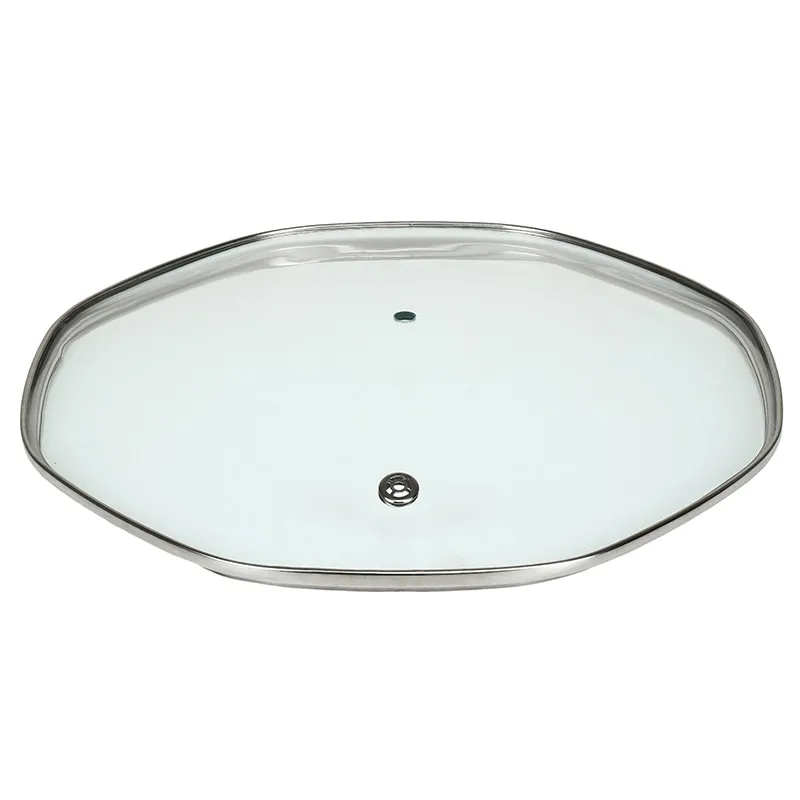
This is where theory meets the physical object. The tempered glass lid must have a steam vent. Designing the vent area for a PVD-coated lid is tricky. You can't coat after you've attached a metal or plastic vent knob usually. So the process is: coat the glass panel, then carefully assemble the vent hardware. This creates a tiny unprotected edge at the drill hole. If the coating isn't perfectly terminated and sealed, corrosion or peeling can start there. We've moved to a design where the vent knob has a silicone gasket that sits over the coated edge, protecting it.
Handles and knobs are another interface. You're bonding silicone or metal to a coated surface. The adhesive must be chosen for thermal cycling and must not react with the PVD coating material. An aggressive adhesive once caused a visible 'halo' discoloration under the handle base after thermal testing. It wasn't a failure of the glass or the coating, but of the chemical marriage between the adhesive and the coating. Now it's a specific part of our validation protocol.
Edgework becomes more critical. A finely polished edge feels premium, but on a coated lid, that polished curve must be uniformly coated. Thickness variation on a curved edge can cause a visible color band. Sometimes, a matte-finished edge actually works better with PVD as it diffuses the light, hiding minor thickness gradients. It's a small detail that separates a good product from a great one.
Real-World Failure and Market Feedback
Our biggest return issue hasn't been breakage—tempering sees to that—but coating wear. Not full delamination, but micro-scratches that make the lid look dull over years of use. This is especially true for lids used with abrasive scouring pads. We now specify and test for a minimum Taber abrasion resistance (CS-10 wheel, specific cycles) for our premium PVD tempered glass lines. It adds cost, but it's necessary for the German market, where consumers expect a product to last a decade.
I recall a shipment to a distributor in Brazil where the client complained of 'rainbow patterns' on some lids. After frantic analysis, it turned out to be interference patterns in the coating, a sign of uneven thickness, but only visible under specific fluorescent lighting in their warehouse. The batch passed our QC under standard D65 lights. It was a specification mismatch. We now check for interference fringes as part of the visual inspection under multiple light sources. The problem hasn't recurred.
Market preference varies wildly. Southern Europe likes gold and copper tones for a traditional look. East Asia and parts of Northern Europe prefer the cool, neutral stainless steel or black chrome finishes. For EUR-ASIA COOKWARE, with over 90% export, this means maintaining a vast library of target colors and processes. A single 'gold' isn't enough; we have catalog numbers for 'warm gold', 'pale gold', 'rose gold'—each with its own recipe of materials and layer thicknesses in the PVD chamber.
The Manufacturing Scale at EUR-ASIA
With an annual output of over 15 million pieces of various tempered glass lid types, scaling PVD processes is a logistical puzzle. The coating chambers have limited batch sizes. You can't just run one small order of a custom color without significant downtime for chamber cleaning and target changeover. Production is planned in color blocks. This is why MOQs exist for custom PVD colors. The efficiency of their 15,000㎡ facility in Shandong hinges on this sequencing.
The human factor is still there. Despite automation, loading the jigs for the PVD chamber is manual. The operators wear lint-free gloves and must place each lid perfectly to ensure uniform coating thickness. A misaligned lid can cast a 'shadow' on another, leading to a reject. Training for this station is specific and lengthy. It's a skill. You can find more on their operational scale at glass-lid.com, which details their export focus.
Finally, the cost structure. A PVD tempered glass lid can be 30-70% more expensive than a clear one, depending on the target material (titanium, zirconium, chromium) and the complexity of the finish. For a brand, it's a value-add calculation. Does the visual and functional upgrade justify the price for their end-user? For the high-end segment in France or Japan, often yes. For volume-driven markets, maybe not. That's the business judgment that sits on top of the technical one. The product is viable because it solves a real annoyance—cleaning—while looking sharp on a modern hob. That's its true purpose, beyond just being a cover.
Related Products
Related Products