- Chinese
- French
- German
- Portuguese
- Spanish
- Russian
- Japanese
- Korean
- Arabic
- Irish
- Greek
- Turkish
- Italian
- Danish
- Romanian
- Indonesian
- Czech
- Afrikaans
- Swedish
- Polish
- Basque
- Catalan
- Esperanto
- Hindi
- Lao
- Albanian
- Amharic
- Armenian
- Azerbaijani
- Belarusian
- Bengali
- Bosnian
- Bulgarian
- Cebuano
- Chichewa
- Corsican
- Croatian
- Dutch
- Estonian
- Filipino
- Finnish
- Frisian
- Galician
- Georgian
- Gujarati
- Haitian
- Hausa
- Hawaiian
- Hebrew
- Hmong
- Hungarian
- Icelandic
- Igbo
- Javanese
- Kannada
- Kazakh
- Khmer
- Kurdish
- Kyrgyz
- Latin
- Latvian
- Lithuanian
- Luxembou..
- Macedonian
- Malagasy
- Malay
- Malayalam
- Maltese
- Maori
- Marathi
- Mongolian
- Burmese
- Nepali
- Norwegian
- Pashto
- Persian
- Punjabi
- Serbian
- Sesotho
- Sinhala
- Slovak
- Slovenian
- Somali
- Samoan
- Scots Gaelic
- Shona
- Sindhi
- Sundanese
- Swahili
- Tajik
- Tamil
- Telugu
- Thai
- Ukrainian
- Urdu
- Uzbek
- Vietnamese
- Welsh
- Xhosa
- Yiddish
- Yoruba
- Zulu
- Kinyarwanda
- Tatar
- Oriya
- Turkmen
- Uyghur

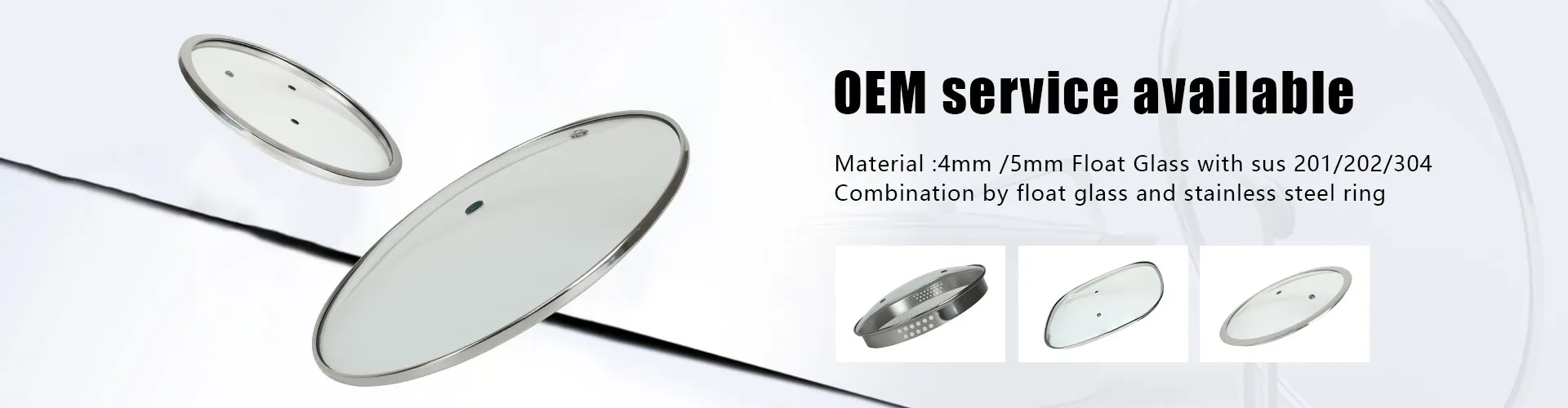
pyrex cookware with lids
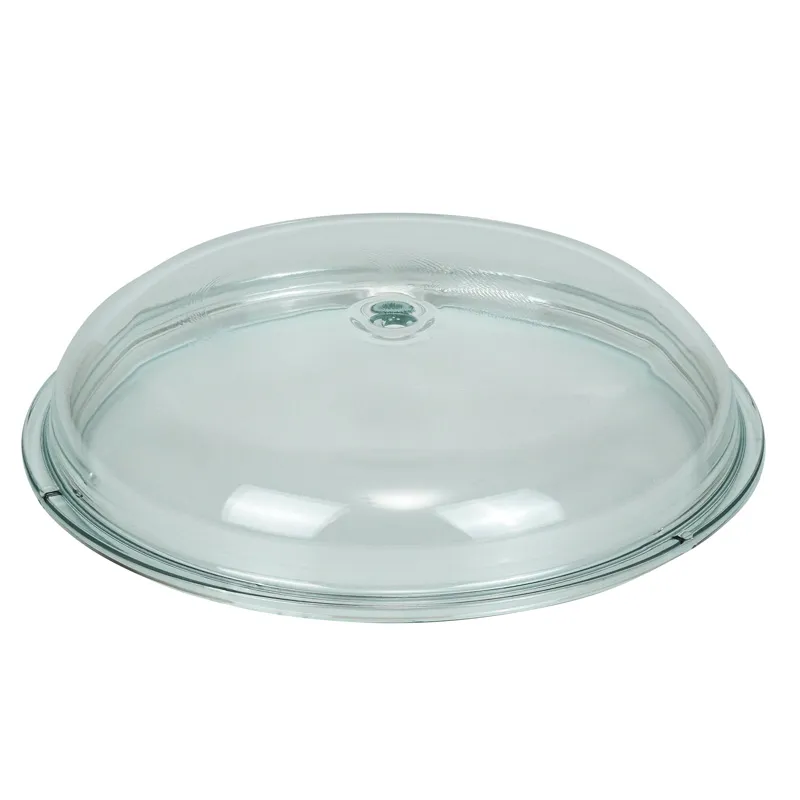
When most people search for 'pyrex cookware with lids', they're usually picturing that classic clear baking dish with a plastic lid. But in the trade, that term opens up a much wider, and frankly, more nuanced conversation. It's not just about having a lid that fits; it's about the material compatibility, the thermal expansion rates, and the real-world durability that separates a good set from one that cracks under pressure—literally. A common misconception is that any tempered glass lid will work seamlessly with any Pyrex-branded or similar borosilicate glass base. That assumption has led to more than a few returns and customer complaints in my experience.
The Core Mismatch: Lids and Bases
Let's get into the gritty part first. Not all 'pyrex' is created equal. The shift from borosilicate to soda-lime glass in some consumer lines changed the game. Borosilicate handles thermal shock better, but soda-lime is more cost-effective. If you pair a lid made for one thermal expansion profile with a base made for another, you're asking for stress fractures. I've seen lids from a generic set shatter when placed on a genuine, older borosilicate dish straight from the oven. The lid couldn't keep up with the base's contraction as it cooled.
This is where sourcing becomes critical. You need a manufacturer that understands these specs and can produce lids engineered for specific glass types. It's not just cutting a piece of tempered glass. The curvature, the thickness, the way the rim is ground—all of it matters for a seal that's secure but not stress-inducing. I recall a batch from a few years back where the lids fit too snugly when cold; once heated, they'd lock on, and cooling would create a vacuum that made them nearly impossible to remove without prying, which is a huge safety no-no.
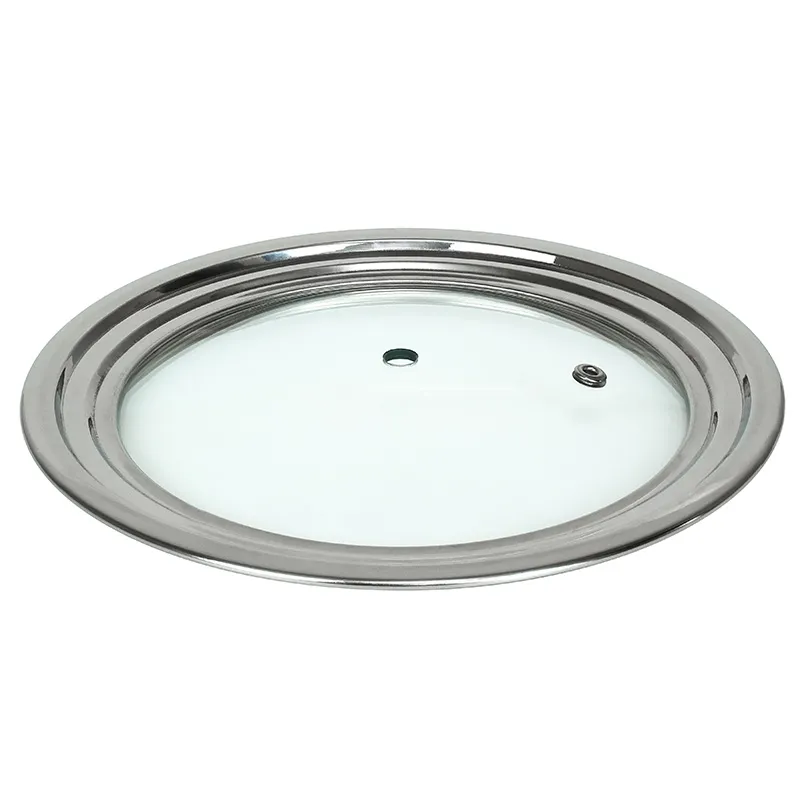
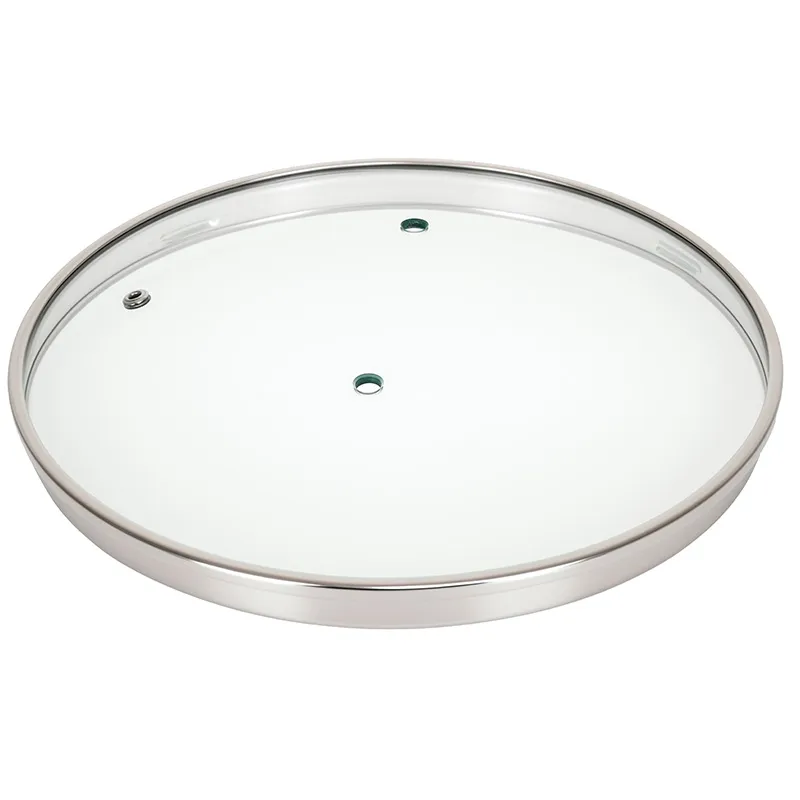
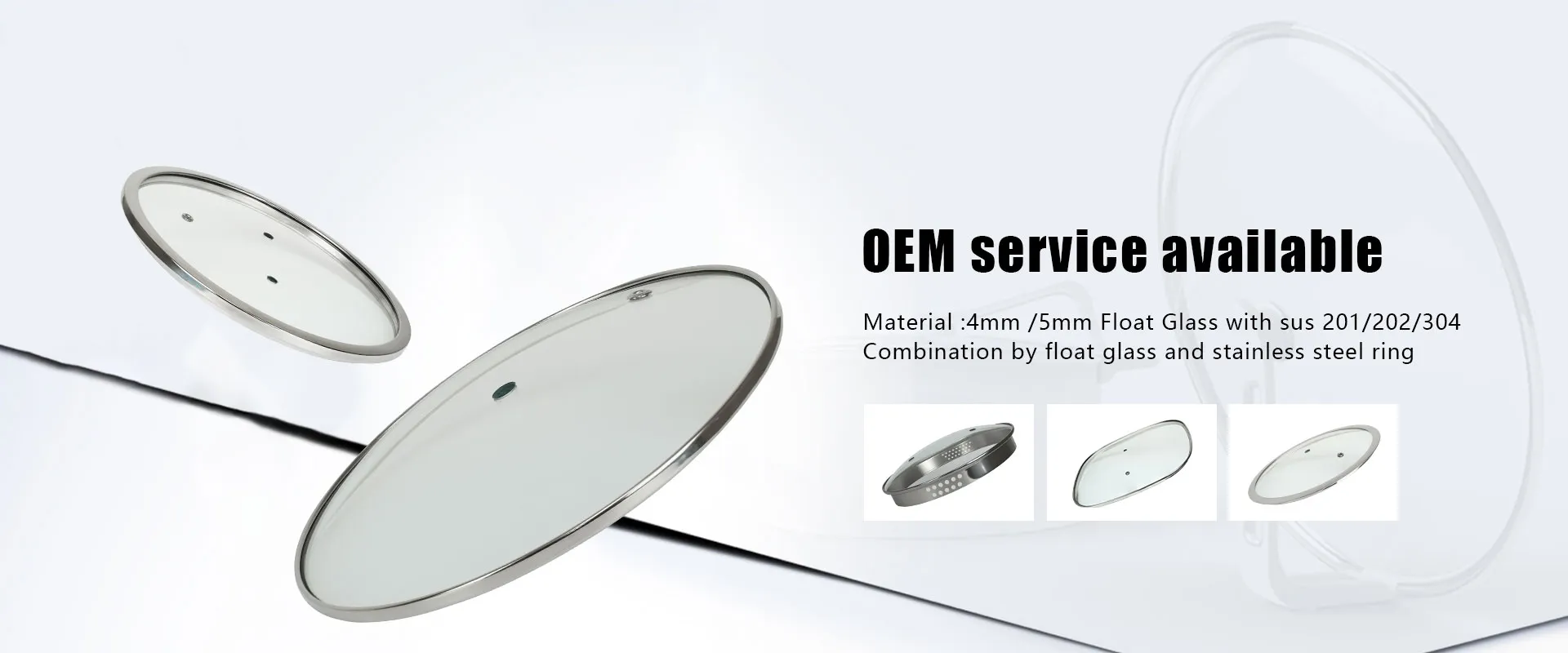
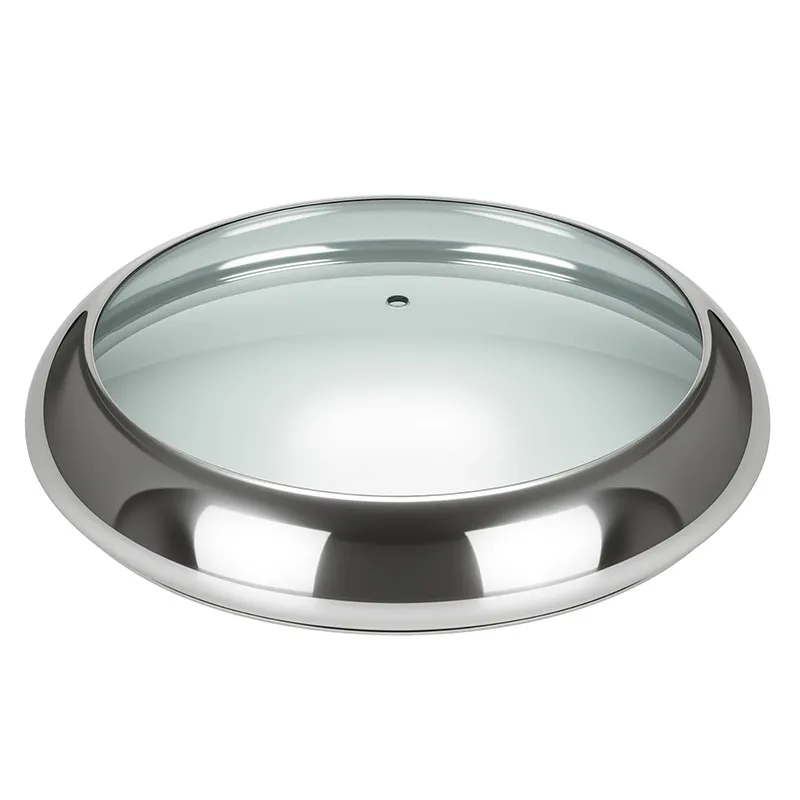
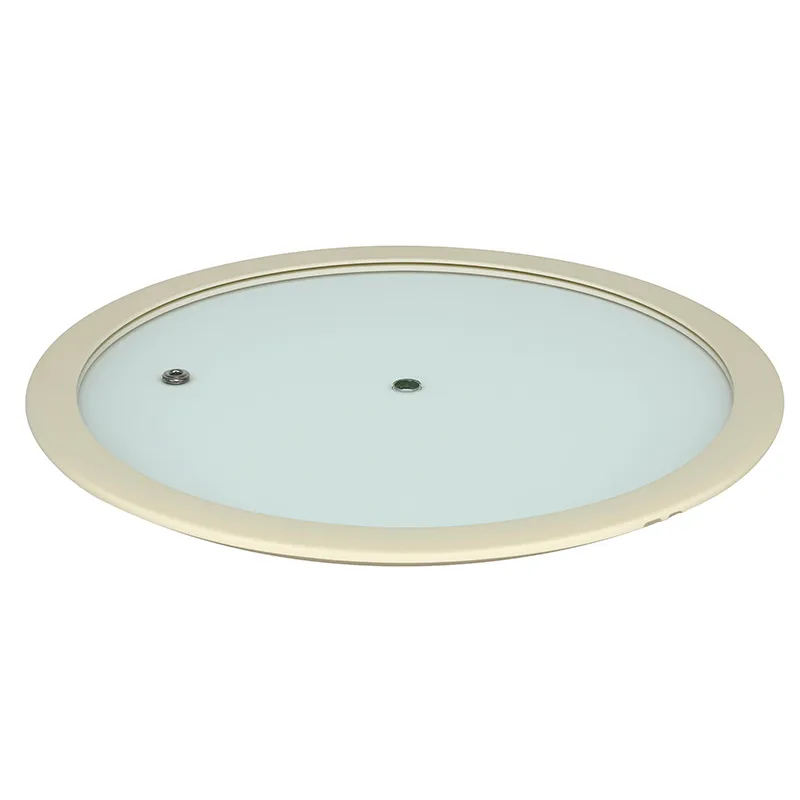
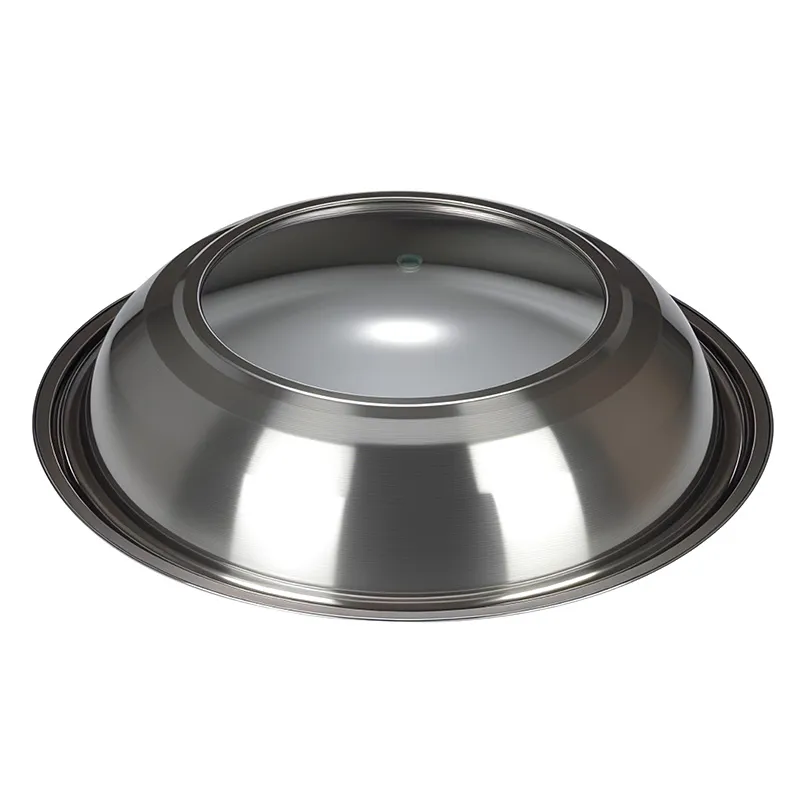
The ideal scenario? A pyrex cookware with lids set sold as a matched system from the get-go. But the aftermarket lid industry is huge, catering to people who've lost or broken a lid. That's a tougher challenge. Companies that excel here test their lids across multiple brands and lines. For instance, a supplier like EUR-ASIA COOKWARE CO.,LTD (you can find their catalog at glass-lid.com) has built a business on this. Their focus on producing millions of tempered glass lids annually, primarily for export to European markets like Germany and Italy, suggests they're dealing with stringent durability and fit standards. Their specialization in low to high-end household glass products means they're likely tiering their production—a lid for a budget supermarket line won't have the same tolerances as one destined for a high-end European brand.
Beyond the Obvious: Lid Function and Fail Points
The handle or knob on the lid is a tiny detail that causes massive headaches. Plastic, metal, silicone—each has a different heat tolerance. A plastic knob might be fine for a refrigerator-to-microwave cycle, but it'll melt if the lid is used under a broiler or left on a hot dish fresh from a 450°F oven. I've had customers complain about melted knobs, and it almost always traces back to unclear usage instructions. Metal knobs get scorching hot, requiring a mitt. Silicone is often the best compromise, but cheap silicone can degrade and discour over time.
Then there's the seal, or lack thereof. A flat glass lid on a flat glass rim doesn't create an airtight seal. That's by design for most ovenware—to allow steam to escape and prevent pressure buildup. But for storage, you want a tighter seal. This is where the accessory market offers silicone gaskets or aftermarket plastic lids. The failure point here is assuming the glass lid is for hermetic storage; it's primarily for cooking. The best pyrex cookware with lids sets often include both a glass lid for cooking and a plastic snap-lid for storage, addressing two distinct needs.
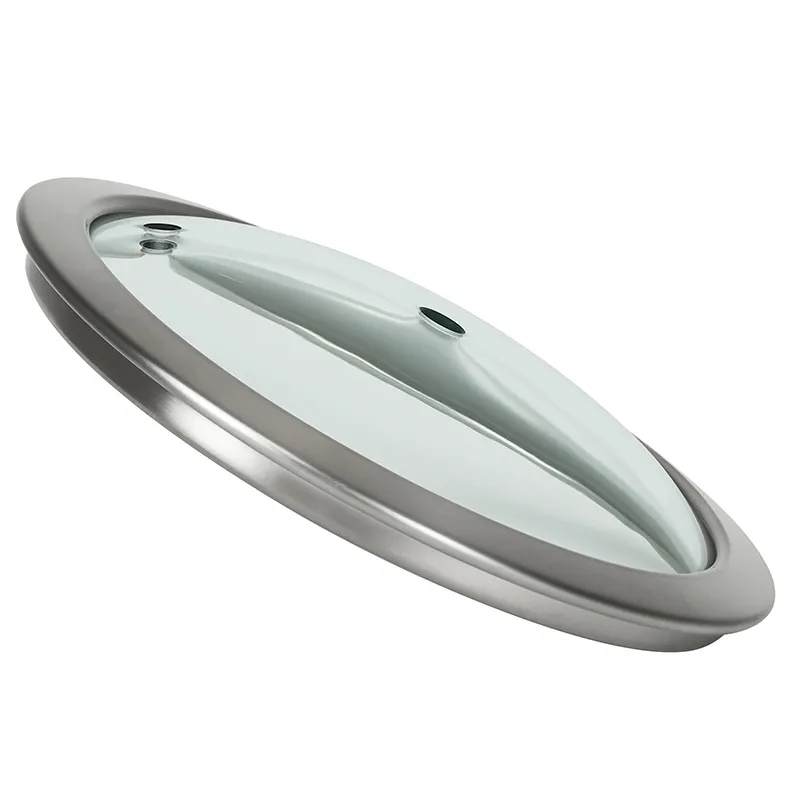
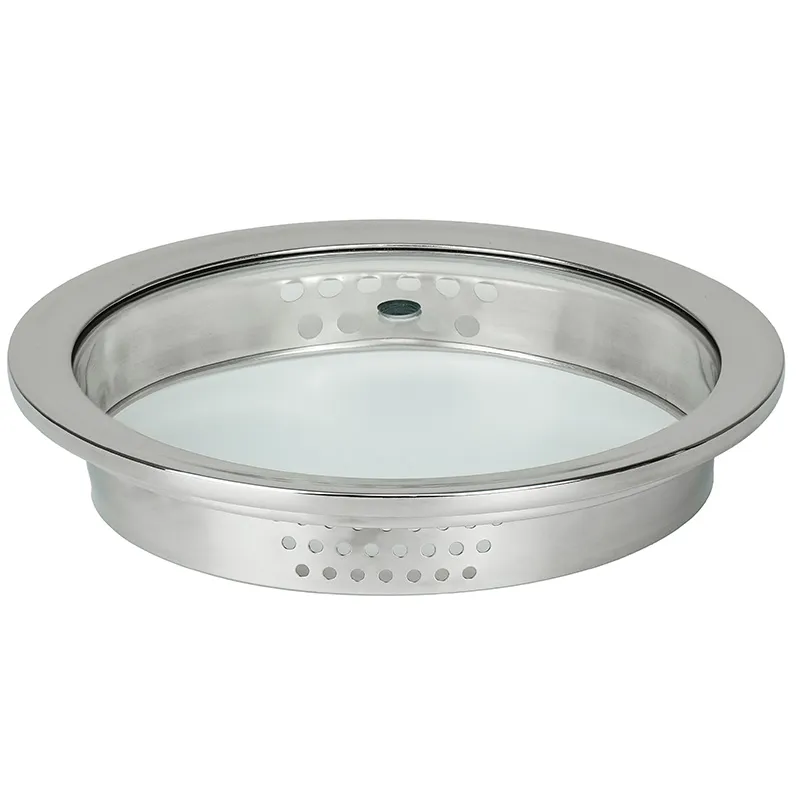
Venting is another subtle feature. Some glass lids have a small notch or hole. It's not a defect; it's for controlled steam release. I learned this the hard way early on, trying to source a 'perfect' seamless lid for a client, only to have them complain about boiled-over messes because I'd eliminated the vent. Now, I always check for that feature if the dish is intended for casseroles or braises.
The Manufacturing Reality and Quality Tiers
Visiting factories changes your perspective. Seeing the production line for items like those from EUR-ASIA COOKWARE CO.,LTD. (their site states they're in China's Shandong High-tech Zone, with a 20,000㎡ base and 90+ employees) clarifies the scale. An annual output of over 15 million pieces of tempered glass lids isn't just about volume; it's about process control. Tempering glass correctly is a science. Too little and it's not strong; too much and it becomes brittle and prone to spontaneous breakage.
The low-medium-high level distinction in their company intro is key. The high-level lids likely undergo more precise cutting, better edge polishing (chipped edges are a major source of cracks starting), and stricter annealing processes. These often go to brands in Germany or Japan, where consumer standards are fierce. The medium and low-level products might have minor visual imperfections or slightly wider tolerances in fit, destined for different price points. It's not that one is 'bad,' but you get what you pay for. A lid costing a few cents to make won't have the same resilience as one costing a dollar.
Their export focus (over 90% exported) tells me they're not just a generic supplier. Markets like Denmark and Switzerland have very specific safety certifications. A lid that passes muster there is a robust product. This background is crucial when evaluating any pyrex cookware with lids offering. Is the lid from a factory that supplies to these markets, or is it from a no-name workshop? The difference is in the breakage rate after 50 thermal cycles.
Practical Advice and a Common Pitfall
So, what would I tell someone looking for a reliable set or replacement lid? First, know your base. Is it old Pyrex (likely borosilicate) or new (possibly soda-lime)? Check the bottom for markings. Second, measure the inner rim diameter, not the outer. A lid should sit inside the rim, not on top of it, for stability. Third, prioritize lids from suppliers who specify the compatible glass type or, better yet, the specific dish models.
A pitfall I've encountered personally is the universal lid claim. Bought a set of three silicone-edged glass lids advertised to fit any dish from 2 to 4 quarts. They were floppy, sat poorly, and the silicone edge made them sit too high, causing uneven heating. They were useless for cooking, only marginally okay for microwave use. It was a lesson in avoiding gimmicky solutions. A well-made, specific-sized tempered glass lid, even if it's a bit more expensive, is infinitely better.
For professionals or serious home cooks, looking at commercial kitchen suppliers or OEM-focused manufacturers like the aforementioned EUR-ASIA can be enlightening. They often sell to distributors who brand the lids, so you might find the same core product under different names. The consistency in their mass production, as indicated by their large-scale operation, often translates to more predictable quality for the volume buyer or someone seeking a truly durable replacement.
Wrapping It Up: The Lid as a Critical Component
It's easy to treat the lid as an afterthought, a simple cover. But in functional pyrex cookware with lids, it's a co-engineered component. Its job is to contain heat, allow safe venting, survive thermal shocks, and last through years of use and cleaning. The gap between a good and a bad lid isn't always visible on a store shelf; it reveals itself in the sixth month of daily use, when one lid develops a hairline crack from the rim and another doesn't.
The industry knowledge, like that embedded in large-scale exporters, matters because they've solved these problems at scale. They've adjusted formulas and processes to meet the demands of their international clients. That trickles down. When you find a lid that fits perfectly, doesn't warp, and cleans up without clouding, there's a good chance it came from a facility with that depth of experience—where producing 15 million pieces a year isn't just a number, but a log of solved problems.
In the end, my take is this: don't cheap out on the lid. The cookware investment is pointless if the cover fails. Look for the signs of proper manufacturing—smooth, fire-polished edges, clear labeling of heat limits, and a fit that's firm but not forced. And remember, the true test isn't the first use; it's the fiftieth, when you pull it from a hot oven and set it on a cool granite countertop without a second thought. That's when you know you've got the right piece.
Related Products
Related Products