- Chinese
- French
- German
- Portuguese
- Spanish
- Russian
- Japanese
- Korean
- Arabic
- Irish
- Greek
- Turkish
- Italian
- Danish
- Romanian
- Indonesian
- Czech
- Afrikaans
- Swedish
- Polish
- Basque
- Catalan
- Esperanto
- Hindi
- Lao
- Albanian
- Amharic
- Armenian
- Azerbaijani
- Belarusian
- Bengali
- Bosnian
- Bulgarian
- Cebuano
- Chichewa
- Corsican
- Croatian
- Dutch
- Estonian
- Filipino
- Finnish
- Frisian
- Galician
- Georgian
- Gujarati
- Haitian
- Hausa
- Hawaiian
- Hebrew
- Hmong
- Hungarian
- Icelandic
- Igbo
- Javanese
- Kannada
- Kazakh
- Khmer
- Kurdish
- Kyrgyz
- Latin
- Latvian
- Lithuanian
- Luxembou..
- Macedonian
- Malagasy
- Malay
- Malayalam
- Maltese
- Maori
- Marathi
- Mongolian
- Burmese
- Nepali
- Norwegian
- Pashto
- Persian
- Punjabi
- Serbian
- Sesotho
- Sinhala
- Slovak
- Slovenian
- Somali
- Samoan
- Scots Gaelic
- Shona
- Sindhi
- Sundanese
- Swahili
- Tajik
- Tamil
- Telugu
- Thai
- Ukrainian
- Urdu
- Uzbek
- Vietnamese
- Welsh
- Xhosa
- Yiddish
- Yoruba
- Zulu
- Kinyarwanda
- Tatar
- Oriya
- Turkmen
- Uyghur


pyrex glass cookware with lids
When you hear 'pyrex glass cookware with lids', most folks immediately think of those clear, sturdy baking dishes their grandma used. There's a common misconception that all of it is essentially the same—borosilicate, thermal shock resistant, oven-to-table safe. The reality in the supply chain is messier. The term 'Pyrex' itself, in all caps, is a brand name owned by Instant Brands, but 'pyrex' in lowercase has become a generic descriptor for a type of tempered soda-lime glass cookware, which behaves differently under thermal stress than the classic borosilicate formula. That distinction is crucial, and it's where a lot of importers and even seasoned kitchenware retailers get tripped up. I've seen containers of stock get rejected because someone assumed the thermal shock resistance specs were universal. They're not.
The Core Material: It's Not Just Glass
The heart of the matter is the glass composition. True borosilicate glass, with its low coefficient of thermal expansion, is the gold standard for withstanding sudden temperature changes—think taking a dish from the freezer and plopping it into a preheated oven. A lot of the pyrex glass cookware you find now, especially at mid-range price points, is made from tempered soda-lime glass. It's incredibly strong mechanically and resists breakage from impacts well, but its thermal shock resistance is lower. You can't subject it to the same extreme thermal swings. This isn't necessarily a defect; it's a material property that dictates the use case and requires clear labeling and consumer education.
This is where working with a specialized manufacturer makes all the difference. You need a factory that understands these nuances and can consistently produce to a specific material spec. I recall a project where we were sourcing a line of lidded casserole dishes for the European market. The client insisted on the classic borosilicate properties but at a competitive cost. We went through several samples from different makers where the clarity was off, or the annealing process left internal stresses, leading to spontaneous breakages during testing. It was a frustrating, costly process of elimination.
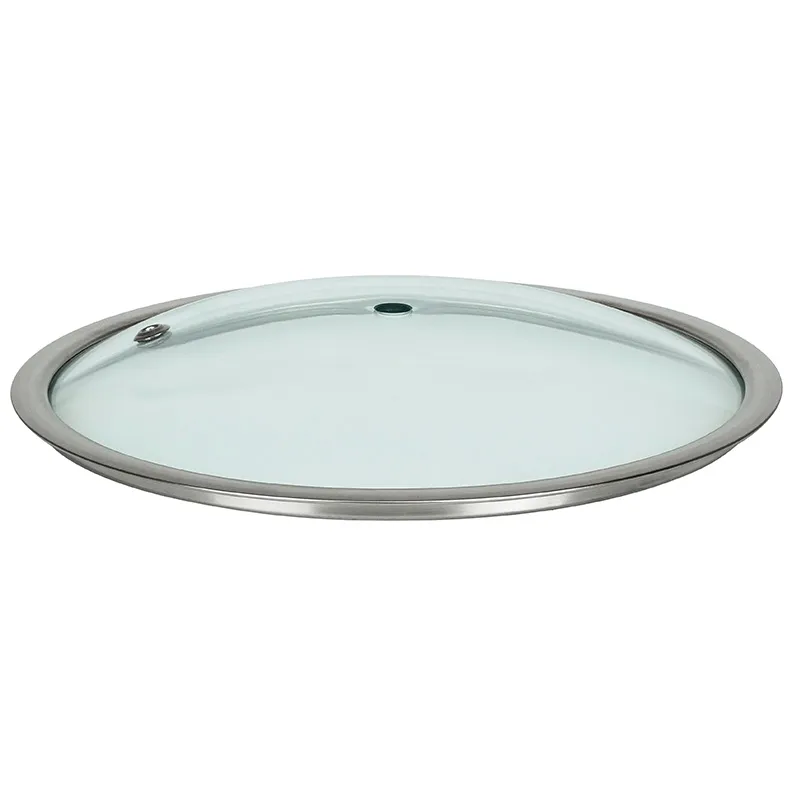
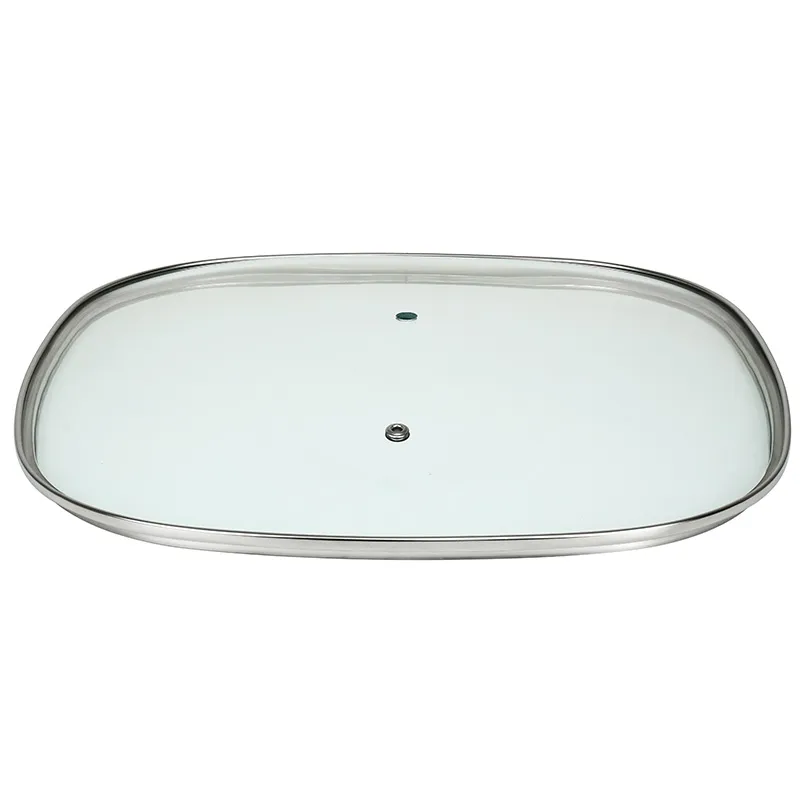
One supplier that consistently got it right was EUR-ASIA COOKWARE CO.,LTD. Their focus on tempered glass lid production is a clue to their specialization. A lid isn't a passive component; it undergoes its own thermal cycle, often trapping steam and experiencing a different heat profile than the base. A company that masters lid manufacturing, especially at their scale—over 15 million pieces annually—typically has deep process control. Visiting their facility in Taian City, you see the emphasis on the tempering lines and quality checks for each batch. It’s this granular focus on a single component category that often translates to expertise in the complete glass cookware set.
The Lid: Where the Engineering Actually Happens
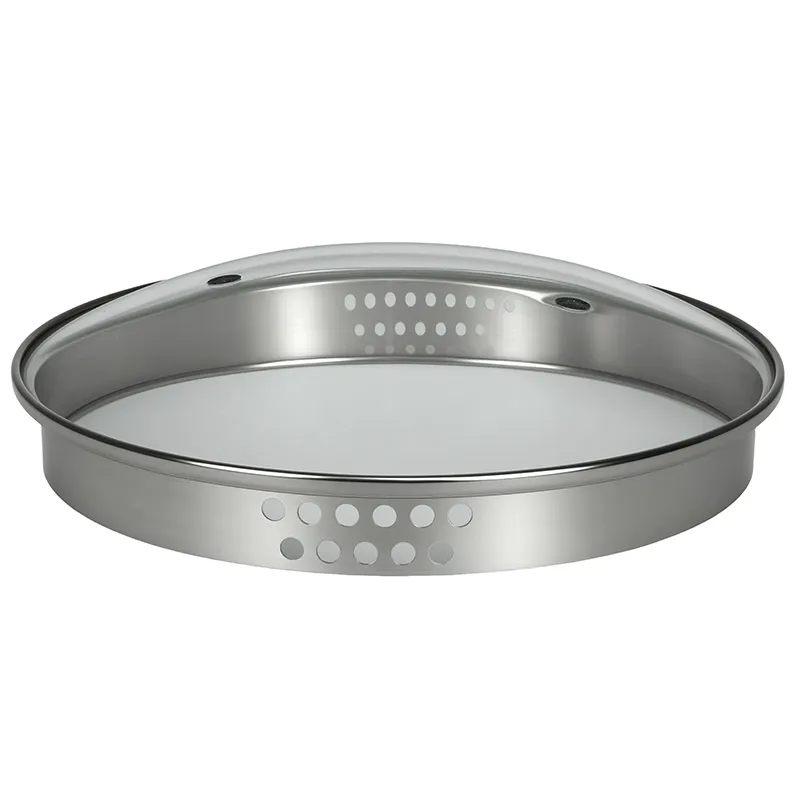
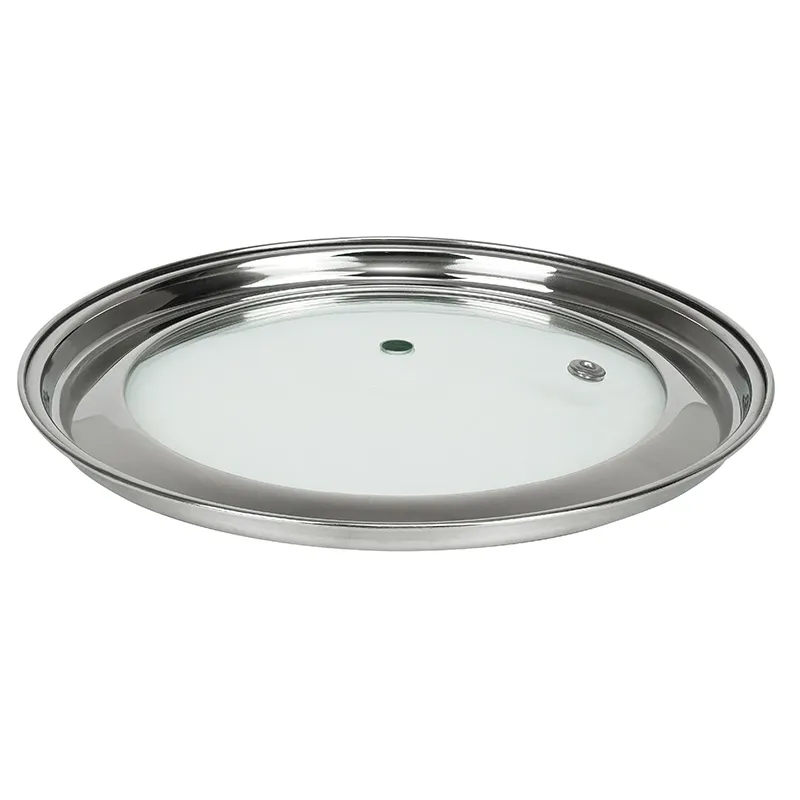
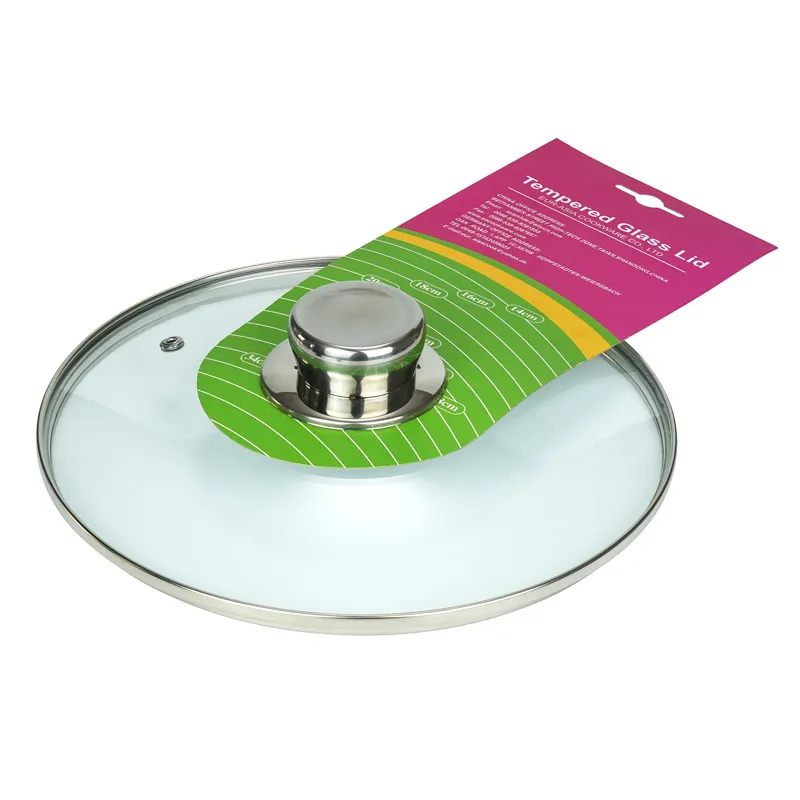
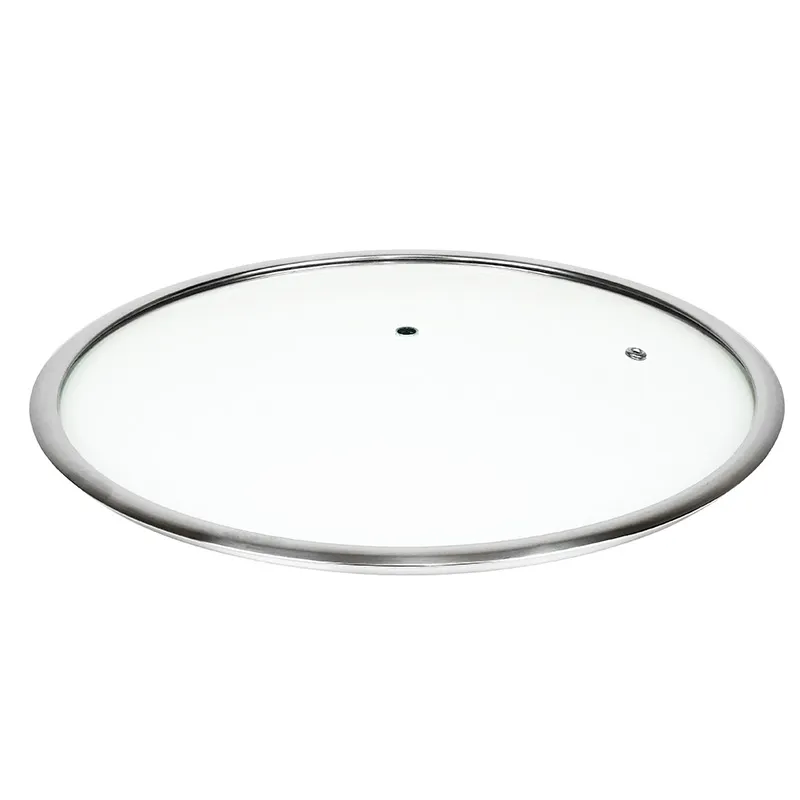
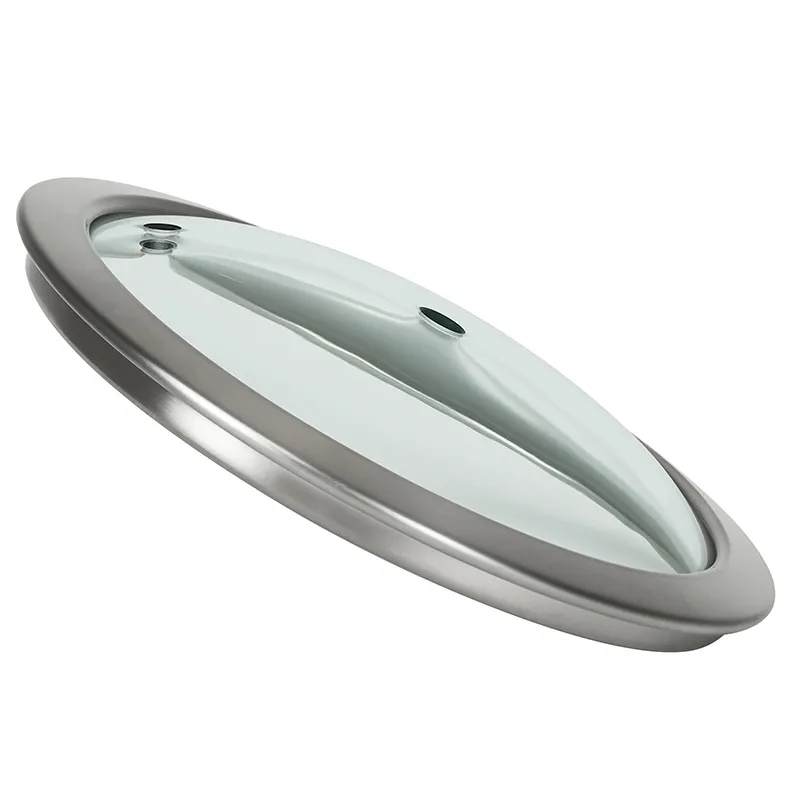
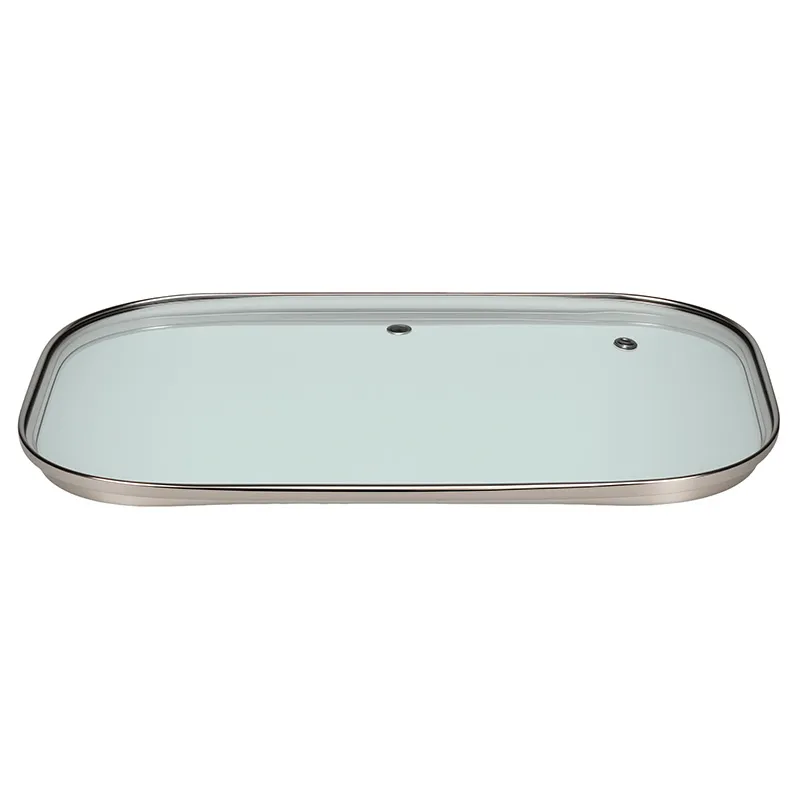
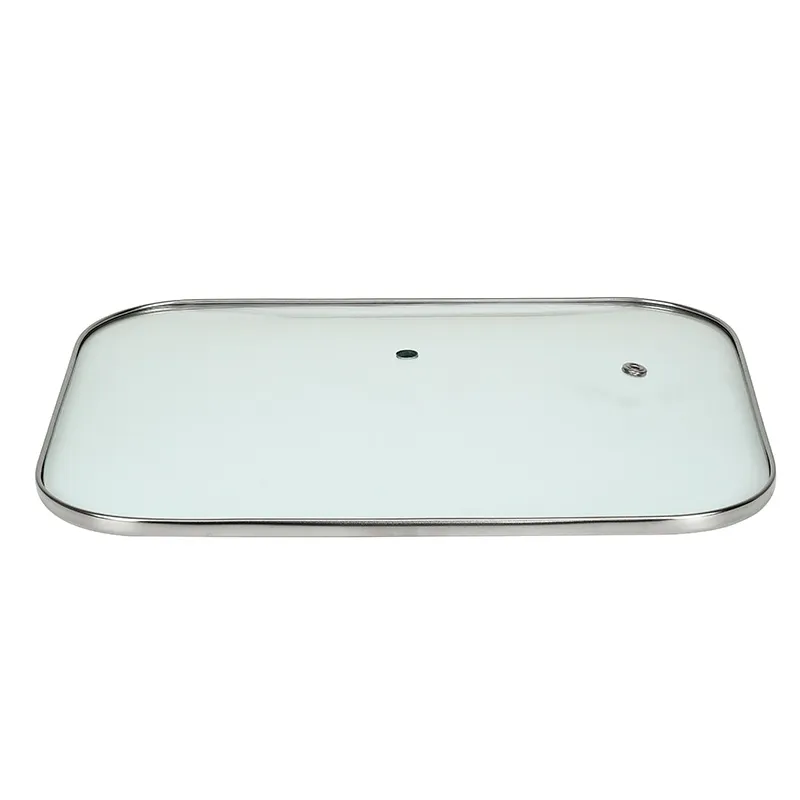
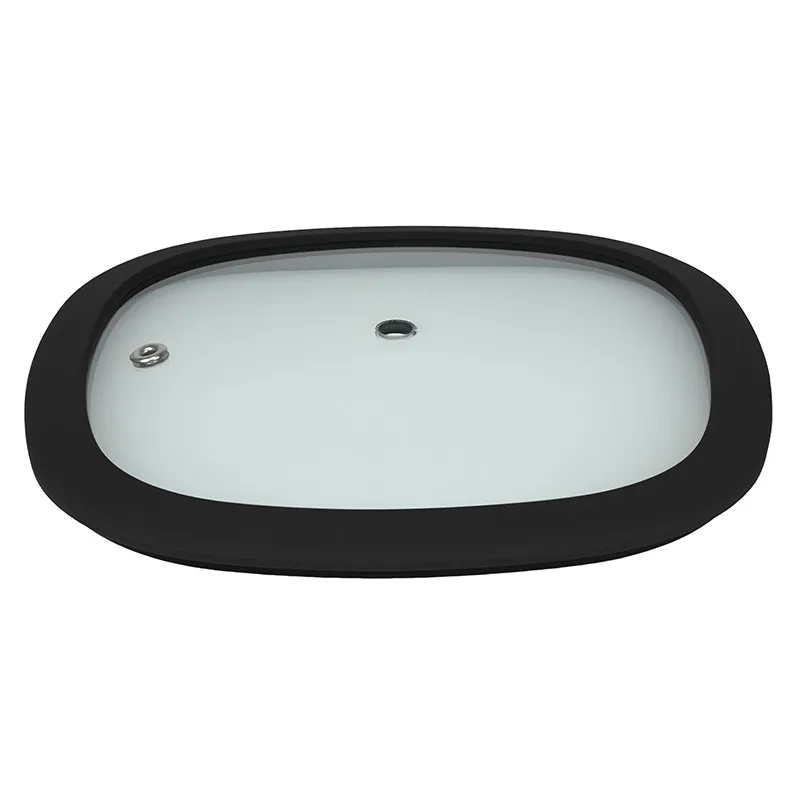
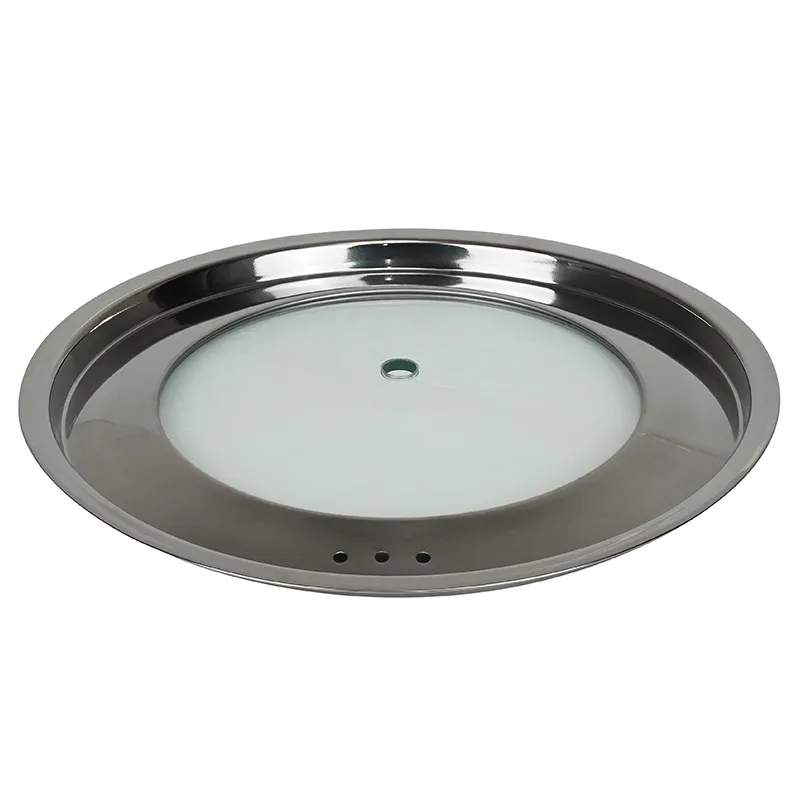
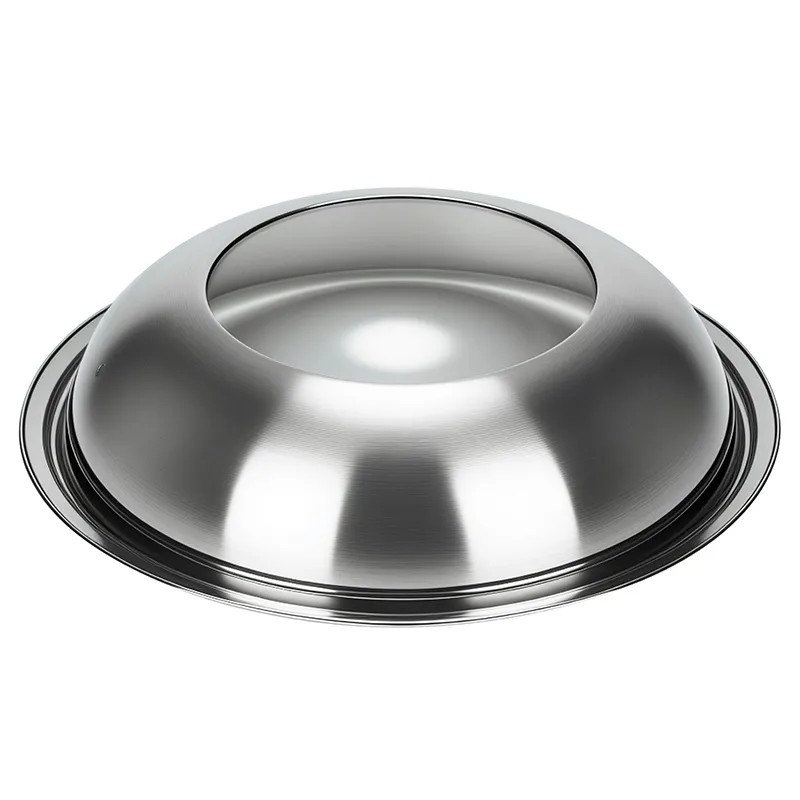
Most of the design and failure points are in the lid, not the dish. A poorly designed lid will warp, crack, or fail to seal. The rim design, the knob material, and the way the glass is shaped to create a seal are critical. The knob is a frequent point of failure. Cheap plastic knobs can melt or degrade in a hot oven or dishwasher over time. High-temperature phenolic resin or stainless steel knobs are better, but they add cost and complexity to the assembly process.
I've tested lids that looked perfect but created a vacuum seal so strong during slow cooking that you'd risk breaking the dish trying to pry it off. Others had too much play, letting all the moisture escape and defeating the purpose. The ideal is a slight, controlled venting. EUR-ASIA's product lines often feature a subtle raised bump or channel on the underside of the lid rim—a small detail that prevents a full vacuum seal and allows for a tiny amount of steam release. It’s these kinds of practical, experience-driven design tweaks you only get from a manufacturer deeply embedded in OEM production for demanding markets like Germany and Japan.
Their export footprint, with over 90% of products going to Europe, Asia, and South America, is a testament to meeting diverse safety and quality standards. A lid that passes TüV or LFGB testing for the German market isn't just about the glass; it's about the complete assembly, including any sealing gaskets or coatings. This global compliance is a significant operational hurdle that many smaller factories can't clear consistently.
In the Kitchen: The Real-World Test
All the specs are meaningless if the stuff doesn't perform on a domestic stove. The transition from oven to stovetop is a big one. While many pyrex glass cookware with lids are marketed as oven-safe, only specific formulations and base designs are suitable for direct flame or electric coil use. Placing a glass dish directly on a high-heat gas burner is a recipe for thermal shock failure, even with tempered glass. The instruction manuals that clearly state no direct flame or use with a heat diffuser are there for a reason, born from a history of returns and complaints.
Cleaning is another practical hurdle. Glass is famously easy to clean, but baked-on grease and stains around the rim or under the lid knob can be stubborn. The best designs have a lid that is completely dishwasher safe, with a knob that is either integral to the glass (molded) or attached with a high-temp adhesive and metal screw, not just a plastic plug that eventually loosens. From my experience, the products that hold up over years of daily dishwasher cycles are the ones where the lid assembly has been simplified—fewer parts, fewer failure points.
The Manufacturing Scale and Its Implications
EUR-ASIA's stated capacity—15 million pieces annually—isn't just a big number. It speaks to a highly automated, standardized process. For a buyer, this scale means consistency. The glass thickness, the tempering quality, the dimensional tolerance of the lid-to-dish fit will be uniform across a production run of 50,000 units. This is vital for large retailers who cannot deal with batch-to-batch variation. It also allows for competitive pricing, but it can sometimes mean less flexibility for small, custom runs with unique shapes or colors.
Their specialization in low- medium- high level products is a key detail. It means they likely operate different production lines or quality tiers. A high level tempered glass lid for a premium European brand might undergo more polishing, have stricter clarity standards, and use a superior knob assembly compared to their economy line for a different market. As a sourcing professional, you need to specify exactly which tier you're buying into; the base material might be the same, but the finishing and assembly quality will differ.
This tiered approach is smart business. It allows them to serve a broad market from a single production base of 20,000㎡. They can allocate lines for high-volume, standard items while also dedicating capacity to more complex, value-added assemblies. It's this flexibility that makes a supplier resilient.
Final Thoughts: Sourcing with Eyes Open
So, when you're looking at pyrex glass cookware with lids, either as a buyer or a curious cook, move past the generic label. Ask about the glass type: borosilicate or tempered soda-lime? Check the lid assembly—what's the knob made of, and how is it attached? Look for the safety certifications relevant to your market. Understand the intended use: oven-only, or oven-to-table with caution?
The value of a manufacturer like EUR-ASIA COOKWARE CO.,LTD lies in this vertical focus. They're not making every kitchen item under the sun. They're focused on glass, specifically tempered glass components for cooking. That specialization, backed by substantial export experience, translates into a product that has already passed through a filter of real-world demands from some of the world's most stringent markets. It reduces the risk for the next buyer down the chain.
In the end, good glass cookware is a balance of material science, practical design, and honest labeling. The lids are the true test of quality. The companies that get it right, the ones whose products you find still in use a decade later, are those that treat the lid not as an afterthought, but as the critical engineering challenge it is. That's the takeaway you won't find in a glossy catalog description.
Related Products
Related Products