- Chinese
- French
- German
- Portuguese
- Spanish
- Russian
- Japanese
- Korean
- Arabic
- Irish
- Greek
- Turkish
- Italian
- Danish
- Romanian
- Indonesian
- Czech
- Afrikaans
- Swedish
- Polish
- Basque
- Catalan
- Esperanto
- Hindi
- Lao
- Albanian
- Amharic
- Armenian
- Azerbaijani
- Belarusian
- Bengali
- Bosnian
- Bulgarian
- Cebuano
- Chichewa
- Corsican
- Croatian
- Dutch
- Estonian
- Filipino
- Finnish
- Frisian
- Galician
- Georgian
- Gujarati
- Haitian
- Hausa
- Hawaiian
- Hebrew
- Hmong
- Hungarian
- Icelandic
- Igbo
- Javanese
- Kannada
- Kazakh
- Khmer
- Kurdish
- Kyrgyz
- Latin
- Latvian
- Lithuanian
- Luxembou..
- Macedonian
- Malagasy
- Malay
- Malayalam
- Maltese
- Maori
- Marathi
- Mongolian
- Burmese
- Nepali
- Norwegian
- Pashto
- Persian
- Punjabi
- Serbian
- Sesotho
- Sinhala
- Slovak
- Slovenian
- Somali
- Samoan
- Scots Gaelic
- Shona
- Sindhi
- Sundanese
- Swahili
- Tajik
- Tamil
- Telugu
- Thai
- Ukrainian
- Urdu
- Uzbek
- Vietnamese
- Welsh
- Xhosa
- Yiddish
- Yoruba
- Zulu
- Kinyarwanda
- Tatar
- Oriya
- Turkmen
- Uyghur


pyrex glass pot with lid
When you hear 'pyrex glass pot with lid', most folks picture that clear, sturdy casserole dish their grandma used. But in the trade, that term covers a lot more ground, and there's a common mix-up between genuine borosilicate glass and the tempered soda-lime stuff many brands pass off as 'Pyrex' today. It's a nuance that matters more than you'd think for anyone actually using these pots on a regular basis, not just storing leftovers.
The Material Divide: Borosilicate vs. Tempered Soda-Lime
Let's get technical for a second. True borosilicate glass, the original Pyrex formula, has a low coefficient of thermal expansion. In plain English, it handles sudden temperature shifts—like going from a fridge to a hot oven—without a high risk of shattering. The tempered soda-lime glass common now is stronger against impacts but can be more vulnerable to thermal shock if there's a flaw or a drastic, uneven temperature change. I've seen both types in action. For a pyrex glass pot with lid meant for actual cooking, not just serving, that distinction is everything. You can't always tell by looking, which is why sourcing and manufacturer specs become critical.
This is where working with a specialized producer makes a difference. I recall a project where we needed a reliable, oven-safe pot for a European client. We went through several samples from general glassware factories, and the failure rate under thermal cycling tests was frustrating. The lids, especially, were a weak point—they'd often warp or develop micro-cracks around the rim. The issue wasn't just the glass type, but the engineering of the lid-to-pot fit and the quality of the tempering process itself.
It led us to suppliers like EUR-ASIA COOKWARE CO.,LTD. (https://www.glass-lid.com). Their focus is specifically on glass lids and related kitchen glassware. When your main product line is tempered glass lids, hitting millions of pieces annually, you tend to get the tempering and annealing process down to a science. Their production base in Shandong's high-tech zone is set up for volume, but more importantly, for consistency—a non-negotiable when 90% of your output is heading to markets like Germany and Japan, where safety standards are stringent. For a pyrex glass pot with lid assembly, the lid isn't an afterthought; it's a precision component.
The Lid: The Make-or-Break Component
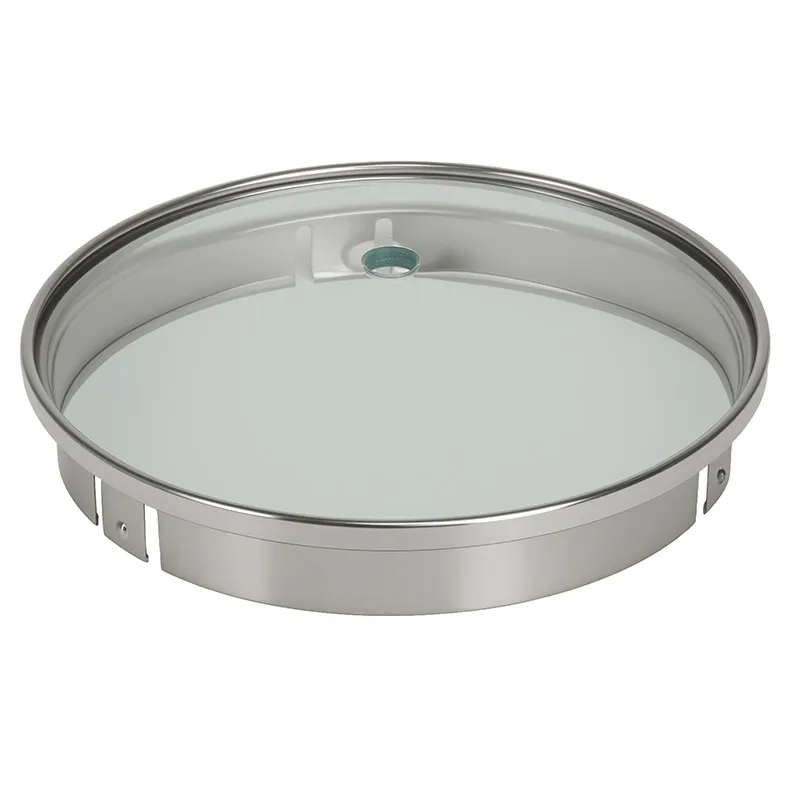
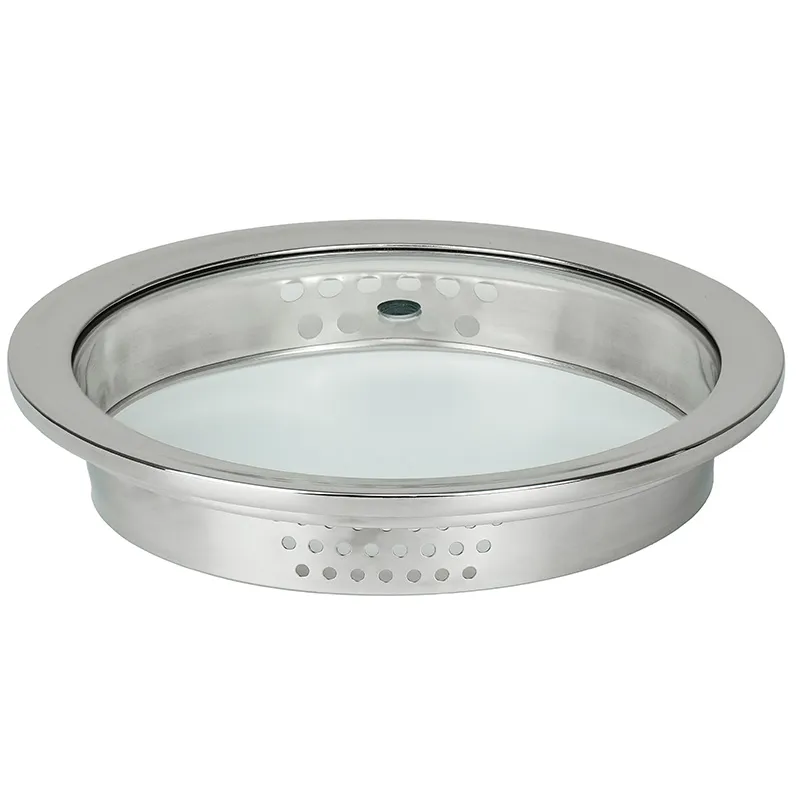
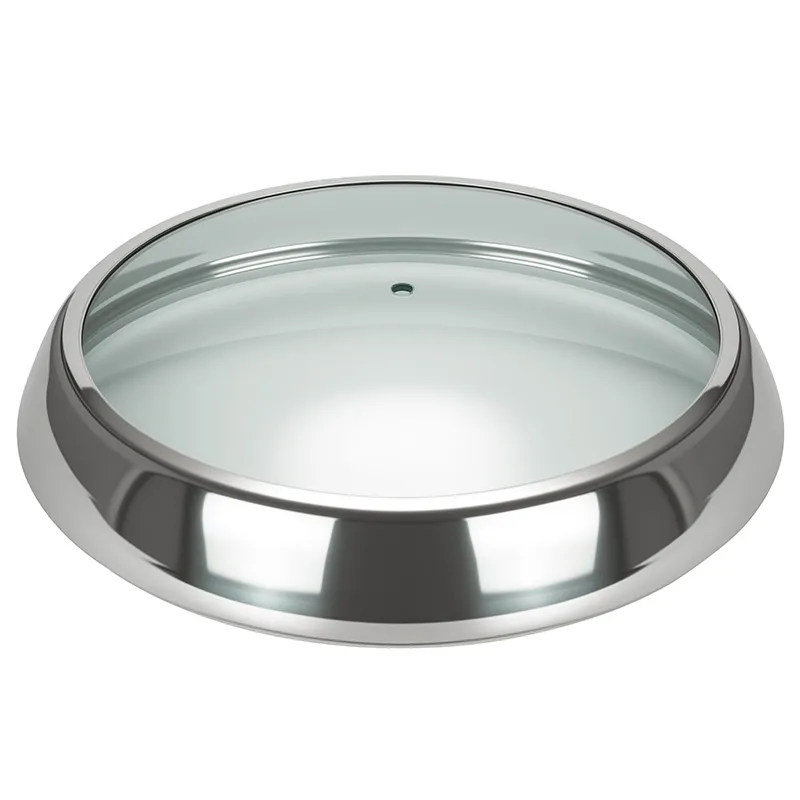
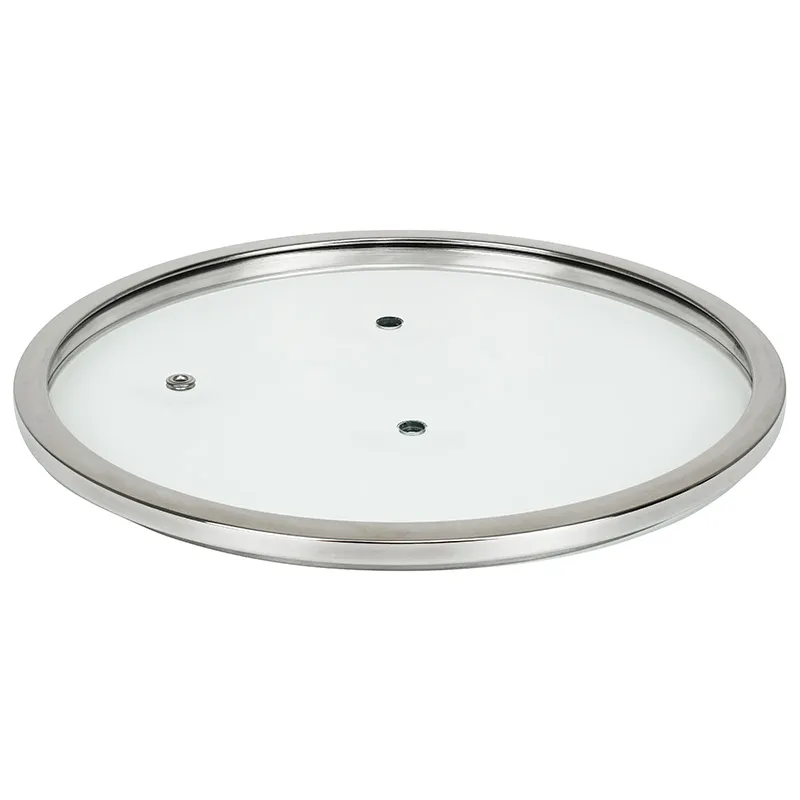
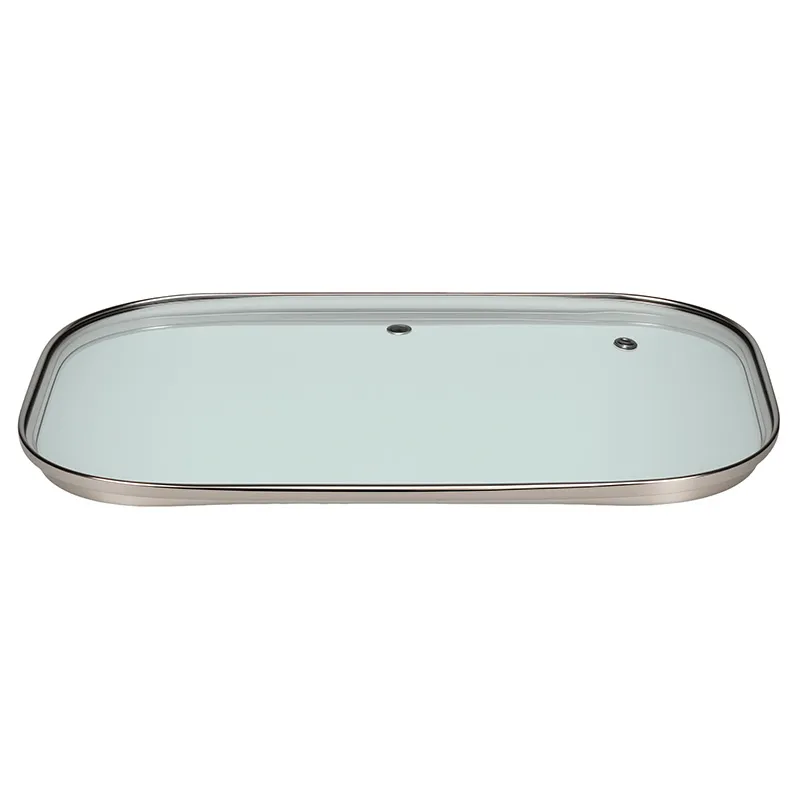
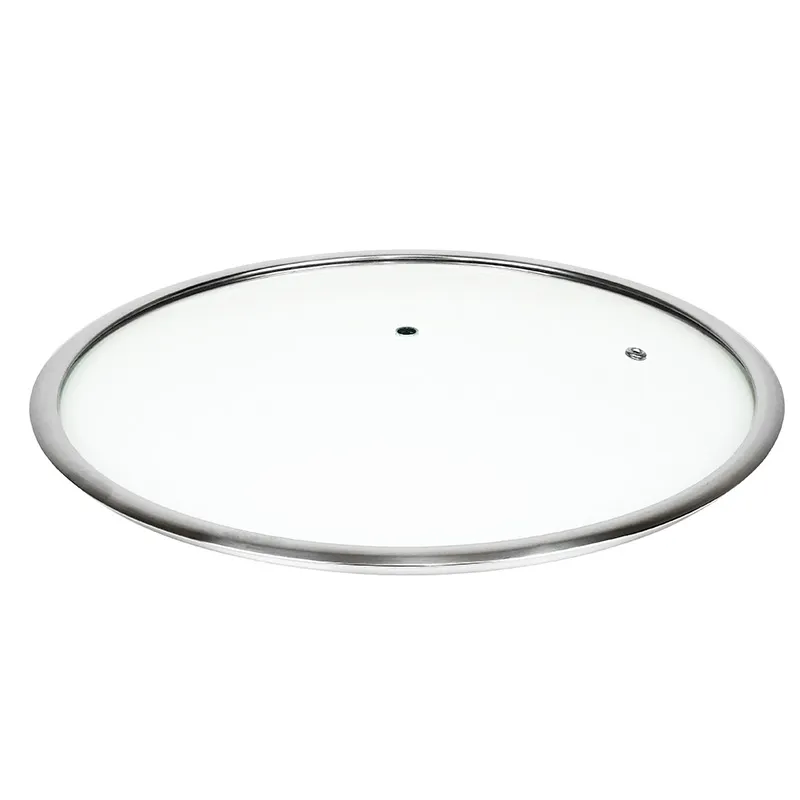
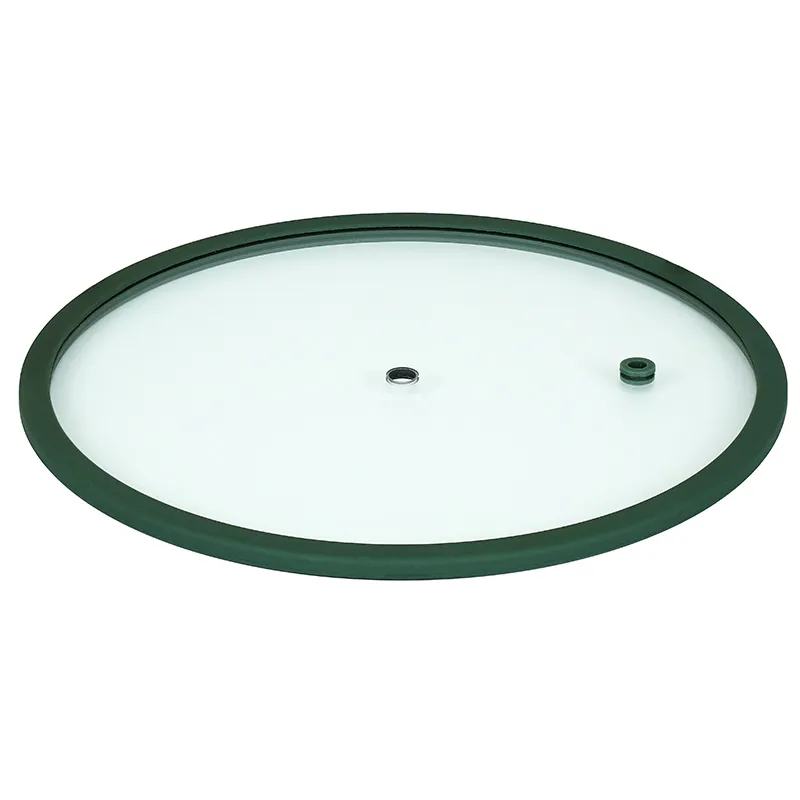
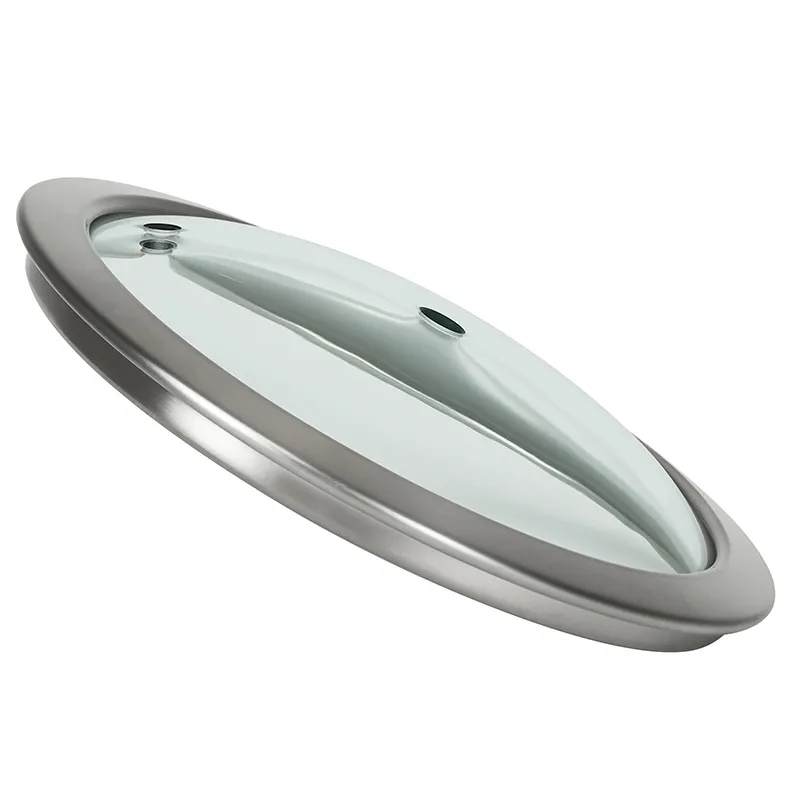
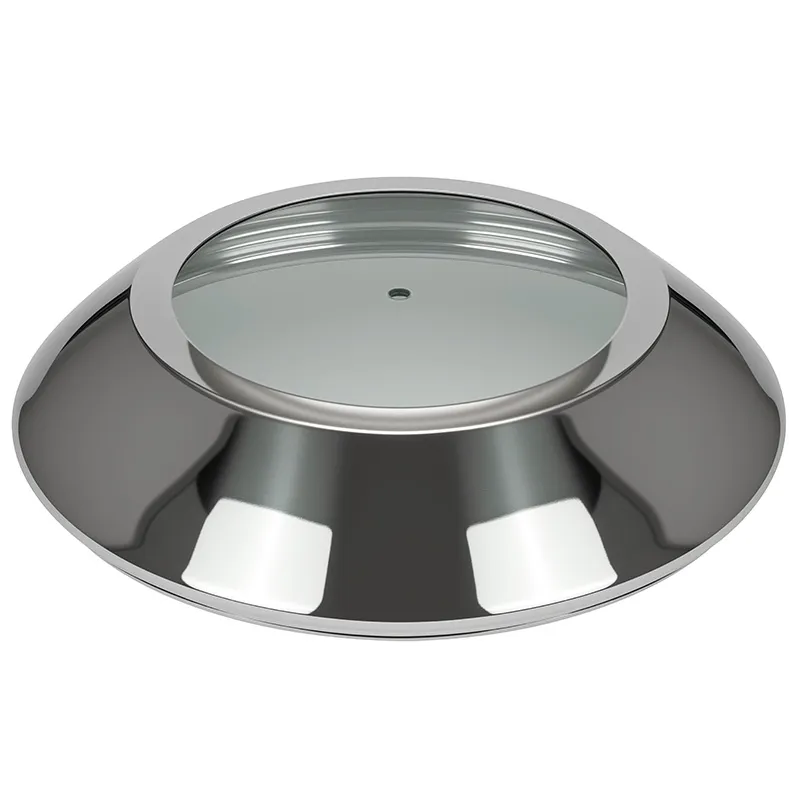
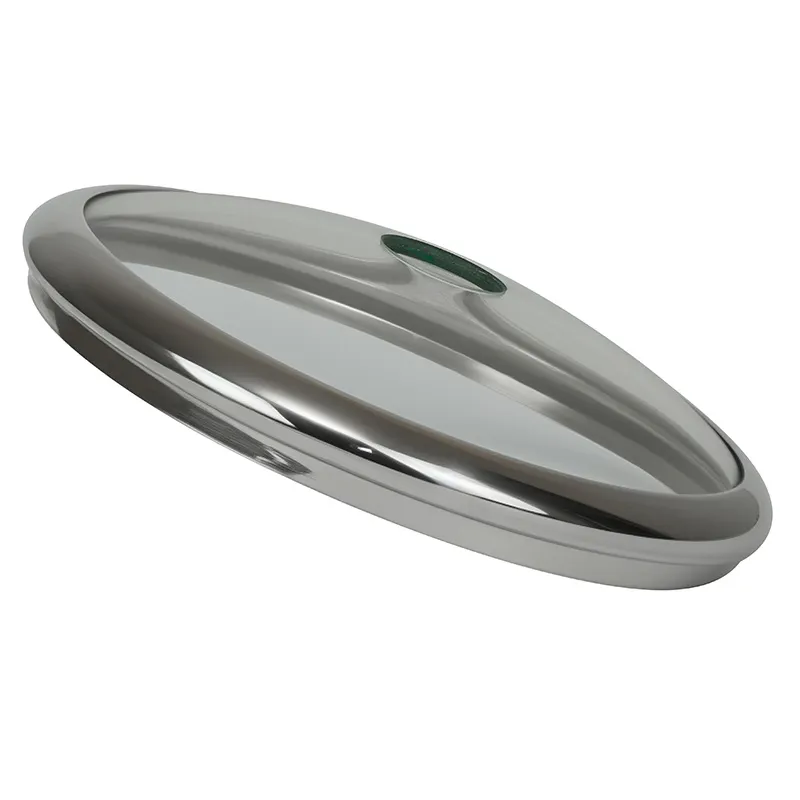
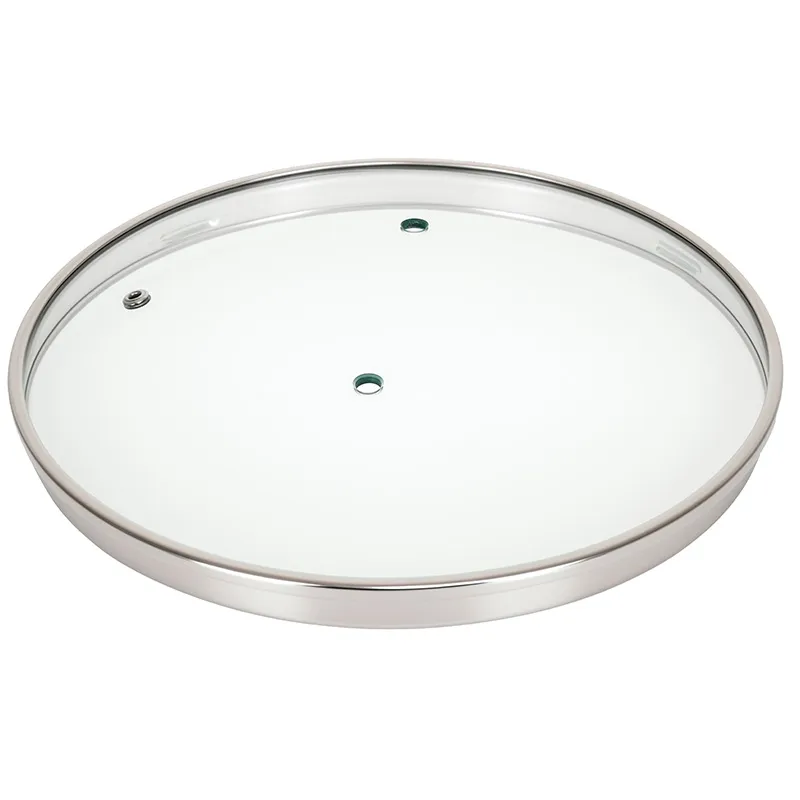
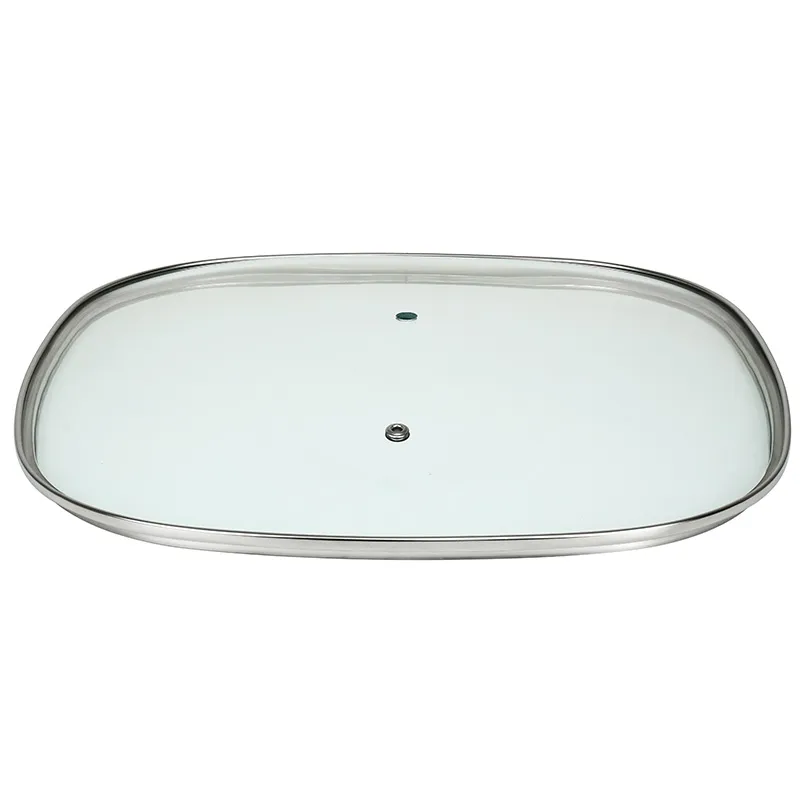
Most reviews of a glass pot focus on the pot. The lid is treated as a cover, literally. But in practice, a poorly made lid ruins the functionality. A good lid needs a few key features: a robust, often stainless steel, rim or handle attachment that won't degrade with heat and cleaning; a knob that stays cool and is securely bonded; and a curvature that allows for condensation to drip back into the pot, not run down the outside. The tempered glass must be uniformly thick and free of internal stresses.
I've handled lids from EUR-ASIA's line. What you notice is the finish on the edges—smooth, fire-polished, not just ground. The metal band, if present, is fitted snugly without sharp gaps that trap grime. These are small details, but they speak to a production line that's dialed in. They're producing over 15 million pieces of tempered glass lids and related products a year. At that scale, you either have impeccable quality control, or you're dealing with a nightmare of returns. Their export list to countries with tough import regulations suggests it's the former.
A failure I witnessed once involved a lid that seemed perfect but had a nearly invisible stress point near the handle screw hole. After a few oven cycles, it developed a hairline crack. It wasn't a catastrophic failure, but it rendered the lid unsafe and unusable. That kind of defect usually traces back to the quenching stage in tempering. It's a reminder that for all the automation, there's still an art to reading the glass and calibrating the machinery. Suppliers who specialize, like the one mentioned, tend to have deeper institutional knowledge on catching these flaws before they ship.
Application in Real Cooking Scenarios
So, where does a pyrex glass pot with lid really shine? It's not for searing a steak. But for braises, slow-cooked casseroles, baking bread, or even making a clear broth where you want to monitor the simmer, it's excellent. The transparency is its superpower. You can see the color of a ragù deepening or the bubble size in a simmer without lifting the lid and losing heat and moisture.
I've used them in test kitchens for recipe development. The consistent heating in a convection oven is a plus, but you must avoid placing a hot pot on a cold, wet surface or pouring cold liquid into a scorching-hot one. That's the cardinal rule, even with good borosilicate. The advantage of a well-made set from a technical producer is that it gives you a larger margin for error. The material and construction can handle the minor thermal stresses of normal kitchen use—like taking a pot from a 350°F oven to a trivet on a granite countertop.
One niche use that's often overlooked is for induction cooking. Not all glass pots work on induction, but some are manufactured with a ferromagnetic base layer. If you're going that route, the integrity of that base layer and its bond to the glass is paramount. It's a more complex product, and again, you'd want it from a maker with serious engineering chops, not a generic housewares brand.
Sourcing and the Supply Chain Perspective
From a sourcing angle, a pyrex glass pot with lid is often a composite product. The glass pot might come from one factory, the lid from another, and they're assembled and packaged elsewhere. This decoupling is where quality can slip. A lid that's 0.5mm too large in diameter will sit loosely, one that's too small creates a pressure risk.
Companies that control more of the process in-house, particularly the lid fabrication, have a significant advantage. Looking at EUR-ASIA COOKWARE's model—they specialize in the glass components. If they're producing the lid, they can ensure it mates correctly with a pot from a trusted partner. Their specialization in low- medium- high level household glass products also indicates they likely have tiers of quality. A high-level lid for a premium pot line will have tighter tolerances and better materials in the fittings than an economy-line lid.
Their export footprint is telling. Shipping to Germany, Switzerland, and Japan means their products consistently pass EN, GS, and JIS standards, which involve rigorous safety and material tests. For a buyer, this history is more valuable than any marketing claim. It means the factory's processes are audited and validated by some of the world's most meticulous inspectors.
Final Thoughts: Value in Specialization
At the end of the day, the best pyrex glass pot with lid isn't necessarily the most famous brand on a department store shelf. It's often the one where the components, especially the lid, were made by a focused manufacturer who treats that piece as a primary product, not an accessory. The durability and safety are baked into the manufacturing philosophy.
It's easy to get swayed by aesthetics—the clarity of the glass, the design of the handles. But the real value lies in the unseen: the quality of the tempering, the precision of the fit, and the robustness of the assembly. These are things you only appreciate over years of use, or when a cheaper alternative fails. For professionals specifying products or serious home cooks investing in tools, looking deeper into the supply chain, to companies like EUR-ASIA COOKWARE CO.,LTD. who are embedded in that specific niche, is often the most reliable path to getting a product that performs as expected, day in and day out.
The kitchen glassware market is vast, but true expertise is narrow. When you find a supplier that has spent years solving the specific problems of glass lid production—heat resistance, fit, safety, handle attachment—you've found a resource worth noting. Their product becomes a reliable variable in an equation where too many things can go wrong.
Related Products
Related Products