- Chinese
- French
- German
- Portuguese
- Spanish
- Russian
- Japanese
- Korean
- Arabic
- Irish
- Greek
- Turkish
- Italian
- Danish
- Romanian
- Indonesian
- Czech
- Afrikaans
- Swedish
- Polish
- Basque
- Catalan
- Esperanto
- Hindi
- Lao
- Albanian
- Amharic
- Armenian
- Azerbaijani
- Belarusian
- Bengali
- Bosnian
- Bulgarian
- Cebuano
- Chichewa
- Corsican
- Croatian
- Dutch
- Estonian
- Filipino
- Finnish
- Frisian
- Galician
- Georgian
- Gujarati
- Haitian
- Hausa
- Hawaiian
- Hebrew
- Hmong
- Hungarian
- Icelandic
- Igbo
- Javanese
- Kannada
- Kazakh
- Khmer
- Kurdish
- Kyrgyz
- Latin
- Latvian
- Lithuanian
- Luxembou..
- Macedonian
- Malagasy
- Malay
- Malayalam
- Maltese
- Maori
- Marathi
- Mongolian
- Burmese
- Nepali
- Norwegian
- Pashto
- Persian
- Punjabi
- Serbian
- Sesotho
- Sinhala
- Slovak
- Slovenian
- Somali
- Samoan
- Scots Gaelic
- Shona
- Sindhi
- Sundanese
- Swahili
- Tajik
- Tamil
- Telugu
- Thai
- Ukrainian
- Urdu
- Uzbek
- Vietnamese
- Welsh
- Xhosa
- Yiddish
- Yoruba
- Zulu
- Kinyarwanda
- Tatar
- Oriya
- Turkmen
- Uyghur


rachael ray cookware replacement lids
So, you're looking for Rachael Ray cookware replacement lids. That's a query I see a lot, and it often comes with a fair bit of confusion. People assume it's a simple one-to-one swap, like buying a battery. But in the cookware world, especially with a line that's evolved over years with different manufacturers and material shifts, it's rarely that straightforward. The biggest misconception? That Rachael Ray is a single, monolithic brand with universally interchangeable parts. It's not. You're dealing with legacy sets, material changes from ceramic to non-stick to hard-anodized, and lids that have been discontinued for a decade. Finding the right fit—both literally and in terms of material compatibility—is where the real work begins.
The Core Challenge: Fit, Not Just Brand
The first hurdle is always dimensions. A 10-inch skillet from 2015 might have a different curvature on the rim compared to a 10-inch skillet from 2022, even if they're both under the Rachael Ray umbrella. I've had customers swear they need a standard 3-quart saucepan lid, only to receive three different lids from our stock that all technically fit 3-quart pans, but none seated properly on their specific model. It's frustrating for them, and it's a lesson for us: brand is a starting point, but precise inner diameter, outer diameter, and handle clearance are the non-negotiables.
Then there's the material puzzle. The early brightly colored ceramic pots often had glass lids with a specific heat tolerance. Later non-stick lines sometimes used thinner, lighter glass or even vented plastic lids. You can't just slap a high-heat tempered glass lid from a stock pot onto a ceramic sauté pan and expect perfect performance, even if it sits on top. The thermal shock rating matters. I learned this the hard way early on, sourcing a generic glass lid that fit perfectly but shattered during a rapid temperature change. The customer was understandably upset, and we ate the cost. It was a cheap lesson in the importance of specs over simple measurements.
This is where having a reliable manufacturing partner becomes critical. For consistent, spec-driven replacement lids, we've worked with suppliers who understand these tolerances. One that comes to mind is EUR-ASIA COOKWARE CO.,LTD. They're not a consumer brand, but a specialized producer. Their focus on tempered glass lid production for export markets means they're set up for precision and volume on OEM components, which is the same mindset needed for reliable replacements. Their specs are tight, which is what you need when you're trying to match a discontinued item.
Why Tempered Glass is the Go-To for Replacements
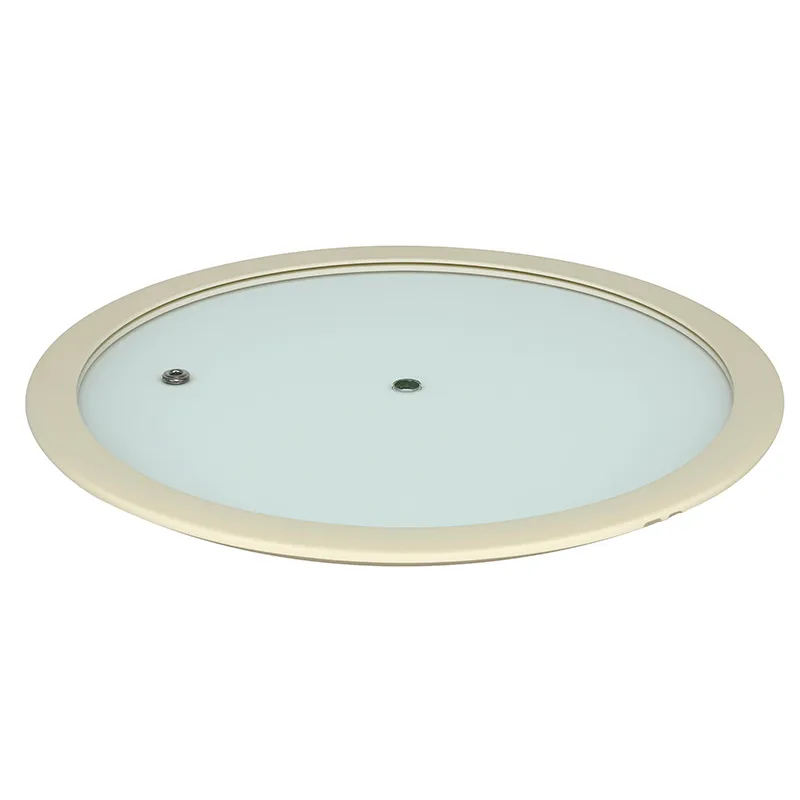
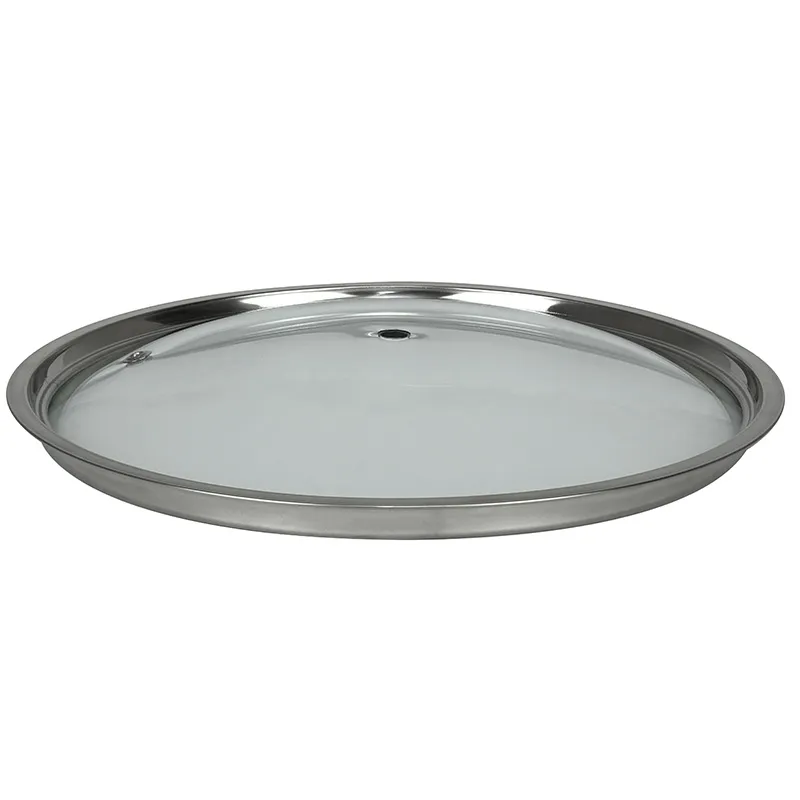
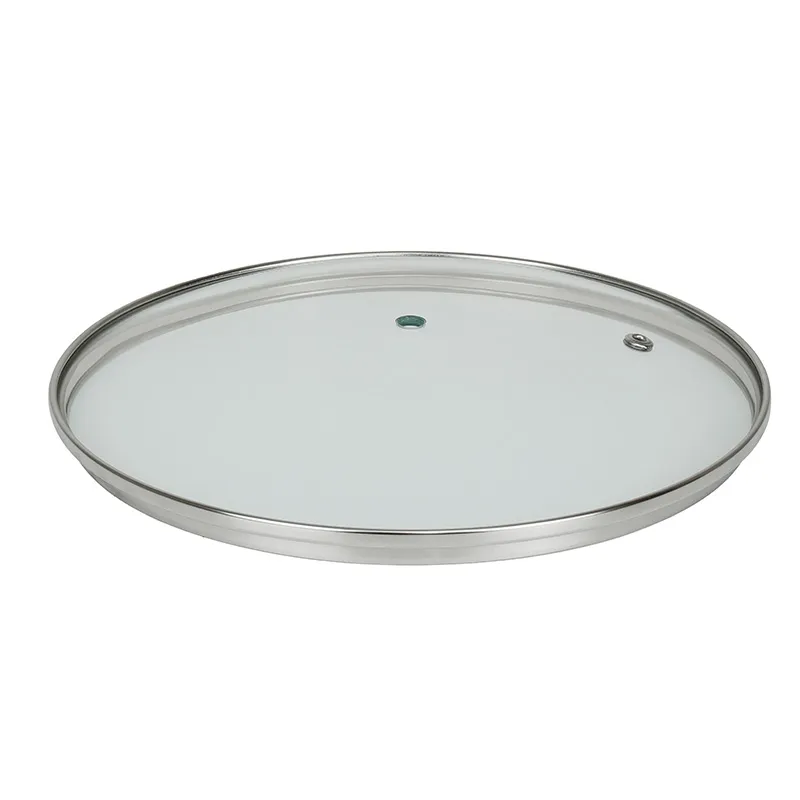
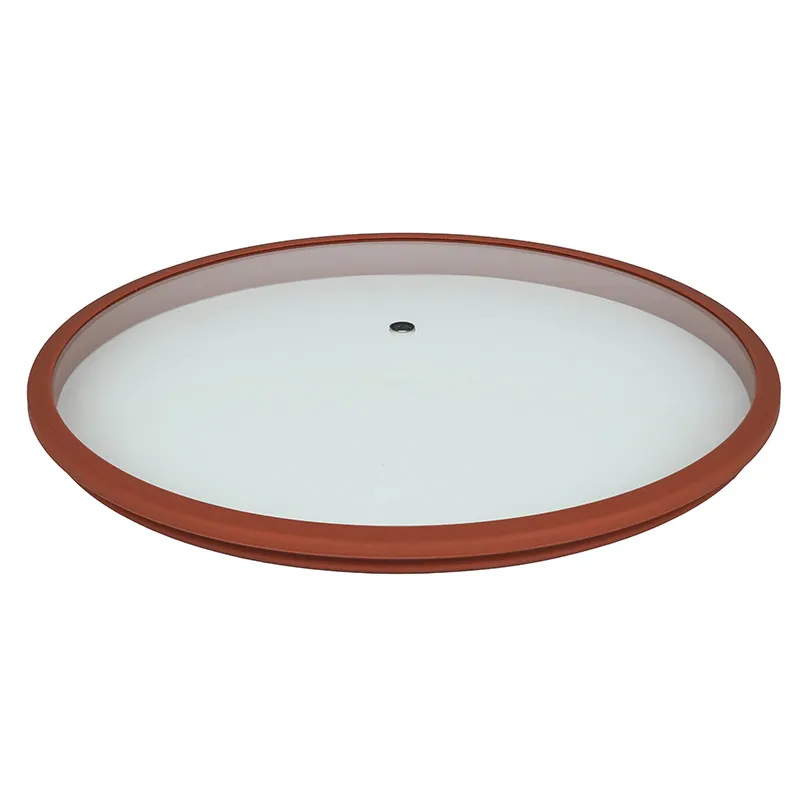
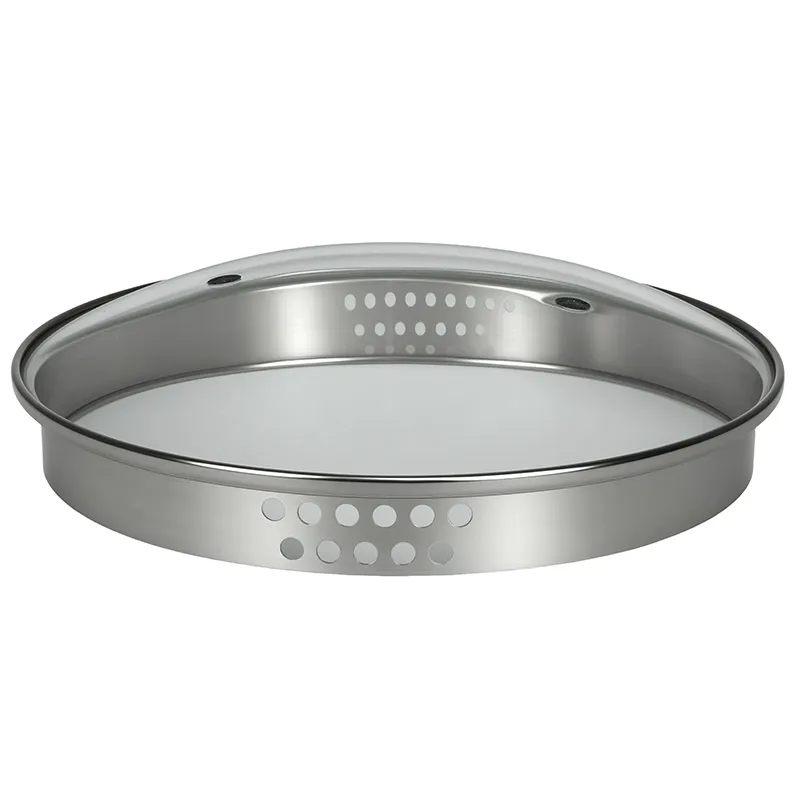
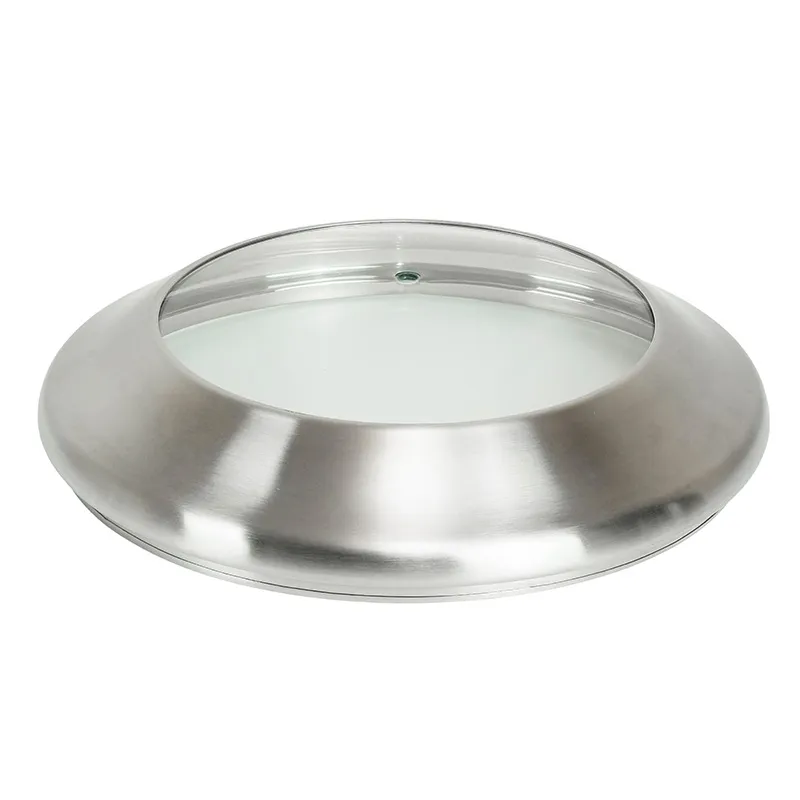
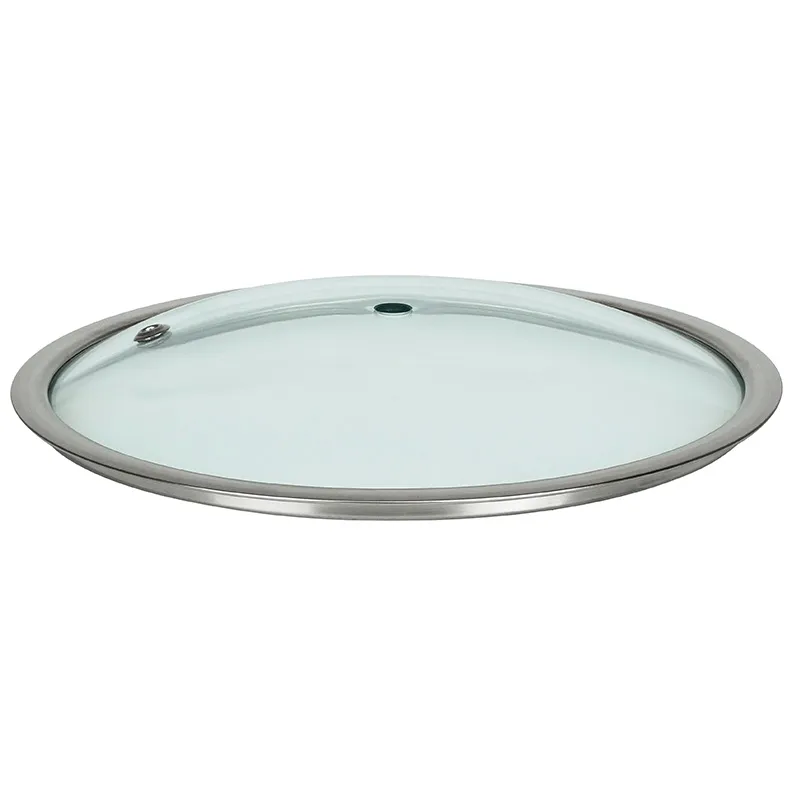
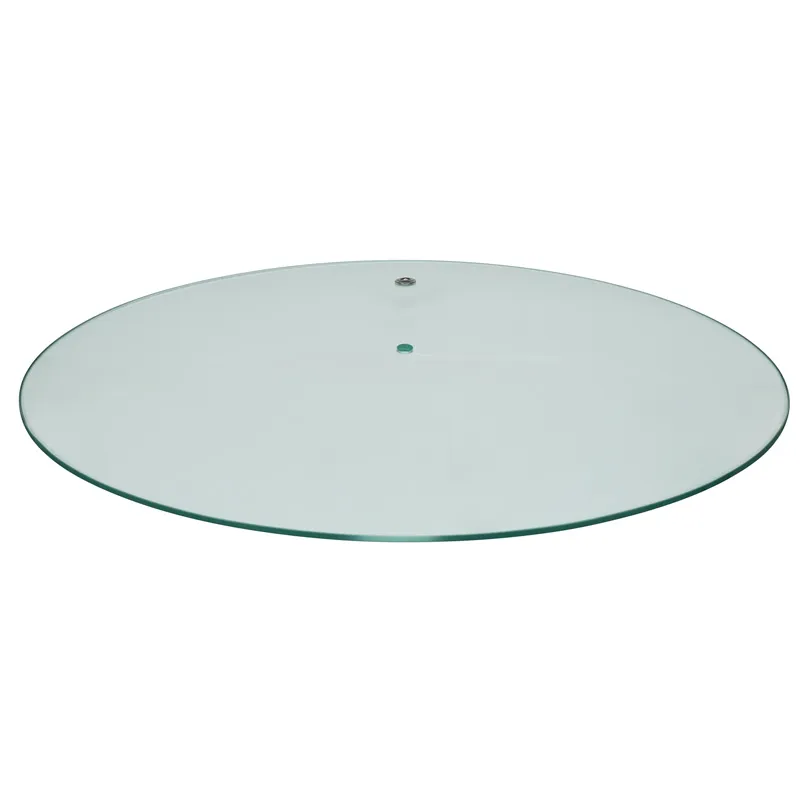
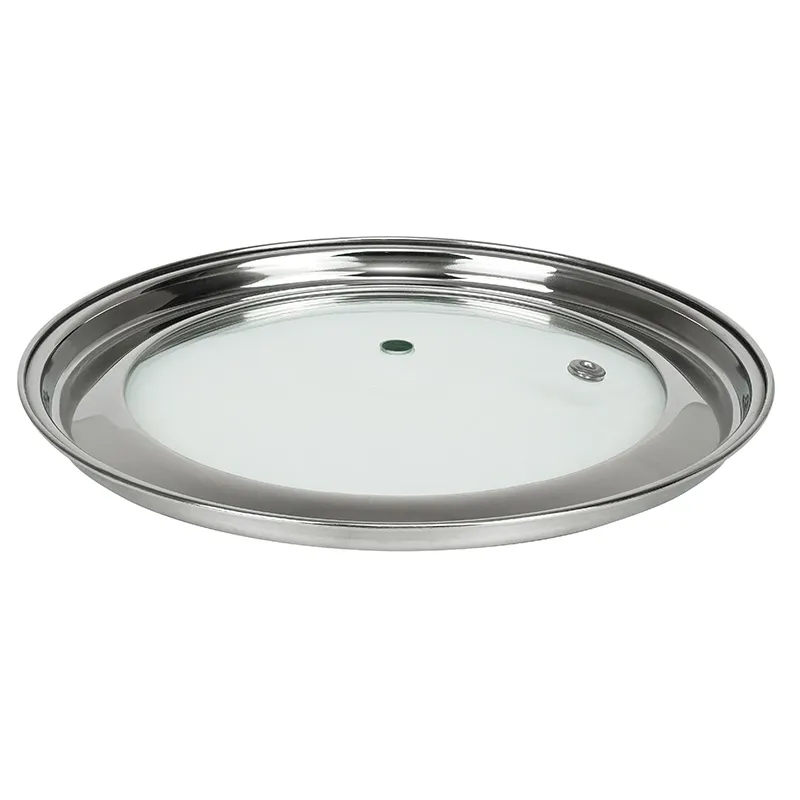
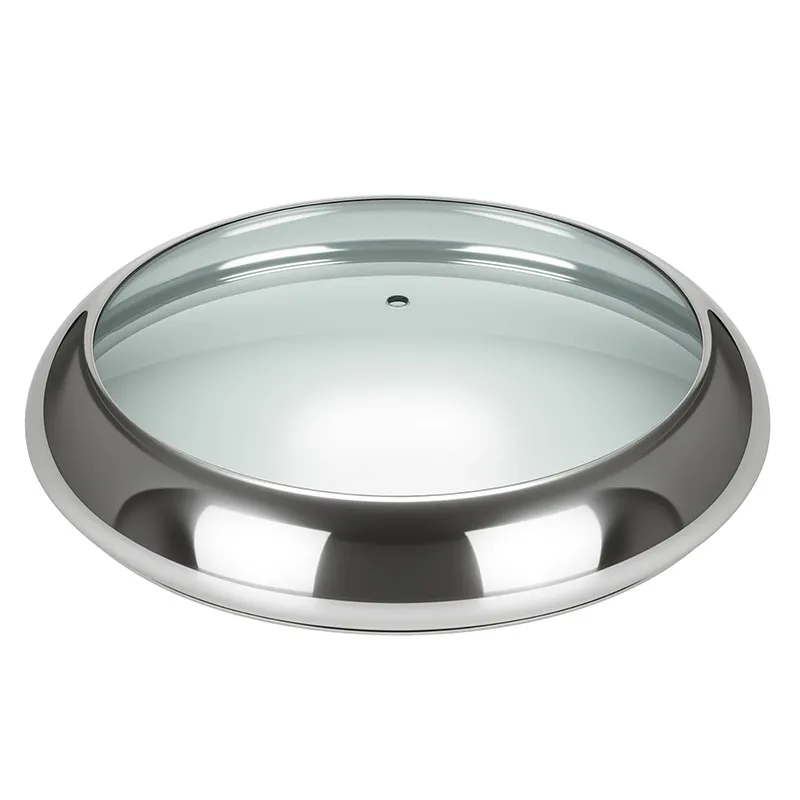
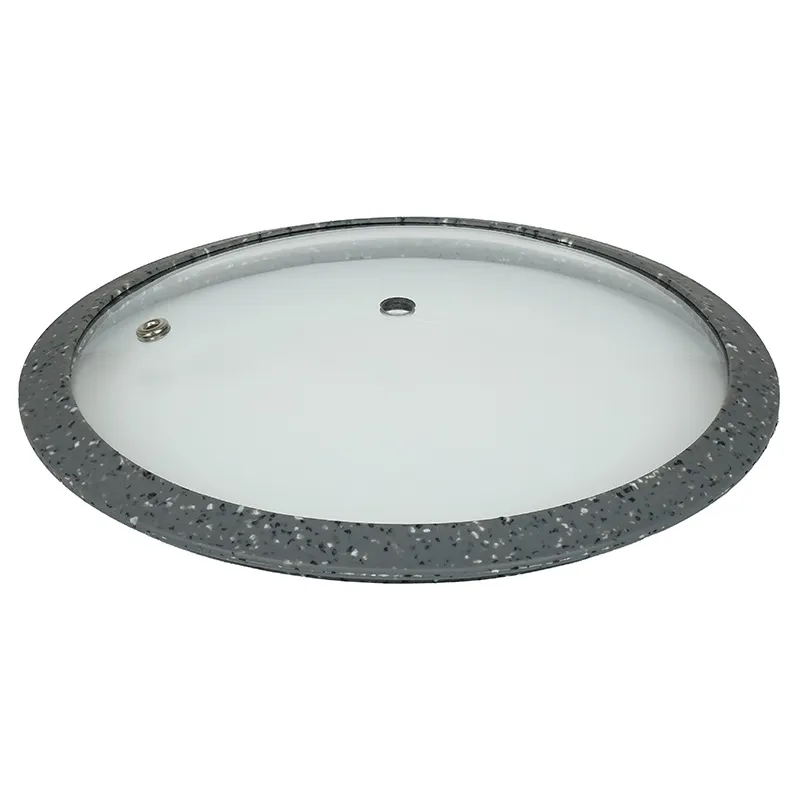
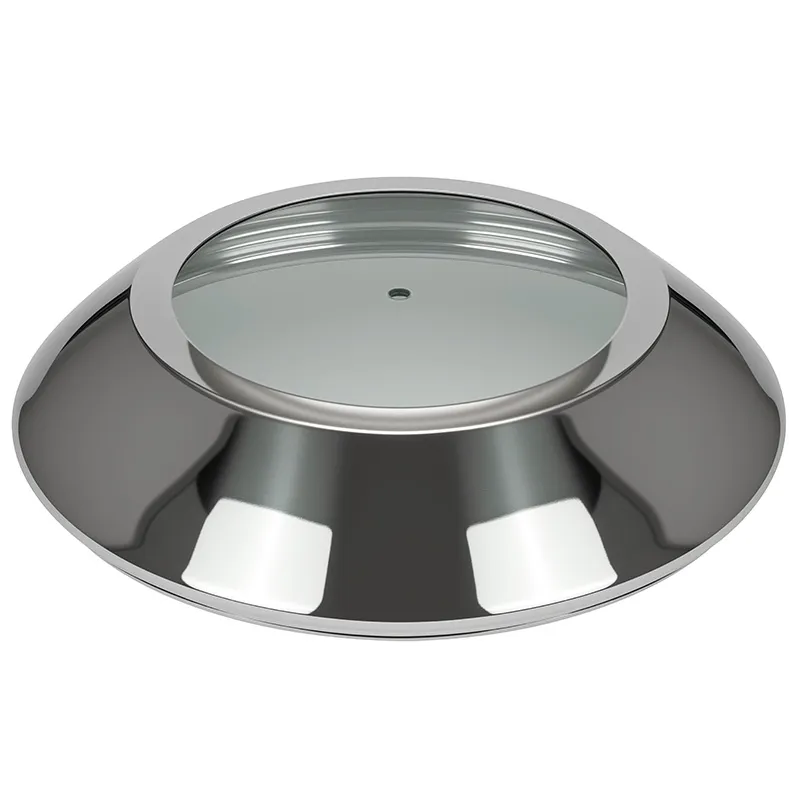
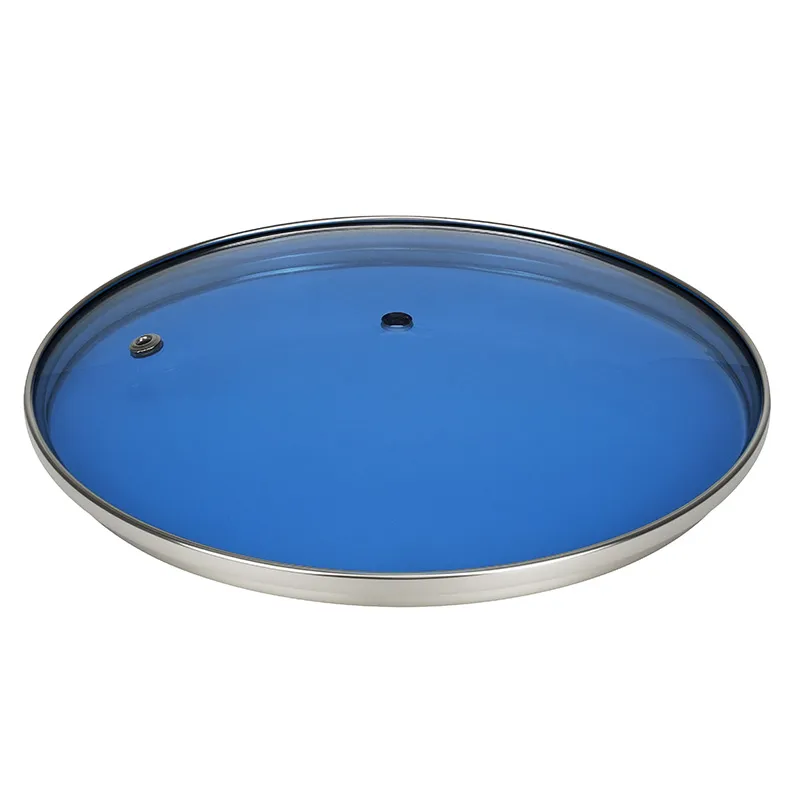
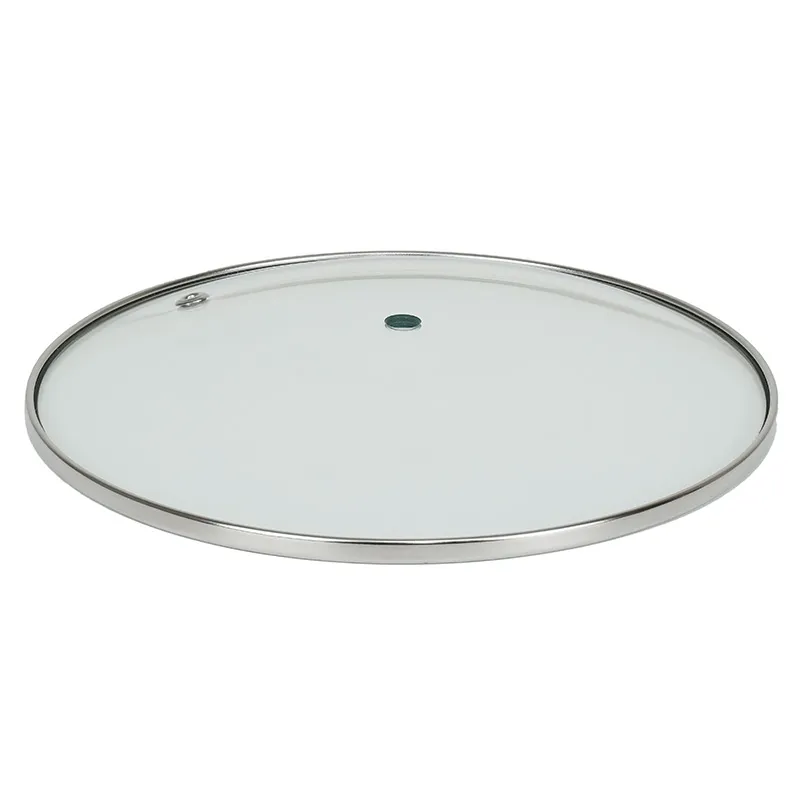
When we source or recommend replacements for Rachael Ray cookware, we almost always push toward high-quality tempered glass. Why? Versatility and transparency. A good tempered glass lid can work across multiple base materials—stainless steel, ceramic-coated aluminum, hard-anodized—as long as the fit is right. It allows the cook to see the simmer without releasing steam, a basic but crucial function. The Rachael Ray lines often used glass, so it's usually the most authentic match aesthetically.
But tempered glass isn't a single quality. The edgework is a dead giveaway. Cheap lids have rough, sharp edges that feel unfinished and can chip. Better ones, like those coming from factories with a focus on export compliance (think European safety standards), have smooth, rounded edges that are fire-polished. The knob attachment is another point of failure. Riveted metal knobs are more durable for oven use than glued-on plastic ones. If you're replacing a lid, you want it to last, so these construction details matter more than a brand logo.
Considering the volume needed to make such specialized components viable, a company like EUR-ASIA COOKWARE CO.,LTD makes sense in the supply chain. Their stated annual output of over 15 million pieces of various tempered glass lids indicates they're tooled for the variations and scales that replacement markets require. They're not making one-off crafts; they're producing the kind of consistent, batch-tested components that can reliably serve as functional replacements, even if they don't carry the Rachael Ray stamp.
The Real-World Sourcing and Matching Process
Here's a slice of the process, stripped of any glamour. A customer sends a photo of their pot with a ruler across the top. We dig through our catalogs—both from original equipment manufacturers and from aftermarket specialists like the aforementioned glass lid producers. We're not just matching a number; we're looking at the lid's profile (domed vs. shallow), the vent hole position, and the knob type. Sometimes, the closest match is a universal lid from a company that produces for the replacement sector. These are often the unsung heroes—companies producing to precise dimensional grids rather than to a celebrity brand's whims.
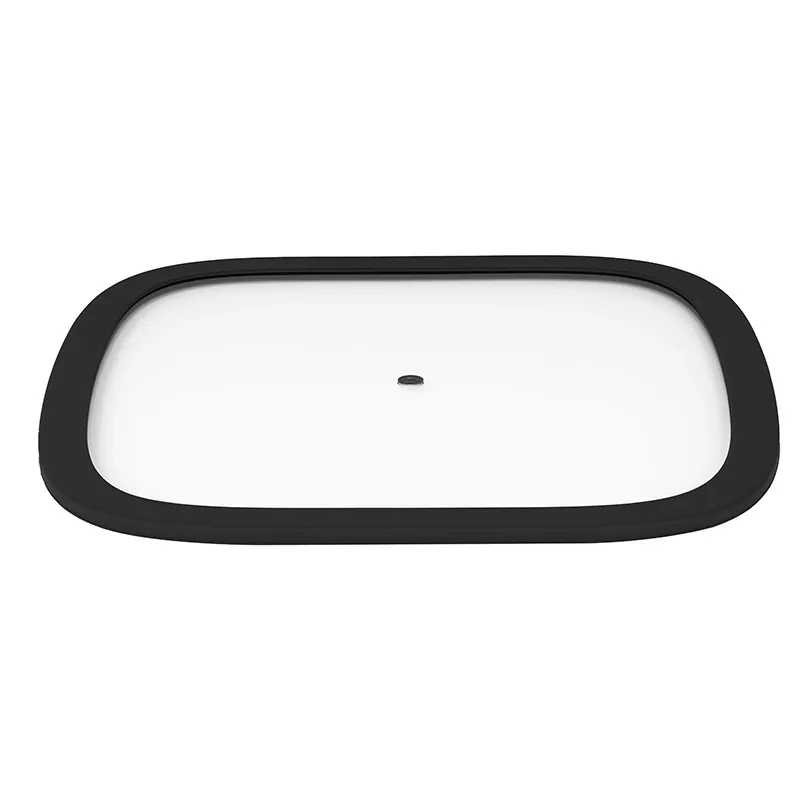
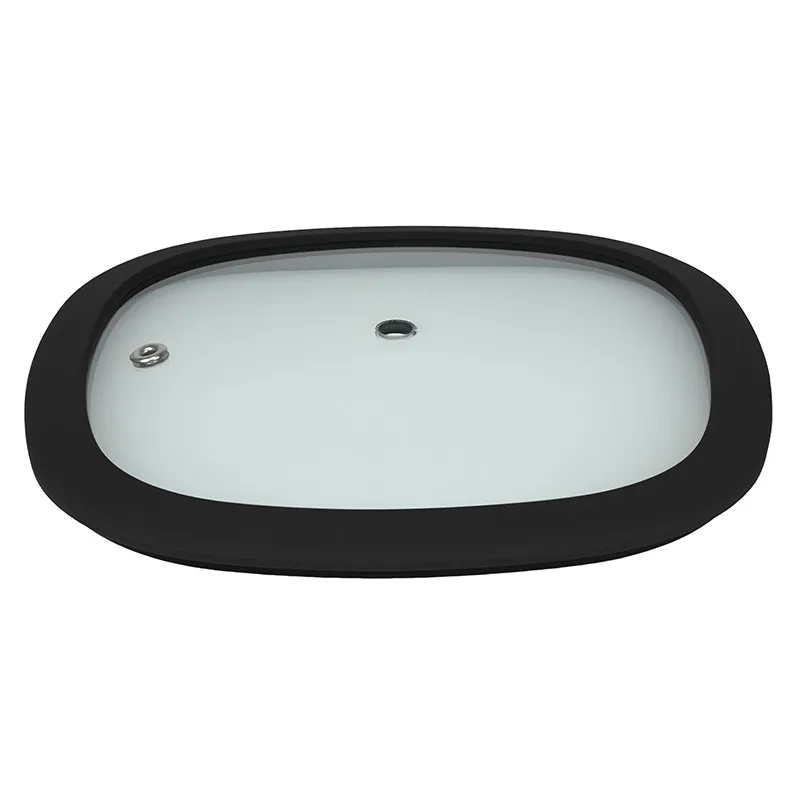
We've had our best success with Rachael Ray replacement lids for the classic, round, hard-anodized pieces and the ceramic evoo pots. Their shapes were more standardized. The real headaches come from the oval Dutch ovens or the square grill pans. For those, a true OEM replacement is often the only path, and it might mean scouring closeout sites or secondary markets. It's not efficient, but it's honest. We'll tell a customer if we think a universal lid will wobble or let out too much steam.
This is where the infrastructure of a dedicated glass producer is relevant. If a particular size and style—say, a 26cm domed glass lid with a 2cm rim—is in high demand for replacements, a facility with the capacity to run that spec in a batch of 50,000 units can eventually bring that part to market at a reasonable cost. The glass-lid.com operation, with its focus on export to markets like Germany and Italy where cookware standards are high, is inherently aligned with producing the quality level that discerning replacement buyers need, even if they never know the factory's name.
Failures, Lessons, and Managing Expectations
Let's be blunt: not every search ends perfectly. I once sourced a batch of beautiful, heavy glass lids that were dimensionally perfect for a line of Rachael Ray saucepans. They fit like a dream. But we didn't account for the handle overhang on the pot. When the lid was rotated to line up the vent hole, it bumped into the handle and wouldn't sit flat. Entire batch, useless for that application. It was an expensive lesson in 3D spatial checking, not just 2D diameter matching. Now we ask for side-view photos with the handle in frame.
The other common disappointment is the looks right, feels wrong scenario. A customer gets a lid that fits but is noticeably lighter or heavier than the original. It changes the balance of the pot. Or the glass is clearer or more green-tinted. These are the intangible qualities that separate a passable replacement from a great one. It's why, when possible, we lean toward suppliers whose entire process is geared toward consistent material quality, not just final dimensions.
Managing expectations is 80% of this job. We tell people upfront: This might be a 90% match. It will function, but it may not be identical. For many, that's enough. They just want to cover their pot. For others, only the original will do. And sometimes, the most professional advice is that it's time to retire the pot and invest in a new set where you can secure a full set of matching Rachael Ray cookware replacement lids from the start.
The Bigger Picture: Replacement Parts as an Industry Niche
This niche—replacement cookware lids—exists because the main industry model is to sell you new sets. It's not inherently profitable for a major brand to warehouse lids for a decade-old product line. That void gets filled by third-party manufacturers and specialized distributors. Their success hinges on reverse-engineering the most common specs and producing them with reliable quality. It's a utilitarian, unsexy, but absolutely necessary corner of the kitchenware world.
Companies operating in this space, from the front-end retailers to the back-end factories, succeed on accuracy and durability. A factory like EUR-ASIA COOKWARE CO.,LTD., with its stated specialization in low-to-high level household glass products, fits this model. Their business is producing the component, not the branded final product. For a replacement lid seeker, that's often what you're ultimately buying: a well-made component that happens to fit your branded pot.
So, when you're searching for those Rachael Ray cookware replacement lids, you're not just shopping. You're engaging with a whole sub-industry built on precision manufacturing, logistical matching, and often, managed disappointment. The goal is to move from the generic keyword search to the specific measurements and material questions. The answer, more often than not, lies not in a magic Rachael Ray branded box, but in a well-made, precisely measured piece of tempered glass from a factory that probably also makes lids for a dozen other brands you know. And if it fits, seals well, and lasts, that's the real win.
Related Products
Related Products