- Chinese
- French
- German
- Portuguese
- Spanish
- Russian
- Japanese
- Korean
- Arabic
- Irish
- Greek
- Turkish
- Italian
- Danish
- Romanian
- Indonesian
- Czech
- Afrikaans
- Swedish
- Polish
- Basque
- Catalan
- Esperanto
- Hindi
- Lao
- Albanian
- Amharic
- Armenian
- Azerbaijani
- Belarusian
- Bengali
- Bosnian
- Bulgarian
- Cebuano
- Chichewa
- Corsican
- Croatian
- Dutch
- Estonian
- Filipino
- Finnish
- Frisian
- Galician
- Georgian
- Gujarati
- Haitian
- Hausa
- Hawaiian
- Hebrew
- Hmong
- Hungarian
- Icelandic
- Igbo
- Javanese
- Kannada
- Kazakh
- Khmer
- Kurdish
- Kyrgyz
- Latin
- Latvian
- Lithuanian
- Luxembou..
- Macedonian
- Malagasy
- Malay
- Malayalam
- Maltese
- Maori
- Marathi
- Mongolian
- Burmese
- Nepali
- Norwegian
- Pashto
- Persian
- Punjabi
- Serbian
- Sesotho
- Sinhala
- Slovak
- Slovenian
- Somali
- Samoan
- Scots Gaelic
- Shona
- Sindhi
- Sundanese
- Swahili
- Tajik
- Tamil
- Telugu
- Thai
- Ukrainian
- Urdu
- Uzbek
- Vietnamese
- Welsh
- Xhosa
- Yiddish
- Yoruba
- Zulu
- Kinyarwanda
- Tatar
- Oriya
- Turkmen
- Uyghur


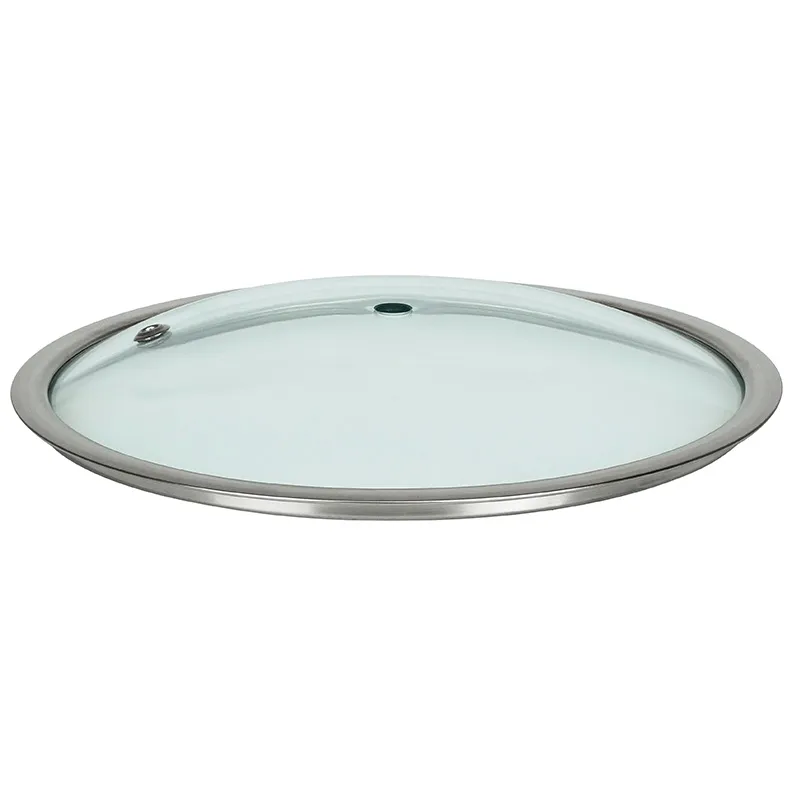
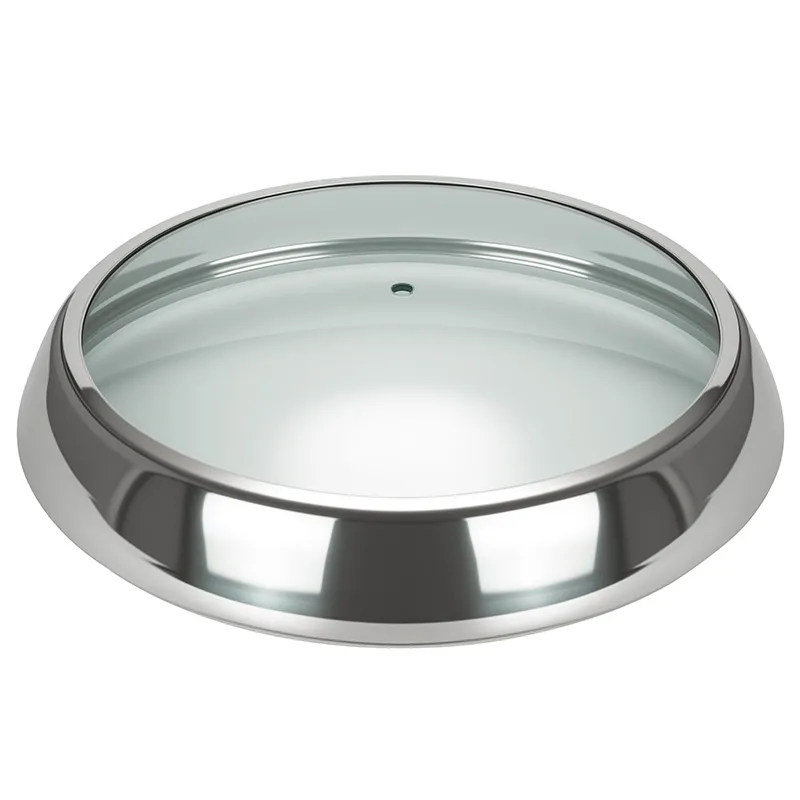
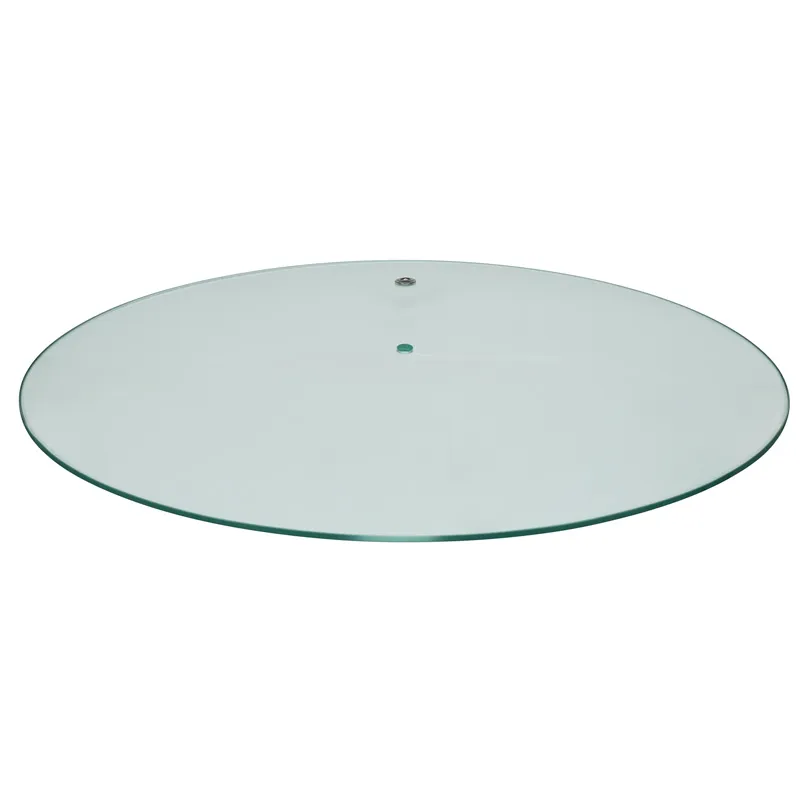
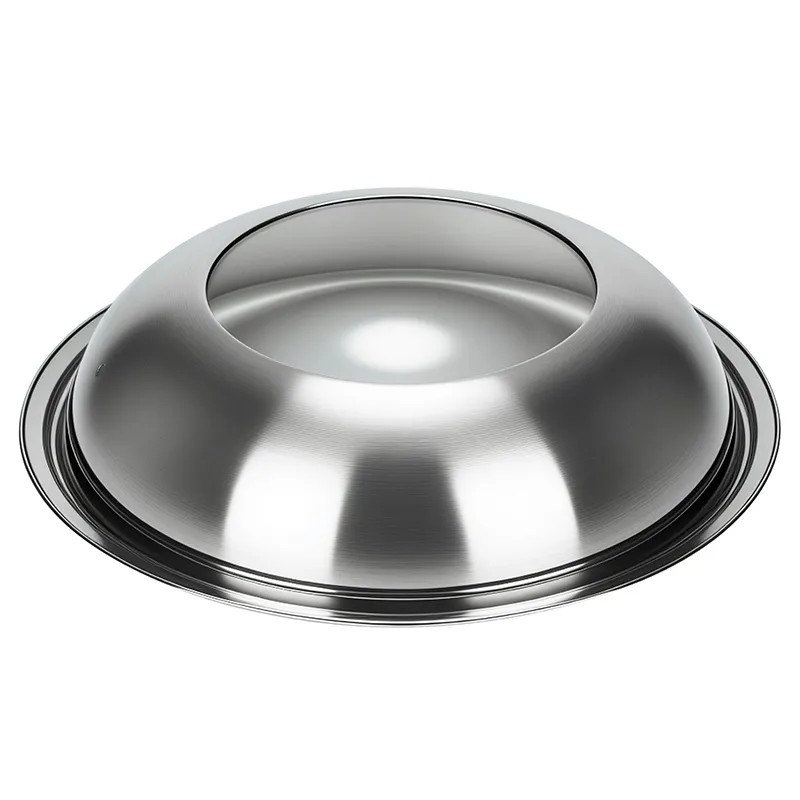
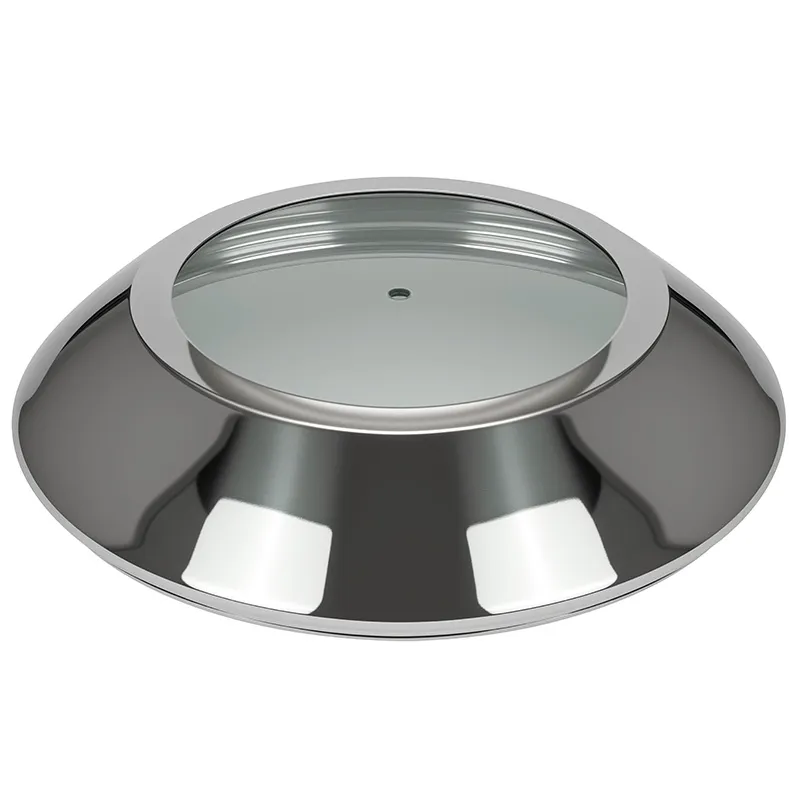
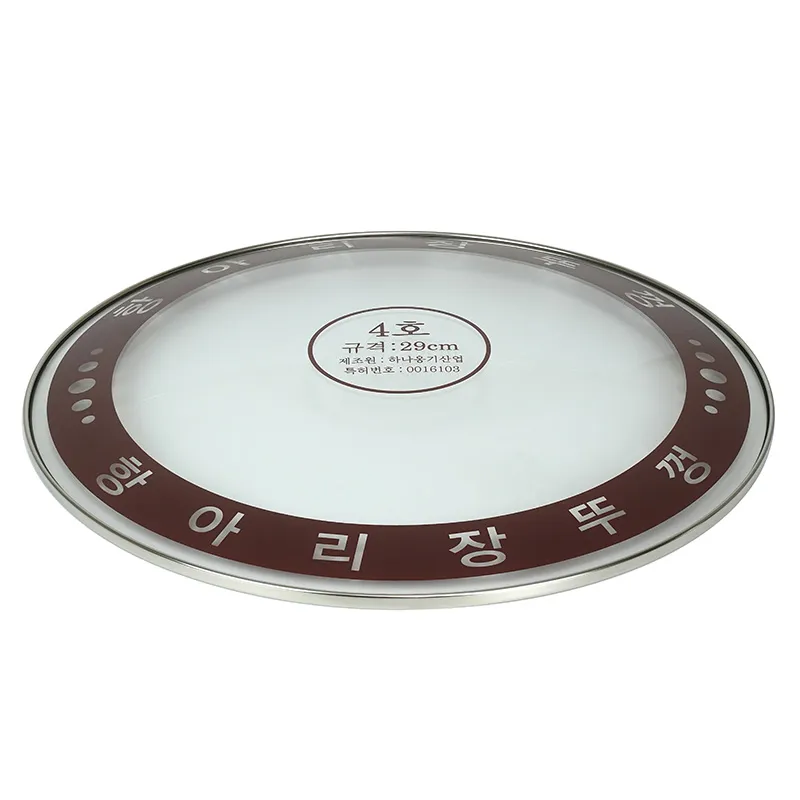
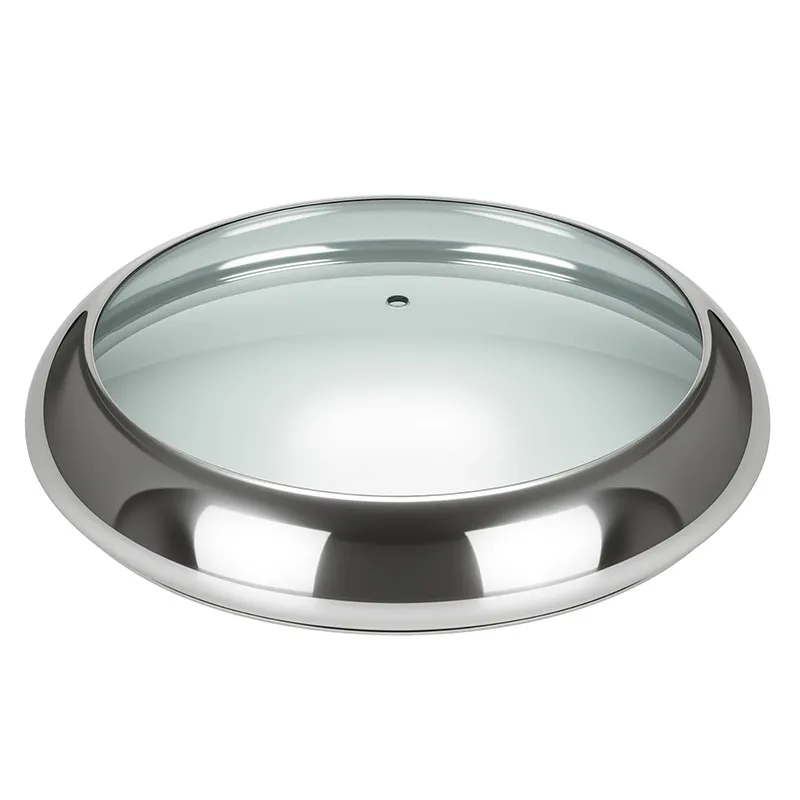
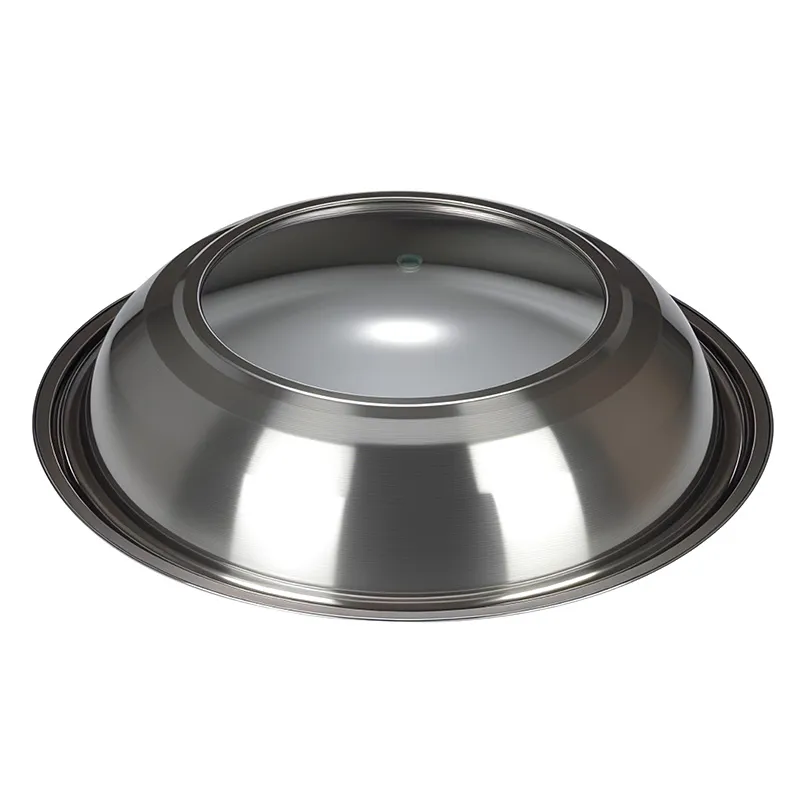
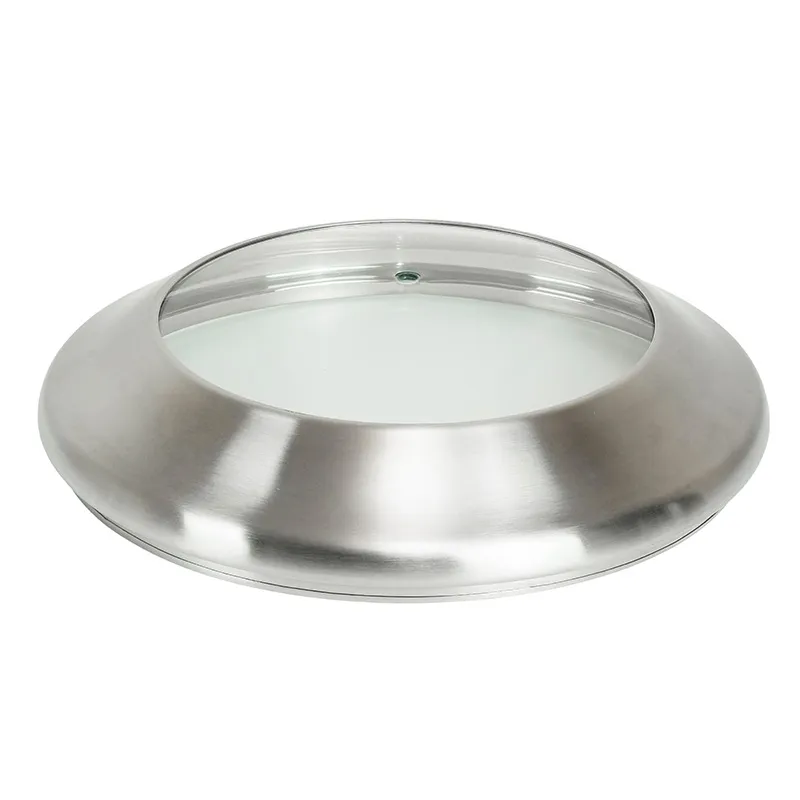
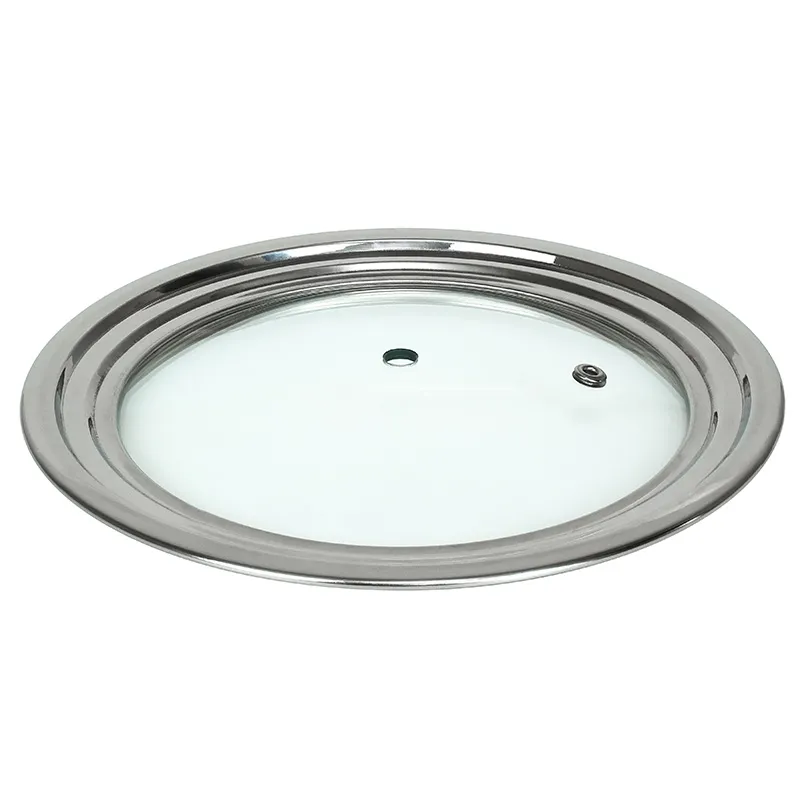
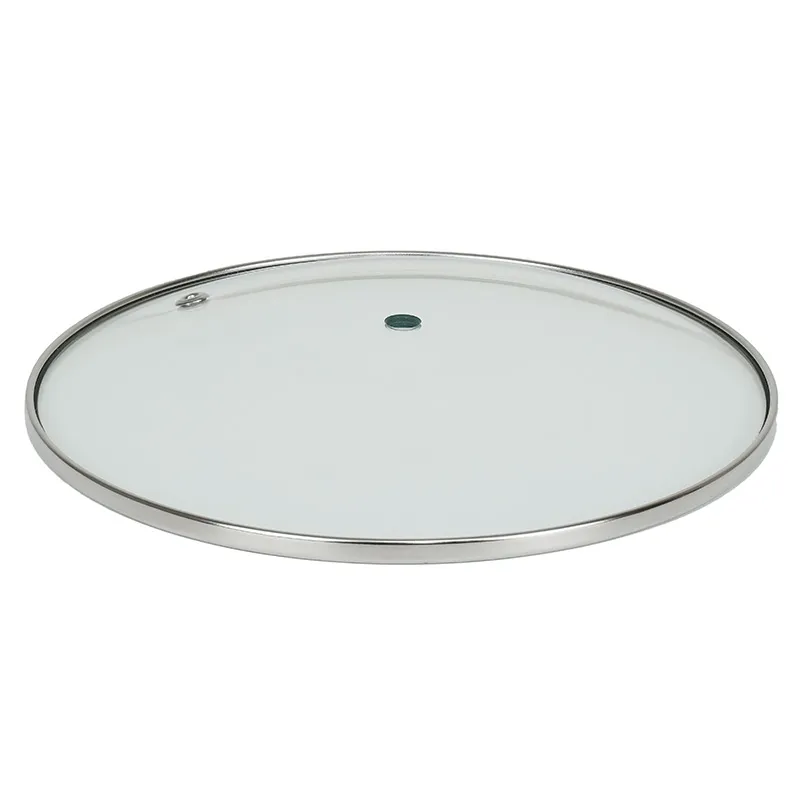
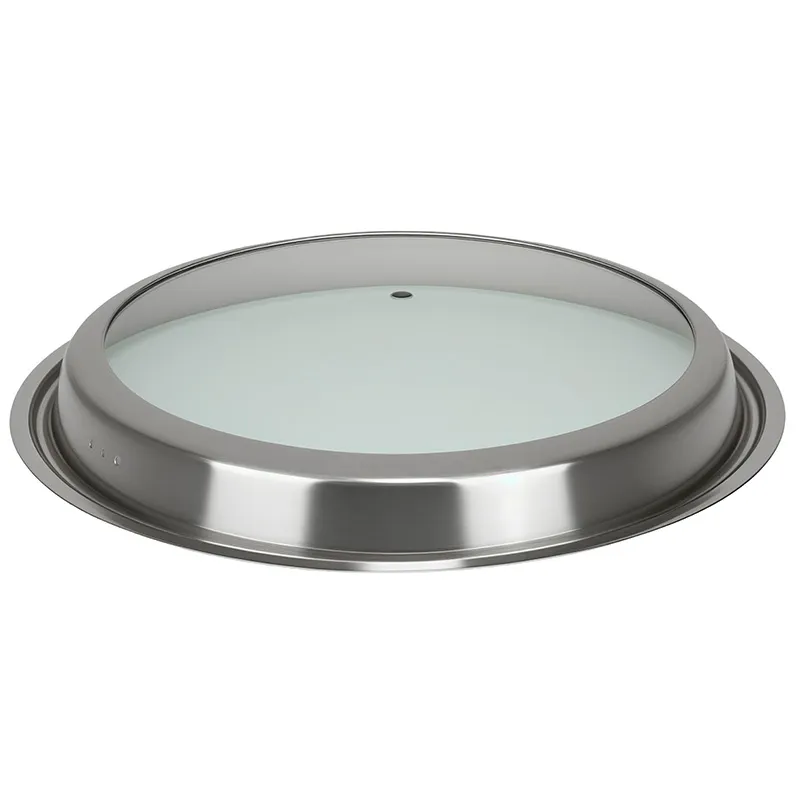
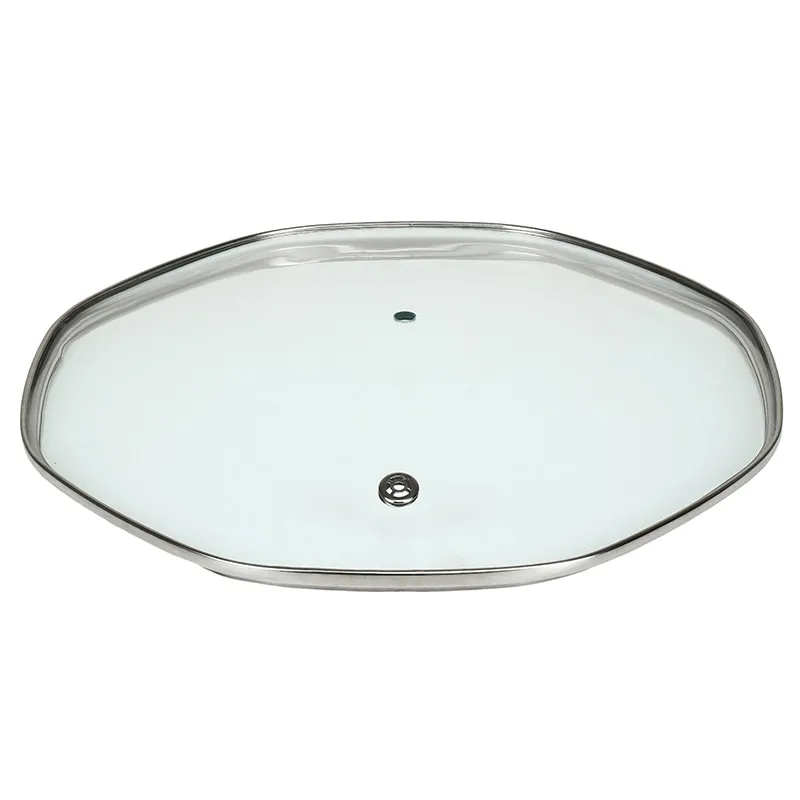
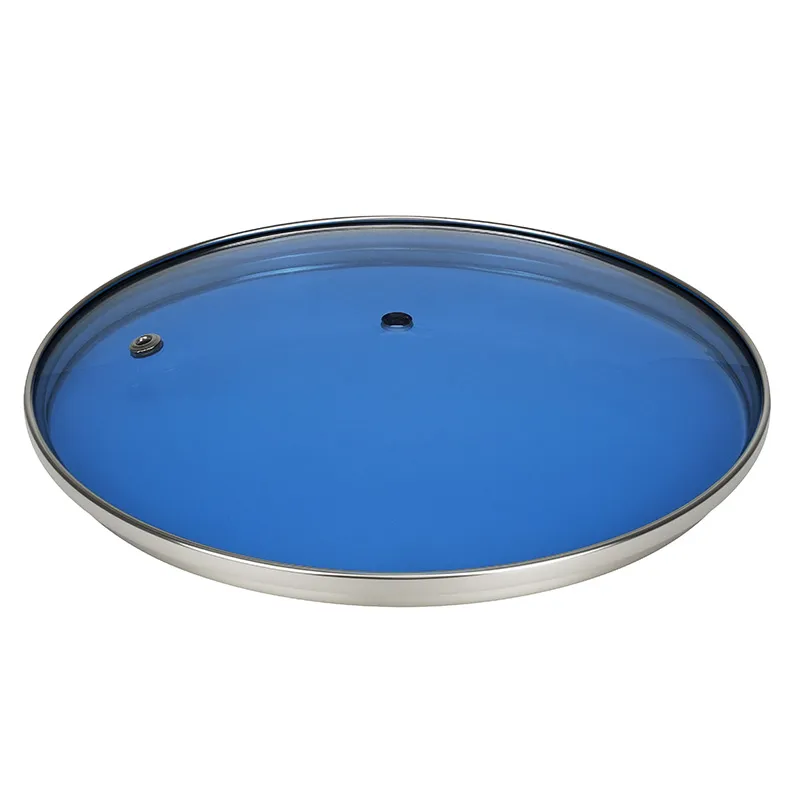
replacement cookware lids
You know, when people talk about cookware, lids are almost an afterthought. The focus is always on the pot or pan material, the handle ergonomics, the brand prestige. The lid? It's just the thing that gets lost or broken, and then you're left searching for a generic replacement that never quite fits right. That's the common mistake—thinking any lid of roughly the same diameter will do. It won't. The gap between the rim and the lid, the vent hole placement, the handle's heat resistance, the way the glass sits in the frame if it's a glass lid... these aren't minor details. They dictate how steam circulates, how evenly heat is retained, and frankly, whether your expensive cookware performs as it should. I've seen too many good pots rendered mediocre by a bad lid match.
The Fit Fallacy and Why Millimeters Matter
Let's get specific. The biggest issue with replacement cookware lids is the assumption of a universal fit. In reality, a 24cm lid from Brand A will not sit properly on a 24cm pot from Brand B. The curvature of the rim, the angle of the flare—these are proprietary. I learned this the hard way early on, trying to source lids for a client's batch of high-end saucepans. We ordered based on diameter alone, and the result was a shipment of lids that either rattled or sat so tight you needed a tool to pry them off. Steam escaped from the sides, defeating the purpose. It was a costly lesson in precision.
This is where working with a specialized manufacturer makes a difference. A company like EUR-ASIA COOKWARE CO.,LTD, for instance, doesn't just pump out generic glass discs. Their process, detailed on their site glass-lid.com, involves producing for specific OEM lines. They understand that a lid for a German-made stainless steel pot has different tolerances than one for a French copper pot destined for the Japanese market. Their export footprint—Germany, Italy, Japan, etc.—isn't just a sales list; it's a map of the nuanced fit requirements they've had to master.
The mm gap is the industry's dirty secret. A perfect lid should create a near-seal, with maybe a 0.5-1mm even gap for pressure release. A poorly made replacement can have a 3-4mm variance, which turns simmering into a slow boil and ruins delicate reductions. You can't eyeball this. It requires the kind of tooling and quality control you find in a facility with an annual output in the millions, like their 15-million-piece capacity suggests. It's about repeatable precision, not just cutting glass.
Material and Construction: Beyond Just Tempered Glass
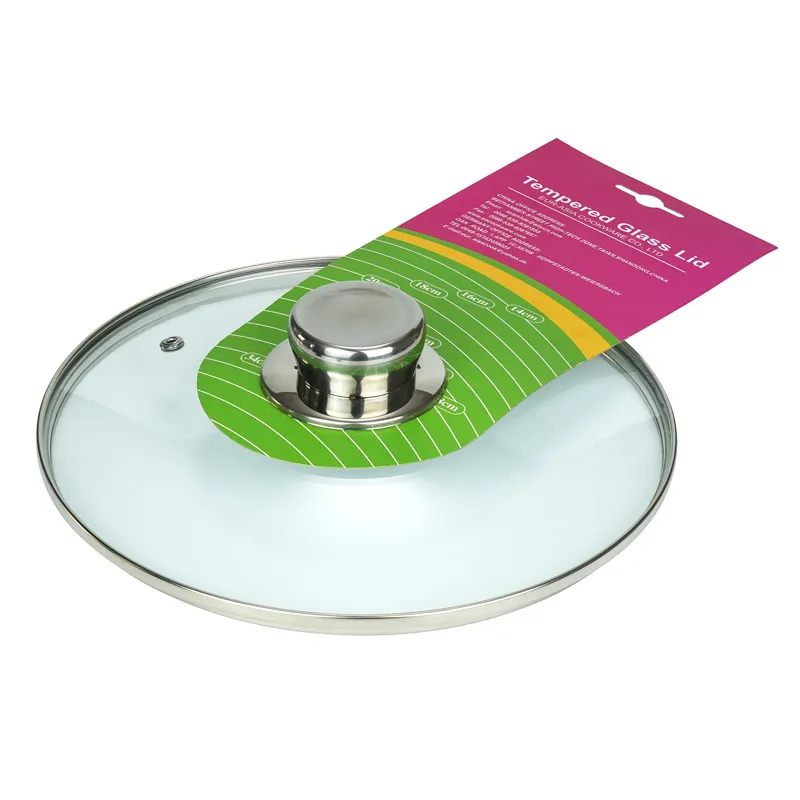
Everyone specifies tempered glass lid and thinks that's the end of the story. It's not. The grade of the glass, the tempering process, and crucially, how it's mounted into the rim frame are what separate a lid that lasts from one that shatters or warps. I've handled lids where the glass was fine, but the thin stainless steel rim deformed after a few dishwasher cycles, creating a dangerous pinch point and ruining the fit.
From a production standpoint, a company focusing on low to high-level household products, as EUR-ASIA does, has to source different glass grades. A lid for a budget line might use a thinner, adequately tempered glass. A lid for a high-end line, often exported to markets like Switzerland or Denmark with strict safety standards, will use a thicker, more resilient grade with a polished edge and a more robust clamping mechanism in the rim. The other kitchen accessories in their portfolio likely inform this—they understand how components interact under heat and stress.
The handle is another failure point. Is it riveted or screwed? Is the screw post metal or a heat-resistant polymer that can degrade? A good replacement cookware lid will have a handle that stays cool enough to touch and is attached in a way that doesn't compromise the glass's integrity. I recall a batch where the adhesive under the handle knob failed in the oven, a clear case of value engineering gone wrong. It's these hidden construction details that their 90+ employees are presumably checking on the line.
The Sourcing Reality: Why Direct from a Producer Makes Sense
For retailers or even service centers, sourcing lids from the original cookware brand is often prohibitively expensive and slow. They treat them as proprietary spare parts. This creates the niche for dedicated replacement lid producers. But here's the catch: you can't just buy from a catalog. The effective way, which we eventually adopted, is to send a sample pot—or better yet, the original lid's precise technical drawing—to the factory.
A manufacturer with a dedicated production base, like the one in Taian City's High-tech Development Zone, has the engineering capability to reverse-engineer or follow specs. You're not just buying a product; you're buying their capacity to replicate a fit. Their 20,000㎡ area isn't for show; it houses the tooling for different rim profiles. This turns the process from a guessing game into a technical procurement.
The export focus (over 90%) is also telling. It means their quality benchmarks are set by international retailers, not just domestic standards. A lid shipped to Germany has to pass TüV or similar scrutiny for thermal shock resistance and material safety. This rigor, while sometimes a headache during sampling, ensures the replacement cookware lids you get are not afterthoughts but engineered components. It shifts the perception from a spare part to a performance-critical component.
Practical Pitfalls and the Vent Hole Dilemma
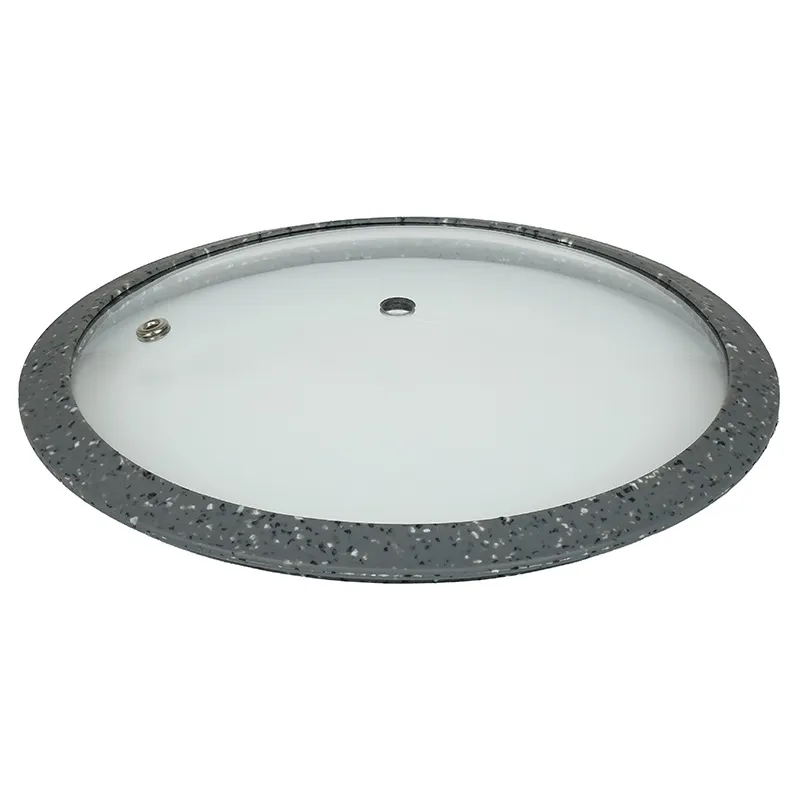
Let's talk about something seemingly trivial: the steam vent hole. On a stock pot lid, it's large. On a sauté pan lid, it might be a series of small holes or a adjustable vent. When replacing, most generic lids offer a one-size-fits-all small hole. This is wrong. A large pot with a small vent will pressurize slightly and can cause liquids to boil over violently when lifted—a safety issue. I've had customers complain about soup explosions, and it traced back to an ill-suited vent.
A competent producer will ask about the application. Is it for a pasta pot, a stockpot, a braiser? The function dictates the vent design. The product range on glass-lid.com likely includes these variations. Their experience exporting to culinary-centric markets like Italy and France means they've probably encountered the need for a wide, open vent for pasta pots and a tighter, controllable one for a French oven.
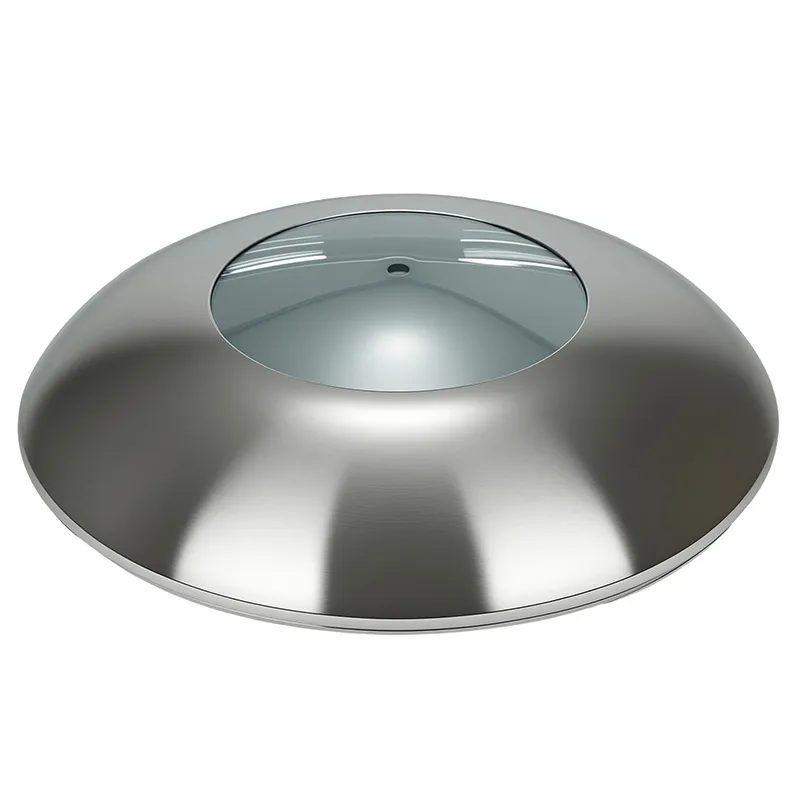
Another pitfall is the glass-only mindset. Sometimes, the best replacement isn't a glass lid at all, but a well-fitted stainless steel one for tasks requiring high-heat searing then covered roasting. A diversified producer of household glass products and other kitchen accessories is better positioned to offer that advice or option than a pure-play glass cutter. It's about solving the cooking problem, not just selling a lid.
Concluding Thoughts: It's About Preservation, Not Just Replacement
So, after all this, what's the takeaway? Seeking a replacement cookware lid shouldn't be a desperate, last-minute search on a generic e-commerce site. It's an act of preserving the utility and value of your core cookware. A mismatched lid degrades the performance of a potentially lifetime-quality pot.
The industry solution lies in partnering with specialists who treat the lid as a primary product, not a by-product. Manufacturers with scale, export compliance experience, and engineering capacity—like the profile of EUR-ASIA COOKWARE—represent this approach. Their specialization in tempered glass lids for a global market indicates a depth of knowledge in fit, safety, and application-specific design.
Ultimately, the goal is invisibility. The perfect replacement lid is the one you stop thinking about. It fits, it functions, it cleans easily, and it doesn't call attention to itself. It lets the cookware do its job. Achieving that requires moving beyond the diameter and looking at the millimeters, the material grades, and the manufacturing intent behind it. That's the difference between a cover and a component.
Related Products
Related Products