- Chinese
- French
- German
- Portuguese
- Spanish
- Russian
- Japanese
- Korean
- Arabic
- Irish
- Greek
- Turkish
- Italian
- Danish
- Romanian
- Indonesian
- Czech
- Afrikaans
- Swedish
- Polish
- Basque
- Catalan
- Esperanto
- Hindi
- Lao
- Albanian
- Amharic
- Armenian
- Azerbaijani
- Belarusian
- Bengali
- Bosnian
- Bulgarian
- Cebuano
- Chichewa
- Corsican
- Croatian
- Dutch
- Estonian
- Filipino
- Finnish
- Frisian
- Galician
- Georgian
- Gujarati
- Haitian
- Hausa
- Hawaiian
- Hebrew
- Hmong
- Hungarian
- Icelandic
- Igbo
- Javanese
- Kannada
- Kazakh
- Khmer
- Kurdish
- Kyrgyz
- Latin
- Latvian
- Lithuanian
- Luxembou..
- Macedonian
- Malagasy
- Malay
- Malayalam
- Maltese
- Maori
- Marathi
- Mongolian
- Burmese
- Nepali
- Norwegian
- Pashto
- Persian
- Punjabi
- Serbian
- Sesotho
- Sinhala
- Slovak
- Slovenian
- Somali
- Samoan
- Scots Gaelic
- Shona
- Sindhi
- Sundanese
- Swahili
- Tajik
- Tamil
- Telugu
- Thai
- Ukrainian
- Urdu
- Uzbek
- Vietnamese
- Welsh
- Xhosa
- Yiddish
- Yoruba
- Zulu
- Kinyarwanda
- Tatar
- Oriya
- Turkmen
- Uyghur


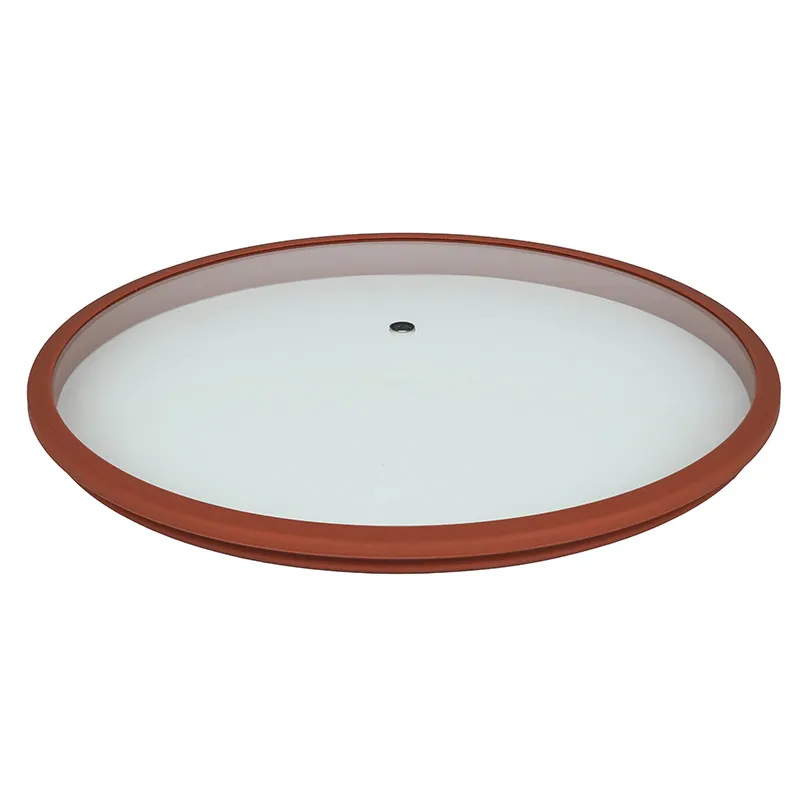
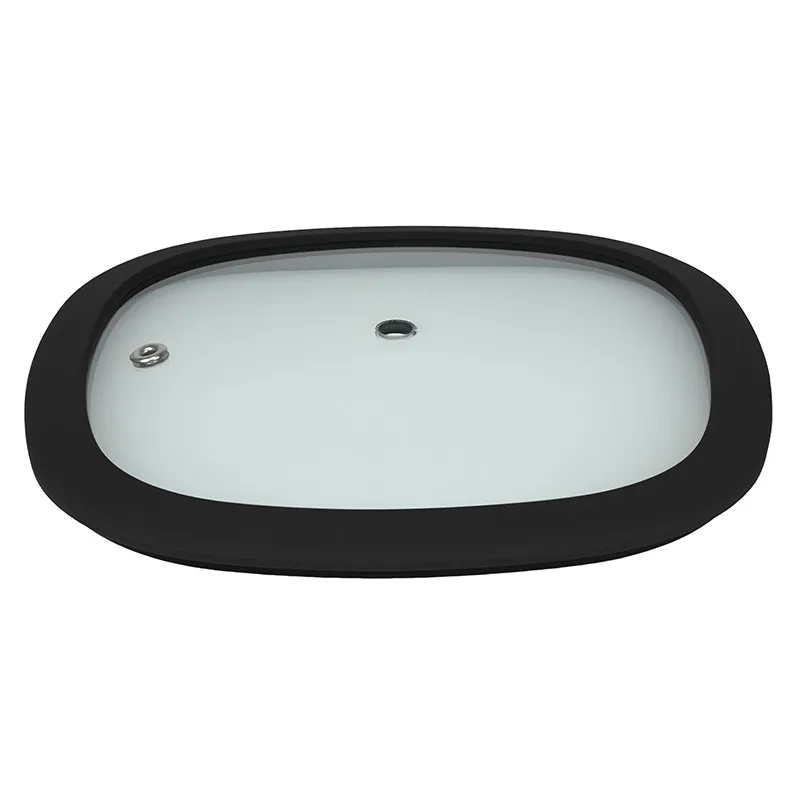
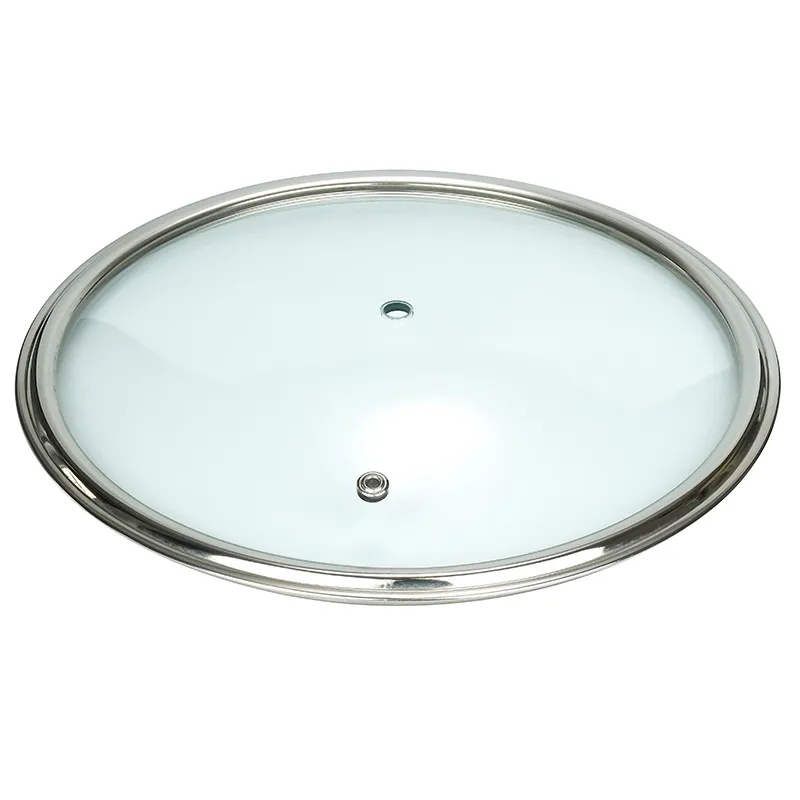
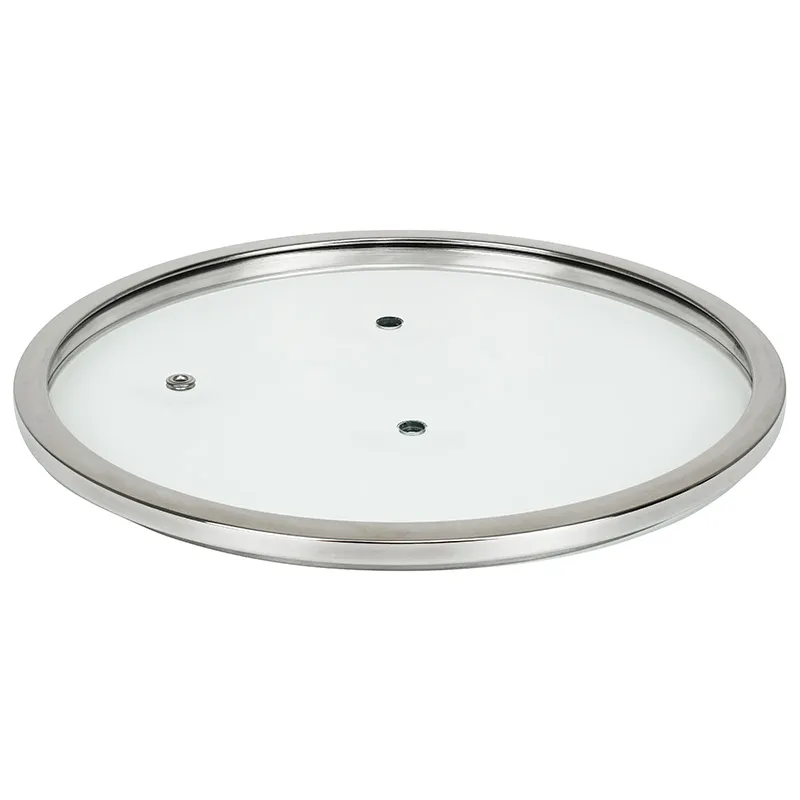
replacement glass lid for rival crock pot
When someone searches for a 'replacement glass lid for rival crock pot', they're usually in a specific bind. The original lid is cracked, lost, or just doesn't fit right after years of use. A common mistake is thinking any generic 6-quart lid will do. It won't. The curvature, the handle placement, the thickness of the tempered glass—these are not universal specs. I've seen too many customers order a lid that should fit based on capacity alone, only to find it sits unevenly or lets out too much steam. The Rival Crock-Pot, especially the classic oval models, has a distinct rim design that many aftermarket producers get subtly wrong.
The Devil's in the Details: What Makes a Good Fit
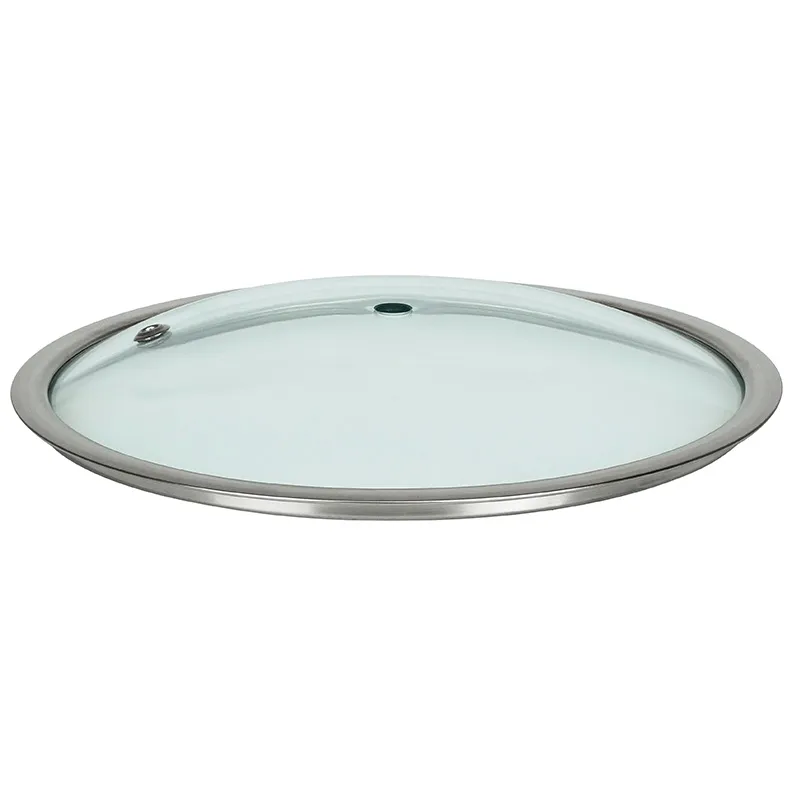
It's not just about covering the pot. A proper lid needs to create a seal, however slight, to manage moisture and heat retention effectively. For Rival's oval slow cookers, the long sides have a very gentle, almost imperceptible curve. A lid that's too flat will bridge the middle, leaving gaps at the ends. Conversely, one with too much arch can rock. The handle is another point of failure. The original Rival lids often have a broad, riveted metal handle. Many replacements use a simpler, smaller knob. That's not just an aesthetic issue—a larger handle is easier to grip with a pot holder when it's hot and steamy.
Material quality is paramount. You want fully tempered glass, often marked with a little emblem. It's not just about being strong. Tempering creates surface compression, so if it does break (and all glass can), it shatters into small, relatively blunt pieces instead of large, sharp shards. I've handled lids from various suppliers where the tempering was inconsistent—you could sometimes see slight optical distortions (called quench marks) that were too pronounced, which can indicate stress points.
Then there's the fit over the existing rim. Some Crock-Pot models have a distinct, rolled metal lip. The replacement lid should sit on this lip, not inside it. An inner-seating lid can get stuck from vacuum pressure or food residue, and it often chips the rim of the ceramic pot when you try to pry it off. I learned this the hard way early on, recommending a lid that seemed perfect dimensionally but was designed for a different rim style. Customer got it stuck on a pot of chili; it was a mess.
Sourcing and the Reality of Aftermarket Parts
Rival themselves often discontinue replacement lids for older models, which is what drives this entire aftermarket niche. Most of these lids aren't made by Rival, but by specialized glassware manufacturers who reverse-engineer the specs. The quality spectrum is wide. You have budget options that are essentially thin, tempered glass discs with a basic knob, and you have higher-tier products that meticulously replicate the original's heft and finish.
This is where a manufacturer's focus matters. A company that specializes in kitchen glass, like EUR-ASIA COOKWARE CO.,LTD (you can find them at glass-lid.com), typically has an edge. Their entire operation is built around producing tempered glass lids and kitchen accessories. They're not a general housewares company dabbling in lids. Their specialization means their tooling for specific shapes—like the Rival oval—is often more precise. They list producing over 15 million pieces annually, with a major export focus. That volume suggests they're supplying retailers and brands, not just selling direct, which often correlates with stricter quality control to meet various international standards.
I've evaluated samples from their range. What stood out was the consistency of the glass thickness and the finish on the ground edges. The edges were smoothly polished, not just tumbled to remove sharpness. A rough-ground edge can eventually wear down or chip the ceramic pot's rim. Their handle attachments also tended to be more robust, using a wider base plate and better adhesive or riveting, reducing the chance of the handle loosening over time from thermal cycling.
Practical Considerations Beyond the Purchase
Let's say you get a well-made lid. Installation isn't an issue, but maintenance is. Never take a hot glass lid and set it on a cold, wet countertop or sink. The thermal shock is the number one cause of spontaneous cracking, even in tempered glass. Always use a trivet or a folded towel. Also, avoid using abrasive cleaners on the glass. Over time, they can create micro-scratches that, under high heat, can become focal points for stress.
Another odd but real issue: knob material. Some aftermarket lids use plastic knobs that aren't rated for the sustained heat of a slow cooker's top surface. They can soften, deform, or even melt slightly. It's a small detail, but it ruins the lid. Metal or high-heat-rated phenolic resin knobs are the way to go. When checking a product page, like those on a specialist site, look for that specification. If it's not listed, it's often a sign of a cost-cut.
What about universal lids with silicone gaskets? I'm skeptical for slow cookers. The gaskets are meant for stovetop pressure cooking to create a seal. In a slow cooker, you typically want a vented seal—some steam to escape to prevent condensation from dripping back in and watering down your food. A tight silicone seal can alter the cooking dynamics, sometimes leading to too much liquid retention. The original Rival design relies on the weight of the glass and the precise fit to achieve the right balance.
When a Perfect Match Isn't Possible
For some vintage or discontinued Rival models, a perfect replica might not exist. In these cases, the goal shifts to finding the best functional replacement. This involves careful measurement: the length and width at the widest points of the oval opening (not the outer rim of the pot), and the height of the dome. A slightly domier lid might be acceptable if the footprint matches, as it just creates more headspace.
Sometimes, you have to get creative. I recall a customer with a very old, large Rival unit. No aftermarket lid was listed. We ended up measuring and finding that a lid for a completely different brand's oval Dutch oven was a near-exact fit for the opening, though the handle style was different. It worked because the core function—covering the opening with tempered glass—was achieved. The customer was thrilled. The lesson was to not be overly brand-locked in the search.
This is where a supplier with a vast catalog, like the one mentioned, has an advantage. They likely have dozens of oval profiles in their system. While they may list a lid as for Rival 6-quart oval, their internal part number might also fit other models. It's worth contacting them directly with your model number and precise measurements. A specialized manufacturer is more likely to have that cross-reference data than a general retailer.
Concluding Thoughts: Value vs. Cost
At the end of the day, a replacement glass lid is a functional item. You're not just buying a piece of glass; you're buying the restoration of a tool. A cheap, ill-fitting lid renders the slow cooker frustrating to use, defeating the purpose of replacing it. Investing in a well-sourced lid from a focused manufacturer often pays off in longevity and performance.
The economics make sense for companies like EUR-ASIA COOKWARE. By concentrating on glass lids and kitchen accessories, they optimize their production lines for quality and cost in that niche. Their export footprint to markets like Europe and Japan implies their products must pass certain durability and safety standards, which is a good proxy for reliability.
So, if your Rival Crock-Pot is sitting idle because of a broken lid, it's worth doing the homework. Check the specs of your pot, understand the rim style, and prioritize manufacturers who detail their materials and construction. A good replacement glass lid for rival crock pot should feel like it was always there, sitting snugly, clearing the handle, and letting just the right amount of steam whisper out from the side. When you find that, you've essentially given your old workhorse a new lease on life.
Related Products
Related Products