- Chinese
- French
- German
- Portuguese
- Spanish
- Russian
- Japanese
- Korean
- Arabic
- Irish
- Greek
- Turkish
- Italian
- Danish
- Romanian
- Indonesian
- Czech
- Afrikaans
- Swedish
- Polish
- Basque
- Catalan
- Esperanto
- Hindi
- Lao
- Albanian
- Amharic
- Armenian
- Azerbaijani
- Belarusian
- Bengali
- Bosnian
- Bulgarian
- Cebuano
- Chichewa
- Corsican
- Croatian
- Dutch
- Estonian
- Filipino
- Finnish
- Frisian
- Galician
- Georgian
- Gujarati
- Haitian
- Hausa
- Hawaiian
- Hebrew
- Hmong
- Hungarian
- Icelandic
- Igbo
- Javanese
- Kannada
- Kazakh
- Khmer
- Kurdish
- Kyrgyz
- Latin
- Latvian
- Lithuanian
- Luxembou..
- Macedonian
- Malagasy
- Malay
- Malayalam
- Maltese
- Maori
- Marathi
- Mongolian
- Burmese
- Nepali
- Norwegian
- Pashto
- Persian
- Punjabi
- Serbian
- Sesotho
- Sinhala
- Slovak
- Slovenian
- Somali
- Samoan
- Scots Gaelic
- Shona
- Sindhi
- Sundanese
- Swahili
- Tajik
- Tamil
- Telugu
- Thai
- Ukrainian
- Urdu
- Uzbek
- Vietnamese
- Welsh
- Xhosa
- Yiddish
- Yoruba
- Zulu
- Kinyarwanda
- Tatar
- Oriya
- Turkmen
- Uyghur


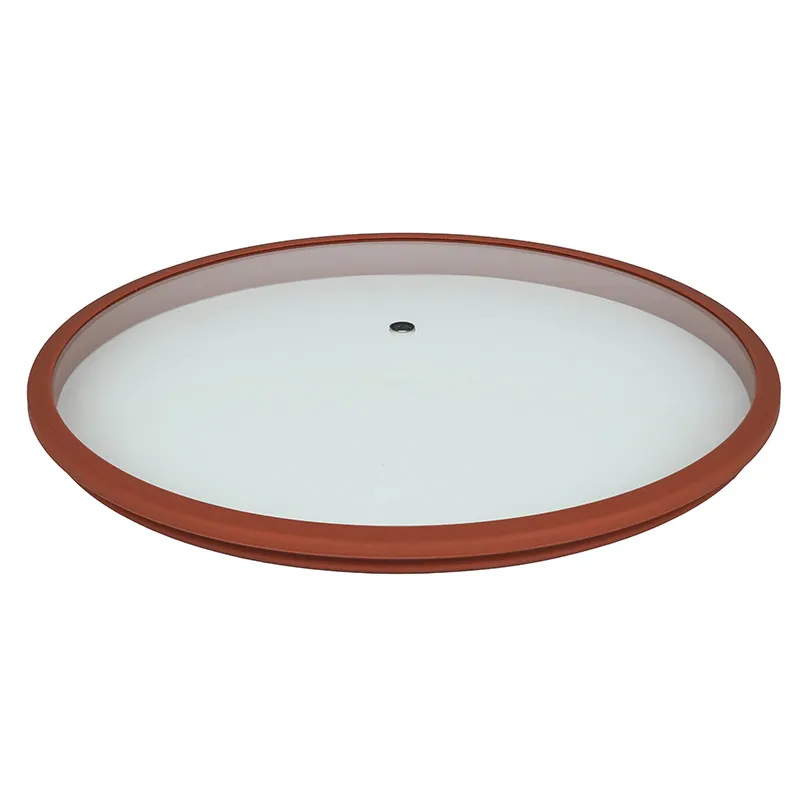
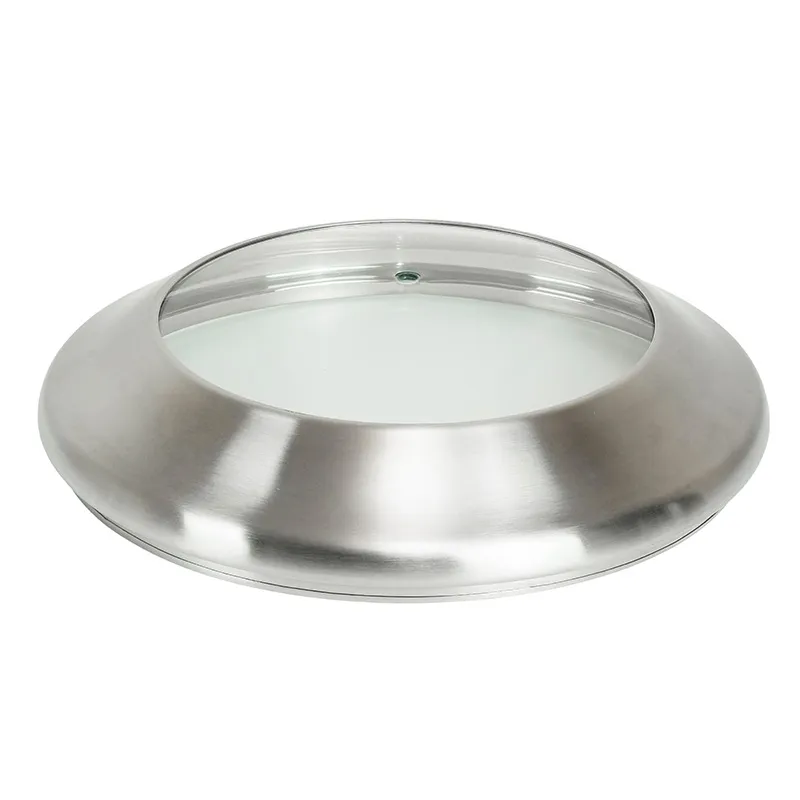
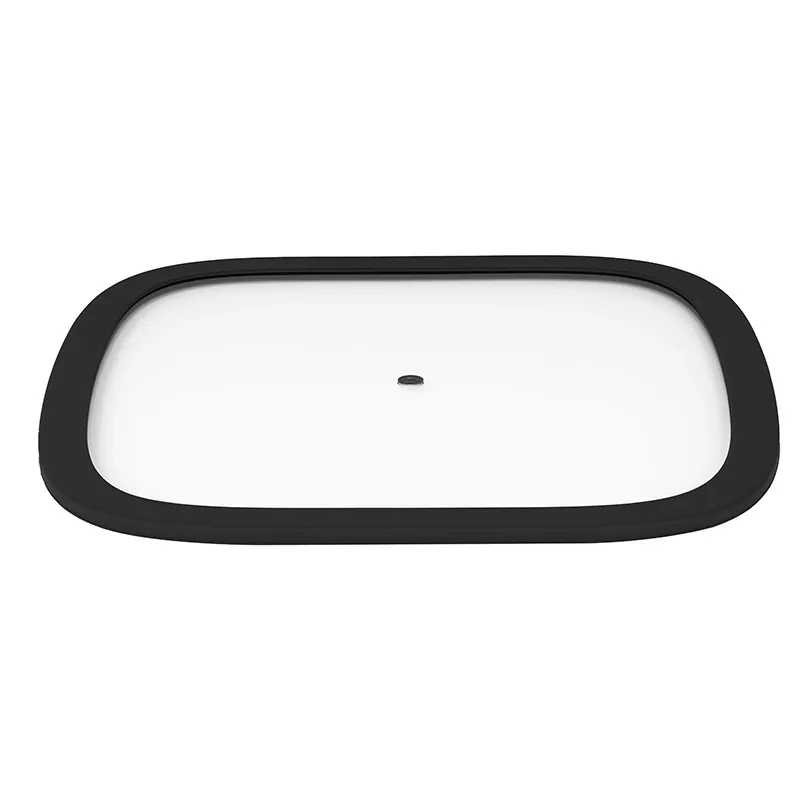
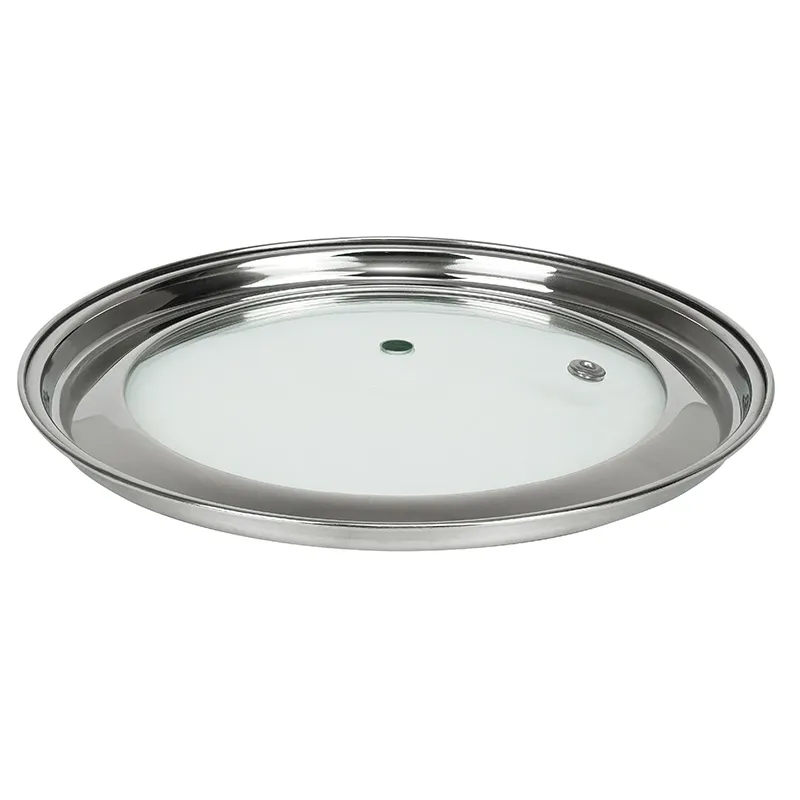
replacement glass lids for cookware
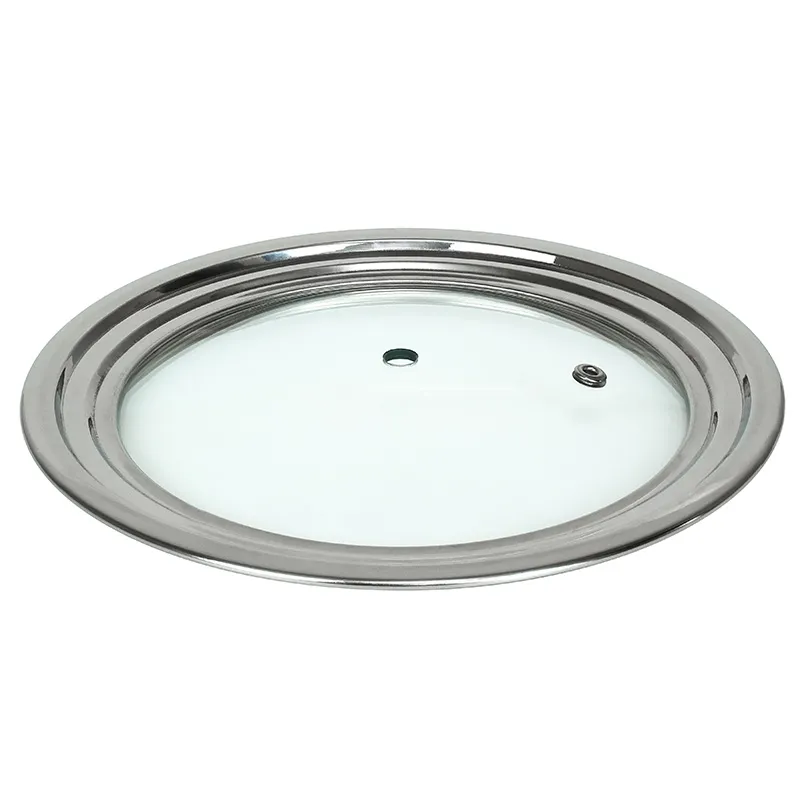
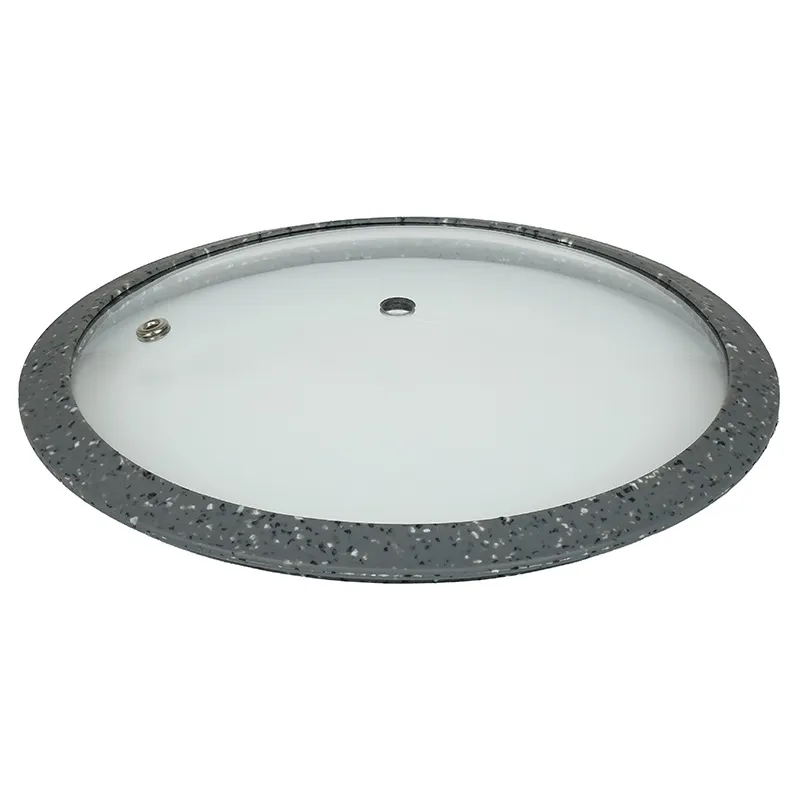
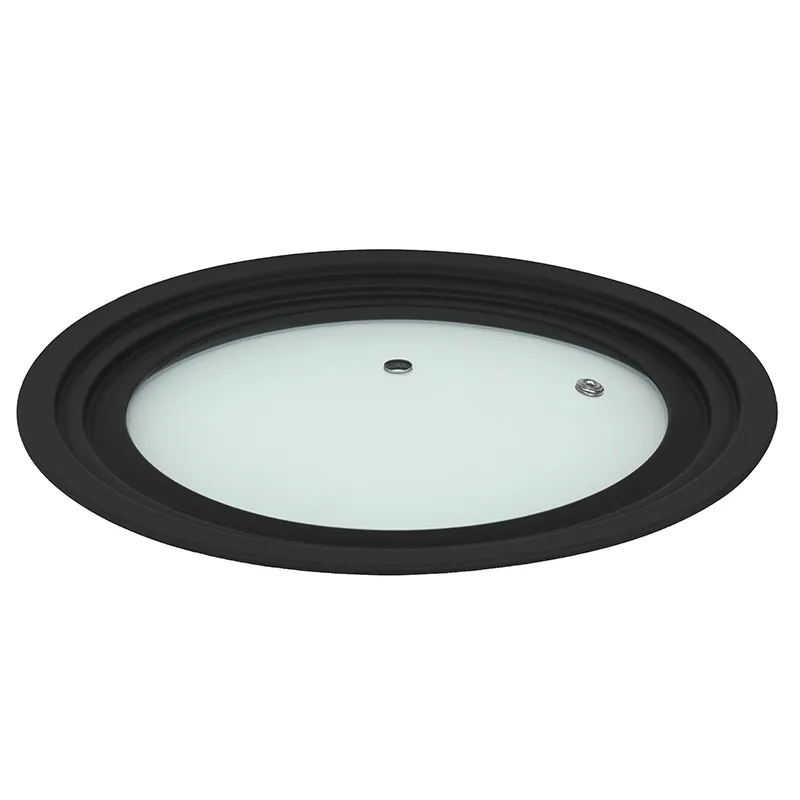
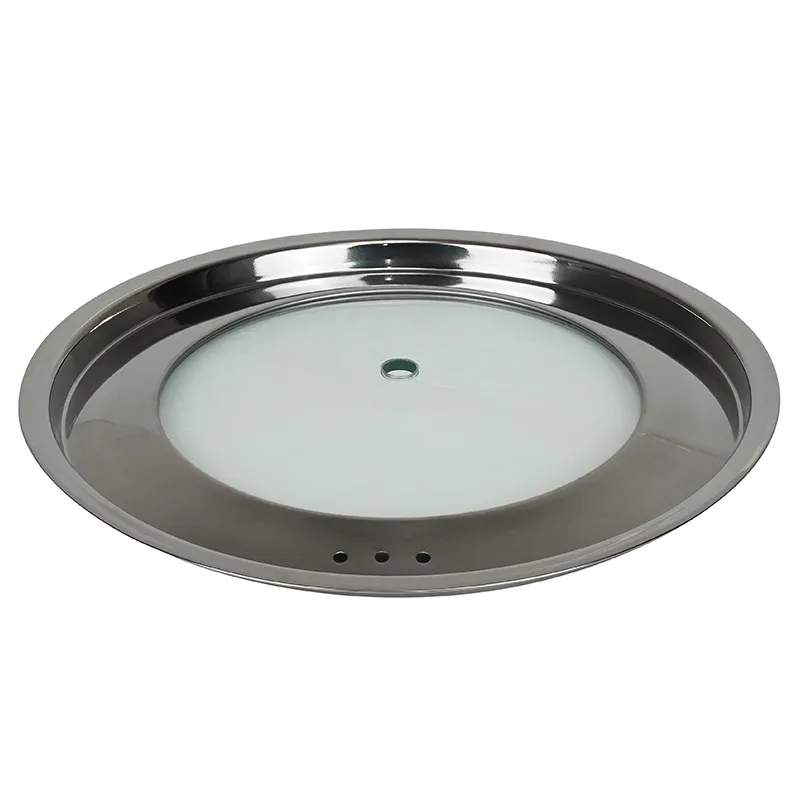
Look, when most people search for replacement glass lids, they think it's just about finding something that fits the pot's diameter. 12 inches for a 12-inch pan, right? That's the first, and biggest, mistake. I've seen it for years—customers, even some smaller retailers, order based on that single number and end up with a lid that sits on top but doesn't actually function. The rim curvature, the depth of the flange, the placement of the handle's mounting points... these are what make or break a replacement. A 30cm lid from one brand is almost never a true drop-in for another 30cm pot. The industry knows this, but the online marketplace is flooded with listings that ignore it, leading to a ton of returns and frustrated home cooks.
The Anatomy of a Proper Fit
Let's get into the weeds. The critical measurement isn't the total glass diameter; it's the inner diameter of the metal rim (if it has one) or the exact inner dimension of the pot's top opening. For a snug, vapor-sealing fit, the glass needs to sit inside this opening, not just on top of it. I've measured hundreds of pots, and the variance is shocking. Two pots from different European brands, both stamped as 24cm, can have a 2-3mm difference in their inner bore. That's enough for a lid to wobble or, worse, not seat at all.
Then there's the handle. Most replacement lids use a universal stainless steel or phenolic knob screwed through a hole in the tempered glass. The problem? The thickness of the glass and the size of the pre-drilled hole are not standard. I once sourced a batch of seemingly perfect lids for a line of French cookware. The diameter was spot-on, but the glass was 4mm thick instead of 3mm, and the handle bolts were too short. We had to manually source and replace thousands of bolts—a logistical nightmare that ate all the profit. Now, we spec glass thickness and bolt length before anything else.
This is where working with a specialized manufacturer makes a difference. A company like EUR-ASIA COOKWARE CO.,LTD (you can find their specifics at glass-lid.com) has the tooling to adjust for these nuances. They're not just cutting circles of glass; they're engineering the rim profile, the bevel, and the mounting hardware to match OEM specs or create robust universal patterns. Their production scale—over 15 million pieces annually—means they've seen every oddball pot shape out there, which informs their design library.
Material Myths and Thermal Reality
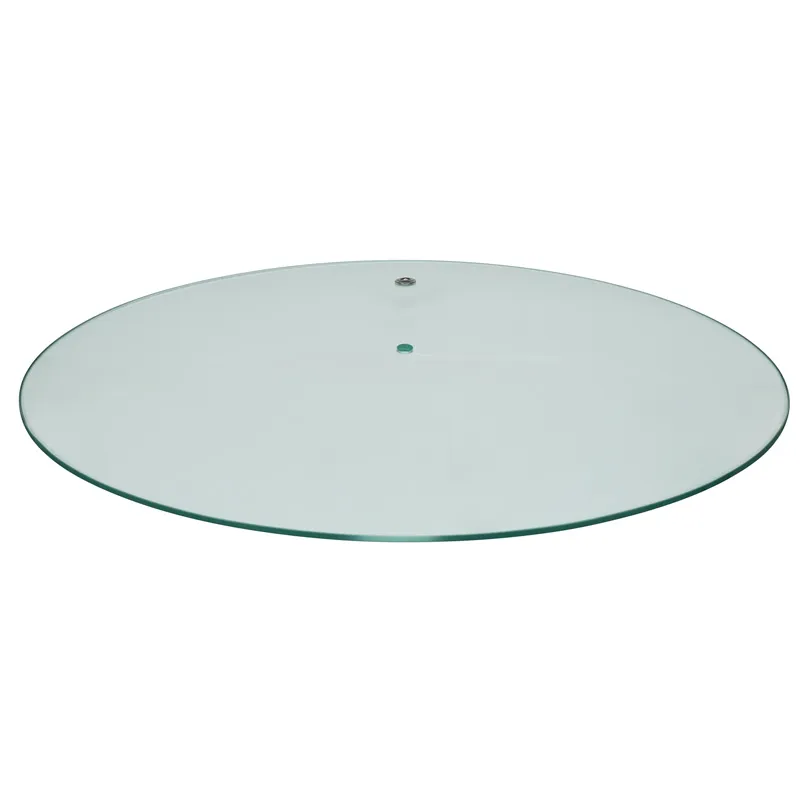
It's just tempered glass, how different can it be? is a phrase that makes me wince. The quality of the raw glass and the precision of the tempering process are everything. Cheap, poorly tempered lids are ticking time bombs. They might not shatter from heat, but a slight impact from a faucet or a sudden temperature differential (like placing a hot lid on a cold granite countertop) can cause a spontaneous, dramatic failure. It's not common with good suppliers, but I've had boxes from cut-rate vendors arrive with lids already fractured in the box due to internal stress.
High-boron silicate glass is the gold standard for thermal shock resistance, but it's more expensive. For most replacement purposes, properly tempered soda-lime glass is perfectly adequate—if it's done right. The telltale sign? Look at the edges. A clean, smoothly ground and polished edge indicates a better finishing process. A rough, sharp edge is a red flag for corner-cutting. The team at EUR-ASIA, with their focus on export to markets like Germany and Japan, has to meet stringent safety and finish standards, which translates to more consistent product integrity for replacement applications.
You also have to consider the lid's role in cooking. A perfectly fitting glass lid isn't just a cover; it's a moisture management tool. The slight dome, or lack thereof, affects how condensation drips back into the food. A flat lid will cause water to pool and drip centrally, while a domed lid rolls moisture to the edges. When sourcing a replacement, matching the original's profile matters for recipes that rely on braising or steaming.
Logistics, Sourcing, and the Universal Trap
Selling replacement glass lids for cookware is as much a logistics puzzle as a product one. The fragility drives shipping costs and damage rates through the roof. Early on, we used standard bubble wrap and cardboard. The failure rate was over 15%. We switched to custom foam clam-shell inserts for each lid size. It added cost, but our damage rate dropped to under 2%. It's a necessary investment that many bulk suppliers skip, which is why lids often arrive cracked when ordered from anonymous online sellers.
The promise of a universal lid is mostly marketing. What exists are pattern lids—designs that replicate the most common rim profiles from major cookware lines (think Tramontina, Cuisinart, generic OEM pots). A good supplier will have maybe 8-10 core patterns that cover 70% of the market. For the other 30%, you need a custom solution, which is where a manufacturer's flexibility is key. EUR-ASIA's operation, with its dedicated production base, is set up to run these smaller, custom batches—something a tiny workshop or a massive factory only interested in millions of one SKU can't do efficiently.
When vetting a supplier, I don't just ask for samples. I ask for their failure rate data from the tempering ovens, their QC process for checking edgework, and their packaging protocol. I also ask which specific cookware brands their patterns are reverse-engineered from. A credible answer—This SKU fits most older Revere Ware 3-quart saucepans—beats a vague fits 3-quart pots every time.
The Niche of High-End Replacements
There's a growing, tricky niche: replacements for high-end or discontinued cookware. Think Le Creuset, Staub, or vintage Pyrex. Owners of these pots are often desperate and willing to pay a premium. The challenge here is aesthetic as much as functional. The glass must be exceptionally clear, without greenish or bluish tints. The handle needs to be a close visual match, sometimes requiring custom color molding for phenolic knobs.
We attempted a run for a vintage French brand's saucepan. We nailed the fit and the thermal properties. But the glass had a slight green cast (from iron content in the sand), while the original was crystal clear. Customers noticed immediately. It was a lesson in material sourcing. Sometimes, the low-medium-high level spectrum a company like EUR-ASIA mentions isn't just about price, but about the optical clarity and purity of the raw glass sheet they start with, which is dictated by the end-market's expectations.
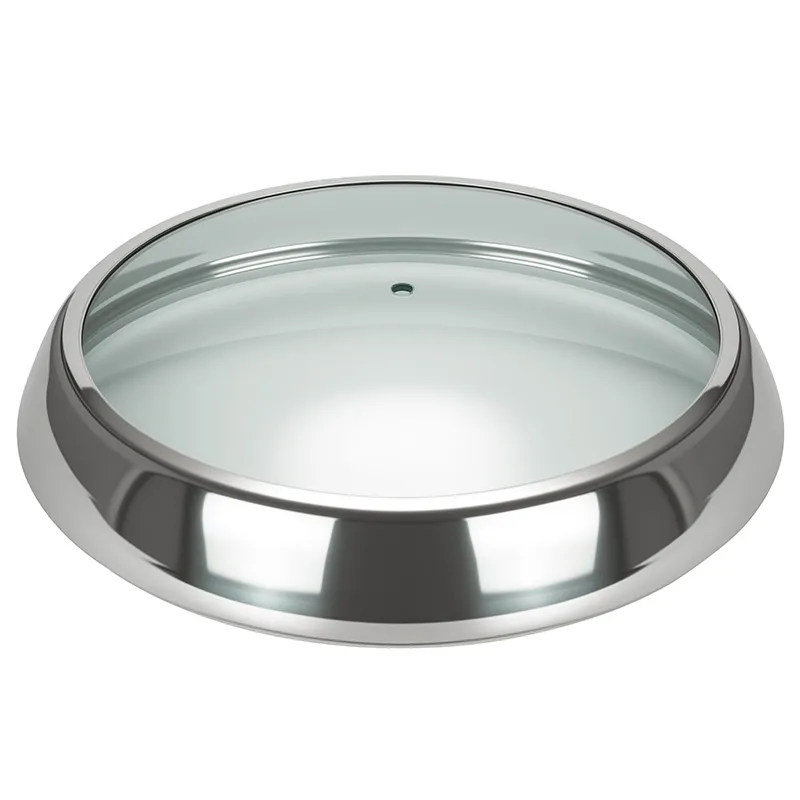
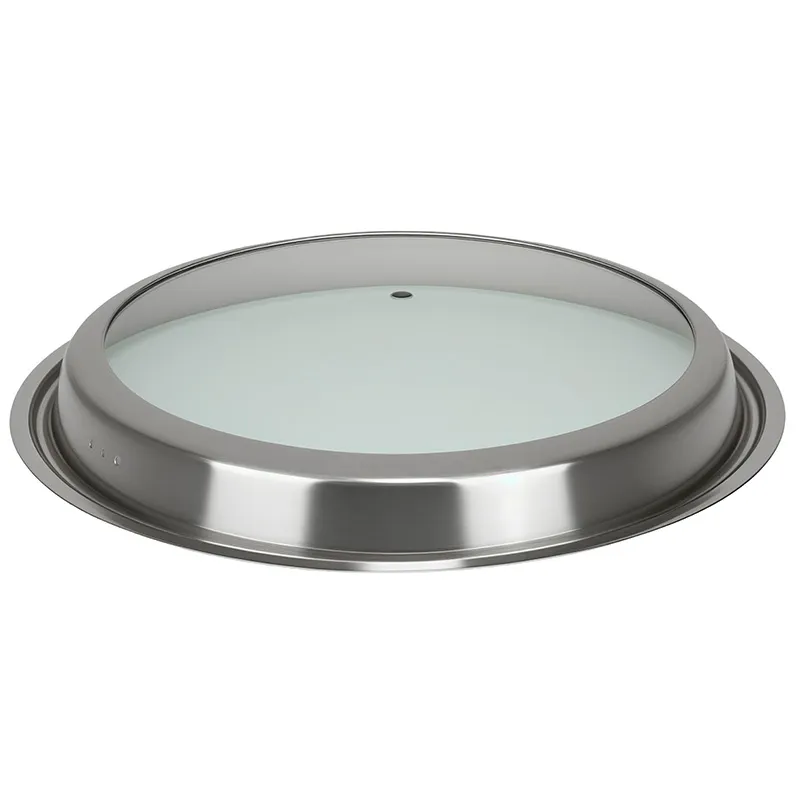
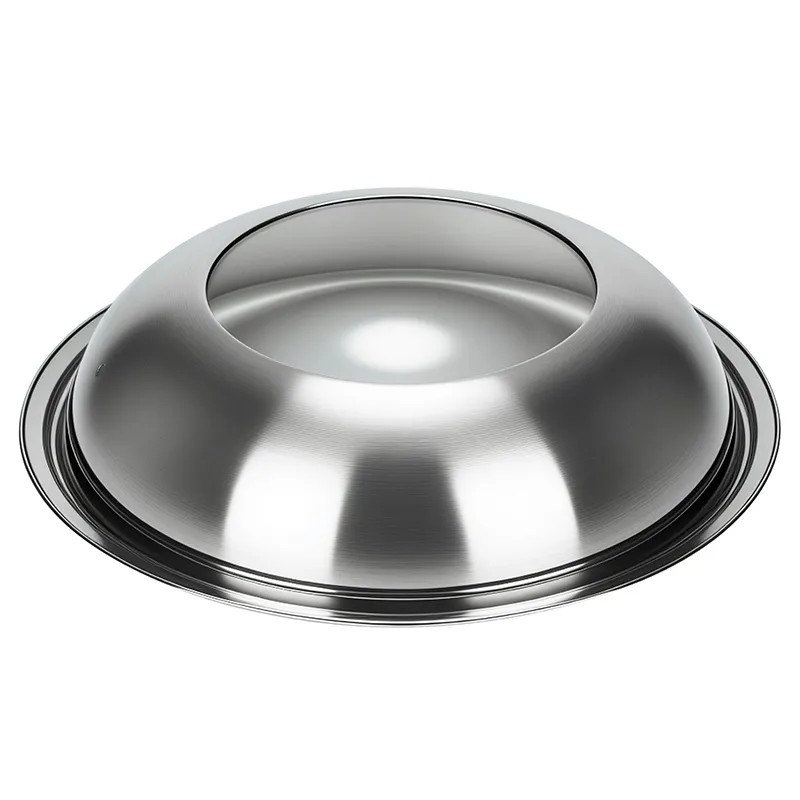
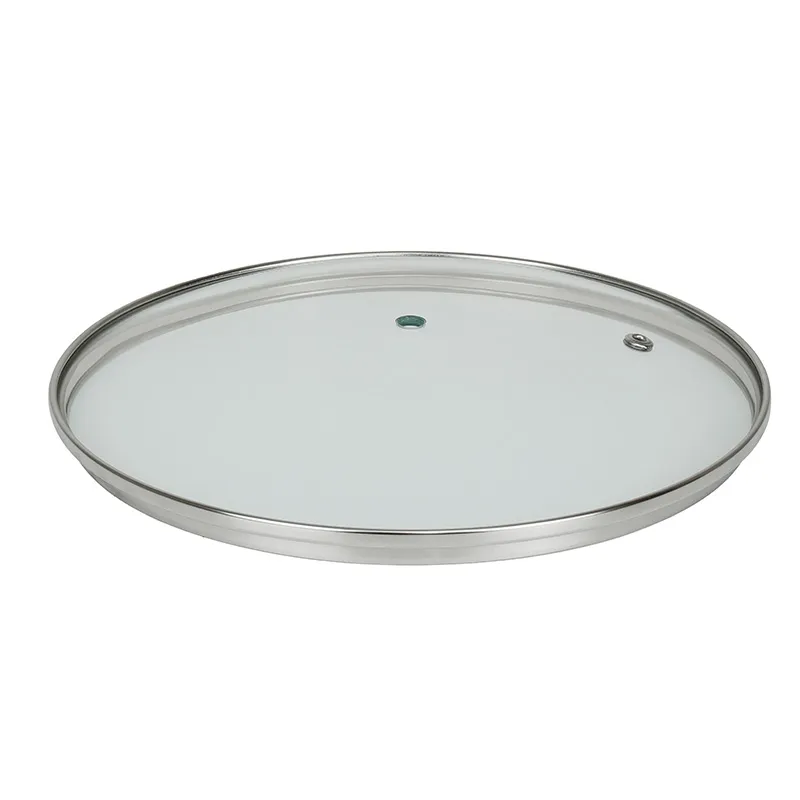
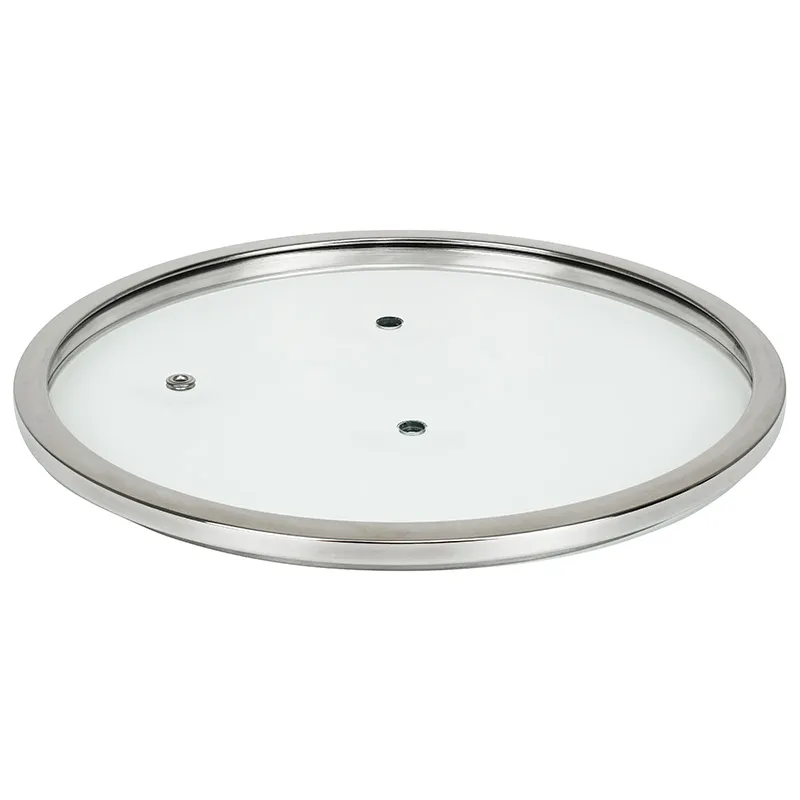
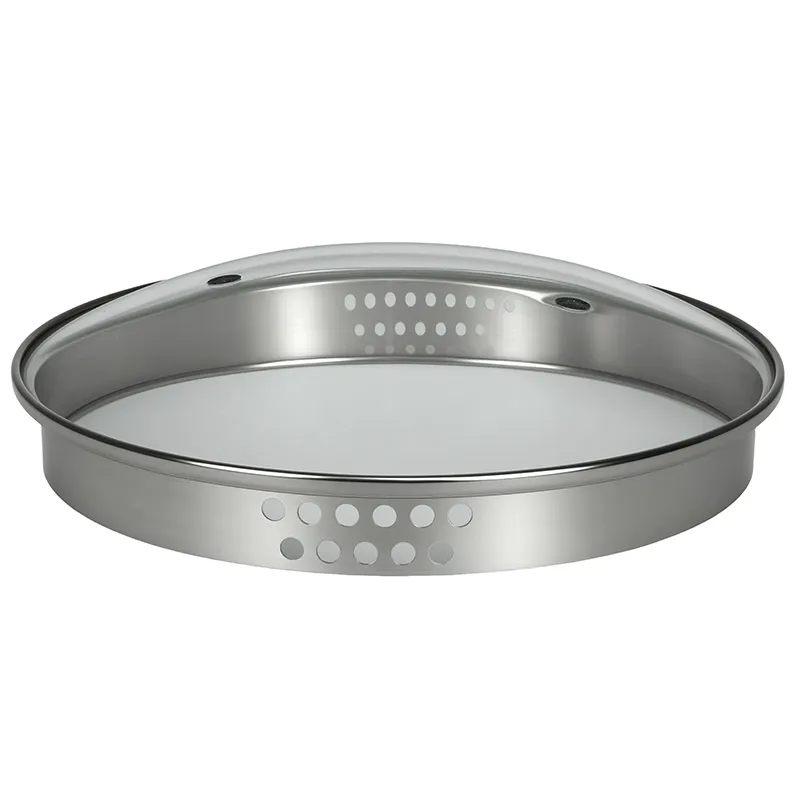
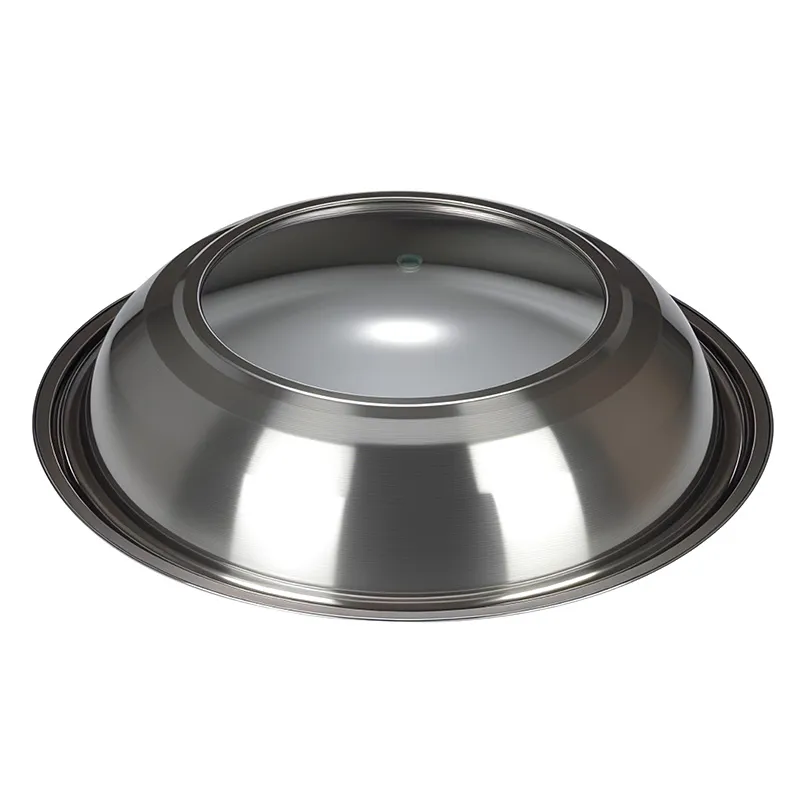
This is also where metal/glass combos come in. Some high-end lids have a stainless steel rim crimped onto the glass. Producing these as replacements is a whole other ball game, requiring specialized crimping machinery. It's rarely cost-effective for small batches, which is why most replacement offerings are all-glass with a separate handle. It's the practical, durable solution for 95% of needs.
Final Thoughts: A Pragmatic Approach
So, what's the takeaway for someone, maybe a retailer or a serious home cook, looking into this? First, abandon the idea of diameter alone. Get the inner measurement and a profile sketch if you can. Second, prioritize suppliers who specialize in this and ask detailed questions about patterns and fit. A specialized producer's website, like the one for EUR-ASIA COOKWARE CO.,LTD, which outlines their export focus and capacity, is a better starting point than a generic e-commerce platform.
Understand that a good replacement glass lid is a engineered component. Its value isn't just in covering a pot; it's in restoring the cookware's original functionality and safety. The goal is to get a lid that disappears into the routine—that you don't have to think about. That only happens when the fit, the finish, and the material are treated with the specificity they deserve. It's a niche product, but getting it right matters way more than people initially think.
Related Products
Related Products