- Chinese
- French
- German
- Portuguese
- Spanish
- Russian
- Japanese
- Korean
- Arabic
- Irish
- Greek
- Turkish
- Italian
- Danish
- Romanian
- Indonesian
- Czech
- Afrikaans
- Swedish
- Polish
- Basque
- Catalan
- Esperanto
- Hindi
- Lao
- Albanian
- Amharic
- Armenian
- Azerbaijani
- Belarusian
- Bengali
- Bosnian
- Bulgarian
- Cebuano
- Chichewa
- Corsican
- Croatian
- Dutch
- Estonian
- Filipino
- Finnish
- Frisian
- Galician
- Georgian
- Gujarati
- Haitian
- Hausa
- Hawaiian
- Hebrew
- Hmong
- Hungarian
- Icelandic
- Igbo
- Javanese
- Kannada
- Kazakh
- Khmer
- Kurdish
- Kyrgyz
- Latin
- Latvian
- Lithuanian
- Luxembou..
- Macedonian
- Malagasy
- Malay
- Malayalam
- Maltese
- Maori
- Marathi
- Mongolian
- Burmese
- Nepali
- Norwegian
- Pashto
- Persian
- Punjabi
- Serbian
- Sesotho
- Sinhala
- Slovak
- Slovenian
- Somali
- Samoan
- Scots Gaelic
- Shona
- Sindhi
- Sundanese
- Swahili
- Tajik
- Tamil
- Telugu
- Thai
- Ukrainian
- Urdu
- Uzbek
- Vietnamese
- Welsh
- Xhosa
- Yiddish
- Yoruba
- Zulu
- Kinyarwanda
- Tatar
- Oriya
- Turkmen
- Uyghur

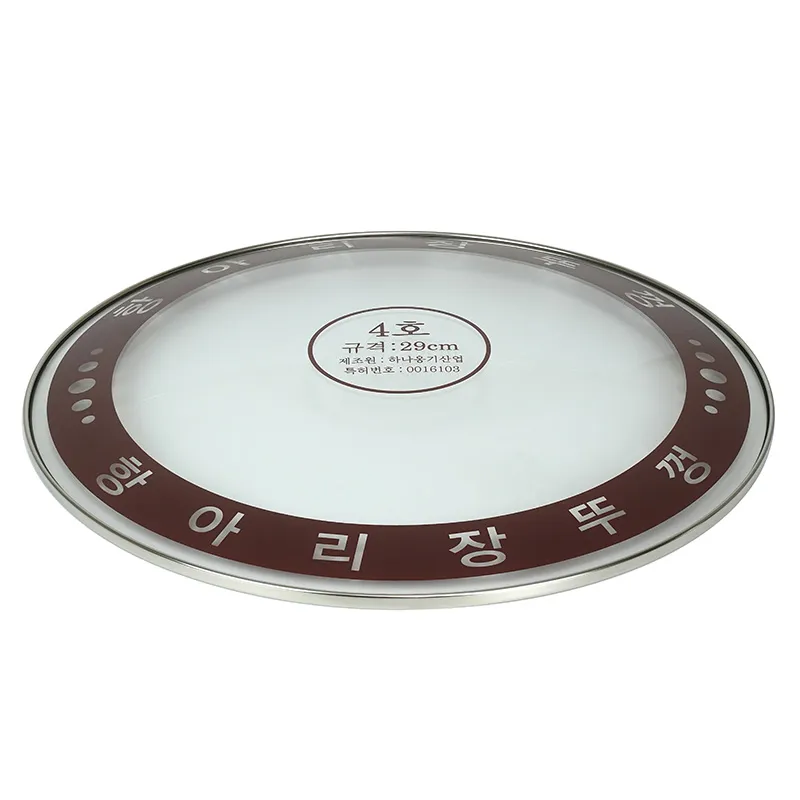
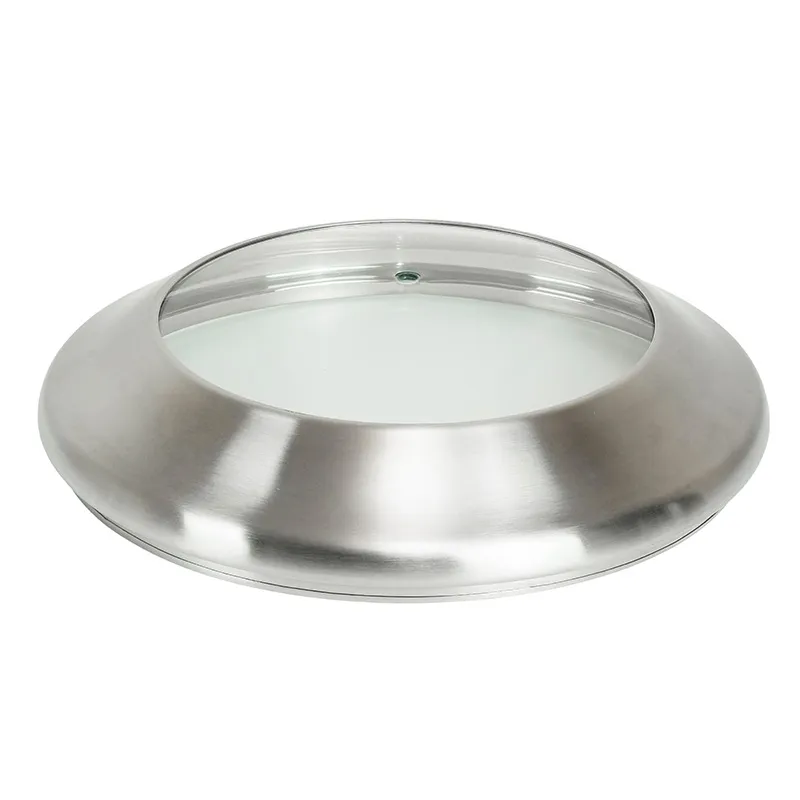
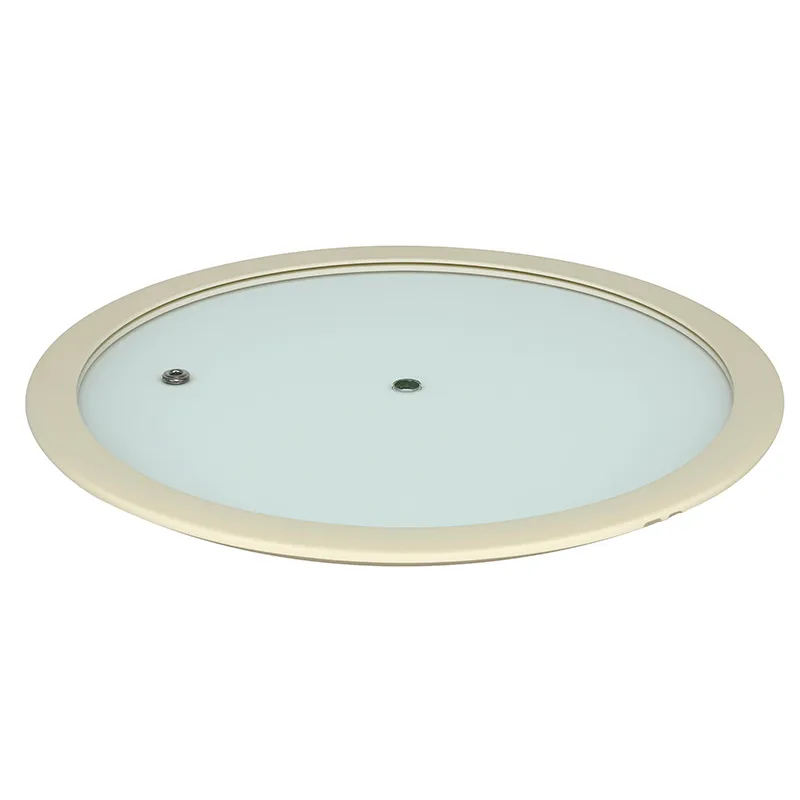
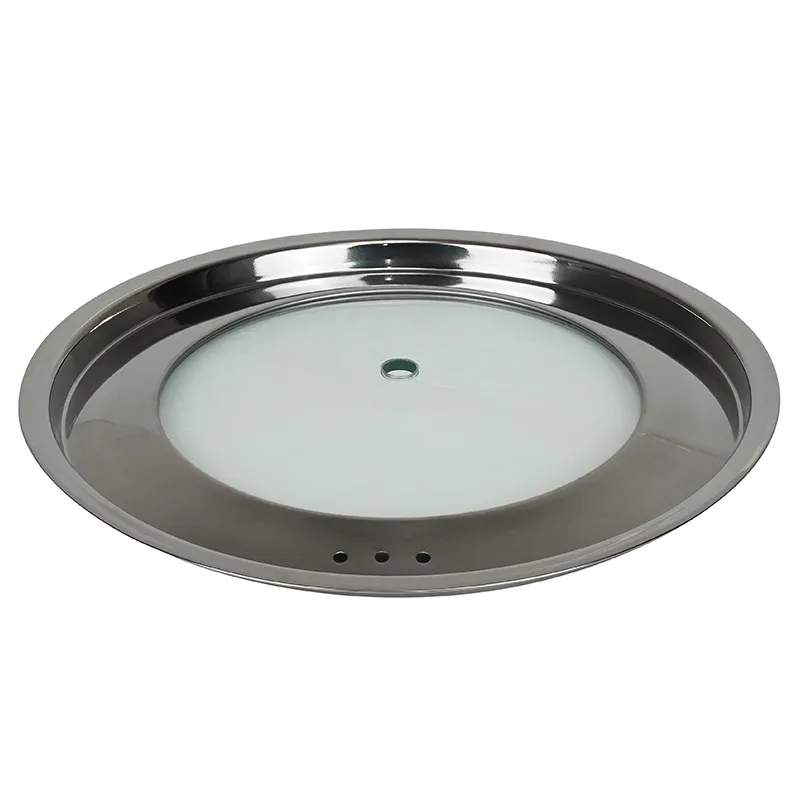
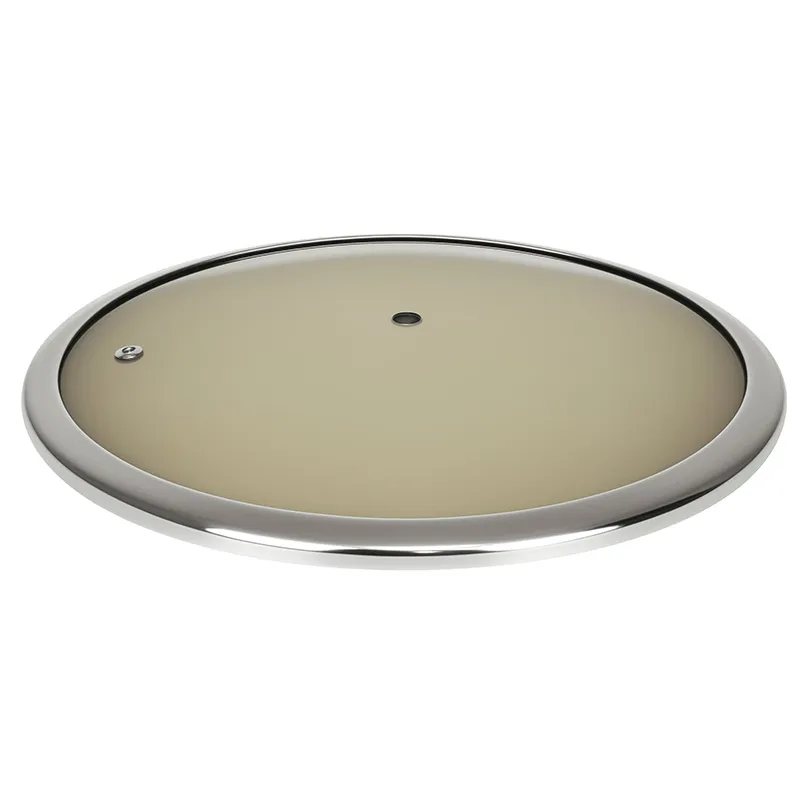
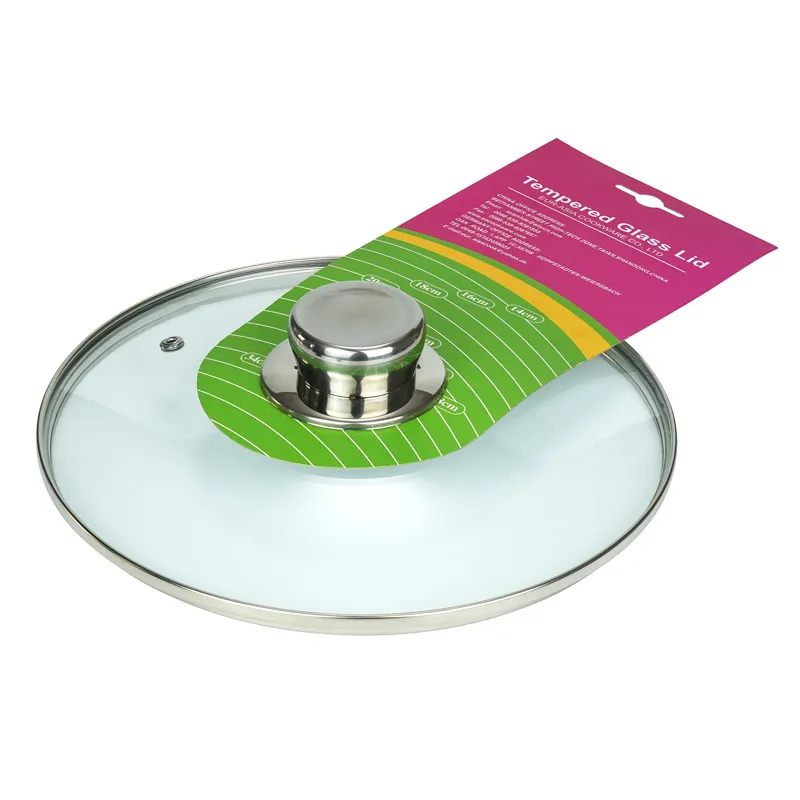
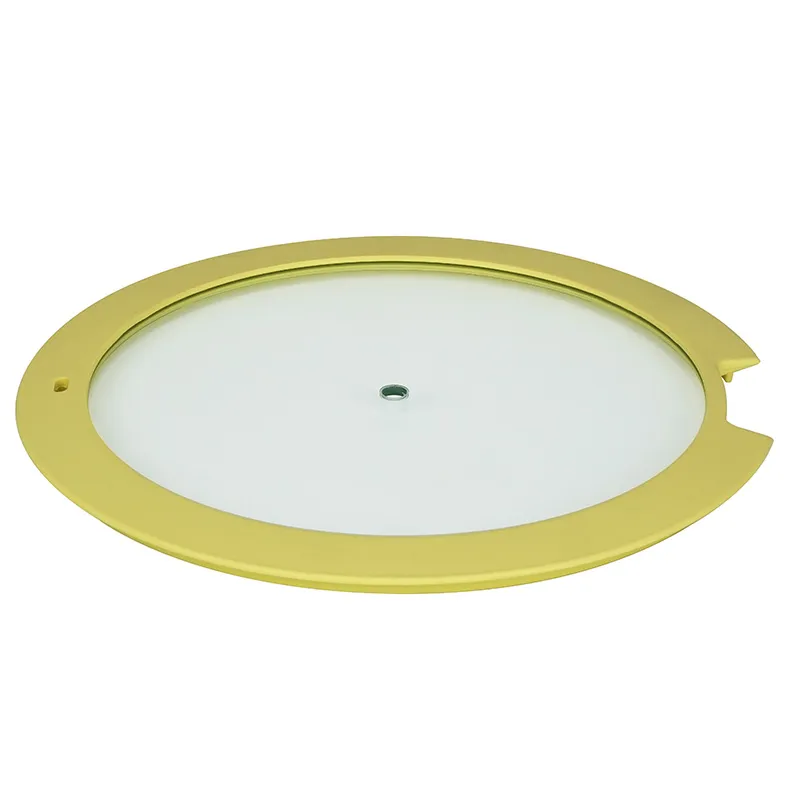
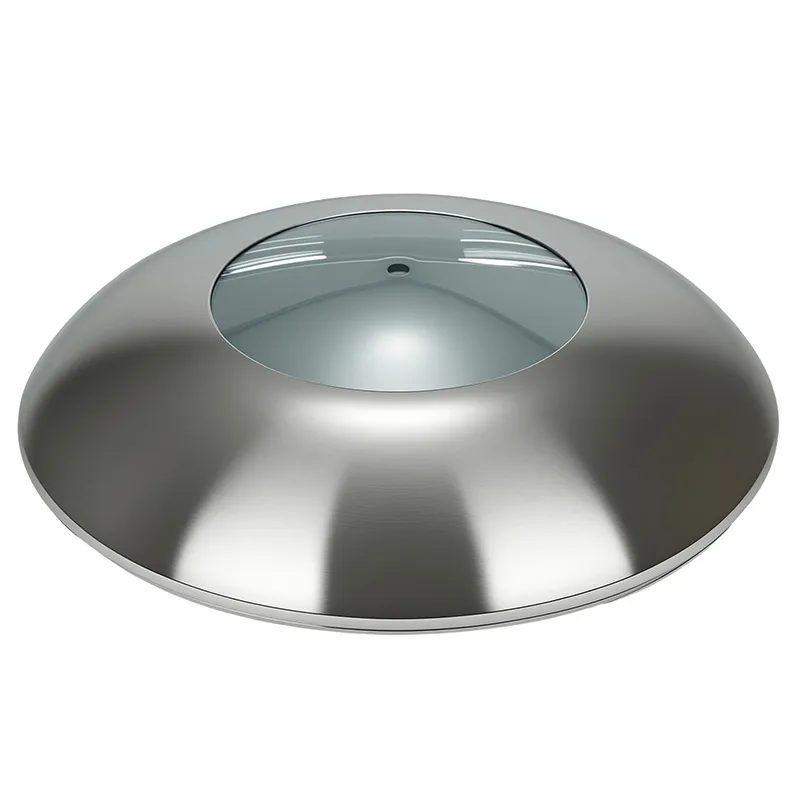
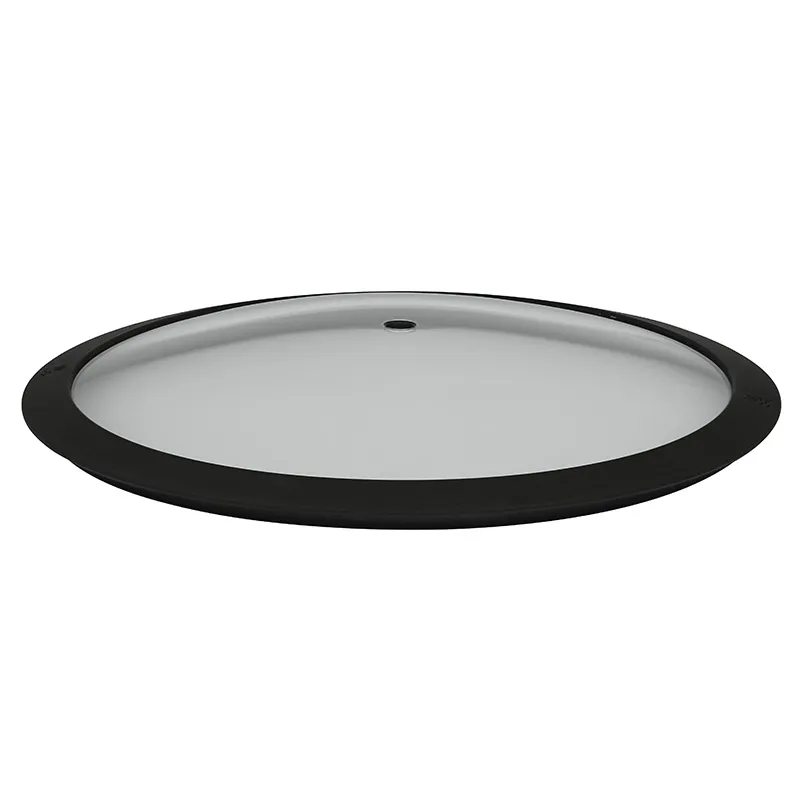
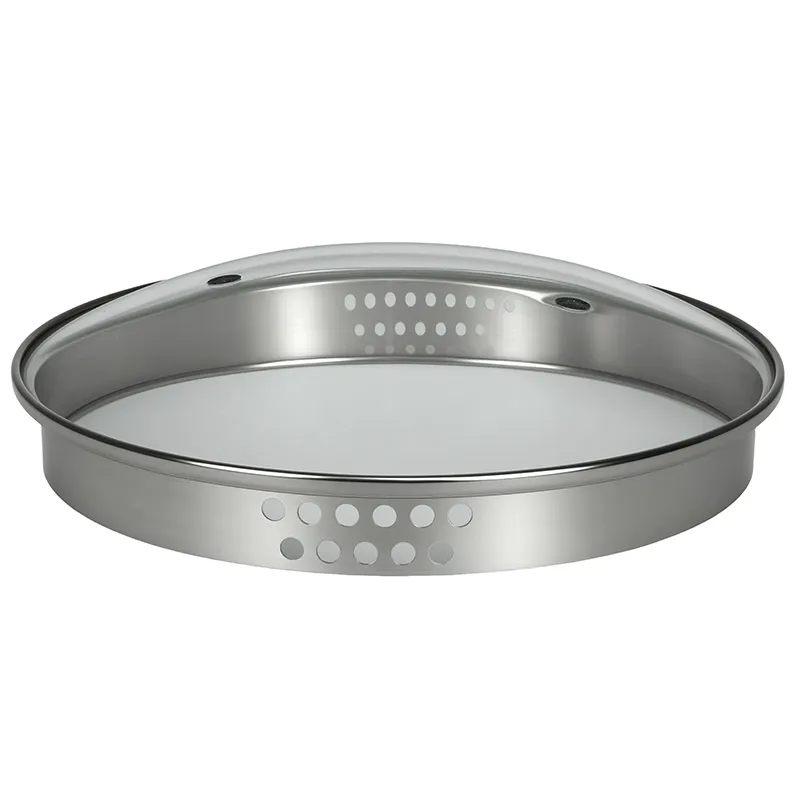
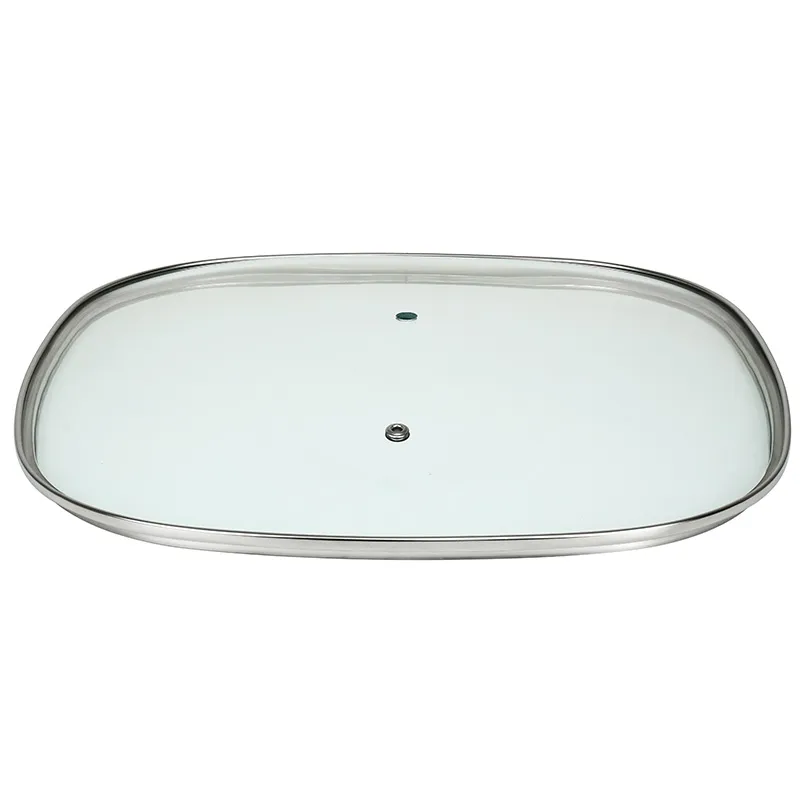
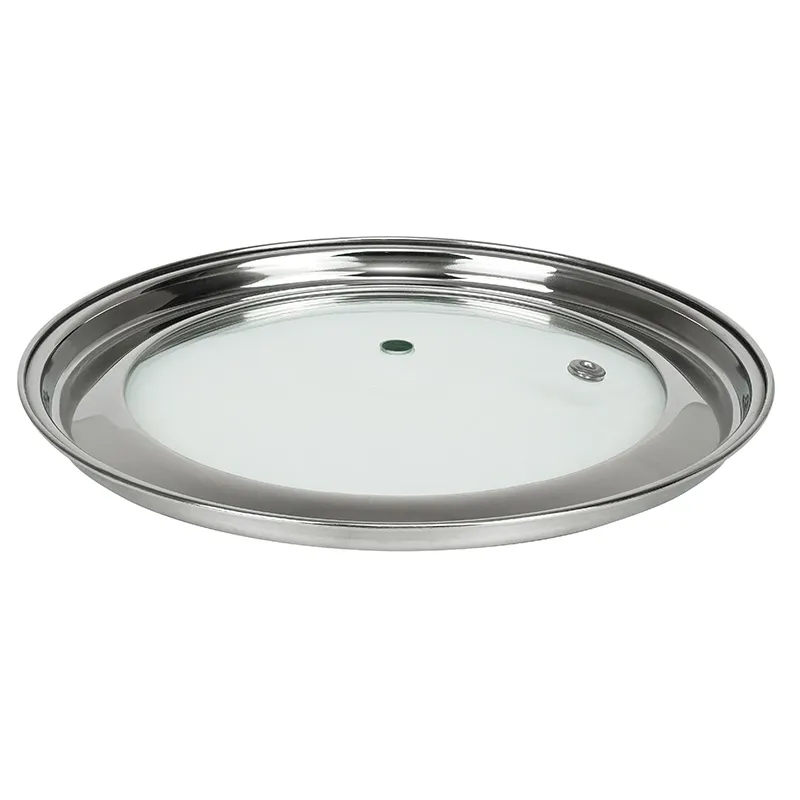
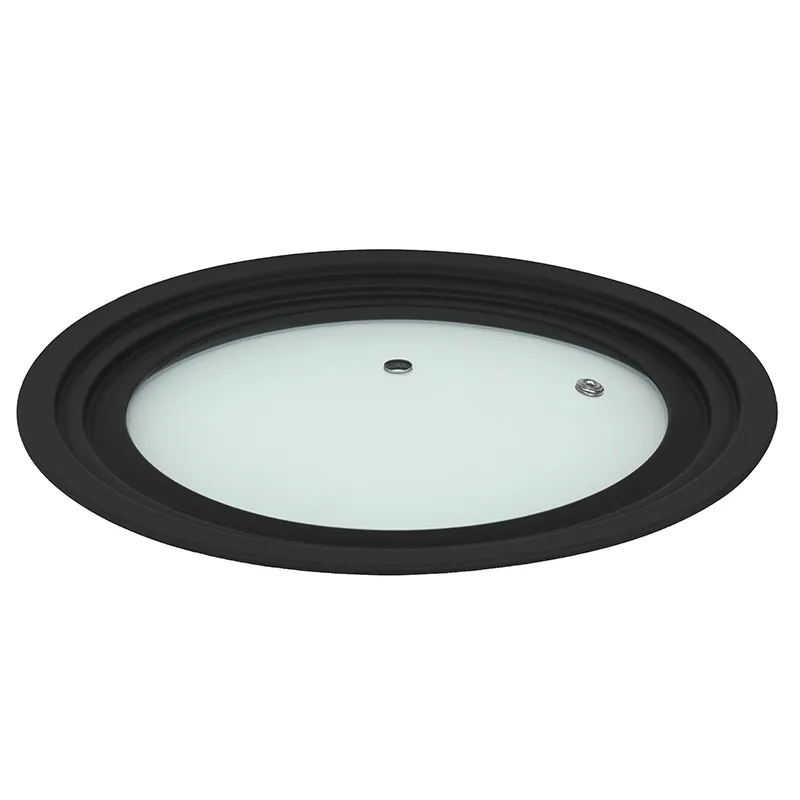
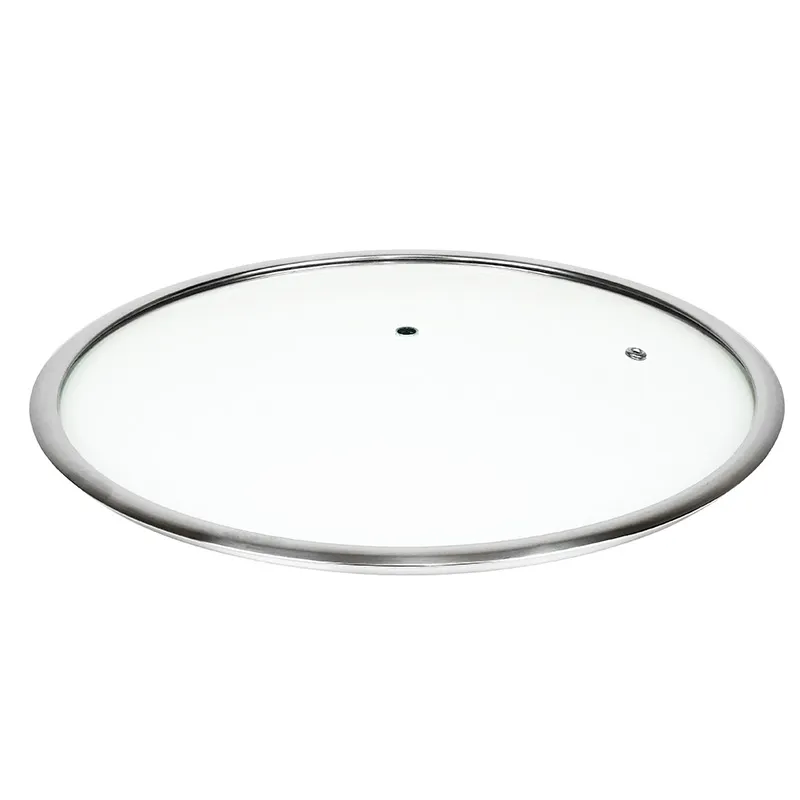
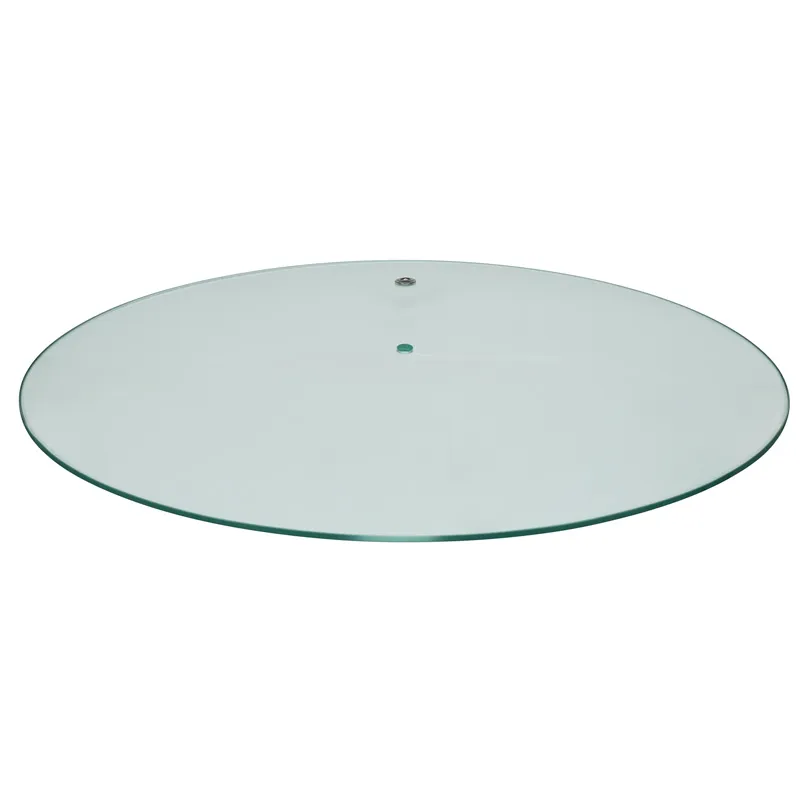
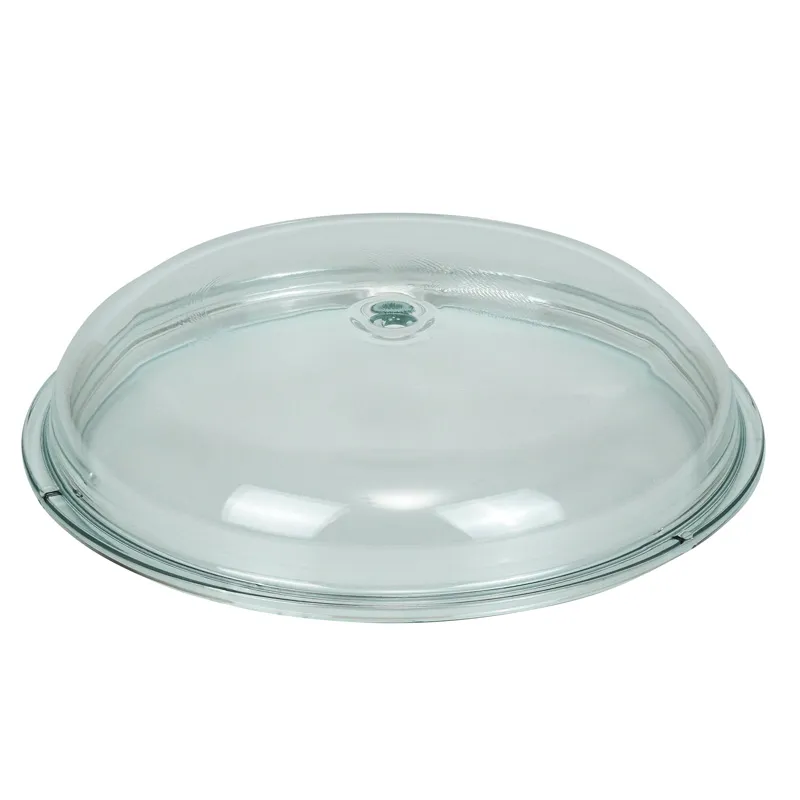
round glass lid
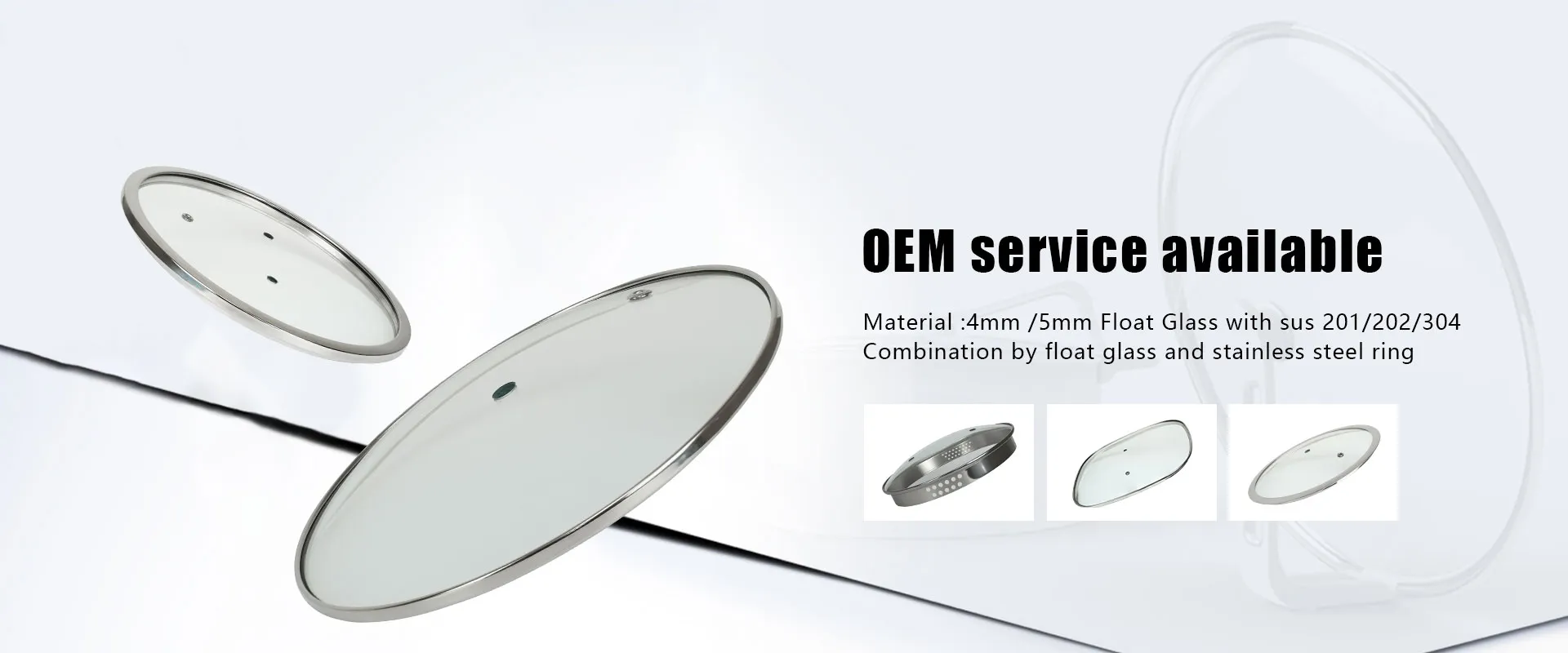
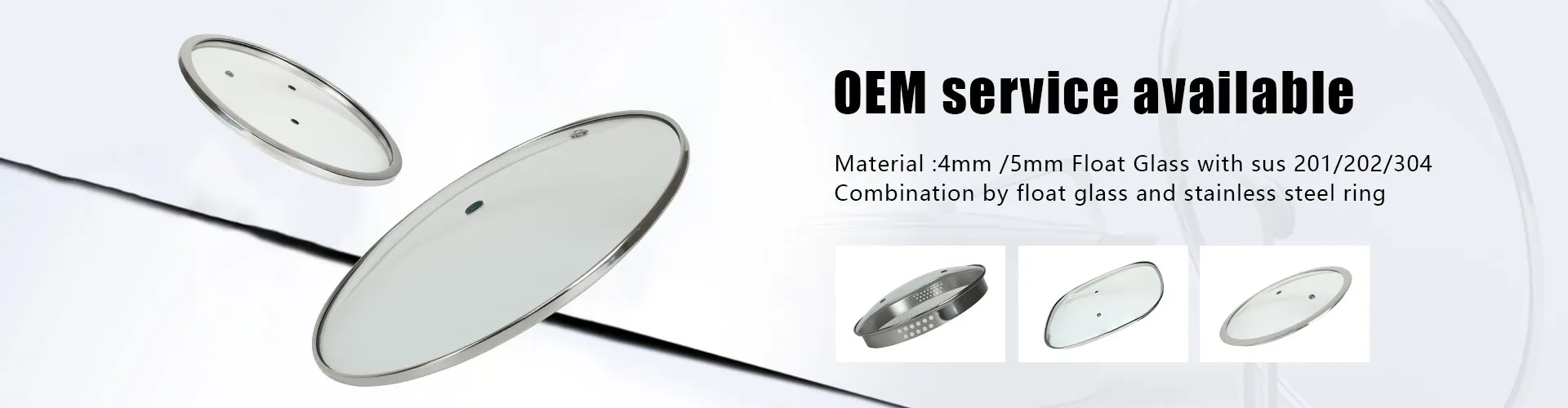
When most people think about a round glass lid, they picture a simple cover, maybe from a cheap pot set. That's the first mistake. In reality, the engineering and material science behind a good one is what separates a frustrating cooking experience from a seamless one. I've seen too many brands, and even some of our own early samples at EUR-ASIA COOKWARE, get this wrong by treating it as an afterthought. The lid isn't just a barrier; it's a critical component for heat management, safety, and durability. A poorly made one will warp, crack under thermal shock, or have a handle that gets dangerously hot. Getting it right is deceptively complex.
Material and Tempering: It's Not Just Glass
The base material is borosilicate or high-quality soda-lime, but that's just the start. The real magic is in the tempering process. We run our glass through a furnace heating to over 600°C followed by a rapid, controlled air quench. This creates surface compression, making it 4-5 times stronger than annealed glass. For a round glass lid, this is non-negotiable. I recall a batch where the quenching wasn't uniform; the stress patterns were visible under polarized light. In the field, those lids would shatter into a million pieces from a minor temperature change, like placing a hot lid on a cold granite countertop. It's a failure you only make once.
The thickness is another judgment call. Too thick, and it becomes heavy, expensive, and retains too much heat. Too thin, and it feels flimsy, prone to chipping on the rim. For most of our export lines, like those going to Germany and Japan, we settled on a 3.5mm to 4mm thickness for a standard 24cm lid. It provides the right heft and thermal mass without being cumbersome. You can feel the quality when you pick it up.
Edge finishing is a detail most consumers don't consciously notice, but they feel it. A sharp, ground edge is a liability—it chips easily and can cut during handling. We use a ceramic wheel grinding process followed by a fire polish on the rim. This rounds the edge slightly, creating a smooth, durable finish that withstands the daily clinks against a pot. It adds cost, but it's one of those things that differentiates a low-level product from a medium- or high-level one, which is core to EUR-ASIA COOKWARE's range.
The Handle and Vent: Where Design Meets Function
The handle attachment is a perennial headache. You can't just glue it on. We use a high-temperature resistant phenolic resin knob, fastened with a stainless steel bolt and a locking nut. The trick is the thermal break. The bolt conducts heat from the glass, so you need a spacer or an air gap within the handle design. I've tested prototypes where this was overlooked, and the knob became too hot to touch within minutes of simmering—a major safety flaw.
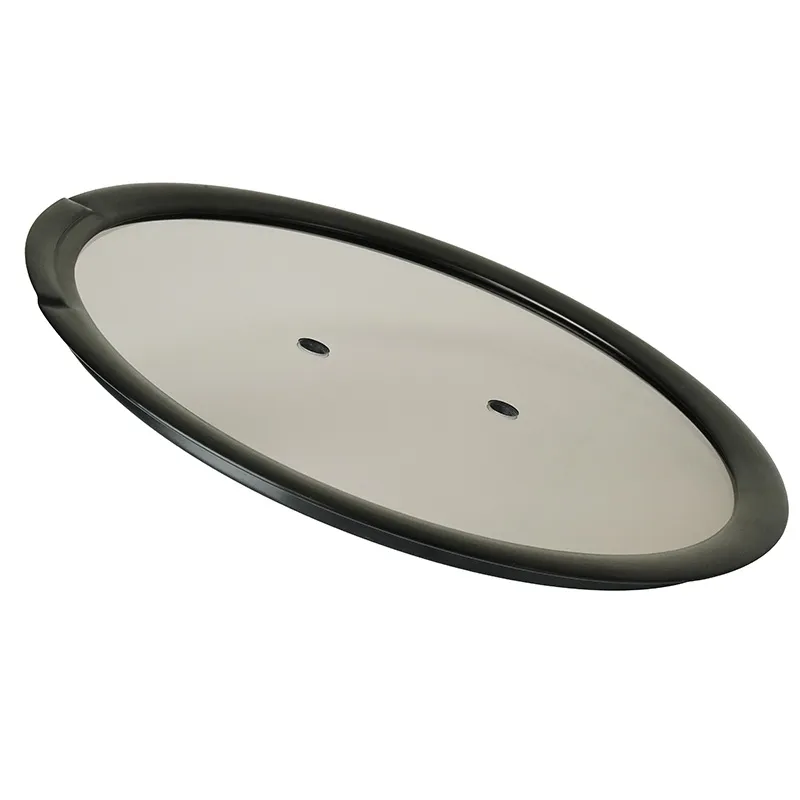
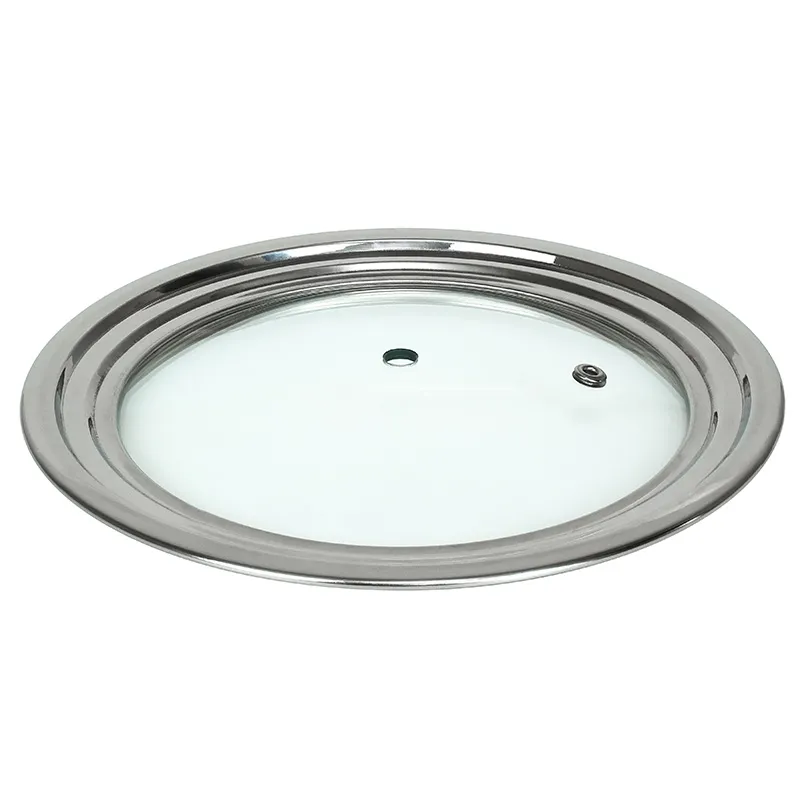
Then there's the steam vent. A single small hole is common, but it's often poorly placed. We position it off-center, near the handle. Why? When you lift the lid, the natural tilt causes condensation to drip back into the pot near the edge, not onto the food directly under the center. It's a small thing, but it shows forethought. Some premium lines for the French and Italian markets even get a stainless steel vent insert to prevent mineral buildup in hard water areas.
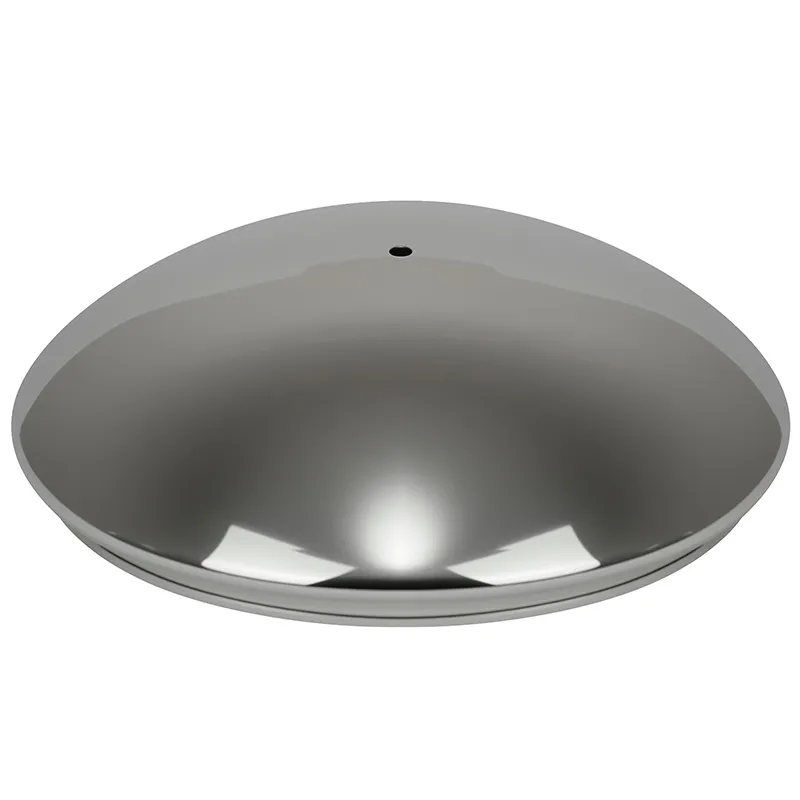
The shape of the dome matters more than you'd think. A very high dome is great for braising but can make the lid unstable when placed upside down. A flatter profile is more stable but reduces interior space. Our standard is a moderate dome—a compromise, but one based on feedback from clients who manufacture the actual cookware. It has to work with their pot profiles. You can see our approach to these integrated solutions on our product pages at glass-lid.com.
Fit and Tolerance: The Silent Seal
A lid that doesn't fit is useless. The tolerance between the lid's under-rim and the pot's flange is critical. Too tight, and it sticks or is hard to remove. Too loose, and steam escapes uncontrollably, wrecking energy efficiency. We aim for a gap of about 0.5mm to 1mm. This allows for expansion when hot and creates just enough resistance for a good seal without vacuum locking.
We supply lids to cookware manufacturers, so we don't make the pots. This means our specs have to be laser-precise to match their tooling. I remember a project for a Polish client where our diameter was off by just 0.7mm on the CAD file. The entire pilot run of 5,000 lids was rejected. They simply wobbled on the pot. That's a costly lesson in why quality control starts with the digital blueprint. Now, we insist on receiving a physical pot sample for the final fit check, no matter what the drawings say.
The sealing surface itself is often flat, but some high-end systems use a groove-in-groove design. We produce both. The flat one is more forgiving to manufacturing variances in the pot. The grooved one provides a better seal but requires perfect alignment. It's a classic case of higher performance demanding higher precision from both us and our client.
Logistics and Real-World Durability
Producing 15 million pieces a year in Taian means logistics is part of the design. How do you pack a round glass lid so it survives a container ship journey to Brazil and then trucking across the country? Early on, we used simple cardboard sleeves. The breakage rate was unacceptable. Now, we use a molded pulp insert that cradles the dome and isolates the rim and handle. Each lid is virtually immobilized in the carton. It increased packaging cost by 15%, but reduced transit damage claims by over 80%. That's a trade-off worth making.
Durability testing isn't just about lab drops. We simulate real abuse: thermal shock tests (moving from a 250°C oven to a 10°C water bath), repeated dishwasher cycles with aggressive detergents, and handle torque tests. The European markets, especially Germany and Switzerland, have stringent standards for this. Our production base's focus on exporting to these regions means our testing protocols are built to meet or exceed those benchmarks from the start.
One failure we occasionally see in the field is thermal shock cracking originating from a tiny chip on the rim—a chip that might have happened in the user's kitchen. It highlights that the product's life is also in the user's hands. We now include simple care graphics on the packaging: avoid extreme temperature shifts, don't slam it, and inspect for chips. It's about managing expectations and educating the end-user, which adds value beyond the physical product.
The Business of Being a Component Specialist
Operating as EUR-ASIA COOKWARE CO.,LTD. means we're not a consumer brand. We're a component manufacturer. Our success is tied to our clients' success. This forces a deep collaboration. When a Danish design house wants a lid with an integrated silicone gasket for a new eco-cookware line, we're not just supplying a lid; we're sourcing the food-grade silicone, testing the bonding, and ensuring the whole assembly passes REACH and FDA standards. Our 90+ employees in Shandong have to be problem-solvers, not just production line workers.
The export focus—over 90% of output—shapes everything. A lid for the South Korean market might need a slightly smaller handle preferred for smaller kitchens. The Brazilian market might prioritize resistance to hard water staining. We have to be flexible within our core competency. It's not about having 100 different lid designs in a catalog; it's about having a robust, proven platform that can be adapted efficiently. Our website, glass-lid.com, outlines this capability, showing our specialization in tempered glass for household products across low, medium, and high levels.
In the end, a great round glass lid disappears. It does its job quietly, reliably, for years. You don't think about it. That's our goal. All the complexity—the tempering, the fit, the handle engineering—melds into a single, simple object that just works. When we get it right, the phone doesn't ring with complaints. It rings with repeat orders and requests for new collaborations. And that's the best feedback you can get in this business.
Related Products
Related Products