- Chinese
- French
- German
- Portuguese
- Spanish
- Russian
- Japanese
- Korean
- Arabic
- Irish
- Greek
- Turkish
- Italian
- Danish
- Romanian
- Indonesian
- Czech
- Afrikaans
- Swedish
- Polish
- Basque
- Catalan
- Esperanto
- Hindi
- Lao
- Albanian
- Amharic
- Armenian
- Azerbaijani
- Belarusian
- Bengali
- Bosnian
- Bulgarian
- Cebuano
- Chichewa
- Corsican
- Croatian
- Dutch
- Estonian
- Filipino
- Finnish
- Frisian
- Galician
- Georgian
- Gujarati
- Haitian
- Hausa
- Hawaiian
- Hebrew
- Hmong
- Hungarian
- Icelandic
- Igbo
- Javanese
- Kannada
- Kazakh
- Khmer
- Kurdish
- Kyrgyz
- Latin
- Latvian
- Lithuanian
- Luxembou..
- Macedonian
- Malagasy
- Malay
- Malayalam
- Maltese
- Maori
- Marathi
- Mongolian
- Burmese
- Nepali
- Norwegian
- Pashto
- Persian
- Punjabi
- Serbian
- Sesotho
- Sinhala
- Slovak
- Slovenian
- Somali
- Samoan
- Scots Gaelic
- Shona
- Sindhi
- Sundanese
- Swahili
- Tajik
- Tamil
- Telugu
- Thai
- Ukrainian
- Urdu
- Uzbek
- Vietnamese
- Welsh
- Xhosa
- Yiddish
- Yoruba
- Zulu
- Kinyarwanda
- Tatar
- Oriya
- Turkmen
- Uyghur


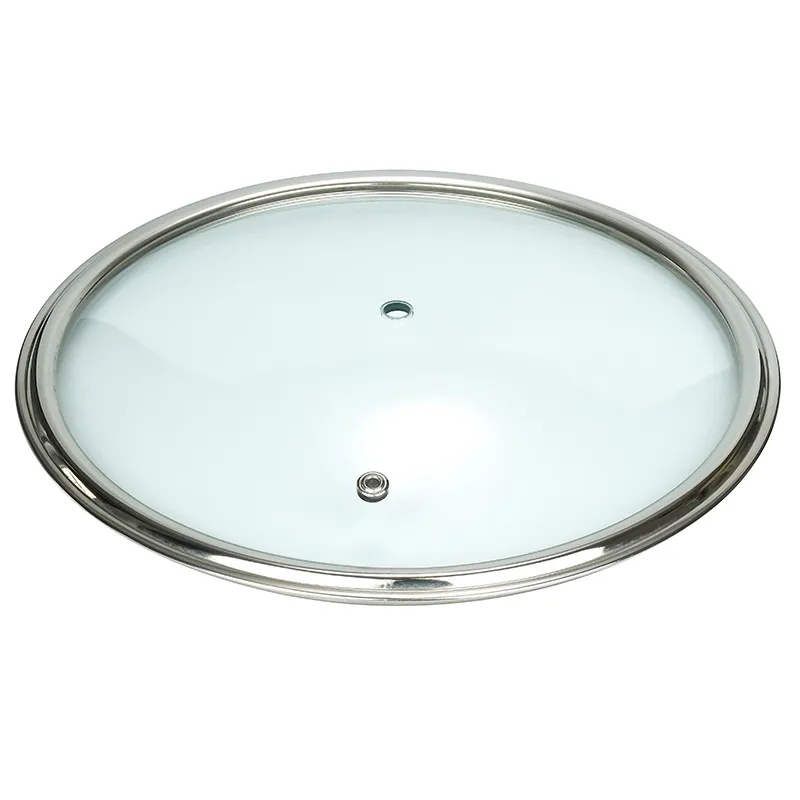
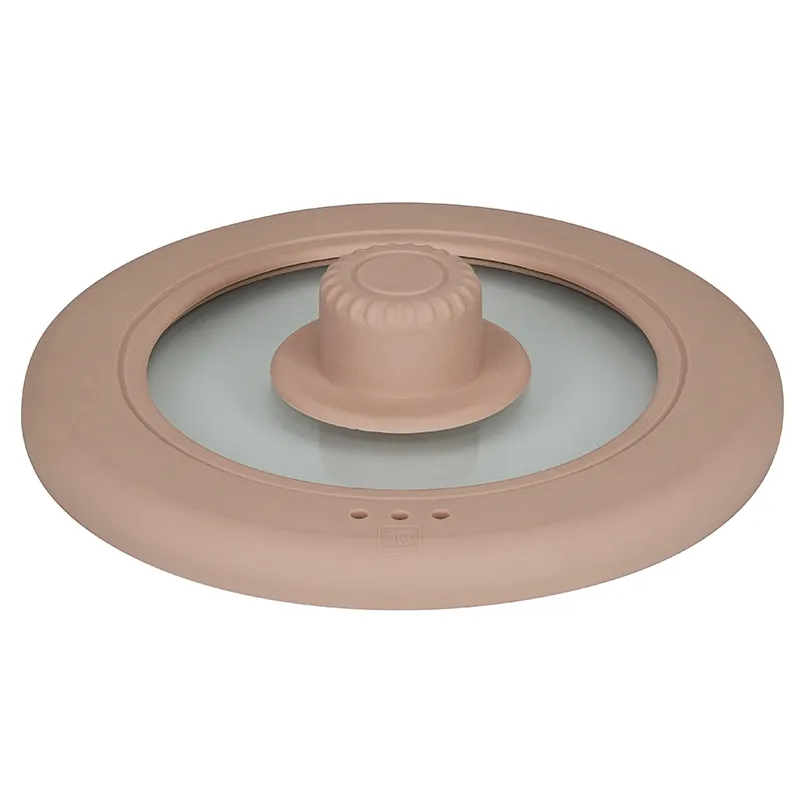
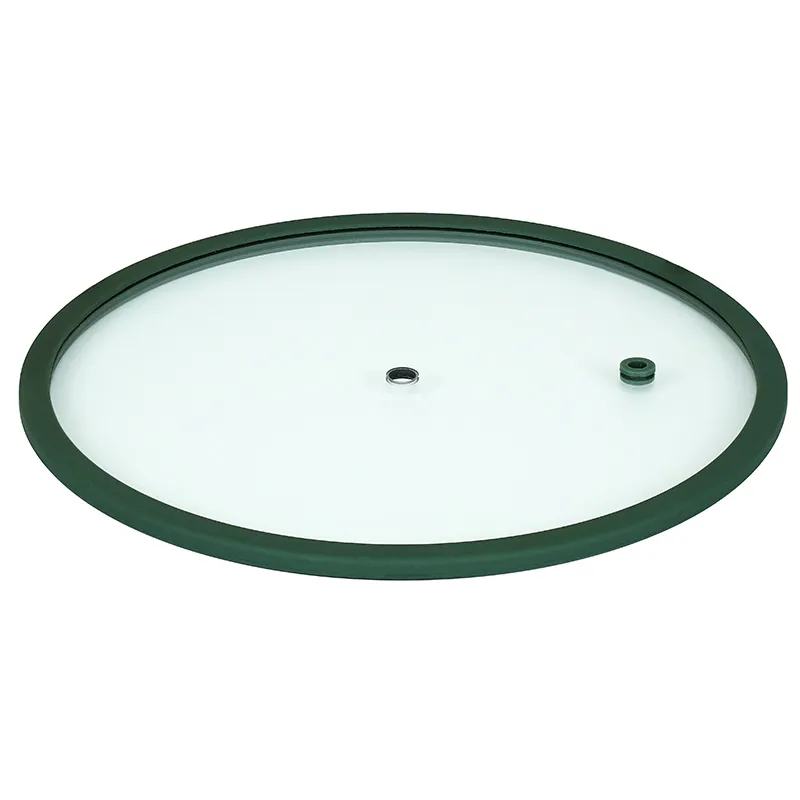
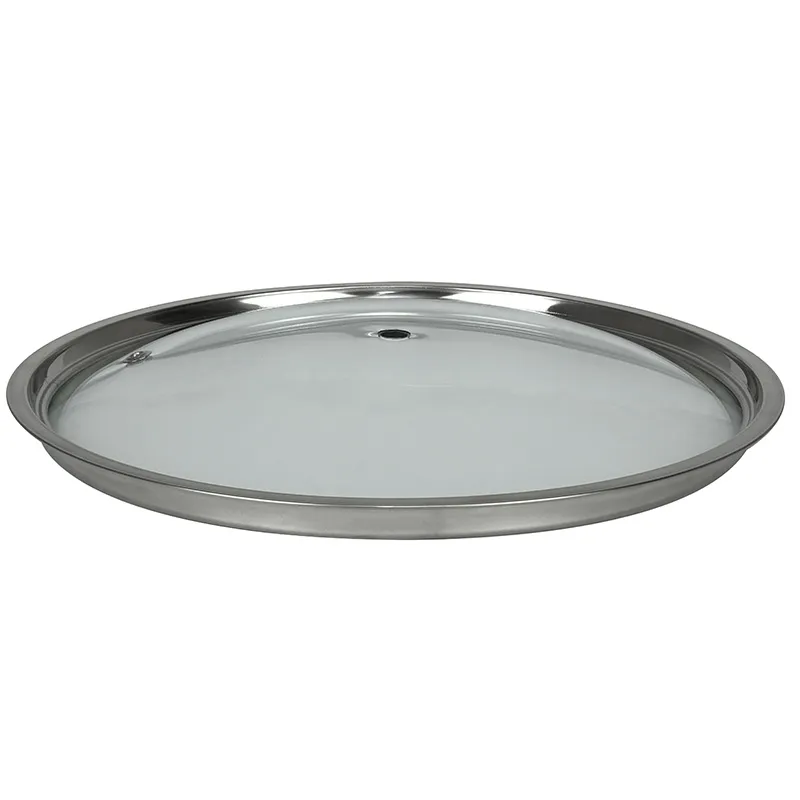
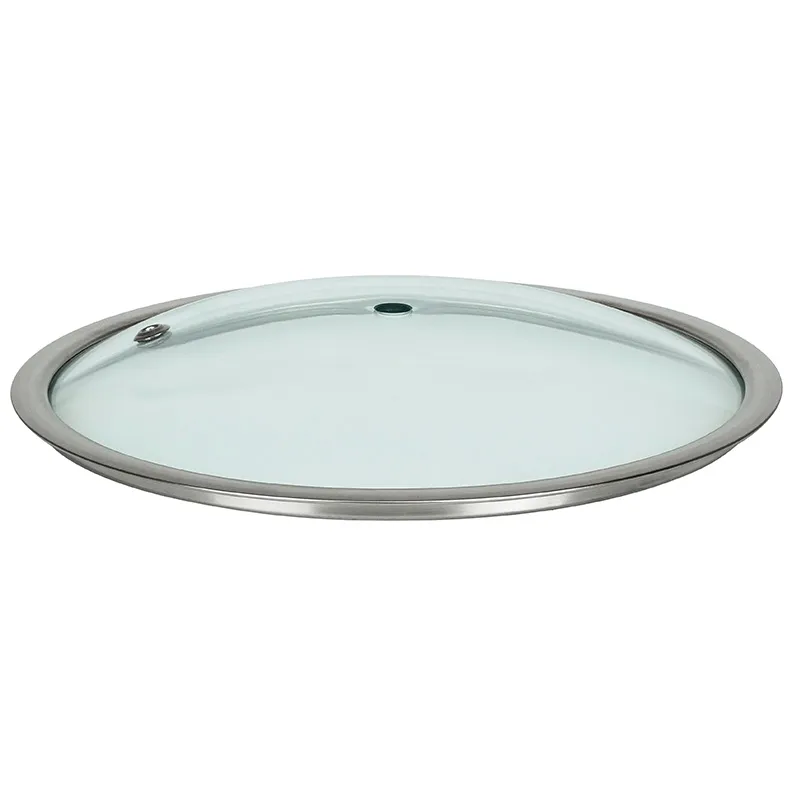
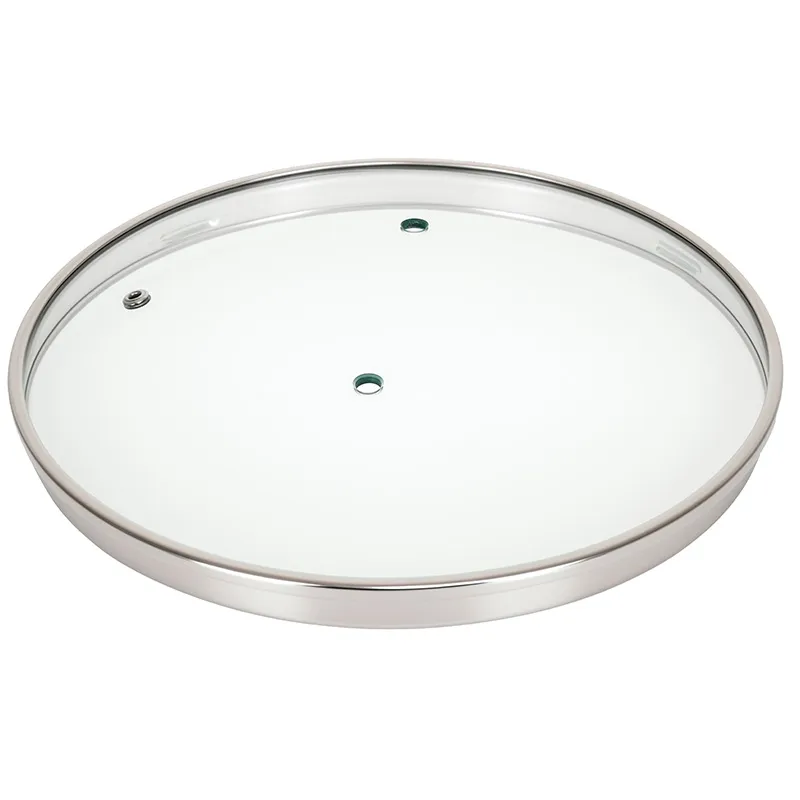
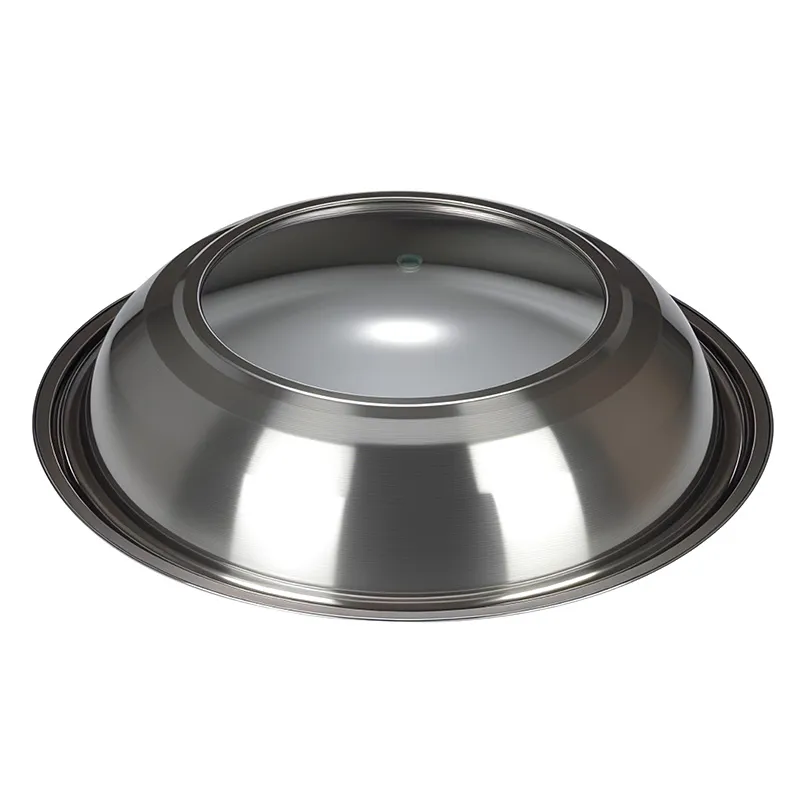
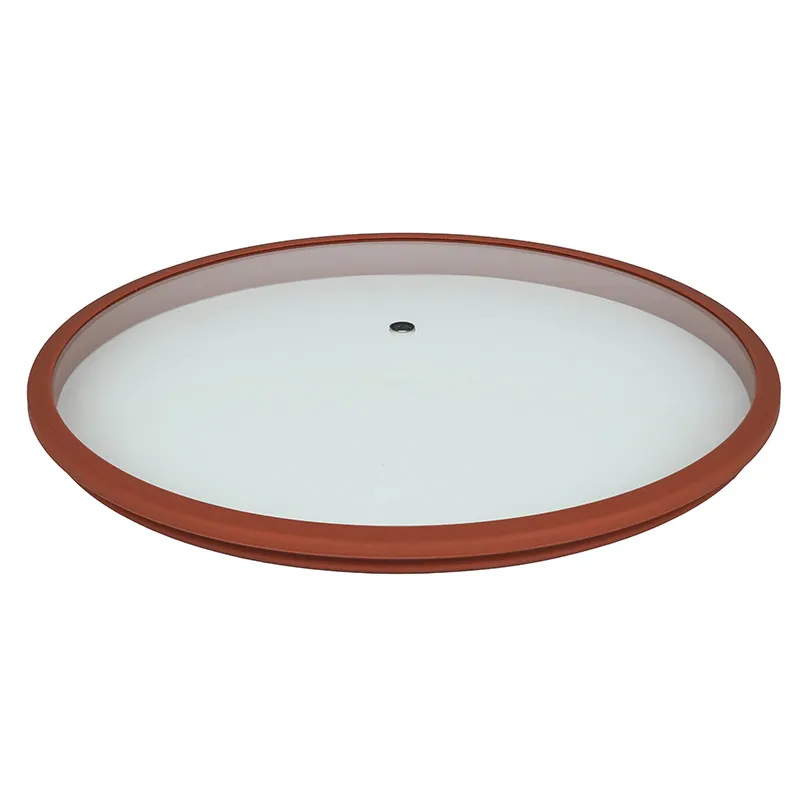
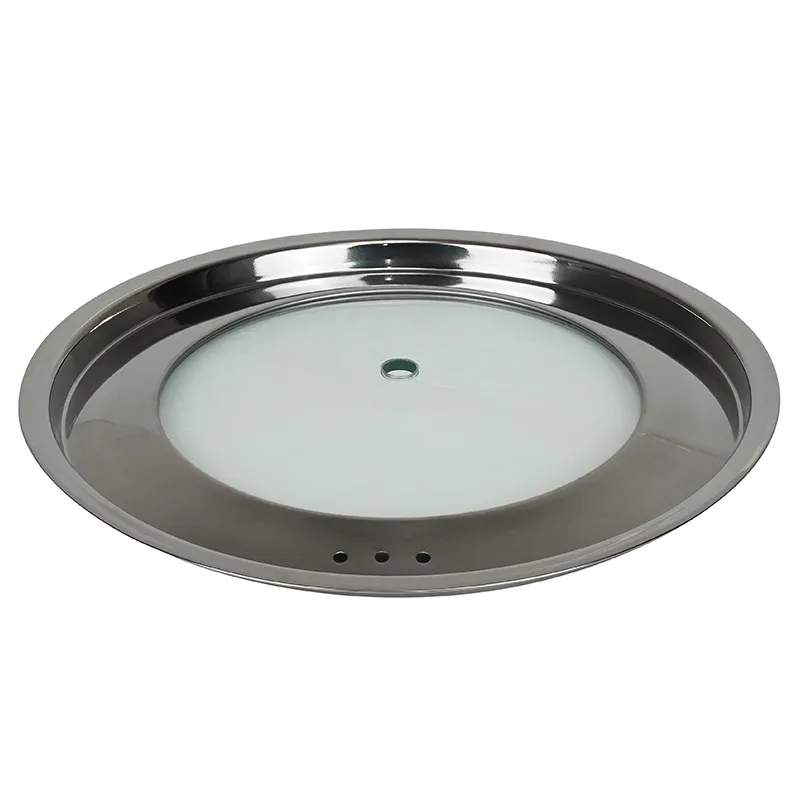
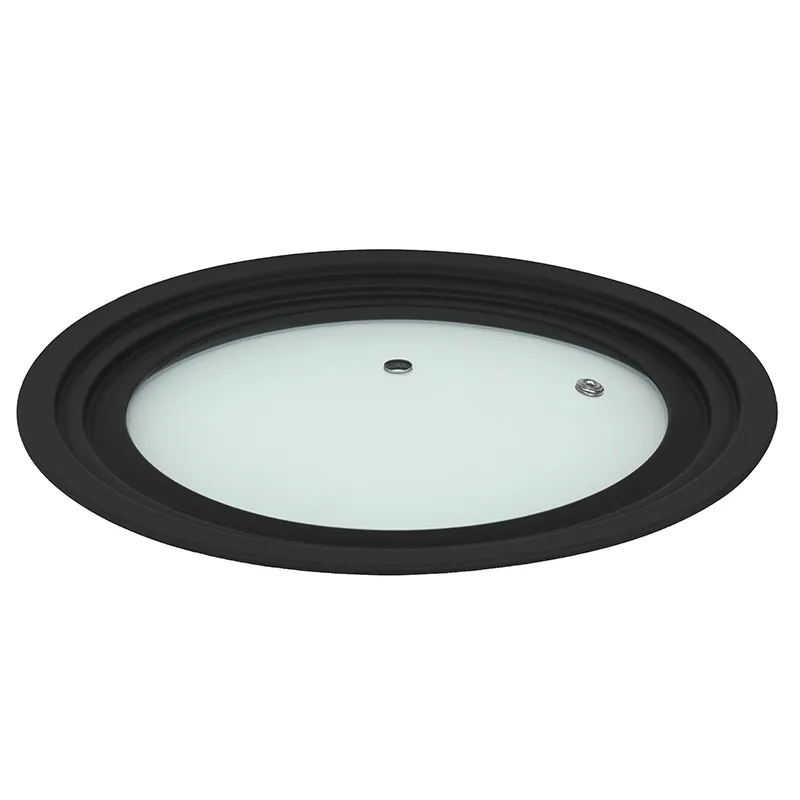
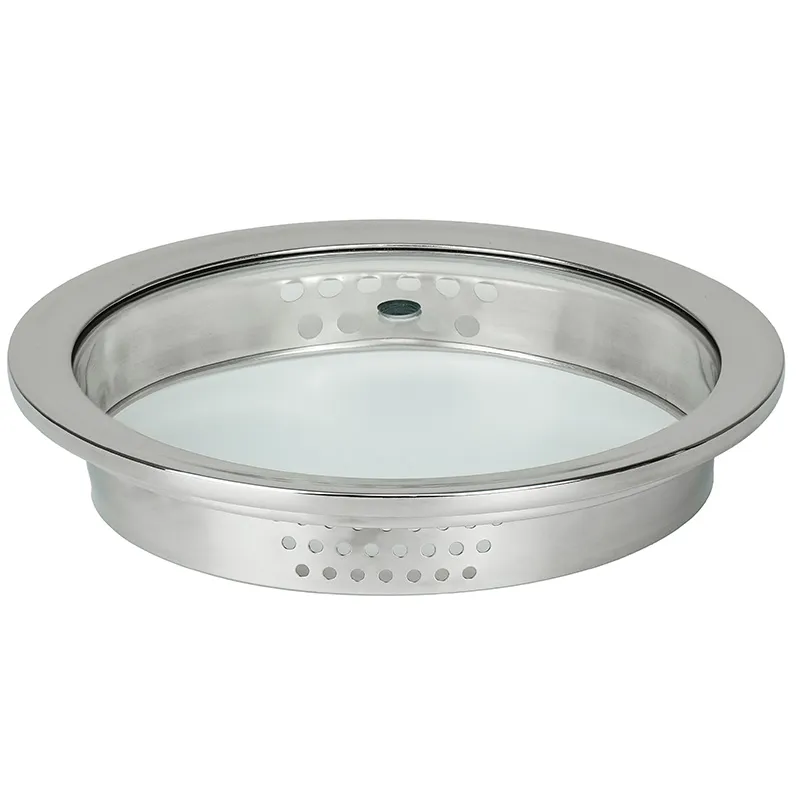
round glass lid for cookware
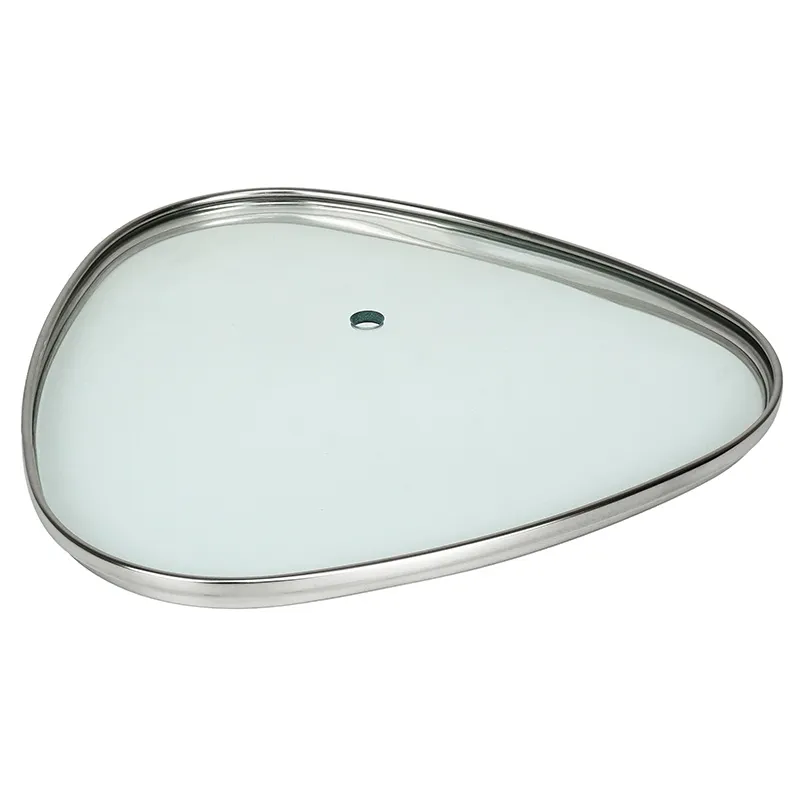
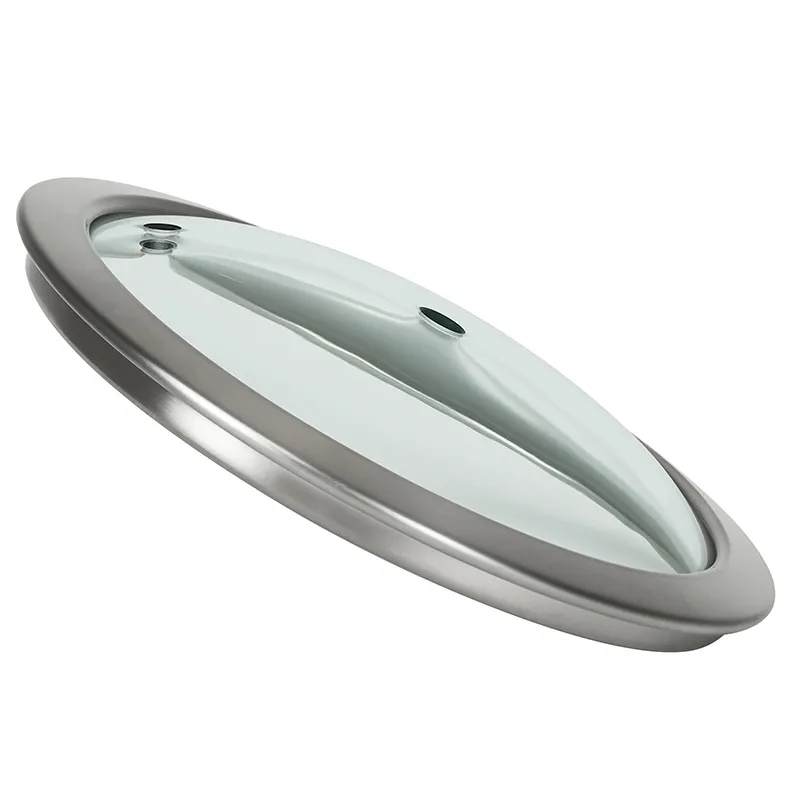
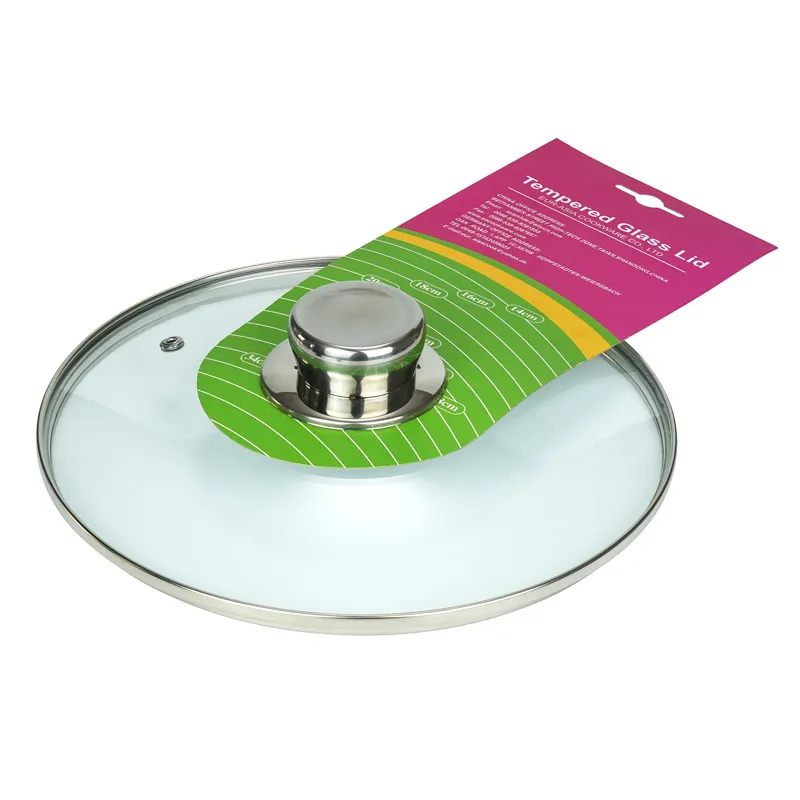
When most people think about a round glass lid for cookware, they see a simple, transparent cover. It's the afterthought, the accessory that comes with the pot. But in the trenches of cookware manufacturing and sourcing, that perspective is the first and most costly mistake. The lid isn't an accessory; it's a critical, functional component of the cooking system. I've seen too many brands, especially startups, treat it as a commodity item, focusing solely on the pot's material and finish, then getting burned by lid failures—literally and figuratively. The thermal shock from slamming a cold lid on a boiling pot, the warping of cheap frames that break the seal, the handles that get too hot or, worse, fall off. These aren't hypotheticals; they're daily returns and customer complaints that trace back to underestimating that piece of tempered glass.
Material Science Isn't Just a Buzzword
Let's cut through the marketing. Tempered glass is a minimum requirement, not a selling point. The real game is in the thickness, the annealing curve, and the edgework. A 3mm lid might look sleek, but for a heavy-duty stockpot, it's a gamble. I prefer 4mm or even 5mm for larger diameters. It handles rapid temperature changes better. The annealing process—how you cool the glass—is everything. Rushed cooling leaves internal stresses invisible to the eye but waiting to explode under thermal shock. I've had samples from new factories shatter into a million pieces just from pouring boiling water into a cold pan they were covering. That's a recipe for disaster, not dinner.
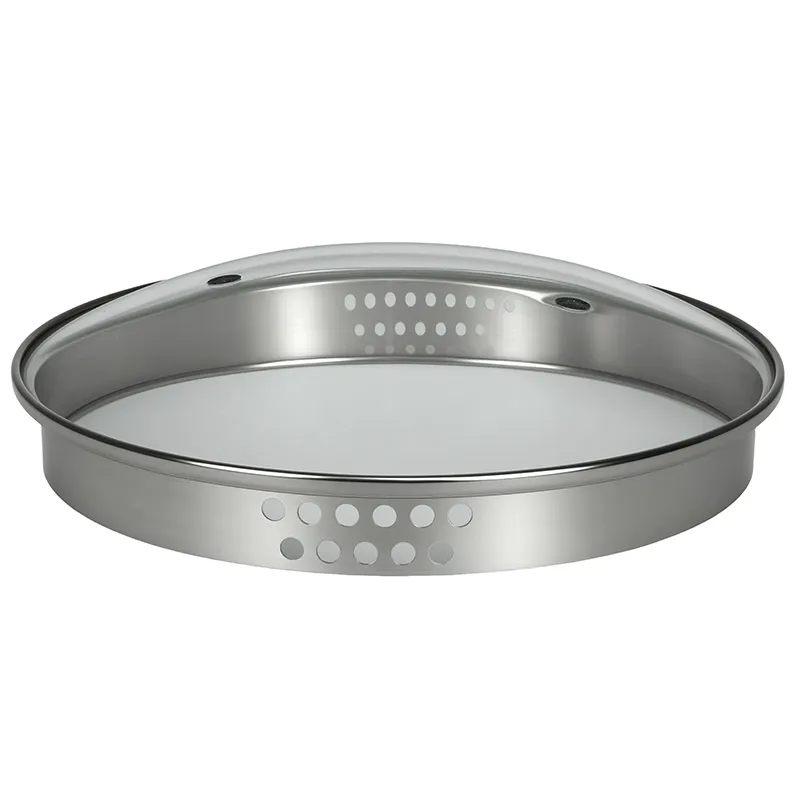
Then there's the edge. Polished, seamed, ground? A polished flat edge feels premium, but if it's not perfectly matched to the pot's rim profile, you lose the steam seal. A seamed edge, where the glass is wrapped in a metal channel, is more forgiving for fit but introduces another point of potential failure: the sealant between the glass and the metal. I've seen lids where that sealant degrades after a few dishwasher cycles, leading to moisture ingress and rust. It's a detail most consumers never think about until it's too late.
This is where working with a specialized producer makes a tangible difference. Take a company like EUR-ASIA COOKWARE CO.,LTD. You can find them at glass-lid.com. Their entire focus is on these components. When your factory's output is over 15 million pieces of tempered glass lids annually, you've inevitably solved problems a general cookware factory hasn't even encountered. Their specialization in low to high-level household glass products means they've run the gamut, from basic lids to complex, handled versions for premium lines. That depth shows in the consistency of the tempering.
The Frame and Handle: Where Theory Meets the Stove
The glass is only half the story. The frame—usually stainless steel or phenolic resin—and the handle are the interface with the user. This is where ergonomics and heat management get real. A stainless steel frame is durable and looks clean, but it conducts heat. If the handle is attached directly to it, it gets hot. The solution? Thermal breaks. A small piece of lower-conductivity material (like a specific polymer) between the frame and the handle stem. It sounds simple, but the engineering and tooling for that are non-trivial. I've approved prototypes that looked great, only to have the thermal break material soften and deform after prolonged oven use. Back to the drawing board.
Phenolic resin handles are classic for a reason: excellent heat resistance and a good grip. But not all phenolics are equal. Cheaper compounds can crack or discolor over time. The fixing method is key. Is it a screw? A rivet? A molded-in insert? A screw can loosen. A rivet is permanent but can be a point of stress. We once had a batch where the phenolic handle sheared off at the rivet point during a drop test. The failure analysis pointed to a brittle batch of resin and an overly aggressive riveting process. It's these minute process controls that separate a reliable lid from a liability.
And the knob on top. It must withstand oven temperatures if you market it as oven-safe. I recall a supplier using a plastic knob rated to 200°C, marketing the lid as oven-safe to 220°C. That 20-degree margin is a legal and safety minefield. The knob melted during our compliance testing, gluing itself to the glass. Now, we specify the oven-safe temperature based on the lowest-rated component on the lid, not the glass.
Fit and Function: The Seal is the Deal
A lid that doesn't fit is worse than no lid at all. It's not just about diameter; it's about the profile of the pot's rim. A flanged rim needs a different lid curvature than a straight wall. The tolerance is surprisingly tight—we're talking sub-millimeter. A gap of even half a millimeter is enough to let out too much steam, turning a braise into a boil and ruining the cooking process. I've sat in quality control rooms with feeler gauges, checking lid after lid. The ones that pass are the ones that create that slight suction when you lift them off a cooled pot—the sign of a good seal.
This precision is a core strength of dedicated lid manufacturers. Looking at EUR-ASIA COOKWARE CO.,LTD's operation—with a 20,000㎡ base in China's National High-tech Development Zone—that scale allows for precision tooling and consistent molding. When you're producing for markets like Germany and Japan, known for ruthless quality standards, your tolerances have to be on point. Their export focus to over a dozen countries, from Europe to South America and Asia, isn't just a sales statistic; it's a testament to their ability to meet diverse regional safety and performance norms, which all hinge on that fundamental fit.
Then there's the steam vent. To have one or not? A small, strategically placed hole or notch prevents boil-overs and allows for slight moisture release, which is crucial for certain cooking techniques. But it must be finished smoothly to prevent chipping. An unvented lid is better for true simmering or keeping food warm. It's a design choice that needs to align with the pot's intended use. I've argued with designers who wanted a completely sealed lid for a pasta pot—a surefire way to guarantee messy boil-overs. Practical cooking experience must inform design.
The Logistics of a Fragile Component
Here's a reality check no one talks about in product glamour shots: packaging and shipping. Glass lids are fragile, heavy, and awkward. Designing a pulp mold or EPS foam insert that cradles the lid and the pot, survives a 1-meter drop test, and doesn't cost a fortune in materials and shipping volume is a minor engineering feat of its own. We once switched to a cheaper, thinner cardboard partition to save cost. The result was a 15% damage rate in transit. The savings were wiped out ten times over by replacements and freight claims.
This is another area where a specialist's experience pays off. A company that ships 15 million lids a year globally has optimized their packaging through brutal trial and error. They know how to stack them in a carton, how to protect the edges, and what cushioning density works for long sea freight voyages. That knowledge is baked into their process, and it's value you get indirectly when you source from them.
Final Thought: The Lid as a Value Center
So, after all this, circling back to that simple round glass lid for cookware. It's a microcosm of the entire cookware industry: material science, mechanical engineering, ergonomics, supply chain logistics, and culinary practicality all fused into one deceptively simple object. Treating it as a cheap add-on is the fastest way to undermine the perceived quality of an entire cookware set.
When evaluating a source, whether it's a massive trading company or a specialist like EUR-ASIA COOKWARE, don't just ask for a price and a sample. Ask about their tempering cycle time. Ask for their thermal shock test protocol (ISO 4802 is a good reference). Inquire about the grade of stainless steel in the frame (is it 430 or 304?). Request a report on the heat resistance of the handle material. This level of scrutiny separates the professionals from the order-takers.
In the end, a great lid disappears during use. It doesn't rattle, it doesn't leak steam uncontrollably, the handle stays cool, and it cleans up easily. That invisibility—that seamless functionality—is the hallmark of a product that was engineered by people who understand it's not just a cover, but a crucial partner to the pot underneath it. Getting there requires respecting its complexity from the very first sketch.
Related Products
Related Products