- Chinese
- French
- German
- Portuguese
- Spanish
- Russian
- Japanese
- Korean
- Arabic
- Irish
- Greek
- Turkish
- Italian
- Danish
- Romanian
- Indonesian
- Czech
- Afrikaans
- Swedish
- Polish
- Basque
- Catalan
- Esperanto
- Hindi
- Lao
- Albanian
- Amharic
- Armenian
- Azerbaijani
- Belarusian
- Bengali
- Bosnian
- Bulgarian
- Cebuano
- Chichewa
- Corsican
- Croatian
- Dutch
- Estonian
- Filipino
- Finnish
- Frisian
- Galician
- Georgian
- Gujarati
- Haitian
- Hausa
- Hawaiian
- Hebrew
- Hmong
- Hungarian
- Icelandic
- Igbo
- Javanese
- Kannada
- Kazakh
- Khmer
- Kurdish
- Kyrgyz
- Latin
- Latvian
- Lithuanian
- Luxembou..
- Macedonian
- Malagasy
- Malay
- Malayalam
- Maltese
- Maori
- Marathi
- Mongolian
- Burmese
- Nepali
- Norwegian
- Pashto
- Persian
- Punjabi
- Serbian
- Sesotho
- Sinhala
- Slovak
- Slovenian
- Somali
- Samoan
- Scots Gaelic
- Shona
- Sindhi
- Sundanese
- Swahili
- Tajik
- Tamil
- Telugu
- Thai
- Ukrainian
- Urdu
- Uzbek
- Vietnamese
- Welsh
- Xhosa
- Yiddish
- Yoruba
- Zulu
- Kinyarwanda
- Tatar
- Oriya
- Turkmen
- Uyghur


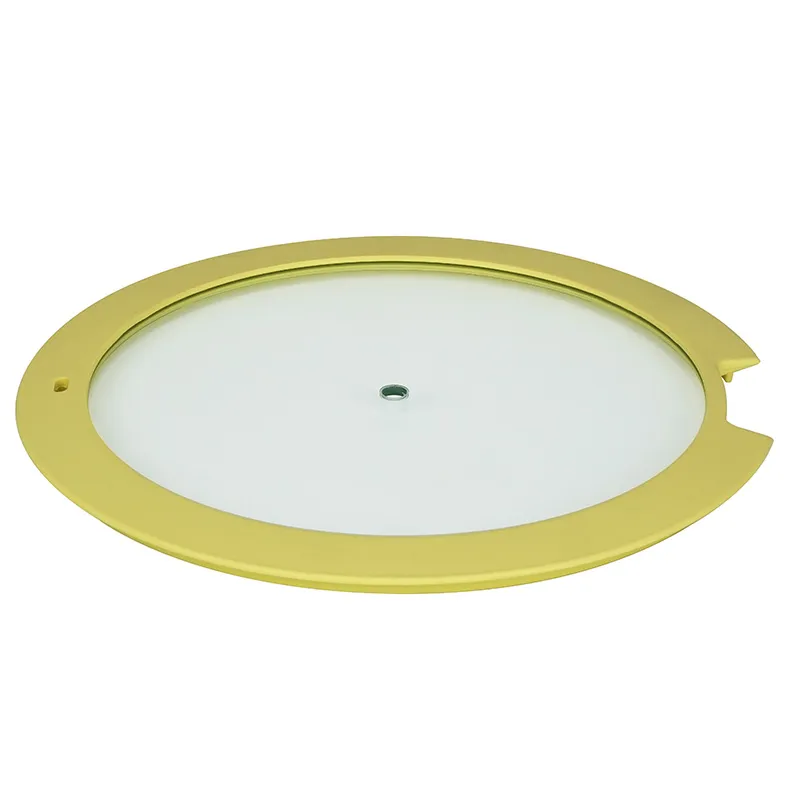
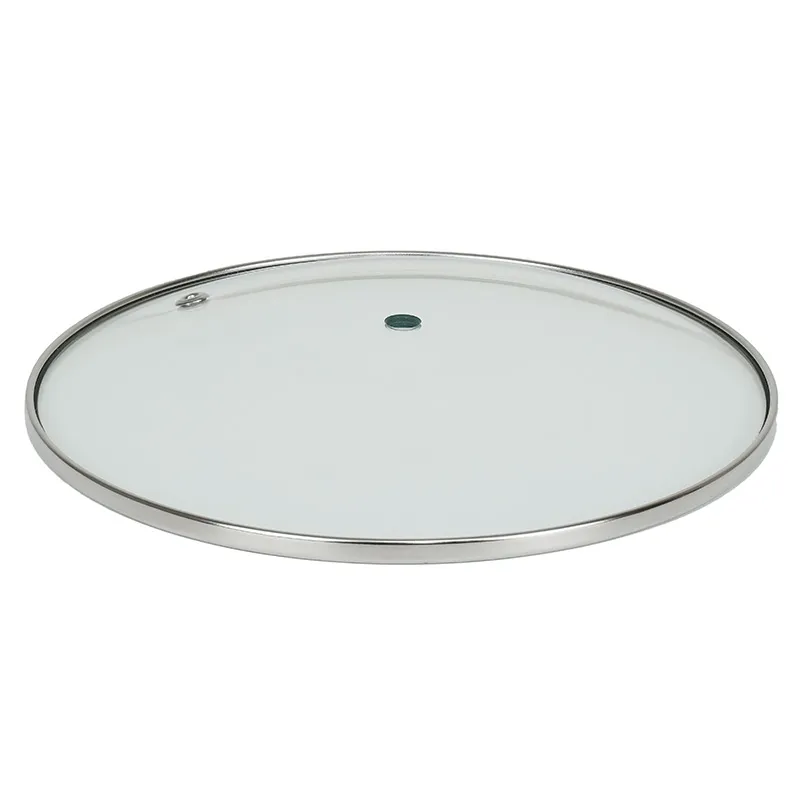
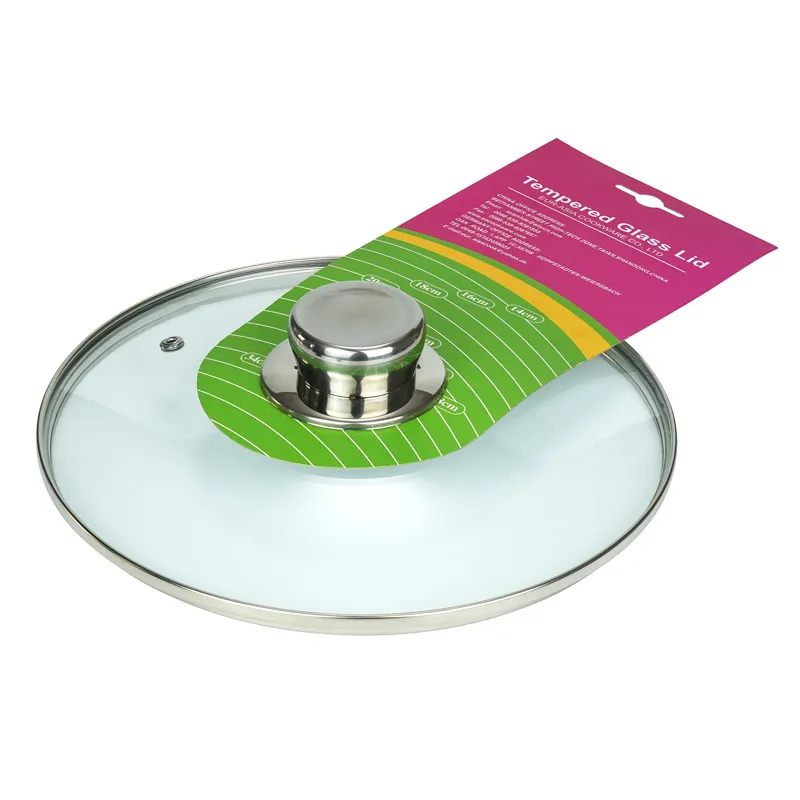
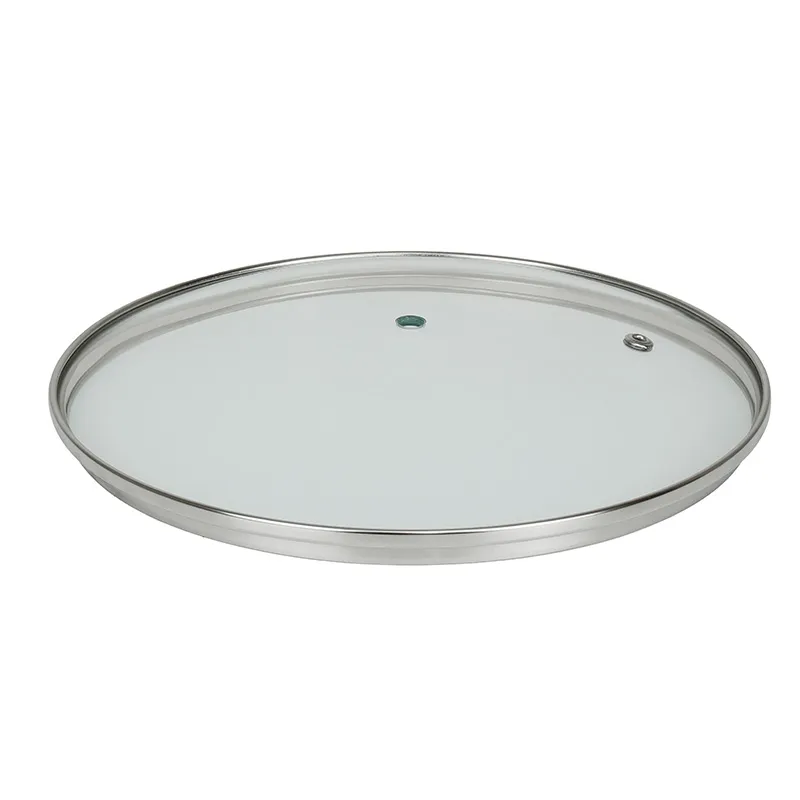
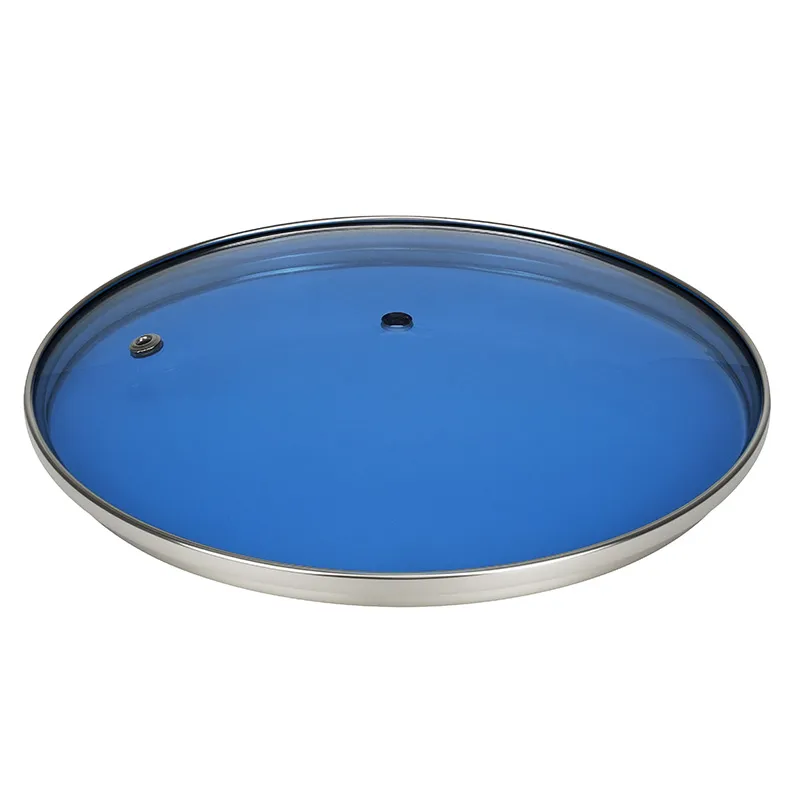
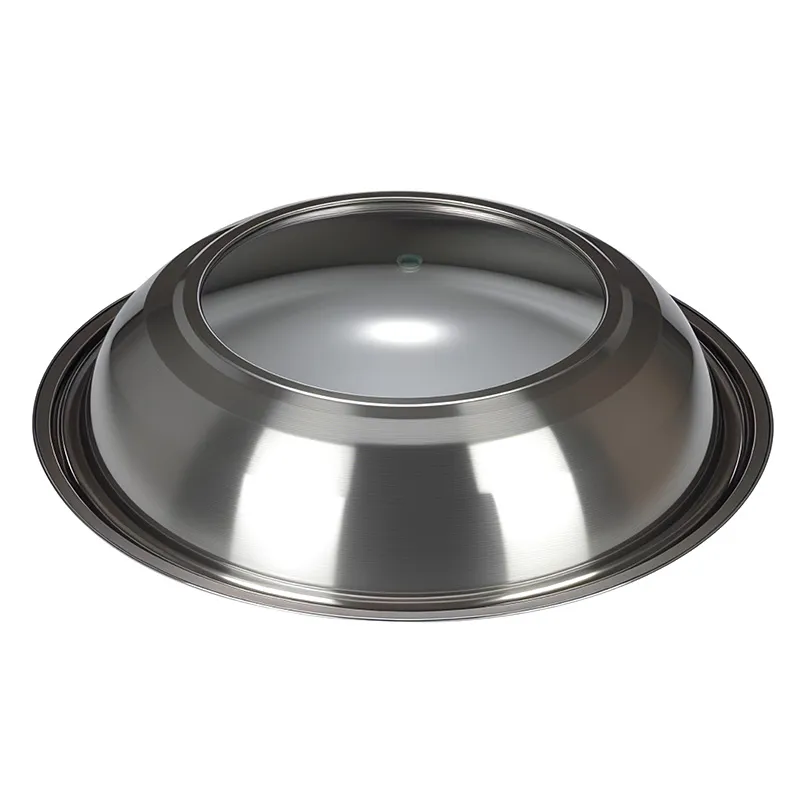
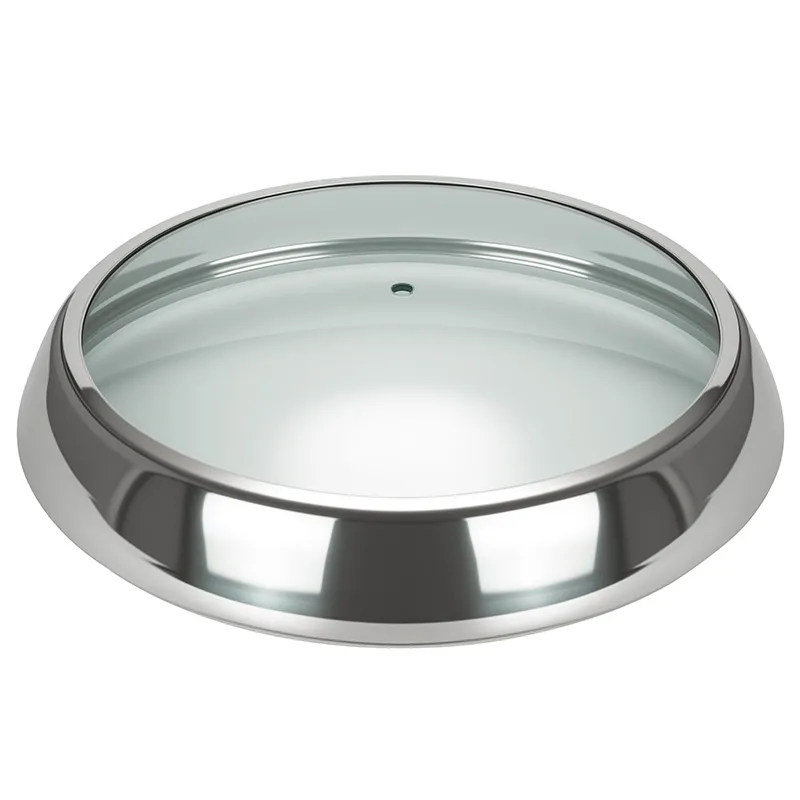
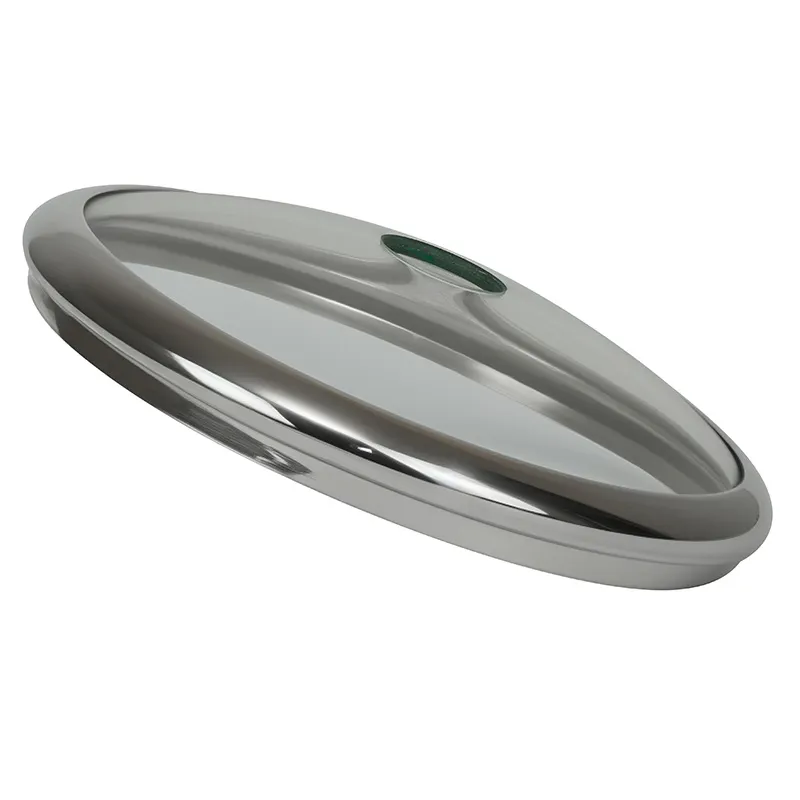
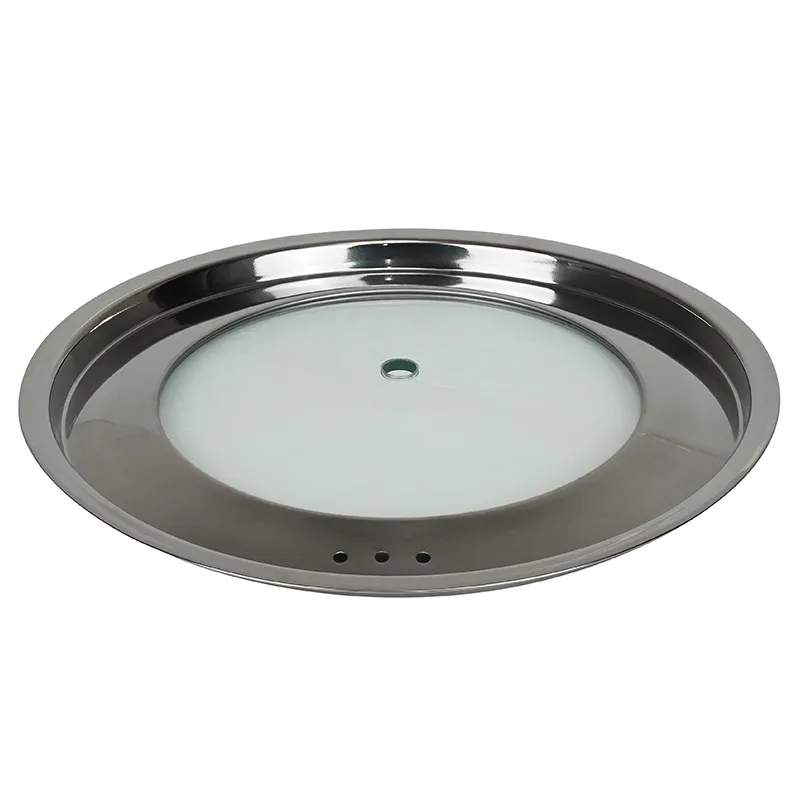
round glass lids
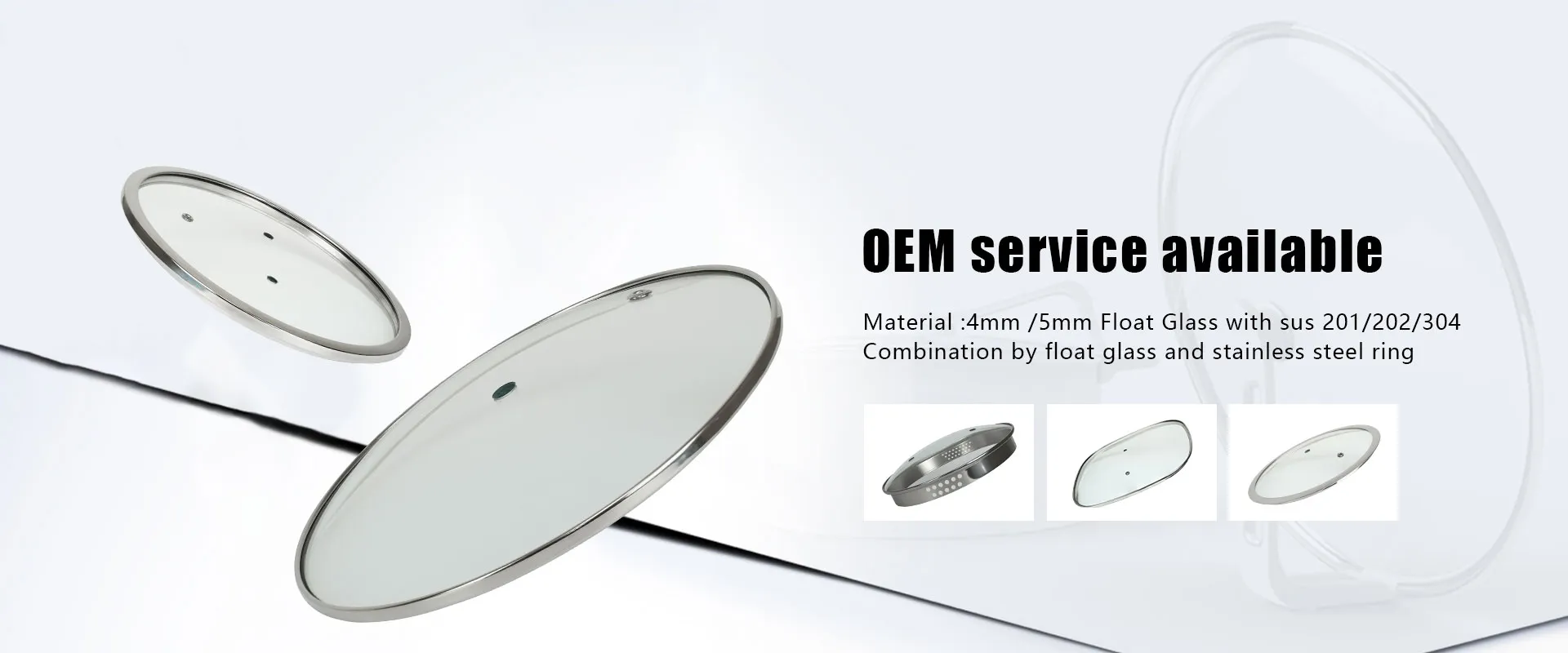
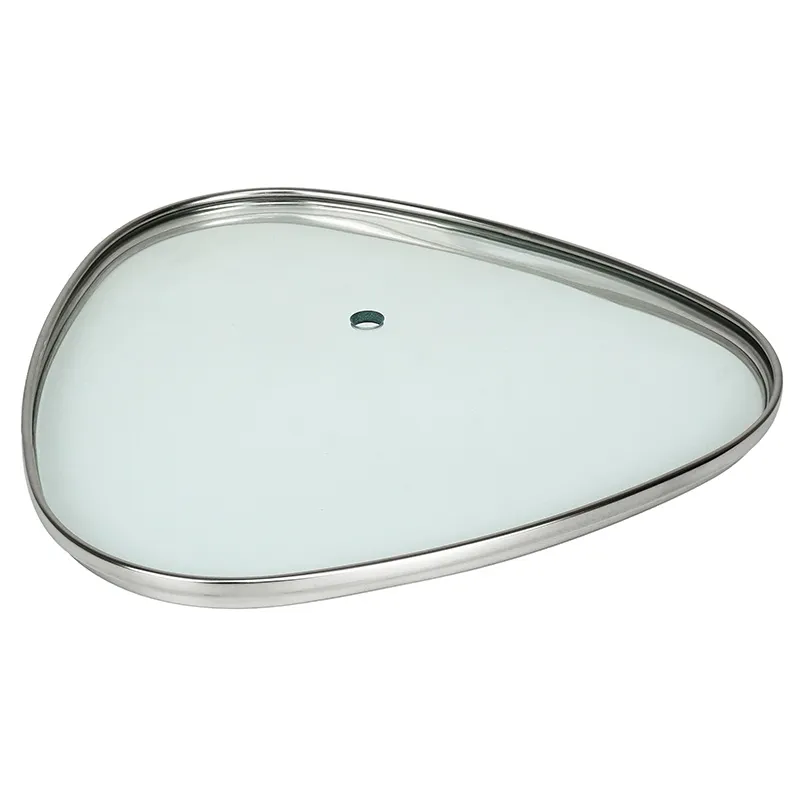
When most people hear 'round glass lids', they think of a simple cover for a pot. That's the first misconception. In reality, the design, tempering process, and fit tolerance for a high-quality round glass lid involve a surprising amount of engineering. The clarity isn't just for looks—it's a functional requirement that changes how people cook. I've seen too many buyers focus solely on diameter and handle style, missing the critical aspects of edge finishing and thermal shock resistance that actually determine performance and safety in a kitchen.
The Manufacturing Reality: It's Not Just Glass
Visiting factories like the one operated by EUR-ASIA COOKWARE CO.,LTD in Taian drives this home. Their production base, covering 20,000㎡, isn't just stamping out discs. The specialization in low to high-level household glass means they have to manage different lines for different market expectations. A lid destined for Germany faces different regulatory and aesthetic scrutiny than one for other regions. The annual output of over 15 million pieces of tempered glass lids is a staggering figure until you see the logistics of annealing lehrs and tempering furnaces running continuously. The 'high-tech' in their zone location isn't marketing fluff; it relates to the precision in temperature control during tempering.
The tempering process itself is where the magic and the headaches happen. You can't just cut a circle and heat it. The curvature, or 'dome', must be calculated precisely to prevent warping during tempering. A slight error in the mold, and the lid won't sit flush, creating a vapor gap that defeats its purpose. I recall a batch where the stress pattern was uneven—visible under polarized light—leading to a higher-than-acceptable breakage rate during our drop tests. The issue traced back to inconsistent quenching air flow. It's these invisible details that separate a reliable lid from one that will fail unpredictably.
Edge work is another silent differentiator. A ground and polished edge isn't merely for safety; it creates a consistent sealing surface. Many cheaper lids have a fire-polished edge that can be slightly uneven, leading to rocking or poor condensation management. EUR-ASIA's focus on export markets like Switzerland and Japan, known for demanding specs, forces a higher standard here. Their 90+ employees aren't just operators; a significant portion are quality controllers checking for these minute defects that most end-users would never consciously notice but would feel during use.
Fit and Function: The Sealing Paradox
Here's a practical dilemma: a perfect seal is not always ideal. A glass lid that seals too tightly on a simmering pot can create a vacuum, making it dangerously difficult to lift and potentially causing a boil-over when released. The design must allow for a minimal, controlled vapor escape. This is often achieved through a calculated mismatch in the curvature of the lid and the pot rim, or through micro-imperfections in the edge finishing. It's a counter-intuitive bit of engineering—designing a controlled leak.
We tested this extensively with stock pots. A lid from a reputable supplier like glass-lid.com, designed for the European market, often has a slightly flatter dome profile. This creates a smaller, more consistent vapor channel compared to a deeply domed lid, which might condense drips back more centrally but can seal too well. The choice depends on the cooking culture—rapid boiling vs. slow simmering. Their export data to places like Italy and Brazil likely reflects these nuanced adaptations. You won't find this spec on a website; it's baked into the design brief after years of feedback.
The handle attachment point is a classic failure zone. It's not just glued on. On quality lids, it's a metal or phenolic knob anchored with a mechanical fastener that passes through the tempered glass. The thermal expansion rates of the glass, the metal washer, and the bolt material must be compatible. I've seen lids where the knob simply popped off after a few dishwasher cycles because the adhesive failed due to thermal cycling. EUR-ASIA's mention of producing other kitchen accessories suggests they likely source or produce these components with compatibility in mind, which is a significant advantage.
The Export Landscape and Material Nuances
Why does over 90% of EUR-ASIA's production go to countries like Germany, Denmark, and Japan? It's not just cost. It's about material compliance. European REACH regulations and German LFGB standards place strict limits on heavy metal releases from any materials that contact food, including the colors and pigments used on lid edges or handles. A round glass lid might seem inert, but the enamel paint for size markings or the silicone gasket on some models must be certified. A factory invested in these markets has already navigated this complex certification maze, which becomes a huge barrier to entry for smaller workshops.
Glass thickness is another spec that's often oversimplified. Thicker isn't universally better. A thicker, heavily tempered lid can be more brittle and prone to catastrophic shattering if impacted on the edge. A slightly thinner, properly tempered lid might have more flex and durability. The target is a balance between heft (feels quality), thermal mass (affects condensation), and impact resistance. For their high-level products, the choice of glass composition—the ratio of silica, soda ash, and dolomite—can be tweaked for clarity and strength. The clarity of the glass isn't cosmetic; it's a direct indicator of purity and quality of the raw materials.
Logistics of such a fragile product are a nightmare. Fifteen million lids a year means designing packaging that protects not just from breakage, but from abrasion that scratches the surface during transit. A scratched lid is a return. Their location in Shandong provides good port access, but the real test is how the lids are packed in the container—the interleaving paper, the corner pads. It's a cost center that directly impacts the bottom line through reduced damage claims. You develop a respect for a company that successfully gets millions of these items to Brazil and Turkey in sellable condition.
Practical Failures and Observational Insights
Let's talk about thermal shock. The classic test is moving a lid from a boiling pot to a cool granite counter. A good lid survives. A great lid survives even if a cold liquid splashes on it while it's on the pot. This resistance is a function of the tempering quality and the glass's intrinsic strain point. However, I've observed that failure often occurs at the point where the handle is attached, where the stress field is disrupted. A common failure mode isn't a crack, but a small 'chip' blow-out at the bolt hole, which then propagates. This is a design flaw, not a material flaw.
Another subtle point is cleaning. The pristine surface of a new glass lid can become clouded over time by microscopic scratches from abrasive cleaners or scouring pads. This reduces clarity and, in a commercial setting, is a hygiene concern as the scratched surface can harbor bacteria. Some manufacturers apply a light hydrophobic coating to mitigate staining. I haven't confirmed if EUR-ASIA does this, but for their high-end lines targeting markets like South Korea and Japan where kitchenware maintenance is a serious concern, it would be a logical value-add.
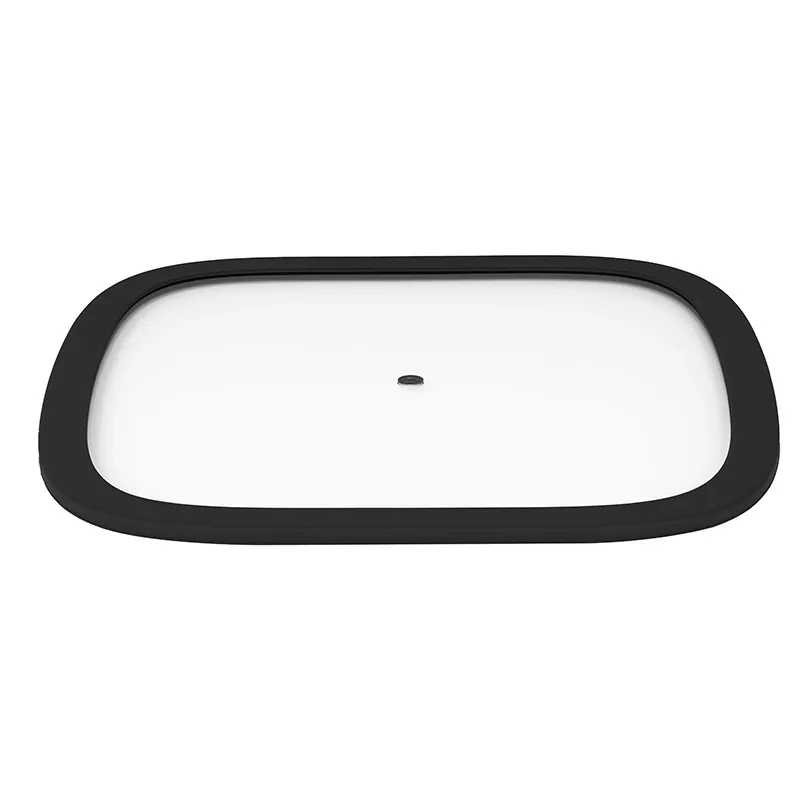
Finally, the 'round' specification is more forgiving than square or oval lids in terms of stress distribution during tempering. However, it introduces a challenge for inventory and matching. A 24cm lid might not fit every 24cm pot on the market due to variations in rim design (rolled edge vs. flat edge). This is why some manufacturers, especially those exporting globally, develop lid lines specifically designed to match common OEM pot dimensions from major European and Asian brands. It's a behind-the-scenes compatibility game. The information on glass-lid.com suggests they have the scale to engage in this kind of tailored production, which is what moves them from a commodity supplier to a solutions provider.
Conclusion: The Unseen Value
So, what are you really buying with a round glass lid? You're buying controlled tempering, calculated fit, material compliance, and logistical competence. It's a deceptively simple product that acts as a bellwether for a manufacturer's overall capability. A company like EUR-ASIA COOKWARE, with its dedicated focus and volume, embodies the industrialization of this simple item. Their success across diverse, quality-conscious markets tells you they've likely solved the problems of thermal stress points, consistent edge finishing, and chemical compliance that plague smaller operations.
The next time you lift a lid to check on a simmering dish, that momentary action is supported by a chain of precise engineering and practical problem-solving. The best lids are the ones you never think about—they just perform, cycle after cycle, without clouding, warping, or breaking. That reliability is the real product, not the glass itself. And achieving it at a scale of 15 million pieces a year, while adapting to the nuances of kitchens from Poland to Spain, is the quiet achievement hidden in plain sight on a stovetop.
Related Products
Related Products