- Chinese
- French
- German
- Portuguese
- Spanish
- Russian
- Japanese
- Korean
- Arabic
- Irish
- Greek
- Turkish
- Italian
- Danish
- Romanian
- Indonesian
- Czech
- Afrikaans
- Swedish
- Polish
- Basque
- Catalan
- Esperanto
- Hindi
- Lao
- Albanian
- Amharic
- Armenian
- Azerbaijani
- Belarusian
- Bengali
- Bosnian
- Bulgarian
- Cebuano
- Chichewa
- Corsican
- Croatian
- Dutch
- Estonian
- Filipino
- Finnish
- Frisian
- Galician
- Georgian
- Gujarati
- Haitian
- Hausa
- Hawaiian
- Hebrew
- Hmong
- Hungarian
- Icelandic
- Igbo
- Javanese
- Kannada
- Kazakh
- Khmer
- Kurdish
- Kyrgyz
- Latin
- Latvian
- Lithuanian
- Luxembou..
- Macedonian
- Malagasy
- Malay
- Malayalam
- Maltese
- Maori
- Marathi
- Mongolian
- Burmese
- Nepali
- Norwegian
- Pashto
- Persian
- Punjabi
- Serbian
- Sesotho
- Sinhala
- Slovak
- Slovenian
- Somali
- Samoan
- Scots Gaelic
- Shona
- Sindhi
- Sundanese
- Swahili
- Tajik
- Tamil
- Telugu
- Thai
- Ukrainian
- Urdu
- Uzbek
- Vietnamese
- Welsh
- Xhosa
- Yiddish
- Yoruba
- Zulu
- Kinyarwanda
- Tatar
- Oriya
- Turkmen
- Uyghur

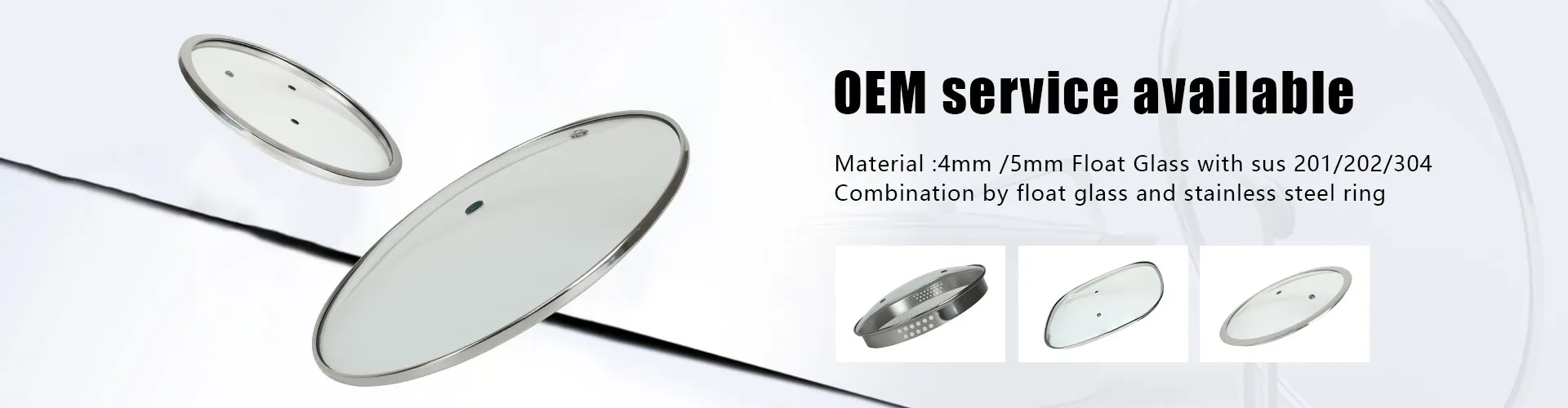
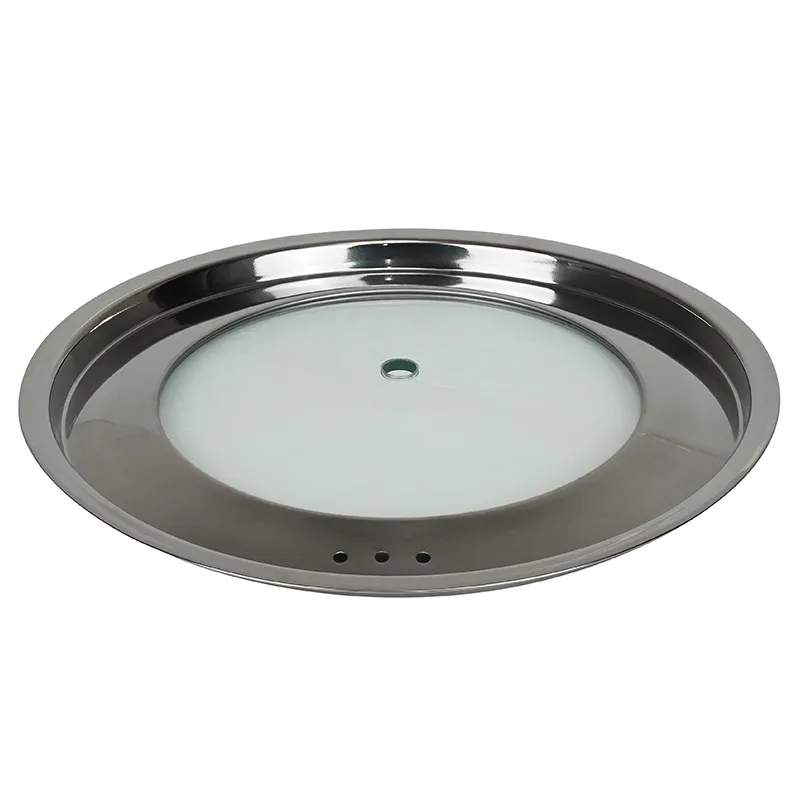
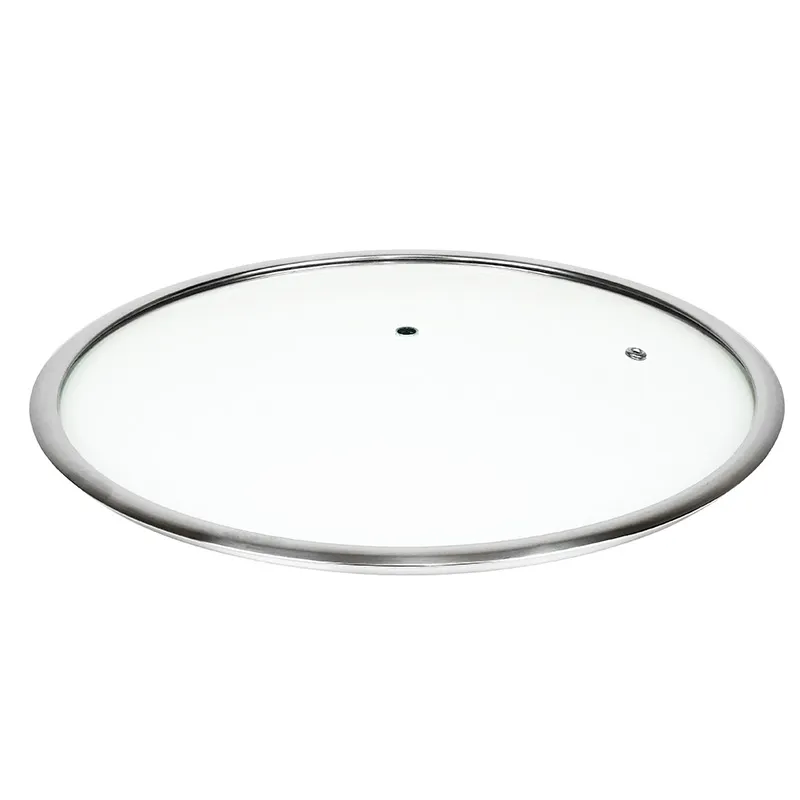
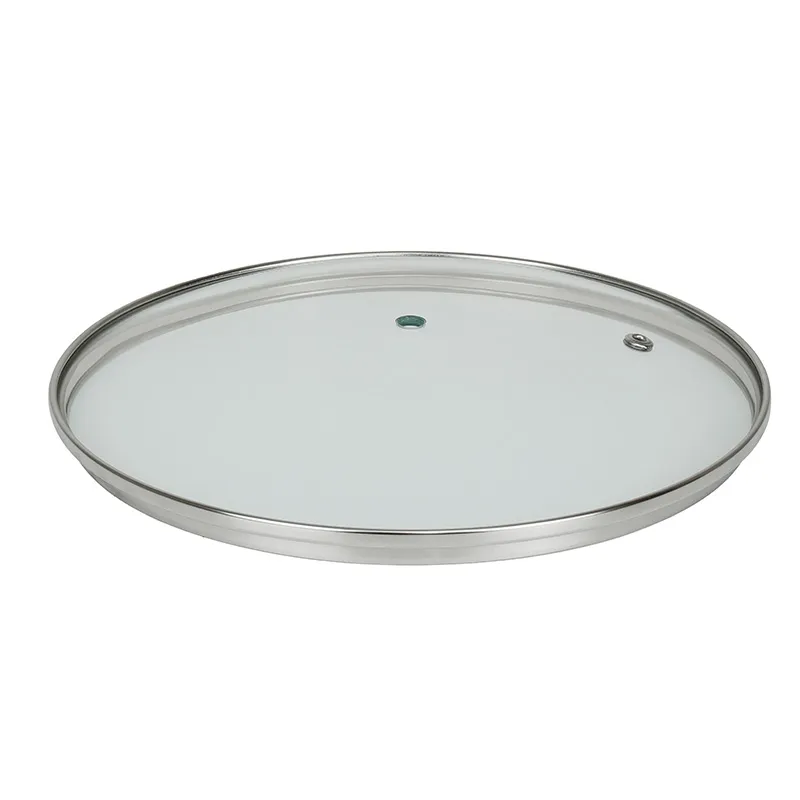
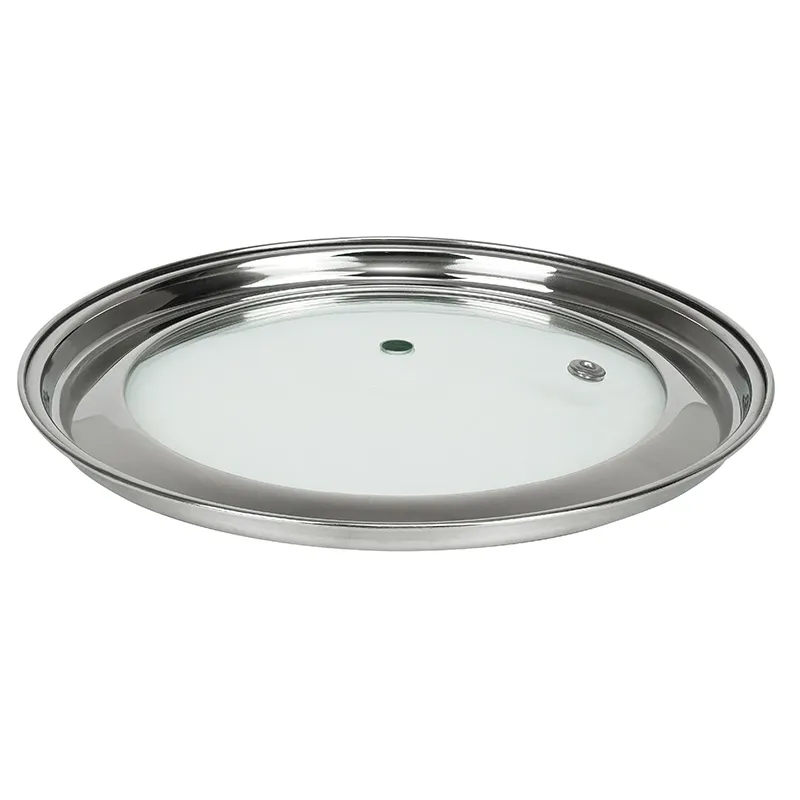
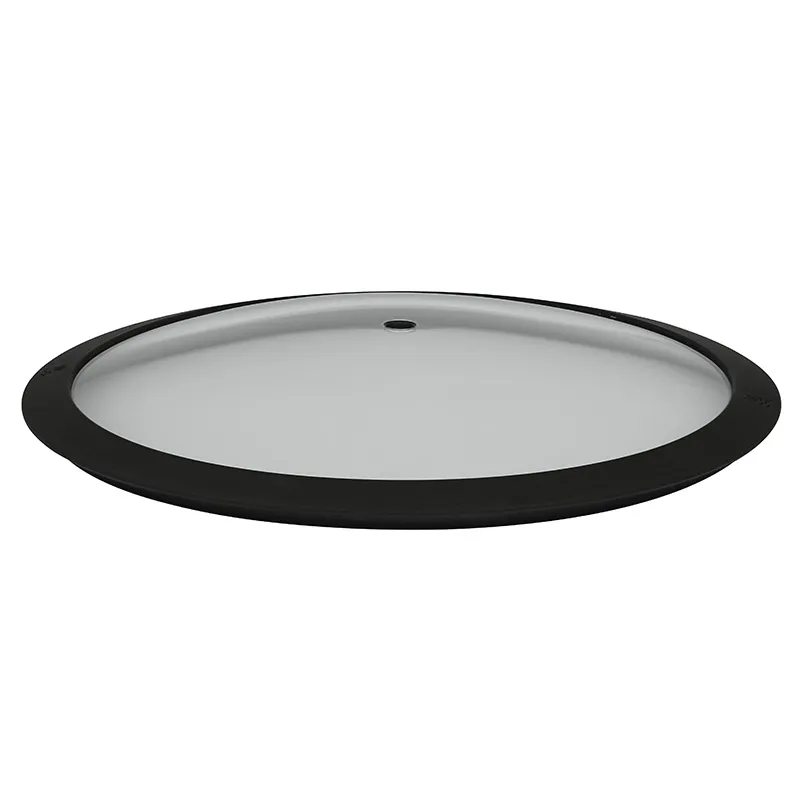
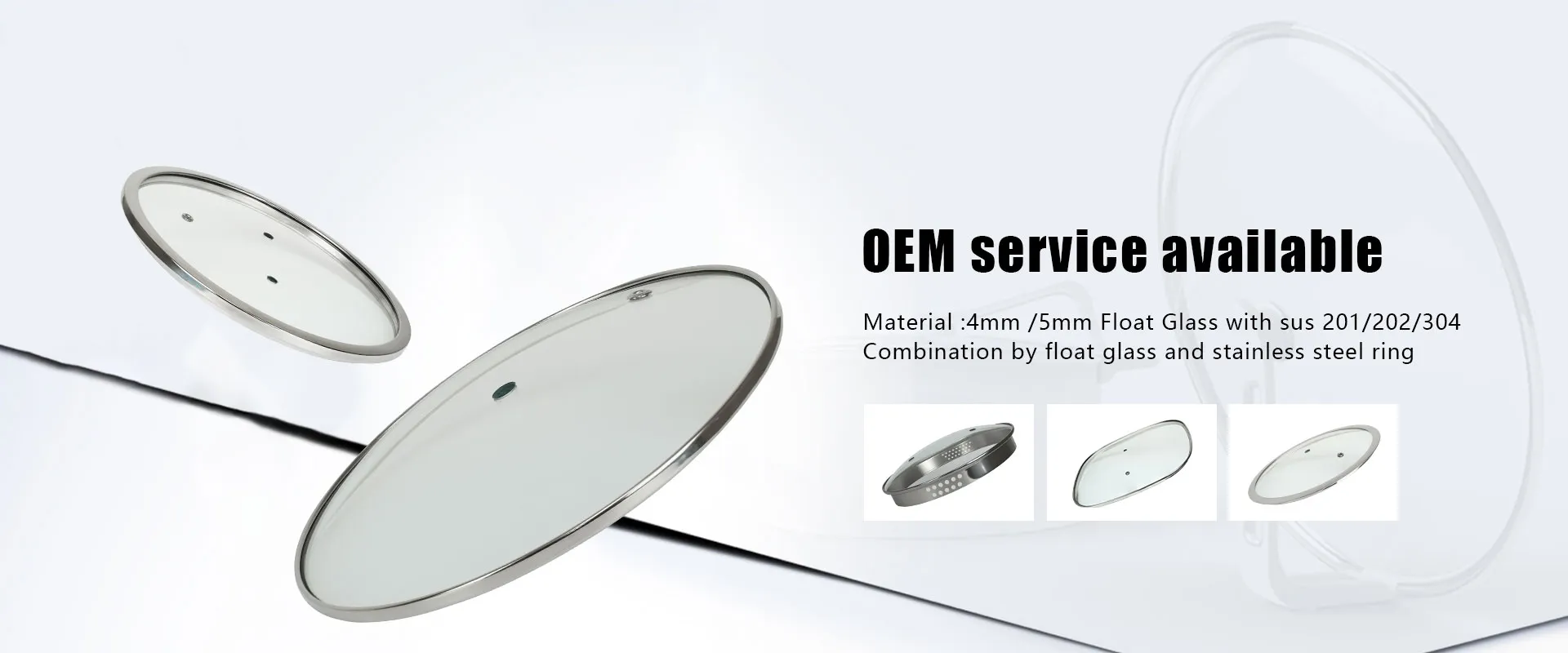
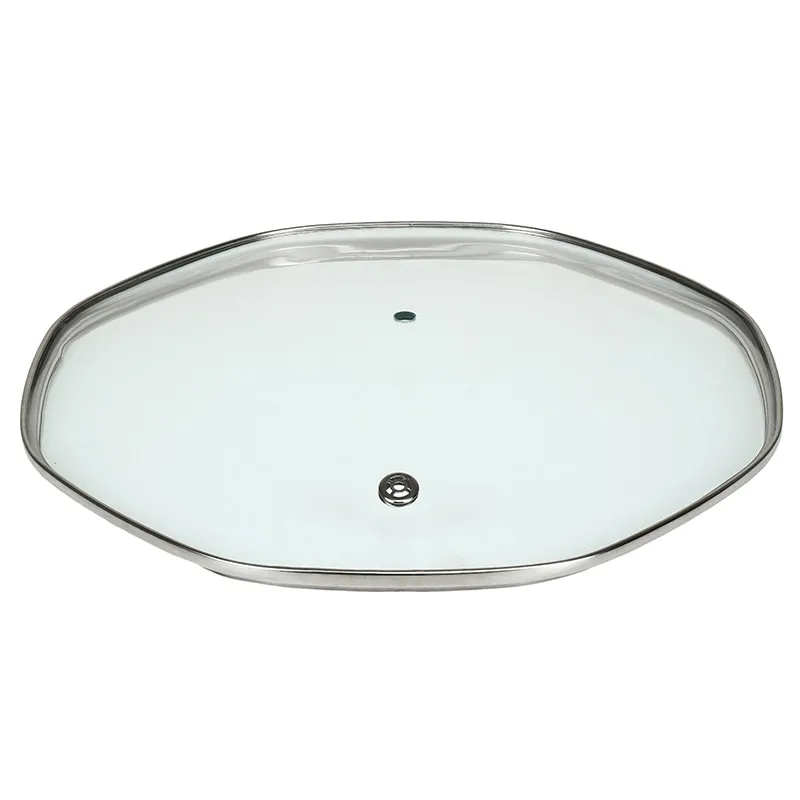
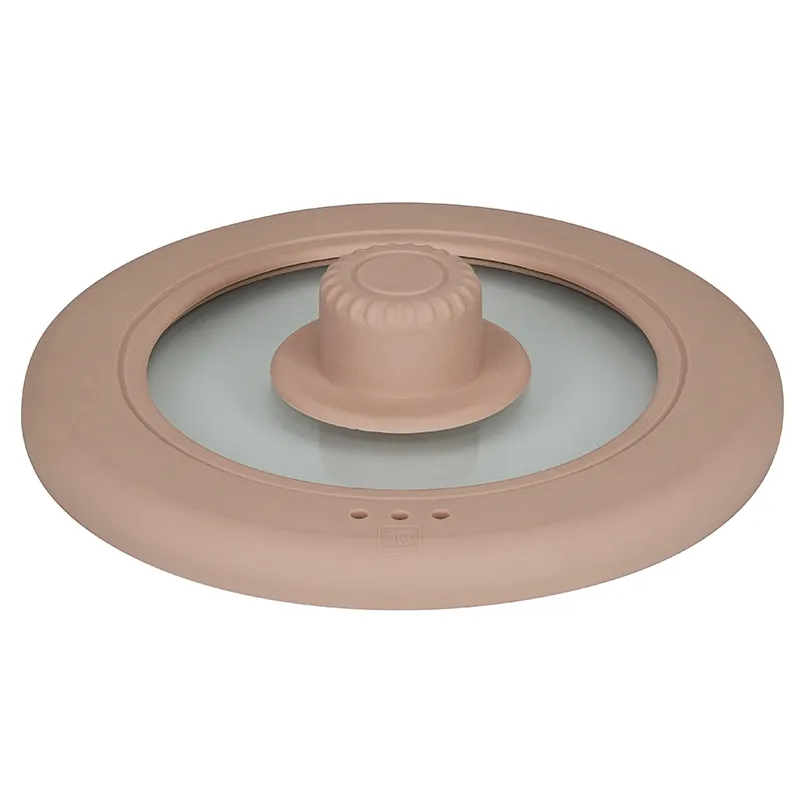
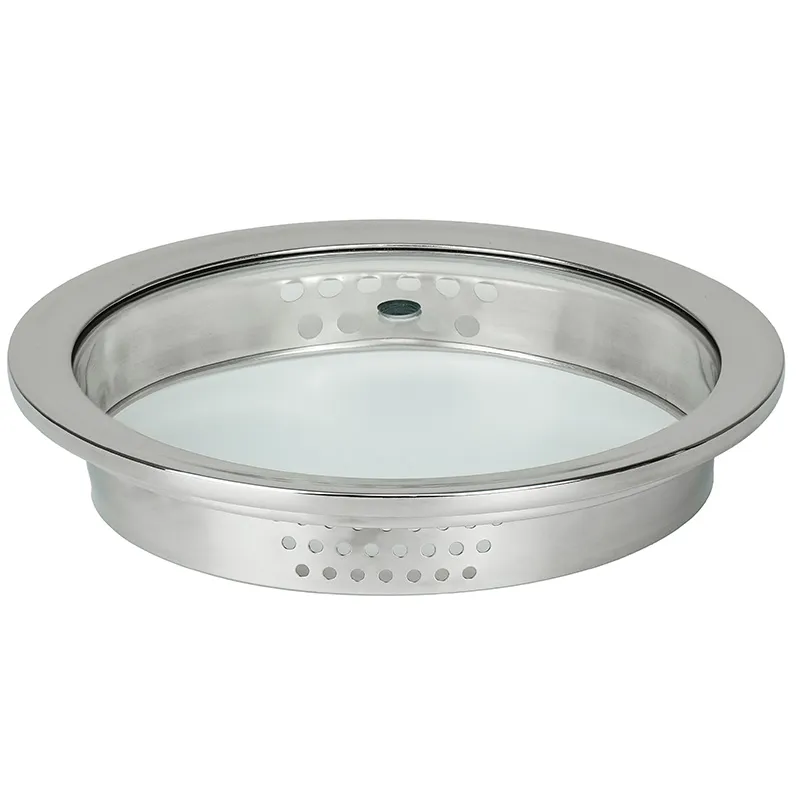
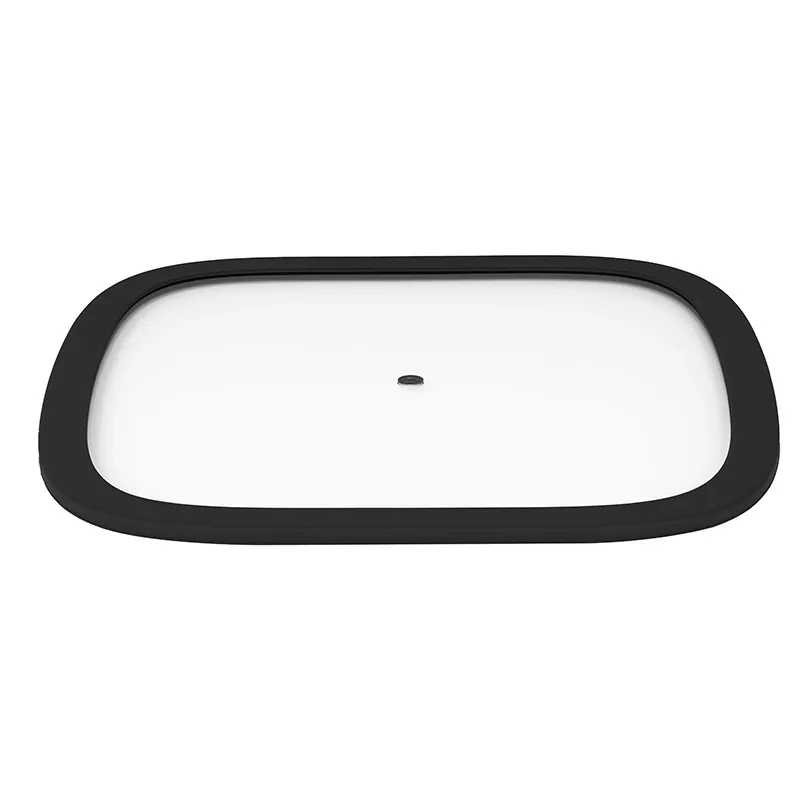
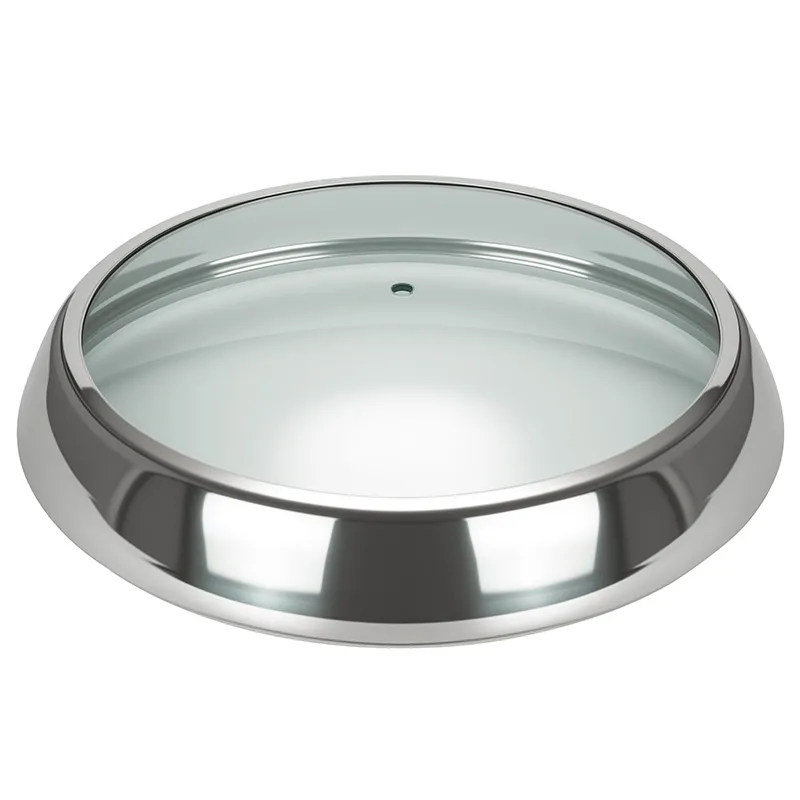
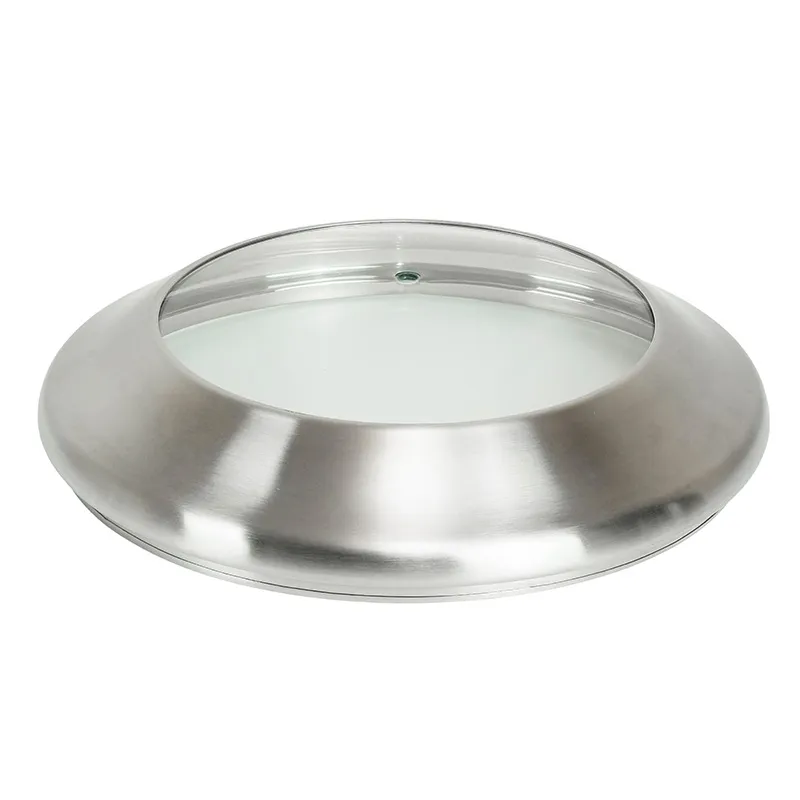
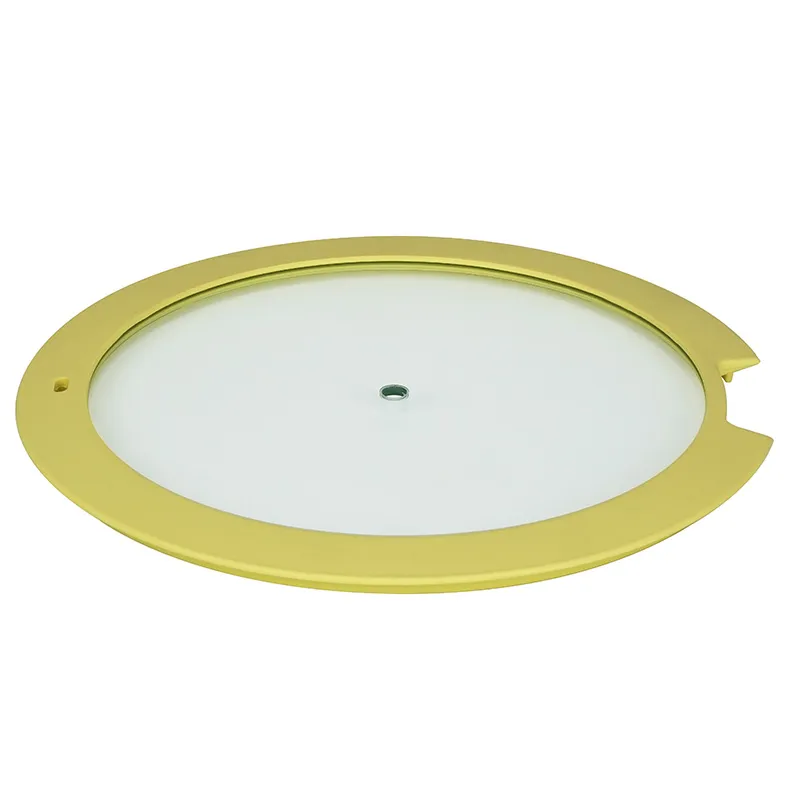
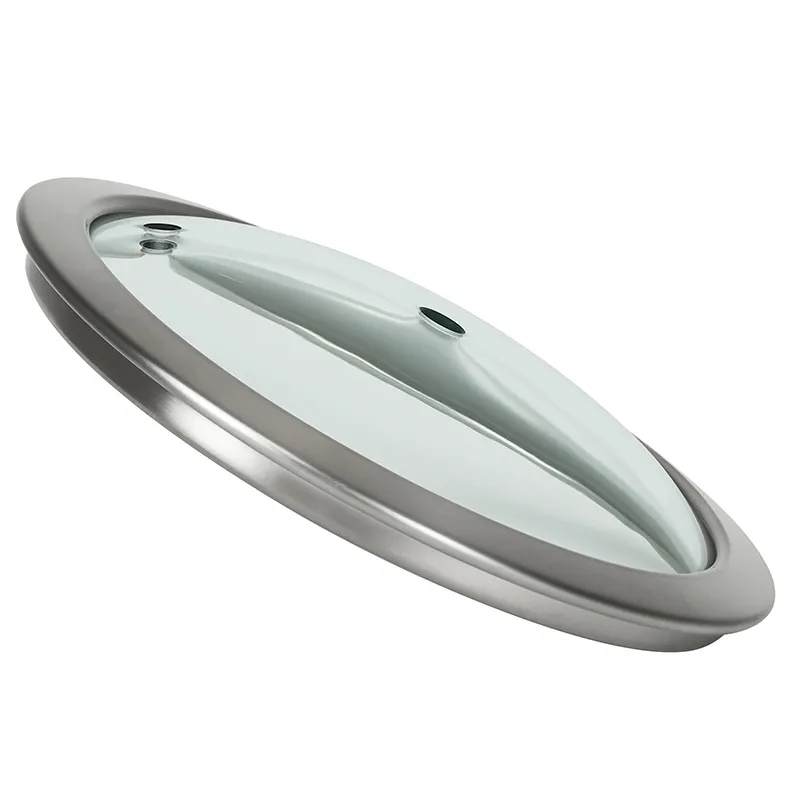
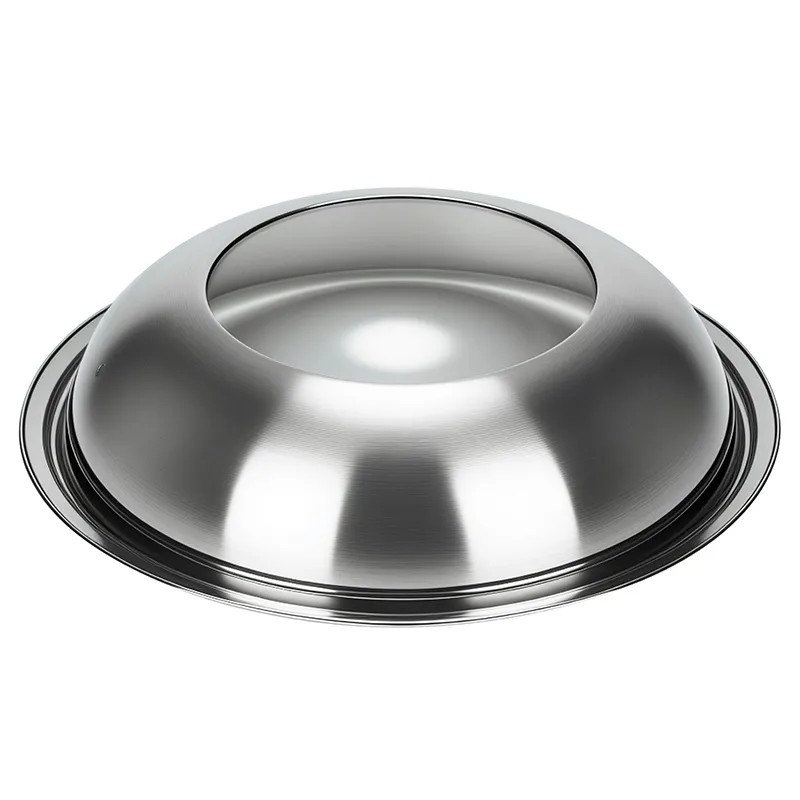
round tempered glass lid
When you hear 'round tempered glass lid', most think it's just a clear cover for a pot. That's the first misconception. It's not just about visibility; it's about thermal shock resistance, sealing efficiency, and the subtle art of balancing thickness with handle ergonomics. Many specs sheets miss the point entirely.
The Core Misunderstanding: Tempering Isn't Just About Strength
Clients often equate tempered glass with being unbreakable. That's a dangerous oversimplification. The real value of tempering for a lid is its behavior under stress. When it does fail—and it can, under extreme direct impact—it crumbles into small, granular pieces instead of sharp shards. This is a critical safety feature, especially in a bustling kitchen. But the process is delicate. If the glass cut isn't perfectly smooth before it goes into the furnace, or if the quenching isn't uniform, you get weak points. I've seen batches where the stress pattern, visible under polarized light, looked like a spiderweb. Those lids would pop on their own after a few heat cycles. It's a quality checkpoint most importers don't even know to ask for.
Then there's the issue of the rim. A lid isn't a flat pane. The round tempered glass lid has a ground and polished rim, often with a silicone gasket channel. If the tempering process isn't adjusted for this curvature, the residual stress can cause micro-fractures along the edge during the grinding. You might not see them out of the box, but the first time it's heated and cooled, you hear a tiny 'ping' and find a chip. It's a failure that looks like a shipping problem but is actually a manufacturing one.
I recall a shipment for a European client where we skipped the post-temper edge inspection to rush an order. Big mistake. The return rate was 8% due to chipped rims. The lesson? Tempering is a system, not a single step. The integrity of the final product depends on every stage before and after the furnace.
The Sealing Dilemma: Glass, Silicone, and Steam
A lid's primary job is to seal. With glass, you're working with an inflexible material, so the seal is entirely dependent on the gasket and the precision of the glass's diameter. The common 26cm or 28cm round tempered glass lid isn't just a random size. It's calculated to sit snugly on a pot with a specific flange design. The tolerance is often within 0.5mm. Too tight, and it's impossible to lift; too loose, and steam escapes, ruining energy efficiency.
The silicone gasket is another world. Food-grade, high-temperature resistance is a given. But the durometer (hardness) matters immensely. A softer silicone seals better but degrades faster and can stick to the pot rim. A harder one lasts longer but might not seal perfectly on a slightly warped pan. We worked with EUR-ASIA COOKWARE on this, using their production base in Taian as a test lab. They supply major markets in Germany and France, where consumers are brutally pragmatic. Through trial and error, we landed on a specific compound that had the right balance—firm enough to retain shape, soft enough to conform. It's details like this that separate a lid that lasts two years from one that lasts five.
You can see their approach to these kitchen accessories on their site, glass-lid.com. It's not flashy, but it shows the scope: producing over 15 million pieces annually means they've seen every failure mode. Their export focus to Europe means the specs are built to withstand rigorous use.
The Handle Problem: A Point of Constant Failure
This is where most designs fall apart, literally. The handle is the only point where a human interacts with the lid, and it's a thermal bridge and a stress concentrator. The classic design uses a stainless steel clamp that grips the glass's edge. The metal and glass expand at different rates. If the clamp is too rigid, it stresses the glass. If it's too loose, the handle wobbles and feels cheap.
We tried a popular design with a phenolic resin (Bakelite) knob screwed directly into a threaded metal insert fused to the glass. It looked sleek. In theory, the resin is a good insulator. In practice, the differential expansion between the metal insert, the glass, and the resin screw caused hairline cracks around the insert after about 50 dishwasher cycles. Failure. Back to the drawing board.
The most reliable method I've seen, and one that EUR-ASIA employs for their medium to high-level products, is a robust, riveted stainless steel bracket that holds a large, ergonomic Bakelite knob. The bracket has a slight spring to it, allowing for micro-movement. It's not the most minimalist look, but it works. It survives drops, dishwashers, and the constant thermal cycling. Sometimes, the industrial solution is the right one for a household product.
Thickness & Weight: The Invisible Trade-off
Spec sheets love to boast about thickness—4mm, 5mm tempered glass. Thicker feels more premium, right? Not always. A heavier lid is more stable and less prone to dancing from steam pressure, but it's also more cumbersome, especially for larger diameters. For a 24cm lid, 4mm is often the sweet spot. Go to 28cm or 30cm, and you might need 5mm for structural rigidity, but the weight becomes a genuine concern for some users.
There's also a cost and energy factor in production. Thicker glass requires longer tempering cycles and more energy. It's a significant part of the COGS. I've pushed for zoned thickness before—thicker at the rim and center for strength, slightly thinner in between—but the manufacturing complexity for a tempered glass lid made it economically unviable for the volumes we needed. It's a reminder that even the best ideas get tempered (pun intended) by production reality.
This is where a manufacturer's scale matters. A facility like EUR-ASIA's, with 15,000㎡ of building space, can optimize these processes. They can run dedicated lines for different thicknesses, which helps with consistency. Their annual output of 15 million pieces isn't just a number; it represents a deep, institutional memory of what works and what breaks.
The Export Reality: Meeting Unwritten Standards
Selling to Germany versus selling to Brazil involves different unwritten rules. The German market is obsessed with mechanical safety (GS certification), cleanability, and precision. A lid must sit perfectly flush. The Polish or Turkish market might prioritize vibrant color options on the handle or a more decorative rim. The base product is the same, but the finishing touches and compliance paperwork are worlds apart.
EUR-ASIA COOKWARE CO.,LTD.'s export list—Germany, Italy, France, Japan, South Korea—is a testament to their ability to navigate this. It's not just about making a lid; it's about understanding that a French cook might want a lid with a pronounced steam vent for reduction sauces, while a Korean kitchen might prioritize a lid that can handle the high heat of a stone pot. Their specialization in low, medium, and high-level products is key. The high-level isn't just marketing; it's about the extra inspections, the tighter tolerances, and the premium packaging that prevents scratches during the long haul to Switzerland or Denmark.
When you source a round tempered glass lid, you're not just buying a piece of glass. You're buying the accumulated problem-solving of a factory that has had to satisfy the most demanding inspectors in the world. The real product is the lack of problems down the line. The lid itself should be invisible in use—reliable, safe, and doing its job without fuss. That's the mark of a good one, and it's harder to achieve than it looks.
Related Products
Related Products